Our Top Picks: The ATRA Gallery Experience
If you only have fifteen minutes at 43 Clarkson Street, don’t miss these three highlights that define the ATRA ethos:
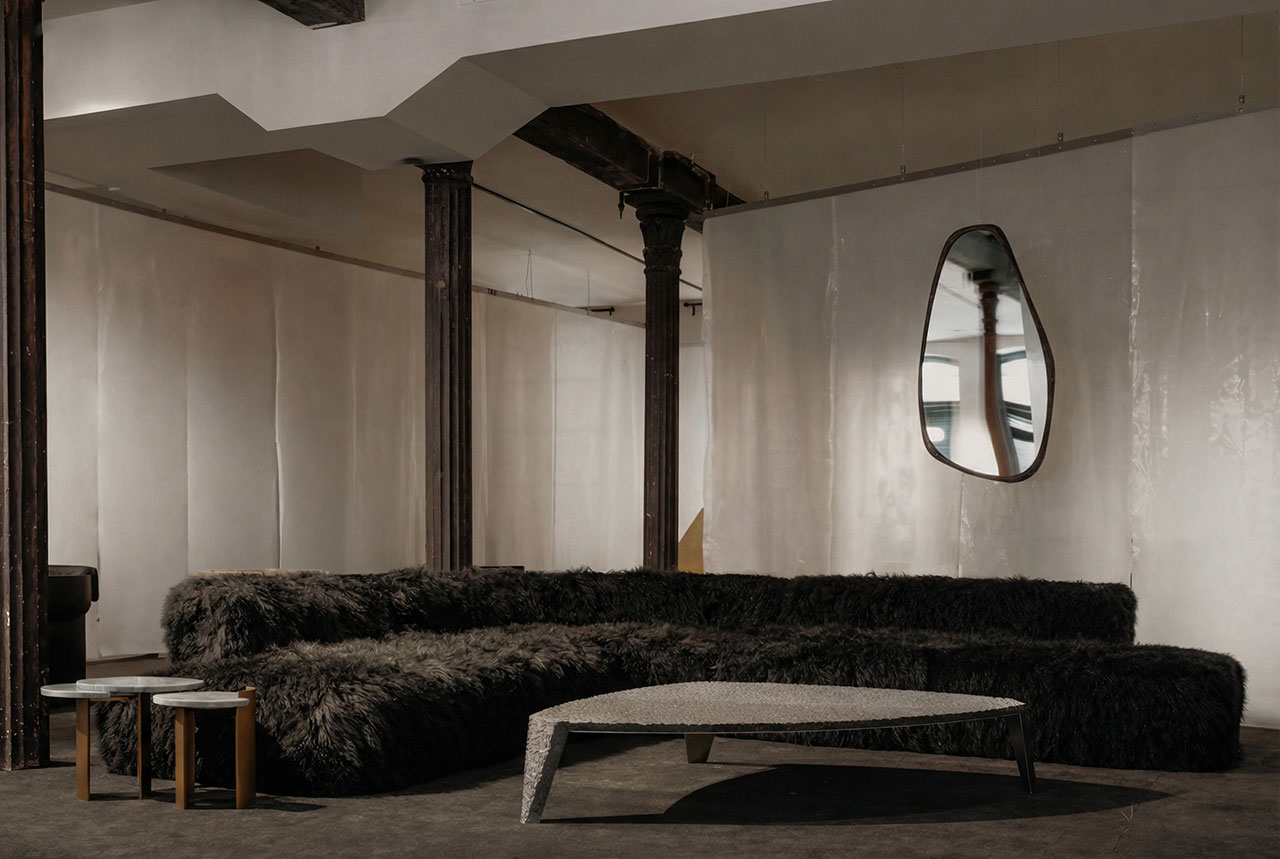
- The Behemoth "Yeti" Sofa: A masterclass in texture, featuring shaggy black Mongolian fur that challenges the boundaries between furniture and creature.
- The Morphus System: A $10,000 biohacking upgrade that transforms a chair into a multisensorial wellness vessel using Vibration, Light, and Sound (VLS).
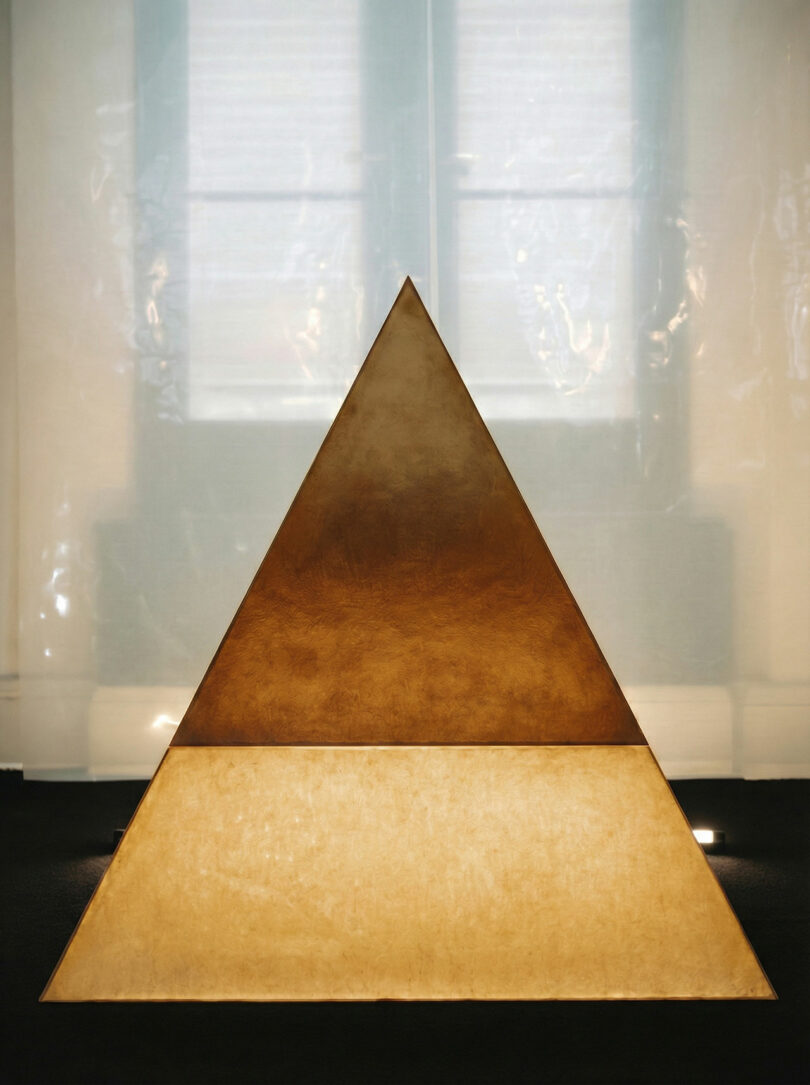
- The Pyramid Chair: A collaboration with artist Pedro Reyes that merges mid-century brutalism with futuristic fiberglass engineering.
A New Design Landmark in Hudson Square
There is a specific kind of quiet that exists only in the most intentional spaces. Stepping off the bustling pavement of Hudson Square into ATRA’s new New York City flagship at 43 Clarkson Street, that silence hits you first. It isn't the cold, sterile silence of a typical white-cube gallery, but rather a grounded, resonant hush.
The arrival of ATRA in Manhattan marks a significant milestone for the studio, expanding its global footprint over a decade after its initial founding in Mexico City. Founded by Alexander Díaz Andersson, the studio has carved out a niche that feels entirely its own: a synthesis of Swedish precision engineering and ancient Mexican artisan techniques. This ground-floor sanctuary serves as more than just a showroom; it is a manifestation of "spatial intervention," where furniture isn't just placed in a room but functions as an architectural system designed to elevate the human experience.
The Visionary: Alexander Díaz Andersson’s 'Geeky' Inspiration
To understand the furniture, you have to understand the mind of its creator. Alexander Díaz Andersson is often described as a designer who operates at the intersection of a master craftsman and a futuristic "geek." His Swedish-Mexican heritage informs the brand's DNA—marrying the "Lagom" philosophy of functional restraint with the rich, soulful materiality of Mexican modernism.
His mood board is a dizzying, intellectually curious collection of references:
- NASA Prototypes: The structural integrity and utility of aerospace design.
- Japanese Metabolism: The architectural movement that viewed buildings as living, evolving organisms.
- Blade Runner Aesthetic: A futuristic noir that values moody atmosphere and high-tech utility.
- Fibonacci Sequences: The mathematical patterns found in nature that dictate the proportions of his most iconic pieces.
This "nerdy" influence translates into precision-engineered furniture that feels both ancient and otherworldly. When you sit in an ATRA piece, you aren't just sitting on a chair; you are interacting with a piece of engineering that has been refined through the lens of history and science.
The NYC Gallery: A Multisensorial Experience
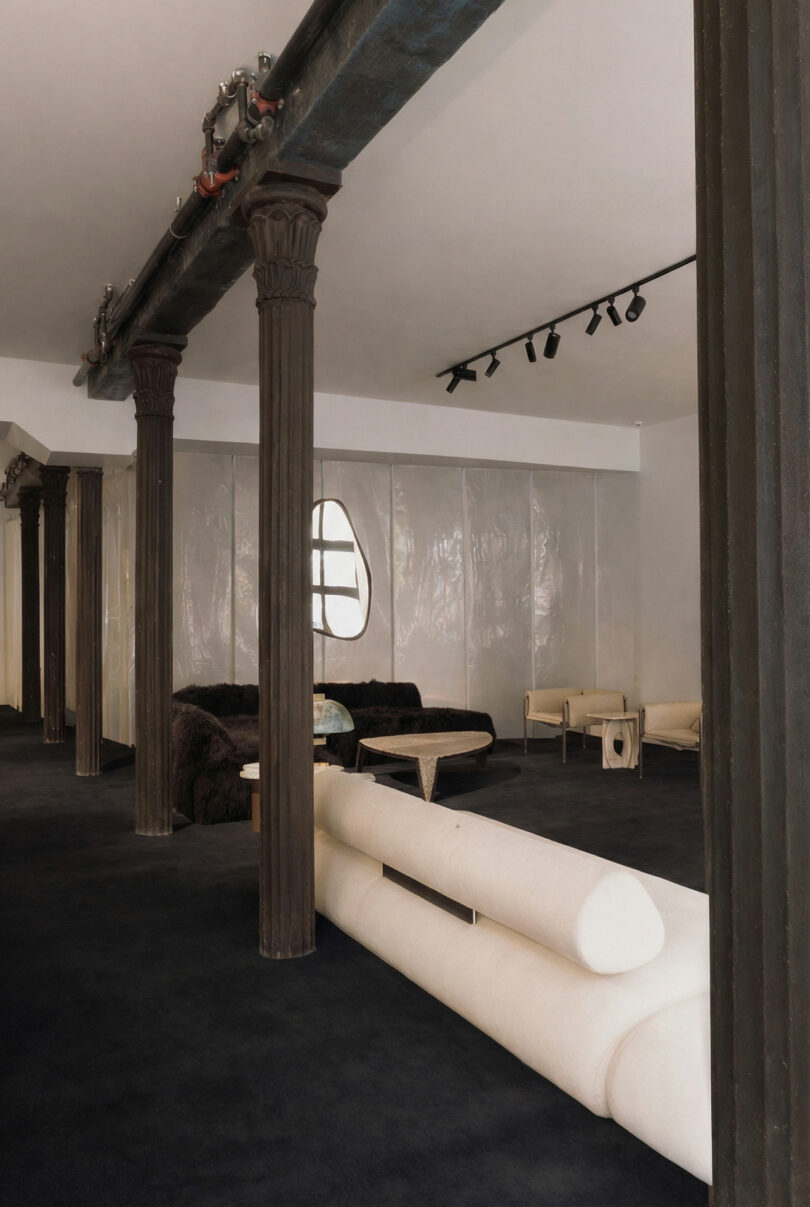
The gallery itself is a "monastic" triumph. Eschewing the traditional bright lights of retail, the space is defined by dark, soil-toned carpets and industrial-chic vignettes. The open-plan layout allows each of the 10+ signature collections to breathe, creating a series of intimate "moments" within the larger hall.
What makes ATRA’s NYC gallery unique is its multisensorial approach. It isn't just about how the furniture looks; it’s about how the space feels. The contrast between the rough-hewn industrial columns and the smooth, vaulted ceilings creates a tension that mirrors the furniture’s own play between hard and soft.
Signature Collections: From 'The Yeti' to Pyramid Chairs
ATRA's furniture often feels like it belongs in a high-concept sci-fi film—luxurious, tactile, and slightly intimidating. The showroom features a curated selection of their most celebrated works:
The Behemoth Sofa (The Yeti)
Nicknamed "the yeti" by those in the inner design circle, this sofa is a tactile revelation. Upholstered in long-haired black Mongolian fur over a structure of premium alpaca wool, it invites a primitive, sensory response. It is a piece that demands to be touched, offering a level of comfort that is as deep as its aesthetic impact.
The Pedro Reyes Collaboration
The gallery prominently features the fiber-glass Pyramid Chair, a collaboration with the renowned artist Pedro Reyes. This piece serves as a bridge between furniture and sculpture, utilizing a material often associated with industrial production to create something that feels handcrafted and artistic.
Lighting as Sculpture
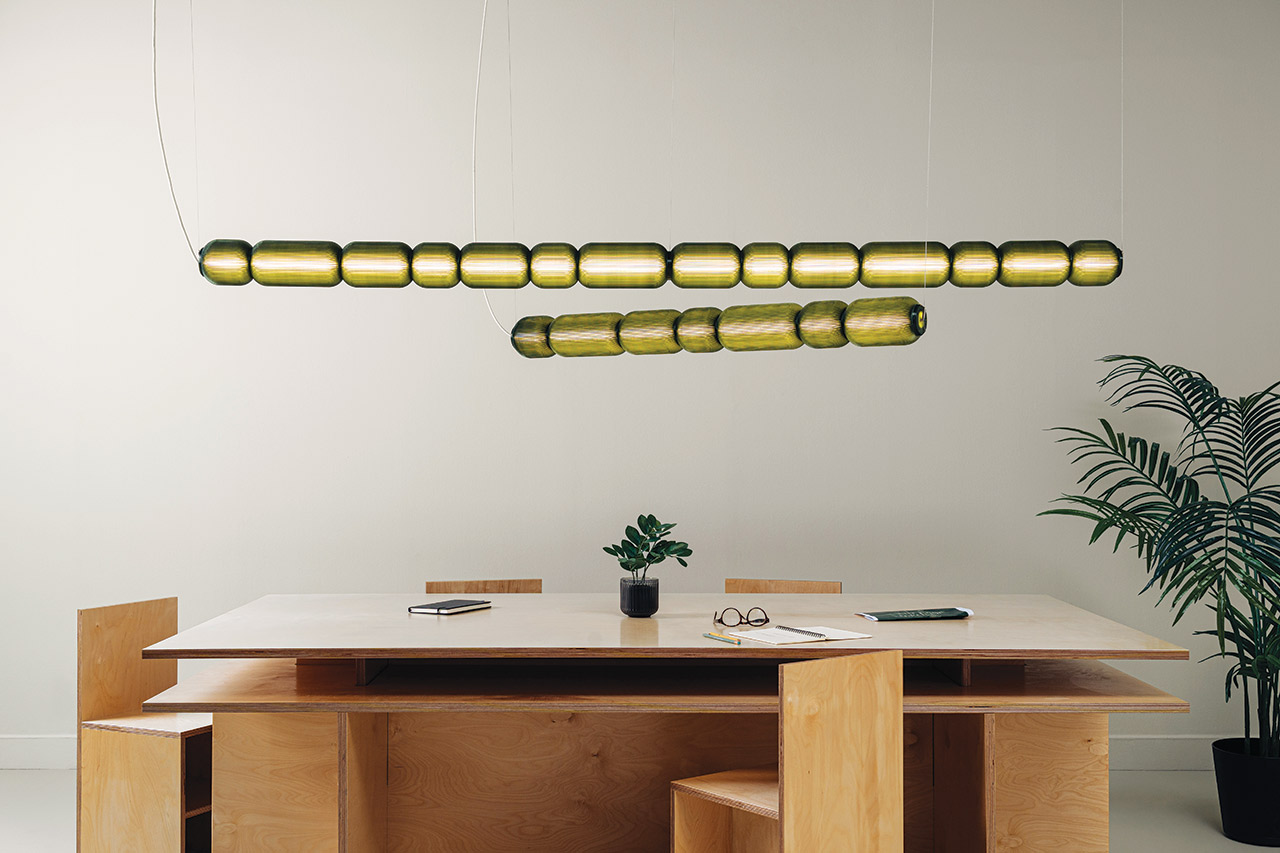
The lighting in the Hudson Square gallery acts as a celestial guide. The Chronos Hanging Vertical Light and various spiral onyx pendants cast a warm, atmospheric glow that softens the industrial edges of the space. These pieces reflect Díaz Andersson’s fascination with time and space, acting as focal points that draw the eye upward toward the architecture of the room.

Beyond Aesthetics: The Morphus Biohacking System
While most luxury furniture brands focus solely on the silhouette, ATRA is looking at the nervous system. Enter Morphus, an integrated biohacking system that elevates design into the realm of holistic wellness.
In an age where stress is a constant and sleep is a luxury, Díaz Andersson has integrated VLS (Vibration, Light, and Sound) technology into ATRA's seating. This isn't just a massage chair; it's a precision-engineered tool for neurological reset.
"We are moving toward a future where our homes don't just house us—they heal us. Morphus is the first step in making furniture an active participant in our wellness." — Alexander Díaz Andersson
| Feature | Tech Specs | Benefit |
|---|---|---|
| Vibration | Haptic transducers synced to audio | Induces physical relaxation and muscle relief |
| Sound | Binaural beats & spatial audio | Shifts brainwaves into meditative Alpha/Theta states |
| Light | Programmed sequences (VLS) | Regulates circadian rhythm and reduces cortisol |
| Cost | ~$10,000 integration | A dedicated system for stress relief and Delta sleep |
The Morphus system allows users to reach states of deep meditation in minutes—a necessity for the fast-paced life of a New Yorker.
Designing for Longevity: Creating a 100-Year Classic
In a world of "fast furniture," ATRA is playing the long game. The studio’s commitment to materials that age with grace—travertine, brass, solid woods, and high-grade wools—is a testament to their philosophy of 100-year longevity.
Díaz Andersson balances traditional Mexican craftsmanship (using local artisans in their Mexico City workshop) with cutting-edge memory foam technology and engineering. This ensures that while the piece might look like a futuristic artifact, it possesses the durability and "soul" of an heirloom.
The choice of raw materials like travertine is intentional. These stones don't just stay the same; they develop a patina, recording the history of the home they inhabit. It is this marriage of the permanent and the evolving that makes ATRA a favorite among serious collectors.

Why Hudson Square is the Place to Be
The opening of the ATRA gallery marks a shift in the NYC design landscape. As showrooms migrate from the traditional hubs of the Upper East Side and Flatiron to the industrial charm of Hudson Square, ATRA stands as a beacon for what's next. It is a must-visit for anyone who believes that luxury should be felt as much as it is seen, and that the future of design lies in the balance of the high-tech and the handcrafted.
Whether you are a collector looking for a 100-year classic or a wellness enthusiast curious about the potential of biohacking furniture, the ATRA gallery offers a glimpse into a more thoughtful, curated way of living.
FAQ
What makes ATRA’s NYC gallery unique? ATRA’s gallery in Hudson Square offers a multisensorial experience that merges traditional Mexican craftsmanship with modern biohacking technology. Unlike standard showrooms, it utilizes architectural "spatial interventions" and a monastic interior design to create a sanctuary-like atmosphere.
Who is the founder of ATRA? ATRA was founded by Alexander Díaz Andersson. His Swedish-Mexican heritage informs the studio’s unique blend of Scandinavian precision and Mexican artistic soul.
What is the Morphus technology in ATRA furniture? Morphus is an integrated biohacking system that uses VLS (Vibration, Light, and Sound) sequences. It is designed to help users achieve deep states of meditation, stress relief, and improved sleep quality directly through their furniture.