As we look toward the interior landscapes of 2026, a profound shift is occurring. Lighting is no longer merely a finishing touch or a functional necessity; it has evolved into a structural medium. Designers are moving away from the mass-produced, symmetrical globes of the past decade in favor of pieces that tell a story of their own making. At the forefront of this movement is the Bocci 93 Series, a collection that represents the pinnacle of what I call "material alchemy."
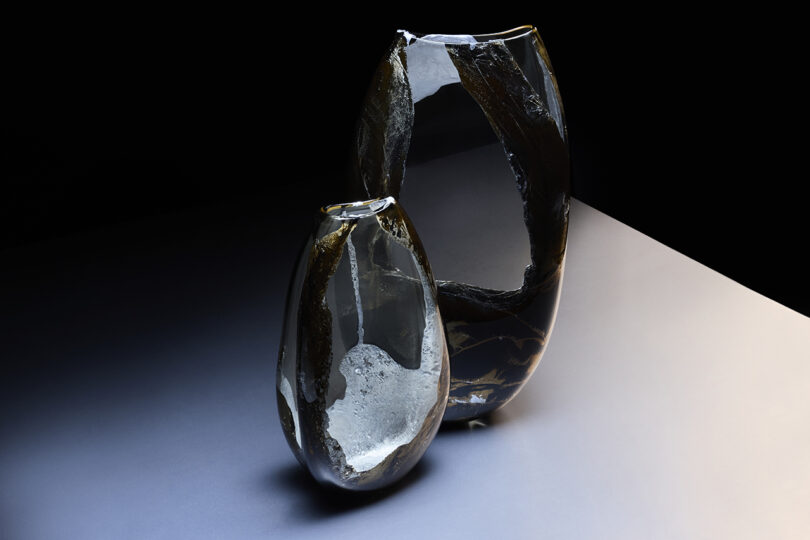
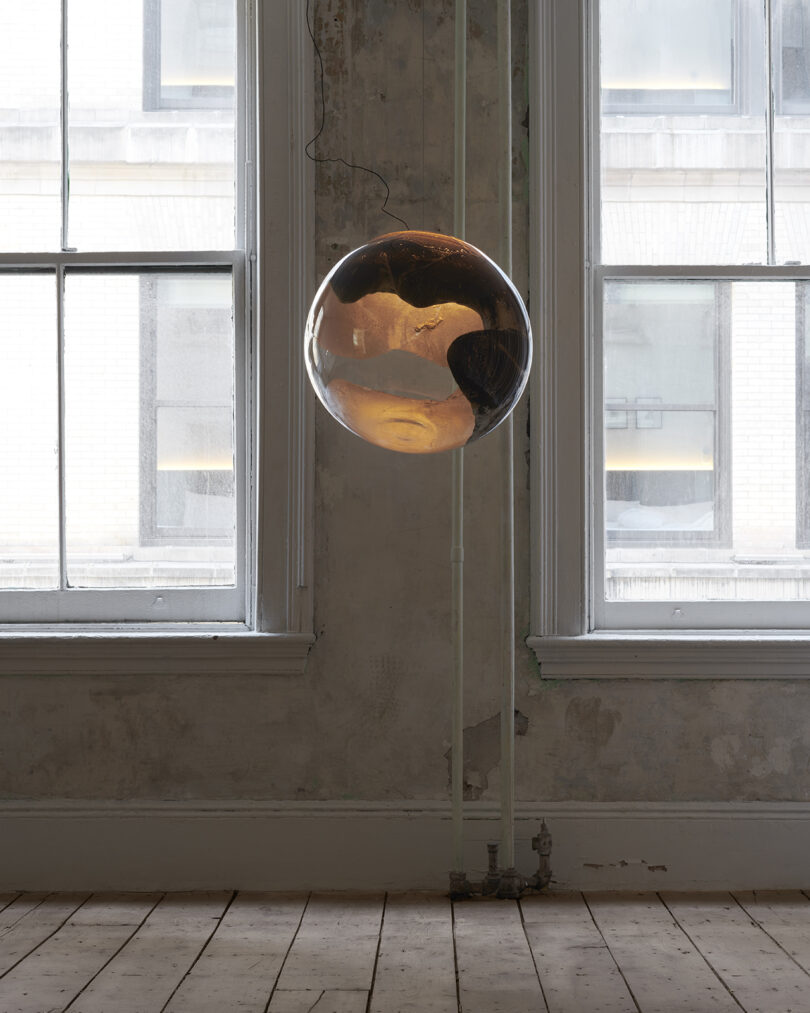
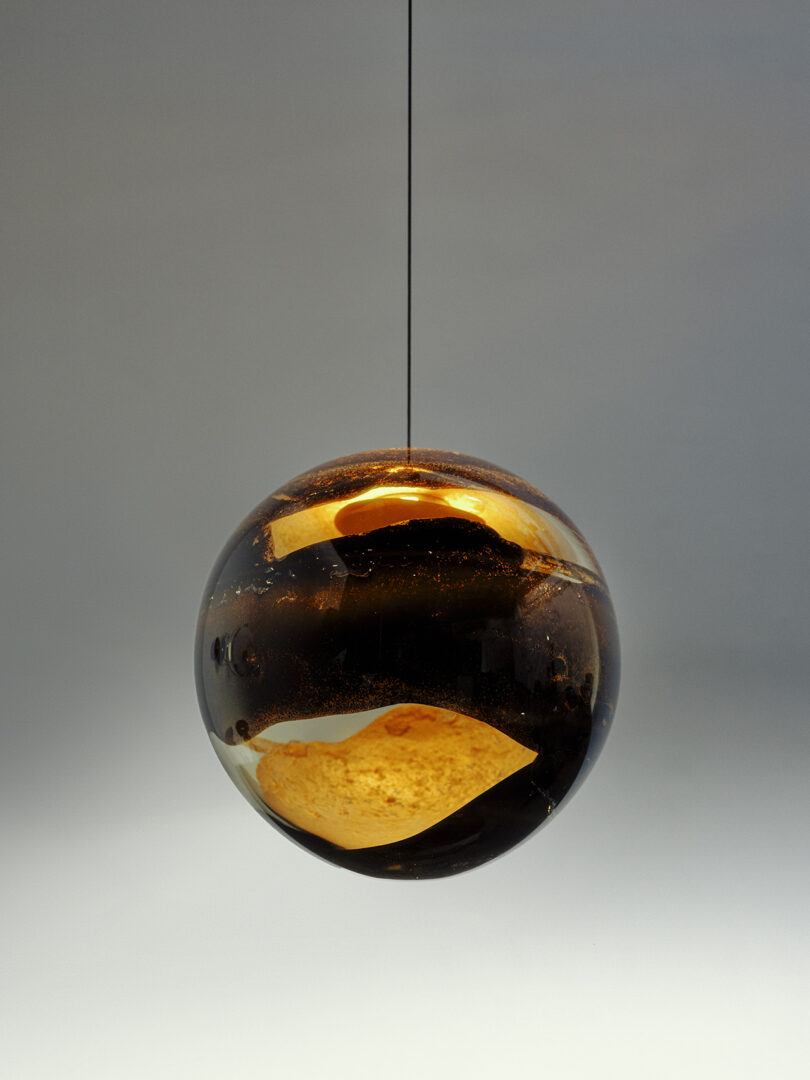
The Bocci 93 is a made-to-order lighting collection created by pouring molten aluminum into hot, hand-blown glass spheres. This process results in unique sculptural forms where metal and glass fuse in a controlled yet unpredictable dance of heat and tension. It is a series that doesn’t just illuminate a room—it commands it.
The Alchemy of Creation: 10 Years of Material Interrogation
To understand the 93 Series, one must appreciate the sheer technical audacity required to create it. This collection is the result of a rigorous 10-year interrogation of the physical relationship and thermal expansion rates between glass and metal. Normally, these two materials are enemies in the furnace; their different cooling rates usually cause the glass to shatter.
However, through a decade of experimentation, the artisans at Bocci discovered a precise window of temperature and timing. By pouring liquid aluminum into a blown glass vessel while both are still at extreme temperatures, the metal finds its own path, creating a striated, almost organic silhouette within the glass.
Because of this manual pouring process and the high-temperature fusion involved, 100% of the pieces in the 93 Series are unique. No two metal silhouettes are identical. When you invest in a 93, you aren't just buying a fixture; you are acquiring a "fossilized imprint of heat"—a single moment of metamorphosis captured in a permanent, sculptural form.
Designing with the 93 Series: Light as a Structural Element
The collection was designed by Omer Arbel, the co-founder of the Vancouver-based studio Bocci. Arbel is less a traditional designer and more a visionary operating at the intersection of art and science. His work often explores how materials behave under stress, and the 93 Series is the culmination of his research into material alchemy.
But how does such an avant-garde piece actually function as a light source? The series uses concealed LEDs that point both downward and laterally. Internal metal disks act as baffles and reflectors, diffusing the light through the glass walls. This highlights the idiosyncratic textures of the glass and the complex, wrinkled surface of the aluminum.
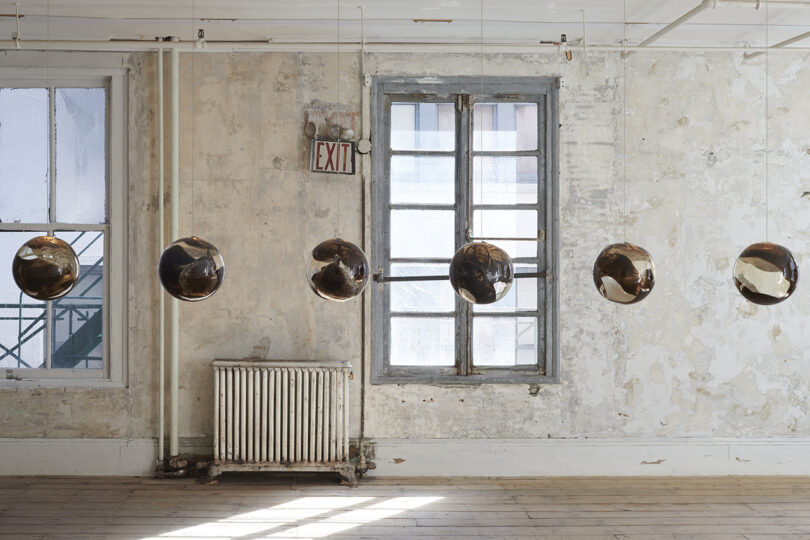
The visual effect is otherworldly. When illuminated, the pendants resemble "gaseous Jovian planets" or ancient rock formations suspended in a void. The light grazes the interface where the metal meets the glass, revealing a depth and complexity that flat, industrial lighting simply cannot replicate.

Interior Styling: Where to Place Your Sculptural Pendants
When styling a piece as significant as the 93 Series, the goal is to let the "sculptural silhouette" breathe. Here is how I recommend integrating these masterpieces into your home:
The Kitchen Island Statement
In modern, open-concept homes, the kitchen island is often the visual anchor. I always tell my clients to use the "Squint Test."
Designer Pro-Tip: The Squint Test Stand back at the entrance of the room and squint your eyes until the details blur. Your lighting should still hold a distinct, strong shape that visually competes with large elements like the range hood or the island itself. If the light disappears, it’s too small or too delicate.
The 93 Series, with its heavy metal core and glowing glass shell, passes the Squint Test with flying colors. It provides the "visual weight" necessary to ground a large kitchen.
Size and Scale Guidelines
One of the most common mistakes I see is the "three-pendant trap." For a standard 10ft island, homeowners often choose three small pendants. However, for a high-impact series like the 93, two larger 40-60cm pendants often create a more sophisticated, curated look than three undersized ones. This allows the unique shape of each aluminum "cloud" within the glass to be truly appreciated.
The Breakfast Nook: Softening Architectural Lines
In a breakfast nook with sharp, modern architectural lines—think floor-to-ceiling windows and hard-edged tables—the 93 Series adds a necessary "organic" touch. The idiosyncratic textures of the hand-blown glass provide a soft counterpoint to the rigid geometry of contemporary design.
Buyer’s Checklist: Quality and Durability Parameters
Investing in sculptural lighting requires an understanding of what makes a piece "luxury grade" beyond the brand name. When evaluating the 93 Series or similar high-end glass works, consider these factors:
| Feature | What to Look For | Why It Matters |
|---|---|---|
| Glass Thickness | Reinforced, heavy-gauge walls | Ensures the glass can handle the thermal stress of the metal fusion and remains safe for long-term hanging. |
| Metal Interface | Clean fusion with no loose debris | The "wrinkles" should be part of the form, not a sign of structural failure. |
| Light Diffusion | Internal metal disks | These prevent "hot spots" from the LED, creating an even, atmospheric glow. |
| Ease of Cleaning | Smooth exterior surface | Many sculptural lights are dust traps; the 93's smooth exterior makes maintenance simple. |
One of the practical advantages of the 93 Series is that while the interior is incredibly complex and textured, the exterior surface remains smooth. This avoids the "dust trap" pitfalls often found in woven, pleated, or heavily textured glass designs. A simple wipe with a microfiber cloth is usually all that’s needed to maintain its museum-quality clarity.
Frequently Asked Questions (FAQ)
Is the Bocci 93 Series dimmable? Yes, the series uses high-quality LED components that are compatible with most modern dimming systems. I highly recommend installing them with a dimmer to fully appreciate the "gaseous" glow that occurs at lower light levels.
Can I choose the shape of the aluminum inside the glass? Because the aluminum is poured while molten, the exact silhouette is determined by gravity and thermal tension. While you cannot choose a specific "shape," you can be certain that your piece is a one-of-a-kind work of art that no one else in the world owns.
How do I choose between a single pendant and a cluster? Single pendants work best in intimate spaces like a reading nook or bedside. For dining tables or entryways, a "random" cluster configuration (often available in sets of 3, 7, or more) creates the most dramatic, celestial effect.
Conclusion
The Bocci 93 Series is more than a lighting fixture; it is a testament to what happens when we push materials to their absolute limits. In a world of digital perfection and mass production, there is something deeply moving about a piece of design that embraces the "beautiful imperfection" of molten metal and hand-blown glass.
If you are looking to elevate your home from a living space to a curated gallery, the 93 Series is your masterclass in sculptural design. It is an investment in art, in history, and—most importantly—in the atmosphere of your daily life.