Designing a home for a young adult is more than a styling exercise; it is an act of spatial storytelling. We are moving away from the era of "age-appropriate" furniture and temporary fixes. Instead, the current shift in youthful interior design focuses on "growing independence"—the idea that a space should function as a sophisticated sanctuary today while being robust enough to evolve into a full-fledged adult home tomorrow.
To design for this transition, the modern approach prioritizes multi-functional zones for study and socializing, incorporates hidden practical areas like mirrored laundry cubes, and leans heavily into transitional furniture that refuses to be pigeonholed by age. This is the era of the "forever room," reimagined for the urban dweller. As we look toward the 2026 design landscape, we see a move toward "Heritage Maximalism"—a trend that blends bold color palettes and historical motifs with contemporary sensibilities to create curated, high-energy spaces.
The Emotional Blueprint of Independence
The most successful projects I’ve seen lately start with what I call a "tender premise." Imagine a mother designing a secondary apartment or a large suite for her teenage son, with the explicit intention that she will eventually move out, leaving him with a turnkey home. This shift in perspective changes everything. You aren't just picking a bed frame; you are selecting a legacy piece.
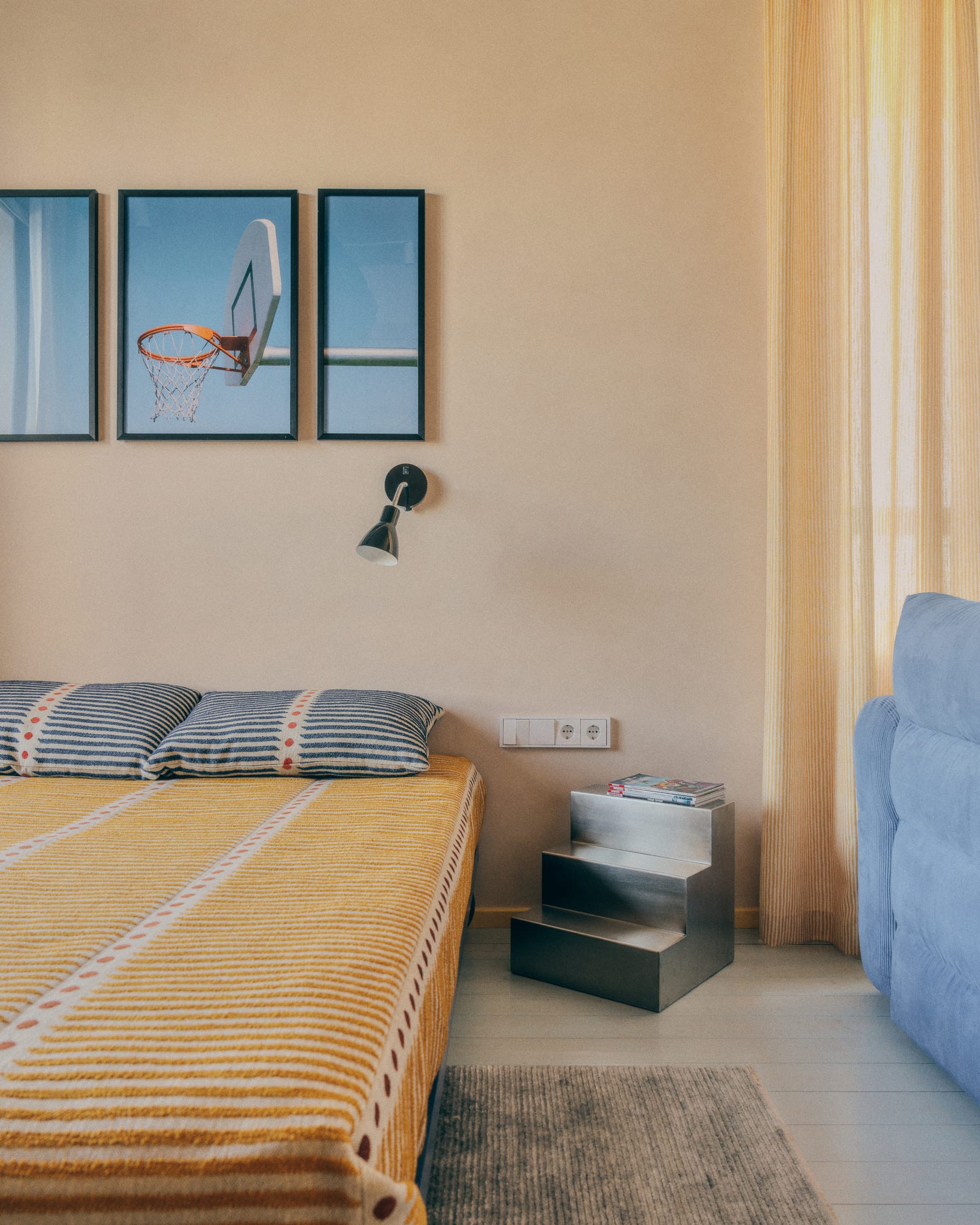
Designing for independence means balancing adult sophistication with youthful energy. It’s about creating a space where a 19-year-old feels "cool," but a 25-year-old feels "established." This requires a departure from "safe neutrals" toward a more rhythmic frame of design. We want the space to feel like a curated gallery of their life—a place that supports their transition from a student to a professional, from a child of the house to the master of their own domain.
Defining the 2026 Aesthetic: Heritage Maximalism
If 2024 was about "Quiet Luxury," 2026 is shaping up to be the year of Heritage Maximalism. For the young adult, this means moving beyond the sterile, all-white minimalist look that has dominated Instagram for a decade. Heritage Maximalism is about "curated, not chaotic" environments. It utilizes bold apartment decor for young adults by mixing deep, historical colors with ultra-modern textures.
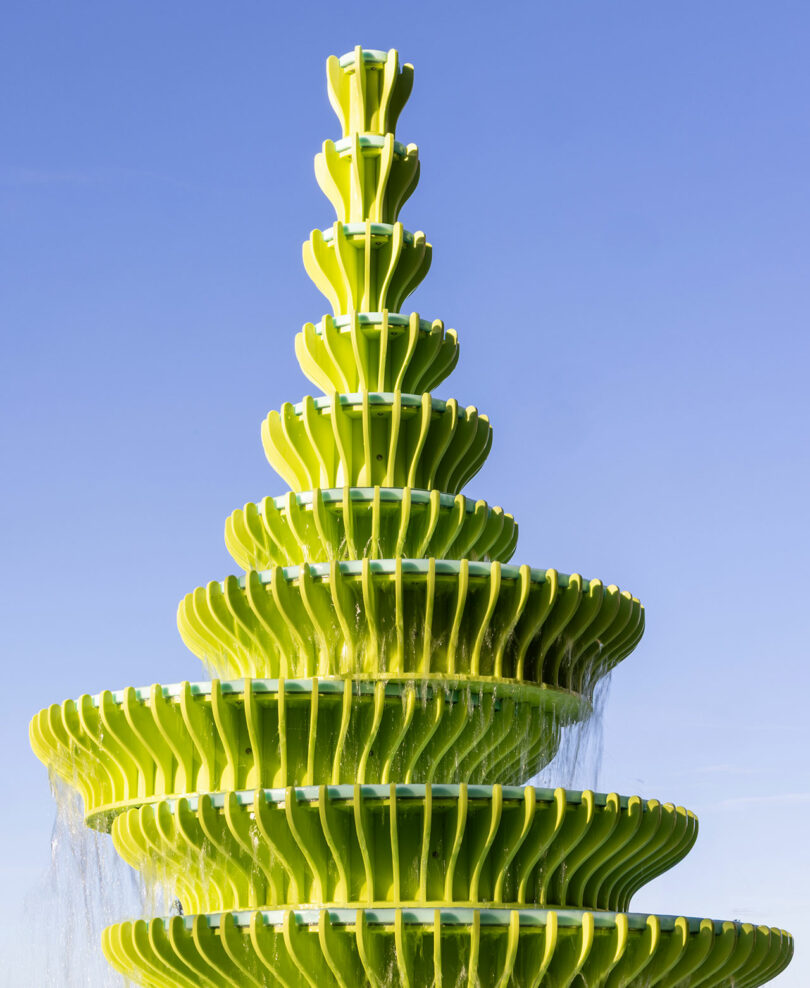
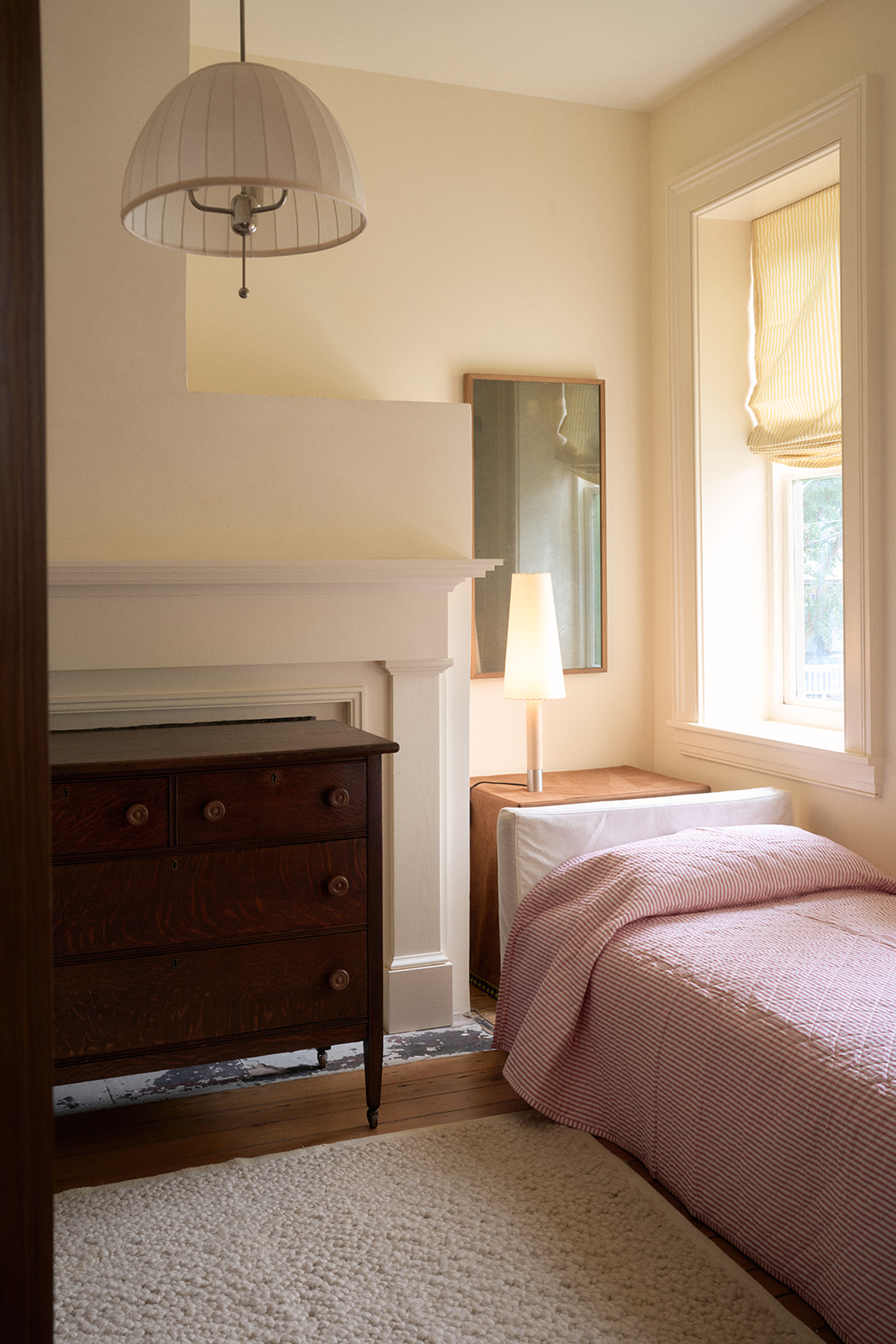
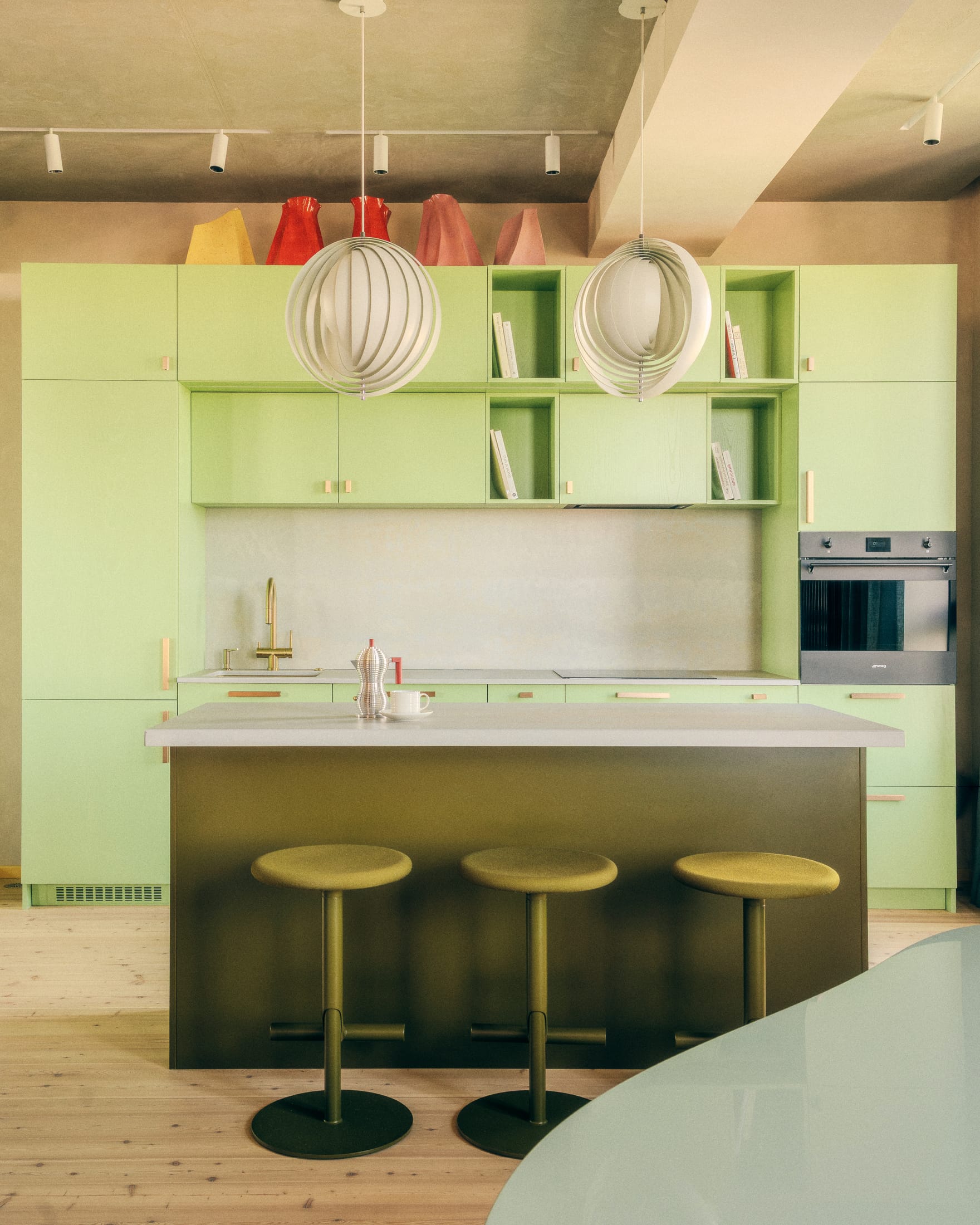
We are seeing a surge in "Exotic Lime," "Electric Cobalt," and "Deep Ochre" paired with traditional materials like walnut and mahogany. This aesthetic provides a sense of permanence. By integrating historical motifs—perhaps a vintage-inspired rug or a classic bust—into a room with high-gloss lacquer furniture, you create a space that feels layered and intelligent. It tells the world that the inhabitant has a point of view.
Pro-Tip: The 2026 Color Rule When working with Heritage Maximalism, use the 60-30-10 rule but with a twist. 60% should be a grounding texture (like dark wood or plaster), 30% a bold primary color (like Exotic Lime), and 10% a metallic or historical motif.
Spatial Logic: Multi-functional Zones for Modern Living
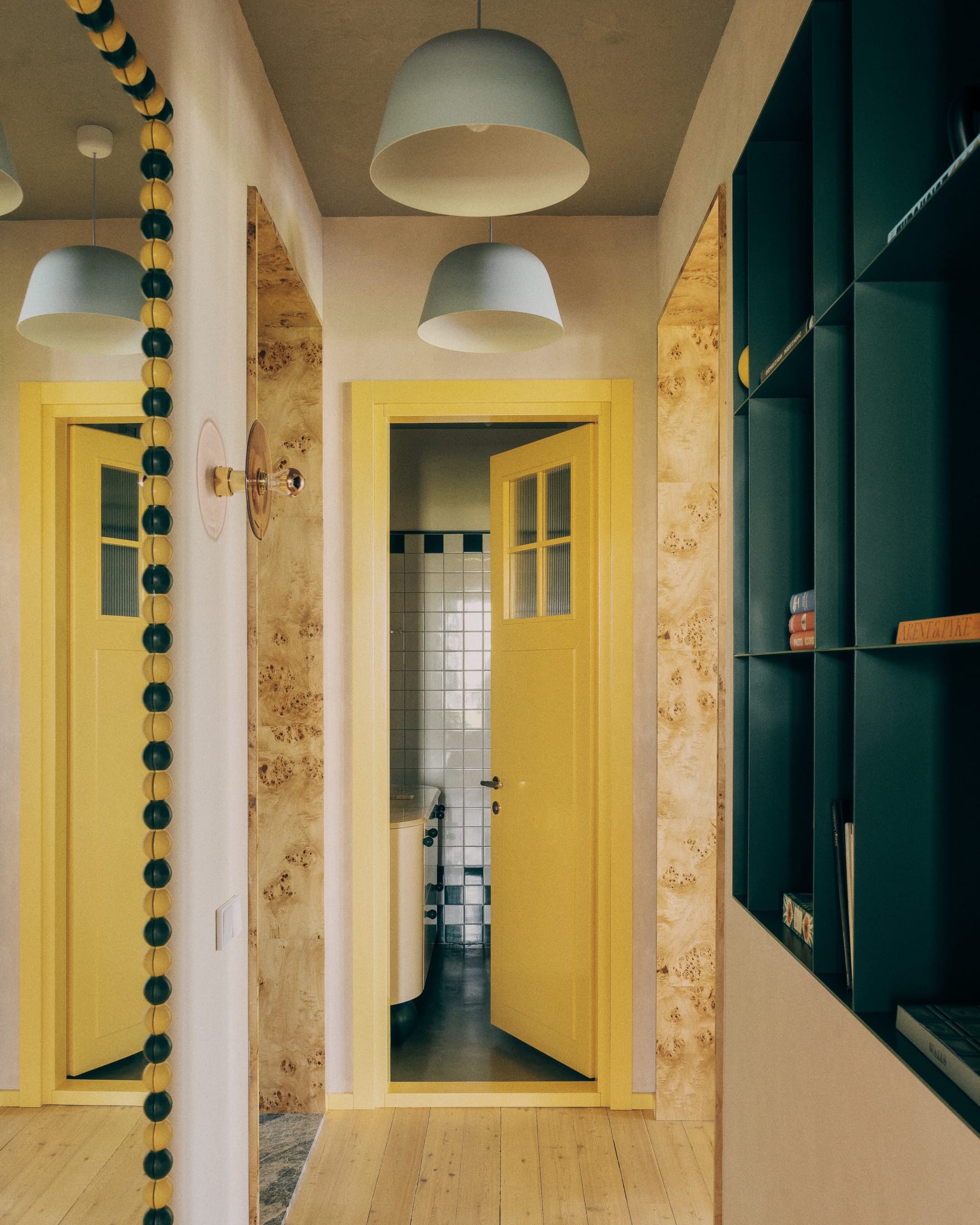
In compact urban living, every square centimetre must work double duty. Designers now report a 40% increase in client requests for 'hidden spaces' and bespoke joinery to optimize apartments under 110 square metres. The goal is to create distinct zones for cooking, studying, and socializing without the need for restrictive walls.
In these youthful interior design projects, the open-plan kitchen often becomes the "emotional anchor." It isn't just for cooking; it's the place where friends gather before going out, and where late-night study sessions happen over coffee. By using a consistent material palette across these zones, the apartment feels larger and more cohesive.
The Three Pillars of Zonal Design:
- The Social Core: An open-plan area with modular seating that can be rearranged for movie nights or large dinners.
- The Focus Niche: A dedicated study area utilizing bespoke joinery. This should be visually separated from the bed to maintain a healthy work-life balance.
- The Private Retreat: The bedroom, which focuses on acoustic comfort and soft lighting, acts as a sanctuary from the high-energy social zones.
The Art of Seamless Design: Hidden Practicality
The secret to maintaining a "bold" aesthetic in a small space is the ruthless elimination of visual clutter. This is where "Seamless Design" comes into play. Instead of seeing a washing machine or a coat rack, we use mirrored cubes or concealed volumes to hide the mundane machinery of life.
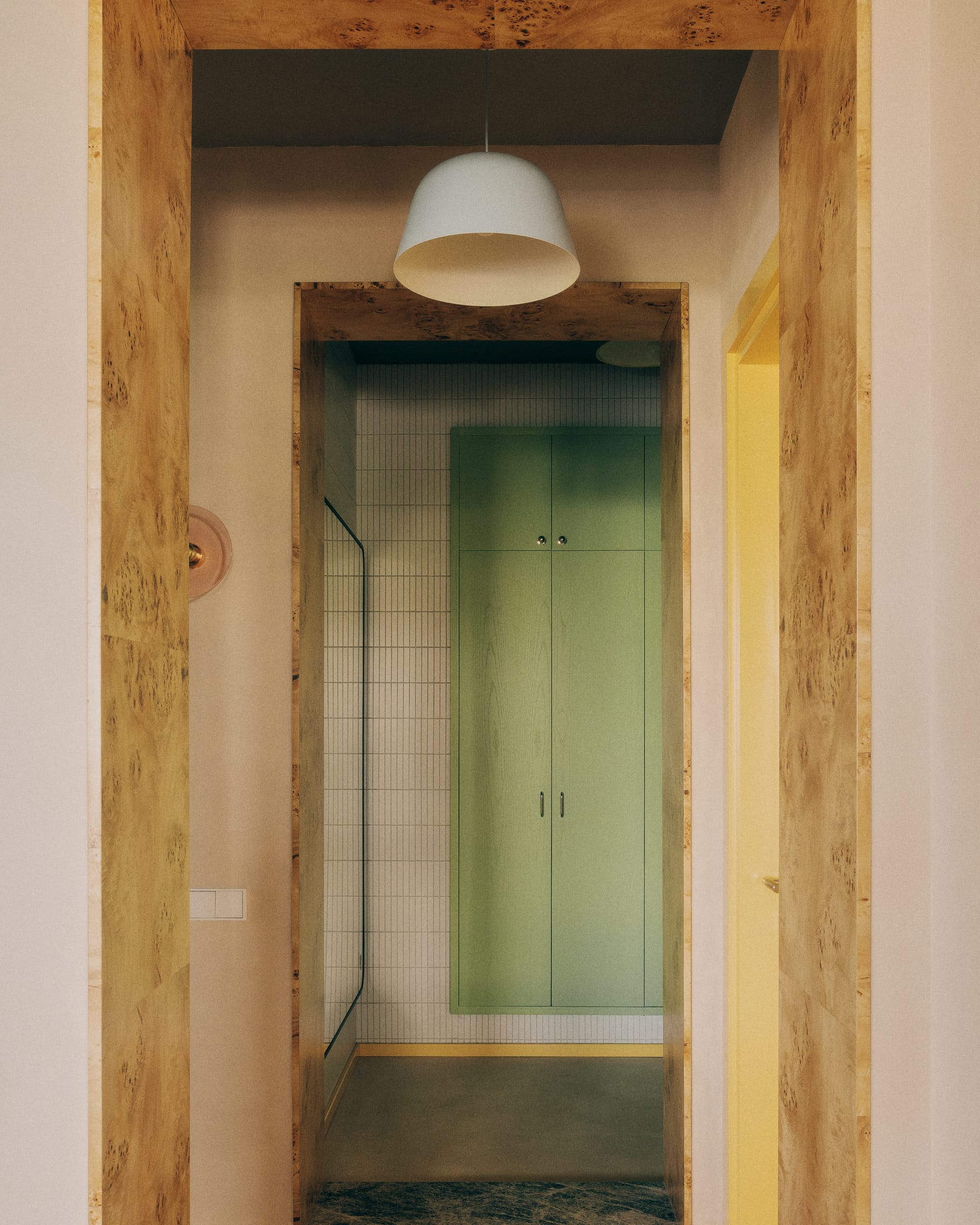
Imagine a central volume in an apartment clad in floor-to-ceiling mirrors. Inside, it hides a laundry room, a pantry, and a coat closet. On the outside, it reflects light and makes the room appear twice its size. This use of bespoke joinery ensures the space feels like a high-end lounge rather than a utility room. When designing for growing independence, these "hidden solutions" allow a young adult to maintain a sophisticated environment with minimal effort.
At a Glance: Material Comparison for Bold Spaces
| Material | Aesthetic Impact | Durability | 2026 Trend Status |
|---|---|---|---|
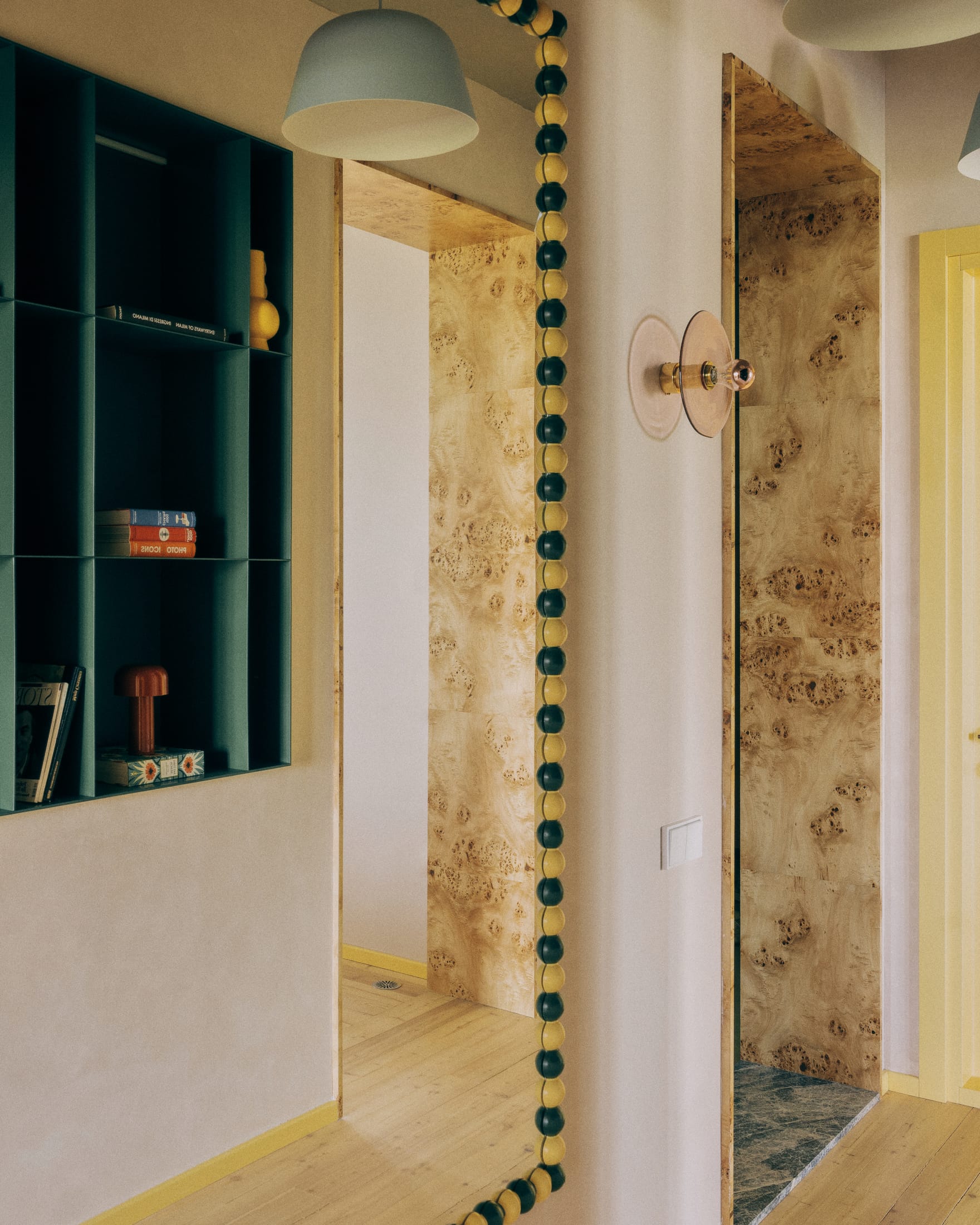
| Walnut/Burl Wood | Sophisticated, Earthy | High | Rising (187% search increase) |
| Polished Concrete | Industrial, Raw | Ultra-High | Steady |
| Exotic Lime Lacquer | High-Energy, Modern | Medium | Peak Trend |
| Handwoven Textiles | Soft, Tactile | High | Essential for Layering |
| Smoked Glass | Moody, Sleek | Medium | Growing for Partitioning |
Choosing Transitional Furniture That Evolves
One of the most striking statistics in the industry today is that 85% of modern youth-focused interior projects now prioritize 'transitional furniture' over age-specific sets. The days of the "teen bedroom set" are over. Parents and young adults are now looking for pieces that offer long-term durability and aesthetic relevance.
When selecting transitional teen bedroom sets, look for "sculptural volumes" rather than just utility. A desk shouldn't just be a flat surface; it should be a piece of furniture that looks equally at home in a high-end office as it does in a student's room. Modular sofas are also essential—they allow the user to expand or contract their seating arrangement as they move from a studio apartment to a larger home in the future.
Materiality and Texture: Adding Depth to Bold Spaces
A bold space can easily feel flat if it lacks texture. The resurgence of dark wood is perhaps the most significant shift we’ve seen recently. There has been a 187% increase in searches for 'Dark Wood' finishes like walnut and mahogany. These deeper tones provide a "weight" to the room that light oaks simply cannot match.
Layering is the key to making a bold space feel livable. Mix the hardness of a lacquer cabinet with the softness of a handwoven wool rug. Use plaster finishes on the walls to catch the light in different ways throughout the day. Statement wallpaper, particularly large-scale murals or abstract motifs, can serve as standalone art pieces, reducing the need for multiple smaller decorations that can clutter a room.
Conclusion: A Space Ready for the Next Chapter
Designing a bold youthful space for growing independence is a balancing act between the "now" and the "next." By embracing trends like Heritage Maximalism and the "Seamless Design" of hidden storage, we create homes that are not just places to sleep, but engines for personal growth.
When you involve the young adult in the process, you aren't just giving them a room; you are giving them a sense of ownership and responsibility. The result is a space that feels curated, mature, and perfectly prepared for the next chapter of their lives. Whether it's the rich grain of a walnut desk or the vibrant pop of an exotic lime wall, every choice should reflect a move toward a more independent, sophisticated future.
FAQ
Q: How do I incorporate bold colors without making the room feel small? A: Use the "Mirror and Light" technique. Balance a bold accent wall with large mirrors or high-gloss finishes that reflect light. Also, keep the flooring consistent across zones to create an uninterrupted visual flow.
Q: What is the best way to handle storage in a studio apartment for a young adult? A: Bespoke joinery is the gold standard. Use floor-to-ceiling cabinets that blend into the walls. Hidden storage solutions for 2026 often include "hidden laundry cubes" and pull-out desks that disappear when not in use.
Q: Is it worth investing in expensive furniture for someone in their early 20s? A: Yes, if you choose "transitional" pieces. High-quality modular sofas, ergonomic chairs, and solid wood tables have a high resale value and can last for decades, making them more sustainable and cost-effective than "fast furniture."