Our Top Picks
- Best Overall Professional Balance: Meet&Co Rose Leather Sofa – A modular masterpiece that bridges the gap between high-traffic functionality and executive style.
- The Luxury Icon: Børge Mogensen 2213 – The gold standard for library seating, representing a lifetime investment in handcrafted Danish design.
- Best for Multi-Functional Spaces: RH Cloud Track Arm – Perfect for the modern professional who needs a study that transitions from deep work to weekend relaxation.
- Best Heritage Design: Manchester Button-Tufted Chesterfield – The quintessential choice for traditional wood-paneled libraries.
At some point in your professional journey, a leather sofa will come into your life—whether it’s the centerpiece of your executive home office, a quiet corner in your library, or a versatile addition to your study. As we move into 2026, the home office has transitioned from a temporary setup to a permanent executive suite. Design forecasts for the year show that 68% of professionals now prioritize top-grain leather for their workspaces, valuing its average 15-year lifespan over the 5-year cycle typical of synthetic alternatives.
Quick Facts for Your 2026 Purchase
- The Investment Range: Expect to spend between $4,000 for high-quality modular units and upwards of $25,000 for handcrafted designer icons.
- Material Choice: Top-grain leather is the 2026 standard for high-use offices due to its durability and stain resistance.
- Market Shift: There is a 22% increase in demand for modular leather units, reflecting a need for furniture that adapts to multi-functional "work-live" zones.
- Health Factor: Leather is naturally hypoallergenic, making it the superior choice for long hours spent in rooms filled with dust-collecting books.
Why Invest in Leather for Your Professional Space?
We often tell our clients that a leather sofa isn't just a piece of furniture; it’s an atmosphere. In a library or study filled with wood and paper, leather provides a grounding texture that fabric simply cannot replicate. The "Patina Factor" is perhaps the most compelling reason to choose leather. Unlike fabric that wears out, high-quality leather wears in. It develops a rich, unique character over time, reflecting the history of the room it inhabits.
Furthermore, for the professional spending eight to ten hours a day in a home office, air quality is paramount. Leather doesn't trap pet dander, pollen, or dust mites. It’s a practical choice for long study sessions where comfort and health must coexist.
Comparison of the Top 10 Leather Sofas (2026)
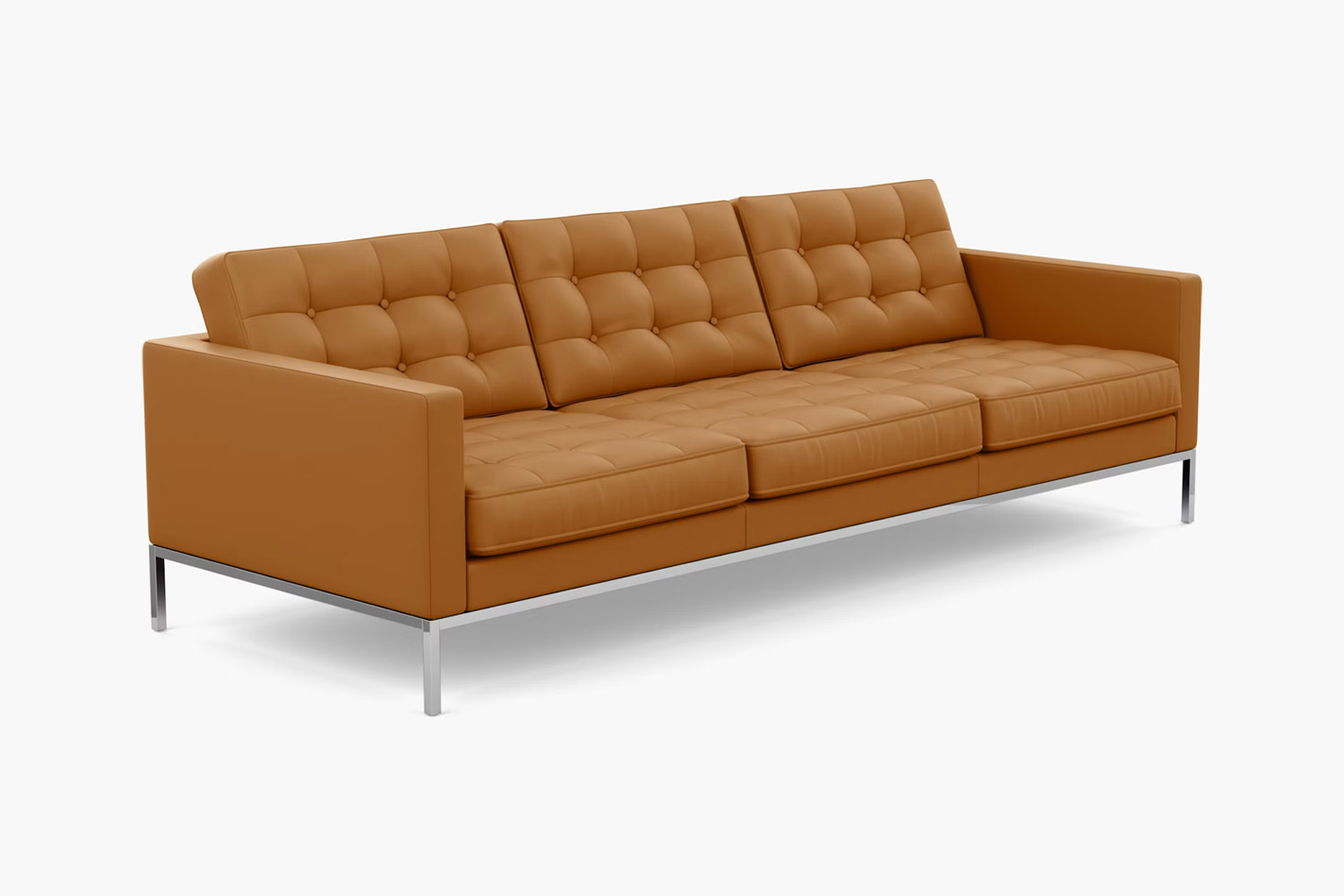
| Model | Primary Style | Best For | Price Bracket |
|---|---|---|---|
| Meet&Co Rose | Modern Professional | Managers' Offices | Mid-Range |
| Børge Mogensen 2213 | Mid-Century Icon | Luxury Libraries | High-End |
| Hans Wegner CH163 | Minimalist | Contemporary Studies | High-End |
| Harrison Grand Scale | Traditional | Large Reading Rooms | Mid-High |
| Newport Retro | Mid-Century | Small Nooks | Entry-Mid |
| Manchester Chesterfield | Classic Heritage | Wood-Paneled Rooms | Mid-Range |
| Paola Lenti Modular | Creative Modern | Design Studios | High-End |
| RH Cloud Track Arm | Contemporary | Multi-functional Zones | Mid-High |
| Maiden Home Bench-Made | Artisan | Custom Office Spaces | Mid-Range |
| West Elm Harmony | Budget Luxury | Research Lounges | Entry-Mid |
1. The Executive Choice: Meet&Co Rose Leather Sofa
For the modern manager, the Meet&Co Rose Sofa offers a "Versatile Balance" that is hard to find in the current market. While icons like the Mogensen 2213 define luxury, the Rose Sofa provides a sleek, professional aesthetic paired with a practical modularity that suits the changing needs of a 2026 workspace.
Crafted with genuine cowhide and supported by a solid-wood inner frame, it is built for high-traffic meeting rooms where durability is just as important as the first impression. The modular assembly allows you to scale from a compact 1010mm single seater to a sprawling 2180mm three-seater, making it adaptable to almost any floor plan.
- Pros: Highly durable top-grain leather; modular options for future expansion; sleek modern profile.
- Cons: Requires assembly; modern aesthetic may not suit strictly traditional libraries.
2. The Mid-Century Icon: Børge Mogensen 2213
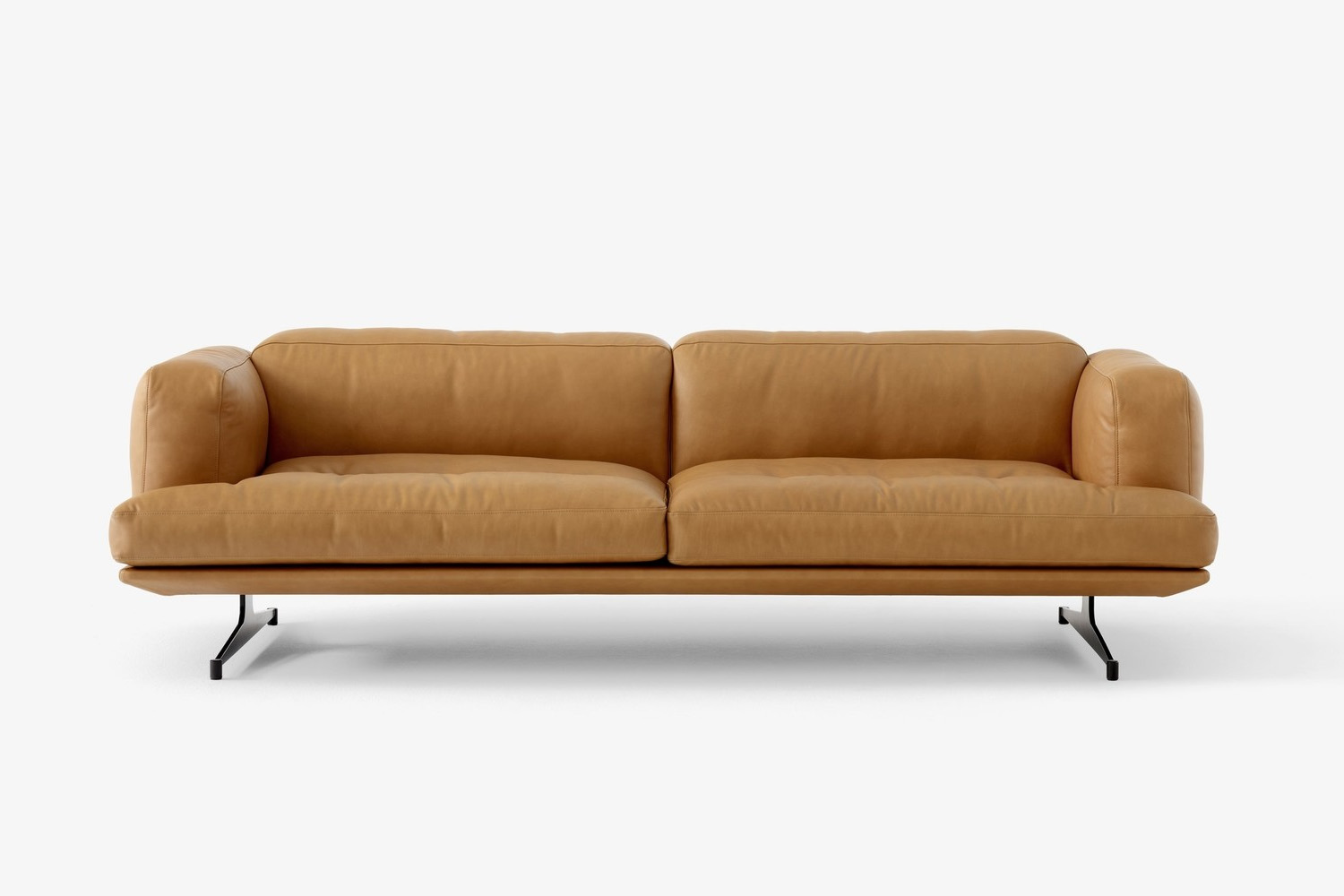
If your home office is designed to be a statement of success, the Børge Mogensen 2213 is the undisputed king. Originally designed for Mogensen’s own home in 1962, this sofa remains the gold standard for executive seating. With a price point around $25,470, it is a significant investment, but one that holds its value remarkably well. The leather is hand-selected and the lines are mathematically precise, creating a sense of order and authority in any library.
- Pros: Unmatched craftsmanship; iconic design status; exceptional resale value.
- Cons: Extremely high price point; long lead times for custom orders.
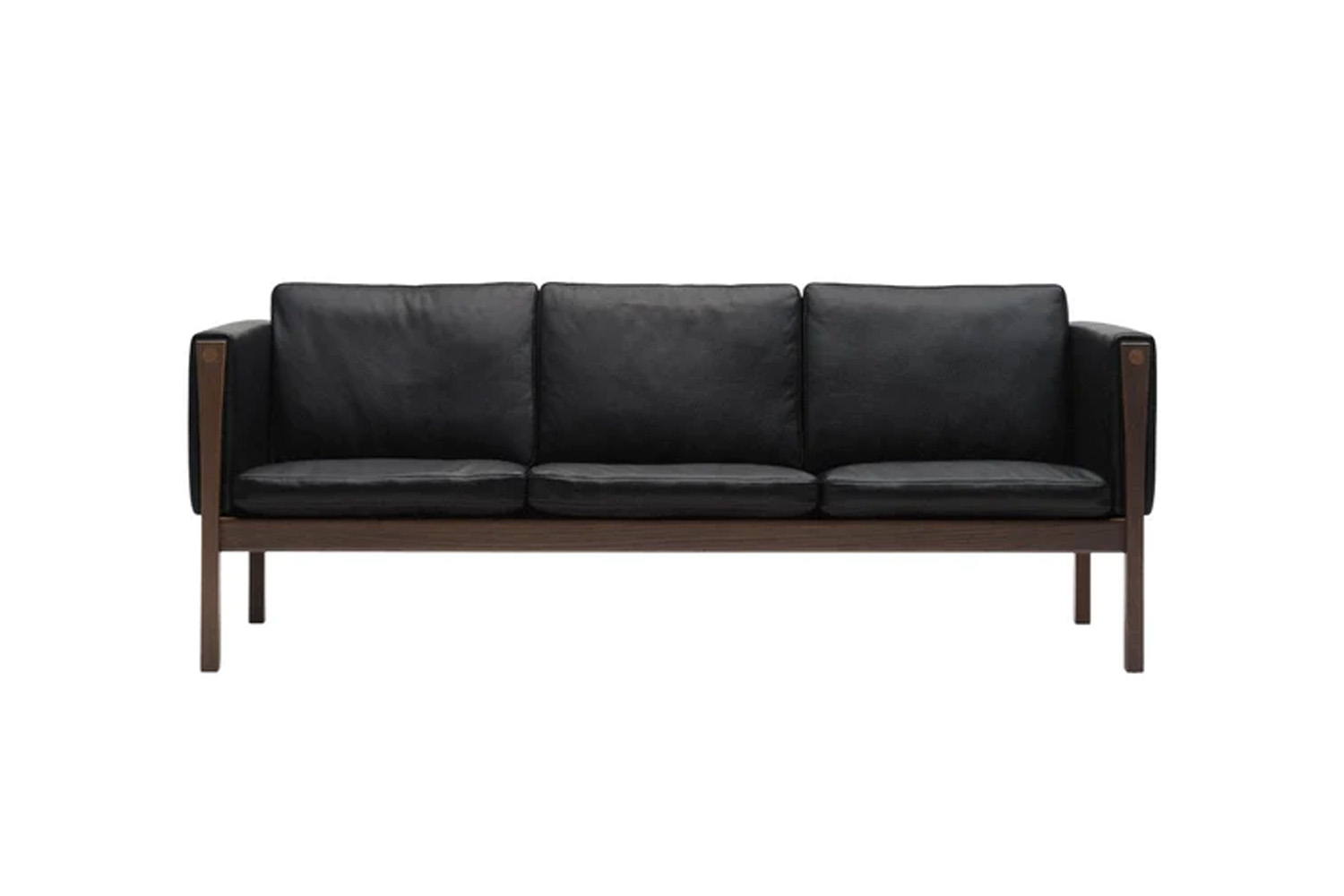
3. The Modern Minimalist: Hans Wegner CH163
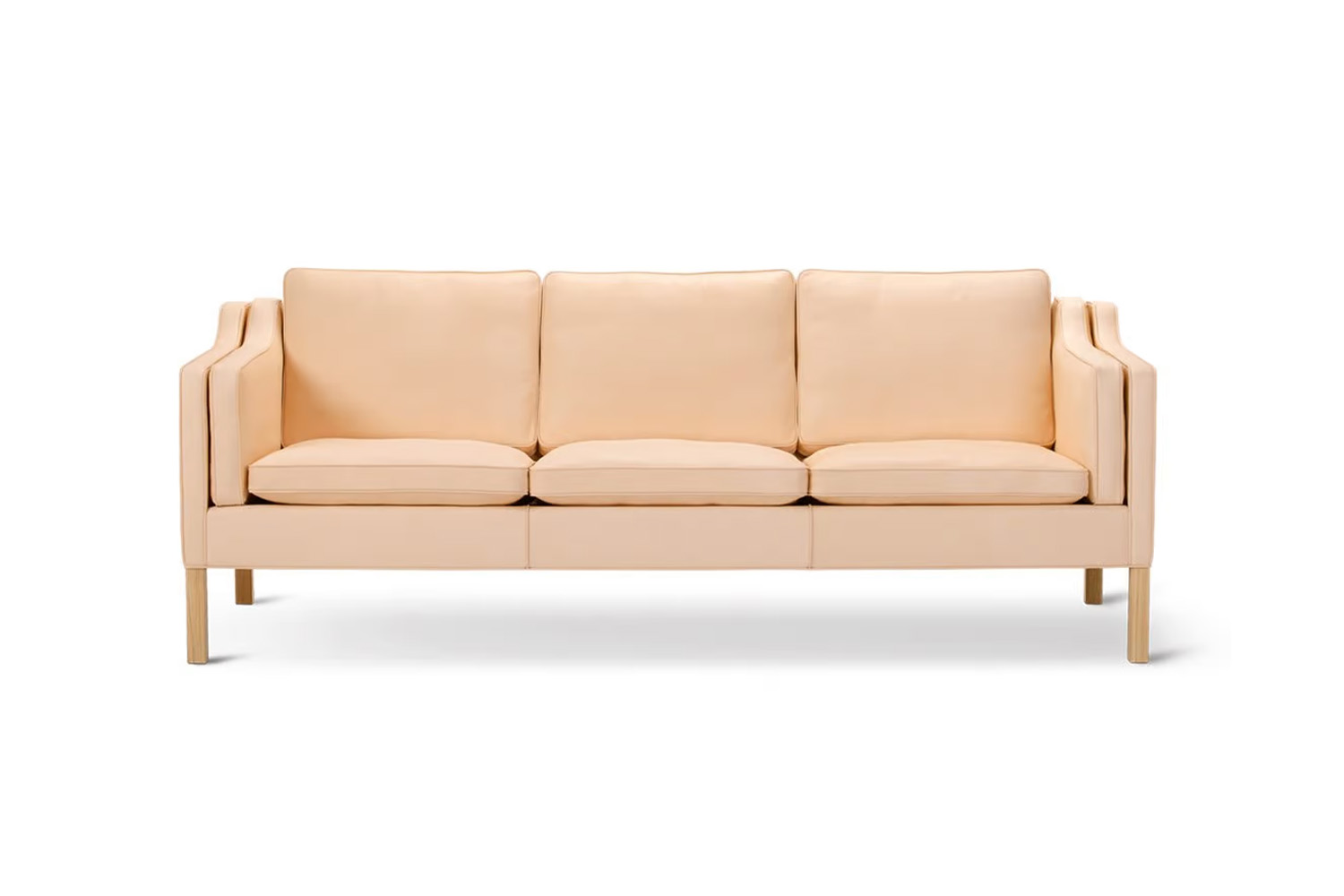
The CH163 is perfect for the 2026 trend of "glass-walled" home offices. It features a visible solid wood frame that showcases Wegner’s mastery of joinery. It feels lighter than a traditional leather sofa, making it ideal for spaces where you want to maintain a sense of openness.
- Pros: Beautiful from all angles (ideal for center-room placement); light visual footprint.
- Cons: Lower back support compared to executive lounge styles.
4. The Deep-Seat Lounger: Harrison 101" Grand Scale
For those whose libraries are used more for deep reading than executive meetings, the Harrison Grand Scale is a dream. It features a deeper seat than most office sofas, allowing you to settle in for hours of research. The leather is treated to be incredibly soft from day one, skipping the "break-in" period required by stiffer hides.
- Pros: Exceptional comfort; oversized dimensions for large rooms.
- Cons: Requires a large footprint; may feel too casual for formal video calls.
5. The Compact Specialist: Newport Retro Two-Seat
Not every study has room for a three-meter modular unit. The Newport Retro is our top pick for small apartment studies or corner reading nooks. It brings a 1970s vintage vibe that pairs beautifully with dark wood shelving and brass task lighting.
- Pros: Fits in tight spaces; distinctive retro aesthetic.
- Cons: Not intended for long-term lounging; sits lower to the ground.
6. The Classic Heritage: Manchester Button-Tufted Chesterfield
A list of library sofas would be incomplete without a Chesterfield. The Manchester features deep button-tufting and rolled arms that have defined the professional study for centuries. In 2026, we are seeing a resurgence of this style as professionals seek to create "anchor points" of tradition in a digital world.
- Pros: Timeless style; incredibly sturdy construction.
- Cons: The tufting can collect dust (requires regular vacuuming); very heavy to move.
7. The Performance Pick: Paola Lenti Modular System
For creative studios or design-led offices, the Paola Lenti system offers a departure from traditional browns and blacks. This modular system focuses on innovative leather treatments and vibrant colors, allowing the sofa to become a focal point of creativity.
- Pros: Highly customizable; innovative textures.
- Cons: Best suited for creative environments rather than traditional corporate offices.
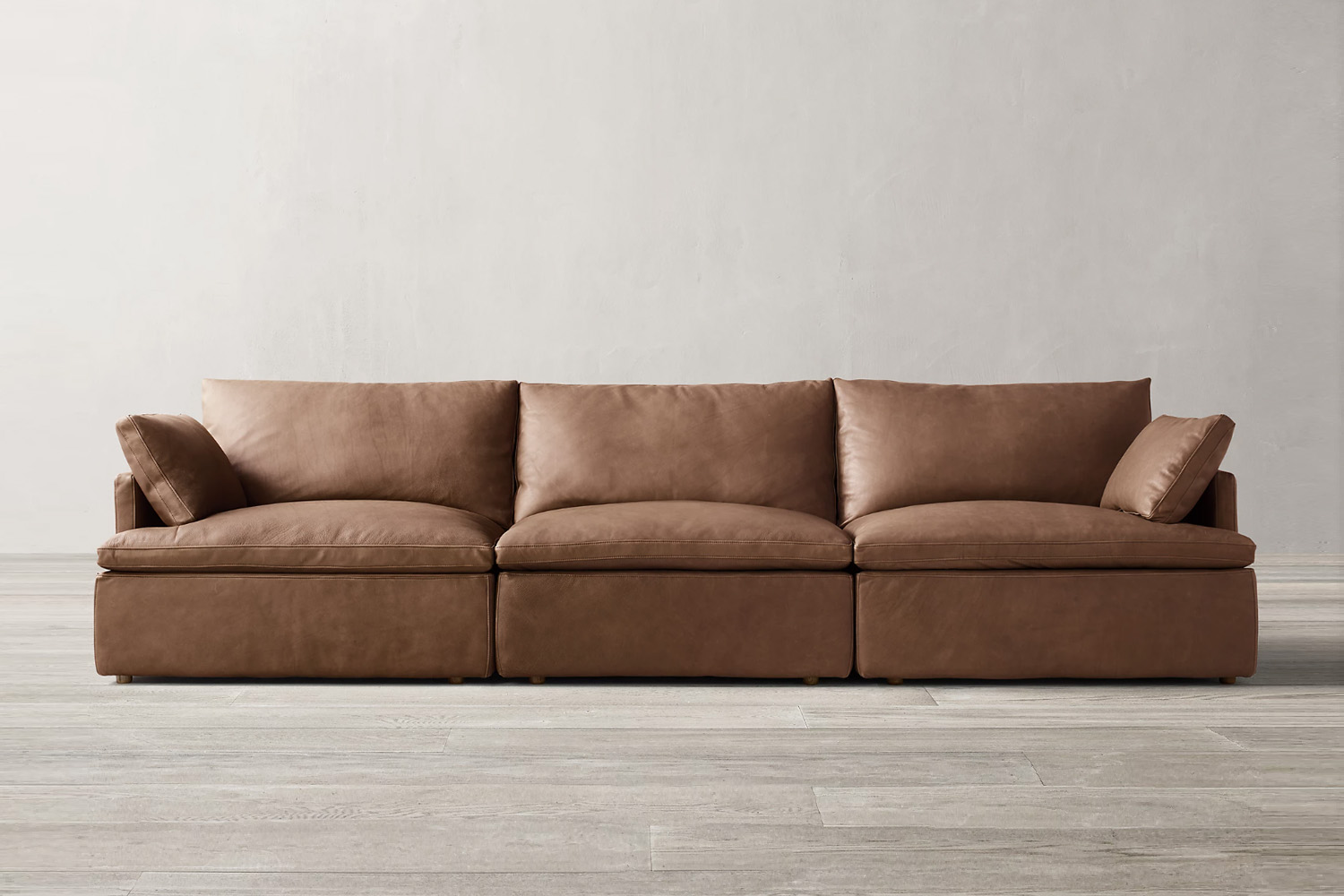
8. The Modular Versatile: RH Cloud Track Arm
Starting at approximately $4,095, the RH Cloud in leather is the ultimate choice for the multi-functional work-relax zone. It offers a "sink-in" comfort that makes it the favorite spot for families who share a home library. The track arm provides a clean, contemporary silhouette that fits 2026 aesthetic trends perfectly.
- Pros: Modular flexibility; extremely soft "cloud-like" feel.
- Cons: Feather cushions require regular "fluffing" to maintain their shape.
9. The Artisan American: Maiden Home Bench-Made Sofa
Maiden Home has disrupted the luxury market by offering bench-made furniture handcrafted in North Carolina without the traditional retail markup. Their leather sofas are made to order, allowing you to choose the exact hide and finish that matches your office's color palette.
- Pros: High-end craftsmanship at a fair price; customized options.
- Cons: Lead times can vary; limited physical showrooms to test comfort.
10. The Budget Luxury: West Elm Harmony
The Harmony sofa proves that you don't need a five-figure budget to get a sophisticated leather look. It’s a great entry-level piece for a first home office, offering deep seats and top-grain leather at a more accessible price point.
- Pros: Modern aesthetic; accessible pricing.
- Cons: Durability of the frame is lower than kiln-dried hardwood options.
Buying Guide: What to Look for in 2026
When we evaluate furniture for an executive space, we look beyond the aesthetic. You are investing in a tool for your professional environment. Here is how to judge quality:
Material Grades: Know Your Hides
- Full-Grain Leather: The highest quality. It includes the entire grain layer and develops the best patina. It is the most durable but also the most expensive.
- Top-Grain Leather: The most common for high-end home offices. The top layer is sanded to remove imperfections, making it more uniform and stain-resistant than full-grain.
- Bonded/Bicast Leather: Avoid these for professional settings. They are made from leather scraps and polyurethane. They typically peel within 3-5 years and do not offer the 15-year lifespan we look for in an investment.
Frame Construction
In 2026, sustainability and longevity are the key luxury markers. A kiln-dried hardwood frame (oak, maple, or ash) is non-negotiable. Kiln-drying removes moisture from the wood, preventing it from warping or cracking as the seasons change—essential for rooms with climate-controlled environments like libraries.
Support Systems
Look for eight-way hand-tied springs. This is a labor-intensive process where each spring is tied to its neighbors and the frame. It provides the most even support and ensures the sofa won't sag after a few years of heavy use.
Maintenance: Protecting Your Investment
A leather sofa is a living material. To ensure it lasts the promised 15 to 20 years, we recommend a simple but strict maintenance routine:
- Weekly Dusting: Use a soft, dry microfiber cloth. Dust can be abrasive to the finish of the leather over time.
- Immediate Spills: Leather is water-resistant, but not waterproof. Blot spills immediately with a clean, dry cloth. Never rub, as this can push the liquid deeper into the grain.
- The 12-Month Rule: Condition your leather once a year. This keeps the hide supple and prevents cracking, especially in offices with central heating that can dry out the air.
- Avoid Direct Sunlight: UV rays are the enemy of leather. If your library has large windows, ensure your sofa is positioned away from direct sunlight or use UV-filtering window treatments.
FAQ
Is leather better than fabric for a home office? Yes, generally. Leather is more durable, easier to clean (especially for coffee spills), and doesn't harbor allergens. It also conveys a more professional, "executive" aesthetic than most fabrics.
How do I tell if a sofa is real top-grain leather? Check the grain. If it is too perfect and repetitive, it may be synthetic. Real leather has slight variations and "pores." Also, look at the back of the leather (if accessible); real leather has a suede-like underside.
What is the best color for a library sofa? While black is classic, "Cognac" or "Tobacco" browns are the 2026 favorites. They show the leather's natural patina more clearly and provide a warmer contrast to the cool blues and greys often found in modern office tech.
Investing in an elegant leather sofa is a definitive step in creating a workspace that reflects your professional stature. Whether you choose the modular flexibility of a Meet&Co Rose or the historical gravity of a Mogensen 2213, you are choosing a piece of furniture that will grow, age, and succeed alongside you for decades to come.