Our Top Picks
- Best Overall for Sustainable Value: Sabai — High-style, modular designs using recycled and upcycled materials starting at an accessible $1,295.
- Best for Pure Organic Materials: Medley — The gold standard for health, utilizing GOLS-certified organic latex and zero-VOC finishes.
- Best PFAS-Free 'Cloud' Sofa: 7th Avenue — Luxury modular comfort that resists stains without the use of "forever chemicals."
- Best Budget Storage Option: Home Reserve — Renewable wood frames and recycled fibers starting under $800.
Why Your Sofa Choice Impacts Your Health
If we are diligent about our mattresses because we sleep 3,000 hours a year, we often overlook the piece of furniture where we spend the rest of our downtime. Research indicates that the average person lounges on their sofa for approximately 1,000 hours annually. That represents nearly 33% of the time we spend sleeping, yet the air quality of our living rooms is frequently compromised by what’s inside our cushions.
When you sit on a conventional sofa, a process called "off-gassing" occurs. As the foam compresses, it releases Volatile Organic Compounds (VOCs) into your immediate breathing zone. Historically, this included toxic flame retardants and formaldehyde found in engineered wood frames. As we look toward 2026, the industry is also grappling with the 2025 PFAS bans, moving away from "forever chemicals" used in performance fabrics.
What makes a sofa non-toxic? A truly non-toxic sofa is free from chemical flame retardants, polyurethane foam, formaldehyde, and toxic glues. Instead, sustainable manufacturers utilize natural materials like GOTS-certified organic cotton, moisture-wicking wool, and GOLS-certified organic latex. Choosing these materials isn't just an environmental statement; it’s a critical step in reducing your family's daily chemical exposure.
The Non-Toxic Cheat Sheet: Materials & Certifications
Navigating the world of "green" furniture can feel like deciphering a chemistry textbook. To simplify your search, we look for specific "Green Flags" in materials and third-party certifications that prove a brand is walking the talk.
Safer Materials (The Green Flags):
- GOLS-Certified Organic Latex: A natural alternative to petroleum-based foam derived from rubber trees.
- GOTS-Certified Wool and Cotton: Ensures the textile was grown and processed without harmful pesticides or dyes.
- FSC-Certified Solid Wood: Guaranteed to come from responsibly managed forests, avoiding the formaldehyde-heavy glues found in cheap plywood.
- Wool Batting: A natural flame retardant that allows manufacturers to bypass hazardous chemical sprays.
Labels to Trust:
- GOTS (Global Organic Textile Standard): The platinum standard for fabrics.
- GOLS (Global Organic Latex Standard): Ensures the latex is 95% organic.
- GREENGUARD Gold: Tests the finished product for over 10,000 chemicals and VOC emissions.
- CertiPUR-US: While still a foam-based cert, it ensures the foam is made without ozone depleters, PBDEs, or mercury.
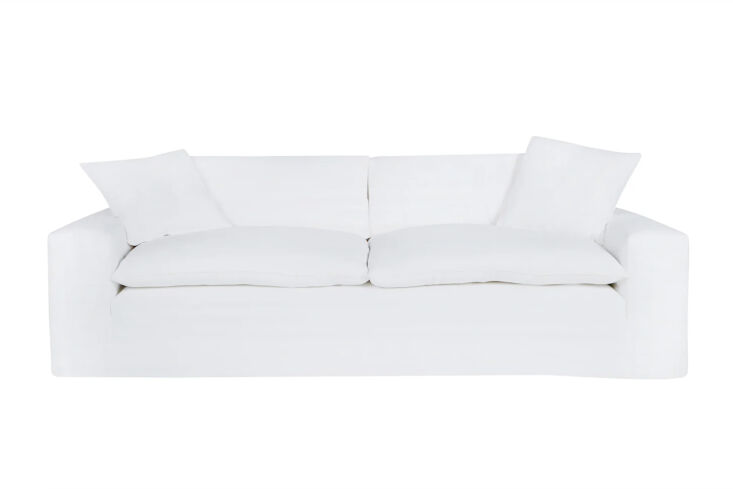
Comparison of the Top 10 Non-Toxic Brands
| Brand | Primary Core Material | Key Certification | Price Range (Approx.) |
|---|---|---|---|
| Sabai | CertiPUR-US Foam / Recycled Fiber | FSC-Certified Wood | $1,295 – $2,800 |
| Medley | GOLS Organic Latex | GREENGUARD Gold | $2,250 – $4,500 |
| 7th Avenue | OEKO-TEX Virgin Poly-fill | PFAS-Free / OEKO-TEX | $1,800 – $5,100 |
| The Futon Shop | Coconut Coir / Wool / Latex | GOTS / GOLS | $2,200 – $3,800 |
| Homebody | Vegan Down Alternative | OEKO-TEX | $3,740 – $7,000 |
| Pure Upholstery | Organic Wool / Latex | GOTS Fabrics | $2,600 – $5,500 |
| EcoBalanza | Organic Merino Wool | GOTS / Greenguard | $5,000+ |
| Silk & Snow | High-Density Bio-Foam | PFAS-Free / CertiPUR-US | $1,300 – $3,000 |
| Home Reserve | Post-Consumer Recycled Fiber | SFI-Sourced Wood | $734 – $1,800 |
| Etsy Artisans | Varies (Wool/Cotton/Latex) | Varies | $500 – $4,000 |
The 10 Best Non-Toxic Sofas for 2026
1. Sabai: Best Overall for Sustainable Value
Sabai has revolutionized the entry-level sustainable market. By using recycled velvet (made from 100% recycled water bottles) and upcycled polyester, they provide a high-end look without the high-end price tag. Their frames are FSC-certified, and they use CertiPUR-US certified foam that is free from the nastiest off-gassing culprits.
What we love most is their "Sabai Revive" program. It’s a closed-loop initiative that allows you to buy or sell secondhand Sabai components, or order replacement parts to extend the life of your sofa indefinitely.
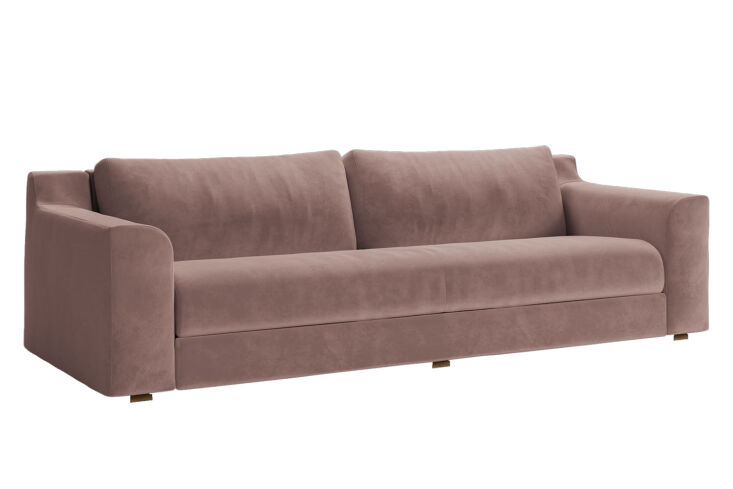
2. Medley: Best for Pure Organic Materials
If your primary concern is absolute material purity, Medley is the industry leader. They offer two internal builds: one featuring CertiPUR-US poly-foam and another—the one we recommend—featuring GOLS-certified organic latex.
The latex model is wrapped in organic wool, which acts as a natural fire barrier and temperature regulator. Their frames are crafted from solid maple and walnut in the USA, finished with zero-VOC beeswax or natural oils. It is a true "heirloom" piece that won't pollute your home.
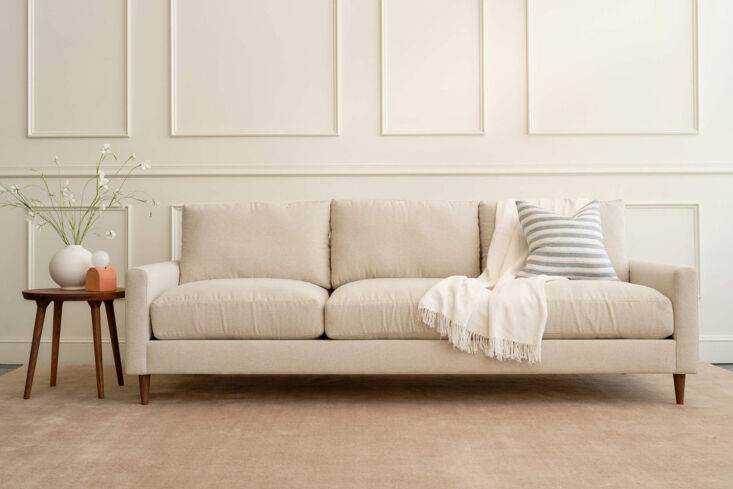
3. 7th Avenue: The Sustainable 'Cloud Couch'
For years, the "Cloud Couch" aesthetic was synonymous with toxic stain treatments (PFAS) and non-sustainable down. 7th Avenue changed the game by creating a modular, incredibly comfortable sofa that uses a proprietary PFAS-free water and stain-repellent coating.
Their fabrics are OEKO-TEX certified, meaning they are tested for harmful substances, and the modular nature means you can grow your sofa as your living space expands. This is the ultimate choice for families with pets and children who don't want to sacrifice health for functionality.
4. The Futon Shop: Best for Customizable Natural Fills
The Futon Shop is a hidden gem for those who want to avoid foam entirely. They specialize in chemical-free virgin wool, coconut coir (infused with latex), and organic cotton canvas.
Because they control their manufacturing process so tightly, you can customize the "firmness" of your sofa using rare natural materials that most mainstream brands won't touch. Their sofas are particularly popular among those with Multiple Chemical Sensitivity (MCS).
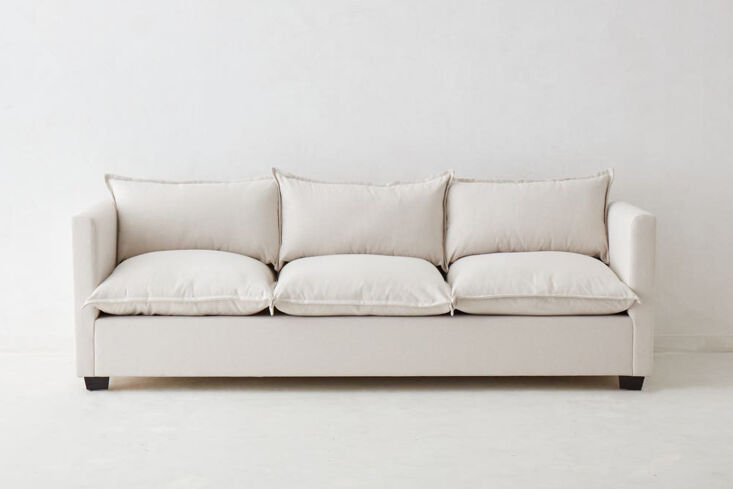
5. Homebody: Best Modular Recliner Options
It is incredibly difficult to find a non-toxic recliner, as the mechanical parts often require heavy lubrication and the upholstery is usually treated with heavy chemicals. Homebody offers a 100% vegan, hypoallergenic down-alternative fill that mimics the feel of feathers without the ethical or allergen concerns. Their OEKO-TEX fabrics and modular "plug-and-play" reclining seats make them a standout for modern media rooms.
6. Pure Upholstery: Best for Chemical Sensitivities
Pure Upholstery takes a "zero-compromise" approach. We've seen their workshop, and it's impressive: no topical treatments, no formaldehyde in the frames, and strictly water-based glues. They use GOTS-certified fabrics exclusively, ensuring that every square inch of the sofa that touches your skin is as safe as organic clothing.
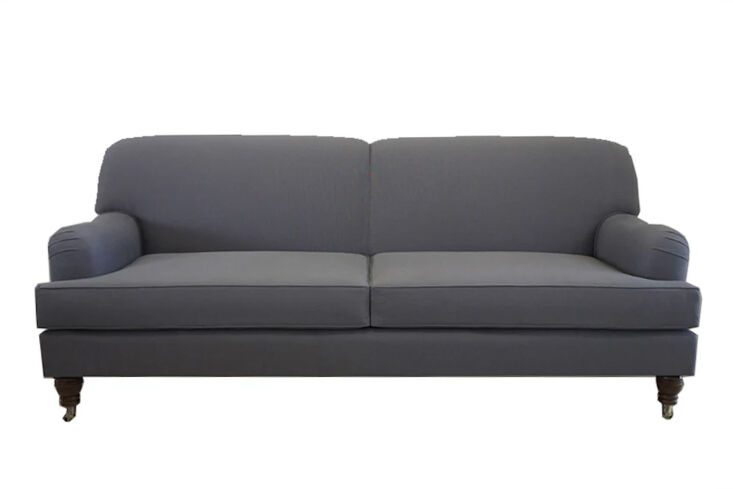
7. EcoBalanza: Best Bespoke Luxury
For the reader who wants a "Couture" sofa, EcoBalanza is the answer. Each piece is master-crafted in Seattle using old-world techniques like 8-way hand-tied springs. They use organic Merino wool and FSC-certified solid wood. While the price point often exceeds $5,000, these are 50-year sofas. They represent the pinnacle of the "buy once, buy well" philosophy.
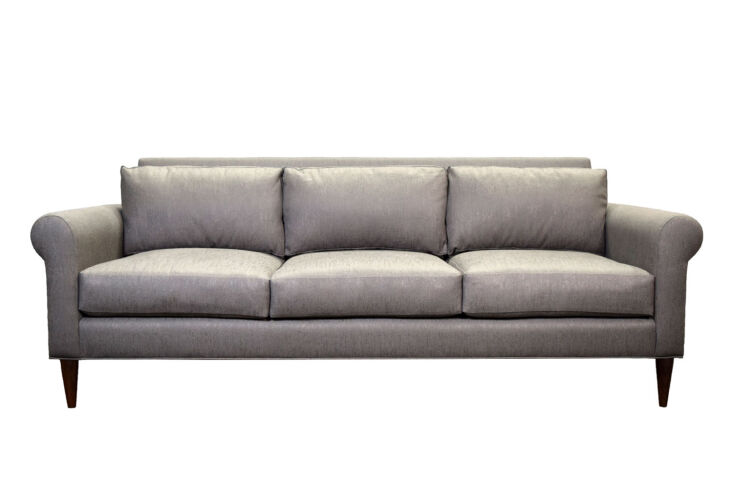
8. Silk & Snow: Best PFAS-Free Modern Design
Silk & Snow's Aire Modular collection is a masterclass in minimalist design. They focus on transparency, utilizing high-density bio-based foam (which replaces a portion of petroleum with plant oils) and ensuring all fabrics are free from "forever chemicals." It’s an excellent mid-range option for renters who need furniture that is easy to move but doesn't compromise on air quality.
9. Home Reserve: Most Affordable Storage Modulars
Starting at just $734, Home Reserve is the most accessible entry on our list. While they use some engineered wood, it is SFI-sourced and strictly complies with low-emission standards. Their cushions use post-consumer recycled fiber fill, and every piece of the sofa has built-in storage. If you are on a budget but want to avoid the toxic "big box" store options, this is your best bet.
10. Etsy: Best for Unique & Vintage Finds
Don't overlook independent artisans on Etsy. Many small-scale upholstery shops specialize in "living furniture" made from local wool or reclaimed timber. Additionally, buying a vintage sofa frame and having it reupholstered with non-toxic materials is perhaps the most sustainable "zero-waste" choice you can make. Just be sure to ask the artisan about their glues and finishes.
Buying Guide: 5 Questions to Ask Before You Buy
When shopping for a non-toxic sofa, don't just trust the "eco-friendly" marketing. Ask the sales representative these five pointed questions to ensure the product meets your health standards:
- "Is the plywood or engineered wood formaldehyde-free?" (Look for CARB Phase 2 compliance or FSC-certified solid wood).
- "What is the stain-resistance treatment made of?" (Avoid anything that mentions PFAS, PFOA, or "nanotechnology" unless it's explicitly labeled PFAS-free).
- "Does the foam contain polyurethane, or is it 100% natural latex?" (Be wary of "soy-foam," which is often just 10-20% soy and 80% petroleum).
- "Are the flame retardants chemical or mechanical?" (Mechanical fire barriers like wool or tightly woven cotton are the gold standard).
- "Can I see the GREENGUARD Gold or GOTS certificate?" (Reputable brands will have these readily available on their website).
FAQ
Are non-toxic sofas worth it for air quality? Absolutely. Since the average person lounges on a sofa for over 1,000 hours per year, choosing non-toxic materials significantly reduces exposure to VOCs and chemical off-gassing in the home. If you notice a "new furniture smell," that is the scent of chemicals entering your lungs; non-toxic sofas generally have a neutral, natural scent.
Is 'Bio-Foam' the same as natural latex? No. "Bio-foam" or "Soy-poly" is usually traditional polyurethane foam where a small percentage of petroleum is replaced with plant oils. While it's a step in the right direction, it still off-gasses. 100% GOLS-certified natural latex is a completely different, plant-based material that is far superior for health.
How do I clean a sofa that doesn't have chemical stain protection? Many non-toxic brands use naturally stain-resistant fibers like wool or tightly woven polyester. For spills, use a simple solution of water and mild castile soap. Avoid harsh chemical cleaners, as they will defeat the purpose of having a non-toxic sofa.
Choosing a sofa is an investment in your home's aesthetic, but more importantly, it's an investment in your indoor environment. Whether you opt for the bespoke luxury of EcoBalanza or the modular flexibility of Sabai, moving away from toxic foams and "forever chemicals" ensures that your 1,000 hours of lounging are spent in a healthy, breathable space.