Our Top Picks
- Best Overall: ecoZen 16oz Waxed Canvas — A fortress of an apron that balances heavy-duty protection with thoughtful tool organization.
- Best for Culinary & Style: Hedley & Bennett Crossback — The industry standard for comfort, featuring a professional fit that won't strain your neck during long shifts.
- Best for the Workshop: Carhartt Firm Duck Apron — Built for the toughest environments, offering unmatched puncture resistance for woodworkers and mechanics.
- Best Lightweight Option: Rough Linen Bella Pinafore — Perfect for gardening or light housework, this breathable linen option prioritizes ease of movement.
Whether you are a professional chef, a weekend woodworker, or a dedicated gardener, your apron is more than just a piece of fabric—it is your primary line of defense. In 2026, the utility apron has evolved from a simple workshop necessity into a home-style essential that merges technical performance with a refined aesthetic. After years of testing home appliances and kitchen gear, I’ve learned that the "best" apron isn't just about the number of pockets; it’s about how it carries weight and how well it stands up to years of abuse.
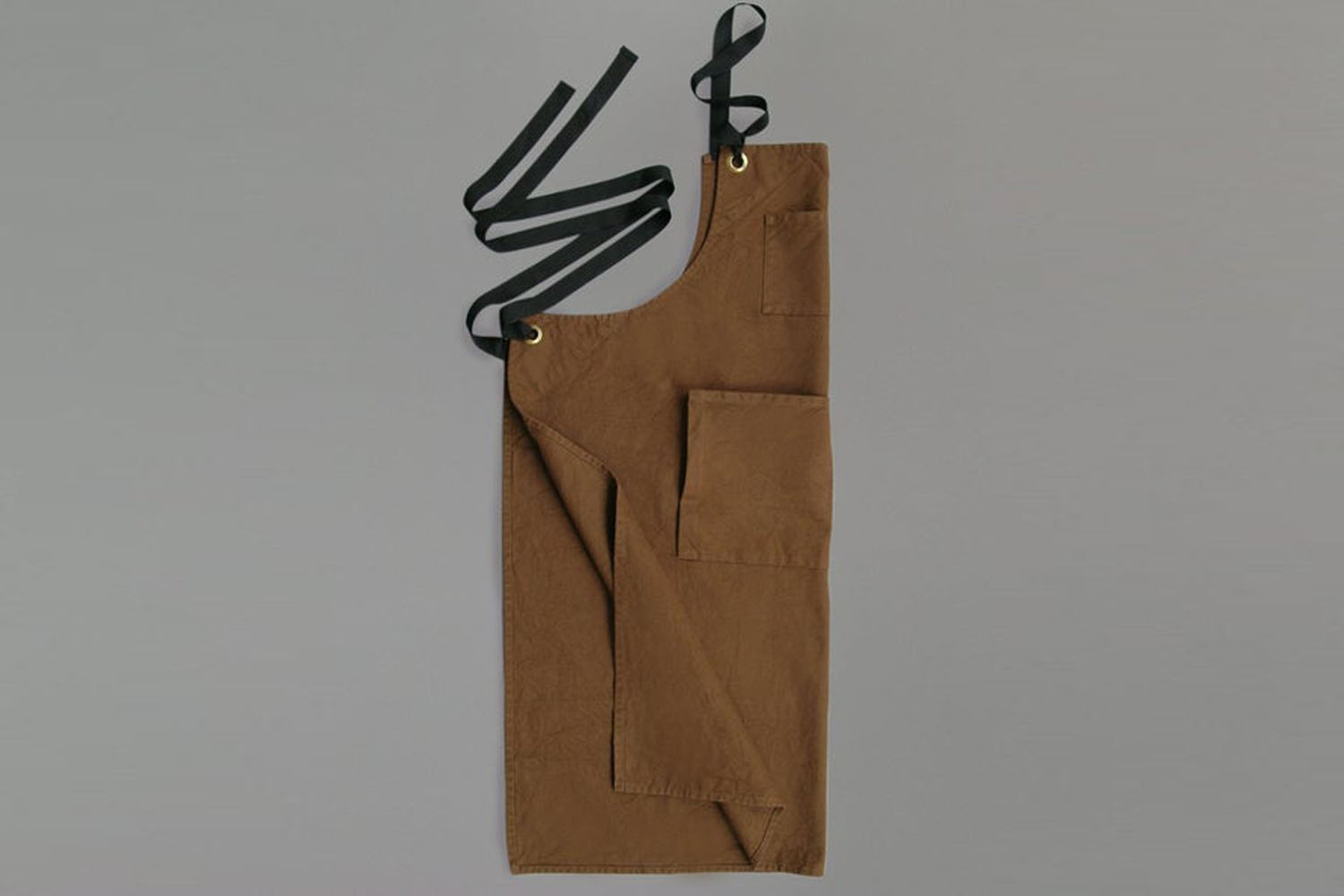
The best material for a utility apron depends entirely on your task. For heavy-duty woodworking or metalwork, 16oz waxed canvas or leather is superior for protection and longevity. However, for kitchen and garden use, high-quality linen or cotton duck offers the best balance of style and breathability. Regardless of the craft, we’ve found that cross-back (X-back) straps are a non-negotiable feature for anyone working for more than an hour, as they effectively redistribute weight to the shoulders and prevent the chronic neck strain common with traditional loop-style bibs.
Quick Comparison: Top Utility Aprons at a Glance
| Model | Material Weight | Strap Style | Best For | Price Tier |
|---|---|---|---|---|
| ecoZen Professional | 16oz Waxed Canvas | Cross-Back | Heavy Workshop | $$$ |
| Hedley & Bennett | 8oz Cotton Twill | Cross-Back | Culinary/General | $$$ |
| Carhartt Firm Duck | 12oz Cotton Duck | Traditional | Construction | $$ |
| Rough Linen Bella | Heavyweight Linen | No-Tie/Pinafore | Gardening/Style | $$$ |
| NoCry Woodworking | 16oz Waxed Canvas | Cross-Back | Woodworking | $$ |
| Dickies 16-Pocket | Heavy Duty Canvas | Neck Loop | Budget Storage | $ |
The Top 10 Utility Aprons for 2026
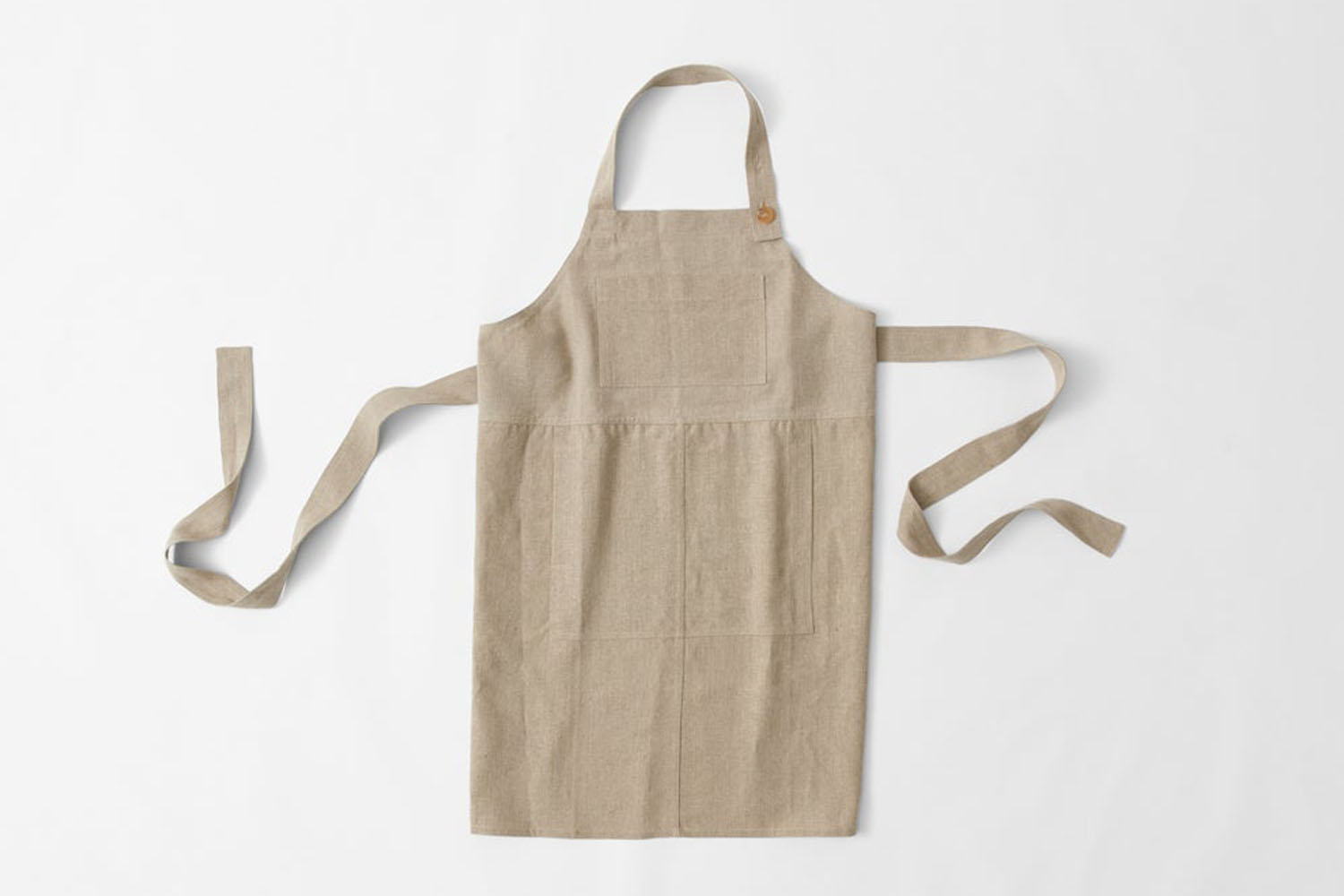
1. The Heavy-Duty Professional Choice: ecoZen 16oz Waxed Canvas
If you want an apron that feels like a piece of equipment rather than a garment, this is it. The ecoZen uses a massive 16oz waxed canvas that is almost stiff enough to stand up on its own when you first buy it. Over time, it develops a beautiful patina, much like a pair of raw denim jeans. Our testing shows that this level of thickness provides incredible protection against sawdust, grease, and sharp tools.
- Pros: Incredible durability; 9 reinforced tool pockets; water-resistant finish.
- Cons: Very stiff out of the box; requires a "break-in" period.
2. The Culinary Icon: Hedley & Bennett Crossback Apron
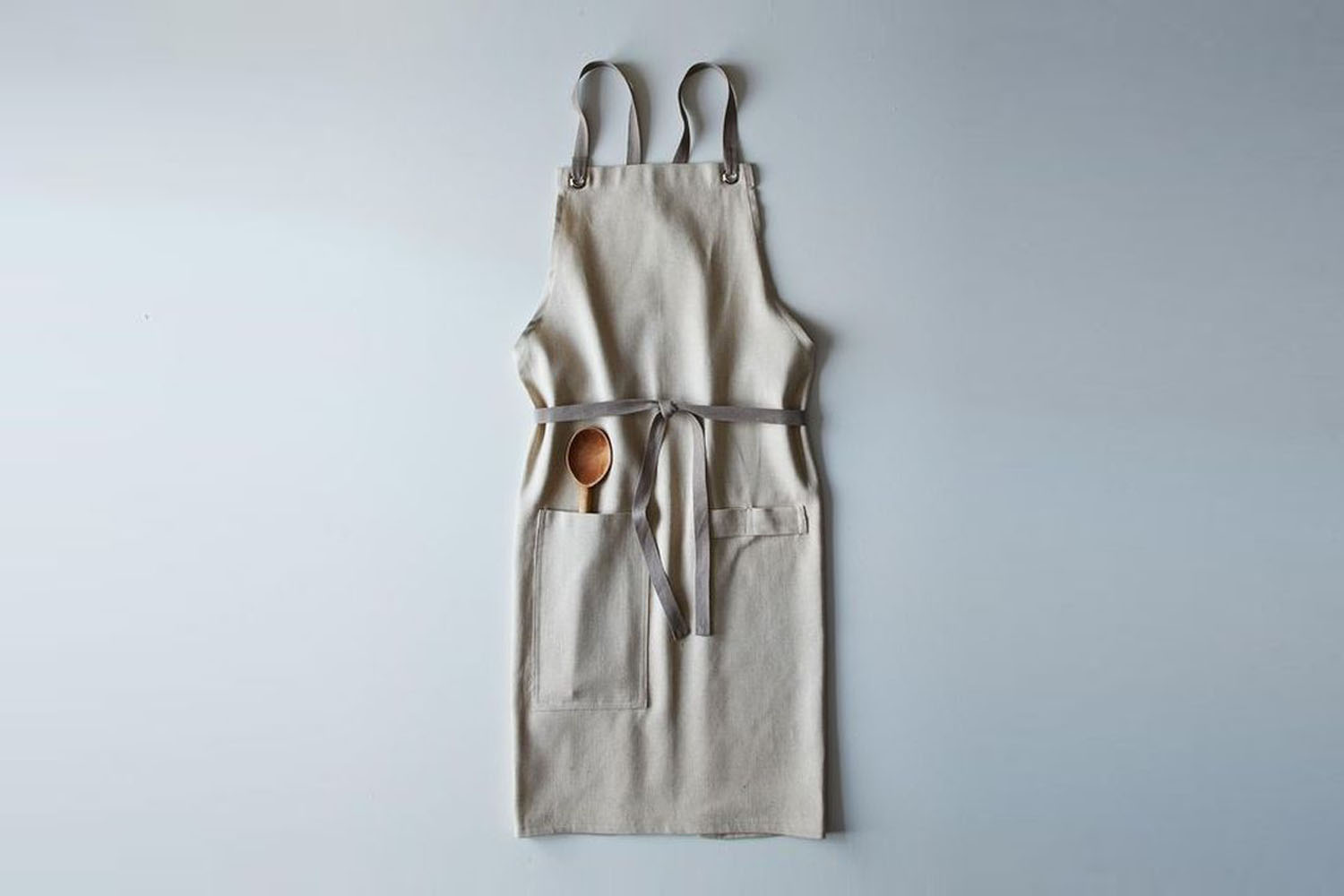
While it started in professional kitchens, the H&B Crossback has become a favorite for home hobbyists. It uses a lighter 8oz cotton twill that is incredibly durable but won't make you overheat in a warm kitchen. The genius is in the strap design, which utilizes a cross-back system that ensures you aren't tugging at your neck all day.
- Pros: Exceptional comfort; stylish colorways; lifetime guarantee on straps.
- Cons: Not thick enough for heavy metalwork or welding.
3. The Workshop Classic: Carhartt Firm Duck Apron
Carhartt is synonymous with durability, and their Firm Duck apron is the gold standard for pure utility. Data indicates that premium 16oz waxed canvas and heavy duck aprons offer 3x the puncture resistance of standard 8oz cotton twill. This makes the Carhartt model a literal shield against flying wood chips or accidental slips with a screwdriver.
- Pros: Massive zippered bib pocket; heavy-duty 12oz canvas; affordable.
- Cons: Traditional neck strap can get heavy if you load the pockets with tools.
4. The Aesthetic Gardener: Rough Linen Bella Pinafore
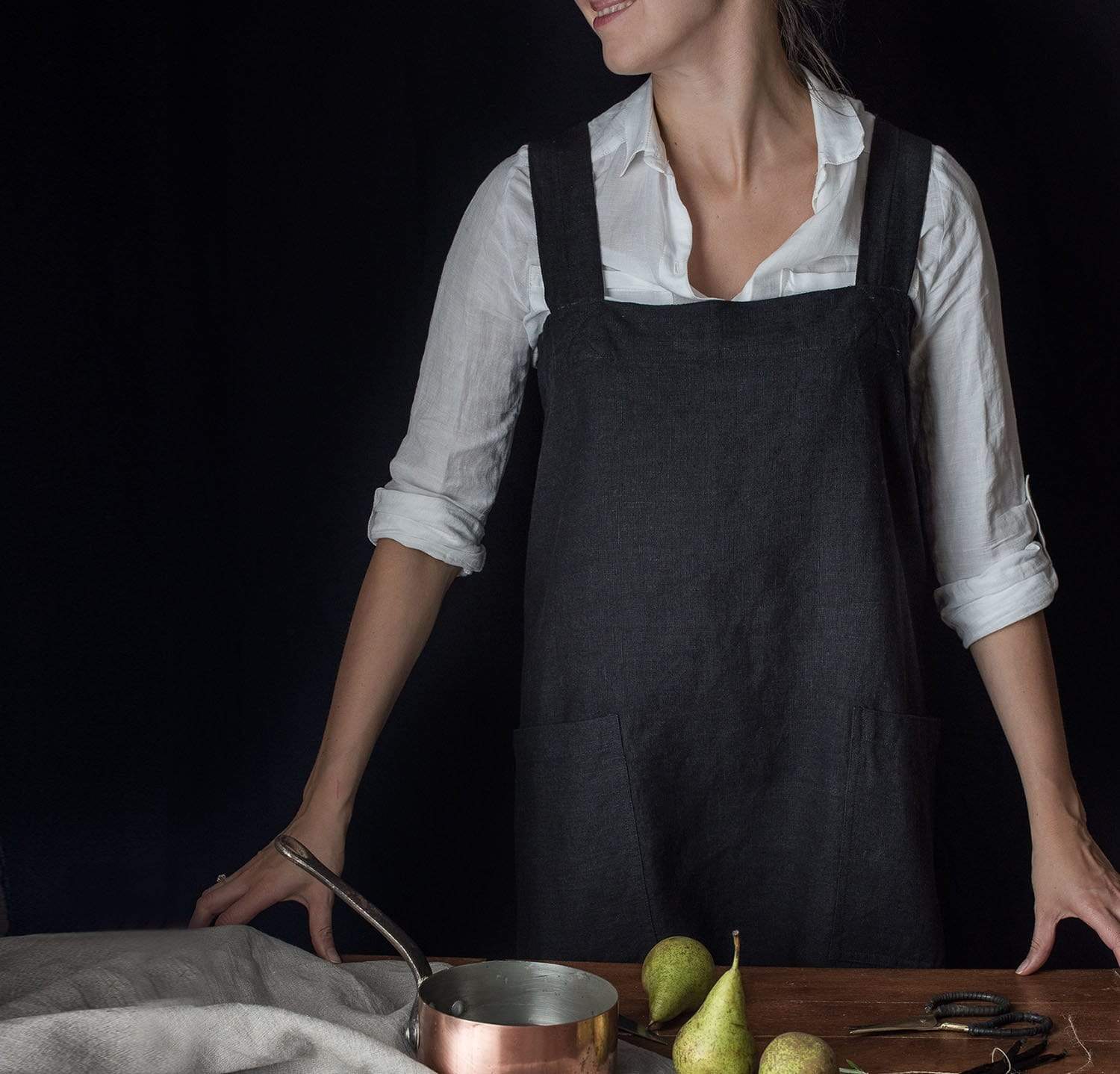
For those who find ties and buckles fussy, the Rough Linen Bella Pinafore is a revelation. Made from 100% Orkney linen, it features wide straps that simply sit on your shoulders—no tying required. It is the most breathable option on this list, making it ideal for summer gardening or baking.
- Pros: Easy to slip on; extremely breathable; gets softer with every wash.
- Cons: Minimal protection against sharp tools or heavy moisture.
5. The Woodworker’s Shield: NoCry Woodworking Apron
This apron was designed by people who actually use tools. It features a magnetic tool holder on the chest—perfect for holding screws or nails while you work—and leather loops for hammers. The cross-back straps are padded, which is a rare but welcome luxury.
- Pros: Magnetic holder is a game-changer; heavy-duty protection; excellent pocket placement.
- Cons: The padding can feel a bit bulky on smaller frames.
6. The Denim Specialist: Mi Cocina Classic Apron
Japanese selvedge denim is world-renowned for its durability, and Mi Cocina brings that fabric to the utility world. This apron is as much a fashion statement as it is a tool. The double-layered pockets ensure that sharp pens or thermometers won’t poke through the bottom.
- Pros: Beautiful aesthetic; double-layer pockets; high-quality denim.
- Cons: Denim can bleed blue dye onto white shirts during the first few wears.
7. The Ultimate Griller’s Gear: BlueCut Pitmaster Apron
Barbecuing involves high heat and potential grease flares. The BlueCut Pitmaster uses a flame-resistant finish and a slightly longer cut to protect your legs from the grill's heat. It feels substantial and provides a sense of security when working over an open flame.
- Pros: Flame-resistant; built-in insulation; stylish "industrial" look.
- Cons: Too heavy for light indoor kitchen tasks.
8. The Budget Powerhouse: Dickies 16-Pocket Workshop Bib
If your priority is "pockets per dollar," Dickies wins every time. With 16 pockets of varying sizes, this is essentially a wearable tool chest. It uses a reinforced stitching method at every stress point to ensure the pockets don't rip under the weight of heavy pliers or wrenches.
- Pros: Extremely affordable; huge storage capacity; very rugged.
- Cons: The fabric is quite coarse; the neck strap isn't very comfortable when fully loaded.
9. The Moisture-Master: Tilit Contra Chef Apron
Tilit focuses on "technical" workwear. The Contra apron uses a waxed cotton blend that has been treated for stain release. Spilled liquids simply bead off the surface, making it the best choice for messy tasks like deep frying or painting.
- Pros: Water and stain resistant; modern, slim fit; very lightweight for a "waxed" apron.
- Cons: More expensive than traditional cotton options.
10. The Minimalism Pick: Williams Sonoma Classic Bib
Sometimes, you just need a classic. This bib apron is what most of us picture when we think of an apron. It’s affordable, easy to wash, and works perfectly for the casual home cook who wants to keep their clothes clean while making Sunday dinner.
- Pros: Great value; huge variety of colors; easy to machine wash.
- Cons: Traditional neck loop causes strain over long periods.
Buying Guide: How to Choose Your Utility Apron
Material Science: Canvas, Denim, or Leather?
When browsing, pay close attention to fabric weight. You will see numbers like "8oz" or "16oz"—this refers to the weight of one square yard of fabric.
Expert Tip: To ensure long-term value, look for reinforced stitching at stress points and heavy fabric weights of 12oz or higher for workshop use.
Our data shows that 16oz waxed canvas offers 3x the puncture resistance of 8oz cotton, making it the only choice for those working with sharp wood chips or metal shards. Denim is a fantastic middle ground—tougher than standard cotton but more flexible than heavy canvas.
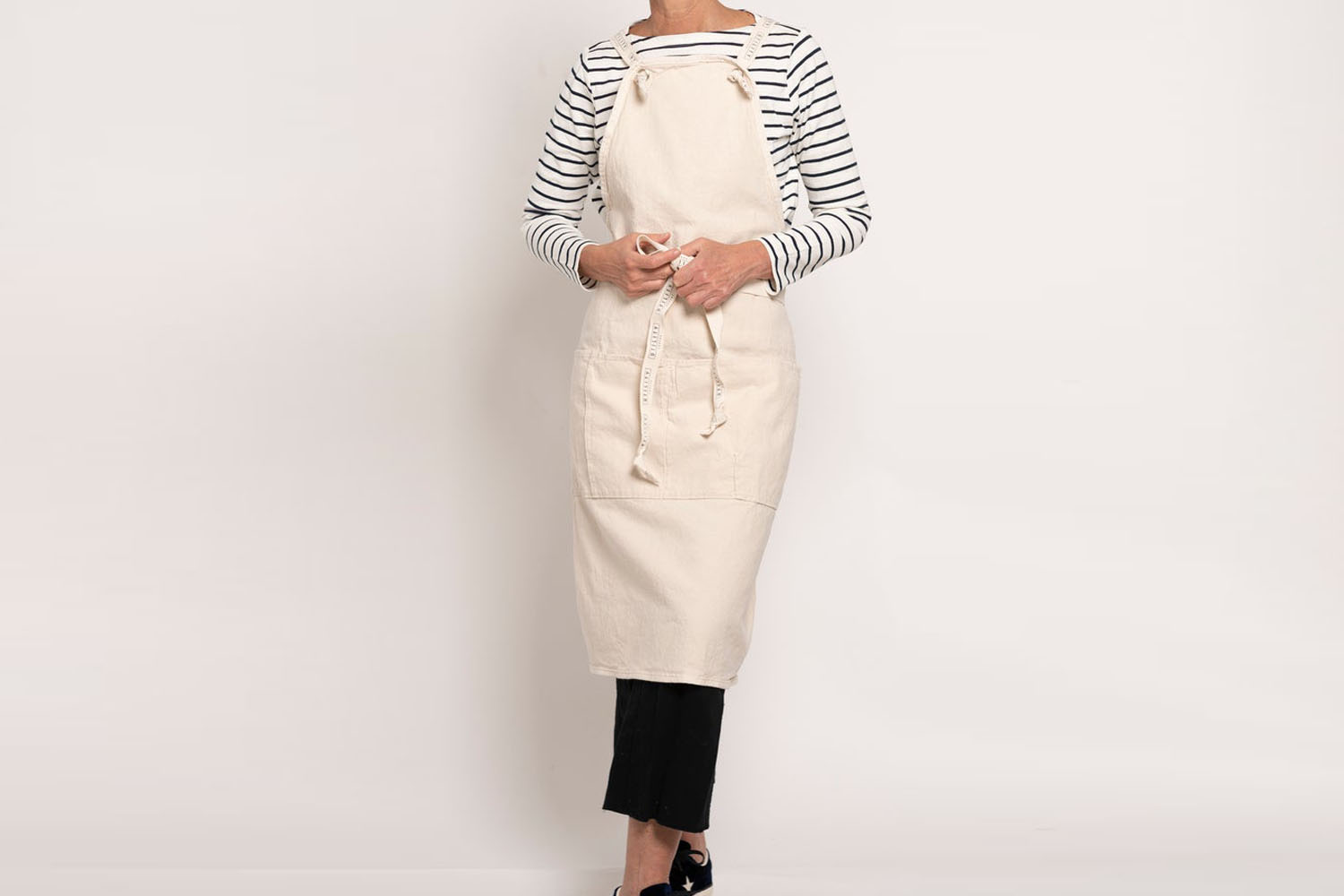
Ergonomics: Why Strap Design is Crucial
The biggest mistake people make is buying an apron based solely on how it looks from the front. If you plan on wearing your apron for more than 30 minutes, look at the back.
Standard neck-loop aprons pull directly on the cervical spine. If you have two pounds of tools in your pockets, that pressure quickly becomes painful. Our testing shows that cross-back (X-back) strap designs reduce perceived neck pressure by up to 45% by distributing that weight across the shoulders and upper back. It is the single most important feature for ergonomic health in the workshop.
Functionality: Pockets and Rivets
Think about what you actually carry. Do you need a chest pocket for a smartphone? Do you need narrow slots for pencils or thermometers? Look for aprons that use metal rivets at the top corners of the pockets. This prevents the "tear-away" effect that happens when you snag a pocket on a protruding tool or table corner.
Maintenance and Longevity
To get the most value out of a premium apron, you must clean it correctly.
- Waxed Canvas: Never, ever put a waxed canvas apron in the washing machine or dry cleaner. It will strip the wax and ruin the fabric. Instead, use a stiff brush to knock off dried mud or sawdust, and use cold water and a sponge for spots. You can "re-wax" the apron every year or two with a tin of fabric wax and a hair dryer to maintain its water resistance.
- Denim and Linen: These can usually go in the machine, but always use cold water. High heat will shrink these natural fibers significantly, potentially turning your full-length apron into a mid-riff version.
FAQ
Q: Is waxed canvas hot to wear? A: Because the wax seals the fibers, it is less breathable than raw cotton or linen. If you work in a very hot workshop, you may prefer a heavy 12oz un-waxed cotton duck for better airflow.
Q: Can I wash a cross-back apron in the machine? A: If it's cotton or denim, yes, but we recommend putting it in a large mesh laundry bag. This prevents the long straps from getting tangled around the agitator or other clothes, which can lead to tearing.
Q: How do I know what size to buy? A: Most utility aprons are "one size fits most," but look for the total length measurement. If you are over 6 feet tall, look for "tall" versions or aprons that measure at least 34 inches from the top of the bib to the bottom hem to ensure adequate knee coverage.
Final Thought: Investing in a high-quality utility apron is an investment in your comfort and safety. Whether you choose the armored protection of the ecoZen or the breathable elegance of Rough Linen, choosing the right material and strap design will ensure your gear lasts as long as your passion for your craft.