Consider this: the average person spends approximately 3,000 hours a year in bed. That is nearly one-third of your life spent in direct, intimate contact with your mattress. For many, this is a comforting thought, but as a sustainable living editor, I see it through a different lens—one of cumulative exposure. Your mattress is the most used piece of furniture in your home, and if it is made of traditional materials, it could be a significant source of chemical off-gassing.
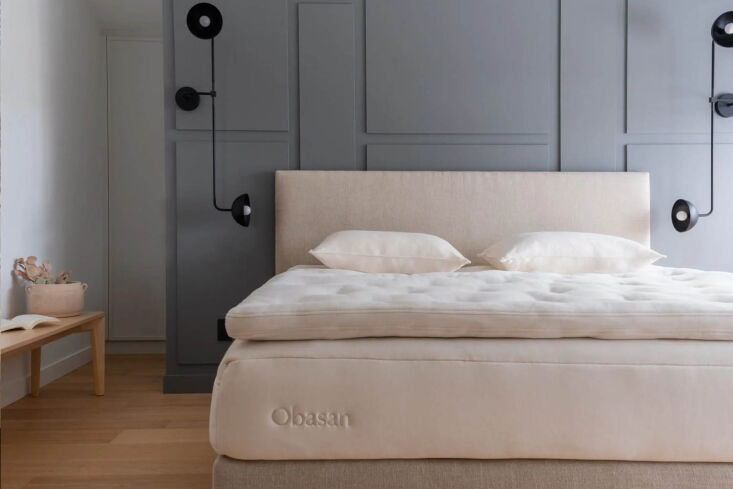
In 2026, the transition toward a non-toxic home is no longer a niche lifestyle; it is a fundamental pillar of wellness. Choosing an eco-friendly mattress isn't just about reducing your carbon footprint; it’s about ensuring that those 3,000 hours are spent in a sanctuary free from the "cocktail" of petrochemicals, formaldehyde, and chemical flame retardants often found in conventional foam beds. Safe alternatives—such as organic wool, natural latex, and organic cotton—provide a cleaner, more breathable sleep environment while offering superior durability.
Our Top Picks for 2026
If you are looking for a quick recommendation to start your journey, these four models represent the gold standard in sustainable sleep for 2026:
- Best Overall: Avocado Green Mattress – The industry leader in 100% GOTS/GOLS certified construction with a carbon-negative footprint.
- Best for Side Sleepers: WinkBed EcoCloud – Features a zoned support system and Talalay latex specifically designed to relieve pressure on hips and shoulders.
- Best for Back Pain: PlushBeds Botanical Bliss – Highly customizable layers of natural latex endorsed by the American Chiropractic Association.
- Best Budget-Friendly Choice: Awara Natural Hybrid – Offers premium GOLS-certified organic latex at a more accessible price point without sacrificing safety.
Decoding the Certification Alphabet Soup
The mattress industry is notorious for "greenwashing"—using vague terms like "natural" or "eco-friendly" without third-party verification. To truly ensure your mattress is safe, you need to look for specific certifications. These aren't just stickers; they are rigorous audits of the entire supply chain.
| Certification | What It Covers | Why It Matters |
|---|---|---|
| GOTS (Global Organic Textile Standard) | Textiles (Cotton/Wool) | Requires at least 95% certified organic fibers and prohibits toxic dyes and bleaches. |
| GOLS (Global Organic Latex Standard) | Natural Latex | Ensures the latex is harvested from organic rubber trees and processed without harmful chemicals. |
| MADE SAFE | Total Product Safety | Screens for over 6,500 known harmful substances, including carcinogens, heavy metals, and endocrine disruptors. |
| GREENGUARD Gold | Air Quality (VOCs) | Tests the finished product for low chemical emissions to ensure healthy indoor air quality. |
| CertiPUR-US | Polyurethane Foam | Minimal Standard: Ensures foam is made without ozone depleters or certain flame retardants, but does not mean "organic." |
When I evaluate a mattress, I look for the "MADE SAFE" seal above all else. This certification utilizes a rigorous screening process that filters out more than 6,500 prohibited substances. It is the most comprehensive health-focused certification available today.
The Material Breakdown: What to Look For and What to Avoid
To understand why an eco-friendly mattress is a better investment, we have to look at what's inside. Traditional "memory foam" is essentially a block of processed petroleum. While comfortable, it is prone to trapping heat and emitting Volatile Organic Compounds (VOCs).
Safe, Sustainable Materials
- Natural Latex: Derived from the sap of rubber trees, natural latex is resilient, antimicrobial, and incredibly durable. It provides a "buoyant" feel rather than the "sinking" feel of memory foam.
- Organic Wool: This is nature's miracle fiber. It acts as a natural flame retardant, moisture-wicker, and temperature regulator.
- Organic Cotton: Used primarily in the covers, it offers breathability and is grown without synthetic pesticides.
- Coconut Fiber & Buckwheat: Often used in firmer or hybrid models, these provide excellent airflow and structural support without synthetic additives.
Materials to Avoid
- Polyurethane Foam: The primary component of most bed-in-a-box brands; it is petroleum-based and highly flammable.
- Chemical Flame Retardants: Many older or cheaper mattresses use PBDEs or other toxic chemicals to meet fire safety standards.
- Formaldehyde Adhesives: Used to glue foam layers together, these can off-gas for years, irritating the respiratory system.
Lucas’s Tip: If a mattress brand claims to be "natural" but doesn't mention how they meet fire safety standards, ask them directly. High-quality organic mattresses use a layer of hydrated silica or organic wool as a natural fire barrier instead of chemical sprays.
Top Eco-Friendly Mattress Picks for 2026
1. Avocado Green Mattress: The Sustainable Gold Standard
The Avocado Green remains the benchmark for the industry. Every component, from the needle-tufted organic cotton cover to the recycled steel coils, is designed with longevity and the planet in mind. It is 100% GOTS and GOLS certified, and the company is a certified B Corp.
- How it sleeps: It is a firmer mattress by default. The needle-tufted design prevents the internal layers from shifting, meaning you won't get those "dips" over time.
- Best for: Back and stomach sleepers who need spinal alignment.
- Sustainability Win: Avocado owns their own latex farms and wool processing facilities, ensuring total transparency.
2. WinkBed EcoCloud: The Side Sleeper’s Dream
Finding a non-toxic mattress that is soft enough for side sleepers can be a challenge, as natural latex is inherently dense. The WinkBed EcoCloud solves this with a 4-inch layer of Talalay latex which is more aerated and "plush" than standard Dunlop latex.
- How it sleeps: It features a 5-zone support system. This means the coils are softer under your shoulders and firmer under your waist, allowing your body to sink in just enough to keep your spine straight.
- Best for: Side sleepers and those who struggle with hip or shoulder pressure.
3. PlushBeds Botanical Bliss: For Serious Back Support
If you suffer from chronic back pain, the Botanical Bliss is my top recommendation. It is endorsed by the American Chiropractic Association and is unique because you can actually unzip the cover and rearrange the latex layers to adjust the firmness at home.
- How it sleeps: Extremely supportive. Because you can customize the "stack" of latex, you can dial in the exact level of push-back your lower back needs.
- Best for: People with back pain or couples who aren't sure which firmness level they prefer.
4. Awara Natural Hybrid: The Best Value
Eco-friendly sleep often comes with a premium price tag, but the Awara Natural Hybrid brings the cost down to about $850–$1,000 for a Queen. It uses GOLS-certified latex and organic wool without the luxury markups of some competitors.
- How it sleeps: It has a classic hybrid feel—bouncy, responsive, and very cool.
- Best for: Budget-conscious shoppers who refuse to compromise on chemical safety.
Buyer’s Checklist: Finding Your Perfect Match
Before you hit "buy," consider these three factors that differentiate organic mattresses from the traditional ones you might be used to:
- Understand the "Bounce": Organic materials like latex and steel coils are far more responsive than memory foam. You won't get that "stuck in the mud" feeling. If you like to move around easily in bed, you will love an organic hybrid.
- Weight and Density: Natural latex is significantly heavier than polyurethane foam. If you live in an apartment or plan to move soon, keep in mind that a King-size organic mattress can weigh upwards of 150 lbs.
- The "Organic" Scent: When you unbox a traditional foam mattress, you often smell "new car" chemicals (off-gassing). When you unbox an organic mattress, you might notice a slight earthy or "hay-like" scent from the wool and latex. This is non-toxic and usually dissipates within 24–48 hours.
Longevity and Durability While the upfront cost of an organic mattress is often higher, the return on investment is superior. A cheap foam mattress might lose its shape in 5–7 years. In contrast, natural latex and high-gauge recycled steel coils are built to last 15–25 years. When you calculate the "cost per night" over two decades, the sustainable choice is almost always the more economical one.
FAQ: Addressing Common Concerns
Do organic mattresses off-gas? Technically, all materials "off-gas" to some extent, but there is a massive difference between the two. Conventional mattresses release VOCs like benzene and formaldehyde. Organic mattresses may have a natural scent from the wool or rubber, but they do not release the harmful "chemical cocktail" associated with synthetic foams.
Are they really worth the higher price point? Yes, for two reasons: health and durability. You are paying for materials that are grown without toxins and a product that will likely last twice as long as a synthetic alternative. It is an investment in your long-term respiratory health and sleep quality.
How do I verify a brand’s "Green" claims? Don't take the brand's word for it. Look for a "Certifications" page on their website. A reputable brand will provide a link to their actual GOTS or GOLS license number. You can then verify that license on the public databases of the certifying bodies.
Investing in Your Sleep Sanctuary
Choosing an eco-friendly mattress is perhaps the single most impactful change you can make for your indoor environment. By moving away from petrochemical-based foams and toward materials like organic wool, cotton, and natural latex, you are creating a bedroom that supports both your health and the health of the planet.
In 2026, the options have never been better. Whether you need the pressure relief of the WinkBed EcoCloud or the customizable support of PlushBeds, there is a non-toxic solution for every type of sleeper. Remember: you are going to spend 3,000 hours on this surface this year. Make sure they are hours spent in a clean, safe, and sustainable environment.