We’ve all been there. You walk through the front door after a long day, ready to be greeted by wagging tails and loud purrs, only to be hit by that unmistakable "pet scent." It’s a complex bouquet of wet dog funk, lingering litter box musk, and that mysterious organic odor that seems to live permanently in your sofa cushions. As much as we love our furry companions, we don’t necessarily want our homes to smell like their favorite park or a giant scratching post.
The challenge is that standard cleaning routines often fail against organic pet odors because these smells aren't just on the surface; they are biological. To maintain a truly odor-free home, you need to move beyond masking scents with candles and adopt a systems-driven approach. The core of a fresh, pet-friendly home rests on three non-negotiable habits: washing pet bedding weekly in hot water with 1/2 cup of white vinegar to neutralize bacteria, scooping litter boxes daily while performing a full clay replacement every week, and deep cleaning carpets and upholstery every six months to remove deep-seated dander and hair.
Habit 1: The Weekly Fabric Refresh (Bedding & Soft Surfaces)
If you’ve ever noticed a "stale" smell in your living room even after vacuuming, the culprit is likely your soft surfaces. Fabric is a magnet for sebum (the natural oils in a pet’s skin), saliva, and dander. These organic materials don't just sit on the fabric; they sink into the fibers and begin to break down, creating a breeding ground for odor-causing bacteria.
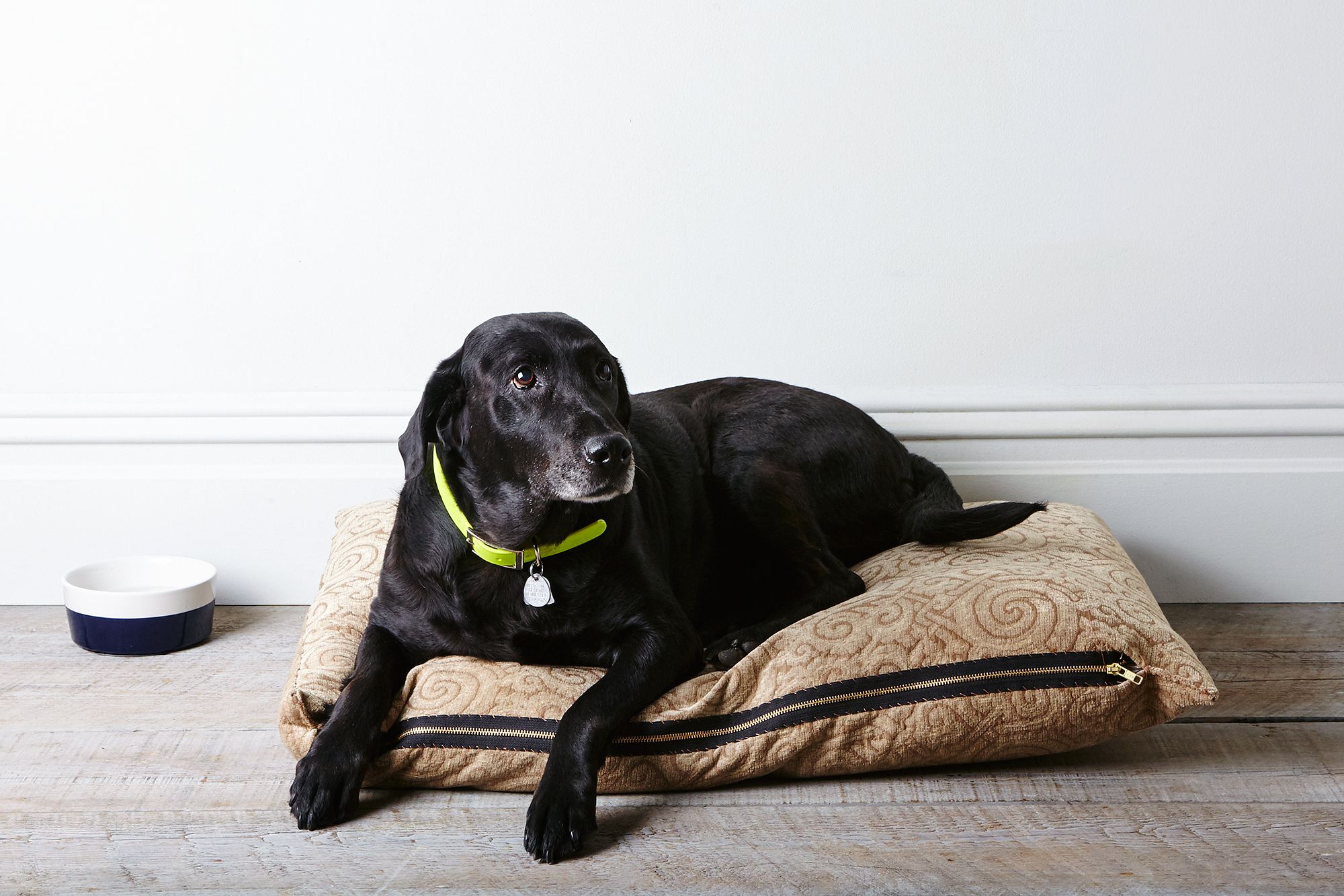
To break this cycle, you must treat pet bedding and throw covers as "hotspots for bacteria." A simple cold-water wash won't suffice because it doesn't effectively break down the oils. Instead, implement a Science-of-the-Soak routine every Saturday or Sunday:
- Strip and Shake: Before the fabric hits the machine, take it outside and give it a vigorous shake or use a rubber brush to remove the top layer of fur. This prevents your washing machine filter from clogging.
- The Vinegar Neutralizer: Wash the items in the hottest water the fabric allows. Instead of using extra detergent (which can actually trap odors if not rinsed properly), add 1/2 cup of white vinegar to the rinse cycle. The acetic acid in vinegar works at a molecular level to neutralize alkaline odors and kill bacteria without leaving a harsh chemical residue.
- The Drying Phase: If possible, let the items air-dry in the sun. UV rays are a natural disinfectant and help bleach out organic stains and odors.
For your non-washable furniture, the best maintenance habit is prevention. I always recommend using high-quality waterproof covers or stylish "pet throws" on sofas and armchairs. When these get dirty, you simply toss them in the wash rather than trying to scrub the actual upholstery. For localized spots that can’t be washed, keep an enzymatic cleaner like Rocco & Roxie or Angry Orange on hand. These aren't just air fresheners; they contain live bacteria that literally "eat" the organic matter causing the smell.
Habit 2: Strategic Litter Box Management
For cat owners, the litter box is often the primary source of household "nose blindness." We get used to it, but our guests certainly don't. The primary chemical offender here is ammonia buildup. When urine sits in a litter box, it begins to decompose, releasing ammonia gas into the air. If you can smell it, the buildup has already reached a level that is unpleasant for both you and your cat’s sensitive nose.
Effective litter maintenance requires a two-tiered schedule: Daily Scooping and Weekly Resets.
The Daily Scooping System
You should scoop at least once a day—twice is better if you have multiple cats. The goal is to remove the waste before the odors have a chance to permeate the surrounding air. To make this habit sustainable, I suggest keeping a dedicated waste disposal system, like a Litter Genie, right next to the box so the task takes less than 60 seconds.
The Weekly Full Replacement
Many people make the mistake of simply topping off clay litter for weeks on end. However, small particles of soiled litter always get left behind, leading to a permanent "box funk." Once a week, you should empty the entire box of clay litter and dispose of it.
Deep Cleaning the Physical Box
Once the box is empty, don't just pour in new litter. You need to deep clean the plastic itself. Over time, cats' claws create tiny scratches in the bottom of the plastic box where pheromones and bacteria hide. Wash the empty box with warm water and mild dish soap. Avoid citrus-scented cleaners, as cats often find these repulsive and may stop using the box altogether.
Sophie’s Tip: If you have a multi-cat household, the "N+1" rule is essential. You should have one more litter box than you have cats. Distributing the "load" across multiple boxes prevents any single area from becoming an odor concentrated zone.
Habit 3: Semi-Annual Deep Cleaning Routine
Even with perfect weekly habits, there is an "invisible mess" that accumulates over time. Pet hair and dander are incredibly fine; they settle deep into carpet fibers and into the foam of your sofa cushions where a standard vacuum simply cannot reach. This creates a baseline odor that lingers even after you've cleaned everything else.
In a standard, pet-free home, professionals usually recommend a deep carpet clean once a year. However, for pet owners, the "Multi-Pet Multiplier" comes into play. Because pets are constantly shedding oils and dander, multi-pet households require a 100% increase in frequency, needing deep cleans every 6 months to remove deep-seated odors and allergens.
Professional vs. At-Home Solutions
When it comes to deep cleaning, you have two main paths: hiring a professional service or investing in your own high-quality machine. While professional pet odor removal services typically cost between $100 and $250 per session, this is roughly equivalent to the one-time purchase price of a high-quality at-home carpet cleaner.
| Feature | Professional Service | At-Home Machine (e.g., Bissell ProHeat) |
|---|---|---|
| Cost | $100 - $250 per visit | $150 - $300 (one-time purchase) |
| Drying Time | 4-6 hours (High-powered extraction) | 8-12 hours |
| Convenience | Appointment required | Use immediately for accidents |
| Deep Clean Power | Industrial grade | High (if used correctly) |
If you have a senior pet or a puppy prone to accidents, the at-home machine pays for itself within the first year. The key is to use it proactively every six months rather than waiting until the house feels "dirty."
Pro Tip: Detecting the 'Invisible' Mess
Sometimes, you can smell something, but you can’t see it. This is where your inner "home detective" needs to come out. I highly recommend every pet owner own a UV (blacklight) flashlight. When the lights are off, a UV light will cause dried urine and other biological fluids to glow.
Check the "hotspots":
- The corners of rooms.
- The legs of wooden furniture.
- The baseboards near the front door.
Once you’ve found a hidden spot, do not reach for a standard bleach cleaner. Bleach will not break down the uric acid found in pet urine. You must use an enzymatic cleaner to break down the uric acid at a molecular level. Spray the area, let it sit for at least 15 minutes (or as directed), and then blot it up. This doesn't just remove the smell for you; it removes the scent markers that tell your pet "this is a good place to go again."
FAQ
How often should I clean if I have a non-shedding pet? Even "hypoallergenic" or non-shedding pets produce skin oils and dander. While you might not see as much fur, the oily residue on fabrics remains the same. Stick to the weekly bedding wash, though you might be able to stretch carpet cleaning to every 9 months instead of 6.
Are natural deodorizers like baking soda effective? Baking soda is excellent for absorbing moisture and some surface odors. It’s great for a quick sprinkle on a rug before vacuuming. However, it cannot penetrate deep fibers or neutralize bacteria as effectively as vinegar or enzymatic cleaners.
Is it safe to use essential oils to freshen a pet home? Be very careful. Many essential oils—including tea tree, peppermint, and certain citrus oils—are toxic to cats and dogs when diffused or applied to surfaces. Always opt for pet-safe candles or high-quality air purifiers with HEPA and carbon filters to scrub the air safely.
Final Thoughts
Creating a calm, functional, and fresh home doesn't require a miracle—it just requires a system. By integrating these three habits into your lifestyle, you stop chasing odors and start preventing them. Your home should be a sanctuary for both you and your pets, and with a little weekly discipline, it can be a place where the only thing you smell is a clean, welcoming environment. Start with the "Weekly Fabric Refresh" this weekend, and feel the difference a systems-driven home can make.