Quick Facts
- The Relocation Method: The most natural way to stay organized is to observe where items naturally accumulate and create permanent storage in those high-traffic "hotspots" instead of forcing traditional categories.
- Controlled Chaos: Managing daily clutter is best achieved through a designated "clutter bin," allowing for a one-minute evening restoration routine.
- 2026 Trend: 72% of experts now favor modular storage systems like ClosetMaid and IKEA PAX over fixed shelving for a 30% increase in efficiency.
- Micro-Tidying: Adopting one-minute habits throughout the day can reduce the need for weekend "panic cleaning" by up to 45%.
Why Traditional Tidying Fails in 2026
We have all been there: the Sunday afternoon spent frantically folding, sorting, and labeling, only for the house to return to a state of disarray by Tuesday evening. If you feel like you are constantly fighting a losing battle against your belongings, you aren’t alone—and it isn’t your fault. In 2026, the conversation around home management has shifted from the cold, often unattainable standards of "Minimalism" to a more human-centric "Intentional Ownership."
The science of clutter is unforgiving. Studies show that physical clutter in our living spaces leads to elevated cortisol levels and significant cognitive overload. When your eyes scan a messy room, your brain treats every misplaced item as a "to-do" task, leading to a state of low-grade, constant stress. To keep your home organized more naturally, the secret isn't more discipline; it's the Relocation Method. By observing where items naturally accumulate and creating permanent storage spots in those specific high-traffic areas, you stop fighting your own habits and start working with them.
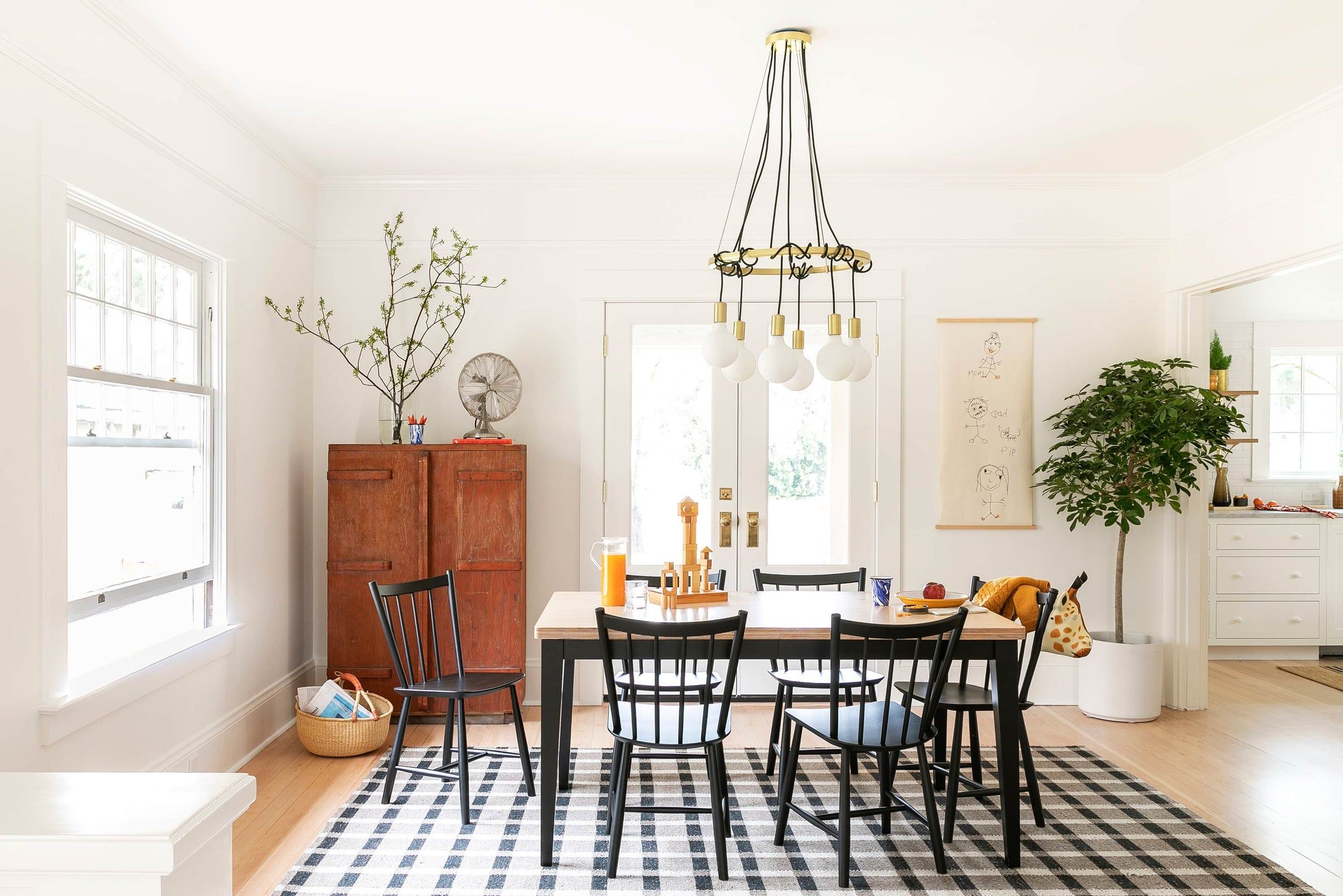
Secret 1: The Relocation Method (Design Around Behavior)
Most of us organize our homes based on where we think things should go. We put the mail in a beautiful file holder in the home office, yet the mail always ends up in a messy pile on the kitchen island. We put the shoe rack inside the closet, yet the entryway is constantly littered with sneakers.
The Relocation Method flips this logic. Instead of forcing your behavior to match your storage, you move the storage to match your behavior. This is about identifying your home’s "natural hotspots." For one week, do not tidy up. Observe where the "clutter monsters" live. Is there a chair in the bedroom that is perpetually covered in "half-worn" clothes? That isn't a failure of character; it’s a sign that your bedroom lacks a transitionary storage spot.
To solve the "Living Room Table Trap," for instance, stop trying to keep the surface clear through sheer willpower. If that table is where your remote controls, coasters, and magazines live, give them a dedicated, beautiful tray or a low-profile basket. If keys and sunglasses always land on the sideboard, install a sleek set of Command Hooks or a Yamazaki magnetic tray right at that eye level. By creating permanent storage in these high-traffic zones, you eliminate the friction of "putting things away" because "away" is exactly where you were going to drop them anyway.
Secret 2: The 'Clutter Bin' Strategy for Controlled Chaos
One of the biggest mistakes I see as an editor is the attempt to maintain "Pinterest-perfect" rooms 24/7. This is not only exhausting; it’s impossible for anyone with a job, a family, or a life. The most functional homes in 2026 utilize a concept I call "Controlled Chaos."
The best way to manage daily household clutter is to designate a specific Clutter Bin in each main living area. This is a stylish, high-sided basket or bin that serves as a temporary landing zone for misplaced items. During the day, if you find a toy in the kitchen or a stray book on the sofa, don’t walk it all the way back to its room. Toss it in the bin.
This strategy allows you to maintain "visual boundaries." The room stays tidy to the eye, even if the bin is full. The magic happens during the one-minute evening restoration. Before you head to bed, take the bin and do a quick lap of the house, returning items to their proper homes. This prevents the "clutter creep" that usually leads to a four-hour cleaning session on Saturday morning.
Sophie’s Tip: Choose a bin that complements your decor—think woven seagrass or matte recycled plastic. When the "chaos" is contained in a beautiful vessel, it no longer feels like a mess; it feels like a system.
Secret 3: Micro-Tidying and the 'Chore-us' Rhythm
We often treat cleaning as a monumental event, a "Big Sunday Reset." However, recent data suggests that adopting a "micro-tidying" routine—tasks taking one minute or less throughout the day—can reduce the need for weekend "panic cleaning" by up to 45% for the average household.
I like to call this the "Chore-us" rhythm. It’s about stacking tiny habits onto transitions you are already making. For example:
- The "Car Clear": Never walk from your car to your front door empty-handed. Grab one piece of trash or one item that belongs inside every single time.
- The "Boiling Point": While the kettle is boiling or the microwave is running, clear one drawer or wipe down the countertops.
- The "One-In, One-Out" Rule: If you bring a new magazine or kitchen gadget in, something else must be moved to the donation bin immediately.
These 60-second tidy-ups prevent the "snowball effect" of clutter. When you integrate organization into the rhythm of your day, it stops being a chore and starts being a background process, much like breathing.
Leveling Up: Modular Systems for 2026
If your home still feels dysfunctional despite your best habits, the issue might be the infrastructure. In 2026, 72% of home organization experts recommend modular storage over fixed shelving. Why? Because our lives are dynamic. A shelf height that works for toddler shoes won't work for teenage boots. Modular systems provide a 30% increase in storage efficiency because they allow for vertical customization, ensuring no "air space" is wasted.
When it comes to the best closet organization system for 2026, the ClosetMaid Modular Storage system is our top pick for overall versatility and ease of installation. However, for those looking for a "built-in" look with high-end aesthetics, the IKEA PAX system remains the gold standard for modular customization and value.
Best Closet Systems 2026 Comparison
| System | Best For | Key Advantage | Customization Level |
|---|---|---|---|
| ClosetMaid Modular | DIY & Versatility | Easy to reconfigure as needs change | High (Tool-free adjustments) |
| IKEA PAX | High-End Look | Massive range of doors and lighting | Maximum (Modular "built-in" feel) |
| Rubbermaid Configurations | Small Budgets | Very affordable and sturdy | Medium (Fixed track system) |
Sustainability and Digital Wardrobe Intelligence
As we look toward the latter half of the decade, the "plastic bin" era is fading. Sustainable organization is the new priority. We are seeing a massive shift toward natural materials like bamboo, rattan, and FSC-certified wood. These materials don't just look better; they are more durable and provide a tactile, grounding energy to a room.
Furthermore, "Digital Wardrobe Intelligence" is becoming a staple for the modern home. Many systems now integrate with apps that allow you to track your inventory. Before you buy another white t-shirt, you can check your digital log. This prevents over-consumption and ensures that every item in your functional living space truly has a purpose.
Conclusion
Creating a functional living space isn't about achieving a state of perfection; it's about building a system that supports your lifestyle. By embracing the Relocation Method, utilizing Clutter Bins for controlled chaos, and committing to Micro-Tidying habits, you can transform your home from a source of stress into a sanctuary of calm.
Remember, organization is a reset ritual, not a chore. It’s the gift you give to your "future self" so that when you wake up tomorrow, your home is ready to help you take on the world.
FAQ
Q: I have a very small apartment. Can the Relocation Method still work? A: Absolutely. In fact, it’s even more vital in small spaces. Use vertical space (walls and backs of doors) to create those "relocated" storage spots. If your mail always ends up on your tiny dining table, hang a wall pocket directly above or beside the table.
Q: My family won't use the 'Clutter Bin.' What should I do? A: Start by placing the bin in the spot where they already drop things. If your partner leaves their bag on the floor by the couch, place a large, attractive basket right there. It’s easier to change the location of a basket than the habits of a human.
Q: Is the IKEA PAX system hard to assemble? A: It requires a bit of patience and ideally two people for the initial framing. However, the 2026 updates have made the "Komplement" interiors much more user-friendly to snap into place.