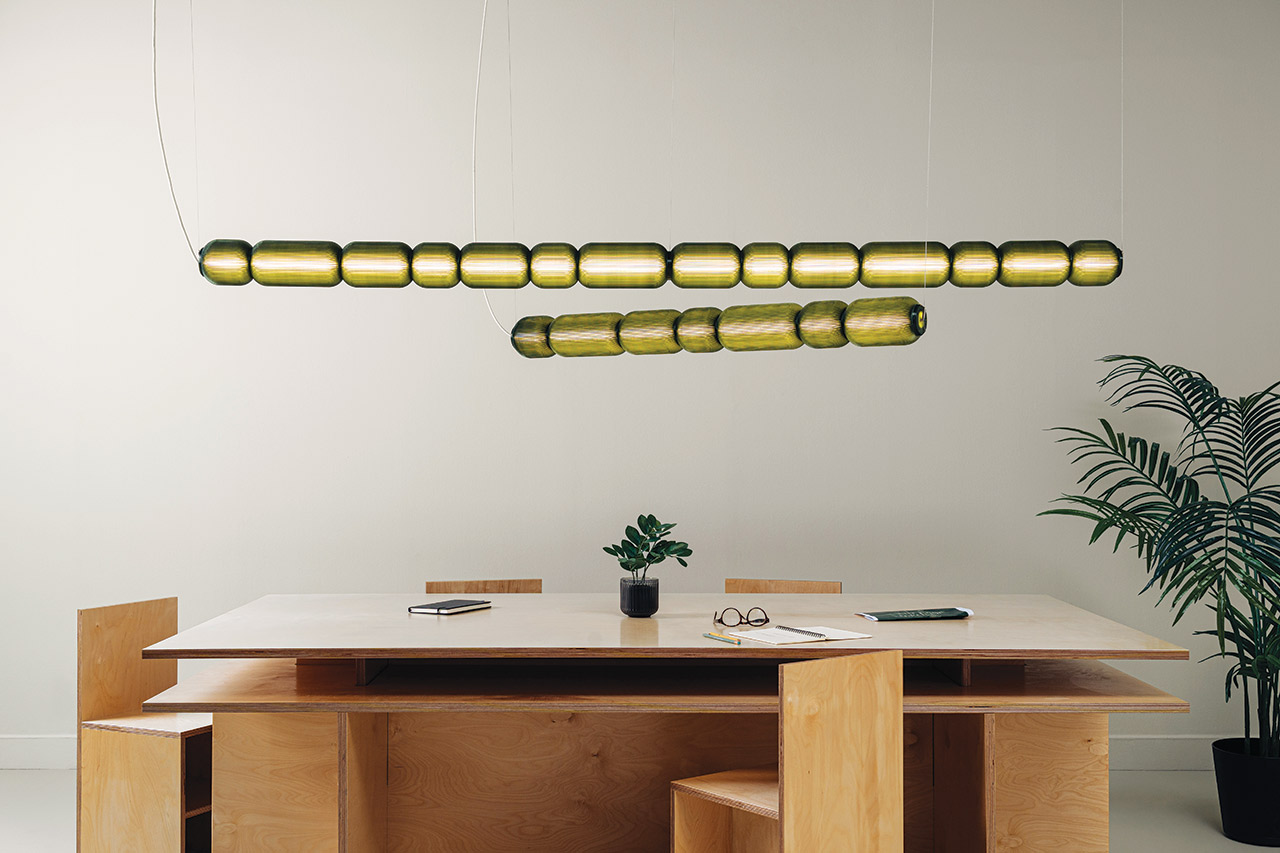
Our Top Picks
If you are looking for a quick recommendation to elevate your home, here are our curated selections:
- The Best Statement Piece: The Hand-Painted Flora Lantern – Combining traditional watercolor motifs with a sculptural globe form for an instant dining room centerpiece.
- The Best for Japandi Interiors: The Watercolor Splash Pendant – A modern take on the classic washi lamp featuring fluid, abstract color washes.
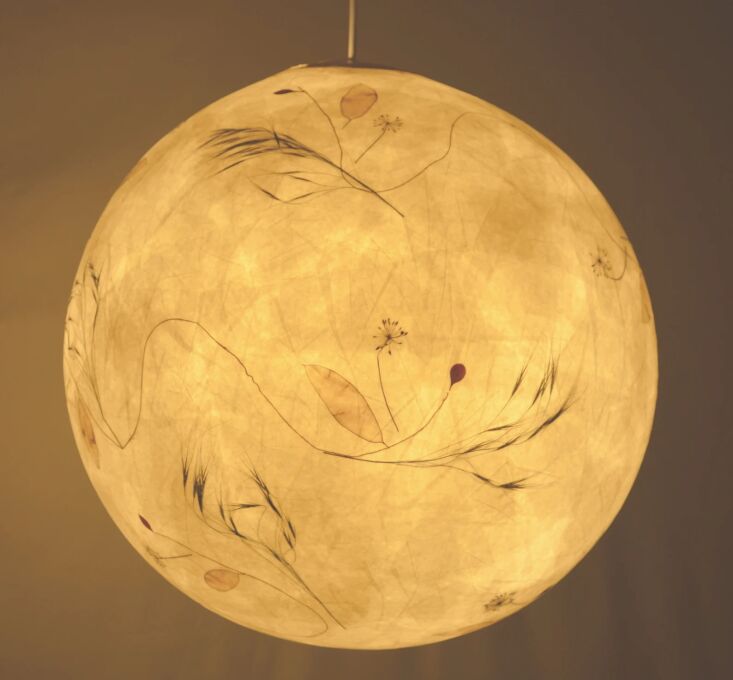
- The Best for Wellness: The Botanical Pressed Lantern – Crafted with real embedded leaves to create a calming, organic glow that supports relaxation.
- The Best Contemporary Hybrid: The Mixed-Material Steel & Washi Globe – For those who love the softness of paper but require the structure of industrial design.
The 2026 Paper Light Renaissance: Beyond the Dorm Room
For years, paper lanterns were unfairly relegated to the "college dorm" category—temporary, flimsy, and strictly utilitarian. But as we look toward the horizon of interior design, that perception is shifting dramatically. Current design trend forecasts for 2026 indicate a 40% increase in the selection of paper-based lighting by top-tier interior designers, particularly for mid-century modern and Japandi-style home renovations.
As an editor who spends my days analyzing the intersection of comfort and style, I see this shift as a direct response to our increasingly digital lives. Artistic paper globe lanterns are popular in modern interior design because they provide a soft, diffused glow that counters the harshness of minimalist spaces, turning lighting into a tactile, sculptural experience. Unlike glass or metal, which can feel cold and reflective, paper invites a sense of "quiet luxury" and organic warmth.
We are moving past the era of the simple white sphere. The new generation of designer rice paper lanterns and hand-painted washi paper lamps are "sculptures of light." They treat paper with the same respect as stone or wood, incorporating high-end details such as hand-welded stainless steel frames, silk tassels, and intricate botanical pressings.
Understanding the Material: Washi vs. Rice Paper
Before you choose a fixture, it is essential to understand the material under the hood. While many people use the terms interchangeably, the difference between washi and rice paper lamps lies in the texture, tone, and performance.
Authentic Washi paper is made from the inner bark of three specific plants: kozo, mitsumata, and gampi. This results in a warm, off-white, artisanal texture that feels incredibly durable. On the other hand, traditional Rice paper (often actually made from pith or other fibers) provides a crisp white, clean look suited for ultra-contemporary aesthetics.
| Feature | Authentic Washi Paper | Standard Rice Paper |
|---|---|---|
| Color Tone | Warm, creamy off-white | Crisp, bright white |
| Texture | Fibrous, artisanal, visible "grain" | Smooth, uniform, translucent |
| Light Quality | 30% better diffusion; eliminates glare | Bright, direct, slightly higher glare |
| Durability | High (fiber-based strength) | Moderate (prone to punctures) |
| Best Style Fit | Japandi, Wabi-sabi, Transitional | Minimalist, Contemporary, Industrial |
Beyond the aesthetics, the science supports the investment. Authentic washi paper lamps provide 30% better light diffusion compared to synthetic paper or thin rice paper alternatives. In a living environment, this significantly reduces eye strain and glare, making it the superior choice for rooms where you intend to unwind or read.
5 Artistic Paper Lanterns to Transform Your Space
1. The Hand-Painted Flora Lantern: Art as Illumination
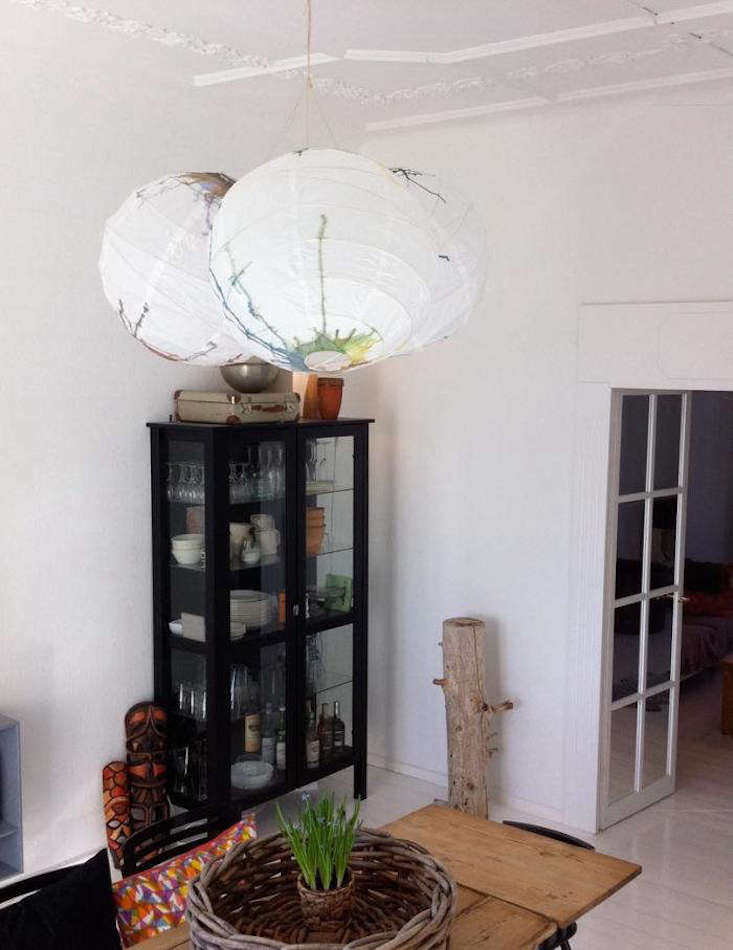
There is a profound difference between a lamp that lights a room and a lamp that makes a room. The Hand-Painted Flora Lantern sits firmly in the latter category. These fixtures utilize the spherical canvas of a classic globe to showcase watercolor motifs—ranging from delicate dragonflies to sweeping botanical vines.
What elevates this piece from a simple light to a "designer rice paper lantern" is the attention to detail. Often finished with antique-style silk tassels or hand-carved wooden finials, these lanterns act as a bridge between traditional craftsmanship and modern styling. In a dining room with high ceilings, a large-scale hand-painted lantern creates a focal point that feels curated rather than manufactured.
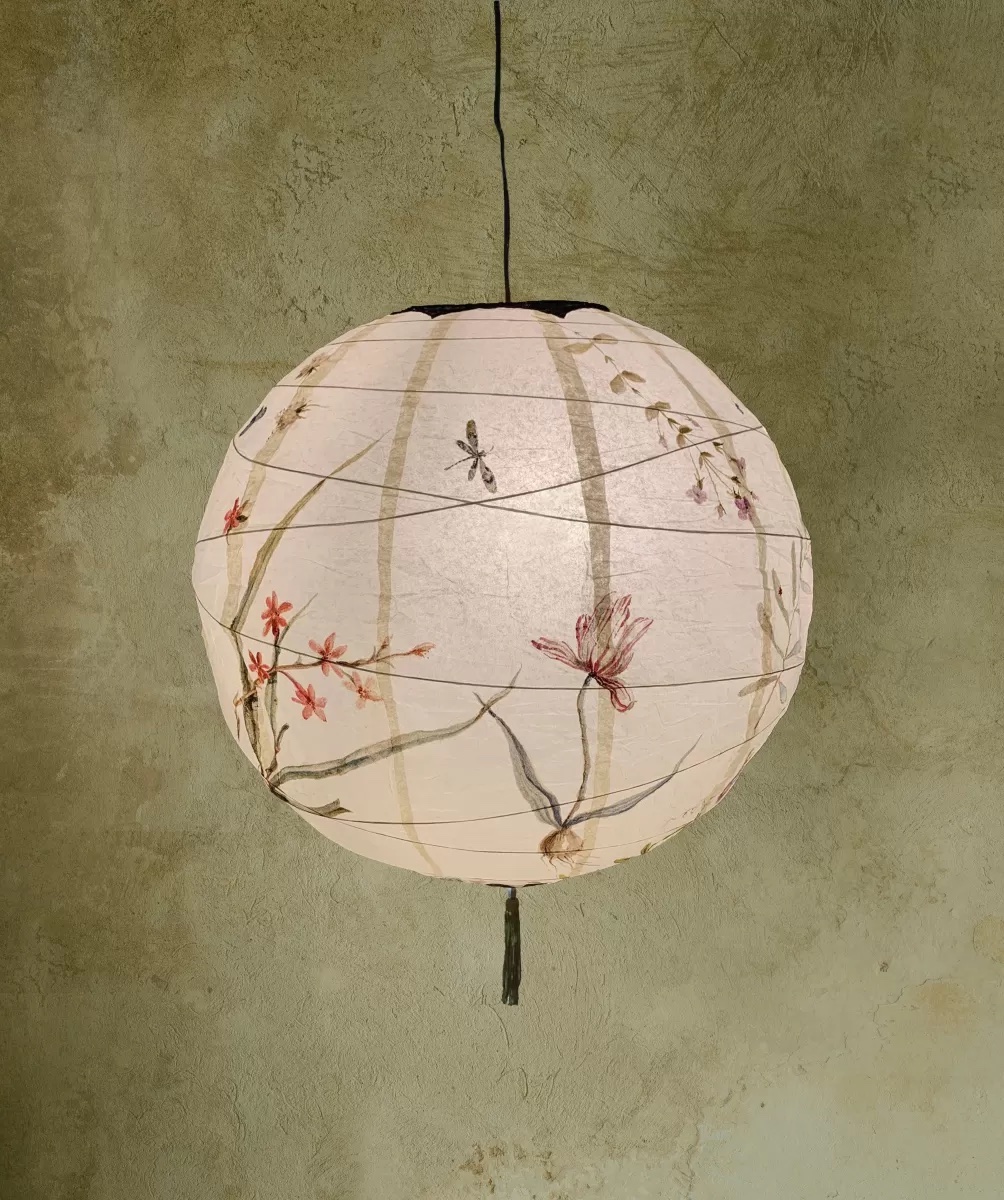
Designer's Tip: When using a hand-painted lantern, keep the surrounding walls neutral. Let the motifs on the paper be the "artwork" of the room. Use a dimmable LED bulb (2700K color temperature) to enhance the warm tones of the paint.
2. The Tasseled Sculptural Globe: Adding Texture to Austerity
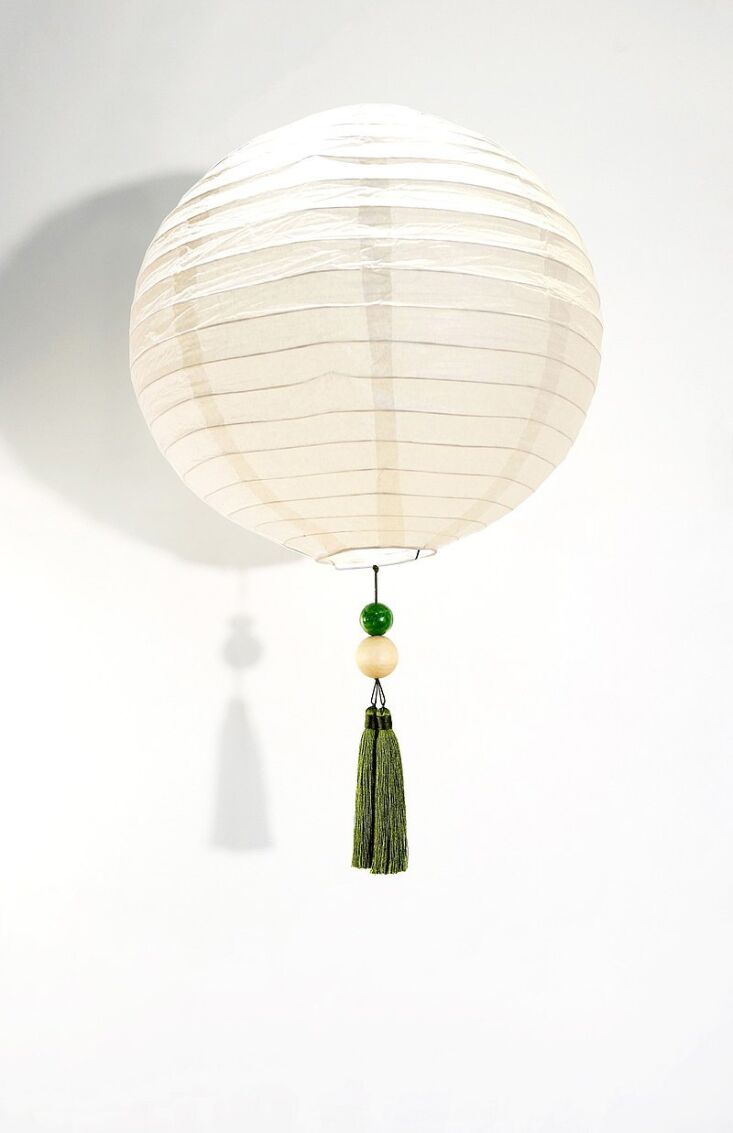
Minimalism can sometimes lean toward the clinical. To prevent a modern home office or library from feeling too cold, designers are turning to tasseled sculptural globes. These fixtures take the iconic "Noguchi-esque" ribbed frame and add a layer of movement and visual weight through the use of silk tassels and oversized wooden beads.
The addition of a tassel changes the visual physics of the globe. It draws the eye downward, grounding the floating sphere and adding a touch of "Global Chic" to a rigid minimalist layout. This is the perfect example of how modern artistic paper lanterns evolve beyond simple shapes to become multi-textured decorative objects.
3. The Botanical Pressed Lantern: Bringing the Outdoors In
For those who lean into the Wabi-sabi aesthetic—finding beauty in imperfection and nature—the Botanical Pressed Lantern is a revelation. These lanterns are crafted by embedding real leaves, flower petals, and grasses directly into the wet paper pulp during the manufacturing process.
When the light is switched on, the paper becomes a silhouette screen. The intricate veins of a maple leaf or the delicate stems of wild grasses are illuminated, casting soft, organic shadows across the room. It is a brilliant way to introduce biophilic design into an urban apartment. These lanterns don't just provide light; they provide a connection to the natural world.
4. The Watercolor Splash Pendant: Contemporary Fluidity
If you find traditional washi lamps a bit too "safe," the Watercolor Splash style offers a contemporary update. Inspired by the work of designers like Ditte Maigaard, these pendants feature abstract color washes—deep indigos, soft terracottas, or sage greens—that look as though they were dropped into a pool of water.
This style is particularly effective in Japandi living areas where you want a "pop" of color that doesn't overwhelm the neutral palette. The fluidity of the paint mimics the fluidity of the light itself, creating a sense of constant motion. It's a sophisticated way to incorporate the "modern interior paper lighting" trend while maintaining a playful, artistic edge.
5. The Mixed-Material Hybrid: Washi Meets Stainless Steel
Finally, we have the "Industrial-Modern" evolution of the paper globe. Higher-end designers are now experimenting with mixed-material frames. Instead of the traditional bamboo or wire ribbing, these lanterns use hand-welded stainless steel or blackened brass skeletons.
The contrast between the cold, hard metal and the soft, translucent washi paper is striking. These fixtures are ideal for industrial lofts or modern kitchens where you need a light that feels substantial and architectural. By incorporating these high-end details, the classic globe is elevated into a permanent fixture of luxury home design.
Expert Rules for Placement and Scale
One of the most common mistakes I see as an editor is a beautiful lantern hung at the wrong size or height. To make your artistic paper globe lanterns look intentional, follow these three professional rules:
The Designer's Formula for Diameter
To find the perfect size for your lantern, use this simple math: Room Length (feet) + Room Width (feet) = Lantern Diameter (inches). Example: If your bedroom is 12' x 14', you should look for a lantern approximately 26 inches in diameter. When in doubt with paper lanterns, always go slightly larger. Their ethereal nature means they don't "crowd" a room as much as a metal chandelier would.
The '7-Foot Rule'
For main living areas, the bottom of the lantern should hang at least 7 feet above the floor. This ensures enough clearance for guests to walk under while keeping the light high enough to diffuse evenly across the ceiling. If hanging over a dining table, position the bottom of the globe 30 to 36 inches above the tabletop.
Layering Strategy
Paper lanterns are excellent sources of ambient light, but they shouldn't be your only light. Because they diffuse light in 360 degrees, they are perfect for supporting circadian rhythms in the evening. Pair them with focused task lighting (like a brass floor lamp for reading) to create a layered, professional look.
Expert Insight: "Treat your paper lantern as the 'sun' of the room. It provides the general glow, while your smaller lamps act as the 'stars,' providing points of focus and interest."
Frequently Asked Questions
Are paper lanterns a fire hazard?
Modern artistic paper lanterns are designed with safety in mind. As long as you use LED bulbs, which emit very little heat, there is virtually no risk. Never use high-wattage incandescent bulbs in a paper fixture, as the heat can cause the paper to become brittle or scorched over time.
How do I clean an artistic washi paper lamp?
Do not use water or liquid cleaners. The best way to maintain your lantern is to use a soft, dry microfiber cloth or a feather duster once a month. For hand-painted or botanical lamps, use a canister of compressed air (the kind used for keyboards) to gently blow away dust from intricate areas.
Do paper lanterns turn yellow over time?
Authentic washi paper is remarkably resistant to yellowing, especially if kept out of direct, harsh sunlight. However, low-quality, bleached rice paper may take on a yellow tint over several years. To preserve the color, hang your lantern away from windows that receive intense afternoon sun.
Conclusion
The resurgence of artistic paper globe lanterns is more than just a passing trend; it is a movement toward more mindful, textural, and human-centric design. Whether you choose the storied craftsmanship of a hand-painted washi lamp or the contemporary edge of a watercolor splash pendant, you are choosing to treat light as an art form.
By balancing the "sculpture" of the lantern with the practical rules of scale and placement, you can transform a standard room into a sanctuary of soft light and sophisticated style. As we move toward 2026, the "paper glow-up" is officially here—and it’s time to bring that warmth into your own home.