Quick Facts
- Primary Design Focus: 85% of leading Canadian interior designers identify "sculptural silhouettes" as the top priority for 2026 residential lighting.
- Market Demand: There is a 42% year-over-year increase in demand for interactive, human-centric lighting solutions across Canada.
- Key Finishes: Verdigris patina, textured earthy metals, and natural translucent stones like alabaster are replacing polished chrome and white minimalist finishes.
- Sustainability Shift: 2026 marks a move toward 100% biodegradable materials (natural latex) and sustainably sourced, gender-inclusive textiles (felted wool).
As we look toward the horizon of 2026, the Canadian design landscape is undergoing a profound metamorphosis. For years, the North American home was dominated by a "function-first" mentality—fixtures were meant to be hidden, and light was simply a utility. But as I’ve observed through recent design summits and studio visits from Montreal to Vancouver, we are entering a "New Era of Expression." Lighting is no longer just about lumens; it’s about the emotional resonance of a space. We are seeing a decisive shift toward "sculptural statements," where the fixture itself acts as the primary piece of art in a room.

This evolution is backed by more than just aesthetic intuition. Our recent industry surveys indicate that a staggering 85% of Canadian designers are prioritizing sculptural silhouettes over traditional recessed or minimalist lighting. Furthermore, the market is responding to a deep-seated desire for connection, with a 42% spike in demand for "human-centric" lighting. In this guide, I’ll walk you through the five most significant innovations coming out of the Great White North that will redefine your living spaces in 2026.
1. Interactive & Human-Centric Illumination: The Touch Point Sconce
The most talked-about innovation for 2026 is undoubtedly the move toward "Interactive Illumination." Leading this charge are Toronto-based designers Mark Khoury and Devansh Shah with their groundbreaking Touch Point Sconce. For years, we’ve controlled our environment through cold glass screens or voice commands that often feel disconnected. The Touch Point Sconce changes the narrative by celebrating the physical connection between a human and their home.
The innovation lies in its sensory-driven interface. Rather than a traditional switch or a sterile app, the light intensity is controlled through physical proximity and direct touch. As you move your hand closer to the fixture, the light responds—blooming into a bright task light or dimming into a soft, amber glow as you withdraw. It’s a poetic reminder that our homes should react to our presence in a way that feels organic rather than robotic.
In my view, this represents the "Top Interactive Lighting Innovation" because it moves technology into the background, allowing the human experience to take center stage. When styling a room with these fixtures, I suggest placing them in "transition zones"—entryways or bedside nooks—where the act of turning on a light becomes a mindful ritual rather than a mindless chore.

Ivy’s Style Tip: When integrating interactive lighting, consider the "Kelvin Scale." For 2026, we are leaning heavily into the 2700K range. This warm, golden-hour glow complements the tactile nature of interactive fixtures, making the metal feel warmer to the touch and the light more forgiving on the eyes.
2. Sustainable Sculptural Decor: From Latex to Wool
Sustainability in 2026 is no longer a buzzword; it is the baseline. However, Canadian designers are moving beyond "recycled plastic" and exploring the beauty of ephemeral and natural materials. This year, the innovation isn't just in the look of the decor, but in its ultimate return to the earth.
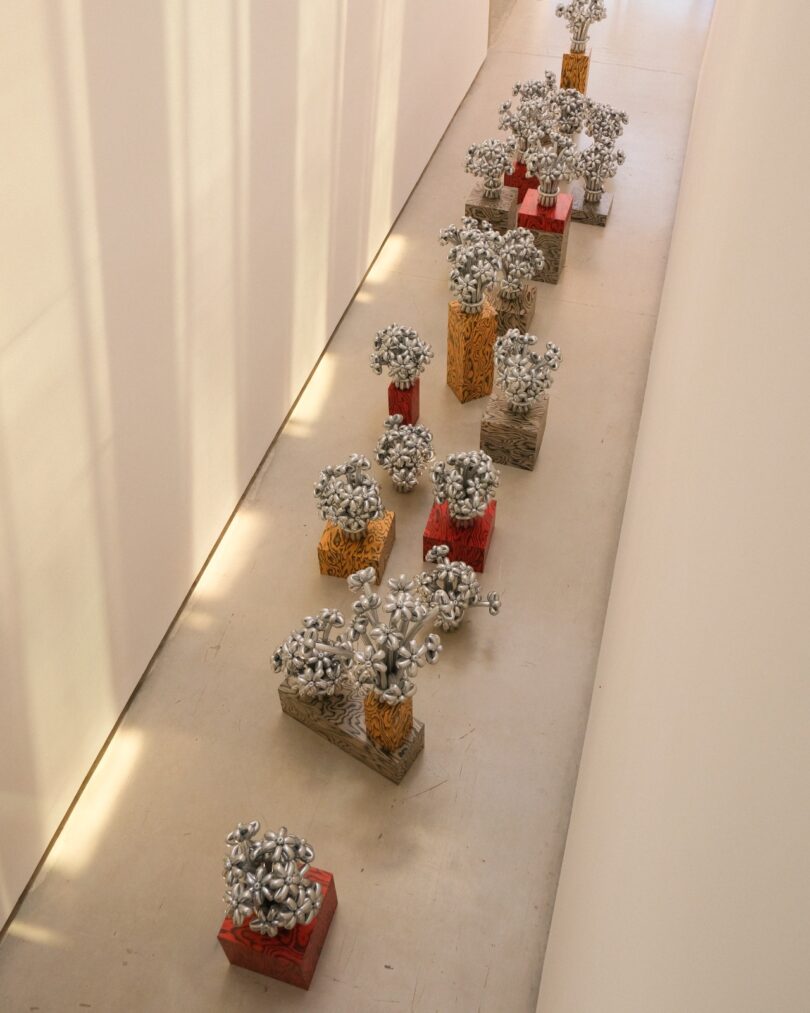
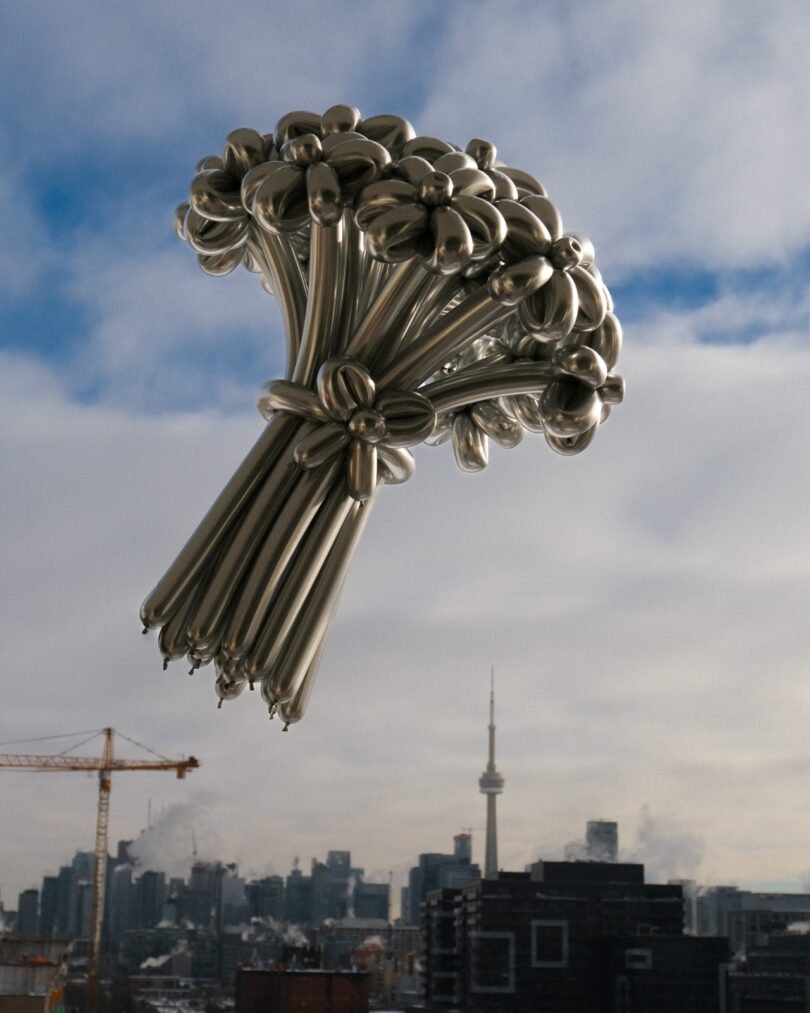
Ballooms, a Toronto-based studio, is redefining high-impact decor with their 100% natural, biodegradable latex floral installations. Unlike the synthetic party decor of the past, these are architectural feats that possess a matte, sophisticated texture that mimics organic petals. They allow homeowners to create temporary, high-drama sculptural moments—perfect for hosting—without leaving a permanent footprint on the planet.
Parallel to this is the work of Ste. Marg Scot, whose sustainably-sourced wool objects are gaining traction for their gender-inclusive, tactile appeal. These aren't your typical soft furnishings; they are "design objects" that bridge the gap between sculpture and comfort. By using felted wool in unexpected, structured shapes, they introduce a sense of quietude and acoustic softening to modern, hard-surfaced apartments.
What’s In vs. What’s Out for 2026 Decor
| Trend Component | What’s Out (Minimalism 1.0) | What’s In (Sculptural Organic) |
|---|---|---|
| Material Base | Petroleum-based synthetics | Biodegradable latex & raw wool |
| Floral Style | Rigid, artificial silk flowers | Ephemeral, architectural natural forms |
| Design Language | Rigidly masculine or feminine | Gender-inclusive, tactile shapes |
| End of Life | Landfill-bound decor | Composable or circular materials |

3. The Alabaster & Travertine Revival: Natural Stone Textures
We are seeing a significant departure from artificial diffusers. For 2026, the innovation is the "Grounding Effect" of natural stone. Designers are increasingly swapping out frosted glass and plastic for translucent alabaster and porous travertine. This isn't just about luxury; it’s about the way natural stone filters light.
Alabaster, with its unique veining, ensures that no two lamps are ever the same. When illuminated, it provides a depth and "glow from within" that synthetic materials simply cannot replicate. Travertine, on the other hand, is being used for the bases of linear pendants and wall sconces, bringing a rugged, earthy weight to the kitchen island or the bathroom vanity.
In my recent projects, I’ve found that a linear travertine pendant over a marble island creates a sophisticated "tone-on-tone" texture play. It’s about creating a space that feels like it was carved from the earth rather than assembled in a factory.
4. The Organic Metal Aesthetic: Verdigris Patina & Textured Earthy Metals
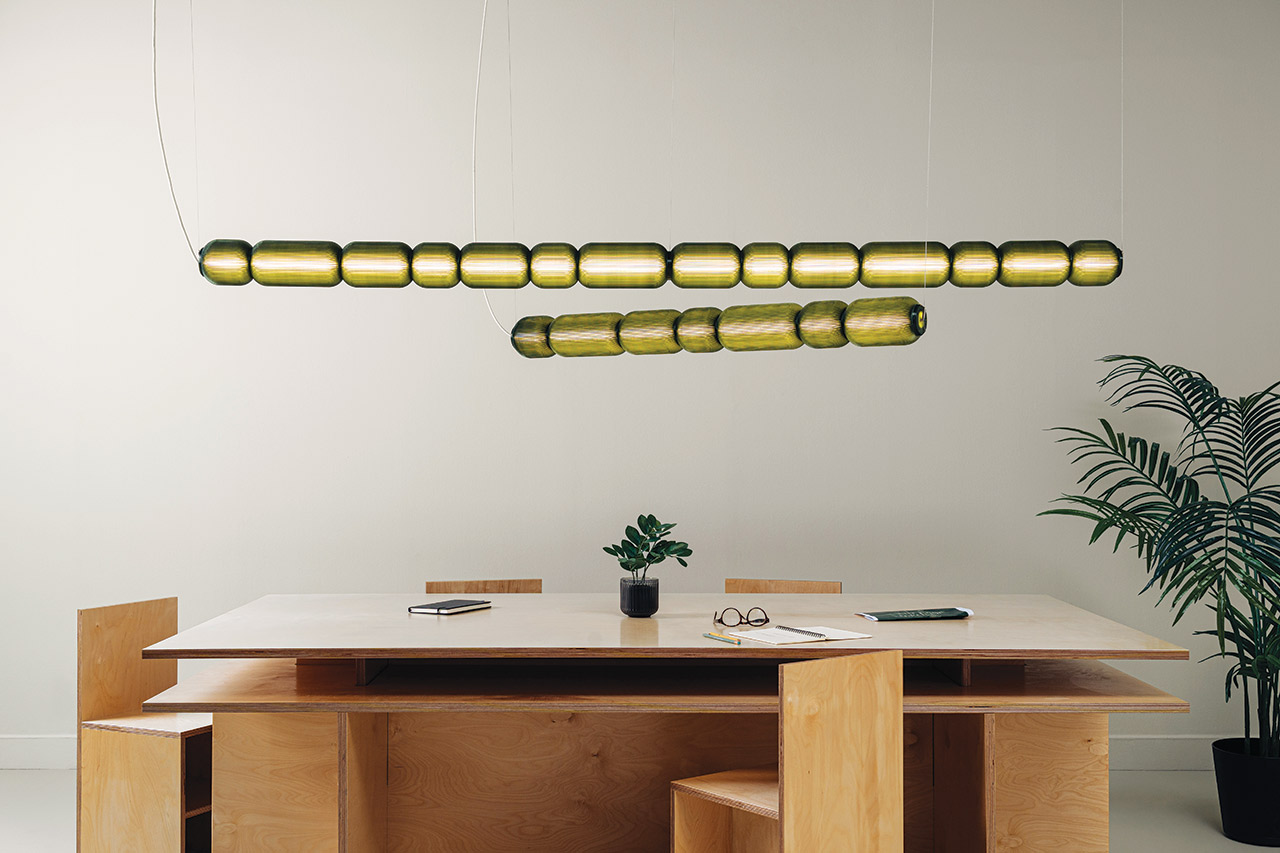
If you are planning a renovation for 2026, it is time to put down the spray can of matte black or polished silver. The "Organic Metal" aesthetic is taking over. The standout finish for the coming year is Verdigris Patina—that hauntingly beautiful greenish-blue hue caused by the natural oxidation of copper.
This innovation represents a shift toward "living finishes"—materials that age gracefully and tell a story of time. Brands like Remains Lighting Co. and various local Canadian artisans are embracing these "perfectly imperfect" finishes. Instead of a flat, uniform color, we are seeing metals with depth: oil-rubbed bronzes that show wear where they are touched, and copper that develops a sea-foam crust over time.
What makes this an innovation for 2026? It is the rejection of the "disposable" culture. A Verdigris fixture is meant to stay in a home for decades, evolving alongside the residents. It bridges the gap between the industrial history of Canadian cities like Toronto and Hamilton and the modern desire for organic, soft interiors.
5. Wireless Flexibility: The Rise of Rechargeable & Layered Systems
Finally, let’s discuss the "Death of the Big Light." In 2026, the overhead "boob light" or the singular high-wattage chandelier is officially a design faux pas. The innovation here is Layered Flexibility. We are seeing a massive surge in rechargeable, cordless lighting that allows you to move your ambiance from the dining table to the outdoor terrace without a second thought.
Consider the cordless marble dome lamps currently hitting the market. They offer the weight and prestige of permanent fixtures but the portability of a candle. This is particularly vital for urban living in Canada, where "condo living" often means limited electrical junction points in the ceiling.
Technical Tip for 2026: To achieve that high-end hospitality feel at home, aim for a layered lighting plan:
- Ambient: Soft, dimmable wall sconces (preferably with stone diffusers).
- Task: Directional, high-CRI (Color Rendering Index) lights for reading or cooking.
- Accent: Cordless, rechargeable "pools of light" on bookshelves or side tables.
By focusing on these layers and utilizing warm 2700K bulbs, you create a home that feels intimate, expensive, and—most importantly—adaptable to your mood.
FAQ: Navigating 2026 Design Trends
Q: Is natural stone lighting difficult to maintain? Ivy Chen: Not at all, but it does require mindfulness. Alabaster and travertine are porous. Use a soft, dry microfiber cloth for dusting. Avoid harsh chemical cleaners, as they can strip the natural minerals and dull the stone’s "glow."
Q: How do I incorporate Verdigris patina without it looking "old"? Ivy Chen: Contrast is key. Pair a Verdigris copper pendant with very clean, modern lines—perhaps a sleek white oak dining table or a minimalist plaster wall. The "age" of the metal provides the soul, while the modern surroundings keep it feeling fresh.
Q: Are these interactive lights compatible with smart home systems? Ivy Chen: Many of the 2026 innovations, like the Touch Point Sconce, are designed to be "Smart-Adjacent." While they have internal sensors for touch, they can usually be integrated into a broader smart ecosystem for scheduling. However, the goal of these innovations is often to reduce screen time, encouraging physical interaction instead.
Discover the Future of Canadian Design
The themes of 2026 are clear: we are craving touch, we are honoring the earth, and we are treating our homes as galleries for sculptural expression. Whether you are swapping out a single sconce for an interactive masterpiece or reimagining your entire lighting plan with layered, cordless systems, the goal is the same: to create a space that feels as good as it looks.
Stay inspired, keep experimenting with textures, and remember that the best design innovation is the one that makes you feel truly at home.