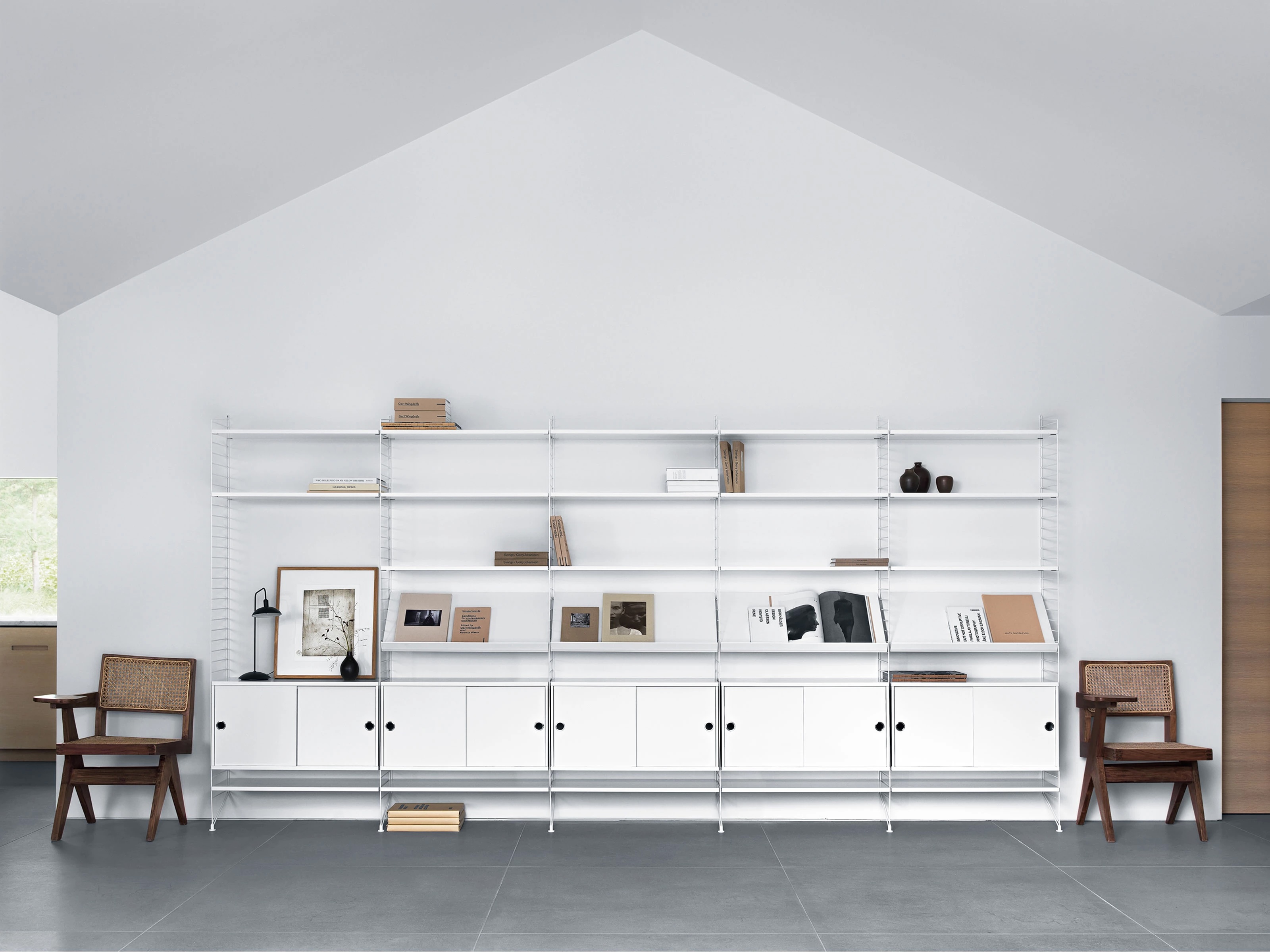
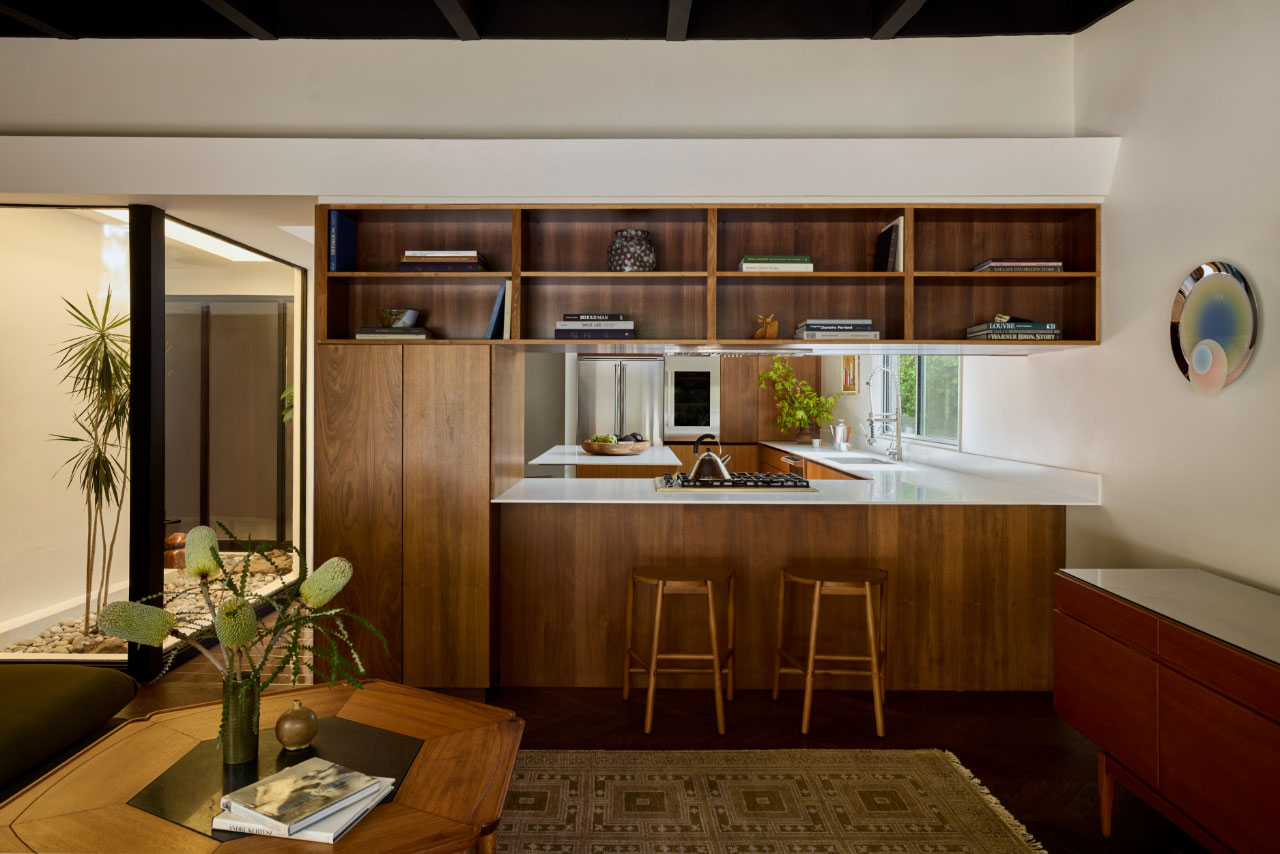
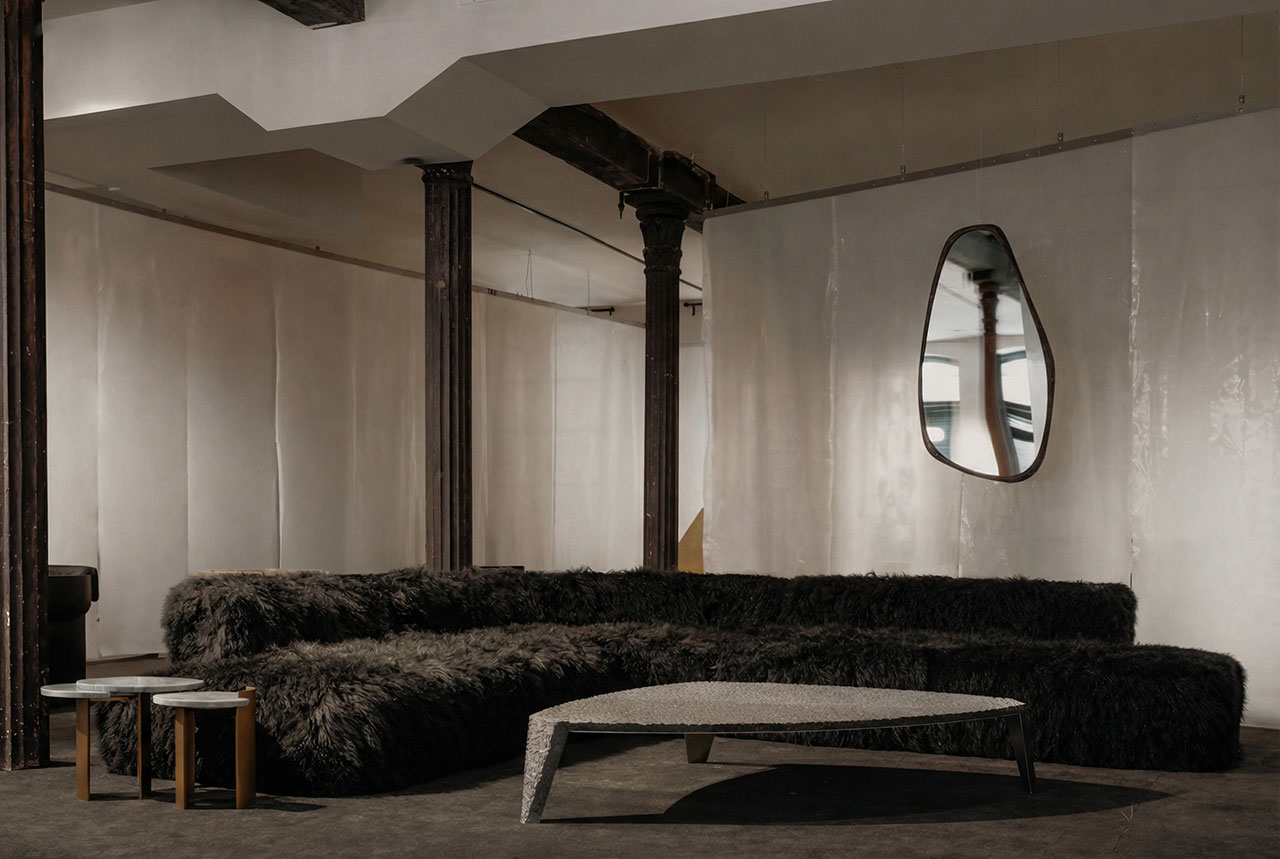
You’ve curated the perfect modular sofa, the vintage travertine coffee table is in place, and the walls are a gallery-white. Yet, as the afternoon light begins to fade, the room feels strangely flat. It’s a common dilemma in modern interiors: we invest in the "big" pieces but overlook the element that actually breathes life into them. Lighting is often the last thing homeowners think about, yet it is the first thing that defines the mood of a home.
Enter Lana Launay. The Sydney-based artist is currently rewriting the rules of what a lamp should be. By blending her background in fine jewelry and textiles with ancient organic materials—think beeswax-soaked mulberry bark and hand-stitched washi paper—Launay creates "light sculptures" that do far more than just illuminate a corner. They act as architectural anchors, grounding a room with a tactile, human presence that "contractor-grade" fixtures simply cannot replicate.
As we look toward the interior trends of 2026, the industry is seeing a definitive pivot toward "Organic Modernism." In this new era, lighting is no longer a utility; it is the focal point. Here are five reasons why Lana Launay’s sculptural lamps are the defining investment for the next generation of living spaces.
1. Material Alchemy: From Mulberry Bark to Beeswax
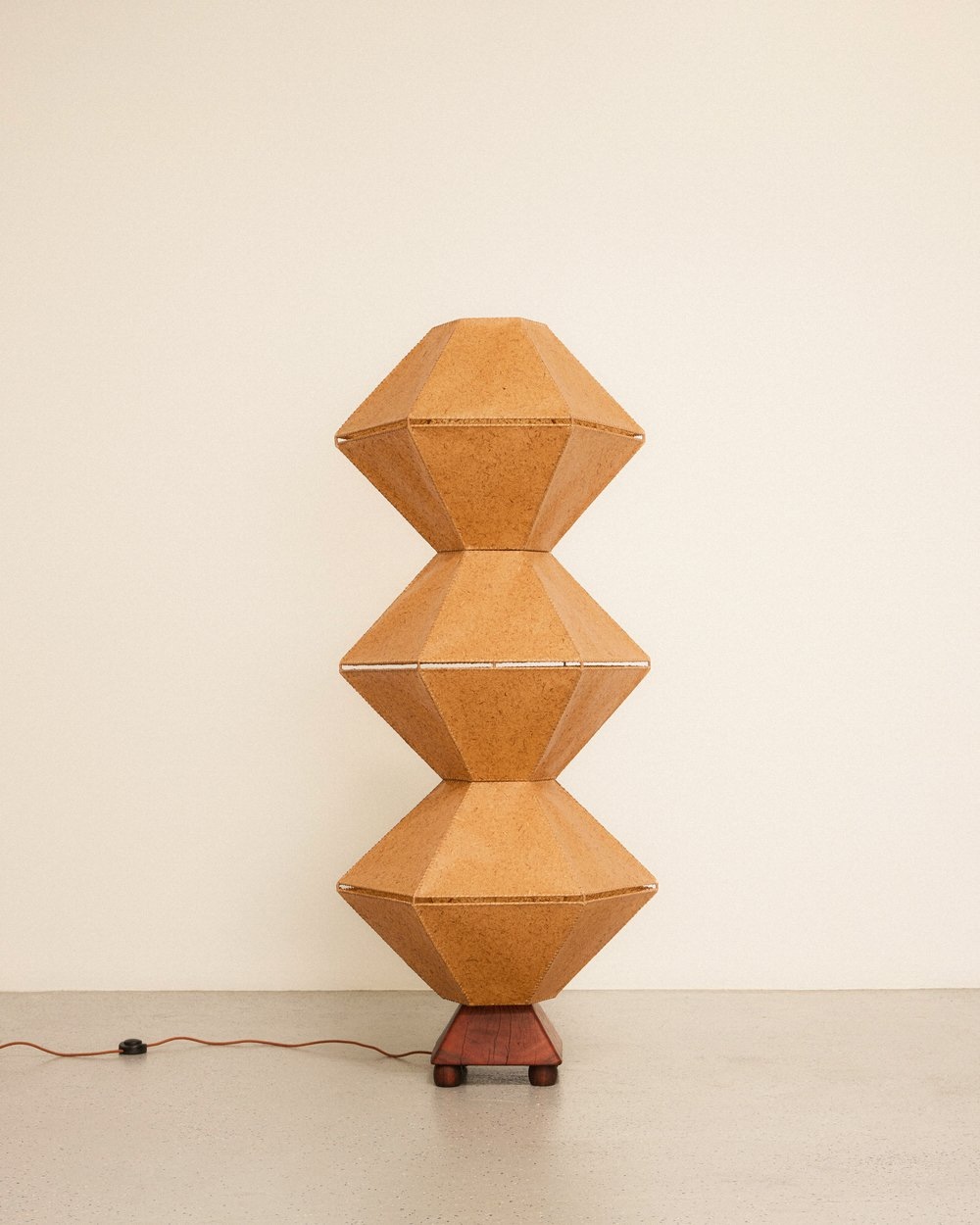
The first thing you notice about a Launay piece isn't the light itself, but the "skin" of the lamp. In a world saturated with factory-pressed plastics and cold, brushed metals, Launay’s material palette feels radical. She utilizes a process of "Material Alchemy," combining beeswax-soaked mulberry bark, coffee-stained raffia, and delicate washi paper.
This isn't just an aesthetic choice; it’s a sensory one. The beeswax treatment gives the mulberry bark a translucent, drum-skin-like texture. When the lamp is switched on, the light doesn't just pass through—it diffuses into a warm, amber glow that feels like a sunset captured in a bottle. This "Hand-Crafted Imperfection" is a direct rejection of the digital flatness that has dominated modern design for the last decade.
The tactile nature of these materials creates a bridge between the natural world and the built environment. For those of us living in urban apartments, having a piece that smells faintly of natural wax and looks like it was harvested from the earth provides a psychological grounding that mass-produced items lack.
2. The 'Unlit' Aesthetic: Daytime Sculptures
One of my cardinal rules as an editor is that a lamp must function as art at 2:00 PM on a Tuesday, not just when the sun goes down. Most modern lighting looks like an afterthought during the day—a spindly pole or a generic shade that disappears into the background.
Launay’s work, however, is inspired by the geometric forms of lunar landing crafts and the bold silhouettes of Art Deco. These lamps possess a commanding physical presence even when they are turned off. They occupy space with a sense of purpose. Whether it's the towering "Modular Launay" or the more intimate "Feels Like Home" series, the geometry is calculated to provide visual interest from every angle.
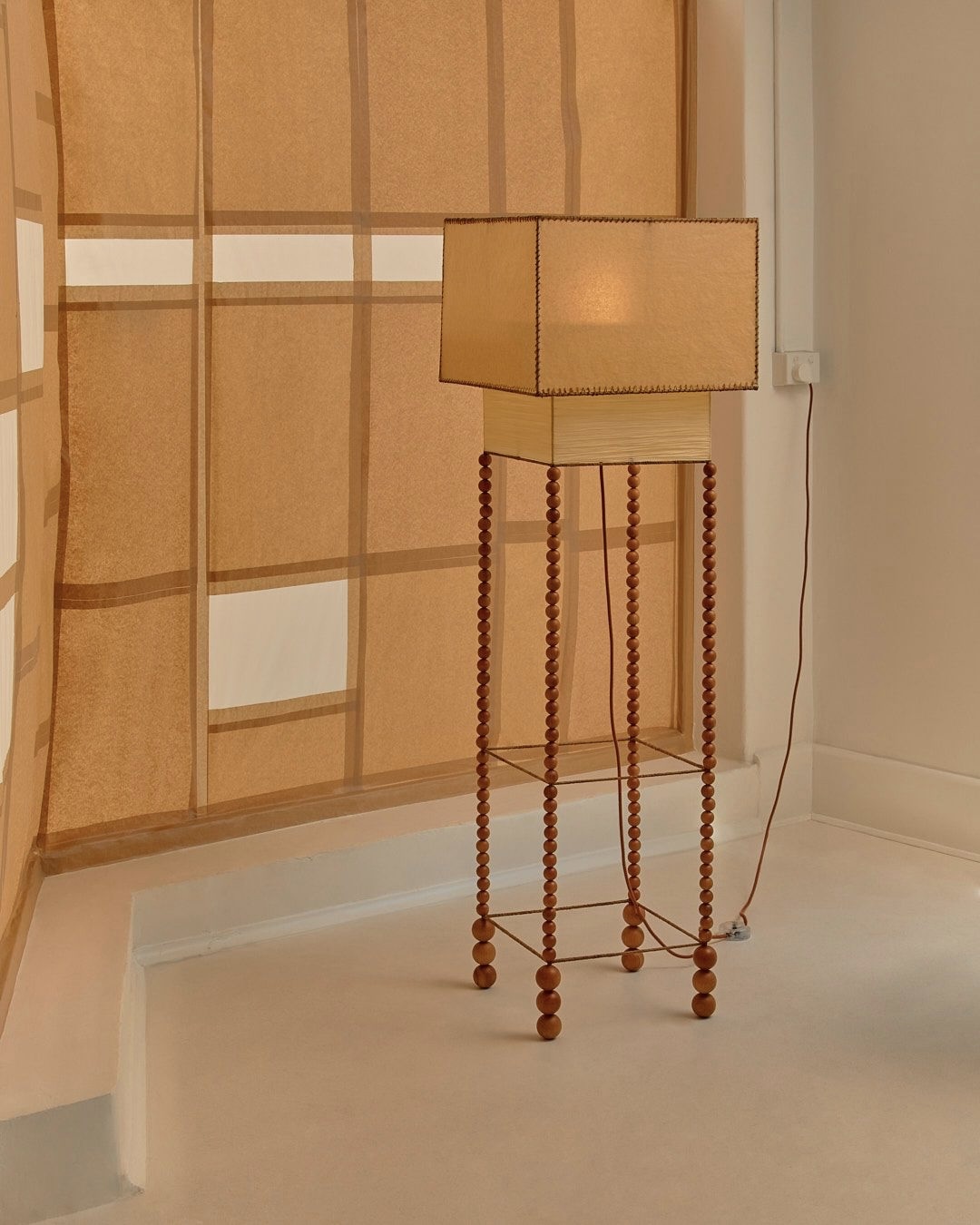
By treating the lamp as a sculpture first and a light source second, Launay ensures that your investment is working for you 24 hours a day. In a minimalist home, where every object must justify its existence, these pieces are the ultimate "functional art."
3. Modular Sustainability: Combating Furniture Over-consumption
The "Death of Fast-Fashion Industrialism" is a trend I’ve been tracking closely. Discarded furniture is one of the largest contributors to landfill waste, often because items are designed for a specific "look" that goes out of style. Lana Launay combats this through her brilliant Modular Launay system.
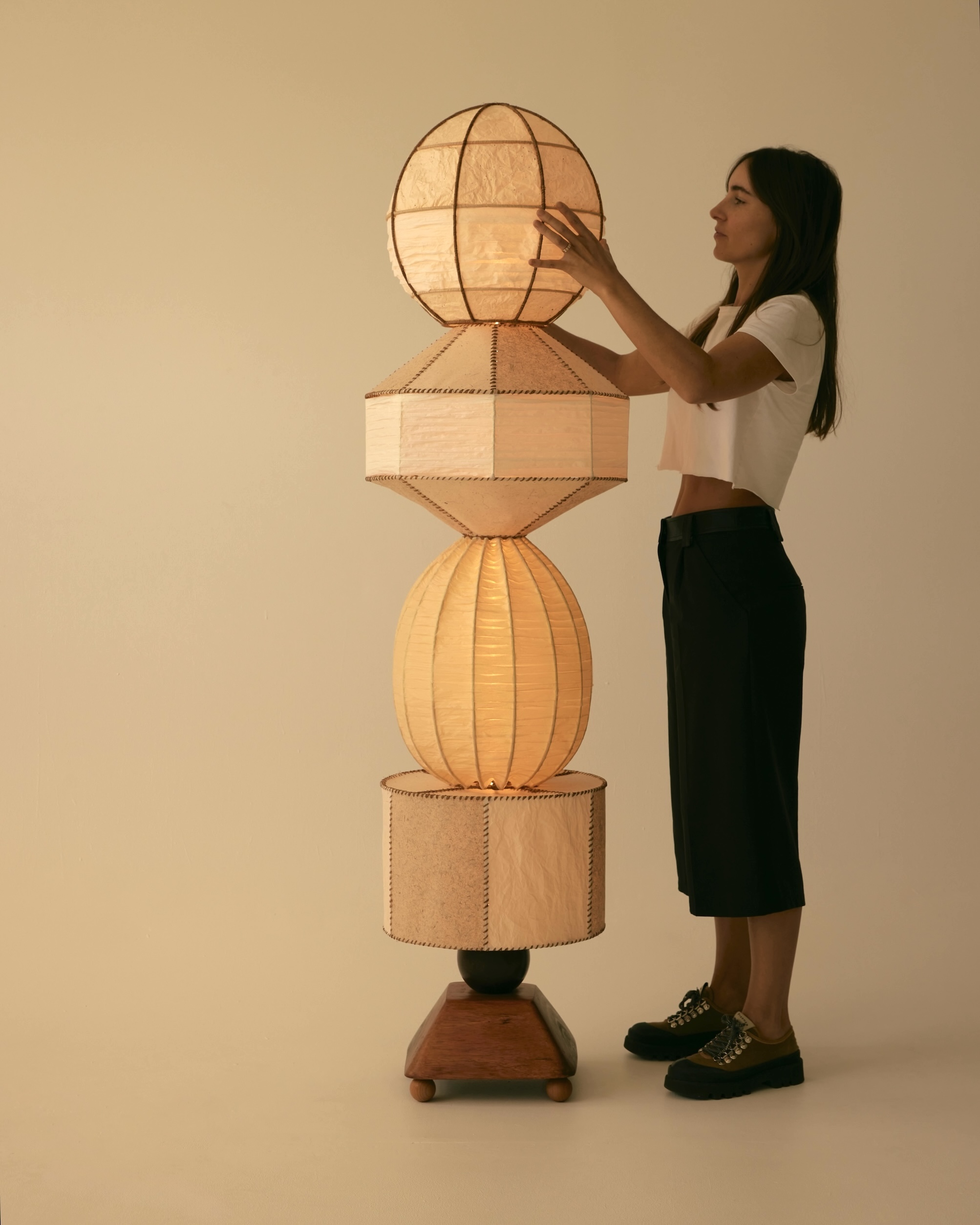
The Modular Launay is more than a floor lamp; it is a 4-shade configuration system. This allows the owner to rearrange, add, or subtract shades to create myriad bespoke lighting arrangements. If you move from a high-ceilinged loft to a cozy cottage, the lamp evolves with you. This versatility is bolstered by her collaboration with artisan woodworkers like Sam Creasy, who carves the solid timber bases that serve as the lamp’s foundation.
| Feature | Modular Launay System | Standard Designer Lighting |
|---|---|---|
| Material | Beeswaxed Mulberry / Oiled Beech | Painted Steel / Plastic |
| Customization | 4-shade configuration capability | Fixed height/Fixed shade |
| Longevity | Heirloom quality / "Living" finishes | Seasonal / Non-repairable |
| Sustainability | Low-waste, modular parts | Mass-produced, high-carbon footprint |
This modularity isn't just about aesthetics—it’s about long-term value. Instead of replacing the entire fixture when you want a change, you simply reconfigure the elements. It is a sophisticated answer to the problem of over-consumption in the interior design world.
4. Defining the 'Organic Modernism' Trend for 2026
The 2026 lighting forecast recently identified sculptural lighting as the #1 interior design element for anchoring open-plan residential spaces. As we move away from "Cold Industrialism" and toward "Warm Minimalism," the role of the light fixture has changed. It is no longer just about seeing what you are doing; it is about defining where you are.
In modern open-plan layouts, Launay’s larger pieces act as a "psychological ceiling." A tall, sculptural floor lamp can delineate a reading nook from a dining area without the need for physical walls. The soft, organic shapes break up the harsh lines of contemporary architecture, making a cavernous room feel intimate and inhabited.
Editor’s Note: When styling an open-concept living room, choose a lamp with a wide visual "footprint"—like Launay's paper domes—to act as a visual anchor that stops the eye from wandering too far across the space.
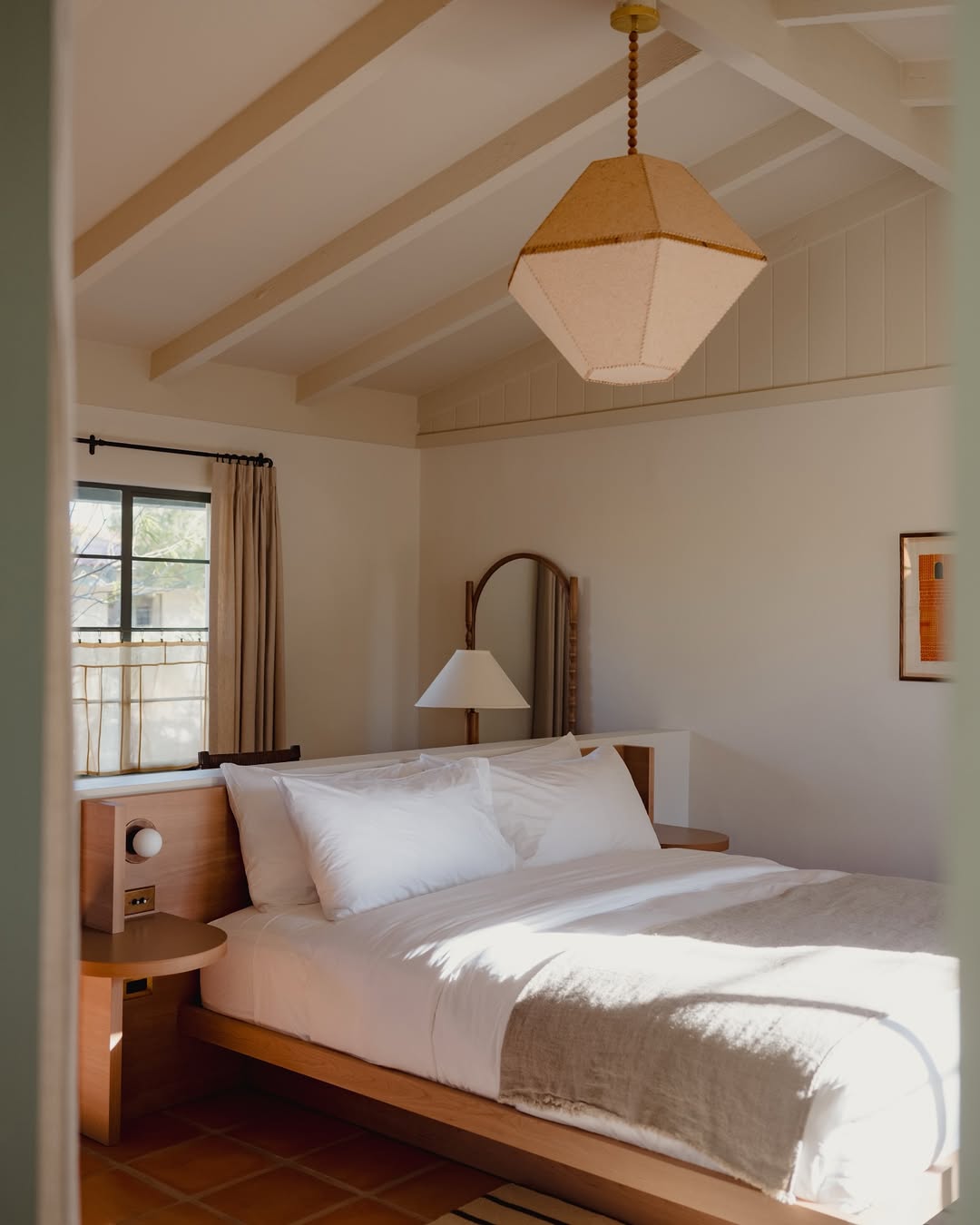
This trend toward "Organic Modernism" is about creating homes that feel like sanctuaries. By choosing fixtures that use natural materials and soft, non-linear forms, we are creating spaces that reduce stress and promote a sense of well-being.
5. Architectural Anchors: Mastering Placement and Scale
For many readers, the hurdle isn't liking the design—it's knowing how to use it. Sculptural lighting requires a different approach to placement than your standard table lamp. You have to consider "Visual Weight." A solid paper dome has a heavy visual weight, meaning it draws the eye immediately, whereas a delicate wireframe model feels lighter and airier.
One of the most effective ways to use Lana’s work is to create "intimacy bubbles." By placing a high-scale pendant or a large floor lamp over a seating group, you create a sense of enclosure.
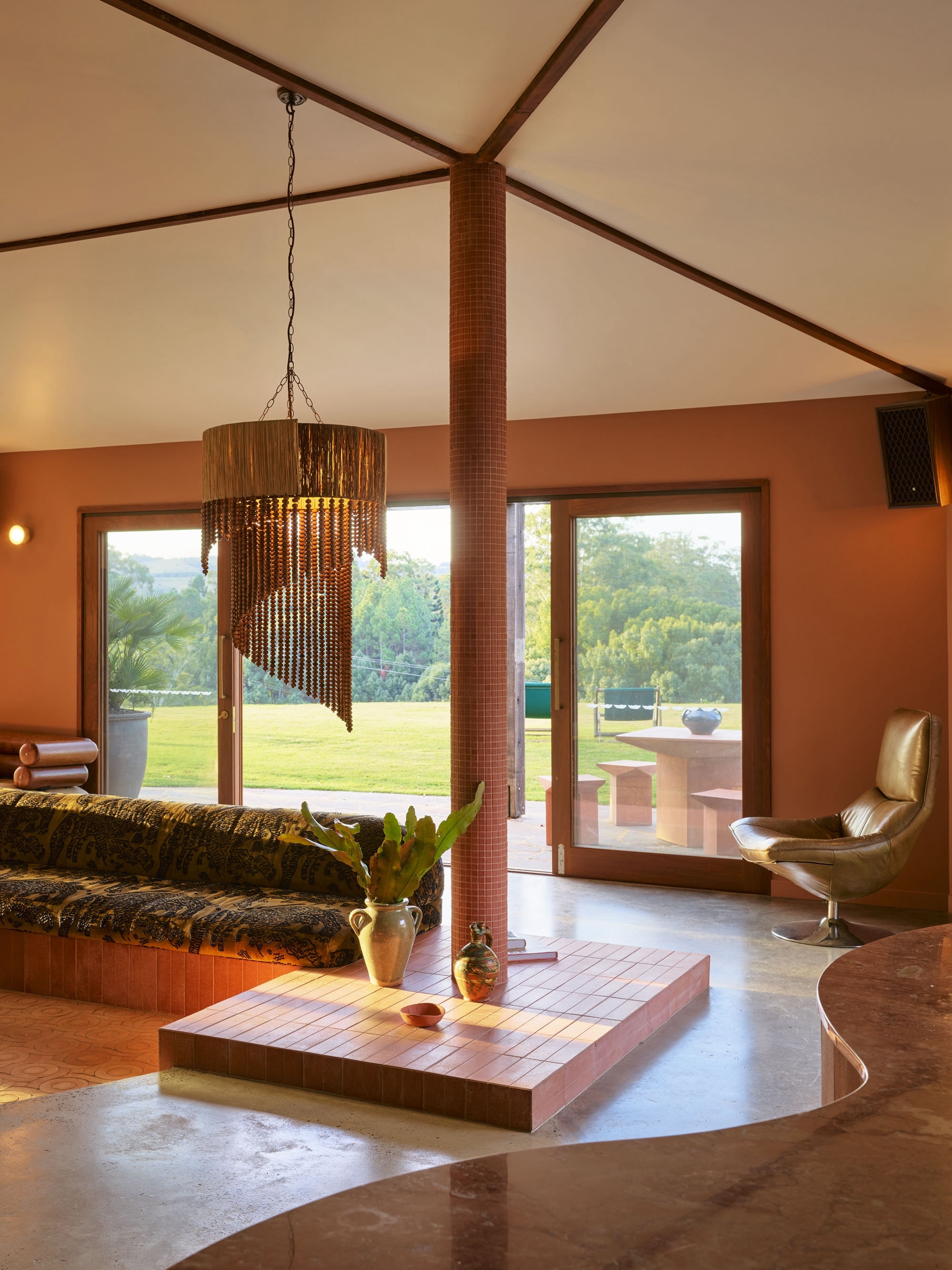
To ensure your sculptural lighting feels integrated rather than intrusive, follow these professional "Design Math" rules:
- The 7-Foot Rule: When hanging a large sculptural pendant in a walkway or high-traffic area, the bottom of the fixture should be at least 7 feet from the floor to avoid obstructing views and movement.
- The Rule of Thirds: In a lounge area, the lamp should occupy roughly the top third of the vertical space to balance the "weight" of the sofa and rug.
- The Scale Contrast: Pair a large, voluminous Launay shade with a slim, low-profile chair. The contrast in scale makes both pieces look more intentional.
Collector’s Guide: Where to Source and Pricing
Because each piece is handcrafted and often utilizes vintage or rare materials, Lana Launay’s work is positioned as high-end functional art. These are not impulse buys; they are legacy pieces intended to be passed down.
Collectors can currently source her work via Love House in New York or Claude Home, two of the most influential galleries for modern collectible design.
- Modular Launay System: Retails for approximately $6,500. This reflects the artisan labor, the Sam Creasy woodworking, and the modular engineering.
- 'Feels Like Home' Series: Pricing starts at approximately $3,200. These are excellent entry points for those looking to introduce a single sculptural anchor into a bedroom or study.
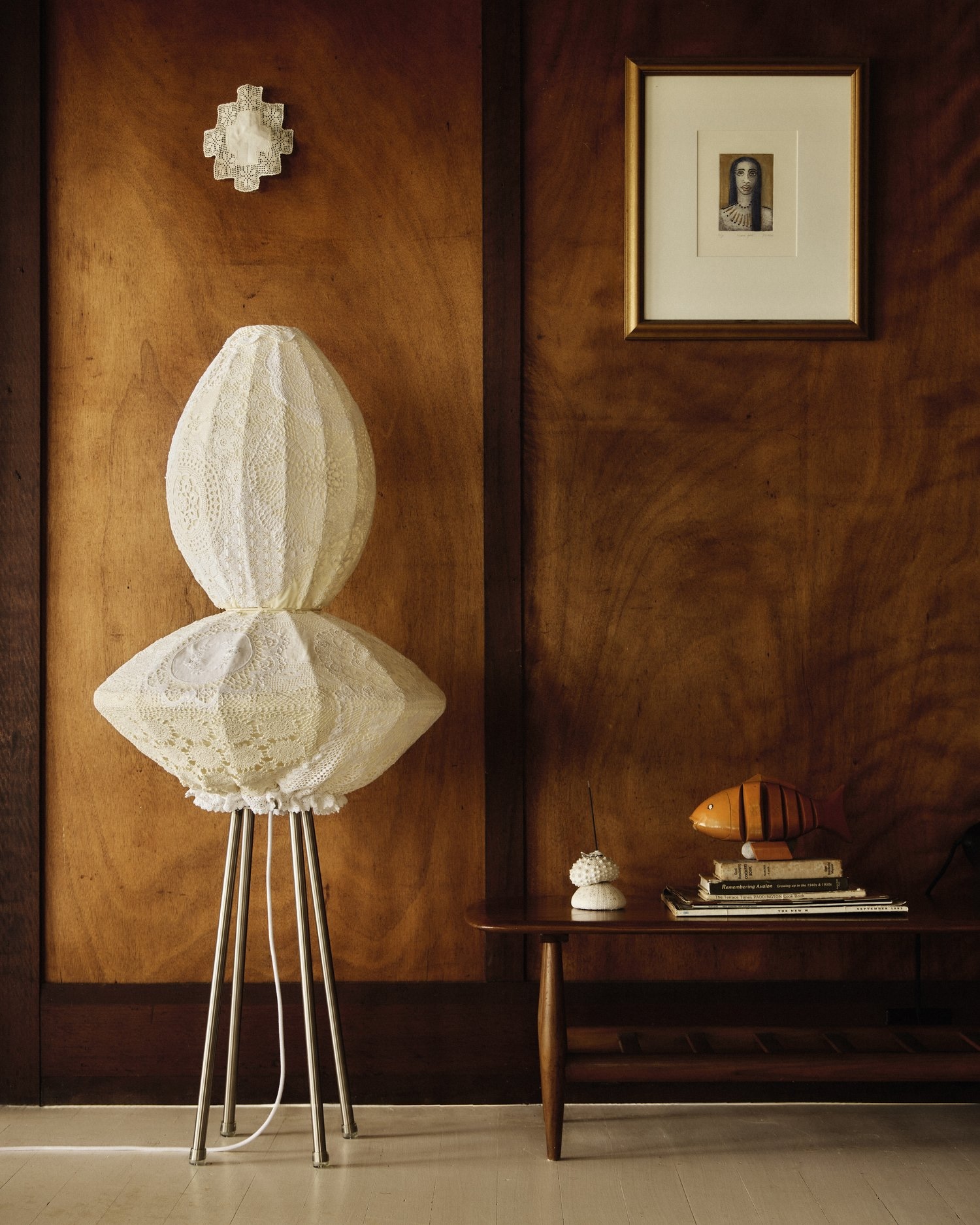
- Kinship Series: These are one-of-a-kind light sculptures that transform vintage doilies and textiles into modern forms. Pricing for these varies based on the rarity of the materials used.
Investment-wise, the use of "Living Finishes" like brushed brass and oiled beechwood ensures that these lamps will only look better with age, developing a patina that adds to their value and story.
FAQ
Q: Are these lamps difficult to maintain given the organic materials? A: Not at all. The beeswax-soaked mulberry bark is surprisingly durable and moisture-resistant. A light dusting with a soft, dry cloth is usually all that is required. Avoid using chemical cleaners, as they can break down the natural wax finish.
Q: Can I use LED bulbs in these lamps? A: Yes, in fact, it is recommended. High-quality LED bulbs (specifically those with a "Warm Dim" feature) are perfect because they emit very little heat, which protects the delicate paper and wax materials over time.
Q: Does the beeswax smell go away? A: The honey-like scent of the beeswax is strongest when the lamp is first unboxed. Over time, it fades into a very faint, pleasant natural aroma that most owners find adds to the "organic" experience of the home.
The shift toward Lana Launay’s aesthetic marks a turning point in how we view our homes. We are moving away from the "disposable" and toward the "soulful." If you are looking to redefine your space for 2026 and beyond, look no further than the glow of a beeswax-soaked shade. It might just be the most important piece of art you ever buy.