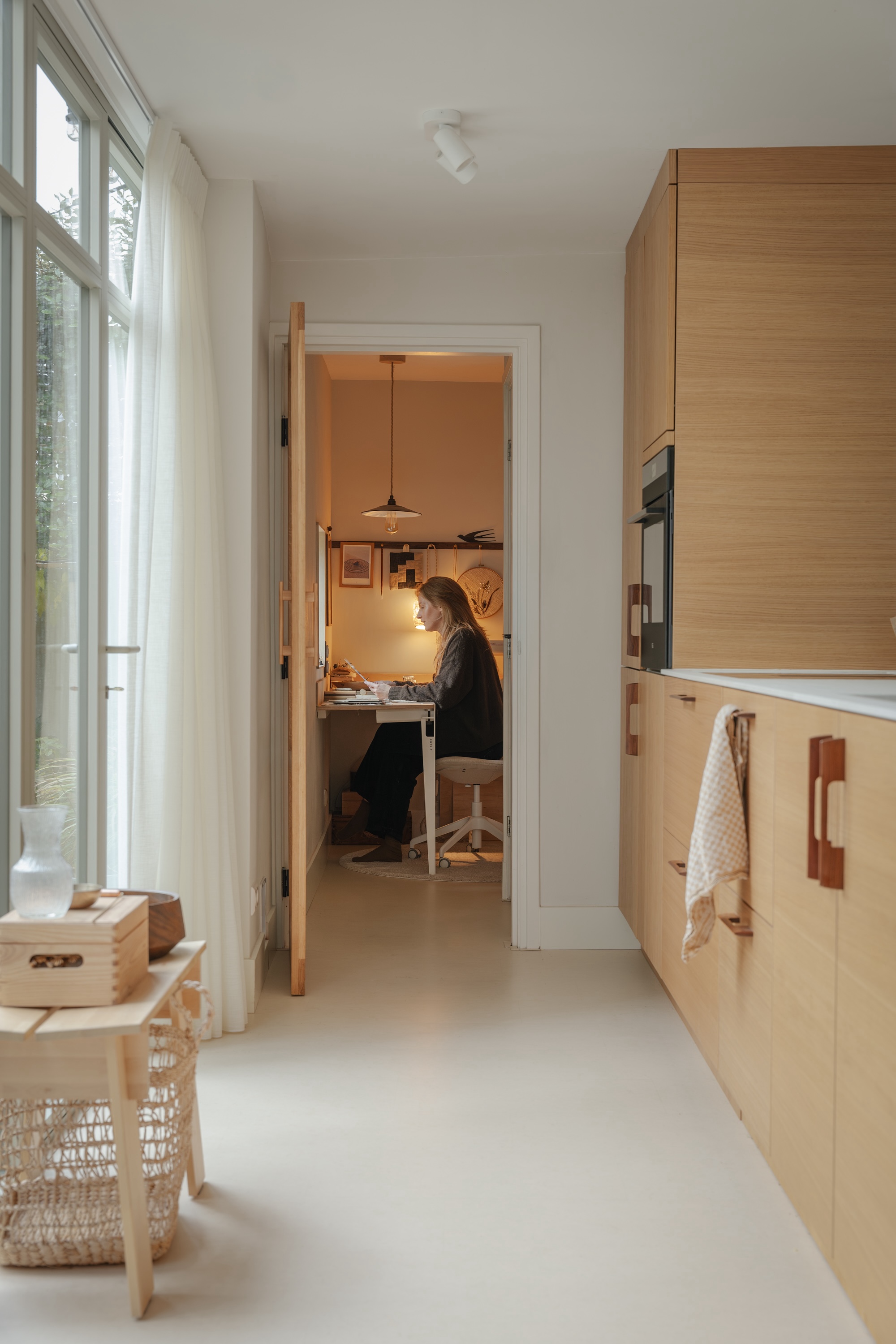
When Suzanne Pardijs transitioned her creative practice from a spacious upstairs studio to a compact backyard shed, it wasn’t just a move of convenience; it was a masterclass in intentional design. Following a physical injury that made stairs a challenge, Suzanne reimagined a humble outbuilding into a high-functioning, aesthetically serene workspace. Her journey mirrors a growing global movement. In fact, according to 2026 design forecasts, 68% of small-scale home renovations now involve repurposing external structures like sheds into dedicated, professional workspaces.
The challenge of a tiny home office is always the same: how do you balance the "stuff" of work—the cables, the papers, the hardware—with a sense of calm? Suzanne’s studio offers five distinct "secrets" that prove you don’t need a massive footprint to have a massive impact on your productivity. Whether you’re working from a corner of your bedroom or a custom-built garden room, these principles of minimalist office interior design will help you reclaim your space.
Secret 1: The L-Shaped Desk with Visual "Breathing Room"
In a small studio, every square inch of floor space is precious. The instinct is often to push a small, rectangular desk against a wall, but this often leaves the corners of a room underutilized and cluttered. Suzanne’s solution was to go custom with an L-shaped configuration that hugs the corner, providing a sprawling work surface without the visual bulk of a traditional heavy desk.
The key to keeping an L-shaped desk from feeling oppressive in a tiny workspace is the choice of legs. Suzanne opted for slim, clamp-on "Tiptoe" legs. These industrial-style supports provide a sturdy foundation while maintaining "visual breathing room"—a term we designers use to describe the ability to see the floor and walls around an object, which tricks the eye into thinking the room is larger than it is.
To further expand the horizon of her workspace, Suzanne installed a custom wood-framed door with reeded glass. This isn’t just a stylistic choice; incorporating light-filtering elements like reeded glass doors has been shown to increase the perceived volume of small rooms by up to 25%. It allows natural light to flood the studio while providing just enough blurring to keep the outside world from becoming a distraction.
The Shopping List for a Clean Desk Setup:
- Custom Desktop: A simple sheet of plywood or reclaimed oak cut to fit your corner precisely.
- Slim Legs: Search for "clamp-on desk legs" or Tiptoe legs for a modular, airy look.
- Cable Management: Adhesive clips under the desk to keep the "visual breathing room" clear of wire tangles.
Secret 2: The DIY Peg Rail with a High-End Twist
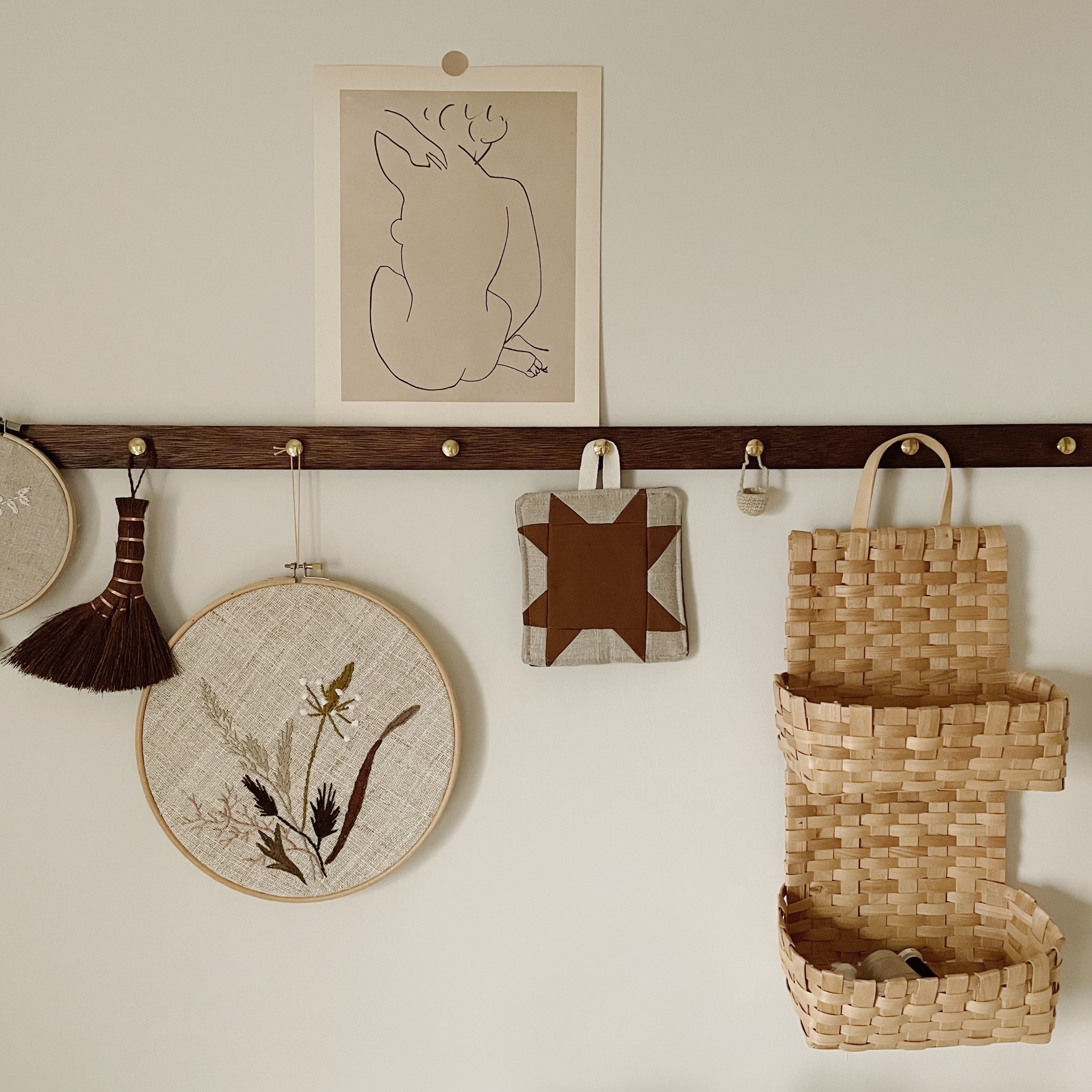
When you run out of floor space, you must look up. Vertical storage is a foundational pillar of tiny workspace organization, but it often looks cluttered—think of the messy metal pegboards in garages. Suzanne elevated the concept by using a classic Shaker-style peg rail, but with a significant DIY upgrade.
She used oak rails stained with Osmo 707 Walnut to create a warm, grounded aesthetic. But the real "designer secret" here is the hardware swap. Instead of using the standard wooden pegs that come with most kits, Suzanne replaced them with brass cabinet knobs. This simple change transforms a functional storage piece into a decorative focal point. The brass adds a touch of "jewelry" to the room, reflecting light and offering a sophisticated contrast to the dark wood.
These rails aren’t just for coats. In Suzanne’s studio, they hold everything from felted wool lights to headphones and bags. By keeping these items off the desk surface and on the wall, the workspace remains clear for the task at hand.
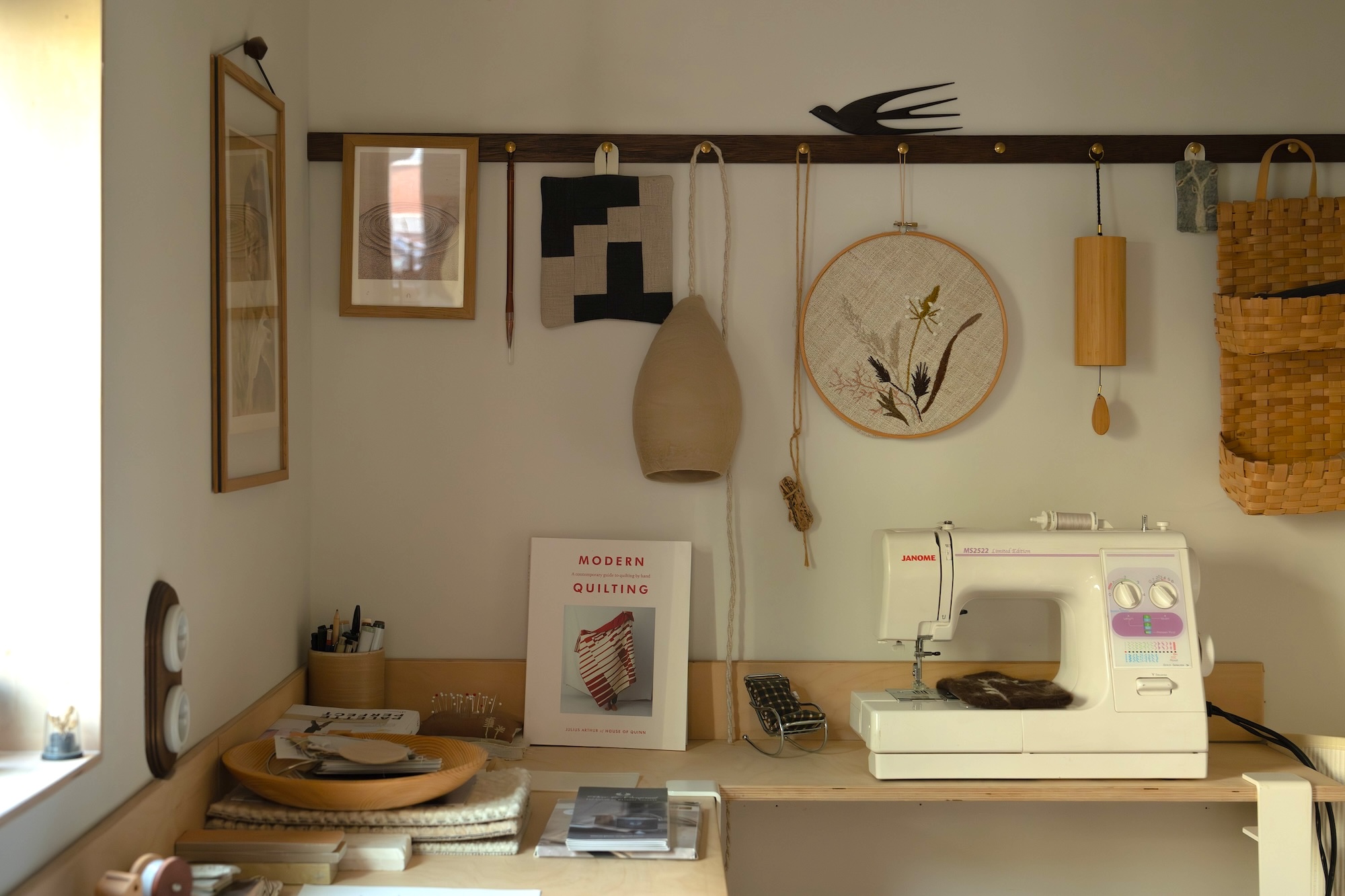
Pro-Tip: When installing vertical storage in a small room, try to align the top of the rail with another horizontal line in the room (like a window frame or the top of a shelf). This creates "visual alignment," which reduces the feeling of chaos and makes the room feel more organized.
Secret 3: The Shoji Screen Clutter Concealment
Storage is a double-edged sword in small home office design. You need shelves for your archives, printers, and supplies, but open shelving can quickly become a visual mess that heightens stress. Suzanne’s third secret is a brilliant exercise in "concealment without closure."
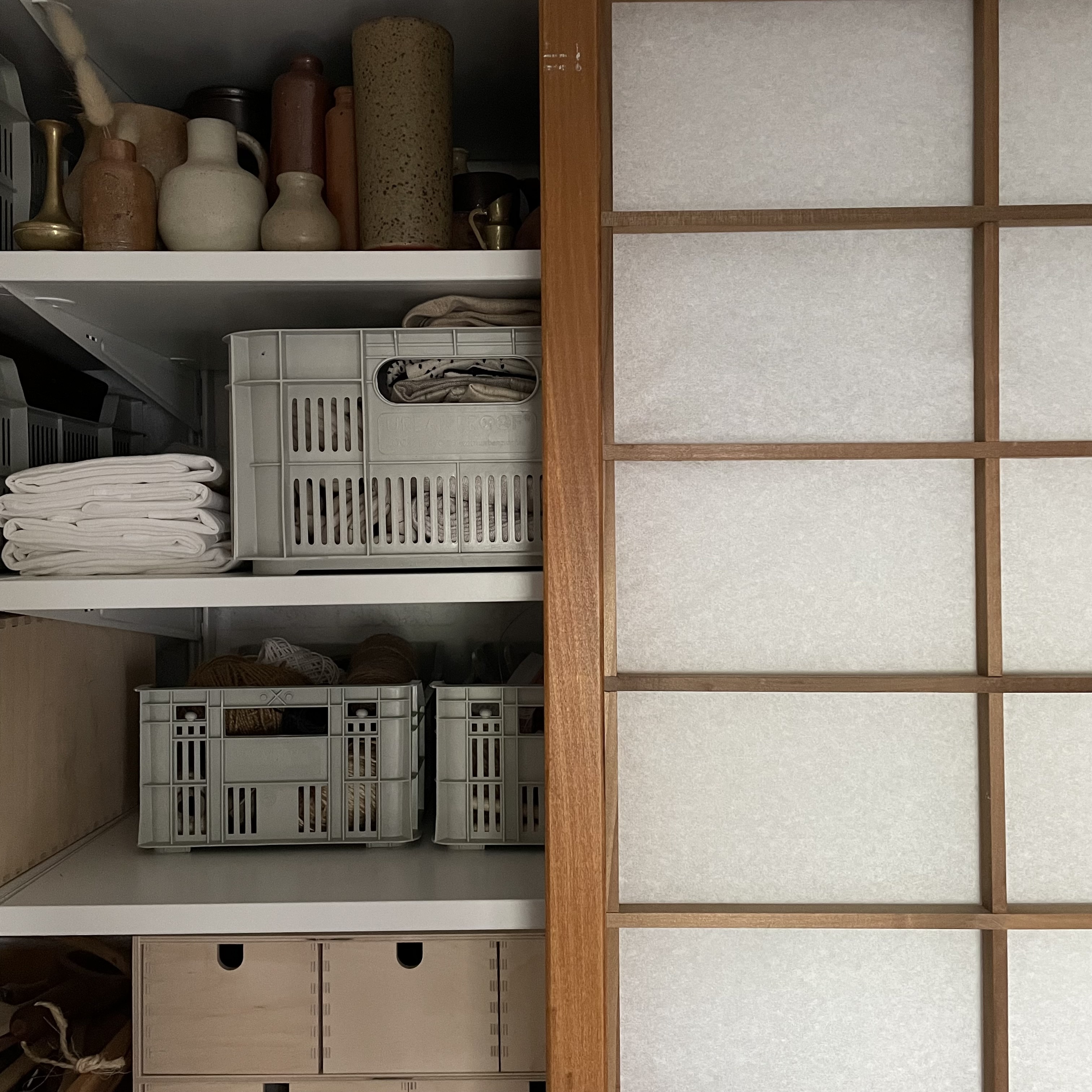
She installed a sliding Shoji screen—a traditional Japanese rice paper door—to hide her storage shelves. Why does this work better than a standard solid door or a curtain?
- Light Filtration: Rice paper allows light to filter through, so the corner doesn't become a dark "dead zone."
- Space Saving: The sliding mechanism doesn't require the "swing space" that a traditional door would, making it perfect for narrow studios.
- Minimalist Aesthetic: The grid pattern of the Shoji screen adds a sense of order and architectural interest without being heavy.
Using a Shoji screen effectively conceals storage shelves while allowing the studio to feel open and airy, even when every shelf behind the screen is packed to the brim.
Secret 4: Layered Textures and Personalized Decor
A minimalist office interior doesn't have to be cold or sterile. In fact, in a small space, "warm minimalism" is often more effective because it makes the room feel like a sanctuary rather than a cell. Suzanne achieves this through layered textures and what we call "biophilic design"—the practice of bringing nature indoors.
One of her cleverest organization hacks is the use of tiered hanging baskets (often found at shops like Sostene Grene). These baskets utilize the vertical space above the desk to hold essential tools, stationery, and even small plants. By choosing natural materials like seagrass or woven cotton, you soften the hard edges of the desk and technology.
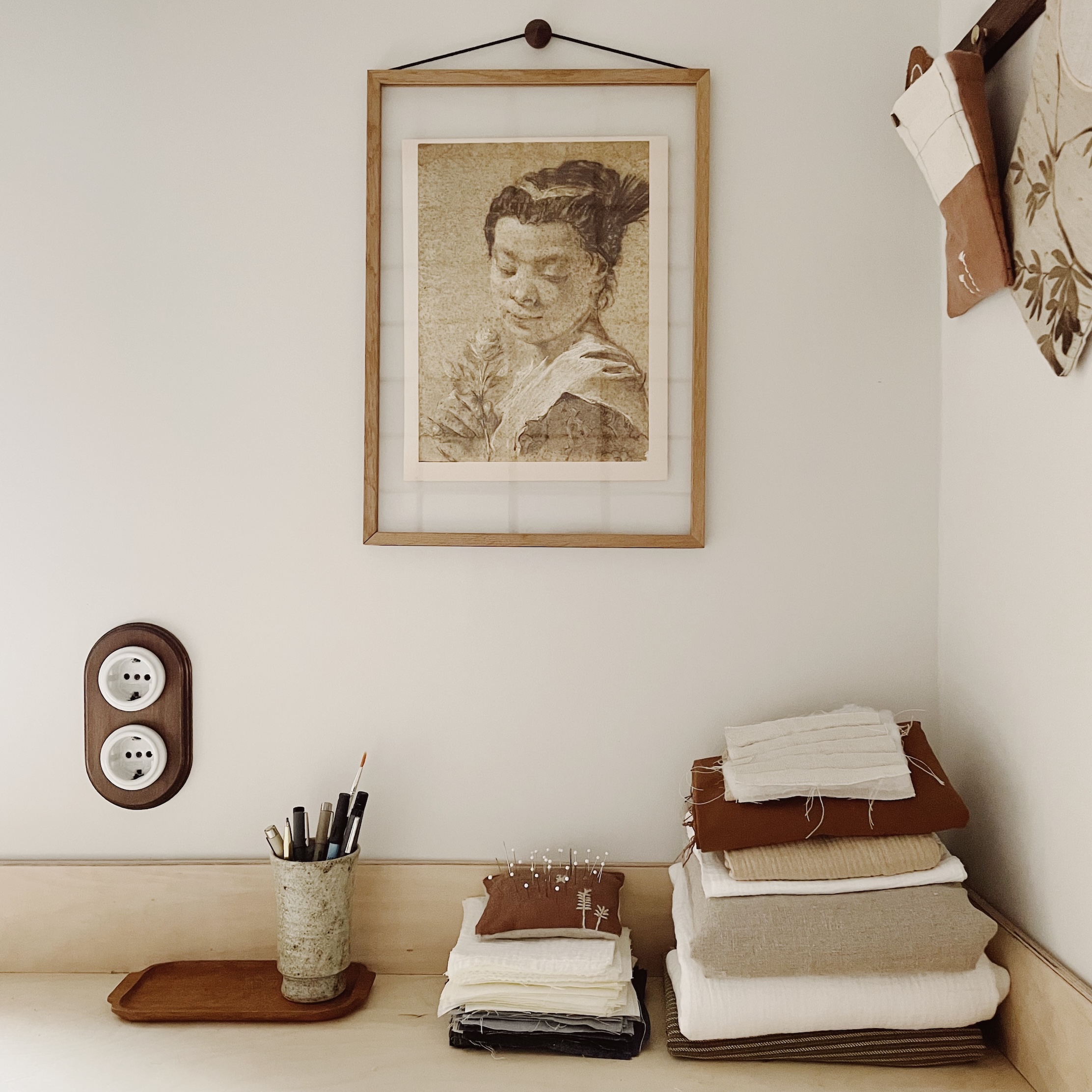
Suzanne also pays attention to the "micro-details." While most of us settle for ugly plastic power strips, she integrated high-tech functionality with vintage aesthetics by using porcelain outlets with wood frames. This shows that even the most functional parts of a room can be beautiful if you choose materials with intention.
Secret 5: Sustainable Materials and Softening the Tech
As we look toward the 2026 design landscape, there is a massive shift toward reclaimed wood and low-VOC (Volatile Organic Compound) finishes. Suzanne’s studio embraces this by using natural oak and walnut, which not only look beautiful but contribute to a healthier indoor air quality—a vital consideration when you are working in a small, enclosed space like a shed.
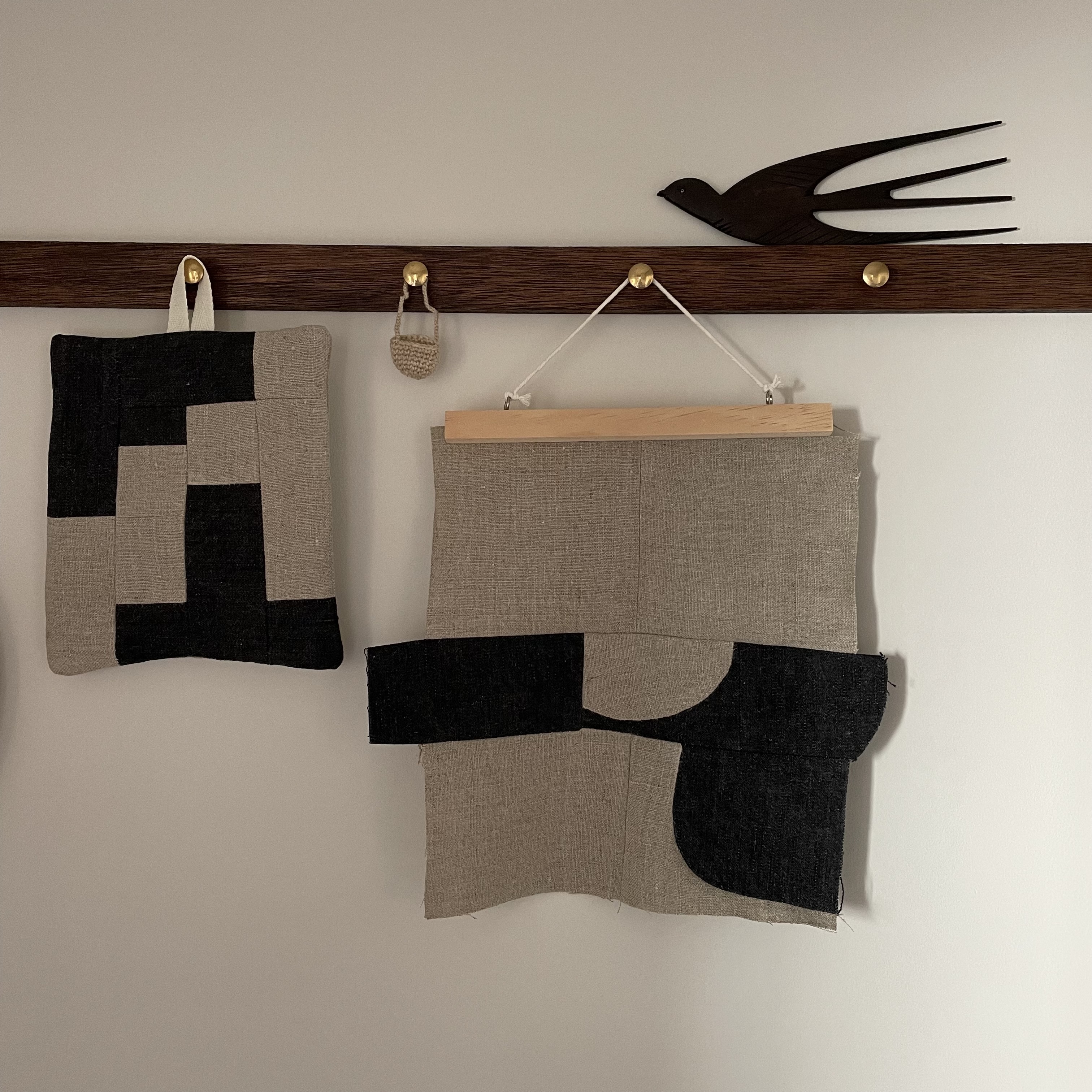
To further soften the "tech-heavy" zones of her office—where the monitor and computer sit—Suzanne incorporates handmade textiles. Quilted potholders (used here as coasters or small mats) and felted wool accents provide a tactile counterpoint to the glass and metal of modern devices. This "softening" effect is more than just aesthetic; it has been shown to reduce stress levels and increase focus in long-form work sessions.
Sustainable Materials to Consider:
- Osmo Polyx-Oil: A food-safe, low-VOC finish for any DIY wood projects.
- Felted Wool: Excellent for sound dampening in a small, echoey shed.
- Reclaimed Timber: For desktops or shelving to add instant character and history.
Common Questions About Tiny Office Design (FAQ)
How can I maximize storage in a tiny office without it looking cluttered? The secret is to use vertical solutions that double as decor. A custom peg rail with brass knobs or tiered hanging baskets keeps your tools within reach but off the desk surface. Always try to "group" your clutter behind a screen or in matching bins to maintain a cohesive look.
What is the best way to choose a desk for a very small room? Look for an L-shaped configuration that utilizes corner space, which is often wasted. To prevent the room from feeling cramped, choose a desk with slim, clamp-on legs. This allows you to see more of the floor, creating a sense of openness.
How do I hide all my office supplies and printers in a studio with no closets? If you don't have built-in closets, use a sliding Shoji screen or a high-quality rice paper door. It acts as a lightweight room divider that hides your shelving units while still letting light pass through, keeping the room bright and airy.
Conclusion
Suzanne Pardijs’s studio is a reminder that a "tiny" home office doesn't have to mean "small" ideas. By focusing on vertical storage, light-filtering materials, and a blend of custom and readymade elements, she has created a workspace that is as inspiring as it is efficient. The 2026 trend of repurposing outbuildings is here to stay, but these design secrets apply whether you’re in a shed, a spare bedroom, or a studio apartment.
Start by clearing your desk, looking at your walls, and asking: How can I bring in more light, and where can I add a touch of brass?