Our Top Picks
- Best for Artisanal Craftsmanship: Frama x Kvänum – A soulful blend of traditional joinery and raw, unpretentious materials like Jura Beige limestone.
- Best for Bespoke Integration: George Cabinetry – The gold standard for global logistics and precision-engineered, full-house modular solutions.
- Best for Industrial Sophistication: Vipp Freestanding Kitchen – A timeless, powder-coated steel "tool" that treats the kitchen as a high-performance machine.
The New Era of 'Quiet Luxury' in Kitchen Design
In the evolving landscape of high-end residential design, we are witnessing a profound structural shift. The kitchen is no longer a hidden utilitarian zone; it has transitioned into the "Experience Center" of the home—a social and artistic hub where the architecture of the space meets the theater of daily life. For 2026, the prevailing trend is "Quiet Luxury," a philosophy where design excellence speaks through the whisper of material quality rather than the shout of ornamentation.
The rise of freestanding kitchen modules is the ultimate manifestation of this movement. Unlike traditional fitted cabinetry that anchors a room in a permanent, often rigid layout, freestanding modules function as high-end furniture. They offer the ultimate flexibility as they do not require mounting to walls or floors. This allows them to act as movable assets, making them ideal for urban penthouses and adaptable high-end homes where the floor plan may need to evolve. By decoupling the kitchen from the walls, we create a sense of architectural openness, allowing the room’s original features—whether they be floor-to-ceiling windows or historical moldings—to breathe.
The Anatomy of a High-End Module: Materiality and Engineering
When we look at the components of a luxury modular system in 2026, sustainability has become the ultimate status symbol. It is no longer enough for a kitchen to look beautiful; it must perform ethically. Industry analysis indicates that 85% of luxury homeowners now prioritize FSC-certified materials and non-toxic, low-VOC (volatile organic compound) finishes as non-negotiable requirements for their renovations. This shift toward "invisible health" is what defines modern high-end engineering.
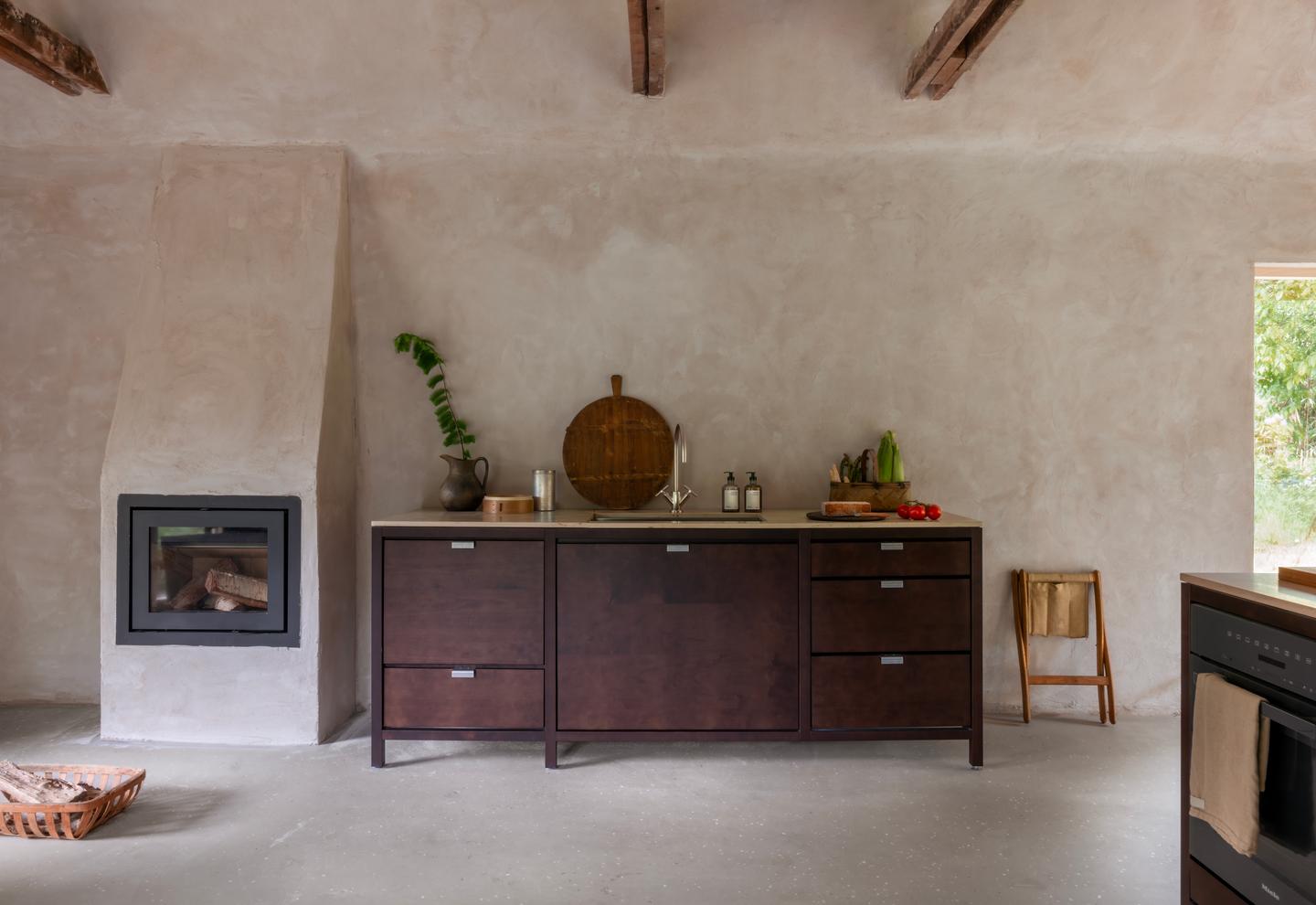
The 2026 luxury standard focuses on sustainable elegance, utilizing FSC-certified woods like birch, walnut, and smoked oak to provide a tactile dimension to the space. For countertops, the trend leans toward monolithic slabs of natural stone, specifically Jura Beige limestone or high-performance sintered stones that mimic the fluid geometry of natural minerals. These materials are chosen not just for their durability but for their ability to age gracefully, developing a patina that tells the story of the home.
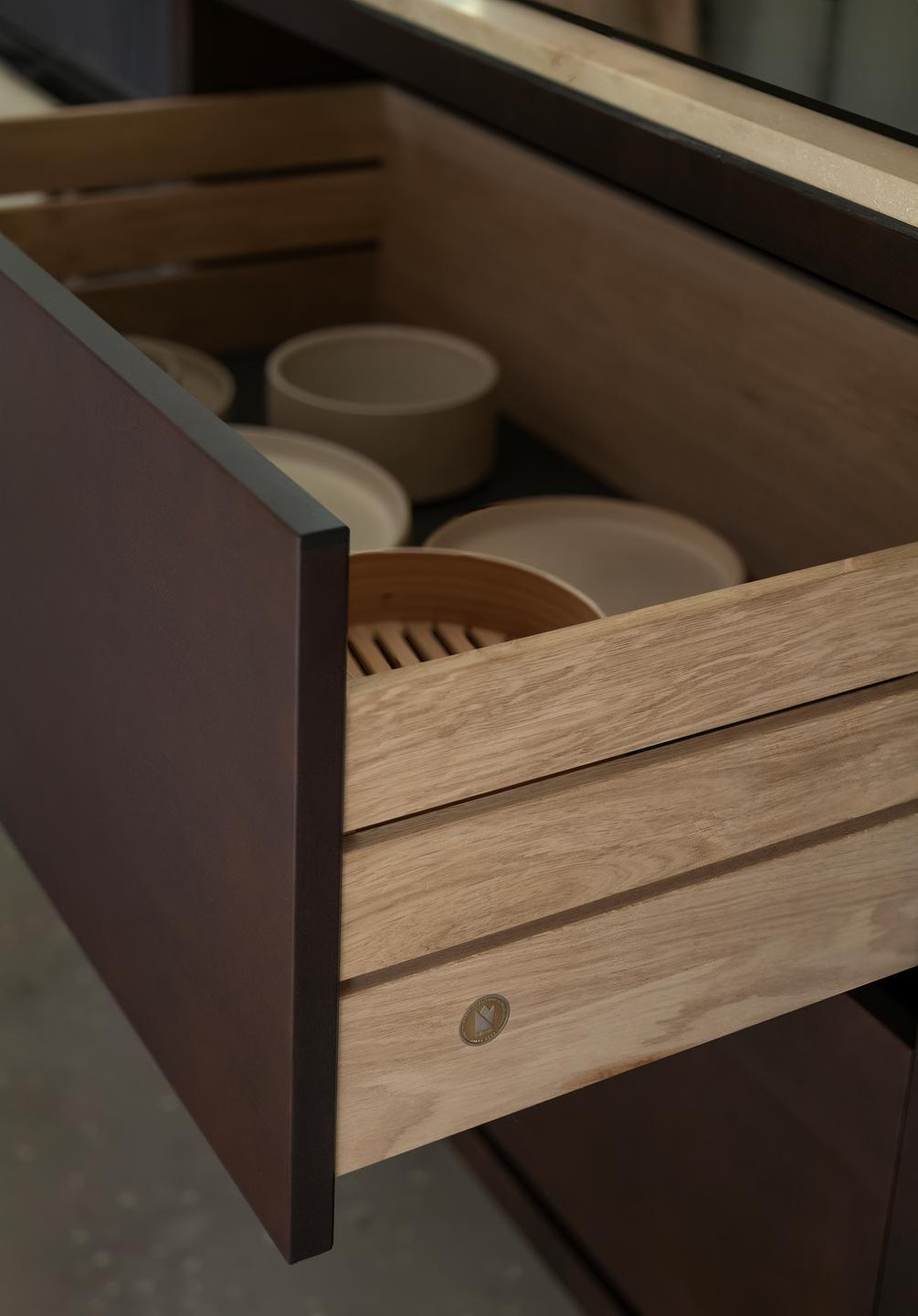
The true luxury of a modular system, however, lies in the "invisible effort" of its hardware. Precision engineering ensures that every drawer glide is silent and every hinge is perfectly calibrated. This structural integrity allows for the use of heavy, natural materials without compromising the fluid movement of the unit.
1. Frama x Kvänum: The Ginger & Chestnut Collection
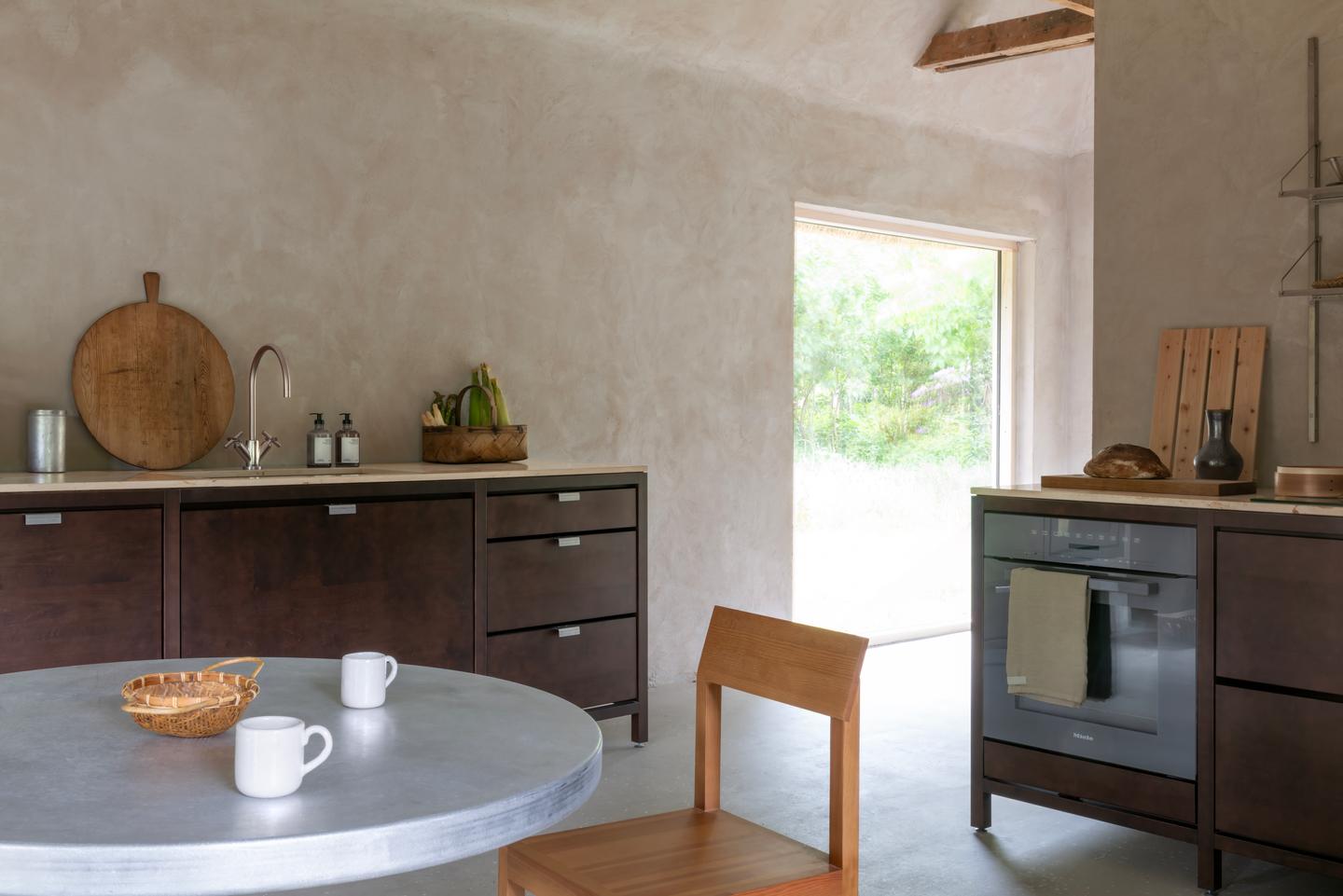
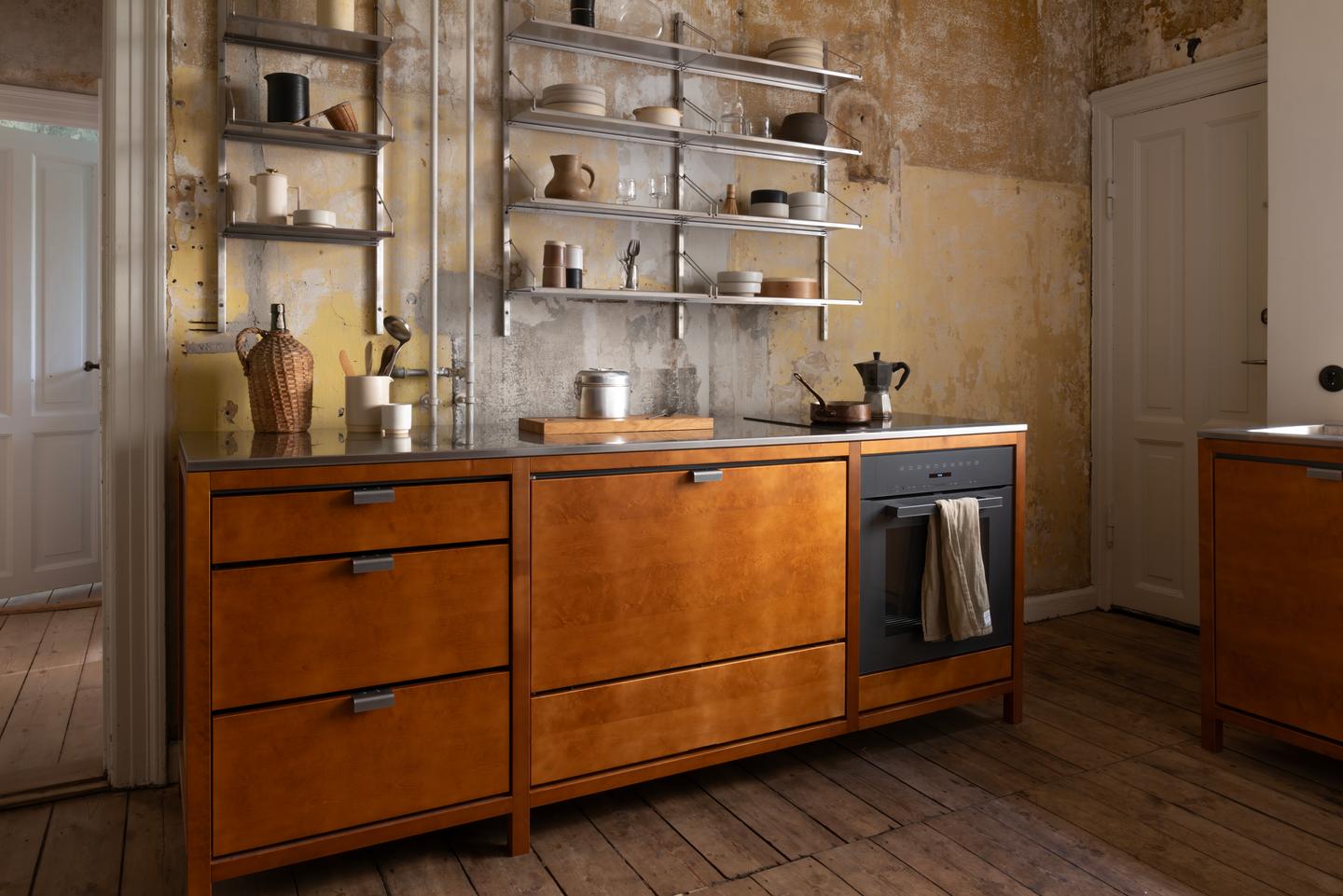
A masterclass in what I call "unpretentious luxury," the collaboration between Copenhagen-based Frama and legendary Swedish cabinet maker Kvänum is a breath of fresh air. The Ginger & Chestnut collection feels less like a set of cabinets and more like a curated collection of heritage furniture.
The design philosophy here is rooted in a straightforward aesthetic. These modules utilize birch frames and milled stainless steel pulls, topped with the aforementioned Jura Beige limestone. The result is a look that is both grounded and ethereal. I find these modules particularly successful in urban settings where the warmth of the wood balances the "cool" of industrial lofts. It’s a kitchen that invites touch—the grain of the chestnut and the cool, matte surface of the limestone create a sensory experience that fitted kitchens rarely achieve.
2. George Cabinetry: Bespoke Global Excellence
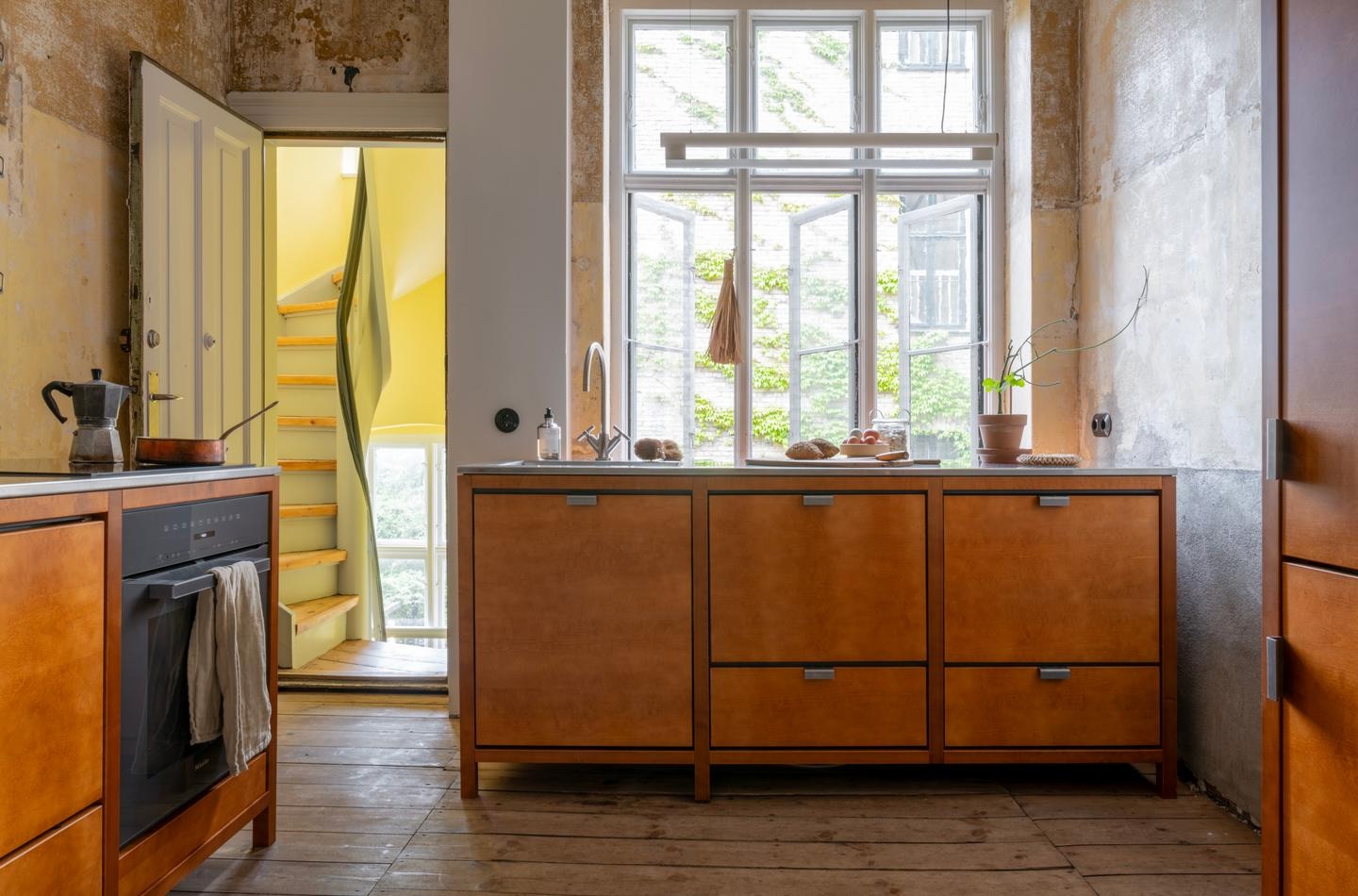
For the homeowner who demands a tailor-made experience backed by global manufacturing precision, George Cabinetry stands as a benchmark for excellence. While many modular brands offer a "what you see is what you get" approach, George Cabinetry specializes in full-house customization that bridges the gap between modular flexibility and bespoke luxury.
What sets them apart is their ability to blend premium materials—think exotic veneers and high-performance alloys—with advanced global logistics. Their modules are engineered to integrate seamlessly into a wider interior design scheme, allowing for a cohesive look that extends from the kitchen to the living area. This "whole-home" modularity is a growing trend among our readers who value a unified aesthetic but want the precision and shorter lead times that come with modular manufacturing.
3. Bulthaup b2: The Pioneer of Modular Flexibility
The Bulthaup b2 system is often referred to as the "kitchen workshop." Inspired by the traditional carpenter's tool cabinet, it strips the kitchen back to its absolute essentials: a workbench for water and fire, and two tool cabinets for everything else.
The brilliance of the b2 lies in its architectural openness. By separating the kitchen into three distinct elements—storage, water, and fire—Bulthaup allows the user to define their own workflow. It is a radical departure from the "triangle" layout, favoring a more intuitive, flexible arrangement. When the cabinet doors are closed, the kitchen effectively disappears, leaving behind a series of elegant, vertical timber volumes. It is the perfect solution for minimalist homes where the kitchen and living room share a single, fluid space.
4. Vipp Freestanding Kitchen: Industrial Minimalism
Vipp has taken their 80-year history of steelwork and distilled it into a kitchen that feels like a precision instrument. The Vipp freestanding kitchen is characterized by its signature powder-coated steel, rounded edges, and raised legs that give the entire unit a sense of weightlessness.
The aesthetic here is "Fluid Geometry." Everything is integrated—the sink, the high-performance compact appliances, and the storage are all housed within a single, monolithic block. This "plug-and-play" concept is ideal for the luxury minimalist who wants a professional-grade kitchen without the aesthetic clutter of visible joins or mismatched appliances. It is industrial minimalism at its most refined.
5. SieMatic 29: The Modern Urban Sideboard
The SieMatic 29 is a beautiful reinterpretation of the traditional kitchen buffet. It was designed specifically for modern urban living, where space is a premium but luxury is a requirement. This module is a standalone piece of furniture that can be customized in a variety of finishes, from matte lacquers to metallic inlays in "Satin Champagne."
What I love about the SieMatic 29 is its versatility. It can act as a breakfast station, a secondary prep area, or the primary cooking hub in a studio apartment. Its beveled frame and signature legs give it a sophisticated silhouette that feels right at home alongside mid-century modern furniture or contemporary art.
6. Poggenpohl +MODO: Architectural Openness
Poggenpohl has always been at the forefront of kitchen innovation, and the +MODO system is perhaps their most architectural offering. The design centers on the interplay between solid and void. Large, monolithic slabs of stone or wood appear to float over open pull-out trays.
These open storage "stages" allow you to curate your kitchen items, turning everyday objects like ceramic bowls or glassware into part of the decor. The use of architectural lighting layers within the modules further emphasizes the depth and texture of the materials. It is a system designed for the "collector"—someone who views their kitchen tools as pieces of art to be displayed rather than hidden.
7. Armony Cucine: Italian Eco-Sophistication
Armony Cucine brings a uniquely Italian perspective to the modular world, focusing heavily on what they call "Eco-Sophistication." They were the first Italian brand to receive Greenguard certification, a testament to their commitment to indoor air quality and low-VOC finishes.
Their modules are characterized by 3D-modeled storage solutions that are as beautiful as they are functional. They utilize a mix of recyclable aluminum and sustainable woods, all delivered in recyclable packaging. For the eco-conscious minimalist, Armony offers a way to achieve that sleek, high-end Italian look without the environmental footprint traditionally associated with luxury renovations.
Maximizing Efficiency: The Death of the Blind Corner
One of the most persistent myths about modular kitchens is that they sacrifice storage for style. In reality, the opposite is true. High-end modular systems utilize precision engineering to eliminate "dead zones" through advanced hardware such as vertical pull-out towers, diagonal corner drawers, and integrated cutting board drawers.
In fact, the implementation of pull-out pantry towers and precision hardware in modular systems is estimated to increase storage efficiency by 300% compared to traditional fixed cabinetry. Because these units are manufactured in a controlled factory environment, the tolerances are much tighter than what can be achieved with on-site carpentry. This allows for more usable space within the same footprint.
Comparison: Modular Efficiency vs. Traditional Fixed Cabinetry
| Feature | High-End Modular (2026) | Traditional Fixed Cabinetry |
|---|---|---|
| Corner Access | Diagonal drawers / 270° swivels | Blind corners (often wasted) |
| Vertical Space | Full-height pull-out towers | Fixed shelves with "dead" top zones |
| Hardware Precision | < 1mm tolerances | Variable, depends on installation |
| Adaptability | 100% (Units can be moved) | 0% (Demolition required to move) |
Modular design maximizes storage in small spaces by ensuring every cubic centimeter is accessible. When you pull out a vertical tower, you see everything at once—no more digging through the back of a dark cabinet for a lost jar of spices. This level of organization is the "invisible effort" that makes a minimalist lifestyle possible.
Conclusion: Selecting Your Modular Masterpiece
Choosing a freestanding kitchen module is an exercise in editing. It’s about deciding what is essential to your lifestyle and selecting the materials that reflect your personal aesthetic. Whether you are drawn to the raw, artisanal warmth of Frama or the sleek, industrial precision of Vipp, the shift toward modularity represents a new freedom in interior design.
As we move toward 2026, the luxury kitchen is no longer a permanent fixture; it is a fluid, adaptable furniture collection that grows and moves with you. By prioritizing FSC-certified woods, natural stones, and precision engineering, you aren't just building a kitchen—you are curating an experience.
FAQ
Are freestanding kitchen modules more expensive than traditional cabinetry? Initially, the price point for high-end modular units like Bulthaup or Vipp can be higher than mid-range custom cabinetry. However, when you factor in the reduced installation costs (no wall mounting or complex leveling) and the fact that you can take these units with you if you move, they often represent a better long-term investment for luxury homeowners.
Can I integrate standard appliances into these modules? Most luxury brands like George Cabinetry or SieMatic offer modules specifically designed to house high-end appliances from brands like Gaggenau or Miele. Some, like Vipp, come with integrated appliances for a completely seamless look.
How do you handle plumbing and electrical with freestanding units? This is often managed through "service strips" or floor-integrated connections. While the modules themselves are movable, the utility points remain fixed. However, because the modules sit on legs or have open bases, accessing these connections for maintenance is significantly easier than with traditional cabinetry.