In 2025, the backyard was a destination—a place we retreated to for a weekend escape or a summer evening. But as we look toward 2026, the outdoor space is undergoing a radical transformation. It is no longer just an "add-on" to the house; it is a high-performance sanctuary. Modern homeowners are shifting their focus from purely ornamental gardens to functional, integrated living zones that support daily wellness, culinary excellence, and architectural harmony.
Market forecasts for 2026 indicate a 45% increase in homeowner investment in these 'High-Performance Sanctuaries.' We are seeing a move away from the traditional "patio" in favor of spaces that allow us to train, lounge, gather, and restore with the same level of sophistication we expect from our interiors. To create the perfect 2026 outdoor sanctuary, you must ground the space with an outdoor rug, incorporate layered ambient lighting, add lush greenery for privacy, and install a central fire feature. Beyond these staples, the new standard requires integrating 'Fire & Ice' wellness circuits and 'Zero-Trip' kitchens to create a truly seamless extension of the home.
1. The 'Fire & Ice' Wellness Circuit
For years, a hot tub was the pinnacle of outdoor luxury. In 2026, the trend has evolved into something much more intentional: the "Fire & Ice" wellness circuit. This is a dedicated zone designed for contrast therapy, a practice that has moved from elite athletic facilities directly into our backyards.
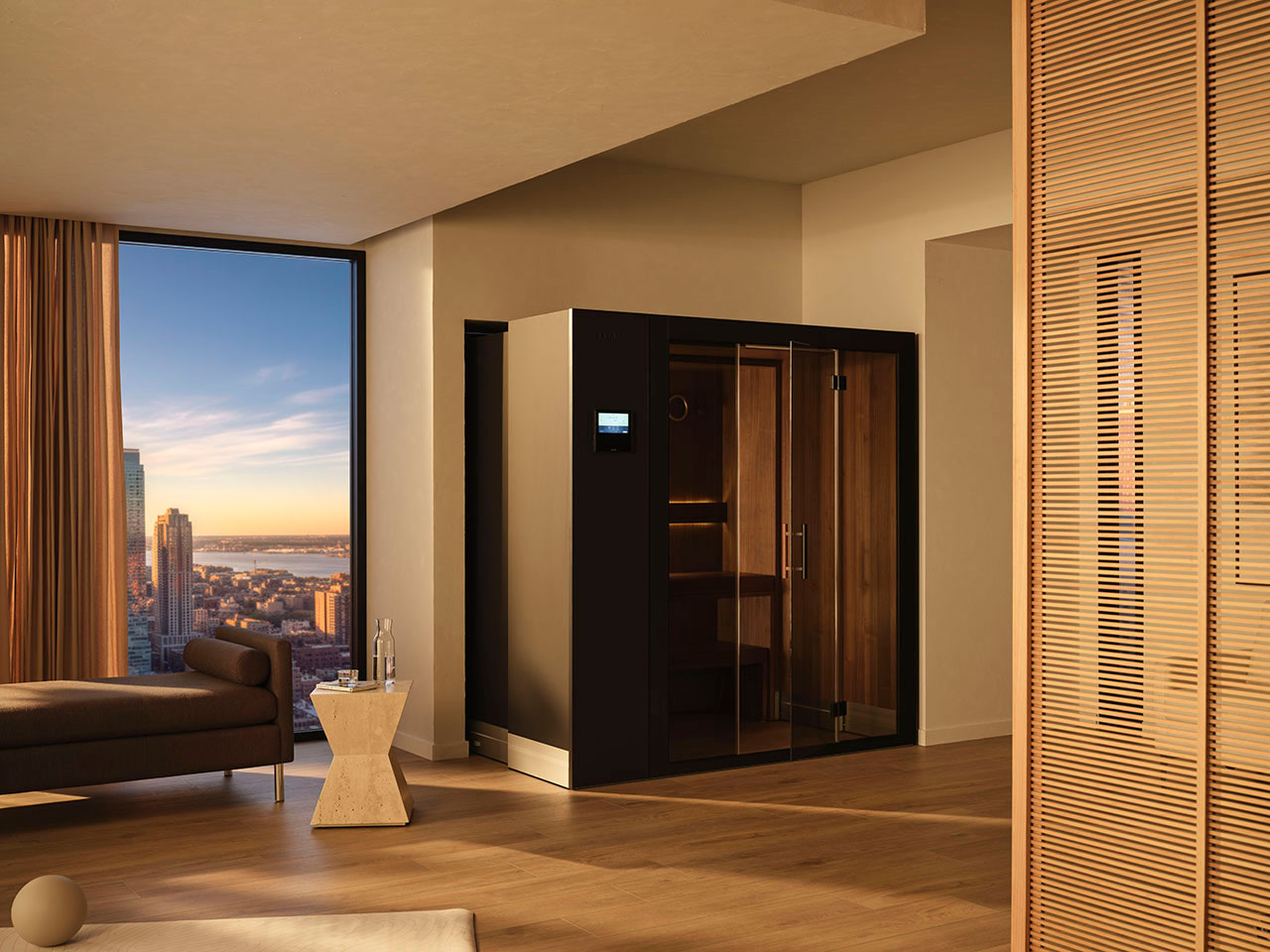
The 'Fire & Ice' circuit is a design trend that combines contrast therapy tools—such as a custom sauna and a filtered cold plunge or spa—directly into the landscape. This creates a functional extension of a daily wellness routine, allowing you to move from the intense, dry heat of a cedar sauna to the invigorating chill of a cold plunge in seconds.
To execute this correctly, the placement must be strategic. We recommend tucking the circuit into a semi-private corner of the yard, perhaps screened by ornamental grasses or a slatted wood partition. The materials should feel organic—think natural stone underfoot that can handle water runoff and transition seamlessly into the rest of the garden.
Pro Tip: When designing your wellness zone, prioritize a dedicated "rest station" between the hot and cold elements. A pair of ergonomic loungers and a small table for hydration ensure the circuit feels like a spa experience rather than a chore.
2. The Zero-Trip Culinary Suite
The days of the lonely, standalone barbecue grill are over. The 2026 outdoor sanctuary demands a "Zero-Trip" kitchen—a professional-grade culinary suite that functions so independently you never have to step back inside for supplies.
A 'Zero-Trip' kitchen ensures you never leave the party for ice, towels, or trash. It is defined by its self-sufficiency and high-performance appliances. When we design these spaces, we look for three core components:
- Commercial-Grade Cold Storage: Dual-drawer refrigerators that can hold both prep ingredients and beverages at specific temperatures.
- Integrated Waste Management: Hidden pull-out bins for trash, recycling, and even composting to keep the aesthetic clean.
- Weatherproof Cabinetry: Marine-grade finishes or powder-coated stainless steel that can withstand humidity and temperature shifts without warping.
By centering the kitchen around a large island with bar-style seating, you transform the act of cooking into a social event. It becomes the "hearth" of the outdoors, mirroring the role the kitchen plays inside the house.
3. Architecture-Led Planning & Seamless Transitions
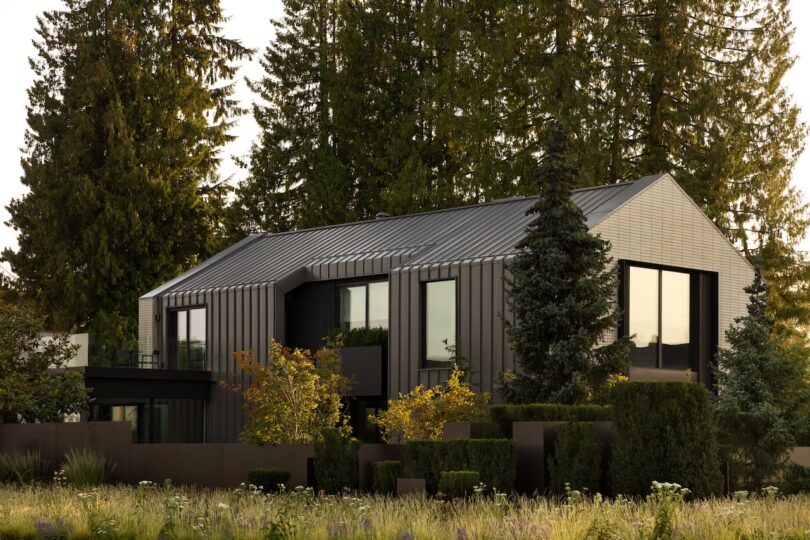
One of the most common mistakes in outdoor design is treating the backyard as a separate entity. In 2026, the goal is architectural synchronicity. This means designing with a master plan that aligns with the home’s interior sightlines.
If you look through your living room windows, the lines of your outdoor pavers should ideally align with your window mullions. We are seeing a massive shift toward using continuous flooring materials to blur the boundaries. Large-format porcelain tiles or natural stone that flows from the indoor kitchen directly onto the outdoor terrace creates a visual expansion of space that feels expensive and intentional.
This "Seamless Transition" philosophy also applies to color. By carrying the same "Quiet Material Palette" from the interior to the exterior, you create a sense of calm and visual harmony. The eye shouldn't "trip" as it moves from the inside out; it should glide.
4. Bioclimatic Shading for Four-Season Comfort
You won’t use your sanctuary if you feel exposed to the elements. This is where bioclimatic shading comes into play. We are moving away from static umbrellas and fixed roofs toward motorized, louvered pergolas that adapt to the environment in real-time.
These smart structures allow you to control the amount of sunlight filtering through during the day, but they can also close completely to create a watertight roof during a sudden downpour. For the 2026 sanctuary, these pergolas are often equipped with:
- Integrated Infrared Heaters: To extend the use of the space into late autumn and early spring.
- Rain Sensors: That automatically close the louvers at the first sign of moisture.
- Retractable Side Screens: For wind protection and insect control without sacrificing the view.
5. Grounding the Space with Durable Textiles
Making a backyard feel like a living room requires anchoring the area with durable textiles. Without a rug or cushions, even the most beautiful furniture can feel like it’s "floating" in a void.
To create a perfect outdoor sanctuary, you must ground the space with an outdoor rug to define the 'living room' area. This provides a clear boundary for the seating zone and adds a layer of softness that contrasts with the hard surfaces of stone or wood. In 2026, we are seeing a move toward layering textures—think vintage-inspired mud cloths, high-performance weaves that mimic wool, and oversized floor poufs that offer modular, multipurpose seating.
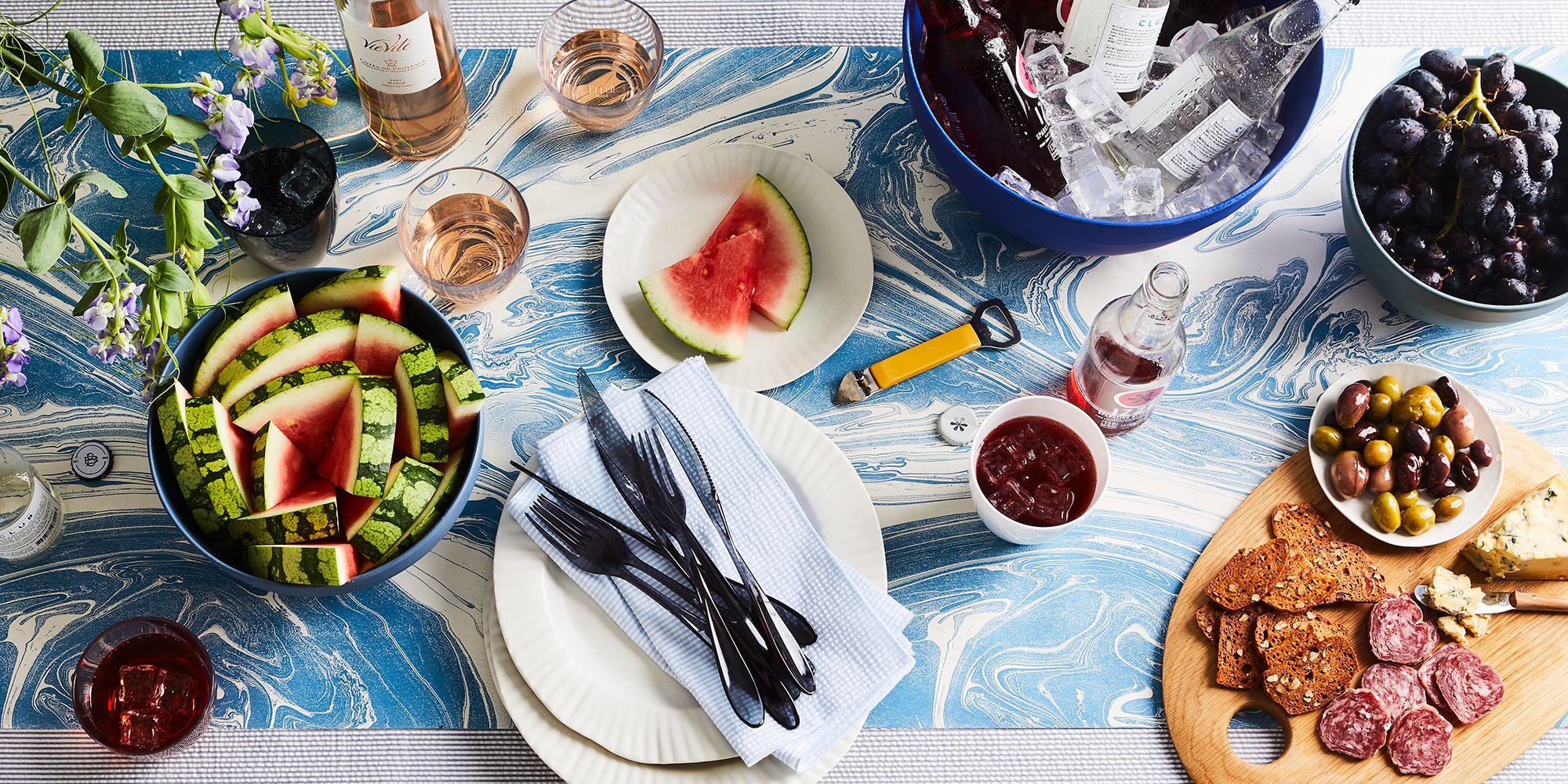
When selecting textiles, look for "solution-dyed acrylic" fabrics. These are UV-resistant and won't fade under the harsh sun, ensuring your "Dark Mode" aesthetics remain crisp and vibrant for years to come.
6. The 'Dark Mode' Palette & Quiet Materials
For years, the "safe" choice for outdoor furniture was beige, tan, or light grey. In 2026, we are embracing what I call "Dark Mode" aesthetics. This involves a shift toward midnight slate, onyx, and deep charcoal.
Design industry data shows that 72% of modern outdoor renovations now utilize a 'Quiet Material Palette'—featuring these darker tones paired with natural wood—to enhance visual harmony and longevity. These deeper hues allow the vibrant green of the landscape to pop, making the garden feel more lush and the built environment more sophisticated.
- Midnight Slate: Best for large-scale flooring and feature walls.
- Onyx Metalwork: Ideal for pergola frames and lighting fixtures.
- Natural Teak or Ipe: Used as an accent to provide warmth against the cooler dark tones.
7. Engineered Seclusion: The 'Living Fence'
Privacy is the ultimate luxury. However, building a high wooden fence can often feel claustrophobic or unfriendly. The solution for 2026 is "Engineered Seclusion" via the 'Living Fence.'
Establishing a 'living fence' through strategic landscaping provides intimacy and comfort without the starkness of a wall. This involves using vertical gardens, tiered planters, and a mix of evergreen hedges and ornamental grasses to block neighbor sightlines.
We recommend "Privacy Architecture"—the use of built-in planters that double as seating, or laser-cut metal screens that allow light to filter through while obscuring the view. This creates a "cocoon" effect, making you feel entirely removed from the outside world while you are only steps away from your back door.
8. Smart Systems: Subtle by Design
The final element of a high-performance sanctuary is the technology that powers it—but only if that technology is invisible. The 2026 trend is "Subtle by Design."
This includes voice-controlled ambient lighting that adjusts its color temperature based on the time of day, and smart irrigation systems that sense soil moisture levels to prevent water waste. Hidden technology is key: weather-resistant AV systems should be recessed into ceilings or hidden behind motorized panels, and power outlets should be discreetly tucked into the undersides of stone counters.
When technology is integrated thoughtfully, it doesn't disrupt the natural aesthetic; it enhances it. You can walk into your sanctuary, say a single command, and have the fire pit ignite, the music soften, and the path lights dim to a warm amber glow.
FAQ
How do I start a 'Fire & Ice' circuit if I have a small backyard? You don't need a massive footprint. Many modern cold plunges are designed with a vertical orientation (like a barrel), taking up less than 10 square feet. Pair this with a compact infrared sauna or even a high-end outdoor shower with a cold-start setting to achieve the same metabolic benefits in a smaller space.
Is the 'Dark Mode' palette too hot for sunny climates? It’s a valid concern. While darker materials absorb more heat, we mitigate this by using "cool-roof" technology on pergolas and selecting high-density porcelain pavers that have lower thermal conductivity than traditional concrete. Also, strategic shading and the use of outdoor rugs (as mentioned in Element 5) protect your feet from direct contact with hot surfaces.
What is the maintenance like for a 'Zero-Trip' kitchen? Because these kitchens use commercial-grade, weatherproof materials, maintenance is actually lower than traditional outdoor setups. Most surfaces can be hosed down, and stainless steel appliances only require an occasional wipe with a specialized cleaner. The key is investing in high-quality covers for when the kitchen isn't in use for extended periods.
Conclusion: Designing for the Future of Living
The shift toward high-performance sanctuaries represents a deeper understanding of how we want to live. It’s about more than just "curb appeal"; it’s about creating an environment that actively contributes to our physical and mental well-being. By focusing on these eight essential elements—from the thermal benefits of a Fire & Ice circuit to the grounding comfort of durable textiles—you aren't just renovating a yard; you are expanding the footprint of your life.
As you plan your 2026 project, remember that the most successful spaces are those that feel personal. Use these trends as a framework, but infuse them with the textures, scents, and sounds that make you feel truly at home.