Quick Facts
- The 2026 Aesthetic: Centered on "Modern Heritage" and "Nature-Led" designs that prioritize soulful, artisanal craftsmanship over mass production.
- Eco-Luxe Growth: A 45% increase in consumer demand for holiday items made from organic materials like wood, paper, and hand-woven textiles.
- The Investment: 78% of shoppers are now willing to pay a 20% premium for "heirloom-quality" decor that promises longevity and a "sentimental patina."
- Core Philosophy: Moving away from the "January toss" by investing in pieces that feel like old friends.
Every year, as the late November light begins to dim, I find myself standing before the same stack of plastic bins in my attic. There is a familiar, frantic internal monologue: Do I have time to hand-bead a new garland? Should I buy that trendy tinsel set I saw online? But lately, that rush has been replaced by a desire for something deeper. Holiday decorating shouldn’t be about impulse buys you toss by January; it should be about pieces that carry a story.
In 2026, we are witnessing a profound shift in how we dress our homes. We are moving away from the "fast decor" of the previous decade toward what I call Modern Heritage. This movement isn't about rigid tradition; it’s about intentionality. Beyond the glitter and mass-produced plastic, a calmer, more sustainable trend is emerging—one that favors the "eco-luxe" craft. Recent market analysis shows a 45% year-over-year increase in demand for these organic, artisanal items. We are finally learning that a home feels most festive when it feels most human.
The Shift to Intentional Holidays: Why Artisanal Matters in 2026
The evolution of holiday decor is currently defined by two major pillars: Modern Heritage and Nature-Led design. These aren't just buzzwords; they represent a collective yearning for materials that breathe. We are seeing a return to wood, hand-woven textiles, and recycled paper—materials that develop a "sentimental patina" over years of use.
When we choose artisanal, we are choosing the "Slow Craft" movement. We are acknowledging that 78% of us would rather pay a 20% premium for an item labeled "artist-made" than settle for a carbon-copy product from a big-box retailer. This intentionality reduces the waste associated with seasonal trends and focuses on high-quality pieces that become family heirlooms.
1. Paper Maché House Ornaments
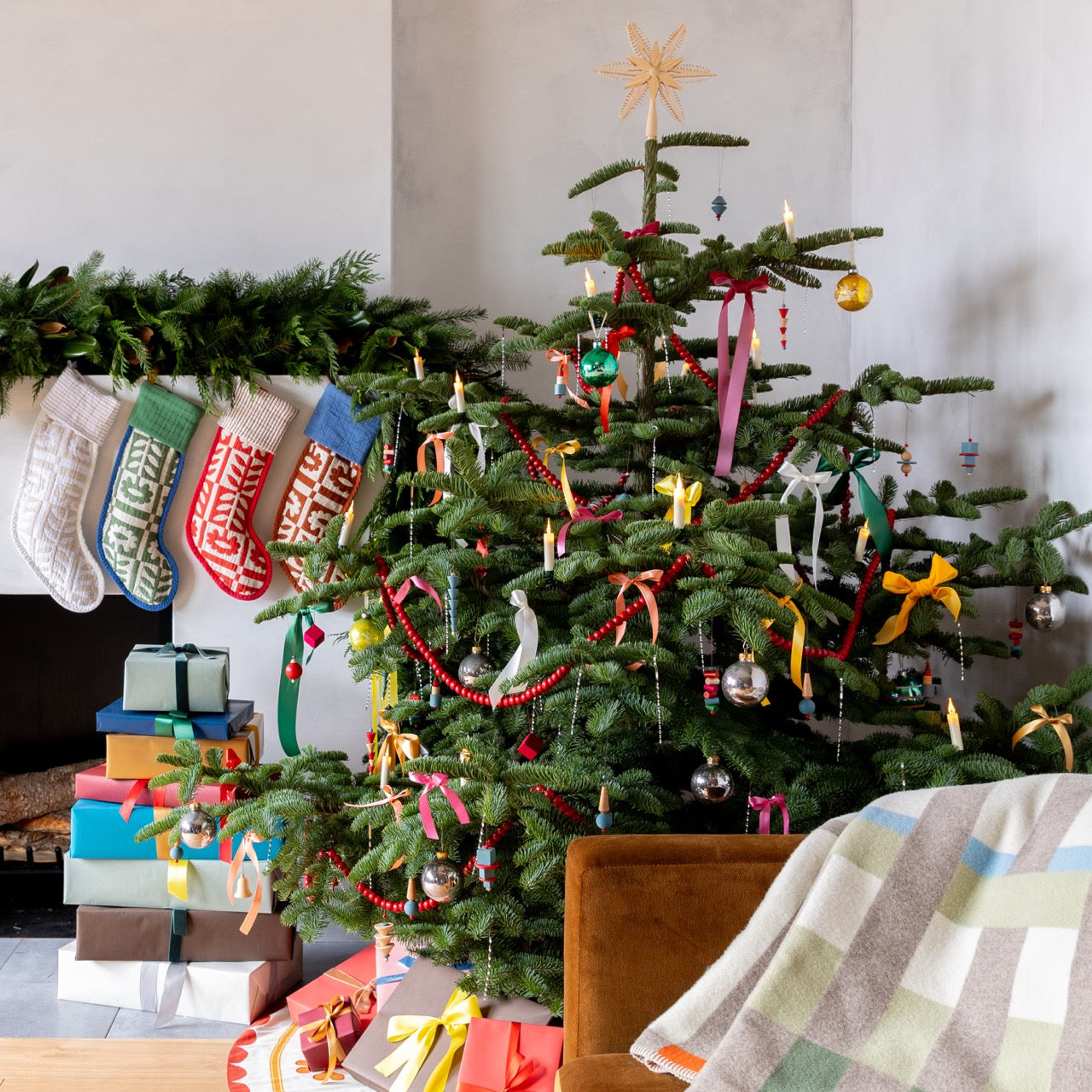
There is something inherently poetic about paper maché. It is the ultimate sustainable material for 2026, transforming simple pulp into structures that feel both ancient and modern. These little houses, often hand-molded and painted in muted earth tones, celebrate the charm of handmade irregularity. No two rooflines are exactly the same, and that is precisely the point.
Why we love it:
- Sustainability: Often made from 100% recycled paper.
- Weight: Extremely lightweight, making them perfect for the delicate tips of real fir trees.
- Aesthetic: They provide a "village" feel without the clunky weight of ceramic versions.
Editor’s Tip: Instead of scattering them, try creating a "mantel village" nestled in a bed of dried moss and eucalyptus. Add a few battery-operated tea lights behind them to create a glowing, ethereal neighborhood.
2. Hand Block-Printed Quilted Tree Skirts
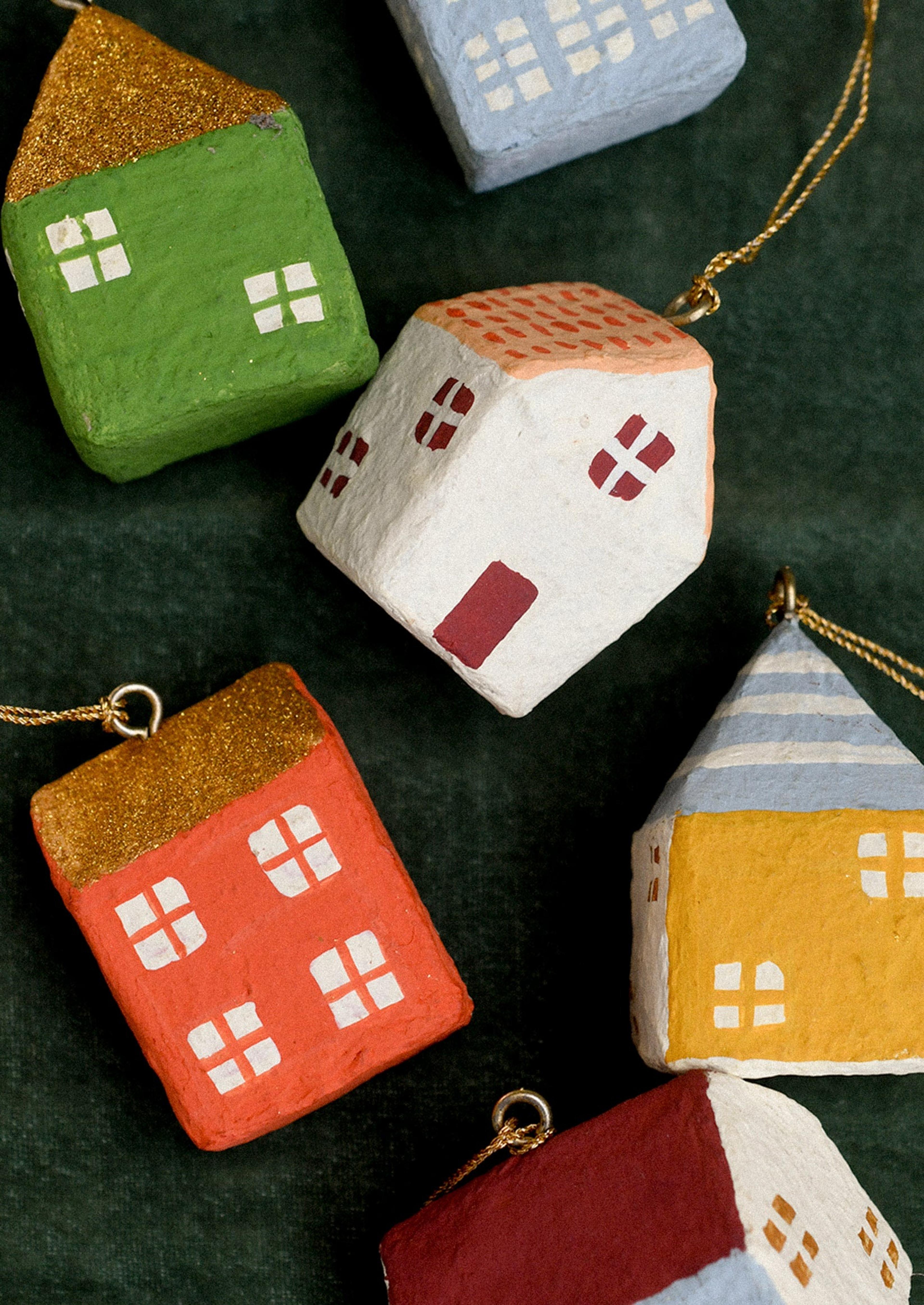
The tree skirt is often an afterthought, but in the "Nature-Led" trend of 2026, it serves as the literal and metaphorical ground for your decor. Hand block-printing—a traditional Indian textile technique—adds a rhythmic, organic feel to the base of your tree. When combined with quilting, the result is a tactile masterpiece that invites you to sit on the floor and enjoy the glow of the lights.
The Heritage Factor: Unlike polyester skirts that fray and lose their luster, a cotton, hand-printed skirt develops a softness over time. It’s a piece that you’ll look forward to unfolding every year, much like a favorite heirloom quilt.
3. Swedish Christmas Ribbons
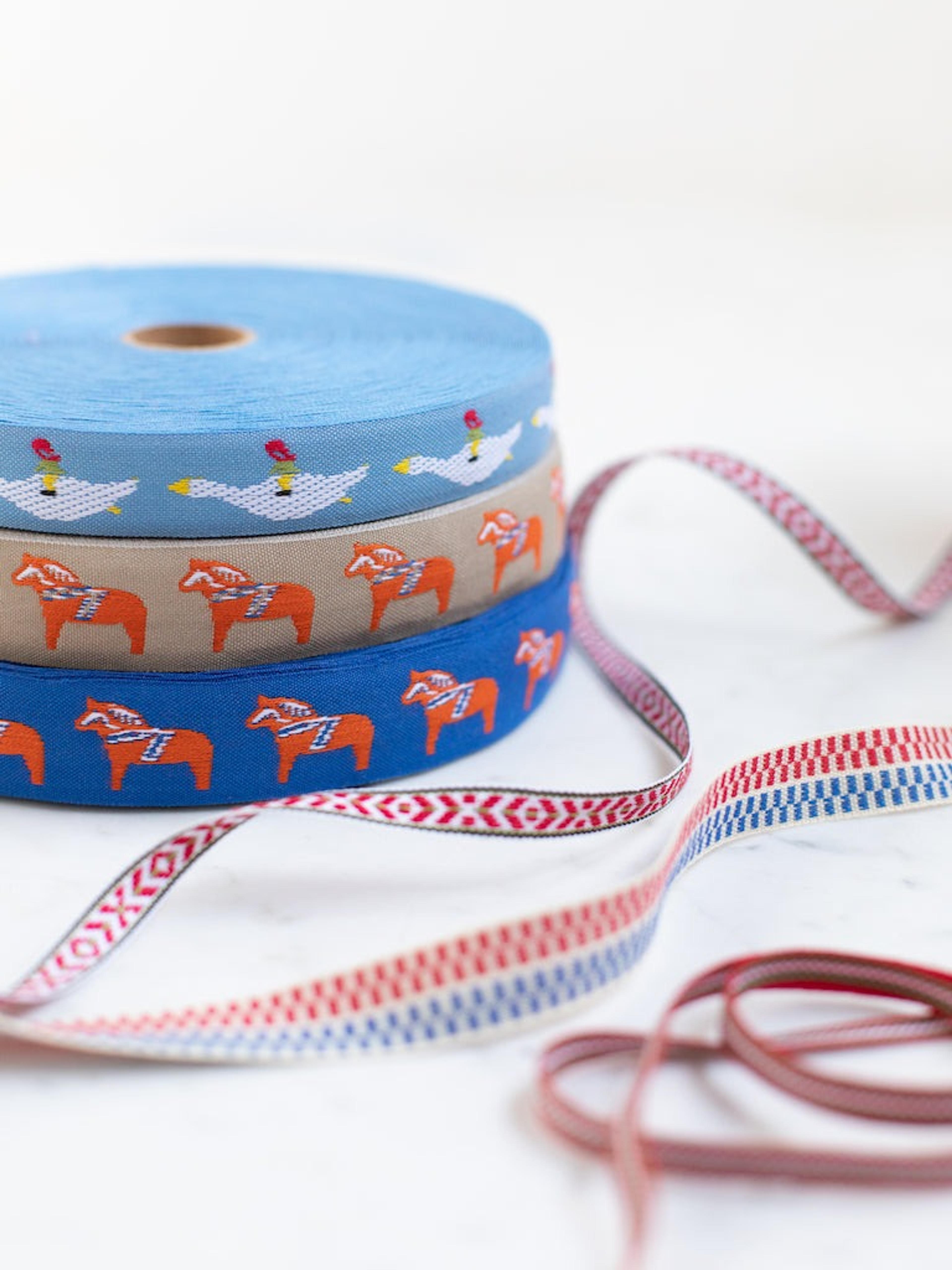
If you’re looking for a simple way to elevate your home without a full overhaul, look to the ribbon. High-quality fabric ribbons—particularly those inspired by Swedish folk patterns—are replacing plastic tinsel and cheap wire ribbons. These are made from heavy linens or woven cottons, often featuring delicate red and white embroidery or minimalist stripes.
Why it’s a find:
- Versatility: Use them to tie bows on branches, wrap gifts, or drape across a mirror.
- Longevity: These can be ironed and reused for decades, embodying the "eco-luxe" ethos.
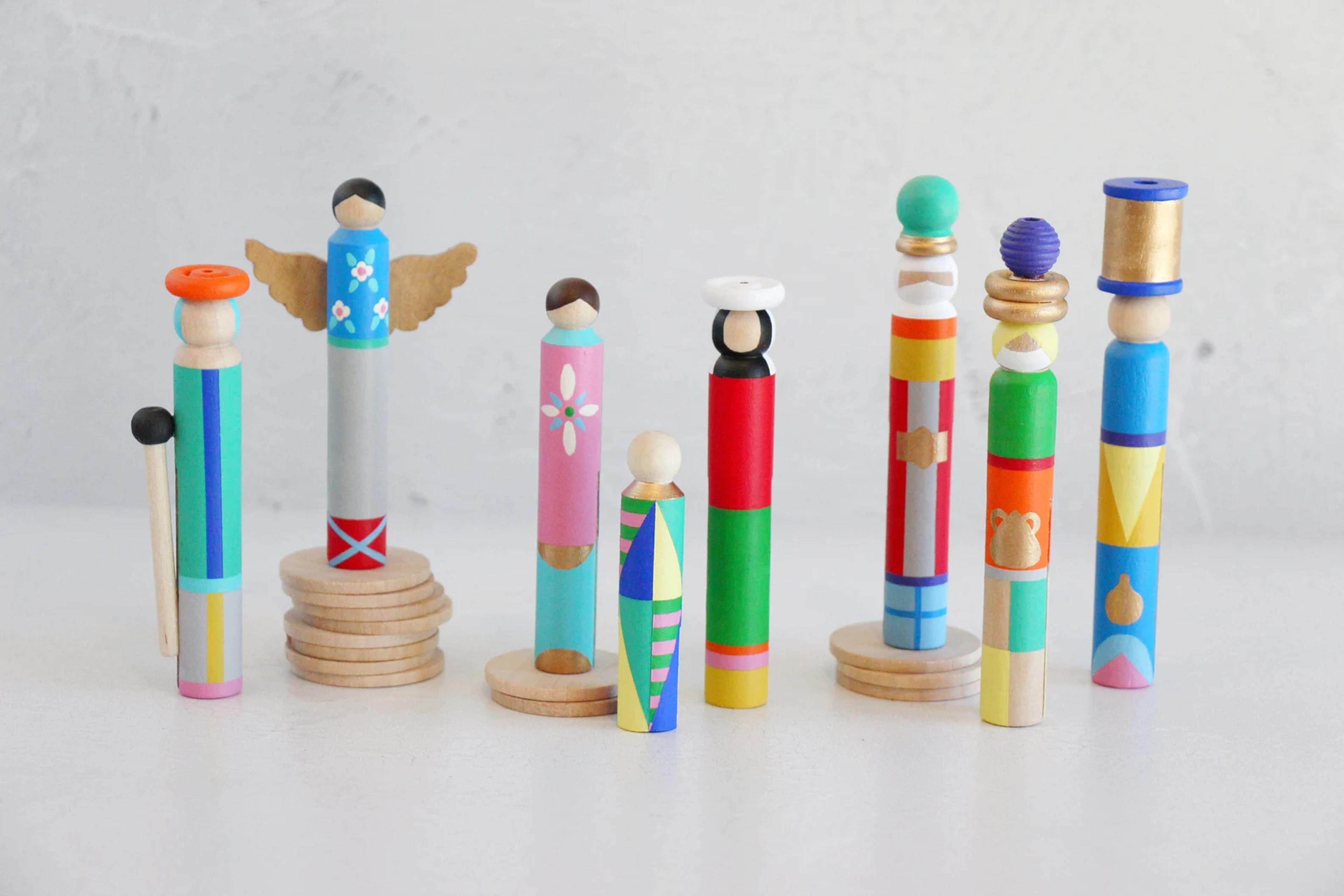
4. Hand-Painted Clothespin Nativity Sets
Artisanal holiday decor is defined by its ability to double as a keepsake. These hand-painted nativity sets, often crafted from simple wooden clothespins or peg dolls, are the antithesis of the mass-market porcelain sets of the past. They represent a "Curated Minimalism" that resonates with modern families.
Each figure is a small work of art, often painted with eco-friendly milk paints. Because they are durable and tactile, they are "touch-friendly," allowing children to interact with the holiday story without the fear of shattering a fragile heirloom. These are the pieces that survive the "January toss" and find a permanent place in the memory box.
5. Dip-Dyed Paper Streamers
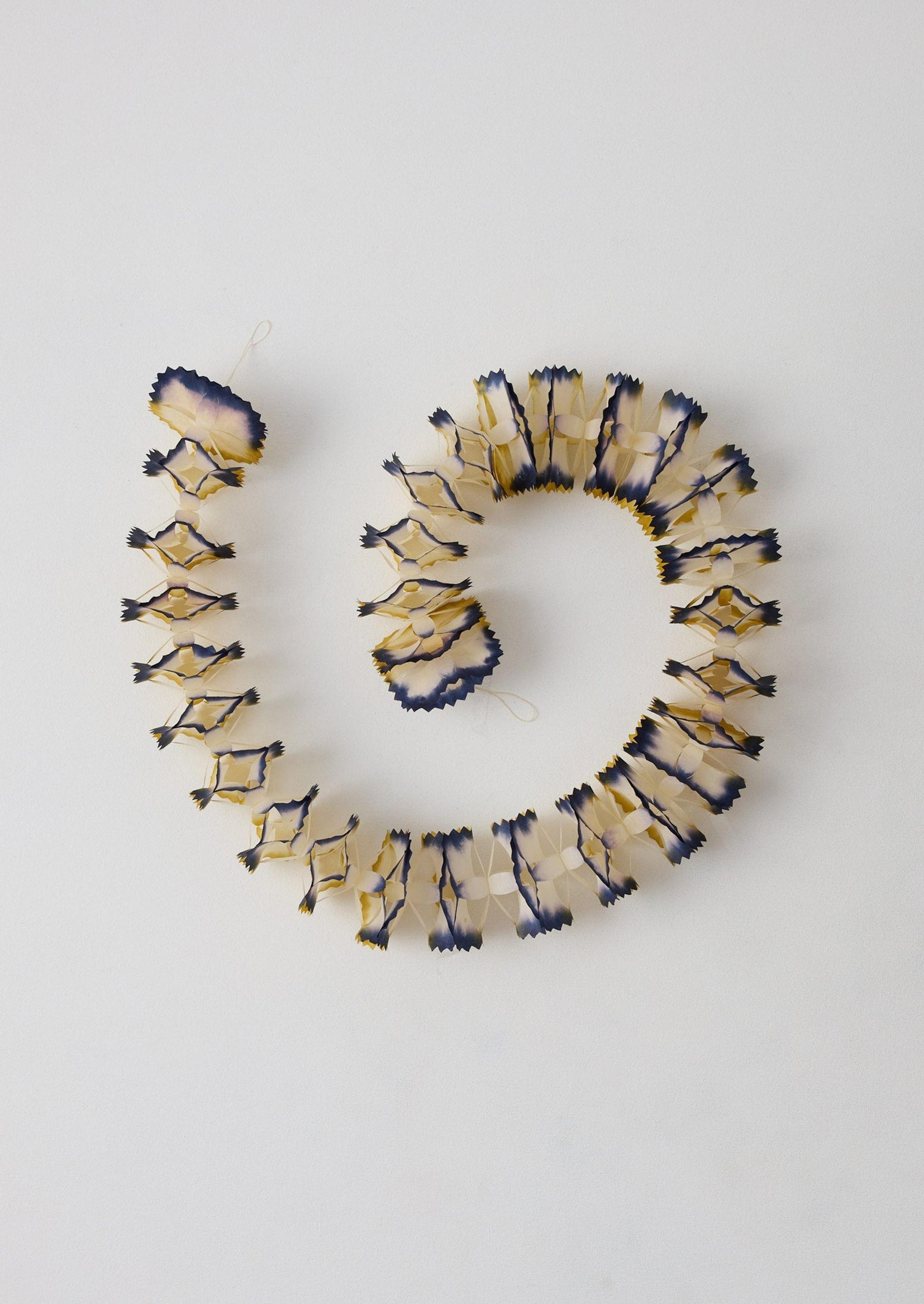
In 2026, we are seeing a trend I call "Minimalist Maximalism." It’s about using simple materials in high-impact ways. Dip-dyed paper streamers in sophisticated palettes like indigo, chartreuse, and deep terracotta modernize the traditional garland. These aren't the primary-colored streamers of a birthday party; they are artful, ombre-effect decorations that bring a sophisticated pop of color to a neutral room.
| Feature | Artisanal Paper Streamers | Mass-Market Tinsel |
|---|---|---|
| Material | Hand-dyed recycled paper | Plastic / PVC |
| End of Life | Compostable | Landfill |
| Color Depth | Rich, layered ombre | Flat metallic |
| Vibe | Sophisticated, organic | High-shine, artificial |
6. Heirloom Floral Stockings
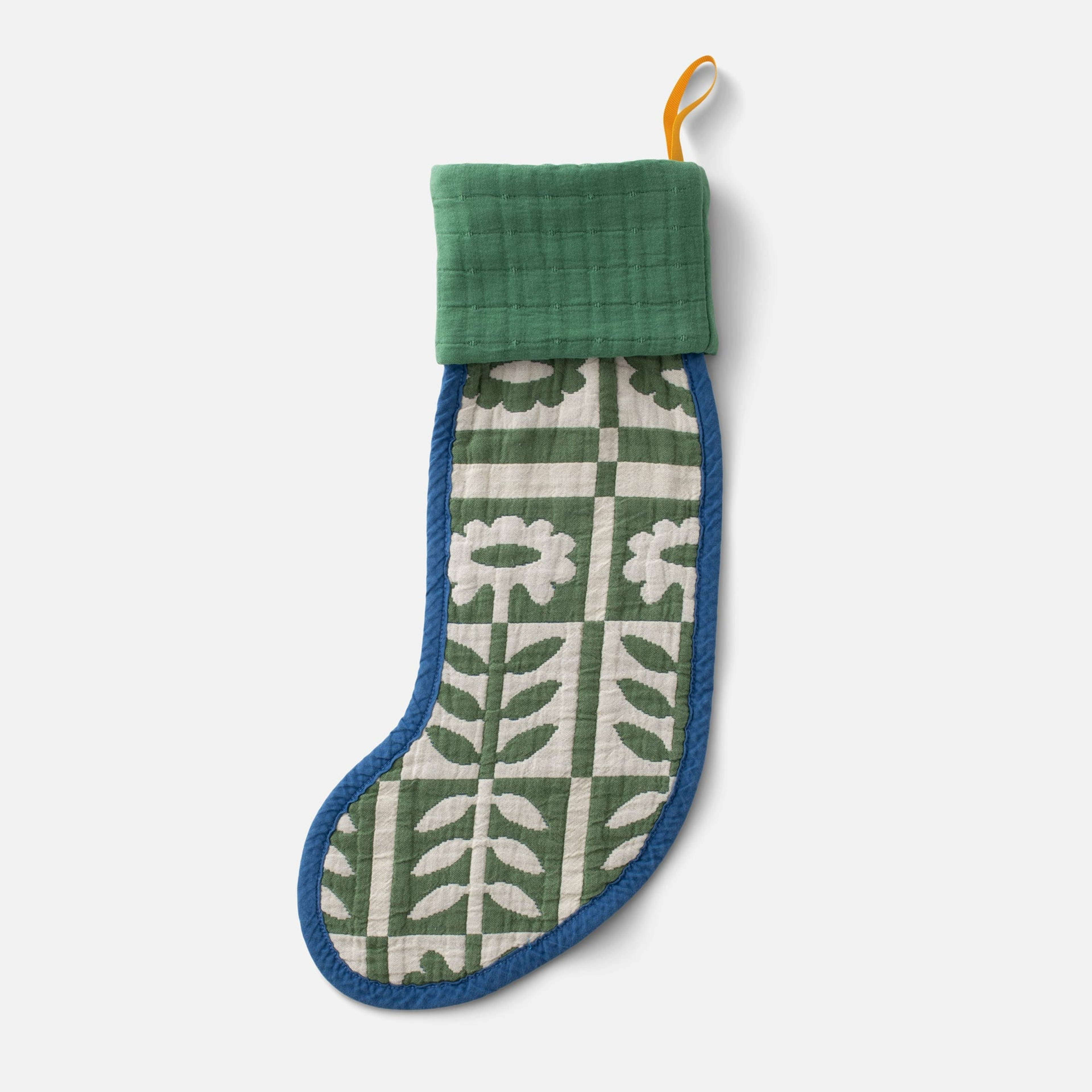
Moving toward "Curated Minimalism," we see a shift in the mantelpiece aesthetic. Traditional bright red felt is giving way to juniper tones, mustard yellows, and intricate floral patterns. These stockings often feature quilted textures and "artist-made" details like hand-crested initials or vintage lace trim.
Given that 78% of shoppers are willing to pay more for quality, these stockings are viewed as a long-term investment. They bring a 20% premium value in sentiment because they feel personal. When you hang a quilted, floral stocking, you aren't just decorating; you’re establishing a visual legacy for your family.
7. May Queen Tree Toppers
A nod to "Modern Heritage," the May Queen or Sun Goddess tree topper is a beautiful departure from the standard plastic star. Inspired by European folklore, these toppers are often made from straw, dried flowers, or unbleached linen. They provide a unique focal point that feels both festive and grounded in nature.
This trend highlights the "Nature-Led" movement—bringing the outdoors in through symbolic, handmade figures that celebrate the winter solstice and the return of the light.
8. Felt Advent Calendars
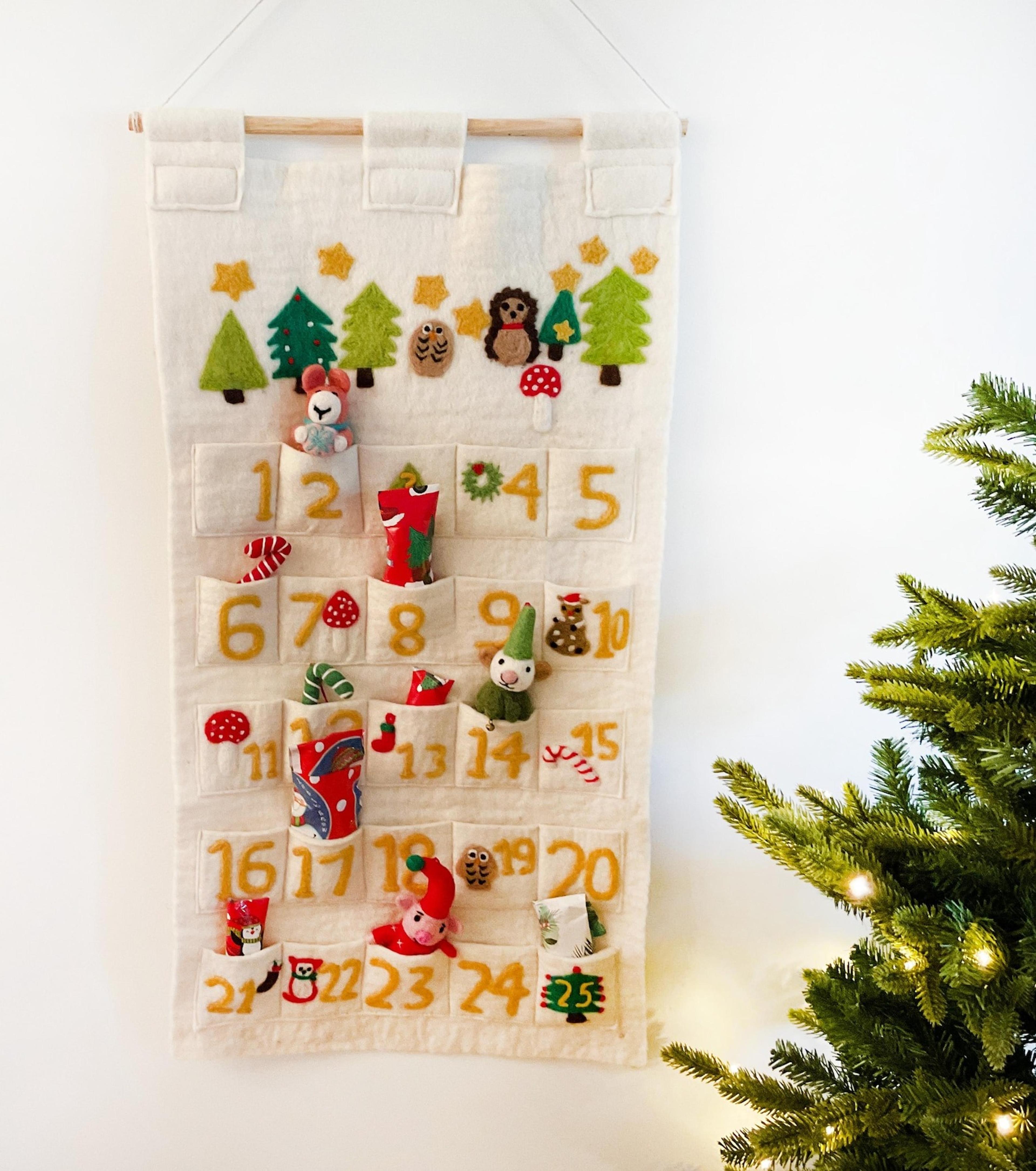
The "Slow Craft" movement is perhaps most evident in the revival of the felt advent calendar. Tactile materials like wool felt are essential for creating a cozy, hygge-inspired home in 2026. These aren't the disposable cardboard versions filled with waxy chocolate; they are sturdy, fabric wall-hangings with small pockets meant to be filled with handwritten notes, small treasures, or activities.
Trend Insight: The soft, tactile experience of wool felt provides a sensory "anchor" in a digital world. It encourages a daily ritual of connection, which is the heart of the artisanal holiday.
9. Hand-Woven Star & Bell Sets
For the final touch, the "Eco-Luxe" finish comes in the form of hand-woven accessories. Using sustainable grass, wicker, or rattan, these star and bell sets offer a peaceful, Nordic-inspired vibe. They work beautifully in homes that prioritize a neutral palette but want to add layers of texture.
Woven decor is incredibly durable and fits perfectly into the "Nature-Led" aesthetic that is dominating 2026. These pieces don't scream for attention; they whisper of craftsmanship and quiet, sustainable beauty.
Investing in the Future: The Sustainability of Handmade Decor
Choosing handmade-style decor is a powerful way to contribute to a sustainable holiday. By reducing the demand for "fast" decorations—which are often made of non-recyclable plastics and produced under questionable labor conditions—we are voting with our wallets for a better future.
The market analysis is clear: we are moving toward a world where the objects in our homes must have meaning. High-quality pieces made from wood, paper, and textile don't just last longer; they age gracefully. They carry the marks of the years—the slight fray on a ribbon, the softened corners of a wooden figure—creating a "sentimental patina" that mass-produced items can never replicate.
As you curate your home this year, remember that the most beautiful spaces are those that reflect the hands that built them and the hearts that live within them.
FAQ
Q: Isn't artisanal decor significantly more expensive than mass-market options? A: Initially, yes. Statistics show a roughly 20% premium. However, when you consider that these pieces are designed to last decades rather than one or two seasons, the "cost per year" is actually much lower. It’s an investment in quality over quantity.
Q: How do I clean and store delicate materials like paper maché or wool felt? A: For paper maché, simply wipe with a dry microfiber cloth; never use water. For wool felt, spot clean with a damp cloth if necessary. Store all artisanal pieces in a cool, dry place, ideally wrapped in acid-free tissue paper to prevent yellowing or moisture damage.
Q: Can I mix artisanal pieces with my existing traditional decor? A: Absolutely. In fact, that is the essence of "Modern Heritage." Start by replacing one or two "fast" items—like your tree skirt or a few plastic ornaments—with artisanal finds. The mix of old and new, shiny and matte, creates a layered look that feels authentic and lived-in.
Are you ready to embrace a more intentional holiday? Start by choosing one piece this year that you truly love—something that makes you smile every time you see it on the branch. That is where a timeless home begins.