Quick Facts
- The Collection: Balera, an integrated lighting system embedded within modular ceramic tiles.
- The Design Trio: Developed by OFFTAMAT (the experimental arm of STUDIOTAMAT), designer Arianna De Luca, and Sicilian ceramic master Ninefifty.
- The Blueprint: Built on a precise 20x20 cm modular grid, offering 100% interoperability between lighting elements and decorative tiles.
- The Innovation: Reduces visual hardware footprint by approximately 60% by integrating the light source directly into the wallcovering.
- The Aesthetic: A blend of 1960s Italian retro-futurism and high-tactility, hand-glazed terracotta.
The New Era of Emotional Illumination
As we look toward the design landscapes of 2026, the industry is witnessing a profound departure from the clinical perfection of recessed spotlights and cold LED strips. We are entering an era where light is no longer a mere utility; it is a visceral, emotional medium. In my years covering interior trends, the shift toward "human-centric glow" has never been more apparent. Today’s luxury spaces are demanding fixtures that act as functional art—sculptural pieces that command attention even when the power is off.
This transition is fueled by a desire for materials that feel "alive." While metal and glass have long dominated the lighting sector, ceramics are staging a spectacular takeover. There is an inherent warmth in terracotta that no other material can replicate. It breathes, it carries the marks of the artisan, and when paired with light, it transforms a room into a sanctuary.
Introducing Balera: Where Tiles Become Light
What happens when you stop viewing a lamp as an object to be hung on a wall and start viewing the wall itself as the lamp? This is the fundamental question answered by the Balera collection.
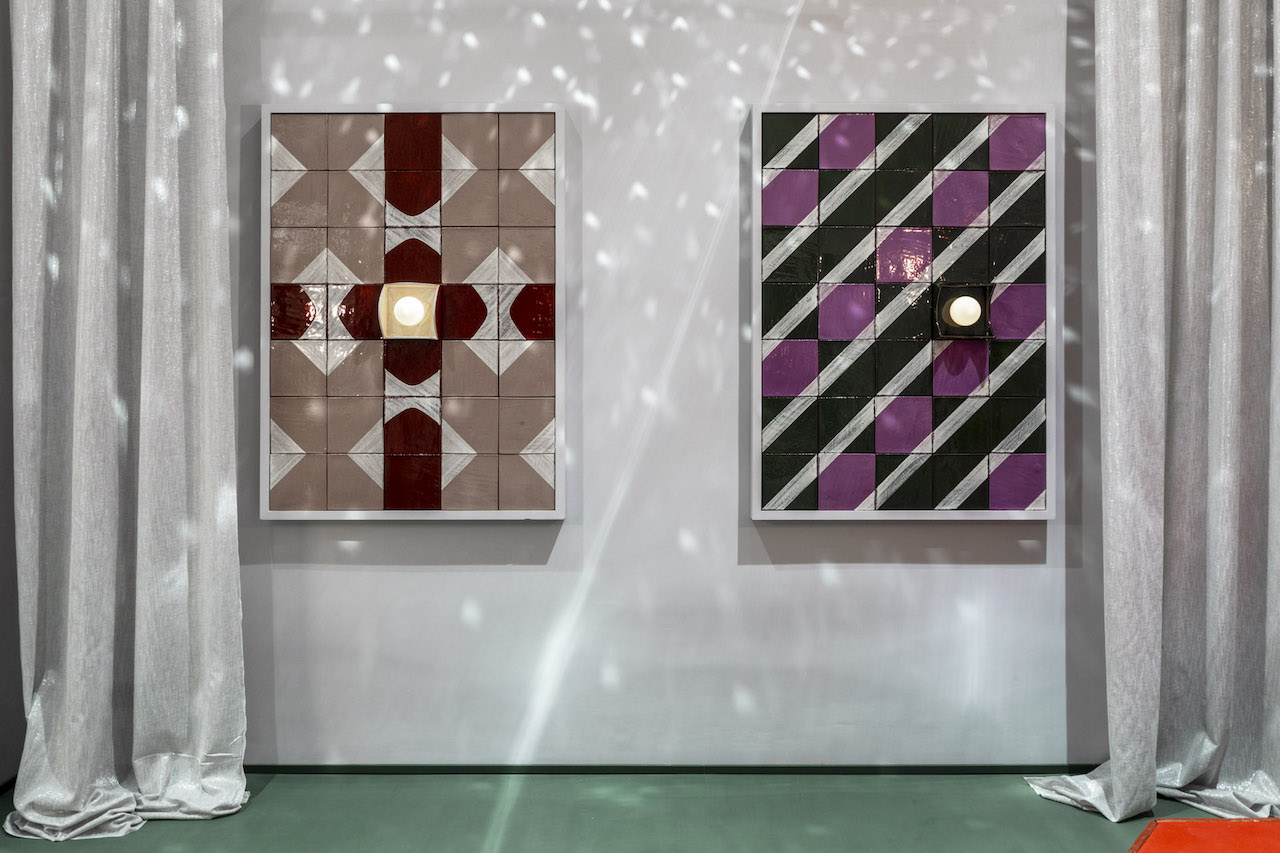
Balera is a revolutionary collaborative lighting series that merges the worlds of architecture, product design, and traditional craftsmanship. At its core, the collection consists of modular lamps embedded directly into 20x20 cm hand-glazed ceramic tiles. This isn't just a lighting fixture; it is an integrated architectural system that turns wallcoverings into illuminated, tactile canvases.
The collection is the result of a creative "think-tank" involving three distinct Italian powerhouses:
- OFFTAMAT: The experimental research branch of the Rome-based architecture firm STUDIOTAMAT, known for pushing the boundaries of spatial narrative.
- Arianna De Luca: A designer celebrated for her bold use of color and her ability to translate Mediterranean heritage into modern forms.
- Ninefifty: A Caltagirone-based manufacturer that brings centuries of Sicilian ceramic expertise to the table, ensuring every tile possesses the "hand-touched" quality that luxury interiors crave.
Architectural Modularity: The 20x20 Grid System
The true brilliance of the Balera system lies in its technical discipline. By adhering to a strict 20x20 cm modular grid, the collection achieves 100% interoperability. This means designers can mix and match lighting elements with non-illuminated decorative tiles from the same collection with zero friction.
One of the most significant pain points in interior styling is the "visual noise" created by external mounting hardware—brackets, wires, and bulky bases that distract from the architecture. By integrating the light source directly into the ceramic body, Balera reduces the visual footprint of traditional mounting hardware by approximately 60%. The result is a seamless surface where light appears to emerge organically from the wall itself.
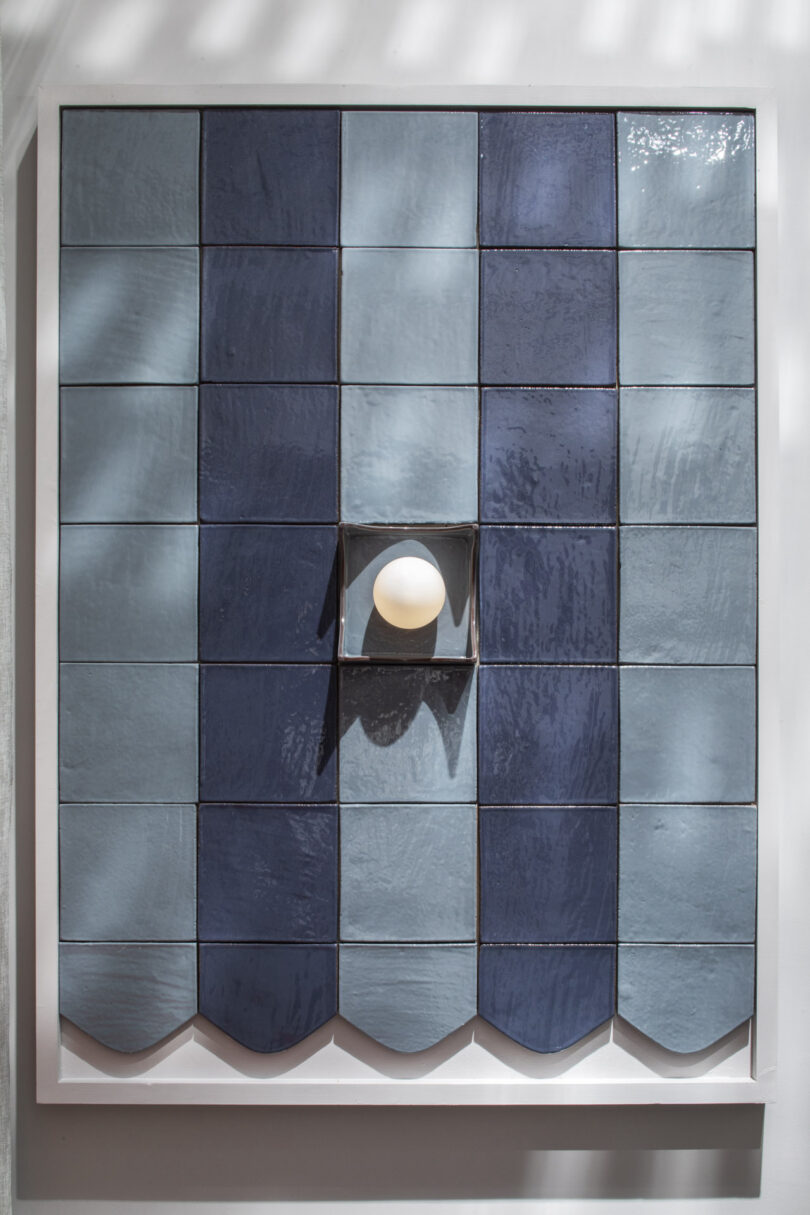
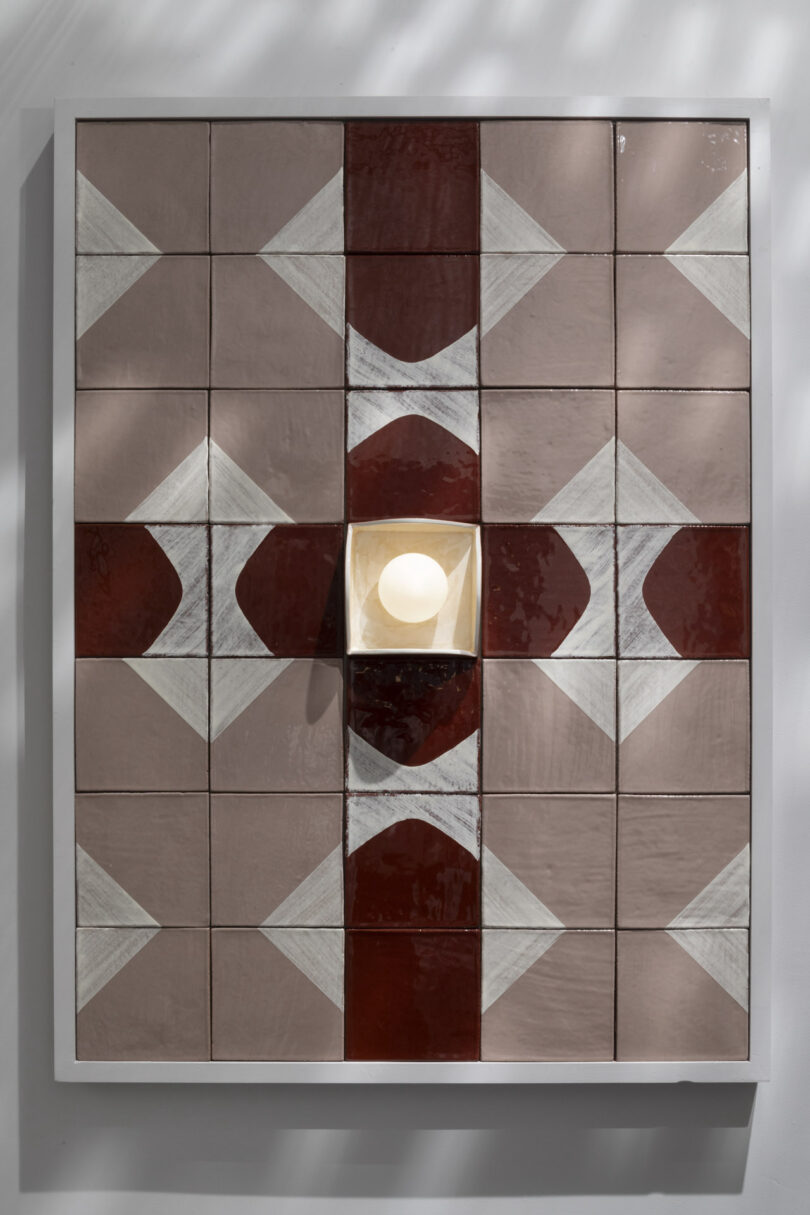
From a practical perspective, this modularity offers a level of customization rarely seen in high-end lighting. You are no longer restricted to where the junction box is located; instead, you can create rhythmic patterns across an entire wall, alternating between "silent" tiles and "vocal" light modules.
Design Tip: When planning a Balera installation, think of your wall as a musical score. Use the non-illuminated tiles as the "rest" notes and the light modules as the "beats" to create a rhythmic visual flow in corridors or entryways.
| Feature | The "Dot" Module | The "Diffuser" Module |
|---|---|---|
| Light Output | Direct, focused "pin" of light | Soft, atmospheric glow |
| Visual Effect | Graphic and punctuating | Volumetric and architectural |
| Best Use | Highlighting textures or creating paths | Creating ambient "wash" on large surfaces |
| Glaze Compatibility | All Ninefifty signature glazes | Best in translucent or light-reflecting glazes |
Design Inspiration: From 1960s Dancehalls to Modern Walls
The name "Balera" evokes a very specific nostalgia. It refers to the traditional Italian dancehalls—vibrant social hubs that reached their peak in the 1960s. The collection draws direct inspiration from the playful, theatrical atmosphere of these spaces, particularly the experimental discotheques designed by architects like Dante Bini.
Arianna De Luca has infused this retro-futuristic spirit into the collection’s chromatic language. We see a bold palette of saturated Mediterranean blues, deep forest greens, and sunbaked neutrals. These aren't just colors; they are narratives of the Italian landscape.
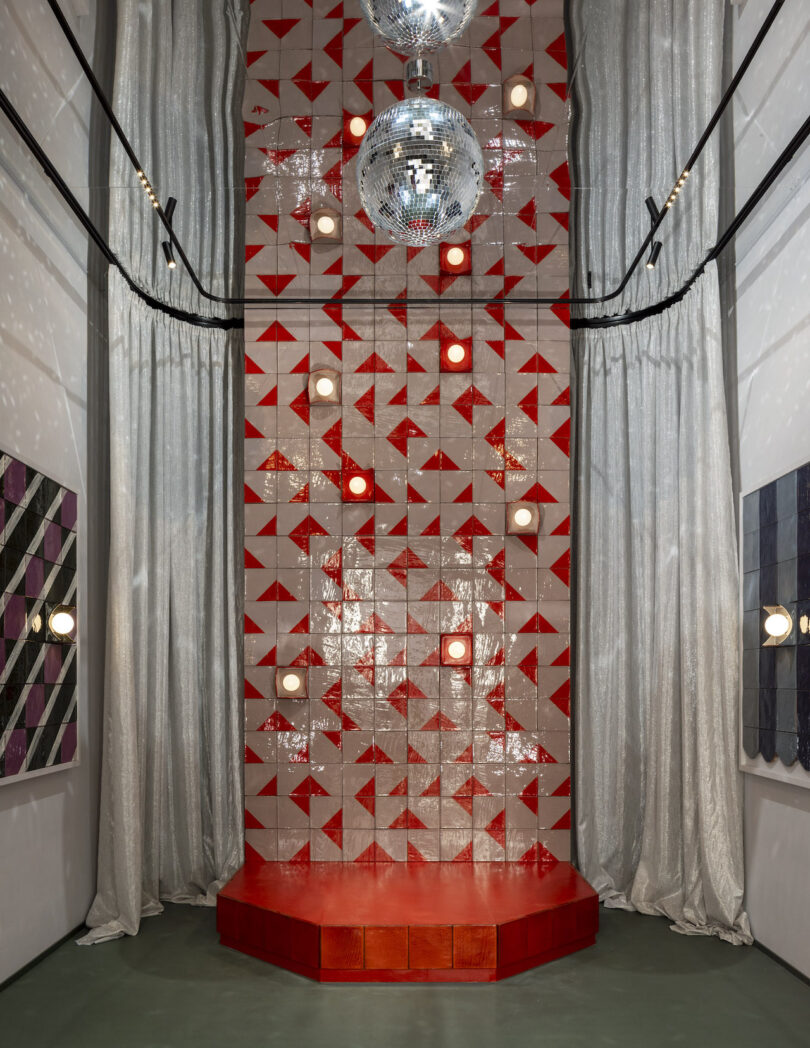
How does modular ceramic lighting function within a modern space? It bridges the gap between the functional and the theatrical. In a residential setting, it provides a soft, dimmable glow that replaces the need for traditional floor lamps. In a commercial setting, it acts as a permanent art installation that defines the identity of the brand.
Hyper-Tactility: The Hand-Glazed Aesthetic
In my work as an editor, I often talk about "sculptural tension"—the way an object’s form creates energy within a room. Balera achieves this through its hyper-tactile surfaces. Every tile is hand-glazed by Ninefifty, meaning no two pieces are identical. There are subtle variations in the pooling of the glaze and the texture of the clay, which the integrated light source highlights beautifully.
The plasticity of the surfaces—the curves, the graphic grooves, and the raised edges—allows the light to play with shadows. As you move through the room, the wall seems to change, with the light catching different facets of the hand-glazed terracotta. This "handcrafted imperfection" is exactly what elevates a space from "designed" to "curated."
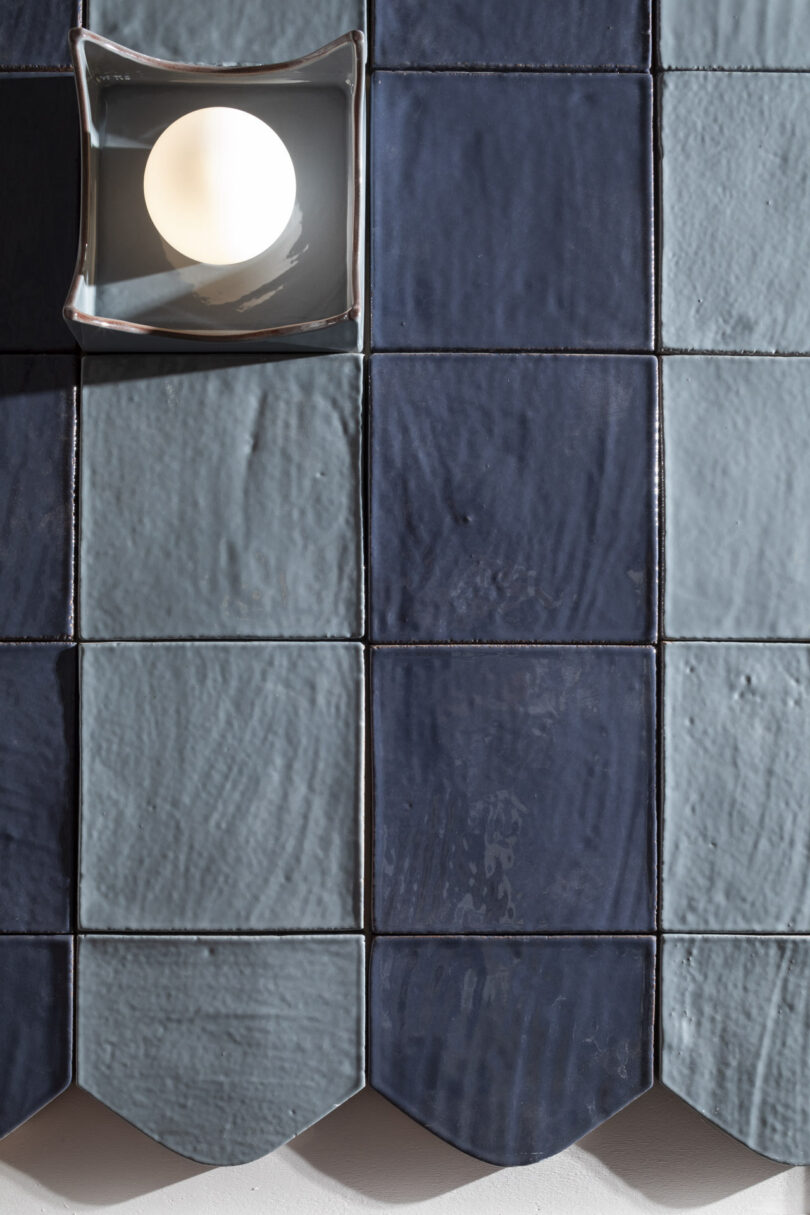
By using terracotta as a medium for light, Balera also taps into the "sanctuary" trend. The material naturally diffuses light in a way that feels warm and grounding, counteracting the digital coldness of our modern lives.
Trend Forecast 2026: The "Soft-Tech" Aesthetic Expect to see more "Soft-Tech" in the coming years—products that house advanced technology within organic, artisanal shells. The Balera collection is a prime example, hiding high-efficiency LED modules behind the ancient art of Sicilian ceramics.
Application: Transforming Commercial and Luxury Residential Spaces
The versatility of the Balera system makes it a chameleon in the world of interior design. In the hospitality sector, we are seeing designers use these tiles to create feature walls in hotel lobbies and cocktail bars. The modular nature allows for the lighting to be reconfigured; if a space is renovated, the "plug-in" modules can be moved to different parts of the grid without tearing down the entire wall.
For luxury residential projects, Balera offers a solution for double-height spaces. A towering wall of hand-glazed ceramic tiles, punctuated by rhythmic bursts of light, creates a large-scale architectural narrative that a single chandelier simply cannot achieve.
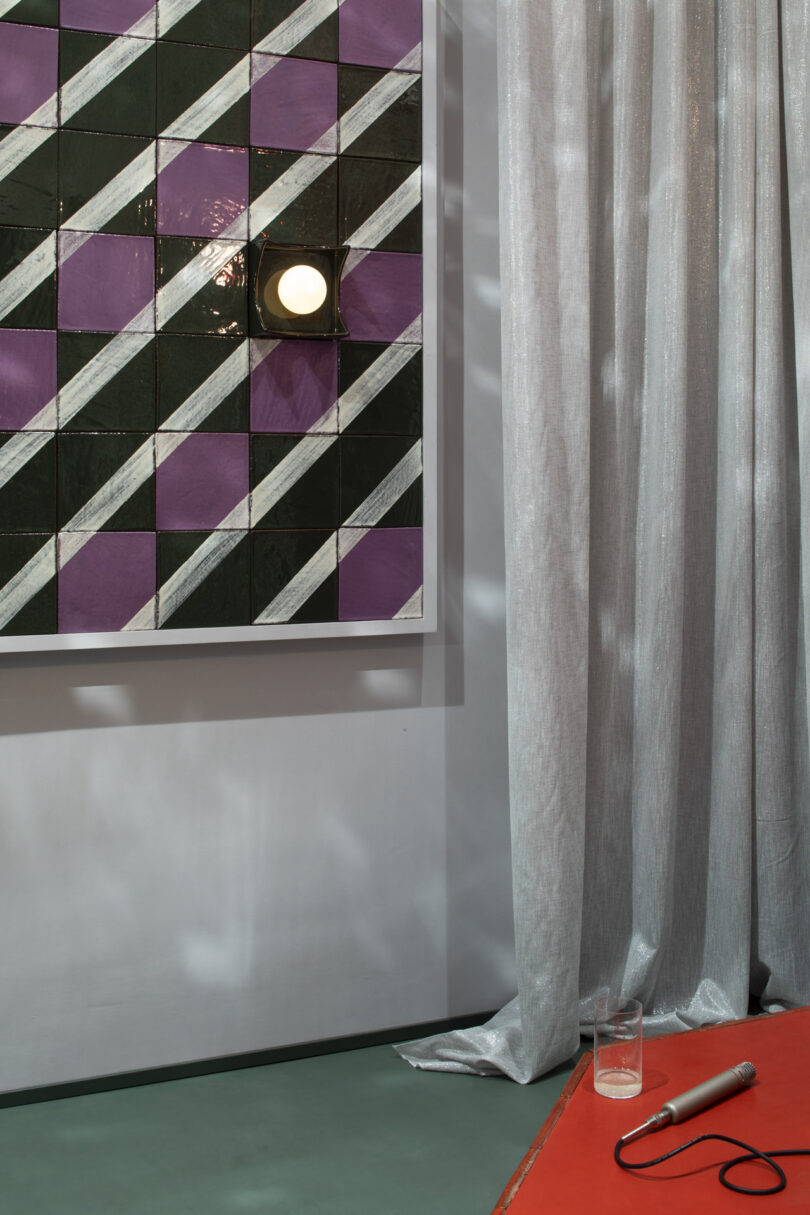
Whether it's a monochromatic, minimalist arrangement or a bold, geometric explosion of color, the Balera collection empowers the user to be the curator of their own environment.
FAQ
Q: Can Balera lighting be installed on existing walls? A: Yes, though it is best suited for new builds or significant renovations. Because the system is integrated, it requires a recessed space for the 20x20 cm tiles and the underlying electrical wiring. However, once the grid is established, the light modules themselves are easily manageable.
Q: Are the tiles suitable for wet areas like bathrooms? A: Since the tiles are hand-glazed by Ninefifty, they are highly durable and moisture-resistant. However, because they house electrical components, you should consult with your contractor regarding specific IP (Ingress Protection) ratings for installation near direct water sources like showers.
Q: Can I customize the colors of the tiles? A: One of the collection's strengths is its collaborative nature. Through Ninefifty’s extensive glaze library and Arianna De Luca’s artistic direction, there are numerous chromatic options available to suit specific interior palettes.
Transform Your Space with Balera
If you are ready to move "beyond the bulb" and embrace a more integrated, artisanal approach to your home or project, the Balera collection is the gold standard for 2026. It is a rare marriage of Sicilian soul and Roman architectural precision.