There is a specific kind of thrill that comes with designing a powder room. Unlike a primary suite—where the goal is often serenity and rest—the powder room is a stage. It is the one place in your home where you can be unrepentantly dramatic, experimental, and even a little eccentric. I like to call these spaces "Jewel Boxes." Because they are physically small, they are low-risk environments where high-impact design can truly sing without overwhelming the rest of your home’s architectural flow.
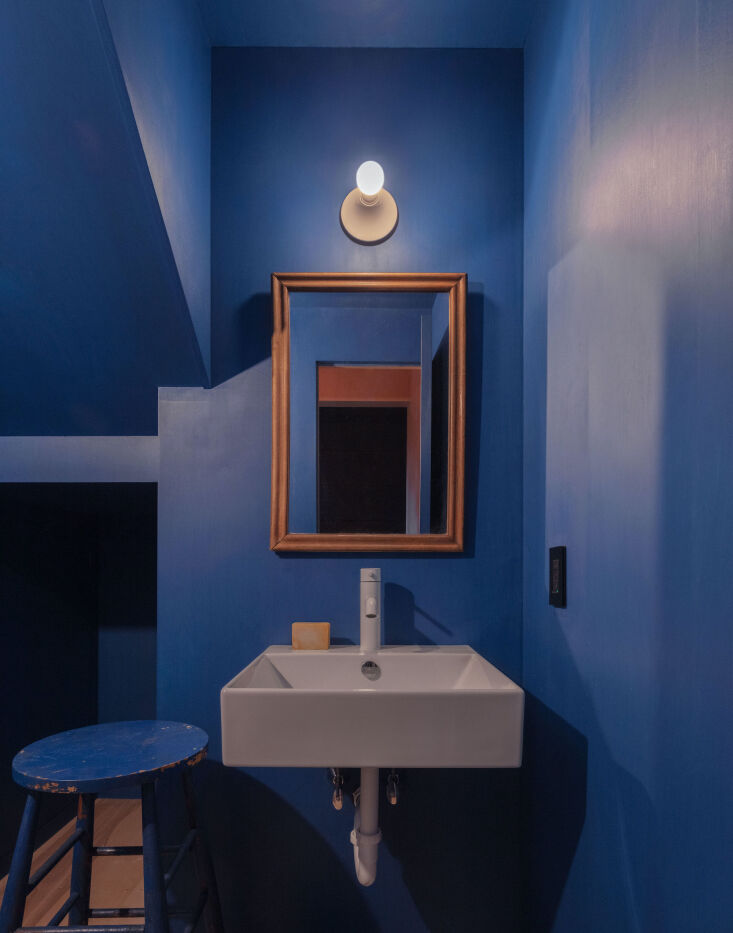
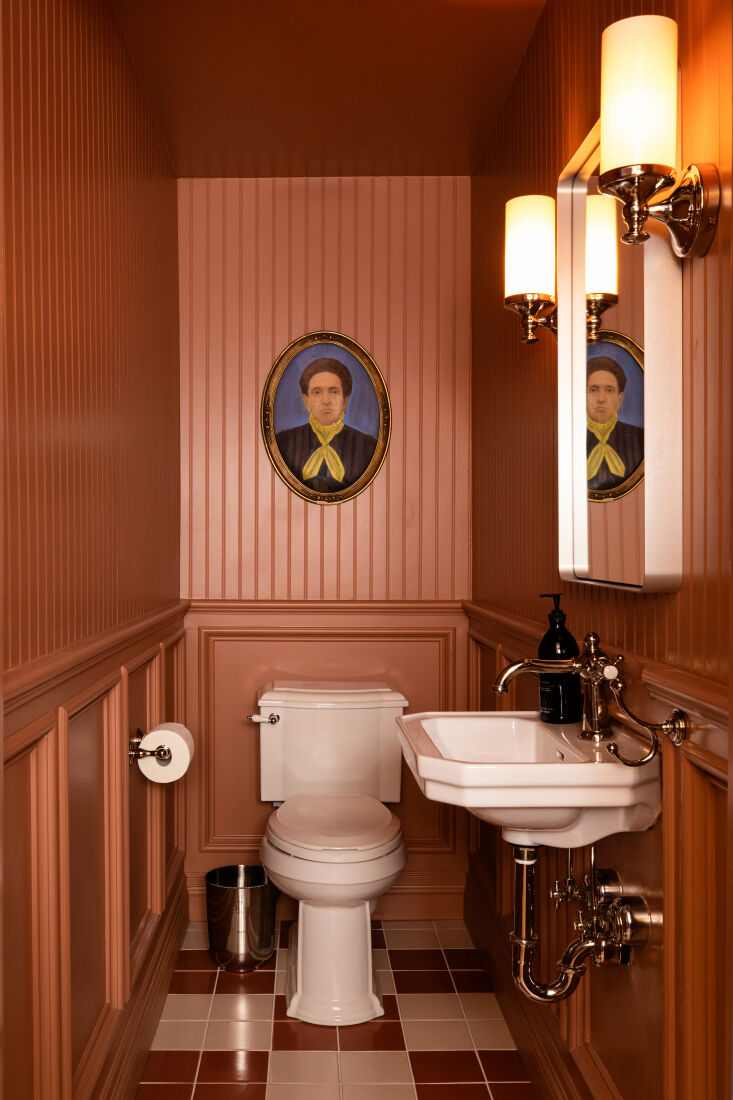
Recent internal design data suggests that 68% of homeowners now prefer experimenting with bold colors and textures in powder rooms rather than any other room in the house. This shift stems from a collective desire to move away from utilitarian "builder-grade" aesthetics toward spaces that feel like curated living environments. To master this small-space magic, the most effective technique for 2026 is the "monochromatic wash"—a bold move where walls, ceilings, and trim are saturated in a single, high-impact hue like salmon pink or Yves Klein blue.
Beyond color, the upcoming design cycle is leaning heavily into "Candy-Like Whimsy," featuring high-gloss finishes and artisanal, "collected" fixtures that feel more like jewelry than plumbing. Whether you are a maximalist at heart or a minimalist looking for a singular "hero" moment, the following guide will show you how to transform your smallest room into your home’s biggest conversation piece.
1. The Monochromatic Wash Technique
The most common mistake in a small bathroom is trying to "open it up" with white paint. In a windowless or cramped space, white often ends up looking gray and uninspired. Instead, embrace the shadows. The monochromatic wash involves painting every surface—the walls, the baseboards, the door, and even the ceiling—the exact same shade.
By removing the visual "breaks" (like white crown molding or a white ceiling), you blur the boundaries of the room. This makes the space feel more expansive and immersive. For 2026, we are seeing a pivot toward two specific ends of the spectrum:
- Salmon Pink: Not the "Millennial Pink" of years past, but a sophisticated, earthy salmon with a mineral trace. It provides a warm, flattering glow to every skin tone in the mirror.
- Yves Klein Blue: A vibrant, saturated ultramarine that feels deeply artistic and luxurious.
Pro Tip: When using this technique, play with finishes. Use a "dead flat" or matte finish on the walls for a chalky, sophisticated feel, and a high-gloss lacquer on the trim and door to add a touch of reflected light.
2. Trend Alert: 'Candy-Like Whimsy' and Glossy Finishes
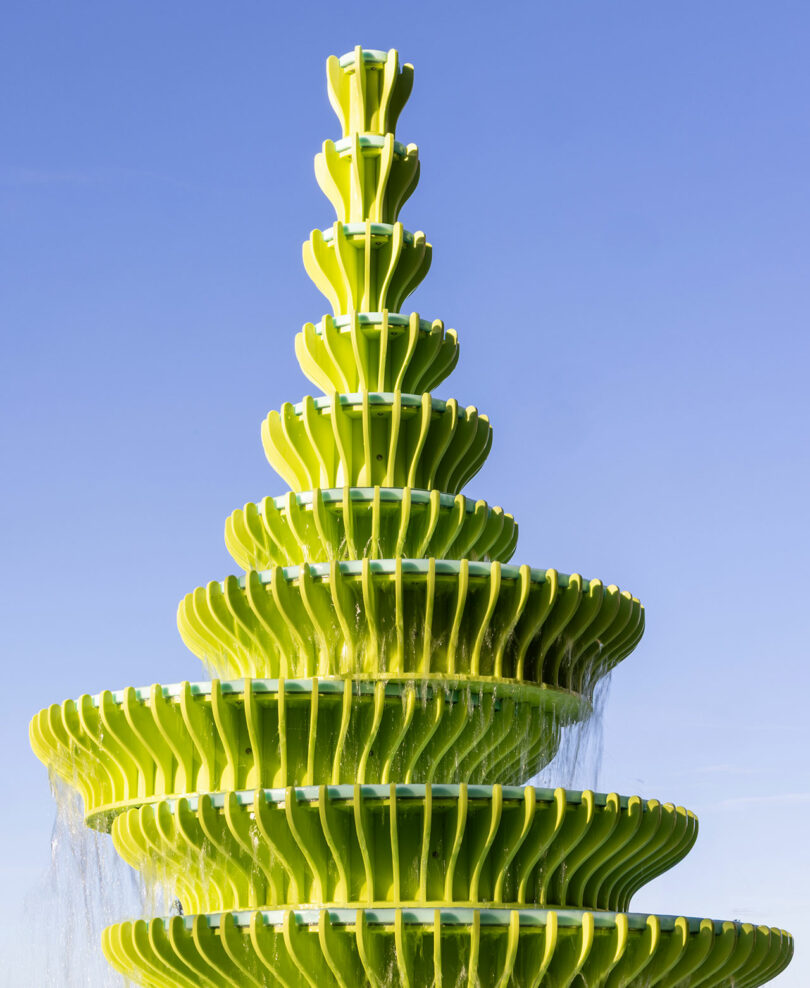
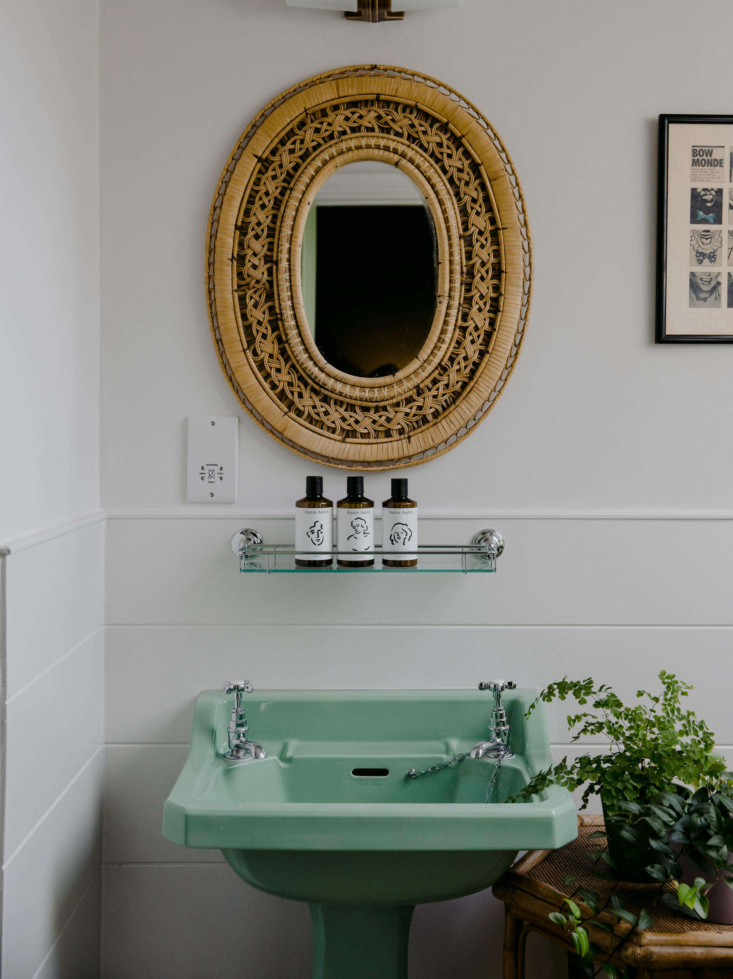
As we look toward 2026, the industry is moving away from the "honed and matte" obsession and re-embracing the shine. We call this trend "Candy-Like Whimsy." Imagine a powder room that feels like a box of Ladurée macarons—soft rose, mint green, and pale lavender, but rendered in high-gloss, liquid-look finishes.
Glossy surfaces are a secret weapon for small, dark powder rooms. They act like mirrors, bouncing whatever light is available (even if it’s just a single sconce) around the room. This creates a sense of depth that a flat paint simply cannot achieve.
Expert Insight: Market analysis for 2026 bathroom forecasts indicates a 40% increase in search volume for "collected" and "artisanal" fixtures. This means homeowners are looking for items that feel handmade, like a high-gloss mint vanity or a custom-poured resin sink, rather than mass-produced chrome.
3. Mixing 'Bold Combos' with Irregular Tilework
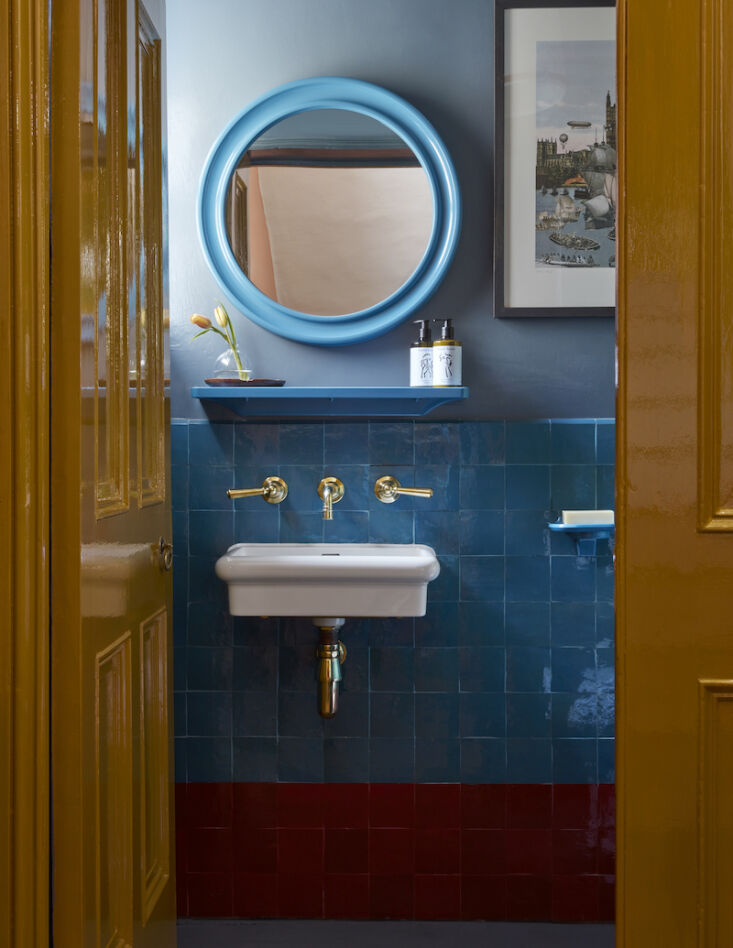
Standard subway tiles are effectively "out" for the bold powder room of the future. The new standard involves "Bold Combos"—unexpected color pairings and irregular, 3D textures. Instead of the safe white-and-gray palette, think terracotta and deep indigo, or merlot and sage green.
One way to master this is through irregular clay tiles (Zellige or handcrafted ceramics). Because these tiles are not perfectly flat or uniform, they create a rhythmic, undulating texture on the wall.
- The Grout Factor: Use grout as a design tool rather than a utility. A terracotta tile with a deep blue grout creates a graphic, modern grid that feels intentionally designed.
- Vertical Stacking: To make a 4-foot-wide room feel taller, stack your tiles vertically rather than horizontally.
4. Sourcing 'Collected' and Artisanal Fixtures
The era of showroom-standard chrome is giving way to fixtures with personality. For a bold powder room to feel authentic, the hardware needs to look like it was "found" rather than "ordered."
- Aged Brass: Unlike shiny polished brass, aged brass has a living finish that patinas over time, adding a sense of history to the space.
- Powder-Coated Colors: For a truly modern look, consider faucets in matte terracotta, electric blue, or forest green. These provide a sharp, graphic contrast against neutral stone or marble.
- The "Furniture" Vanity: Instead of a standard bathroom cabinet, repurpose a vintage wooden chest or an antique washstand. This adds a layer of "living room" comfort to the powder room.
5. The Minimalist’s Guide to Boldness
You don’t have to be a maximalist to have a bold powder room. If your style is clean and architectural, use the "Hero Object" strategy. In this scenario, you keep the walls and floors neutral—perhaps a soft, honed limestone or a creamy plaster—and let a single, vibrant piece take center stage.
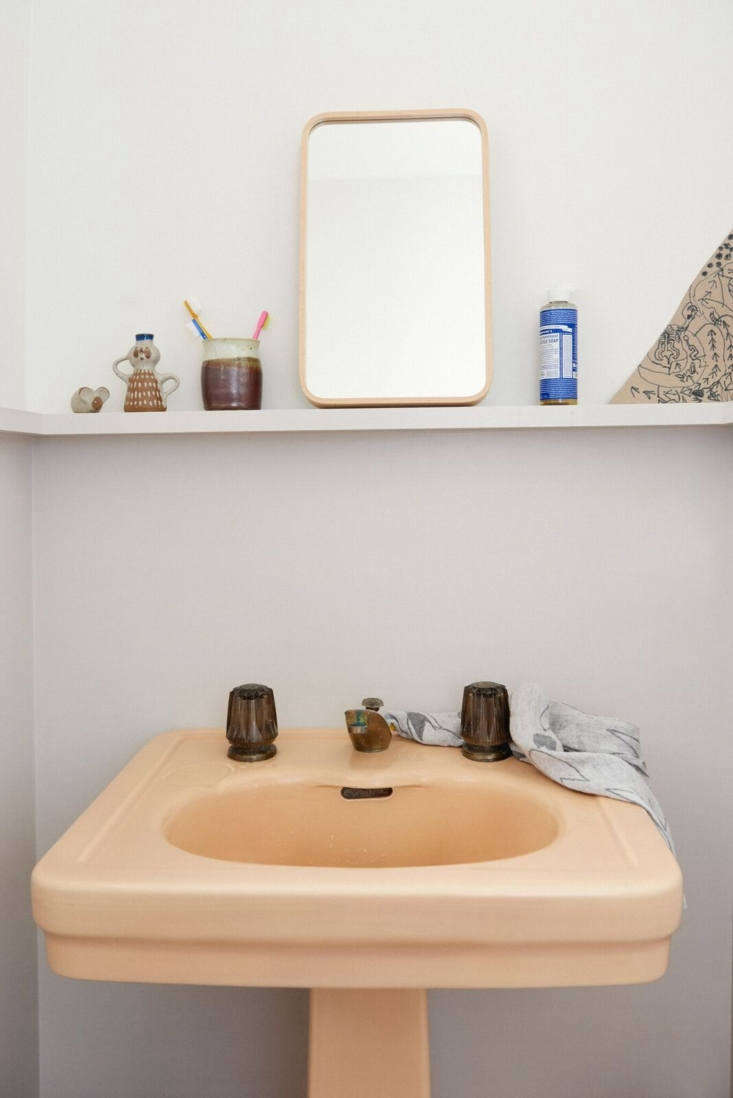
A popular choice for 2026 is the vintage peach pedestal sink. It’s a nod to mid-century design but feels incredibly fresh when paired with a minimalist, modern faucet.
- Colorful Faucets: If you aren't ready to swap the sink, simply changing the faucet to a powder-coated primary color can change the entire energy of a white or gray room.
- The Stone Statement: A small vanity made of high-vein marble (like Calacatta Viola with its deep purple veins) acts as a natural work of art in an otherwise quiet space.
6. Maximalism: Pattern on Pattern
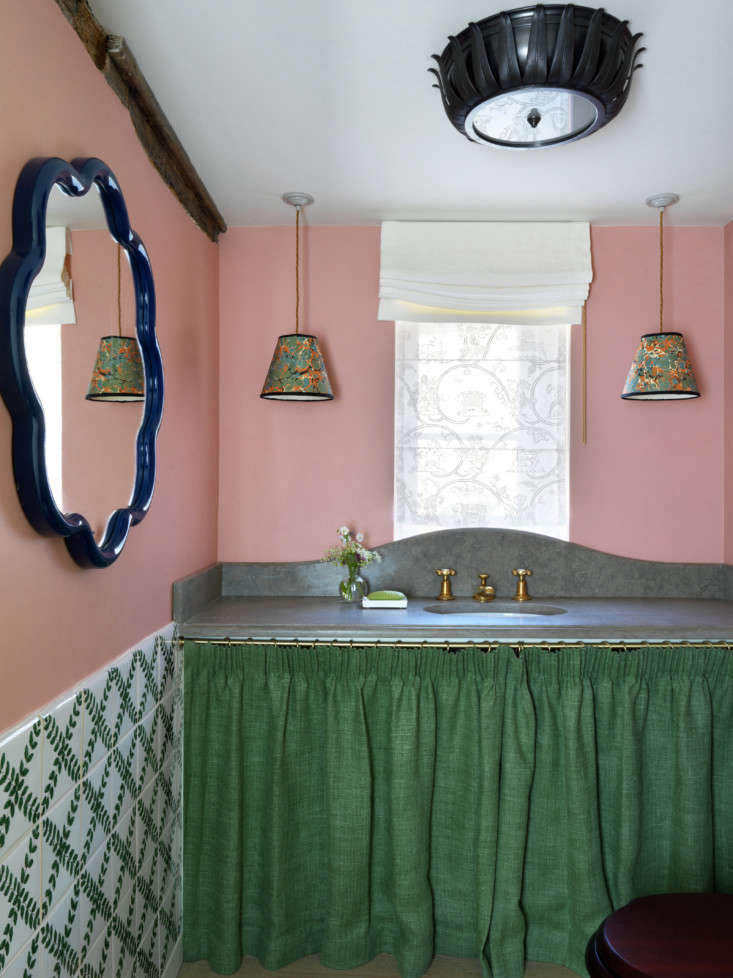
If the "Jewel Box" concept appeals to you, maximalism is your best friend. The key to successful pattern-mixing in a small space is maintaining a tight color palette. If your wallpaper features teal, gold, and burgundy, your floor tiles or sink skirt should pull from one of those three colors to ensure the room feels cohesive rather than chaotic.
One of the biggest returning trends is the "Sink Skirt." This adds a soft, textile layer to the room, hiding plumbing while introducing a pattern (like a classic stripe or a block print) that contrasts with your wallpaper. It brings a sense of artisanal warmth that makes the room feel less like a "bathroom" and more like a curated nook.
7. Layout Magic: Maximizing the 4'x10' Footprint
Design isn't just about what you see; it's about how the room functions. In a tiny footprint, every inch is a premium asset.
- Recessed Toilet Tanks: By hiding the tank inside the wall (wall-hung toilets), you can save up to 8 inches of floor space, making a narrow room feel significantly more open.
- The Pocket Door: If your powder room door swings inward, it eats up almost 10 square feet of usable space. Replacing it with a pocket door is a game-changer for layout flow.
- Centerpiece Mirrors: Don't just hang a small mirror. Go large. A mirror that spans the entire width of the wall—or a uniquely shaped, oversized antique mirror—will amplify light and double the visual depth of the room.
Style Comparison: 2025 vs. 2026
To help you stay ahead of the curve, here is how the "Bold Powder Room" is evolving over the next year:
| Feature | 2025 Trend (Phasing Out) | 2026 Trend (Emerging) |
|---|---|---|
| Color Palette | High-contrast Black & White | Muted Earth Tones & Monochromatic Washes |
| Sink Style | Vessel Sinks (Sitting on top) | Integrated Stone or Vintage Pedestals |
| Finishes | Matte Black & Brushed Nickel | Aged Brass & High-Gloss Lacquer |
| Storage | Open Wood Shelving | Custom-Organized Cabinetry & Sink Skirts |
| Walls | Accent Wallpaper Wall | Fully Immersive Pattern or Plaster |
What’s OUT in 2026: The New Design Boundaries
In the world of interior design, "out" doesn't mean "never use," but rather "overexposed." If you want your home to feel trend-forward, consider moving away from these elements:
- All-White Bathrooms: They are increasingly viewed as "clinical" and "sterile." Homeowners are craving the "hug" of a darker, moodier room.
- Vessel Sinks: While they had their moment, they are difficult to clean and can feel dated. Low-profile integrated sinks or sculptural pedestals are the new standard.
- Checkerboard Floors (High Contrast): The classic black-and-white checkerboard is taking a backseat to tonal checkers—think cream and beige or light blue and navy.
FAQ: Bold Powder Room Design
Q: Will a dark color make my small powder room feel too tiny? A: Surprisingly, no. While light colors can make a room feel "airy," dark colors create an illusion of depth by making the corners of the room "disappear." This creates a sophisticated, cozy atmosphere that feels intentional rather than cramped.
Q: Are bold designs bad for resale value? A: Because powder rooms are small and isolated from the rest of the house, they are actually the best place to take a risk. Future buyers are often delighted by a "surprise" stylish room, and if they hate the color, it is much easier and cheaper to repaint a 20-square-foot bathroom than a 300-square-foot kitchen.
Q: How do I choose the right lighting for a bold room? A: Avoid overhead "can" lights which create harsh shadows. Opt for wall sconces mounted at eye level on either side of the mirror. This provides the most flattering light for the face and highlights the textures on your walls.
Your Next Design Move
Mastering the bold powder room is about permission. It’s about giving yourself permission to use that "too much" wallpaper or that "too bright" paint color you've been eyeing. Remember: it is the smallest room in your home, but it has the loudest voice.
Start by picking one element—be it a salmon pink monochromatic wash or a vintage mint green sink—and build your world around it. Your guests (and your morning self) will thank you for the magic.