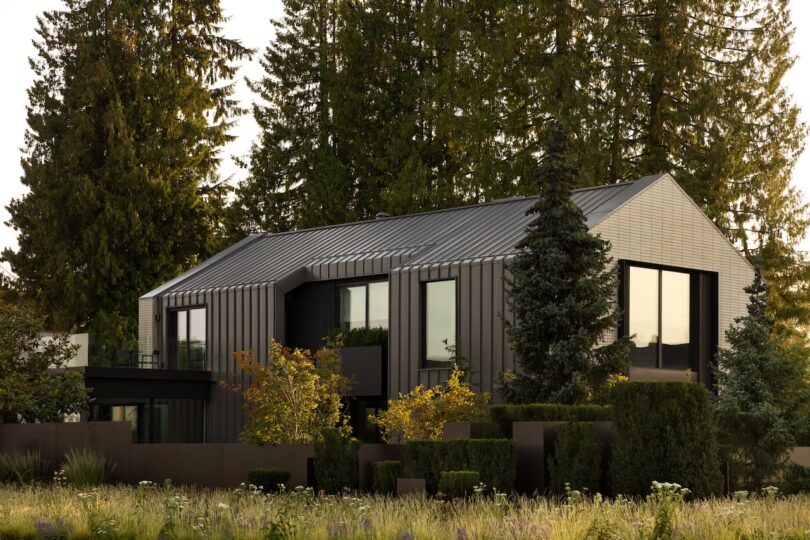
We’ve all been there—cramming a laptop onto the kitchen island between snack times or trying to find a moment of peace in a house that feels like it’s shrinking by the day. In 2026, the humble backyard shed has officially evolved. It’s no longer just a graveyard for rusted lawnmowers and spiderweb-covered holiday decor; it has become the "lifestyle extension." Whether you’re dreaming of a sun-drenched potting studio or a professional-grade home office, creating a private garden retreat is about reclaiming your space and your sanity.
According to market analysis for 2026, 72% of homeowners now prioritize fully insulated garden rooms over traditional metal or thin-timber sheds. This shift reflects our need for year-round usability. To build a retreat that truly works, you need to focus on three pillars: maximizing natural light via skylights, implementing smart vertical storage like floor-to-ceiling pegboards, and creating multi-functional zones that allow the space to pivot from a morning yoga studio to an afternoon workspace.
Defining Your Vision: Potting Studio, Office, or She-Shed?
Before you pick up a hammer or browse a catalog, you must define the "soul" of your structure. In my years as a DIY editor, I’ve seen many homeowners make the mistake of building a generic box, only to realize later that it doesn't serve their specific needs. In 2026, we’re seeing a surge in specialized "niche" retreats. Some are building "gin palaces" for evening entertaining, others are soundproofing rooms for music dens, and many are installing high-tech golf simulators.
If your goal is a potting studio, focus on moisture-resistant surfaces and drainage. If it’s a garden office, your priority is data connectivity and ergonomic lighting. For a general private retreat, think about "soft" transitions—a porch area where you can remove muddy boots before stepping onto a rug.
Budgeting and ROI: What Does a Private Retreat Really Cost?
Let’s talk numbers, because a "dream" project shouldn't turn into a financial nightmare. The cost of a bespoke garden room in 2026 varies wildly based on materials and utility. A basic, high-quality timber storage shed might start around £4,794. However, if you are looking for a professional-grade garden annex with full insulation, heating, and premium glazing, costs can exceed £77,000.
While that price tag might seem steep, consider the "win" for your property’s value. Professional-grade garden retreats with permanent electrical installations and high-spec glazing can increase a home’s market value by up to 15%. It’s often a more cost-effective way to add "square footage" than a traditional brick-and-mortar home extension.
2026 Cost Comparison: Bespoke vs. Modular
| Retreat Type | Estimated Cost | Best For | Main Advantage |
|---|---|---|---|
| DIY Modular Kit | £5,000 – £12,000 | Budget-conscious DIYers | Quick assembly; customizable paint. |
| Mid-Range Garden Office | £15,000 – £30,000 | Remote professionals | Double glazing; basic insulation included. |
| Bespoke Luxury Annex | £35,000 – £77,000+ | Full-time living/Guest suite | SIPs construction; plumbed; high-end finishes. |
Choosing the Structure: Material and Construction Options
When selecting your shed's skeleton, you have three main paths: traditional timber, composite, or SIPs (Structural Insulated Panels).
- Timber: The classic choice. It’s breathable and aesthetically pleasing, but it requires annual maintenance (staining or painting) to prevent rot.
- Composite: Made from recycled wood and plastic, this is the "low-maintenance" king. It won’t rot or fade, making it perfect for those who want a "set it and forget it" retreat.
- SIPs: This is the 2026 standard for high-end garden offices. These panels provide incredible thermal efficiency, keeping you warm in winter and cool in summer with minimal energy costs.
Clara’s Safety Tip: Regardless of the material, never skimp on the foundation. A "floating" shed on uneven ground will lead to warped doors and cracked windows within two seasons. I always recommend a concrete slab or a professional heavy-duty plastic grid system filled with pea shingle.
Interior Design: Creating the 'Retreat' Atmosphere
The magic happens once the shell is up. To move away from the "shed" feeling, you need to treat the interior like a room in your main house. Start with the floors. I recommend a high-durability floor paint—something like Farrow & Ball’s Modern Eggshell—which can handle the occasional muddy footprint but looks sophisticated.
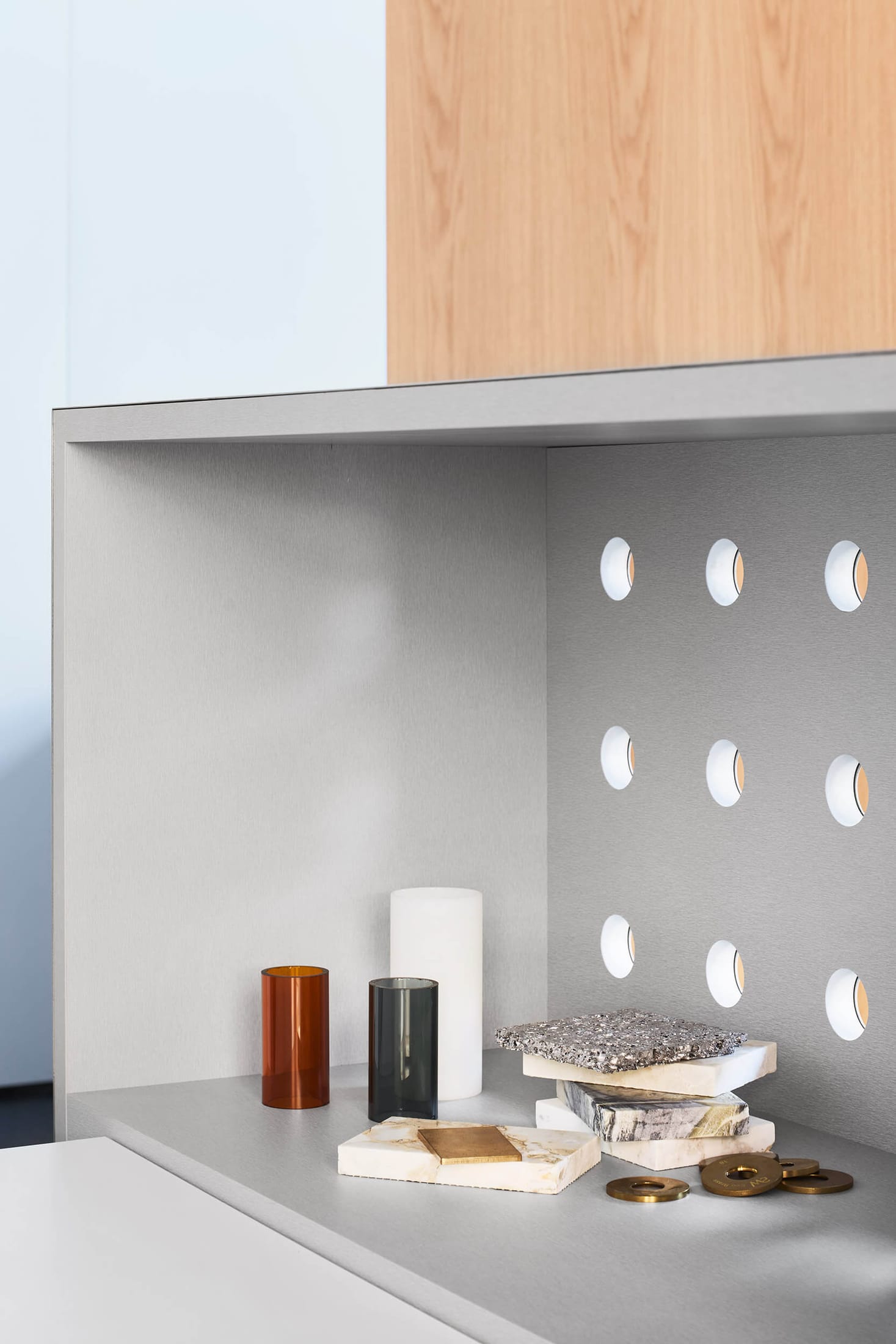
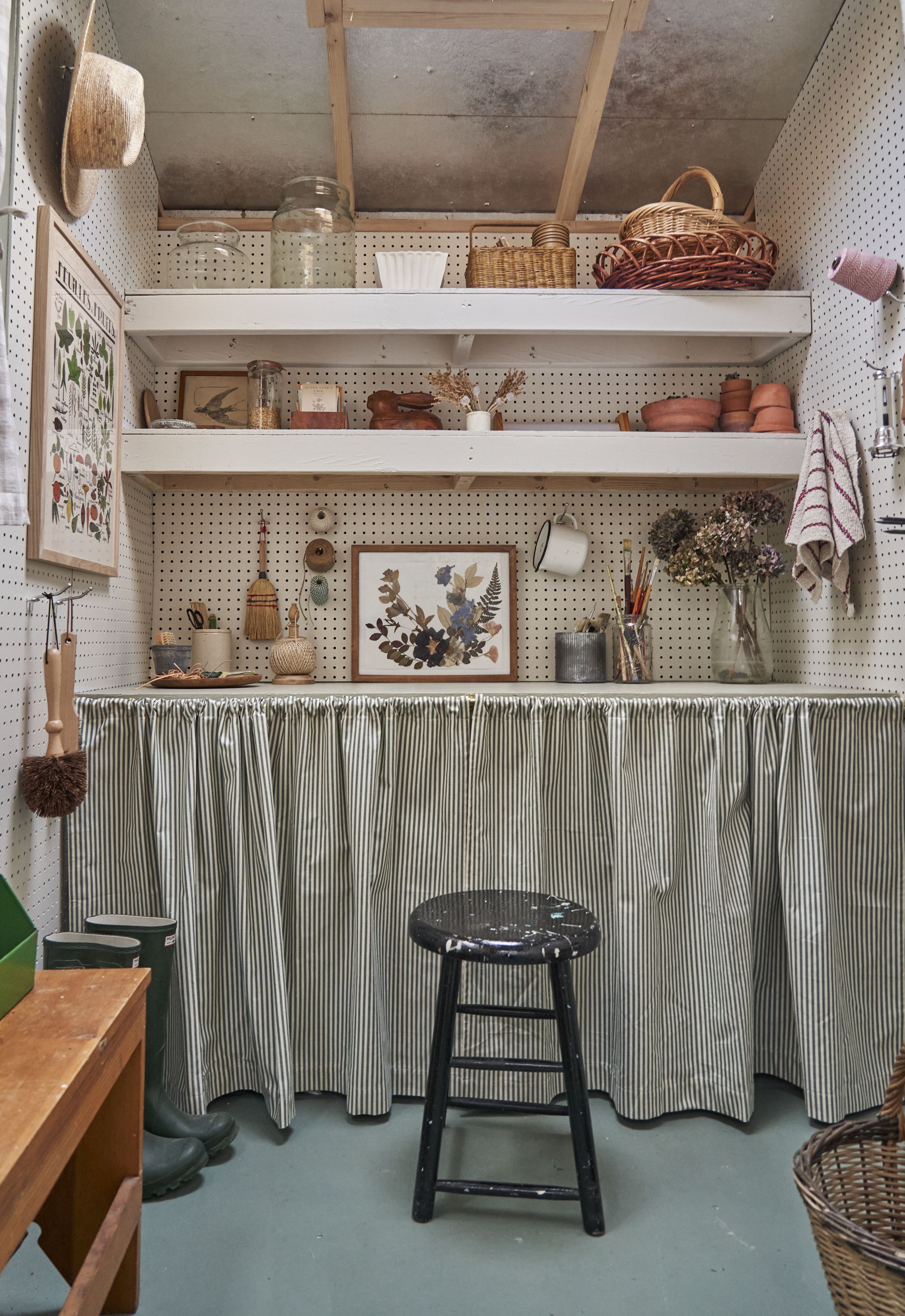
For organization, think vertically. Floor-to-ceiling pegboards allow you to change your layout as your hobbies evolve. One month it’s a craft station; the next, it’s a tool wall. Pair this with weather-resistant storage containers to keep dust and humidity away from your supplies.
Design Styles to Consider:
- Cottagecore: Think reclaimed wood workbenches, linen curtains, and plenty of dried herbs hanging from the rafters.
- Modern Scandi: Minimalist white walls, light oak flooring, and sleek black hardware for a focused, "zen" environment.
Technical Essentials: Power, Light, and Year-Round Comfort
If you want to spend more than an hour at a time in your shed, you need to prioritize the "invisible" elements.
- Lighting Strategy: In 2026, we are moving away from simple overhead LEDs. Instead, maximize natural light with roof lanterns or skylights. This is essential for seed starting in a potting studio or reducing eye strain in an office.
- Insulation: If you are part of the 72% who want a year-round space, ensure you use high-quality mineral wool or PIR foam boards in the walls, floor, and ceiling.
- Smart Integration: Don't forget a Wi-Fi extender! Most modern garden retreats act as Faraday cages for signals. A hardwired ethernet cable or a powerful mesh Wi-Fi system is a non-negotiable for the 2026 garden office.
Maximizing Small Spaces: The Garden Pod Trend
Not everyone has an acre of land. The "Garden Pod" trend focuses on 6x10 foot footprints that pack a punch. To make a small space feel expansive, use multi-functional furniture like fold-down desks or Murphy-style workbenches. Incorporate vertical gardening on the exterior walls to help the structure blend into the landscape, making it feel like a natural part of the garden rather than an intrusion.
Maintenance for Longevity
To protect your investment, I recommend a simple "seasonal check-up" routine:
- Spring: Check the roof felt or EPDM membrane for any winter damage or debris buildup.
- Summer: Inspect the exterior paint or stain. Touch up any chips to prevent moisture from entering the timber.
- Autumn: Clear gutters and ensure that surrounding foliage isn't resting against the walls, which can cause dampness.
- Winter: Monitor humidity levels inside. Using a small dehumidifier or ensuring trickle vents are open will prevent mold from ruining your interior finishes.
FAQ
Do I need planning permission for a garden shed retreat?
In most cases, garden buildings are considered "permitted development" as long as they are single-story, under 2.5 meters high (at the eaves), and don't take up more than 50% of your garden area. However, always check with your local authority, especially if you live in a conservation area.
How do I keep my garden retreat warm in the winter?
Insulation is step one. Step two is a consistent heat source. Slimline electric convection heaters with timers or "smart" underfloor heating mats are the most popular choices for 2026 because they don't take up valuable wall space.
Can I run water to my garden shed?
Yes, but it significantly increases the cost and complexity. You will need a professional plumber to install insulated pipes below the frost line and a waste-water solution. This is usually only recommended for high-end annexes or professional hair salons/studios.
Conclusion
Building your dream garden shed is about more than just adding storage; it’s about creating a dedicated space for your passions and your peace of mind. By focusing on quality insulation, smart lighting, and a design that reflects your personal style, you can transform a corner of your yard into a sanctuary that adds value to both your home and your lifestyle.
Ready to start your project? Begin by sketching out your "must-have" zones and setting a realistic budget. Your private retreat is waiting just a few steps out your back door.