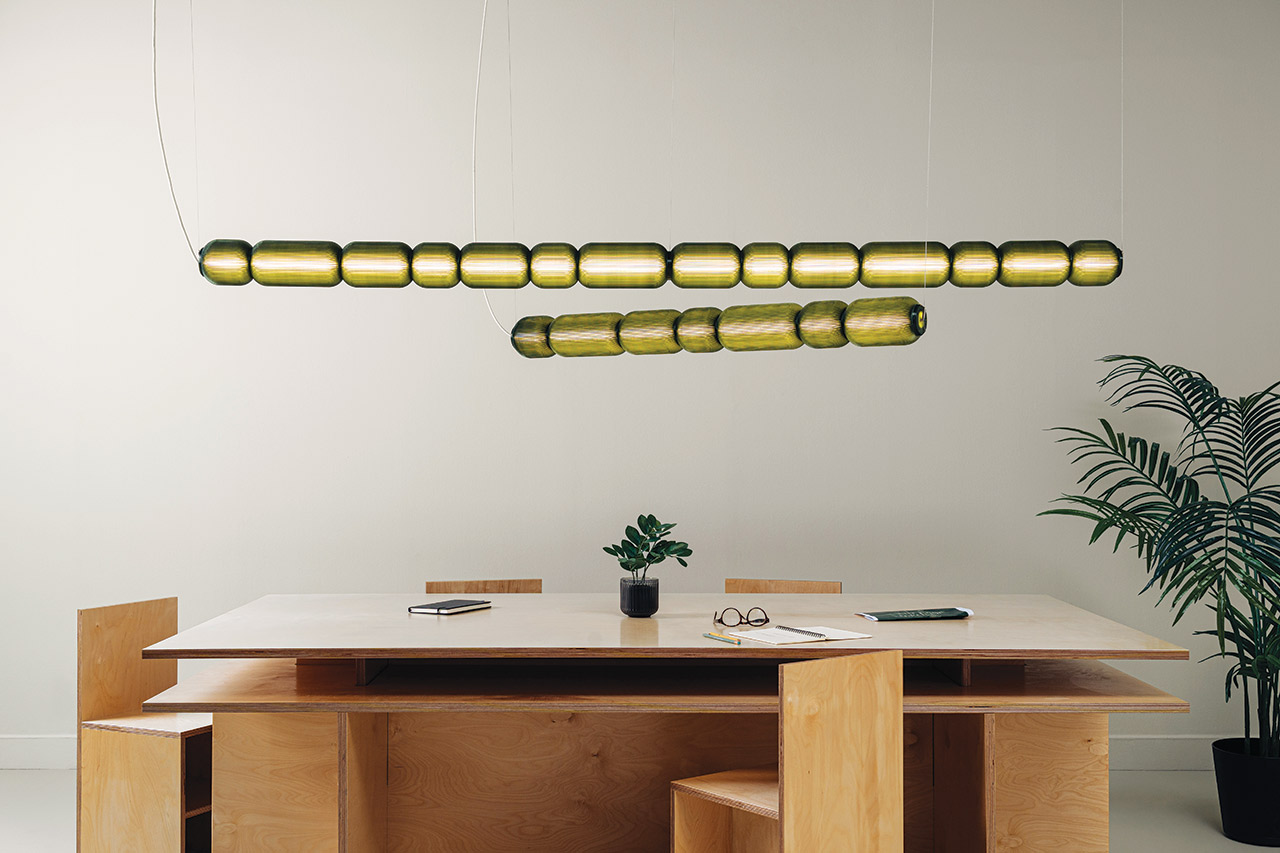
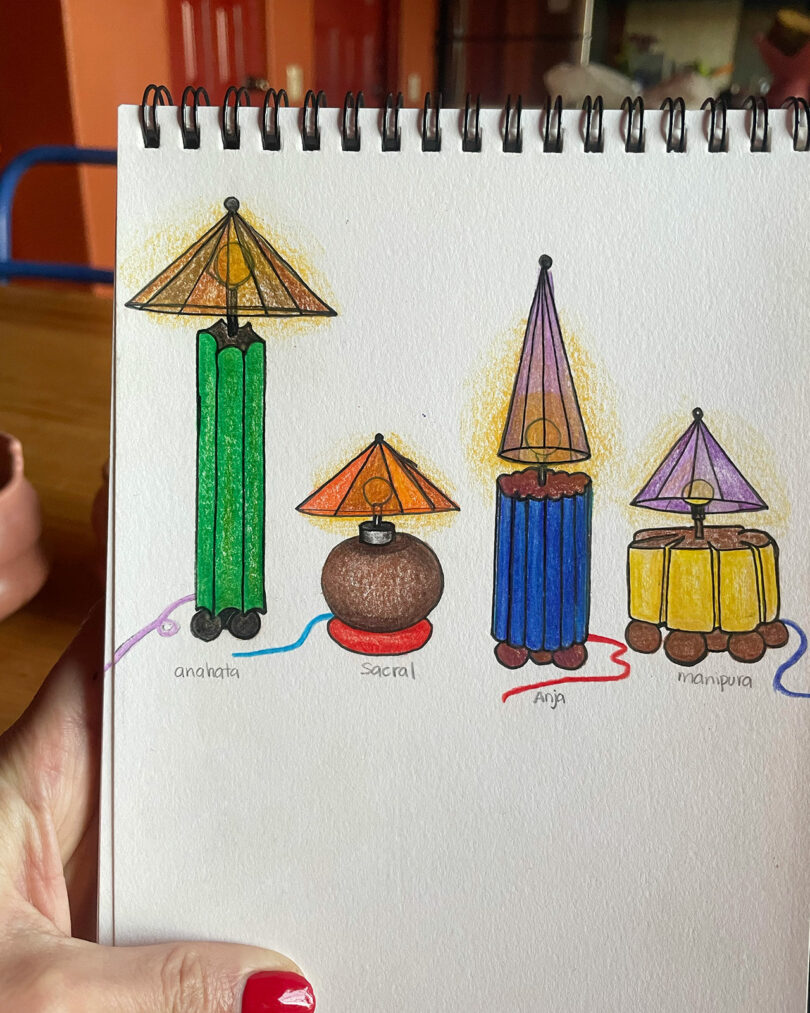
Imagine a young girl in the high desert of Mexico, not playing with dolls, but obsessively rearranging books on a shelf by height, spine color, and tactile texture. For Maye Ruiz, the founder of Maye Estudio in San Miguel de Allende, design was never a career choice; it was a fundamental way of processing the world. Today, her work—particularly her evocative lighting sketches—begs a question that challenges our purely functional view of home decor: Can a lamp tell a story?
In the landscape of 2026 interior design, the answer is a resounding yes. We are moving away from "light as a utility" and toward "light as a narrator." A lamp tells a story by weaving together personal histories, regional craftsmanship, and artistic details that evoke specific emotions or memories. Whether it’s the shadow cast by a hand-carved ceramic base or the warm glow of a 1970s-inspired silhouette, narrative lighting acts as the soul of a room.
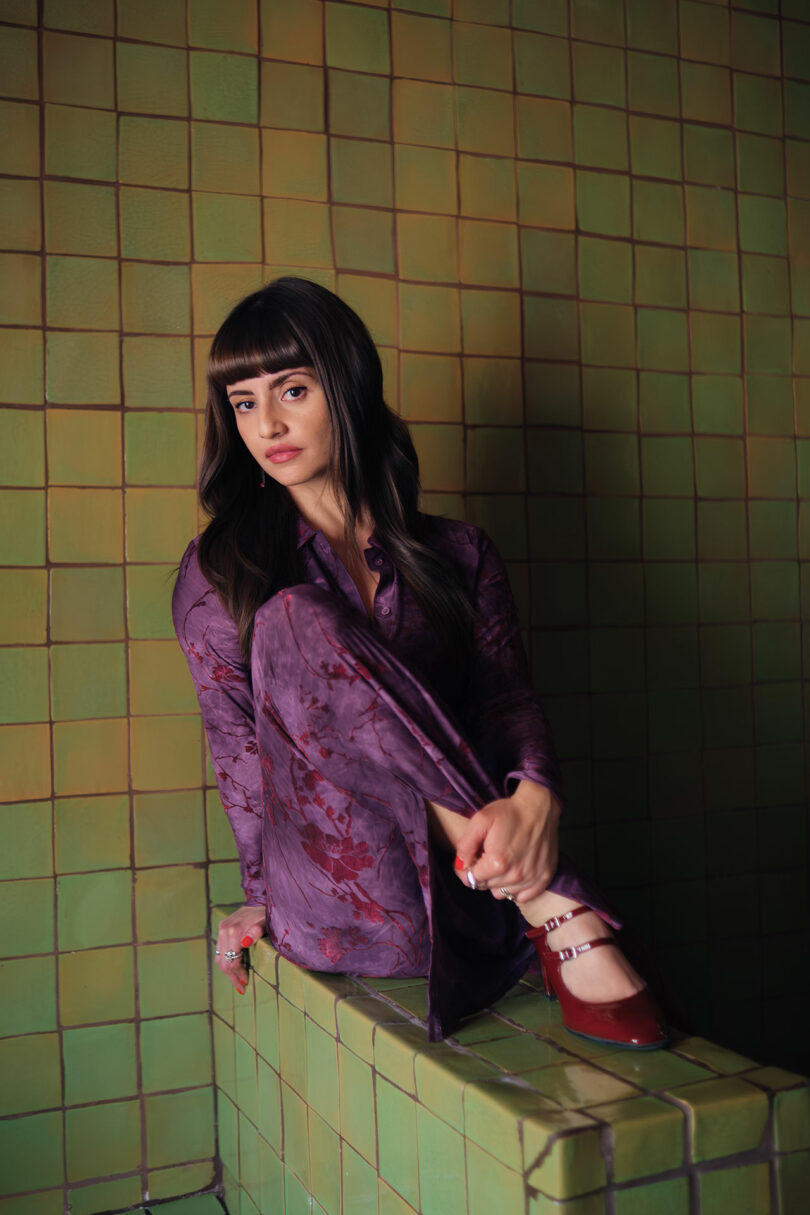
The Philosophy of 'Vaquero Barroco'
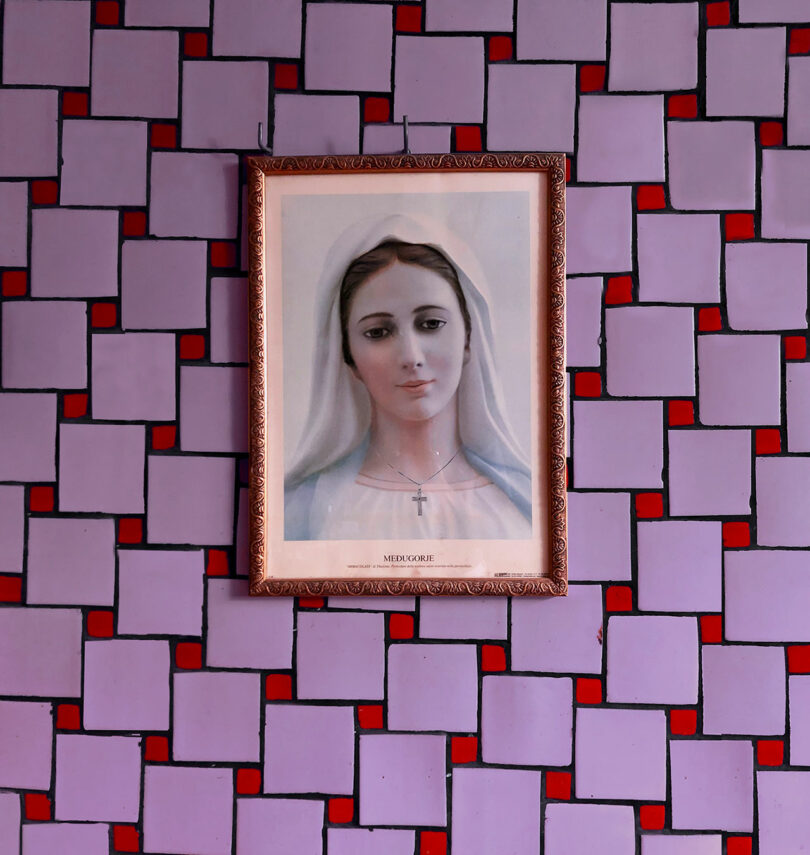
To understand Maye Ruiz’s narrative power, one must understand her self-defined aesthetic: Vaquero Barroco (Cowboy Baroque). It is a deliberate, high-tension blend of the rugged Mexican ranch culture she grew up in and the ornate, mystical architecture of Catholic temples.
Her designs often reflect what she describes as a "messy inner world balanced by geometry." In her lighting sketches, you see the rigid symmetry of postmodernism clashing with the organic, sometimes raw textures of San Miguel de Allende. This isn't just a design choice; it’s a biography in physical form.
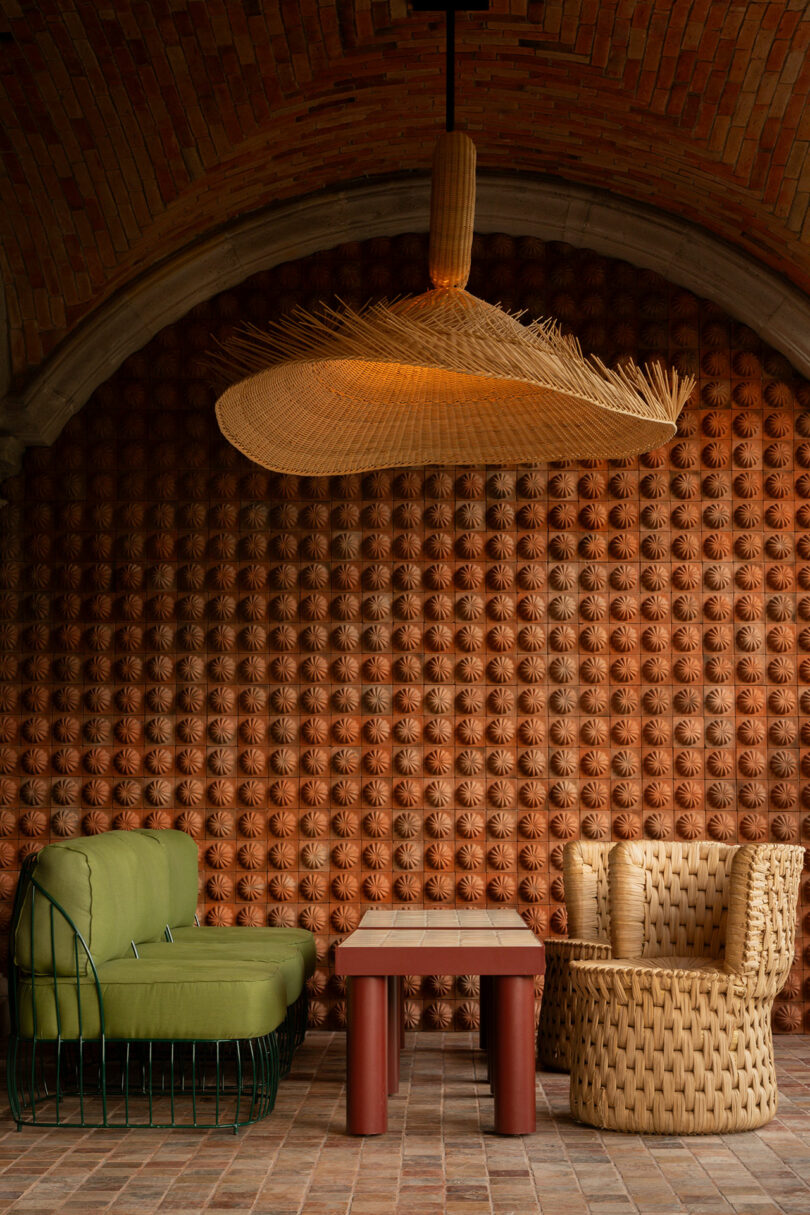
A prime example is her work for Bekeb, a celebrated mixology bar. Here, Ruiz drew from her father’s dairy ranch, incorporating elements that evoke the "vaquero" spirit while maintaining a sophisticated, modern edge. By using materials like clay and heavy stone, the lighting doesn't just illuminate the bar; it narrates the history of the land and the hands that worked it.
2026 Lighting Trends: The Return of the Handcrafted
As we look toward 2026, the trend cycle is pivoting sharply away from mass-produced industrial fixtures. Market analysis suggests a 45% increase in consumer preference for 'bespoke ceramic lighting' over factory-made options. There is a collective yearning for "artistic intimacy"—the sense that an object was touched, shaped, and dreamt of by a human being.
Here are the key lighting trends defining the next design era:
- Bespoke Ceramics: Hand-thrown bases with visible "natural drips" and slight asymmetries. These are no longer seen as flaws but as luxury markers of authenticity.
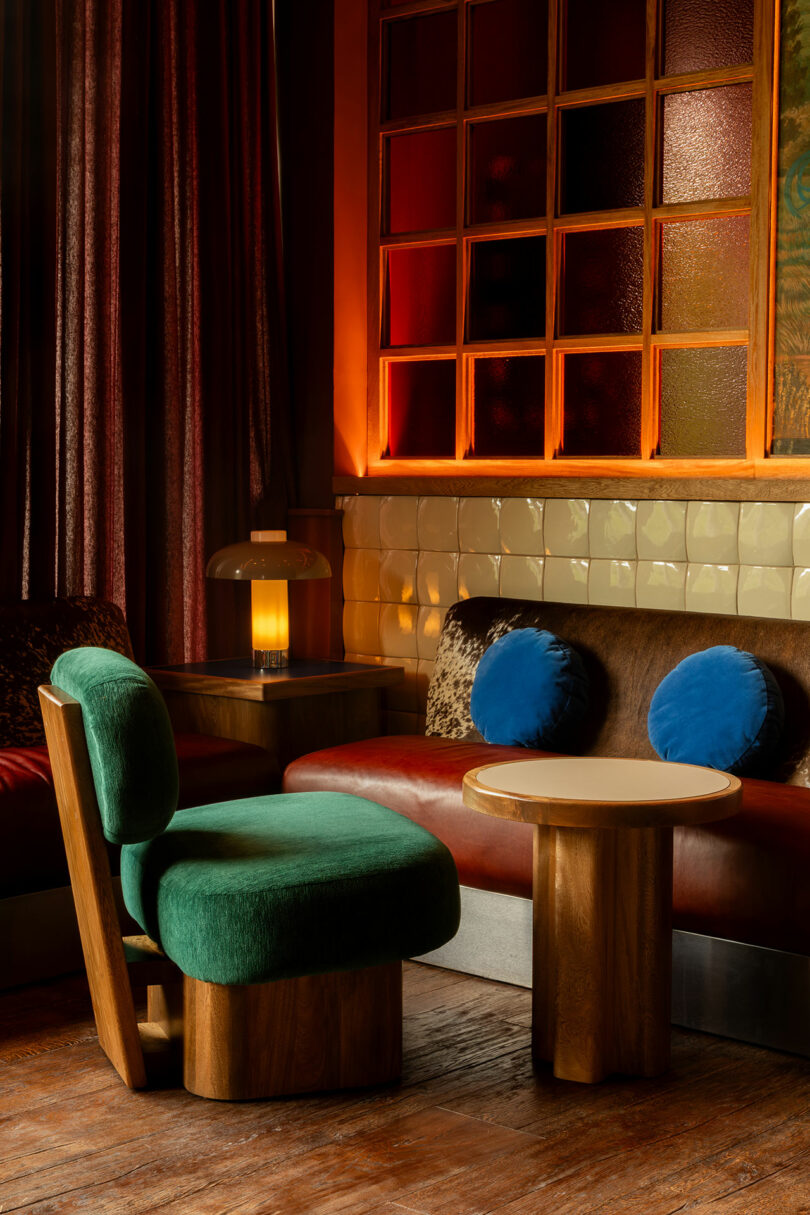
- The 1970s Mushroom Revival: The playful, organic curves of the 70s are returning, but with updated materials like frosted glass and alabaster to create a "cloud-like" glow.
- Daytime Sculptures: Fixtures designed to be visually arresting even when the power is off. These act as the primary art piece in a room, offering "visual tension" through scale and form.
- Organic Rattan and Woven Textures: A move toward biophilic design that softens the hard edges of modern architecture.
| Trend | Key Aesthetic | Why It Works in 2026 |
|---|---|---|
| Warm-Glow Tech | 1800K - 2200K LEDs | Replicates the nostalgic amber of incandescents. |
| Material Contrast | Cold Stone + Warm Fabric | Creates sensory depth and "emotional minimalism." |
| Kinetic Lighting | Mobile-style pendants | Adds movement and narrative flow to high ceilings. |
The Central Lighting Axis: Shaping Hospitality Narratives
In the world of high-end hospitality, lighting is the director of the guest experience. Statistics show that over 80% of Maye Ruiz’s hospitality projects, including the stunning Carmín and Bekeb, utilize a 'central lighting axis.'
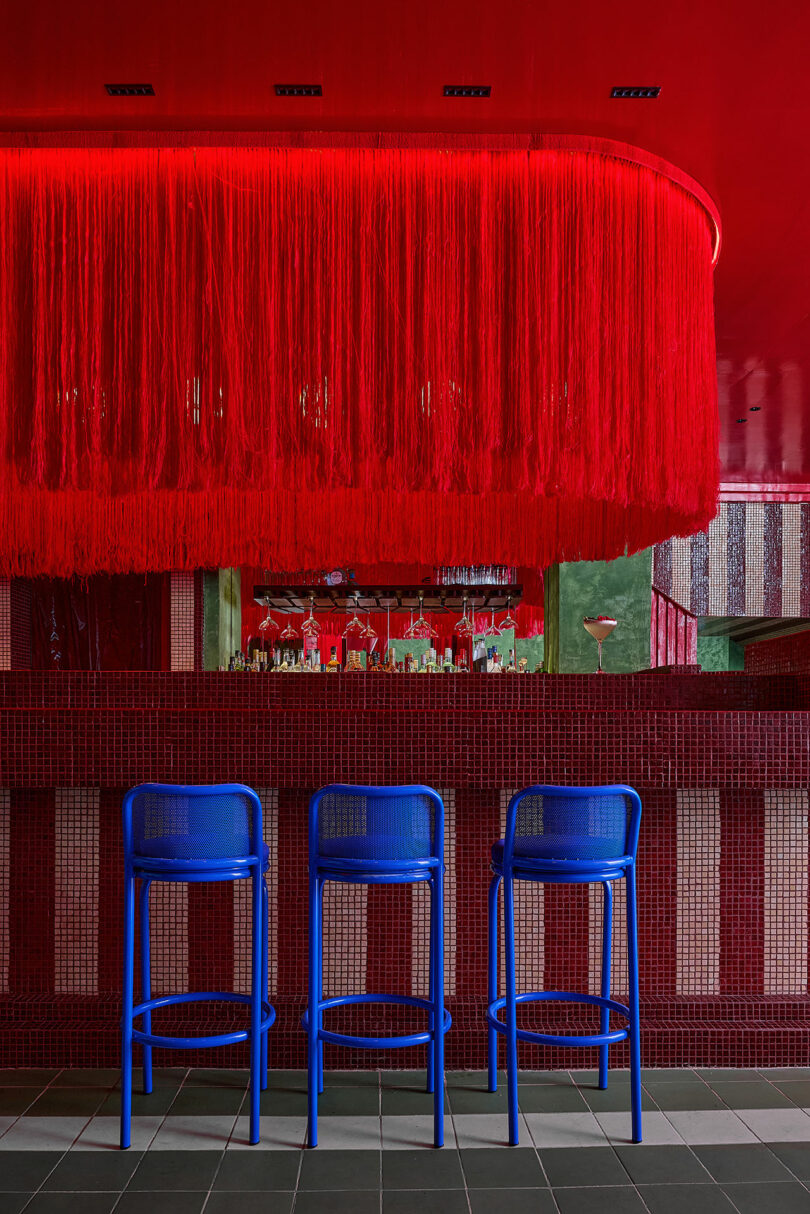
This design principle uses light to define the flow of a space rather than just filling it. In Carmín, Ruiz used a deep red textile canopy paired with mystical, low-level lighting inspired by 1970s Italian horror cinema. The result is an atmosphere that feels both seductive and cinematic. The light doesn't just help you see your menu; it places you inside a story.
When the lighting is centralized and intentional, it anchors the room. It tells the eye where to land and the body where to move. This "narrative flow" is what separates a world-class hotel or restaurant from a standard commercial space.
Practical Guide: Creating Your Own Lighting Story
You don't need a commercial budget to bring narrative lighting into your home. Here is how I recommend my readers apply these principles:
1. Layer for Emotional Comfort
Stop relying on the "big light" (the overhead fixture). To tell a story, you need layers. Combine ambient lighting (the overall glow), task lighting (for reading or cooking), and accent lighting (to highlight art or textures).
Ivy’s Tip: Use warm-glow LED technology, specifically bulbs rated at 1800K to 2400K. This mimics the cozy, sunset-hued light of traditional candles and early incandescent bulbs.
2. Embrace "Handcrafted Imperfection"
Look for pieces that show the maker's hand. A ceramic base with an uneven glaze or a hand-woven shade provides a tactile narrative. In 2026, the ultimate luxury is a piece that isn't perfectly symmetrical.
3. Use Light as a Daytime Sculpture
Choose a lamp that you love looking at when it's off. A large-scale stone or plaster floor lamp can serve as a sculptural element in a minimalist room, providing visual interest during the day and a moody atmosphere at night.
FAQ
Q: How do I choose the right "narrative" lamp for a small space? A: Focus on scale and material rather than quantity. One significant "Daytime Sculpture"—like a ceramic mushroom lamp on a side table—will tell a much stronger story than three small, generic fixtures.
Q: Is the 1970s style too dated for a modern home? A: Not at all. The 2026 revival focuses on the curves and warmth of the 70s but uses elevated materials like hand-blown glass and brushed brass to keep it feeling contemporary and high-end.
Q: Why is "Vaquero Barroco" becoming popular outside of Mexico? A: Because it represents a broader movement toward "Emotional Minimalism"—the idea that a space should be clean and curated but still full of soul, history, and cultural resonance.
Are you ready to let your lighting tell a story? Whether you’re drawing inspiration from the high deserts of San Miguel or the moody cinemas of the 70s, remember that the best light doesn't just illuminate—it evokes. Start by finding one piece that speaks to your history, and watch your space transform.