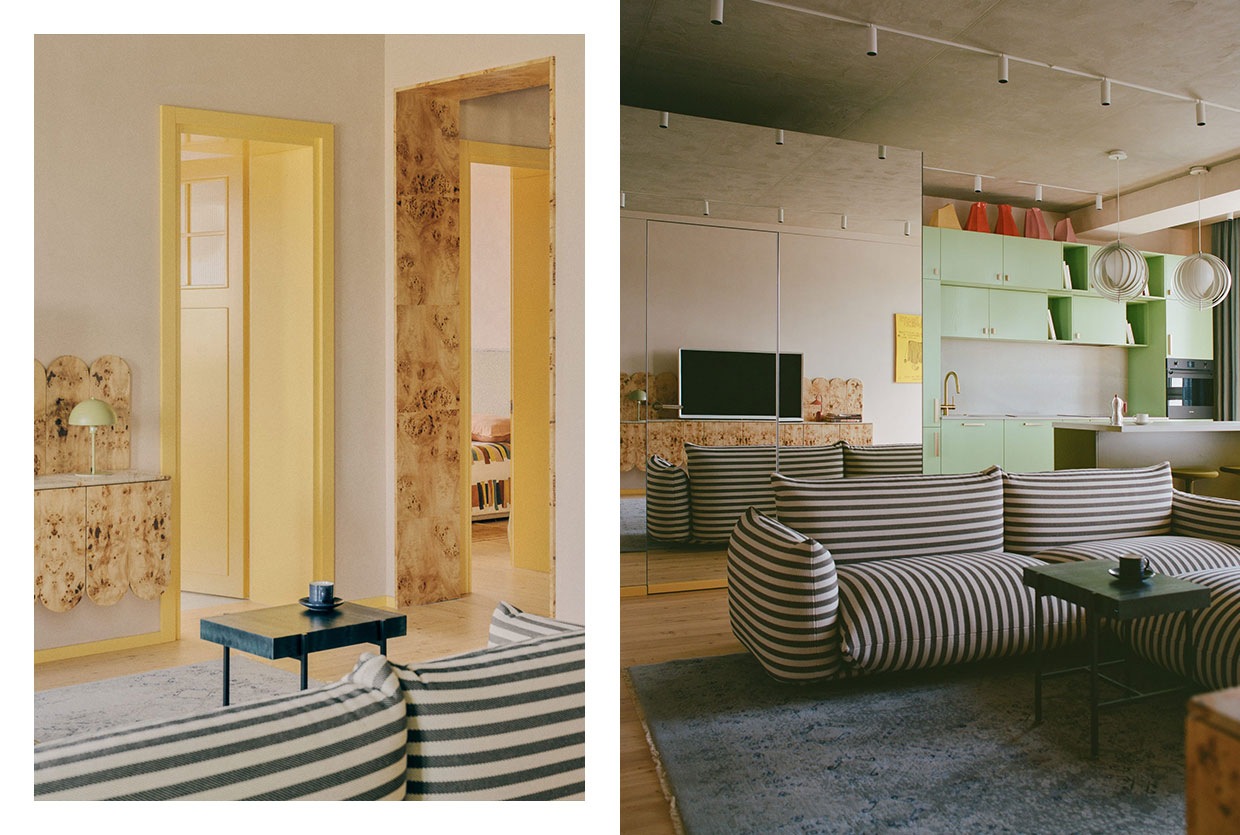
Imagine an urban guest room, often a forgotten corner of the home filled with mismatched furniture and half-unpacked suitcases. Now, imagine it transformed. You open the door and are greeted not by the sterile chill of drywall, but by the faint, honeyed scent of fresh timber. The walls glow with a soft, pale warmth, catching the morning light in a way that feels more like a fjord-side summerhouse than a city apartment.
This is the essence of a wood-clad Scandinavian sanctuary—a space designed with a decidedly Scandinavian bent toward "quiet luxury" and "living with intention." It is a room that prioritizes well-being as much as aesthetics, proving that a guest space can be a destination in its own right. Creating this look requires more than just adding planks to a wall; it is a careful curation of material science, minimalist form, and the tactile comfort of hygge.
The Foundation: Selecting Your Wood Cladding
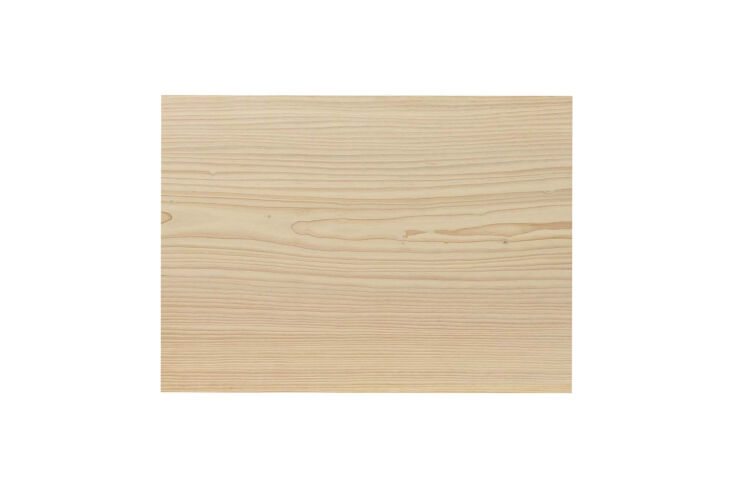
The most critical decision in designing a Nordic sanctuary is the timber itself. In Scandinavian design, wood is not just a decorative finish; it is the soul of the room. When readers ask which wood is best for a Scandinavian guest room, I always point toward three primary species: wide-plank Douglas fir, Nordic Spruce, and Scots Pine. These are the gold standard for cladding due to their durability and light, natural grain patterns that reflect rather than absorb precious daylight.
For those seeking the pinnacle of this aesthetic, Dinesen Douglas Fir stands alone. Known for its extraordinary dimensions—planks can reach up to 15 meters in length—it creates a seamless, architectural backdrop that grounds the room. However, if your project requires a more rugged, stable material, thermally modified Scandinavian timber like Lunawood or Thermory is a revelation.
Beyond aesthetics, the benefits of interior wood cladding are deeply rooted in wellness. Wood is a biophilic material that breathes. Research shows that wood-clad interiors can regulate indoor humidity levels up to 15% more effectively than traditional drywall. This natural regulation creates a noticeably better air quality, making the guest experience physically more restful. Furthermore, these materials are built for the long haul; thermally modified timber has a projected service life of 30+ years with minimal maintenance, sequestering carbon while providing a timeless interior finish.
Technical Specifications for the Discerning Designer
When choosing your cladding, look for specific technical markers that ensure longevity:
- Thermal Modification: For maximum stability, ensure the timber has been treated at temperatures between 180°C and 215°C. This process removes resins and sugars, making the wood resistant to rot and warping.
- Certifications: Always specify PEFC or FSC-certified timber to ensure your sanctuary doesn't come at the cost of the environment.
- Finish: To maintain that "raw" Nordic look while protecting the surface, use a white-pigmented oil or a lye treatment. This prevents the wood from yellowing over time, keeping the space airy and bright.
Furnishing for Focus and Rest
Once the "envelope" of the room is set, the furniture must speak the same language of restraint. In a guest sanctuary, every piece must justify its existence through both beauty and function.
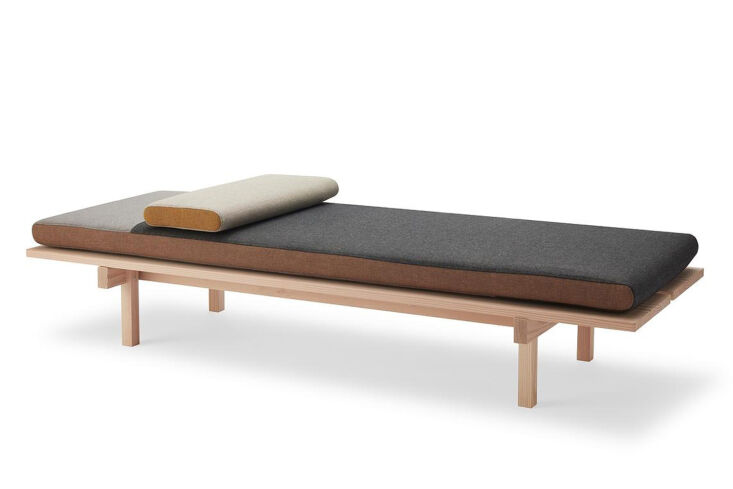
The anchor of the room should be a piece that invites transition—from sitting to lounging to sleeping. I frequently recommend replacing a traditional, bulky bed frame with a minimalist daybed. The Skagerak Reykjavik Daybed is a personal favorite. Its architectural wooden frame mirrors the cladding, while the upholstered mattress provides a soft, textural contrast. It transforms the guest room from a bedroom into a multipurpose retreat where a guest might feel equally comfortable reading a book or taking a nap.
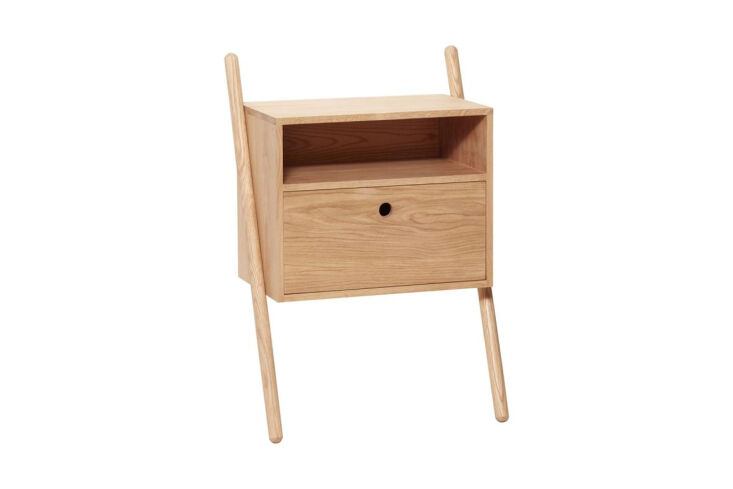
To elevate the restraint of the space, move away from heavy wardrobes. Instead, opt for tactile, light-colored furniture like the Hubsch Lean Bedside Table. The natural oak finish complements the wall cladding without blending in entirely, creating a subtle layering of wood tones that adds depth to the room.
Layering Textiles with Intention
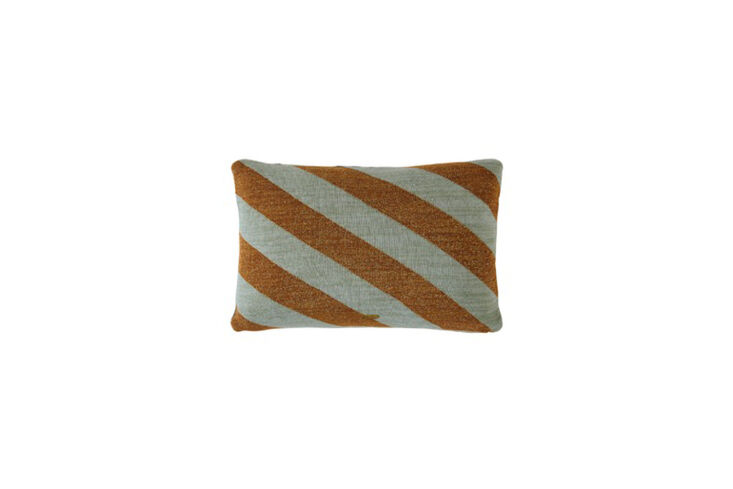
While the wood provides the structure, textiles provide the soul. To style a Nordic guest sanctuary effectively, pair your wood-clad walls with natural fabrics. Look for "Re-wool" textiles or heavy linens. The color palette should remain grounded: think soft mint tones to evoke the forest and warm caramels to reflect the earth. A few Takara cushions in these shades can instantly soften the "hard" edges of a wood-clad room, making it feel lived-in rather than a showroom.
Atmosphere: The Play of Light and Warmth
In Scandinavia, where winters are long, lighting is treated with a level of reverence. In a wood-clad room, the pale timber acts as a natural reflector, bouncing light into every corner. To enhance this, avoid harsh overhead fixtures.
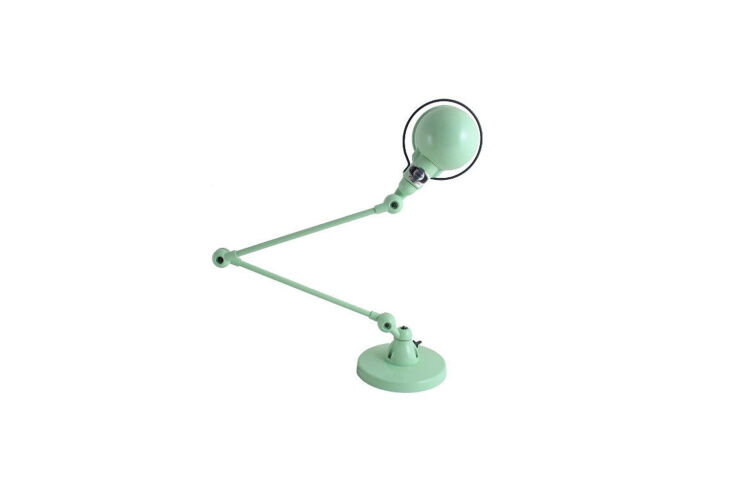
Instead, layer your lighting. Use task lighting with character, such as the Jielde Signal Desk Lamp in 'Water Green.' Its vintage industrial silhouette provides a playful pop of color against the neutral wood grain, adding a sense of history to a modern space.
To achieve true Hygge, you must address the element of physical warmth. If your space allows, integrating a small wood-burning stove—like the Ekol Clarity Vision—creates a focal point that is both functional and evocative. There is nothing quite like the crackle of a fire against a backdrop of natural timber to make a guest feel truly at home. For urban spaces where a stove isn't possible, scent can bridge the gap. A Byredo 'Summer Rain' or 'Tree House' candle provides those earthy, woody notes that complete the sensory experience.

The Details: Hardware and Accessories
The final 5% of a design often dictates the overall quality. When working with expansive wood surfaces, the choice of hardware is vital. I prefer using handcrafted bronze hardware from makers like Rocky Mountain Hardware. The dark, artisanal finish of bronze provides a sophisticated contrast to white oak or Douglas fir, adding a touch of "quiet luxury" that feels substantial to the touch.
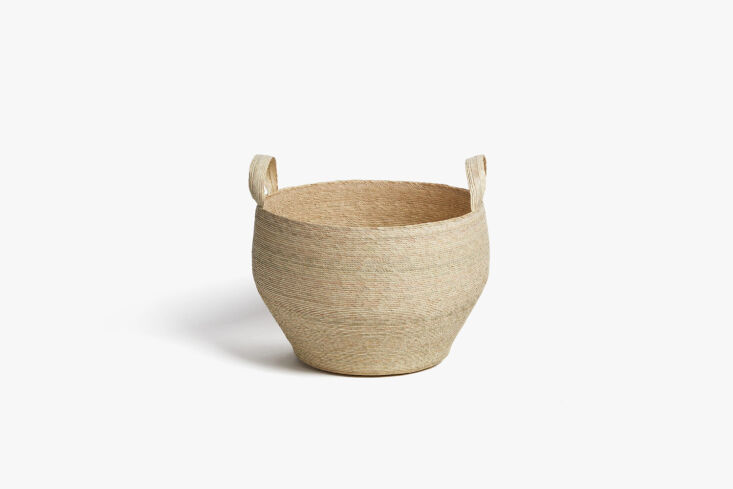
When styling, remember the Scandinavian principle of Lagom—not too little, not too much. Use organizational accents that maintain the room's serenity. Palm leaf floor baskets are perfect for extra pillows or slippers, providing an organic, textured solution that keeps the entryway clutter-free.
The Wellness Benefit: Why Wood Matters
As we spend more time indoors, the materials we surround ourselves with matter more than ever. Beyond the visual appeal, wood cladding is a health-conscious choice. By moderating humidity and providing a surface that is naturally anti-microbial, wood creates a sanctuary that is literally "healthier" than a standard room.
The thermal modification process used in modern Scandinavian timber is entirely chemical-free, meaning no off-gassing or VOCs (Volatile Organic Compounds) to worry about. For a guest, this translates to a better night's sleep and a sense of calm that lingers long after they leave.
FAQ
Which wood is best for a Scandinavian guest room? Wide-plank Douglas fir, Nordic Spruce, and Scots Pine are the top choices. Douglas fir offers a clean, high-end architectural look, while Spruce and Pine provide a more traditional, knotted texture that is quintessential Nordic.
Is wood cladding difficult to maintain? Not at all. When treated with high-quality oils or lye, wood cladding is incredibly durable. Most interior applications require only a light dusting or an occasional wipe with a specialized wood soap to maintain their luster for decades.
How do you prevent a wood-clad room from feeling too "dark" or "heavy"? The secret lies in the species and the finish. Choose pale woods like Ash or Douglas fir and use a white-pigmented oil finish. This keeps the wood from turning orange or brown over time, ensuring the room stays bright and airy.
Creating a wood-clad Scandinavian sanctuary is an investment in both your home’s value and your guests' well-being. By focusing on high-quality timber, intentional furniture, and a restrained color palette, you can transform a simple room into a profound experience of nature and rest.