When many of us think of Scottish design, our minds often drift to the familiar: heavy wool tartans, shortbread tins, and the romanticized "tartanry" of the Highlands. But step inside a historic building in the port of Leith, and you’ll find a vision of Scotland that is far more nuanced, tactile, and radically modern. This is Bard, a gallery and retail space that is quietly rewriting the narrative of Scottish craftsmanship.
Located in the storied 1811 Customs House, Bard is the brainchild of Hugo Macdonald and James Stevens. It isn't just a shop; it’s a cultural project. By showcasing a curated selection of functional art from over 35 individual makers, the gallery bridges the gap between ancient heritage and contemporary innovation. Whether you are looking for a £70 hand-blown tumbler or a £2,000 heirloom chair, Bard proves that Scottish craft is as much about the future as it is about the past.
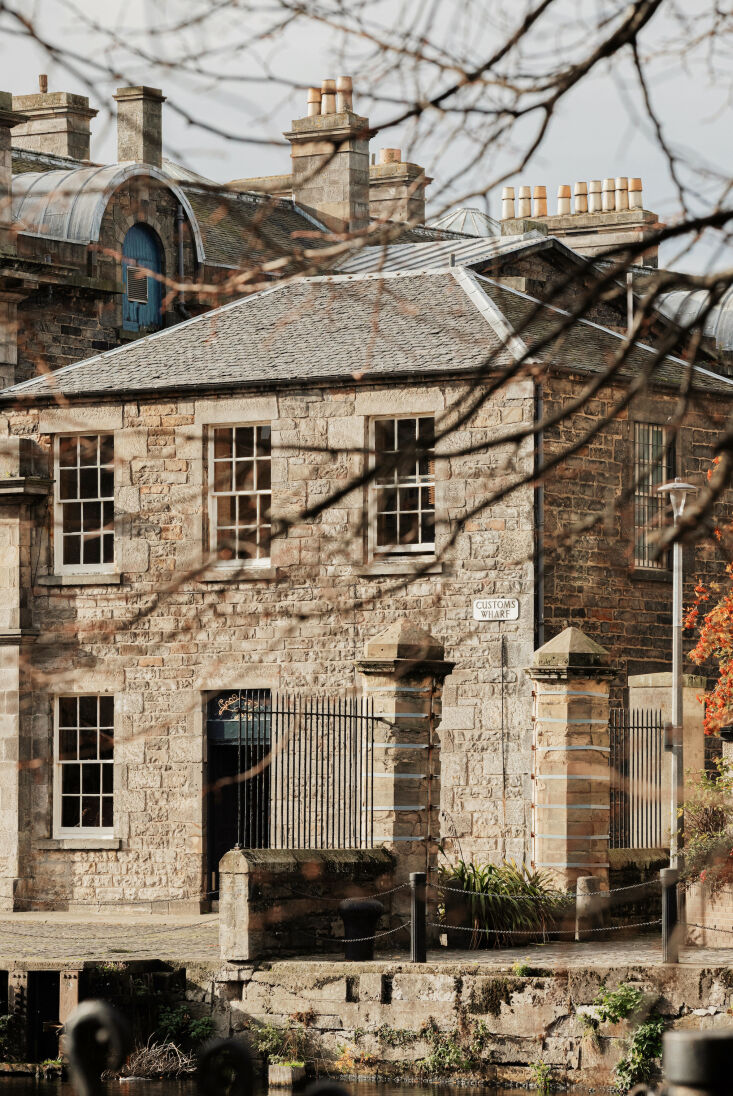
The Visionaries: Hugo Macdonald and James Stevens
The story of Bard is a homecoming. Hugo Macdonald, a former design editor at Monocle and Wallpaper*, and James Stevens, an architect formerly with the London-based design practice Retrouvius, moved to Scotland with a singular mission: to redefine what "Scottishness" looks like in the 21st century.
Their approach is rooted in what they call "craft thinking"—an appreciation for objects that tell a story of place and purpose. Hugo brings a journalist’s eye for narrative and curation, while James provides the architectural rigor needed to transform a historic shell into a living interior. Together, they have moved away from the clinical "white cube" gallery model, opting instead for a space that feels like the home of a very well-traveled, incredibly discerning collector.
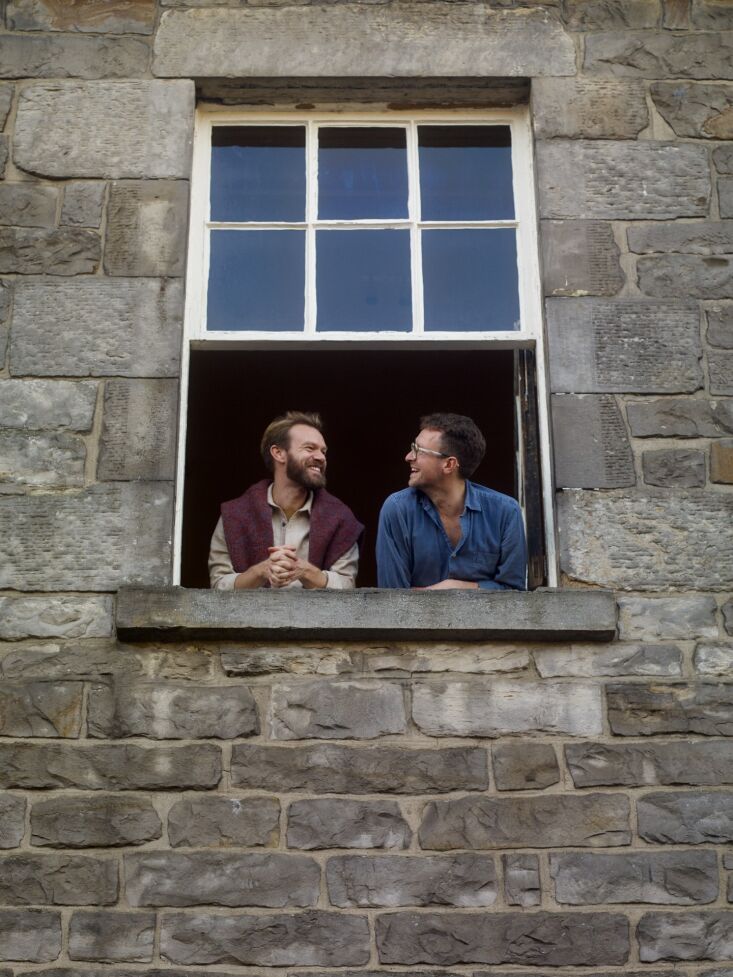
Inside the Customs House: A Domestic Gallery Experience
Walking into Bard feels less like entering a commercial space and more like stepping into a private "grand quarters." The duo stripped back the layers of a former menswear shop to reveal the architectural bones of the 1811 Customs House. The result is a series of rooms that prioritize atmosphere and intimacy.
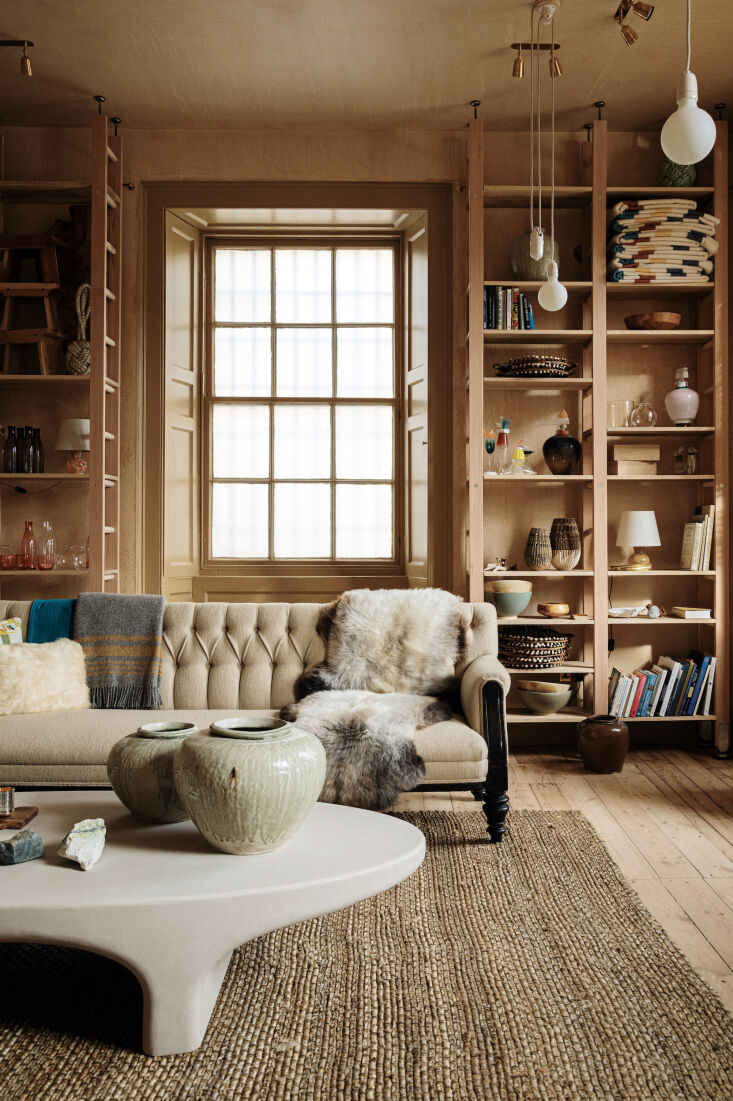
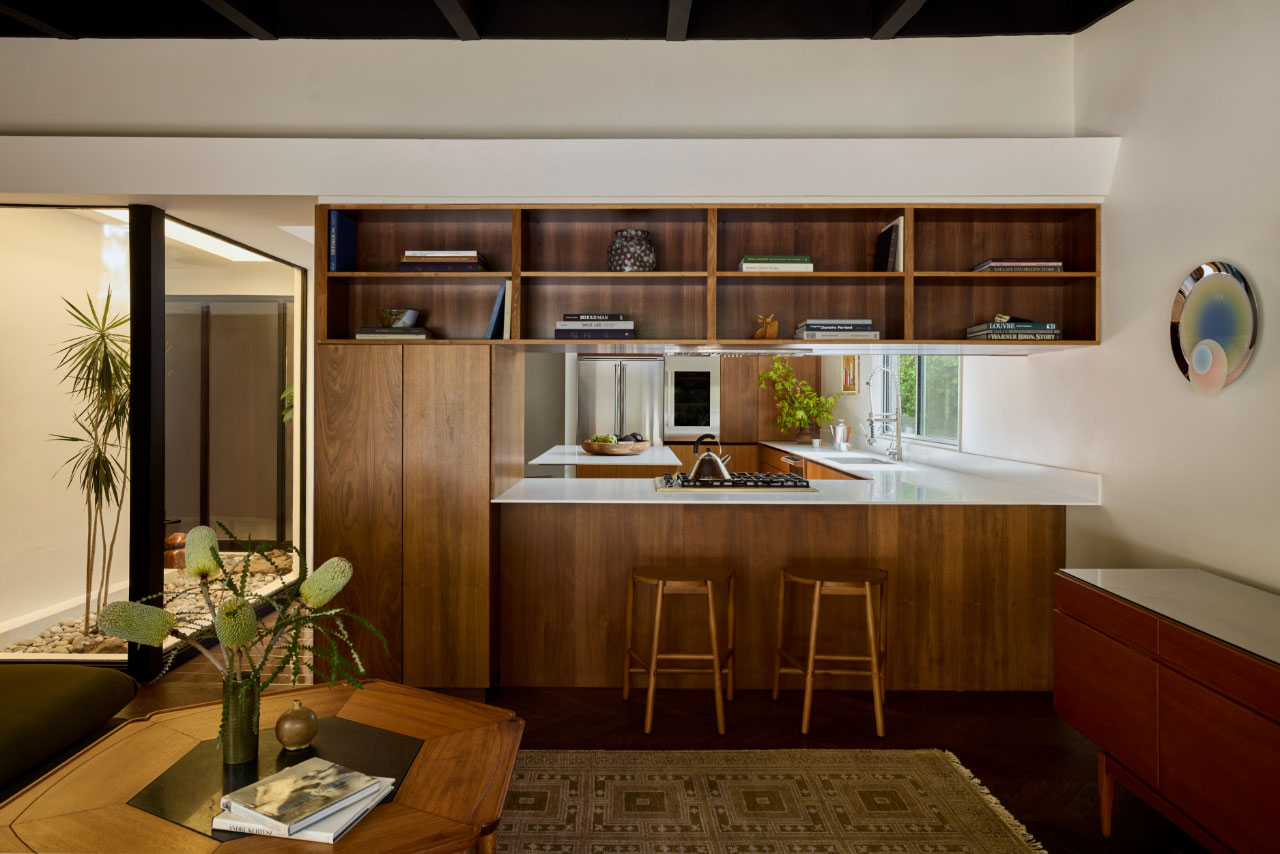
The design choices here are deliberate and deeply sensory. You won't find sterile shelving; instead, the space is defined by Douglas fir shelving systems and earth-pigment plaster walls in shades of burnt sienna and soft ochre. This warm, textured backdrop allows the objects to breathe, highlighting the natural glamour of their materials.
"We wanted to create an environment that feels familiar yet intriguing," says Hugo. "By placing these objects in a domestic context, we help people visualize how they might live with them, touch them, and use them every day."
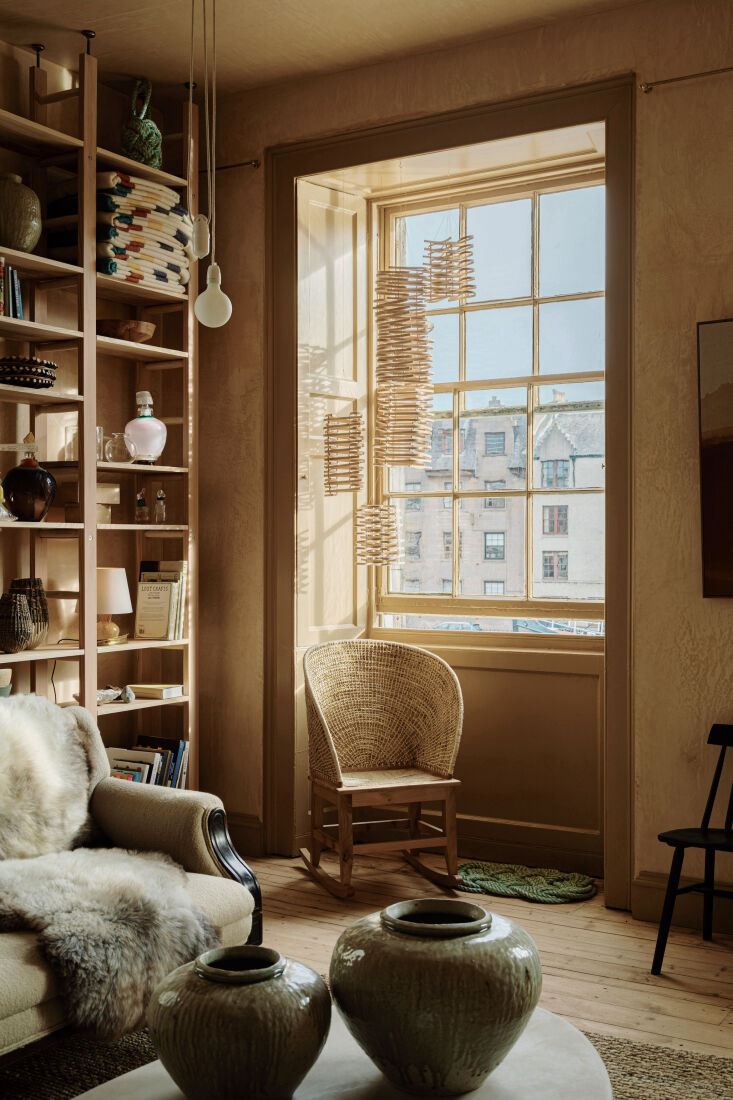
The Collection: 35 Makers Defining Modern Scotland
The inaugural collection at Bard is a masterclass in variety. It features the work of 35 individual artists, designers, and traditional manufacturers, ranging from solo studio potters to heritage workshops like McRostie Leather, which has been operational for over 100 years.
The selection reflects a "High/Low" philosophy. There are everyday luxuries—like recycled rope doormats that smell of the sea—alongside investment pieces that represent the pinnacle of Scottish artistry.
Key Makers to Watch
- Lindean Mill (Glassware): One of Scotland’s last remaining studio glassblowers. Their Gem Tumblers are a lesson in weight and clarity, catching the light in a way that only hand-blown glass can.
- Kevin Gauld (Orkney Rockers): Known as "The Orkney Furniture Maker," Gauld creates rockers with hand-woven straw backs that take weeks to complete. They are sculptural icons of vernacular design.
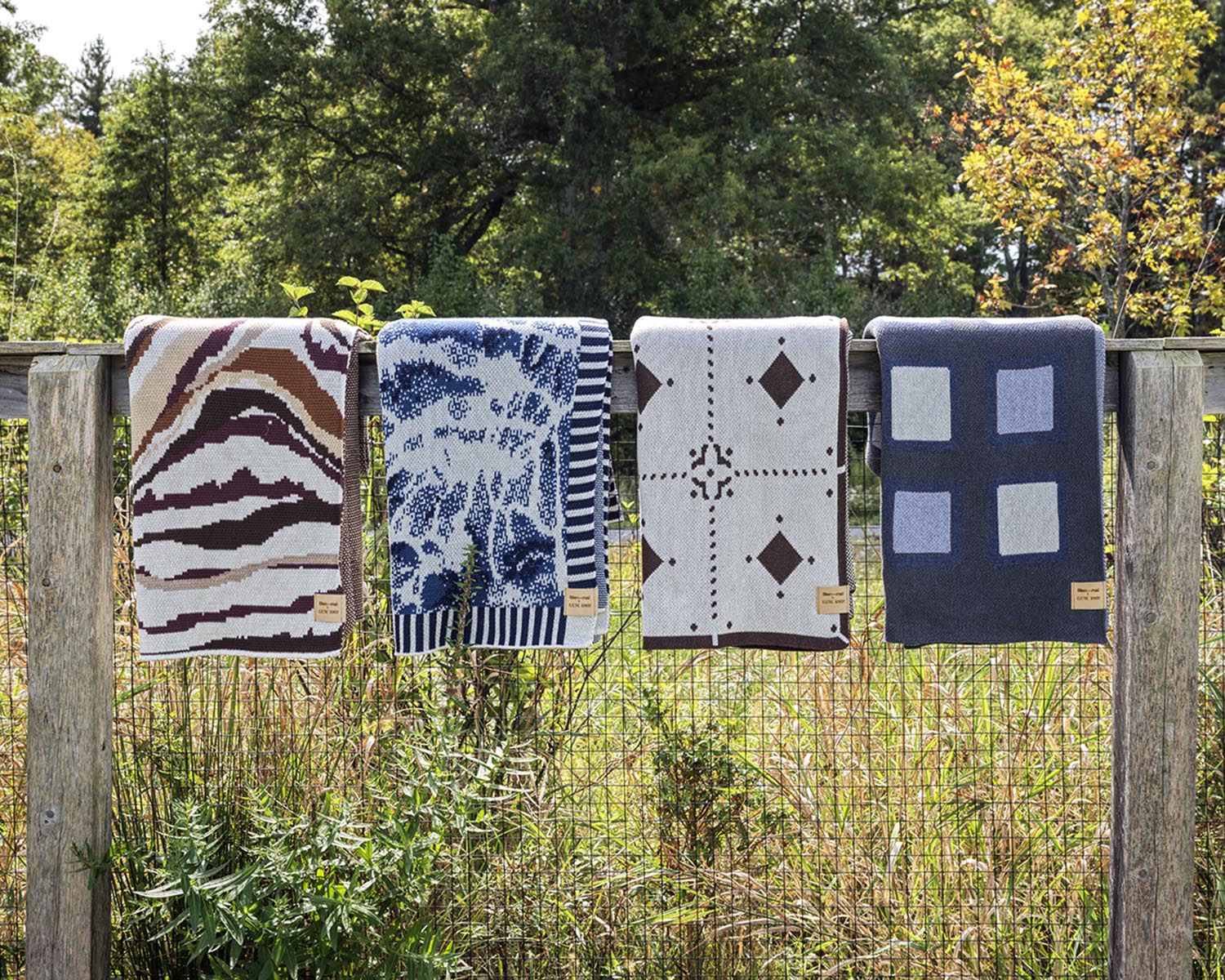
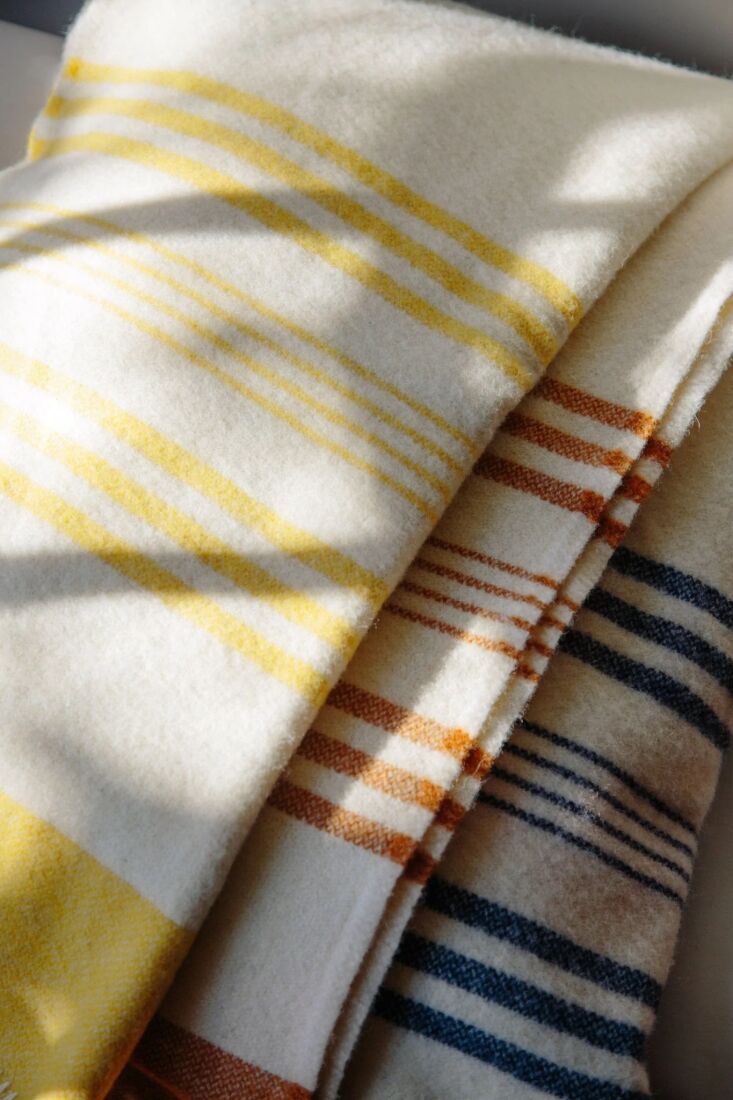
- Drove Weavers (Textiles): Working out of the Scottish Borders, they produce lambswool blankets that represent a centuries-old textile heritage updated with modern color palettes.
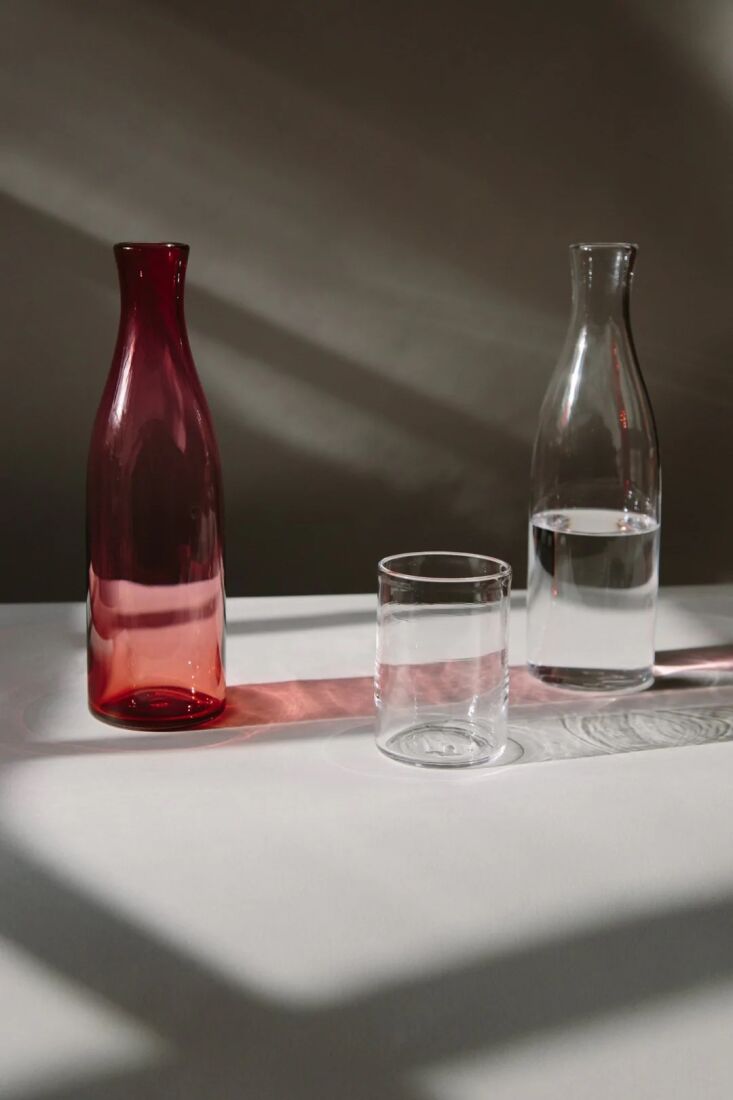
Investment vs. Accessibility
| Item Category | Featured Maker | Price Point (Approx.) | Why It’s a Must-Buy |
|---|---|---|---|
| Glassware | Lindean Mill | £70+ | Hand-blown perfection for daily rituals. |
| Textiles | Drove Weavers | £150+ | A piece of Borders heritage for your sofa. |
| Furniture | Kevin Gauld | £2,300+ | A true heirloom piece of Orcadian craft. |
| Leather Goods | McRostie | £80 - £300 | 100 years of bridle leather expertise. |
The collection also pushes boundaries with fine art textiles. Pieces by Hayley McCrirrick, for example, explore the intersection of linen and pigment, creating large-scale works that feel both ancient and entirely contemporary.
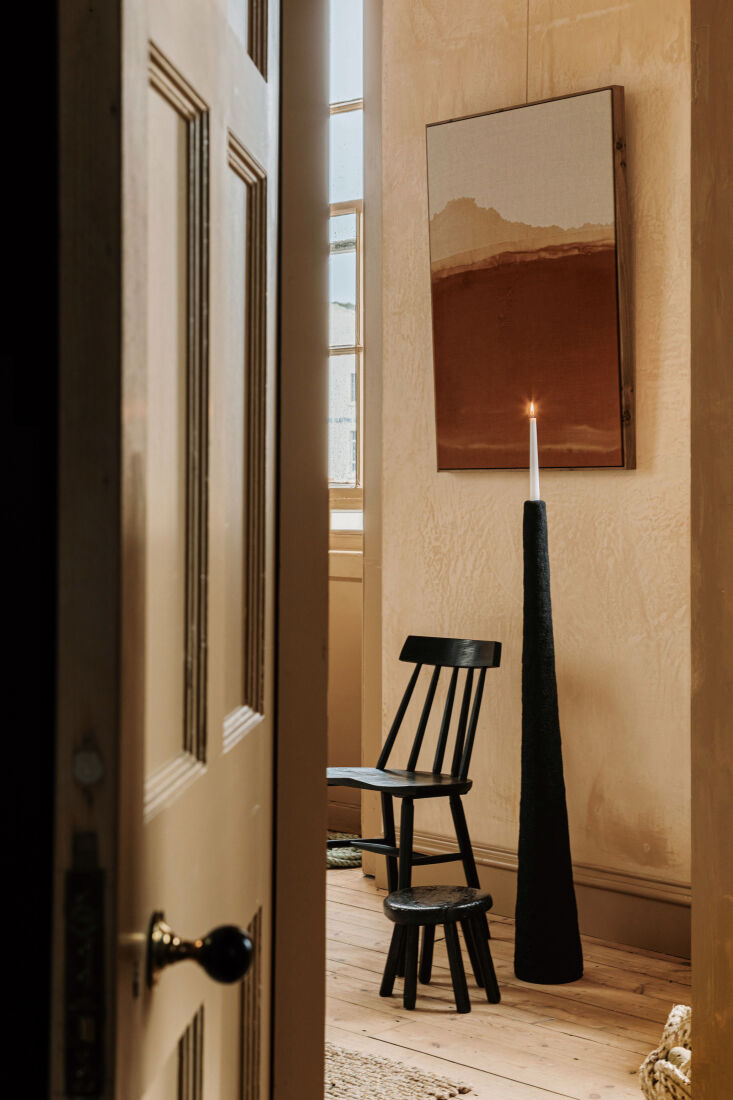
Current Spotlight: The 'Bardware' Exhibition
If you visit Bard recently, you may have encountered their 'Bardware' exhibition. Inspired by the utility and charm of a traditional hardware store, this show celebrates the "tools" of domestic life.
The ethos here is "Please Touch." In a world where galleries often keep visitors at arm’s length, Bard encourages tactile interaction—estimating over 7,000 daily fingertip interactions with their displays. Standout pieces include:
- James Rigler’s 'Greek' Thomson Knobs: Playful, ceramic door furniture inspired by Glasgow’s famous architect.
- Eve Eunson’s Baskets: Woven using traditional techniques but incorporating sea-plastic and found materials, highlighting the environmental reality of Scotland’s coastline.
- Ironwork by local smiths: Turning the mundane (door latches, hooks) into moments of hand-forged beauty.
How to Experience Leith’s Creative Trail
Bard is more than a destination; it’s an anchor for the burgeoning Leith design district. Once the industrial heart of Edinburgh’s shipping industry, Leith has transformed into a hub for makers and independent thinkers.
After visiting Bard at the Customs House, I recommend spending a few hours exploring the neighborhood:
- Custom Lane: Just steps away, this collaborative space houses world-class coffee and rotating design exhibitions.
- Abbeymount Studios: A short trip away, where many of the city's potters and jewelers keep their workshops.
- Leith Market: Check the local schedule for weekend markets that feature emerging Scottish makers.
FAQ: Visiting Bard Edinburgh
Where is Bard located? Bard is situated in the historic 1811 Customs House at 67 Commercial Street, Leith, Edinburgh. It is easily accessible via the Edinburgh Tram (Foot of the Walk or Shore stops).
Do I need an appointment to visit? No, Bard is open to the public as both a retail shop and a gallery space. However, for those looking for specific interior styling consultations, reaching out in advance is recommended.
Can I buy items online? Yes, Bard maintains a curated online shop for international customers, though visiting the physical space in Leith is the best way to experience the textures and scale of the larger pieces.
Plan Your Visit to Leith
Whether you are a seasoned collector or a traveler looking for a meaningful memento of Scotland, Bard offers a perspective that is rare to find. It is a place that honors "Scottishness" with all its rough edges and natural glamour, proving that the most radical thing we can do in a digital age is to value the work of the human hand.
Take a morning to wander through Leith, breathe in the salty air of the port, and step into Bard. You’ll leave with more than just a beautiful object—you’ll leave with a new understanding of what it means to make something in Scotland today.