What draws us back to the office in an era of total digital flexibility? It isn’t the promise of a desk or a reliable Wi-Fi connection—those are now commodities. Instead, it is the craving for a "performance partner"—a physical environment that adapts to our cognitive needs, fosters spontaneous mentorship, and reflects a brand’s soul. Float Studio’s recent 930-square-metre headquarters for a prominent financial firm in the historic NoMad district’s Cooper-Bregstein Building is a masterclass in this philosophy. By preserving the rugged 1970s concrete waffle slab ceilings and layering them with bespoke artisanal furniture, the project provides a definitive blueprint for the 2026 workspace: a place where brutalist history meets human-centric agility.
Adaptive Architecture: Embracing the 1970s Concrete Legacy
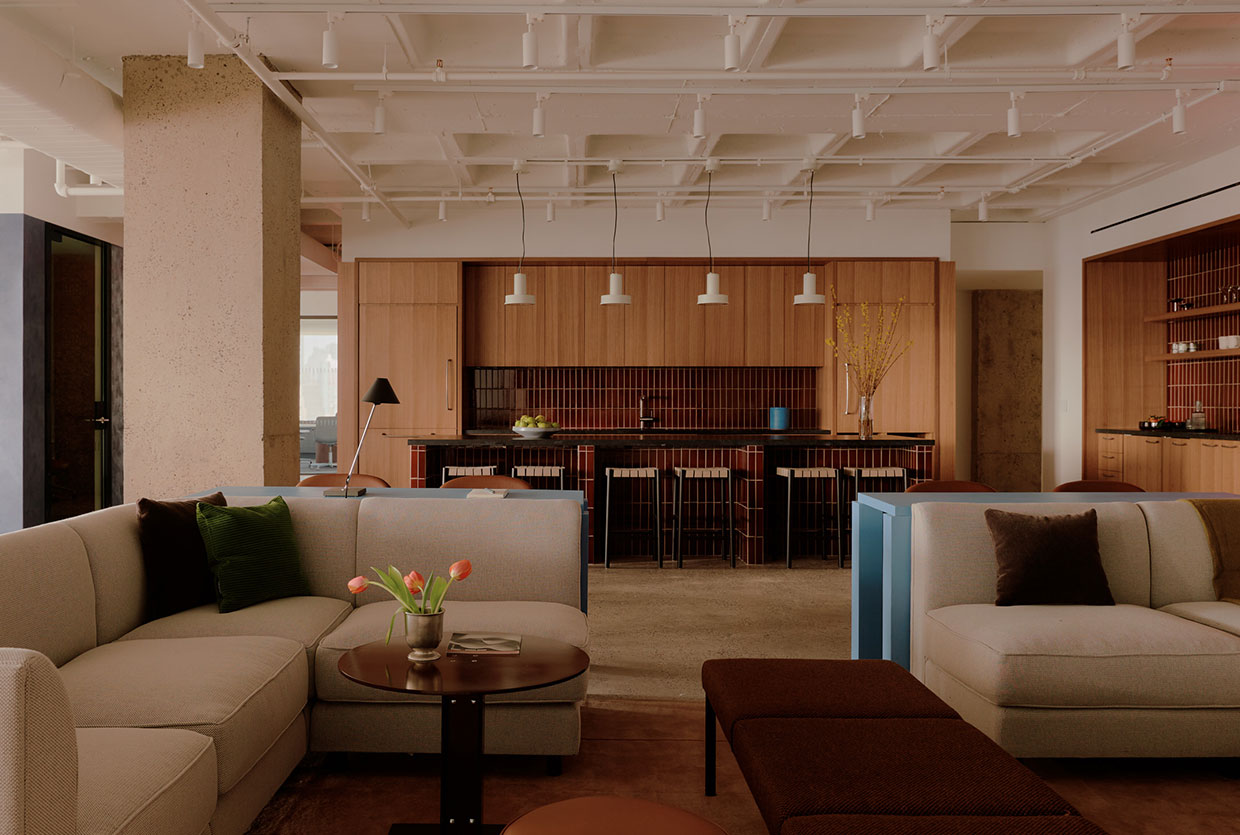
The most striking feature of the NoMad project is its rejection of the "white box" office standard. Rather than hiding the building’s 1970s industrial bones, Float Studio leaned into the site's brutalist heritage. The rhythmic, recessed grids of the original concrete waffle slab ceilings were cleaned and exposed, serving as a sculptural overhead plane that defines the office’s character. This architectural choice does more than just look good; it provides a sense of permanence and grit that contrasts beautifully with the refined interiors below.
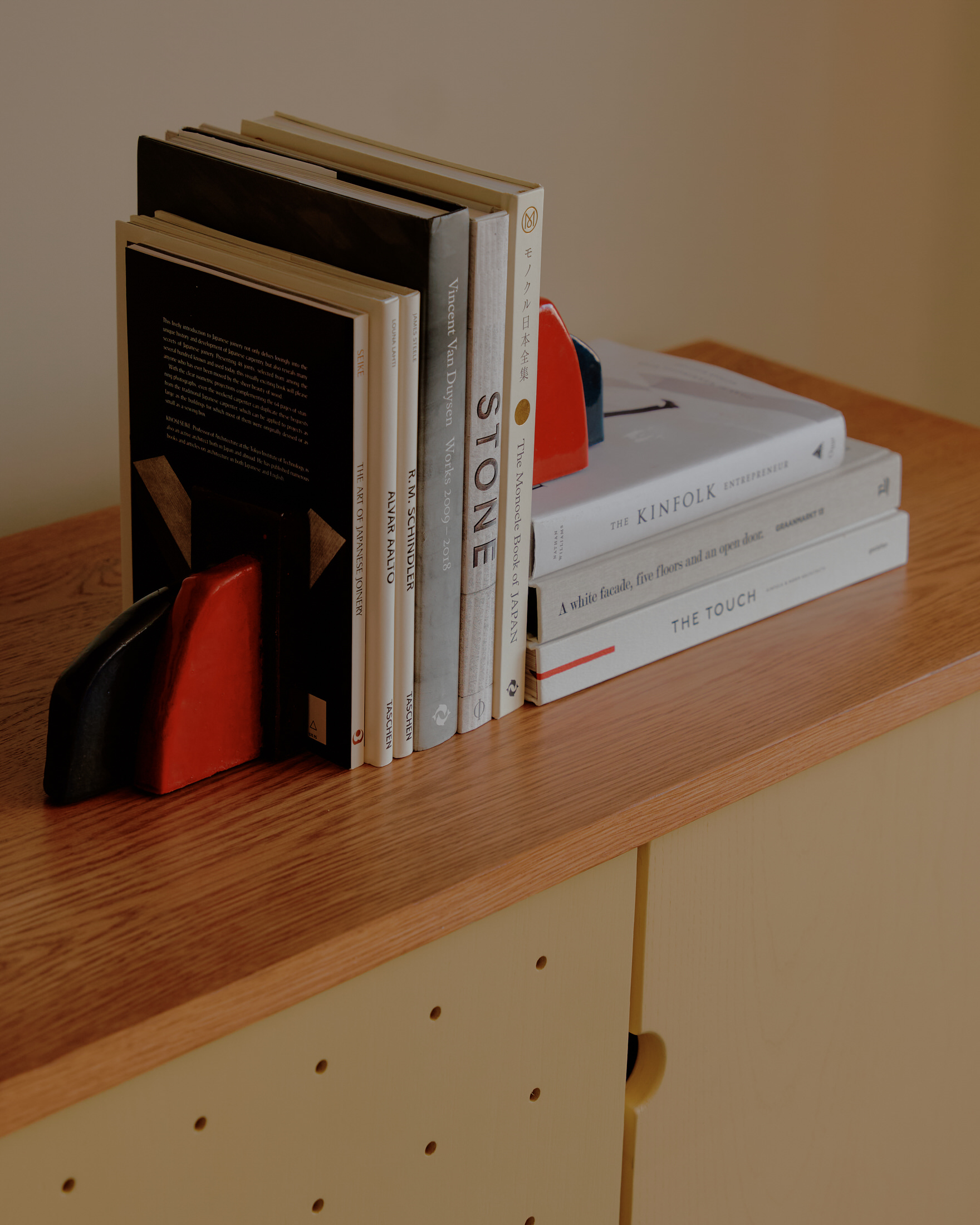
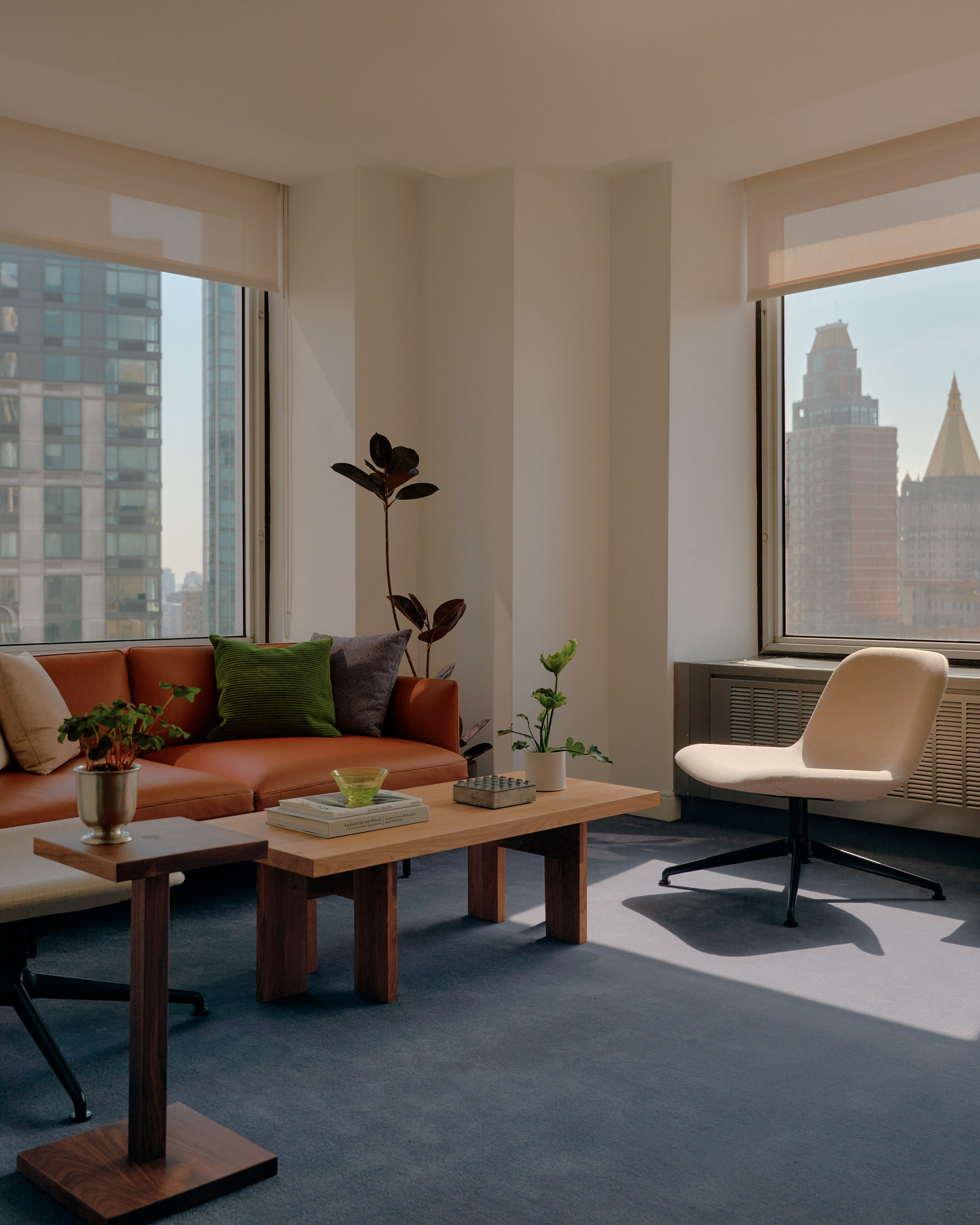
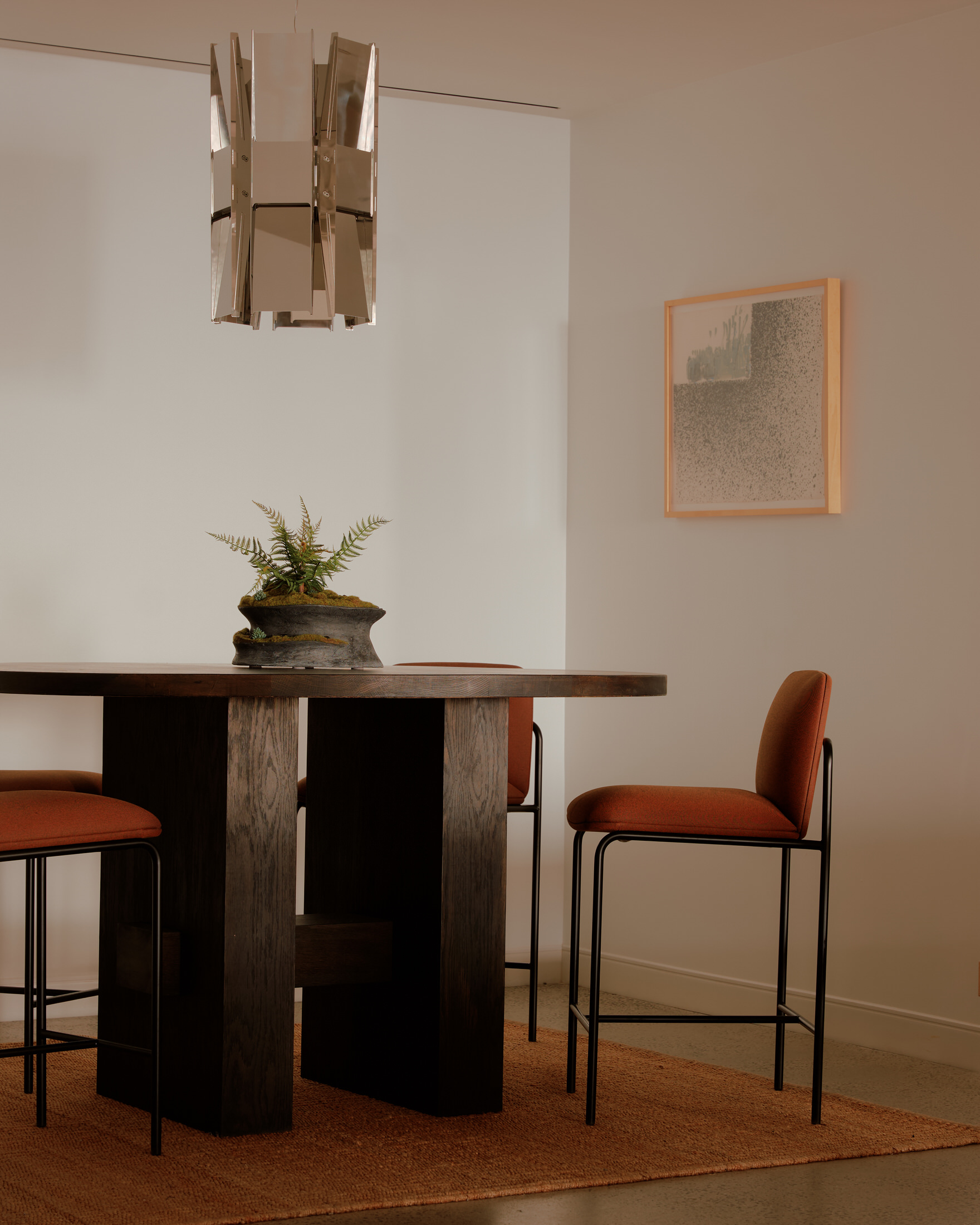
Working with such a dominant structural element required a delicate touch in materiality. We see a sophisticated dialogue between the hard concrete and soft, residential-inspired finishes. The reception area, for instance, draws heavy inspiration from the mid-century modern masters. References to Vittorio Introini’s modular forms and Sergio Rodrigues’ tactile woodcraft are evident in the choice of lounge seating and cabinetry, creating an atmosphere that feels more like a private collector’s residence than a high-stakes financial hub.
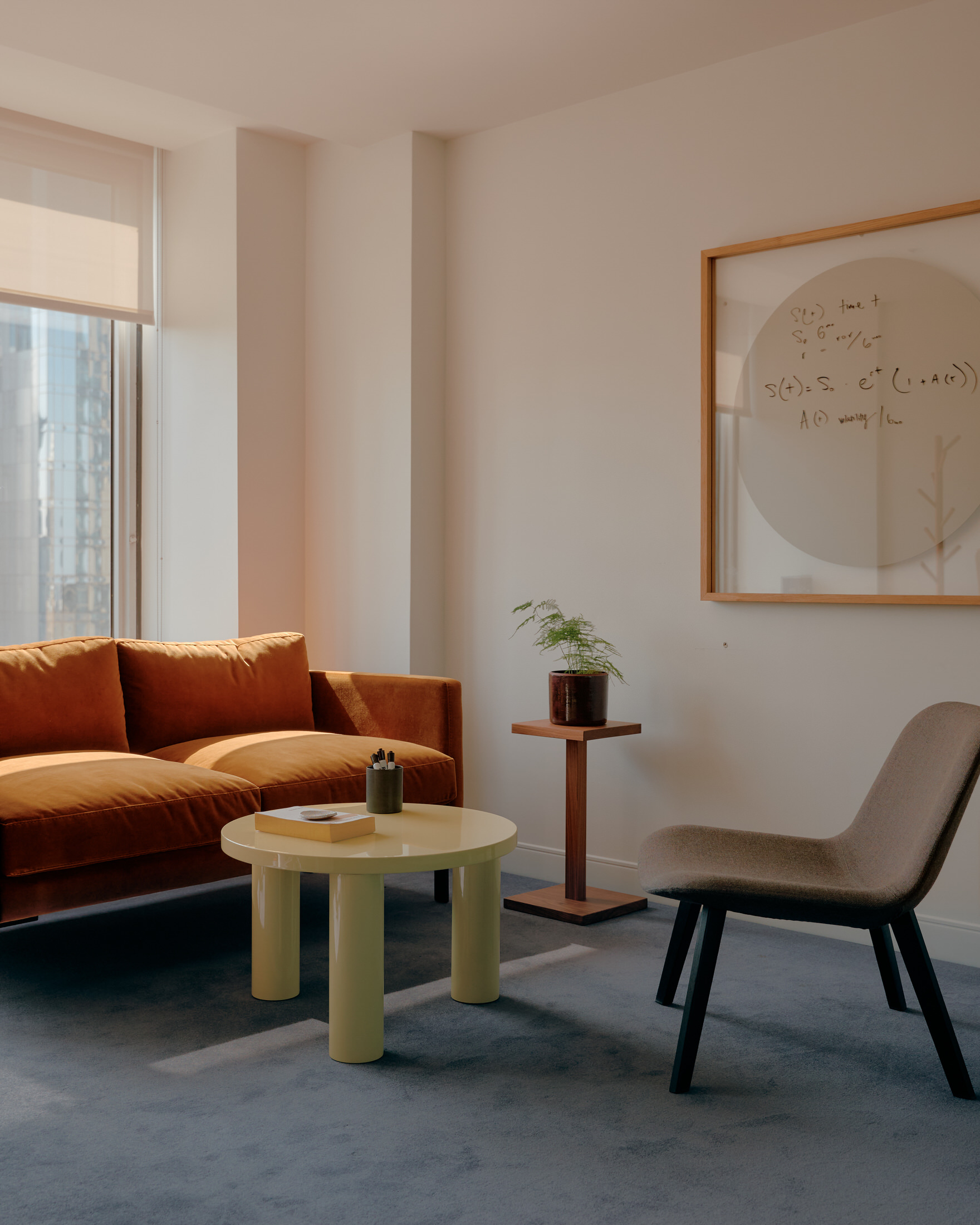
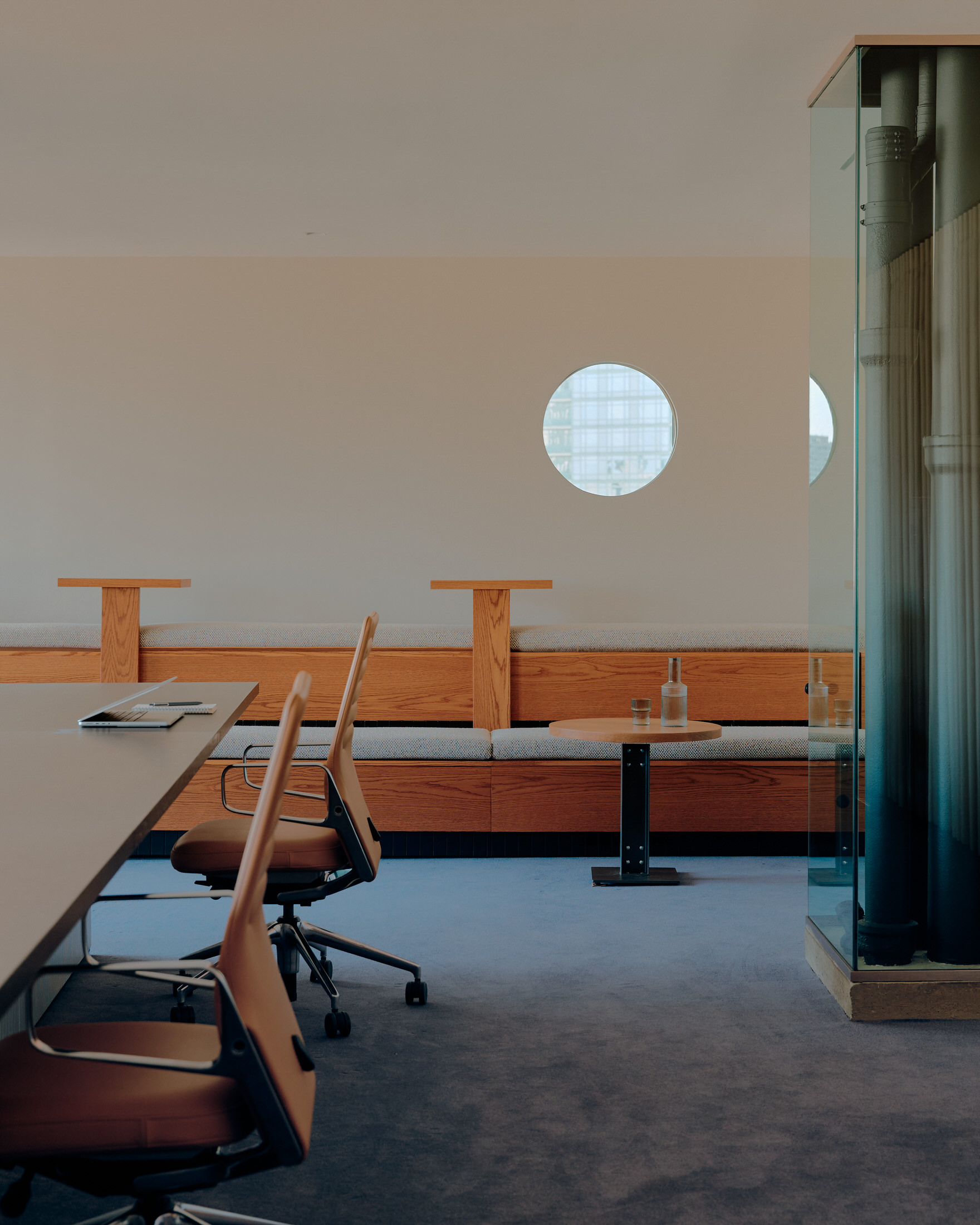
In the boardroom, the commitment to craftsmanship reaches its peak. A custom, rhombus-shaped table anchors the room, featuring George Nakashima-inspired dovetail connections. These details communicate a message of precision and longevity—values essential to a financial firm—while maintaining a warmth that traditional corporate furniture often lacks.
The Evolution of 'Workpoints' over Fixed Desks
As we look toward 2026, the traditional 1:1 ratio of employees to assigned desks is becoming obsolete. The NoMad project exemplifies the shift toward "workpoints"—a diverse landscape of zones designed for specific tasks. Research suggests that the implementation of adaptive ‘workpoints’ over fixed desks can increase collaborative efficiency by as much as 35% in modern financial headquarters.
Instead of a sea of cubicles, Float Studio utilized bleacher-style seating to create a social amphitheater. This central hub serves as a venue for "all-hands" meetings, casual brainstorming, or even a spot for an employee to catch up on emails in a more relaxed, communal posture. By offering a "menu" of environments, the office empowers the worker to choose the setting that best fits their immediate cognitive needs.
| Feature | Traditional Office Desk | 2026 'Workpoint' Model |
|---|---|---|
| Assignment | Fixed, permanent seat | Fluid, activity-based zones |
| Design Goal | Individual productivity | Multi-modal agility (Focus/Social/Collab) |
| Tech Integration | Wired, static monitors | Seamless, wireless, and "invisible" |
| Privacy | Visual barriers only | Acoustic mastery and sensory control |
| Atmosphere | Uniform and clinical | Varied, textural, and domestic-leaning |
Acoustic Mastery and Sensory Design
One of the greatest failures of the open-office era was the "noise tax"—the constant auditory distraction that kills deep work. In the NoMad project, Float Studio achieved acoustic mastery through a layered approach to soft materials. By utilizing heavy acoustical drapes, Bentley Mills broadloom carpets, and strategically placed modular partitions, they’ve created a space that absorbs sound without the need for unsightly foam panels.
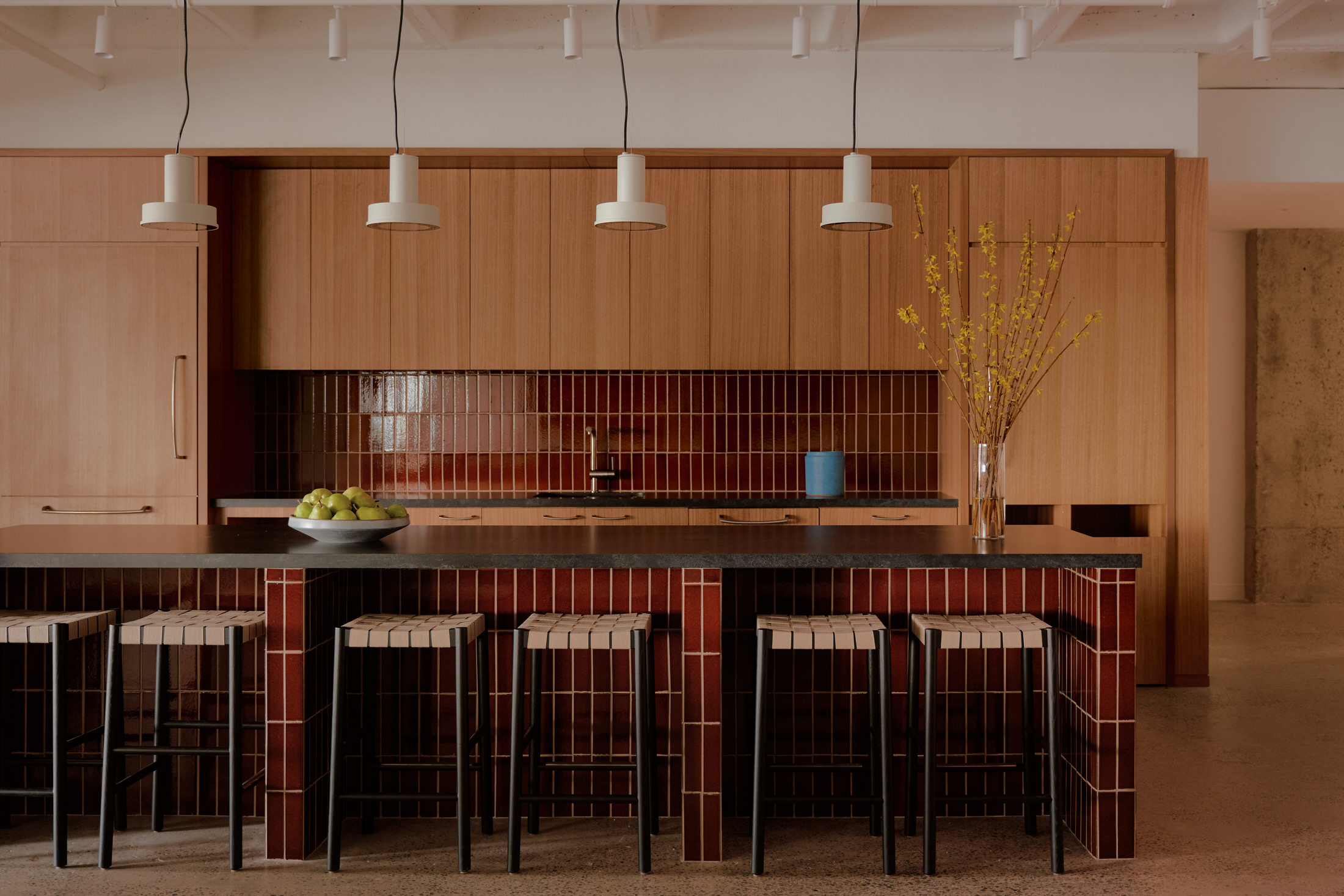
The sensory experience is further refined through a sophisticated color psychology. The palette balances "Lyon’s blue"—a deep, trustworthy navy—with the warmth of eucalyptus wood and hand-fired red tiles. This mix of cool professional tones and earthy, tactile materials creates a grounded environment that aids in stress reduction during high-pressure trading hours.
For those moments when the buzz of the office becomes too much, the design includes "Escape Rooms." These are tech-light sanctuaries designed specifically for mental regrouping. Devoid of large screens and flashing notifications, these spaces use dimmable, warm lighting and plush textures to invite deep focus or a brief moment of restorative silence.
Sustainability as a Design Foundation
In the lead-up to 2026, sustainability is no longer a "nice-to-have" add-on; it is the foundation of the fit-out. Statistics indicate that foundational sustainability practices in modern office renovations are projected to reduce long-term operational energy expenditures by roughly 22%.
The NoMad project approaches this through the "Living Lab" concept. Rather than using permanent, high-waste construction, Float Studio opted for modular furniture and demountable walls. These elements allow the firm to reconfigure the layout as the team grows or shrinks without the need for a sledgehammer. Every material was vetted for longevity and health, from low-VOC paints to responsibly sourced hardwoods and energy-efficient LED lighting cycles that mirror natural circadian rhythms.
Intelligent Environments: AI as a Quiet Partner
The technology of 2026 is moving away from clunky gadgets and toward "invisible" integration. In the NoMad headquarters, we see this through smart meeting rooms that operate almost intuitively. Occupancy sensors detect when a group enters, automatically adjusting the temperature, lighting, and even the camera sightlines for virtual participants to ensure everyone—physical or digital—has a seat at the table.
Beyond the hardware, we are seeing a rise in smart furniture. Ergonomic chairs and sit-stand desks are now capable of remembering individual user preferences, adjusting automatically via a simple mobile sync. This level of personalization ensures that the "workpoint" model doesn't come at the cost of physical comfort.
Ivy’s Pro Tip: When designing for 2026, focus on "Tech-Agility." Ensure your infrastructure—like floor power outlets and modular cable management—can support the next generation of AI hardware without requiring a total renovation.
Conclusion: The Office as a Performance Partner
Float Studio’s NoMad project is more than just a renovation; it is a signal of where the professional world is heading. By respecting the 1970s architectural shell while introducing a highly flexible, sensorially rich interior, they have created a space that employees want to inhabit. The 2026 office is not a place you "have" to go; it is a tool you use to perform at your highest level. It is a blend of the artisanal and the digital, the historic and the adaptive—a true masterclass in modern workspace design.
FAQ
How do 'workpoints' differ from hot-desking? While hot-desking often implies a lack of ownership and a "first-come, first-served" stressor, the workpoint model is about variety. It provides a curated landscape of environments—from silent focus booths to social bleachers—ensuring that the office accommodates different work styles throughout the day.
Can I achieve the 'NoMad' look on a smaller budget? Absolutely. The key is "selective bespoke." Invest in one high-quality, artisanal piece for a focal point (like a boardroom table or reception desk) and use modular, high-performance systems for the rest of the office. Exposure of original architectural elements like concrete or brick is also a cost-effective way to add character.
Why is acoustic design so important in 2026? As offices become more collaborative and social, the potential for distraction increases. Sensory design—specifically auditory privacy—is now considered a primary driver of employee well-being and productivity.