Quick Facts
- Project Name: Aanandam Penthouse
- Location: Gurugram, India
- Design Firm: Logic Design + Build
- Total Area: 4,800 Square Feet
- Core Philosophy: Mindful Luxury & Biophilic Wellness
- Signature Element: Double-height vertical garden wall and sculptural brass staircase
- Key Materials: Lime plaster, exposed brick, Italian marble, and aged brass
In the pulsing, metropolitan heart of Gurugram, where the urban landscape often feels like a relentless surge of glass and steel, a new sanctuary has emerged that challenges our very definition of high-end living. As we look toward the interior landscape of 2026, the conversation is shifting. We are moving away from the loud, status-driven opulence of the past and toward a more quiet, intentional form of "Mindful Luxury."
Mindful luxury living is defined by the integration of holistic wellness, biophilic elements like living walls, and a balance between architectural rigor and sensory-rich natural finishes. It is a design language that prioritizes how a space feels rather than just how it looks. At the Aanandam penthouse, this philosophy isn't just a tagline; it is the literal foundation of the home. Designed by the visionary team at Logic Design + Build, this 4,800-square-foot residence serves as a masterclass in how modern architecture can foster emotional equilibrium in a chaotic world.
Reimagining Spatial Fluidity: Beyond the Corridor
One of the most radical departures in the Aanandam project is its approach to layout. Traditional luxury penthouses often rely on grand corridors and partitioned rooms to create a sense of scale. However, Logic Design + Build recognized that in a dense urban core, true luxury is the luxury of breathable space.
By implementing what designers call a "Spatial Fluidity Index," the team reconfigured the floor plan to eliminate traditional corridors entirely. This wasn't just an aesthetic choice; it was a functional one. The Aanandam project reconfigures 4,800 square feet of urban space to eliminate traditional corridors, increasing the effective living area by approximately 15% through open-plan wellness zones.
The result is a narrative-driven layout where one "experience" flows seamlessly into the next. Instead of walking down a dark hallway to reach a bedroom, residents move through transitional zones marked by soft light and arched portals. This creates a sense of continuous discovery, where the architecture itself guides your movement and mood.
Biophilia as a Structural Core
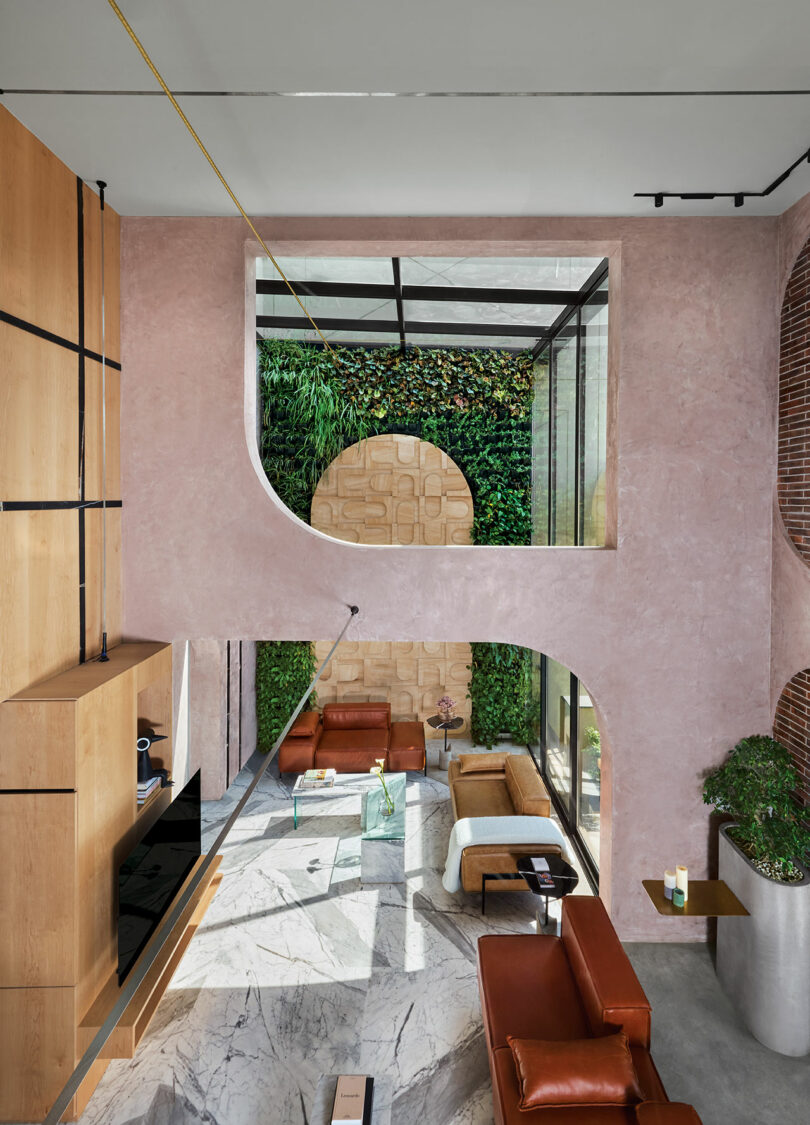
In the quest for wellness-centric interior design, biophilia has moved beyond a few potted plants in the corner. In 2026, nature is being integrated into the very bones of the building. At Aanandam, the centerpiece of the home is a staggering double-height living room anchored by a vertical garden wall.
This isn't just a decorative feature; it's a living, breathing lung for the home. The double-height vertical garden in the Aanandam penthouse provides over 200 square feet of active greenery, significantly improving indoor air quality and psychological well-being in a dense metropolitan core.
The presence of this much greenery does more than filter the air—it serves as a visual anchor that connects the inhabitants to the natural world, even from the height of a skyscraper. The sound of the automated irrigation, the subtle scent of damp earth, and the shifting shades of green provide a sensory experience that lowers cortisol levels and invites a sense of stillness.
Architectural Highlights: The RAW and the Refined
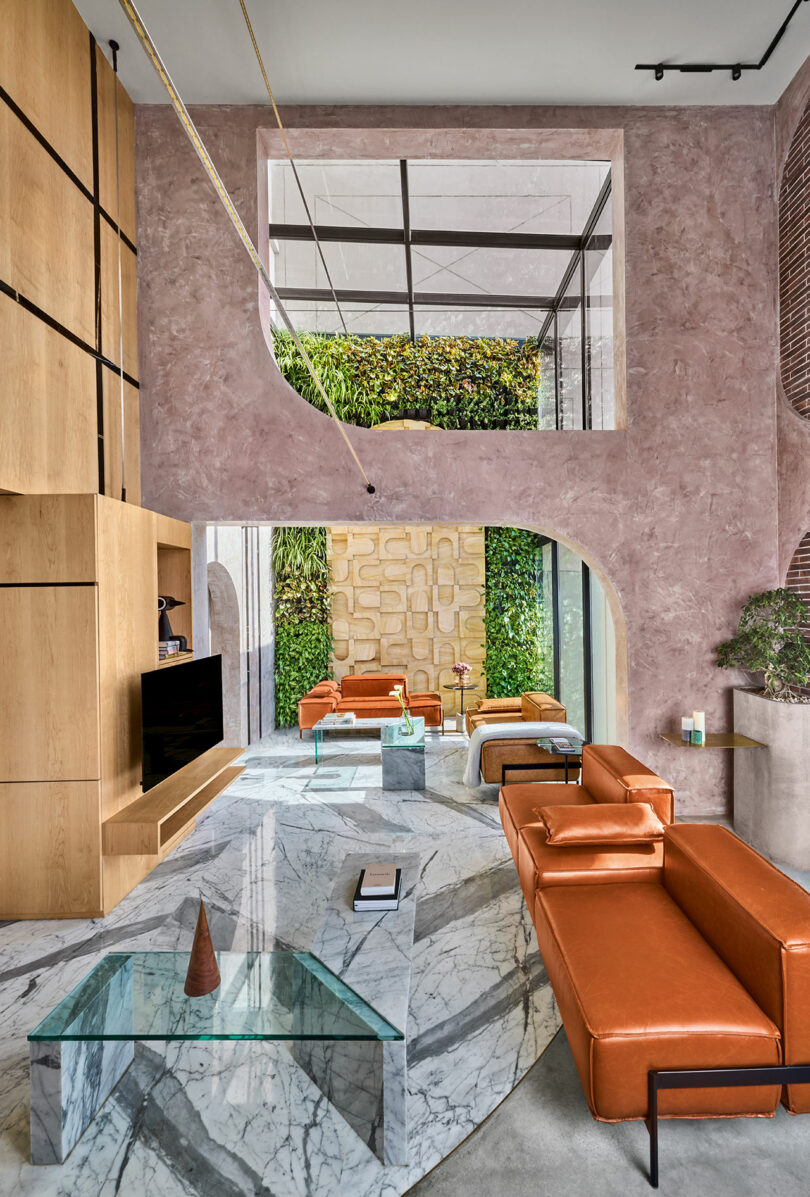
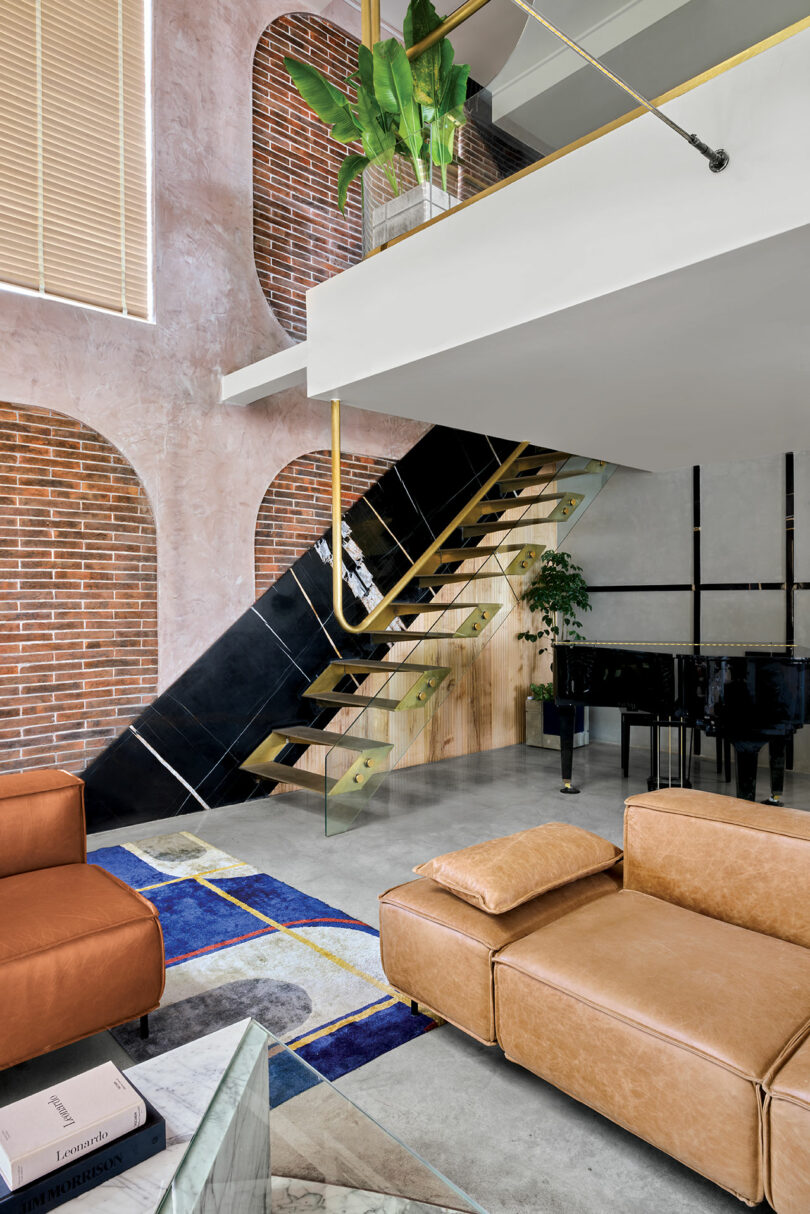
What makes Aanandam truly unique is the tension between different textures—what I like to call "The RAW and the Refined." The designers have balanced rugged, tactile materials like lime plaster and exposed brick with the high-gloss sophistication of marble and brass. This contrast ensures the home feels grounded and human, rather than sterile or overly "staged."
The undisputed jewel of the architectural crown is the staircase. The Aanandam penthouse features a double-height biophilic living wall, custom floating brass parallelogram stairs, and a narrative-driven layout that prioritizes emotional equilibrium over traditional grandeur.
These stairs are more than a way to get from one floor to the next; they are a functional sculpture. The brass reflects the changing light throughout the day, while the floating parallelogram steps create a sense of weightlessness. It is at this intersection of architectural rigor and sensory refinement that the home finds its true voice.
Interior Design Trends 2026: The Rise of Sculptural Artistry
As we peer into the future of luxury interiors for 2026, several key trends are emerging from projects like Aanandam:
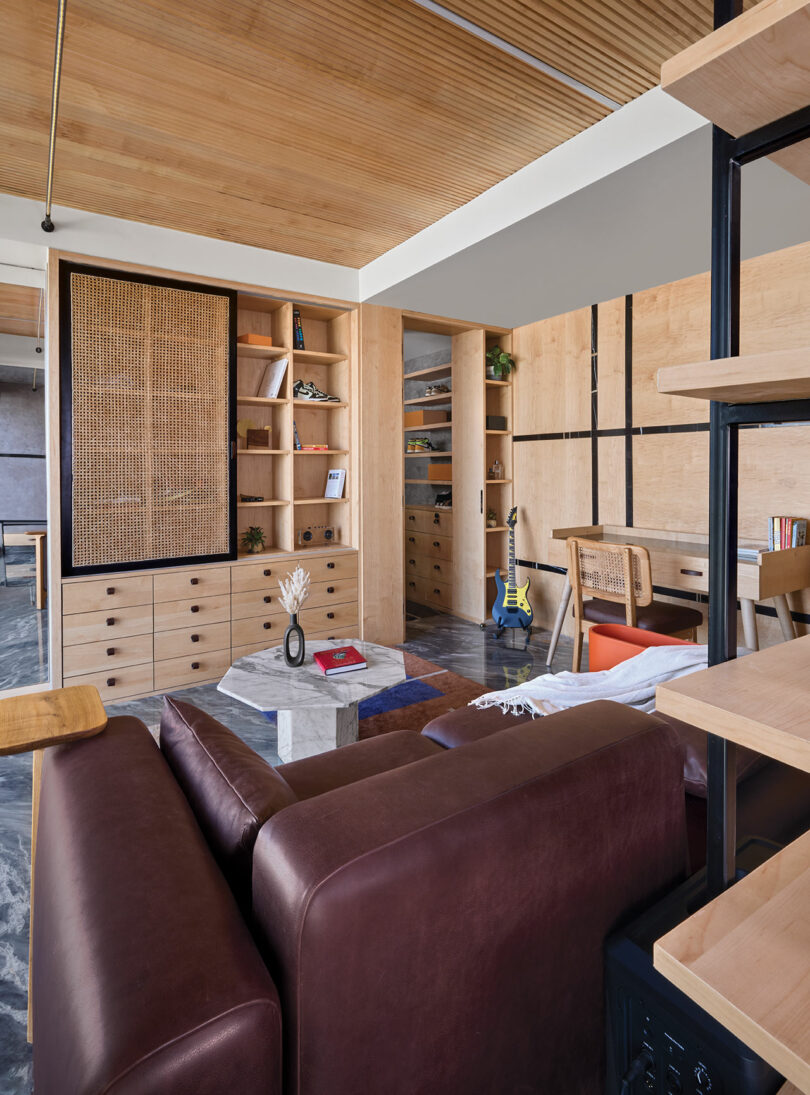
- Collectible Art Furniture: We are seeing a shift away from mass-produced "designer" pieces toward furniture that functions as sculpture. Organic forms, curved sofas, and bespoke carpentry are replacing the rigid lines of mid-century modernism.
- The Materiality of Light: Light is no longer just a utility; it is a building material. In Aanandam, large-scale windows and reflective brass surfaces ensure that light becomes an active participant in the design, shifting the mood of the room as the sun moves.
- Textural Narrative: The use of lime plaster and artisanal brickwork highlights a growing desire for "perfect imperfection." These materials age beautifully, gaining character over time, which aligns with the move toward sustainable, long-term luxury.
- Customized Artisanal Details: From unique rugs that mirror the geometry of the architecture to custom-built wood paneling, the trend is toward individuality and craftsmanship.
Technology Meets Sustainability: Opulent Practicality
One of the biggest challenges in modern design is balancing the high-tech requirements of a luxury lifestyle with the ethical need for sustainability. Future luxury design focuses on 'opulent practicality,' utilizing smart furniture and eco-conscious materials like lime plaster and marble to create sustainable yet elegant environments.
In the Aanandam penthouse, technology is invisible but omnipresent. Smart home integration allows for remote-operated lighting scenes that mimic the natural circadian rhythm, further enhancing the wellness aspect of the home. Climate systems are energy-efficient, and the materials chosen—like the natural lime plaster—are low-VOC, ensuring that the air remains as pure as the design. This is luxury with a conscience, where every high-tech convenience is balanced by an eco-conscious choice.
Ivy’s Tip: When designing for a mindful space, ask yourself: Does this piece serve my well-being as much as it serves my aesthetic? True luxury in 2026 is about the harmony between the two.
Designing for Wellness: The Personal Sanctuary
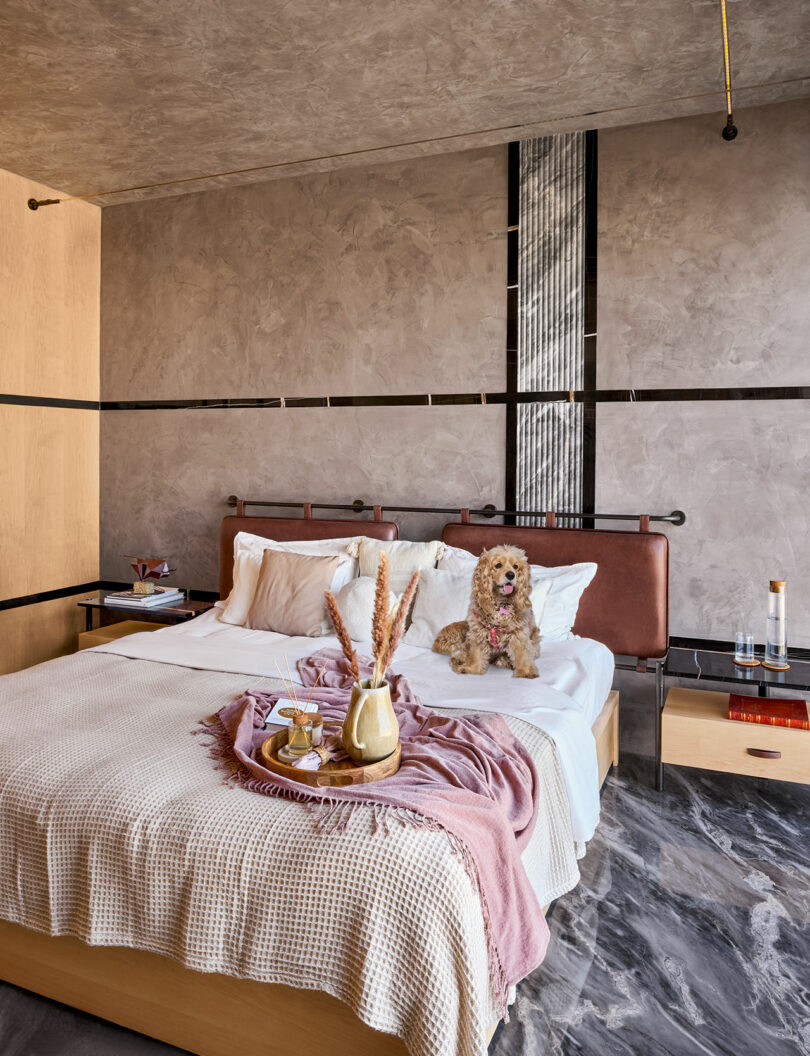
Finally, we must talk about the primary suite. In a mindful home, the bedroom is not just a place to sleep; it is a boutique-inspired sanctuary designed for rejuvenation. At Aanandam, the suite follows the same "beyond the corridor" philosophy, creating a sense of total privacy without feeling closed off.
The use of muted textures, soft linens, and integrated spa-grade bathrooms transforms the primary suite into a zone of stillness. It is a place where individual identity is celebrated through curated art and personal objects, yet the overall atmosphere remains one of minimalist serenity. This is the ultimate goal of wellness-centric design: creating a space that allows the resident to disconnect from the external world and reconnect with themselves.
FAQ
What are the most important elements of biophilic design for a penthouse? In a high-rise environment, biophilic design should focus on verticality and air quality. Incorporating a large-scale living wall (like the 200 sq ft garden at Aanandam) and ensuring ample natural light are the two most impactful ways to bring the benefits of nature into an urban penthouse.
How can I achieve 'mindful luxury' on a smaller budget? You don't need 4,800 square feet to practice mindful design. Focus on "sensory-rich" finishes—replace synthetic fabrics with natural linens, use lime-wash paint for texture, and invest in one or two "sculptural" pieces of furniture that make a statement while serving a functional purpose.
Why is the elimination of corridors becoming a trend in luxury design? Corridors are often seen as "dead space." By removing them, designers can increase the effective living area (by up to 15% in the case of Aanandam) and create a more fluid, open atmosphere that improves the overall "flow" and energy of the home.
Conclusion
The Aanandam penthouse is more than just a beautiful residence; it is a blueprint for the future of luxury living. By prioritizing spatial fluidity, biophilic integration, and the "RAW and refined" material palette, Logic Design + Build has created a space that transcends the conventions of metropolitan living. As we move toward 2026, the homes that resonate most will be those that offer us a sanctuary—not just from the city, but for our souls.
Whether you are embarking on a full room makeover or looking for ways to infuse your current space with more mindfulness, remember that the most luxurious choice you can make is one that fosters your own emotional equilibrium. After all, the ultimate luxury is a home that makes you feel whole.