In an era defined by the relentless "ping" of notifications and the sterile glow of high-resolution screens, our homes are undergoing a quiet revolution. We are no longer just designing spaces for efficiency or "likes"; we are designing for the soul. The reading room, once a forgotten relic of the Victorian era, has re-emerged as the ultimate sanctuary of 2026.
According to the Zillow 2026 Home Trends Report, consumer interest in reading nooks has surged by a staggering 48%. This isn't just about finding a place to stack bestsellers; it is a collective pivot toward "slow moments"—an intentional act of digital detox. As we move away from the cold, all-neutral minimalism of the last decade, we are seeing a 21% increase in mentions of artisan craftsmanship and a 17% rise in vintage accents. We are craving what I like to call "personalized maximalism"—a space that feels lived-in, curated, and profoundly human.
To design the perfect reading room, we must look beyond the furniture catalog and toward the creators who treat their environments as living archives. Enter Rich Tu, a celebrated artist and designer whose approach to space blends high-concept intentionality with the raw energy of subculture. For Rich, a reading room isn't just a room; it’s a "sensory refuge."
The 2026 Interior Shift: Why We’re Craving 'Slow Moments'
The modern reading room is a direct response to digital fatigue. It is a space where the "analogue living" philosophy takes center stage. In my years as an editor, I’ve seen trends come and go, but the shift toward the reading nook feels permanent because it addresses a fundamental human need: the need to be centered.
When we talk about "mindful interior design," we are talking about creating a space that encourages you to stay. This is achieved through a mix of tactile materials—think heavy linens, pitted ceramics, and the smell of old paper—and a layout that physically turns its back on the television. The 2026 reading room is the "anti-living room." It doesn't perform; it protects.
Lessons from Rich Tu: Intentionality and Physical Media
Artist Rich Tu views his personal space as a "Physical Media Catalogue." To him, books are not just decor; they are artifacts that capture movements, subcultures, and historical moments. This perspective is vital for anyone looking to build a library that feels authentic rather than staged.
One of the most profound lessons we can take from Rich is the concept of Habitual Design. Rich doesn't just let his books gather dust in alphabetical order. He regularly rotates the books on display, placing different titles on his coffee tables or forward-facing shelves to "entice perusal." This micro-habit ensures that the space remains a living entity, constantly sparking new ideas and memories.
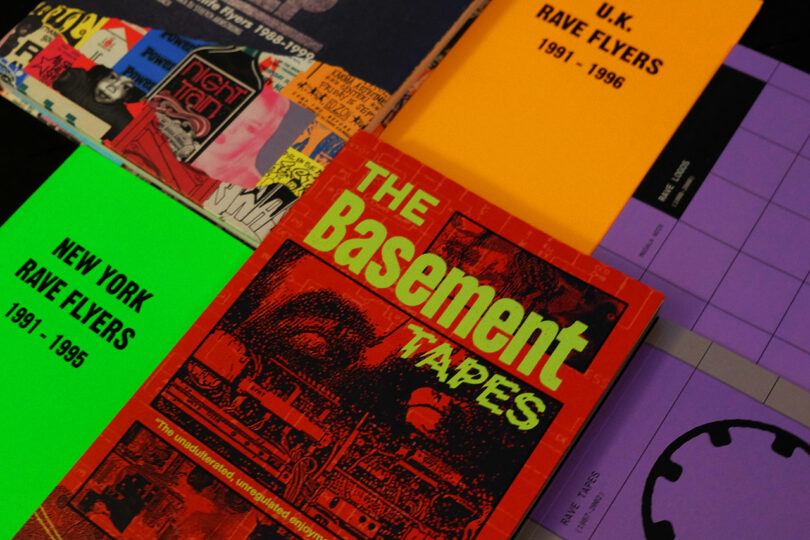
Design Tip from Rich Tu: "Your shelves should be a visual diary. Use books to capture the subcultures that shaped you—whether it's 90s streetwear, obscure music history, or graphic design. When you see a spine that reminds you of a specific time in your life, the room becomes a grounding force."
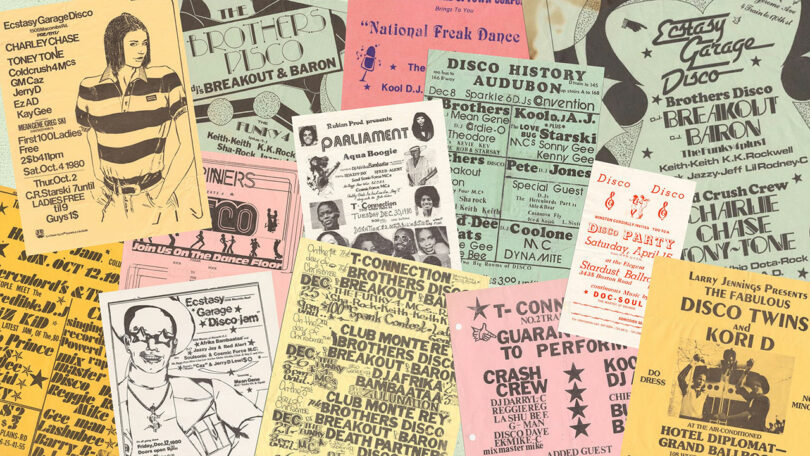
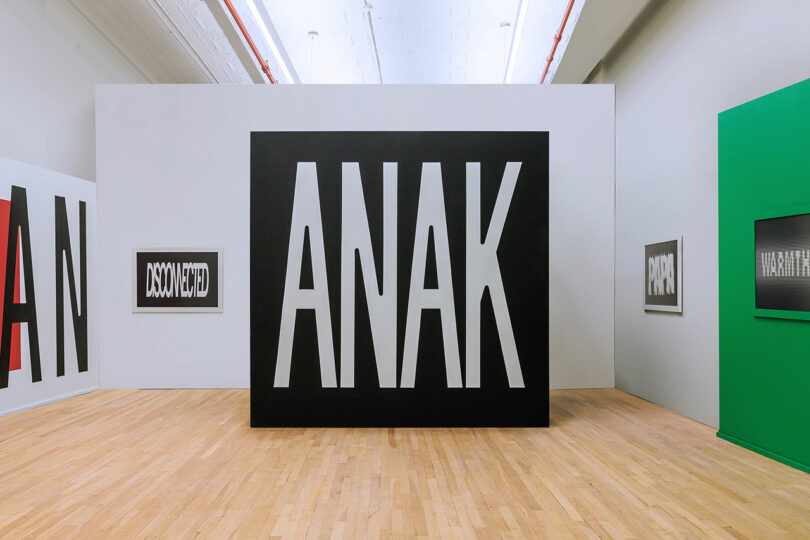
By centering the space with personal art—specifically typographic pieces or what Rich calls "weirdness"—you move away from the "showroom" look and toward a space that feels like a unique extension of your identity.
Element 1: Seating for the Long Read
The cornerstone of any reading room is the chair. If the chair isn't comfortable, the room is just a museum. In 2026, we are seeing a move toward oversized, "hug-like" silhouettes that prioritize ergonomic support for hours of immersion.
- The Wingback Reimagined: Classic wingbacks are great for head support, but for a modern twist, look for versions with softer, rounded edges and plush velvet upholstery.
- The Chaise Lounge: If space permits, a chaise allows for total relaxation. It signals to your brain that this is not a place for "work," but for "rest."
- The Loveseat: Interestingly, "reading for two" is a rising trend. A small loveseat allows for shared quiet time, fostering a different kind of intimacy.
To add what I call "creature comforts," layer your seating with textures. A heavy knit throw, a shearling ottoman, or a faux-hide rug underfoot adds the visual and physical depth required for a true sanctuary.
Element 2: Masterful Lighting for Ambiance
Lighting is the "vibe-setter" of the reading room. The goal is to create a "welcoming glow" that eliminates eye strain while maintaining a sense of mystery. In 2026, layered lighting is the gold standard.
| Lighting Type | Purpose | Pro Tip |
|---|---|---|
| Arched Floor Lamps | Targeted "Task" Lighting | Position the bulb directly over your shoulder to avoid shadows on the page. |
| Rechargeable Table Lamps | Cord-free Flexibility | Place these on bookshelves or windowsills to illuminate dark corners without messy wires. |
| Sconces | Architectural Mood | Use dimmable wall-mounted sconces to create a soft wash of light across your collection. |
Avoid cool-toned LED bulbs at all costs. To achieve that Rich Tu-inspired centering effect, opt for warm, amber-toned bulbs (2700K or lower) that mimic the flicker of a candle or a sunset.
Element 3: Curating Your Shelves with Personality
A perfect reading room should be a reflection of your intellectual and emotional journey. This is where "personalized maximalism" really shines. In the 2026 design landscape, "ordered chaos" is much more desirable than rigid, color-coded spines.
Beyond the Book: Your shelves should hold more than just paper. Rich Tu advocates for incorporating "personal treasures" to break up the lines of books. Think of your shelves as a gallery.
- Unconventional Bookends: Use heavy ceramics, vintage figurines, or even pieces of driftwood to hold your books in place.
- Greenery: Trailing plants like Pothos or Hoyas add a "living" element to the wood and paper, softening the atmosphere.
- Personal Art: Don't just hang art on the walls. Lean smaller typographic pieces or sketches inside the bookshelves to create layers of depth.

The 'Analogue Living' Design Strategy
To truly master the reading room, you must adopt a design strategy that favors the "analogue." This means making choices that discourage digital intrusion.
- The Orientation Rule: Position your primary reading chair away from any view of a television or computer screen. If possible, face a window or your favorite shelf.
- Color Drenching: A major 2026 trend involves painting the walls, ceiling, and trim in a single, deep hue (like terracotta, forest green, or midnight blue). This creates a "cocoon" effect that makes the room feel like a world of its own.
- The Tech-Free Zone: Consider a small, beautiful ceramic bowl by the door specifically for phones. By physically "depositing" your technology at the entrance, you signal to yourself that the next hour is for you, and you alone.
Designing a reading room is an act of self-care. It’s about more than just aesthetics; it’s about creating a space that respects your time and your attention. By taking a page from Rich Tu’s book—focusing on intentionality, physical media, and personal "weirdness"—you can transform a corner of your home into a sanctuary that will keep you grounded for years to come.
FAQ
Q: I don't have a spare room. Can I still create a reading room experience? Absolutely. The 2026 trend is actually focused on "nooks." You can transform a deep windowsill, an awkward corner under the stairs, or even a section of your bedroom into a reading sanctuary using a high-quality chair, a dedicated rug to "zone" the space, and a small, curated book cart.
Q: How do I choose a color for a small reading nook? While light colors make a space feel larger, reading rooms actually benefit from darker, moodier tones. Deep hues like burgundy or charcoal create a sense of intimacy and "focus" that white walls simply can't provide.
Q: How many books do I need to make it feel like a "library"? It’s not about quantity; it’s about curation. Even a single shelf of twenty books can feel like a library if they are displayed with intentionality. Follow Rich Tu’s advice: rotate your books and mix them with art and objects that mean something to you.