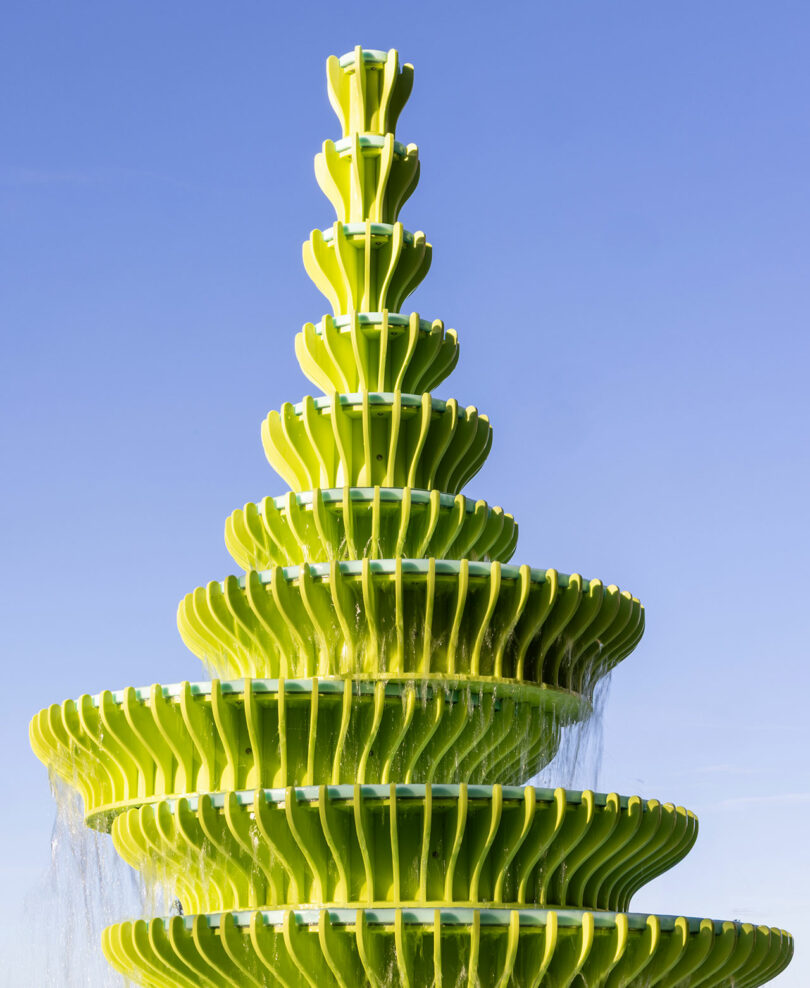
In the historic streets of Padova, Italy, a new architectural gesture is quietly redefining how we perceive the act of making. Mosca Bianca, a compact 50-square-meter ceramic workshop and exhibition space, is more than just a studio; it is a tectonic response to the ancient craft of pottery. Designed by the visionary team at AACM (Atelier Architettura Chinello Morandi), this space serves as a temple to the centripetal motion of the potter’s wheel, blending raw materiality with a sophisticated, gallery-like aesthetic.
For those of us who follow interior styling, Mosca Bianca represents a shift away from the cluttered, "industrial-chic" pottery studios of the past decade. Instead, it offers a vision of "architecture within architecture," where every surface tells a story of the earth and every tool is part of a curated performance.
The Design Philosophy: Inspired by the Potter's Wheel
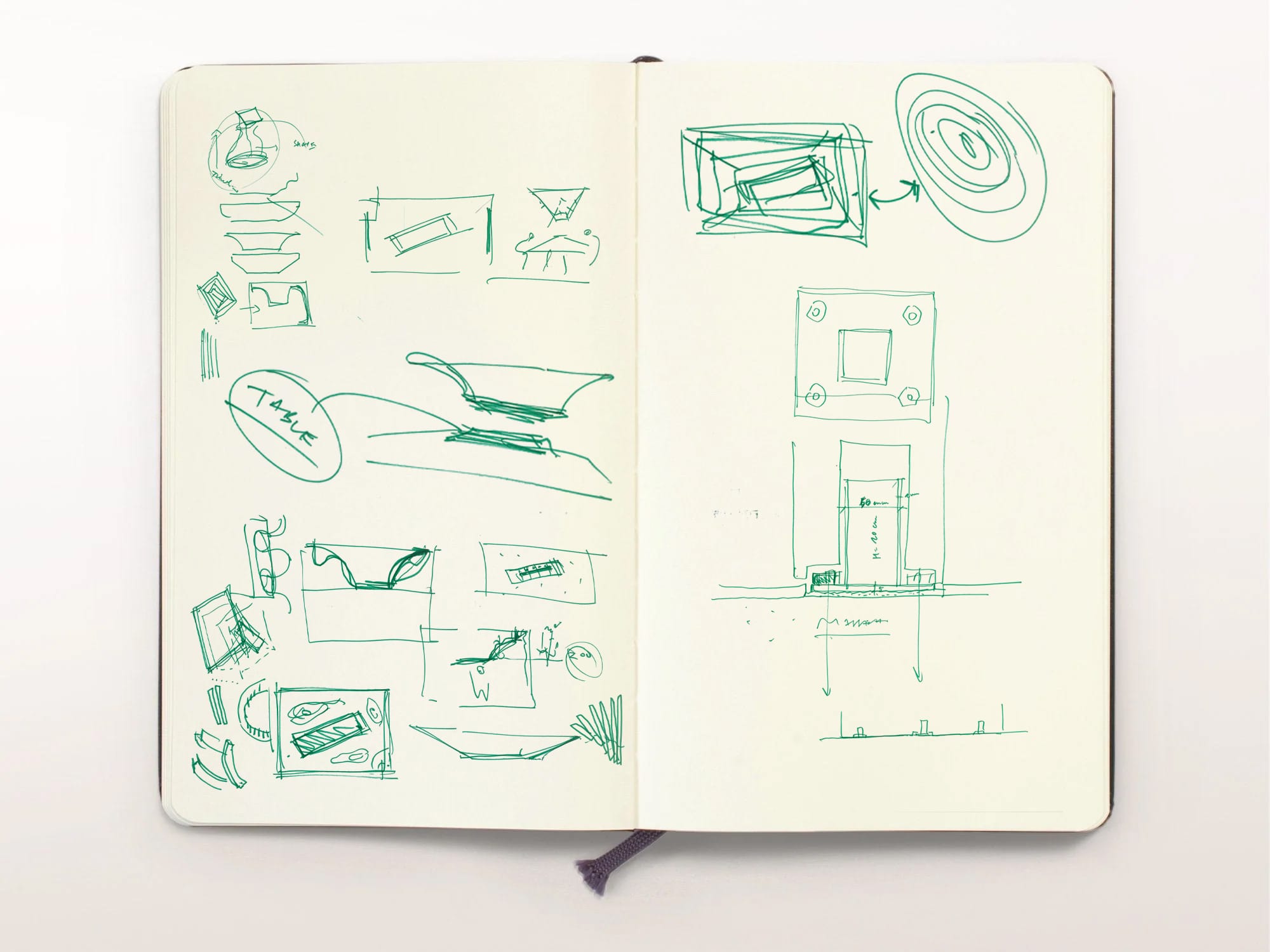
The core of Mosca Bianca’s design lies in a single, powerful architectural gesture: the rotation. To step into this 50-square-meter space is to feel the invisible force of the potter’s wheel. AACM focused the entire layout around a central axis, creating a sense of "centripetal motion" that draws the eye upward and inward.
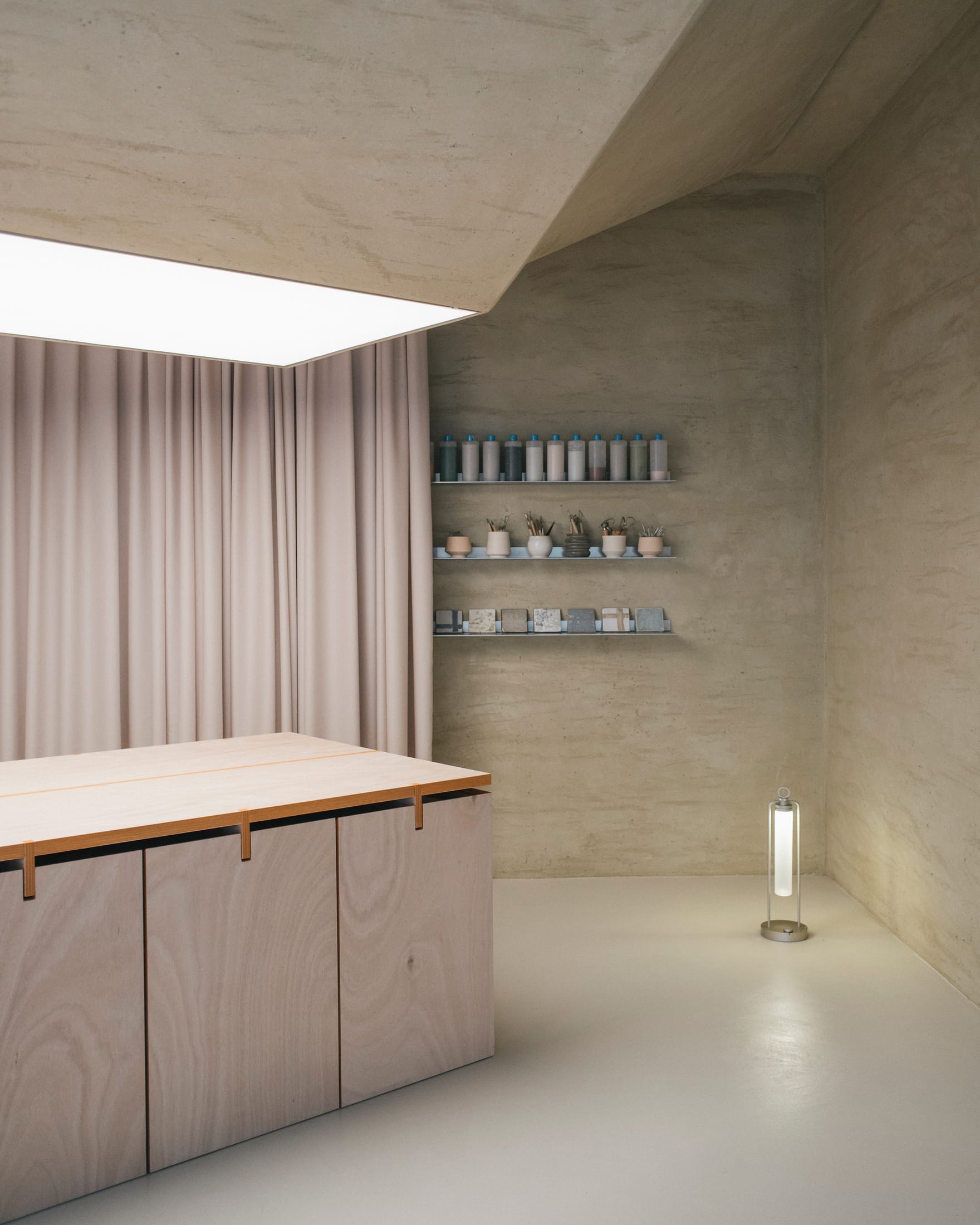
The ceiling is the most striking manifestation of this concept. It twists and curves, mimicking the way clay rises under a master’s hand. This isn't just a decorative flourish; it’s a functional anchor. At the center of this architectural swirl is a zenithal light source—a vertical anchor that floods the room with natural light, illuminating the workstation below like a stage.
Architecture Within Architecture: The Modular Worktable
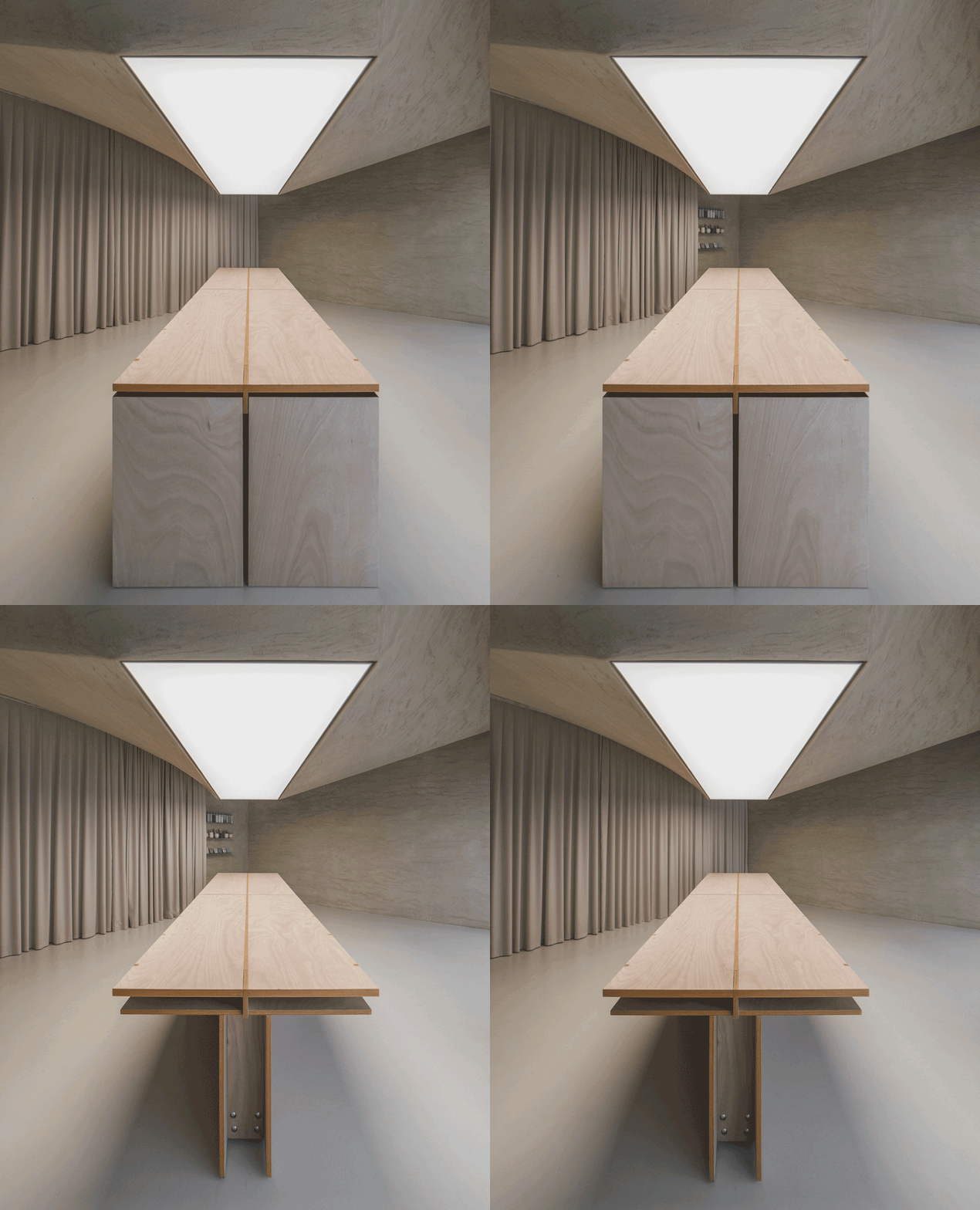
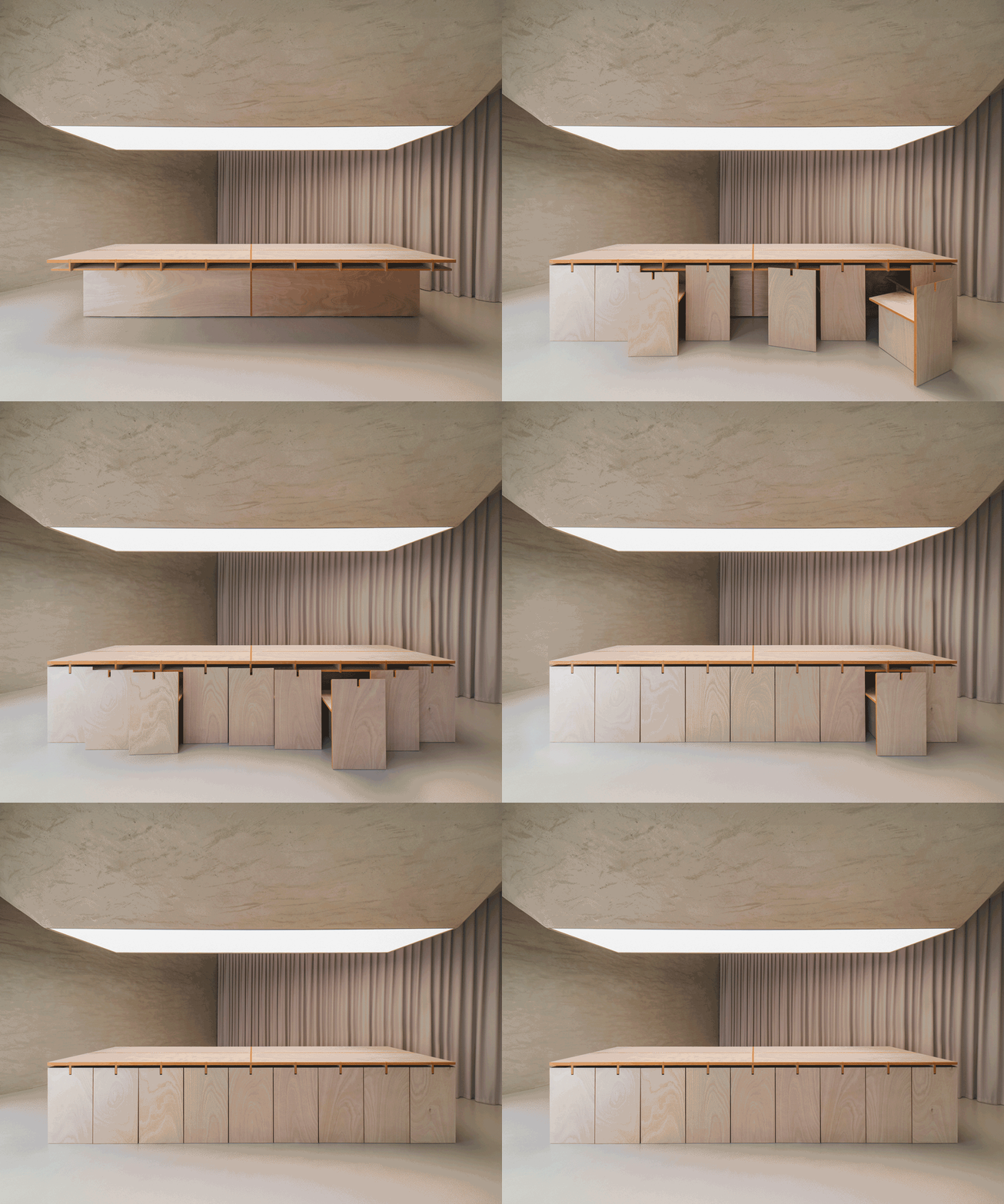
In a space this intimate, every piece of furniture must perform double duty. The centerpiece of Mosca Bianca is a massive, diagonal worktable that AACM describes as an "exhibition altar." This is the heart of the workshop, where the boundary between "making" and "showing" disappears.
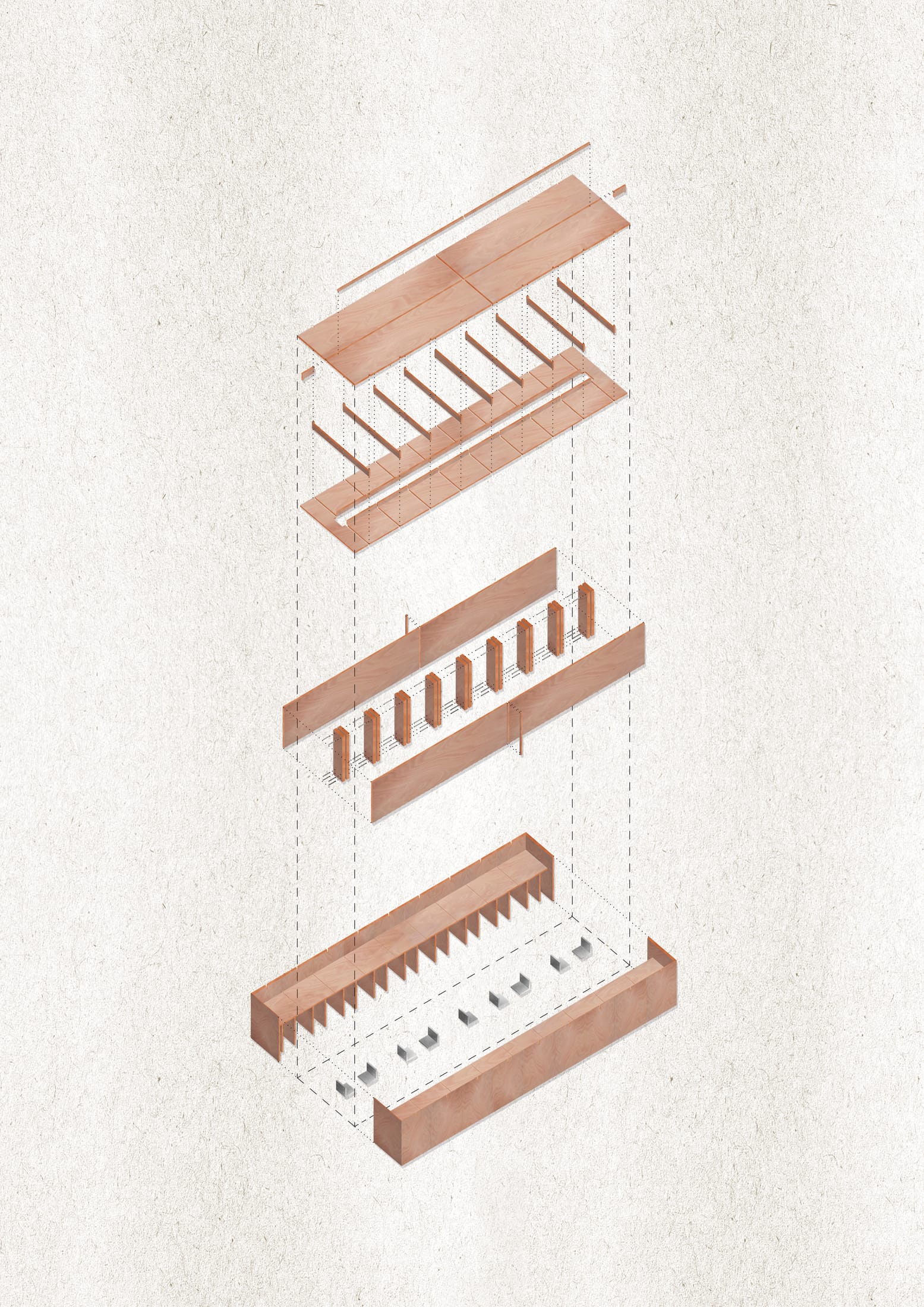
The table is a marvel of modular design. During a masterclass, it functions as a multi-seat workstation, providing ample space for students to engage with the clay. When the studio transitions into an exhibition phase, the same table becomes a pedestal for finished works.
Technical Specifications of the Workspace:
- Footprint: A compact 50 square meters designed for maximum efficiency.
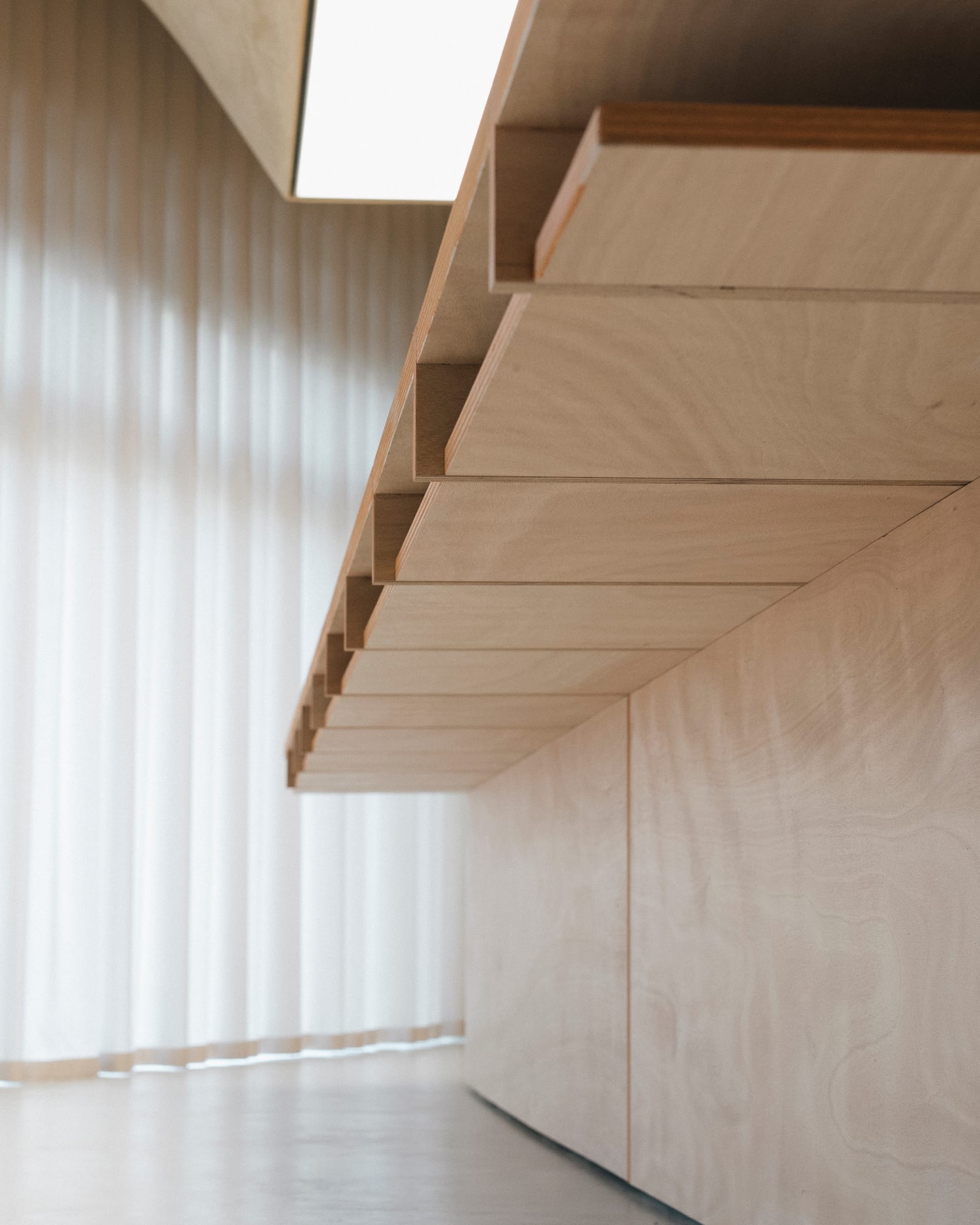
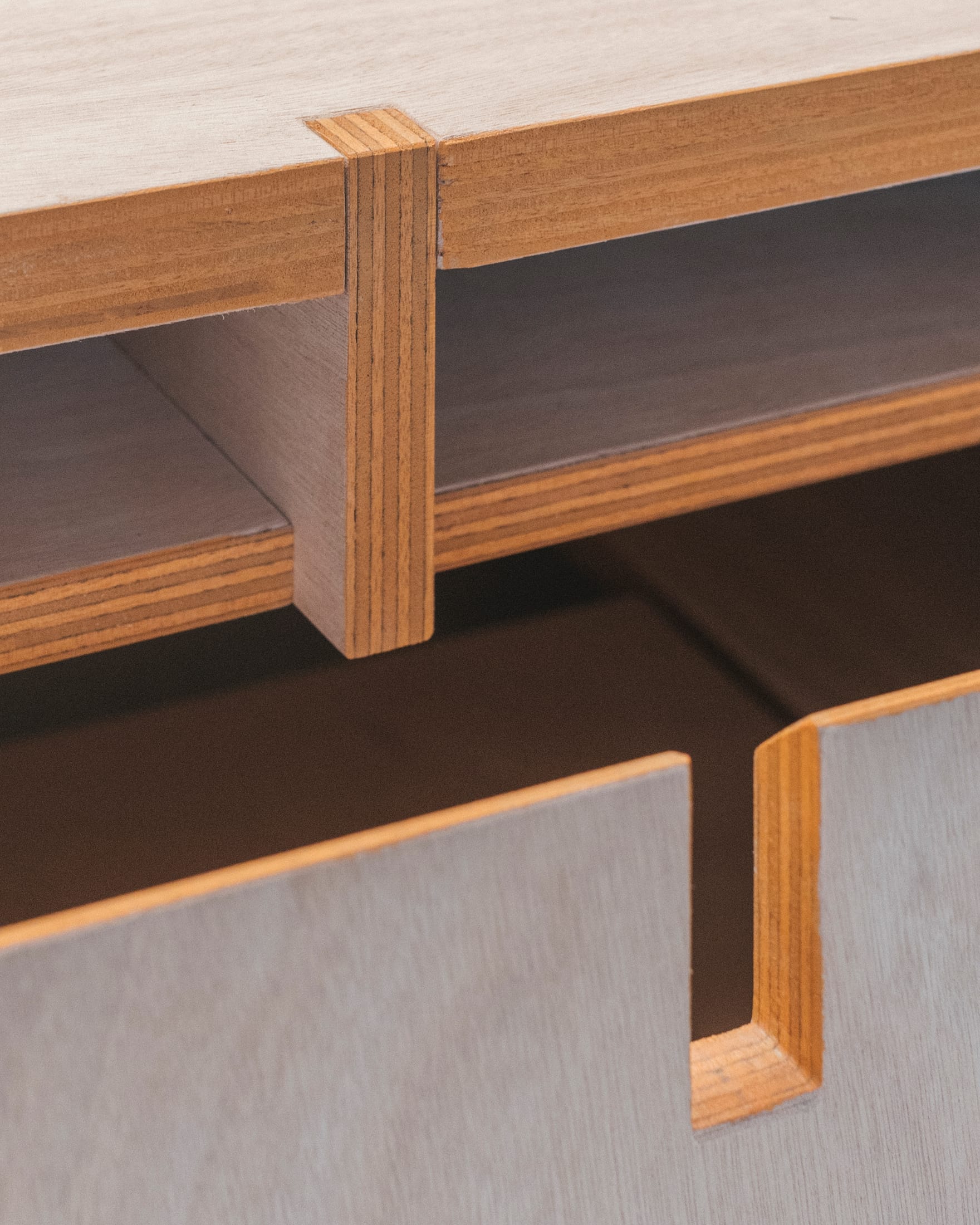
- Structure: The table utilizes a T-frame cantilever system, allowing for a light, floating appearance despite its heavy-duty function.
- Material: Built from high-quality okumé timber sheets, chosen for their water resistance and warm, tactile finish.
- Transition: Modular seating can be tucked away or repositioned, shifting the room from a high-energy production site to a serene gallery in minutes.
Sustainable Materiality: A Circular Narrative
What truly sets Mosca Bianca apart is its commitment to a 100% circular economy material strategy. As an editor, I often see "sustainable" used as a buzzword, but here, it is baked into the very walls.
The interior surfaces are finished with a custom rammed-earth plaster. Rather than using virgin soil, the architects utilized industrial brick production waste—essentially recycled brick dust—to create a textured, monolithic look. This choice creates a poetic link to the craft: the walls that shelter the workshop are made from the same terracotta lifecycle as the pots being created within them.
"The choice of rammed-earth plaster isn't just aesthetic; it's a symbolic closure of the loop. It reminds the maker that every shard and every grain of waste has the potential to become part of the architecture itself." — Ivy Chen
While the walls provide a rough, symbolic backdrop, the work surfaces remain practical. The okumé timber provides a smooth, durable contrast, ensuring the space can withstand the moisture and abrasion inherent in ceramic work.
The Theater of Production: Hidden Tools and Rituals
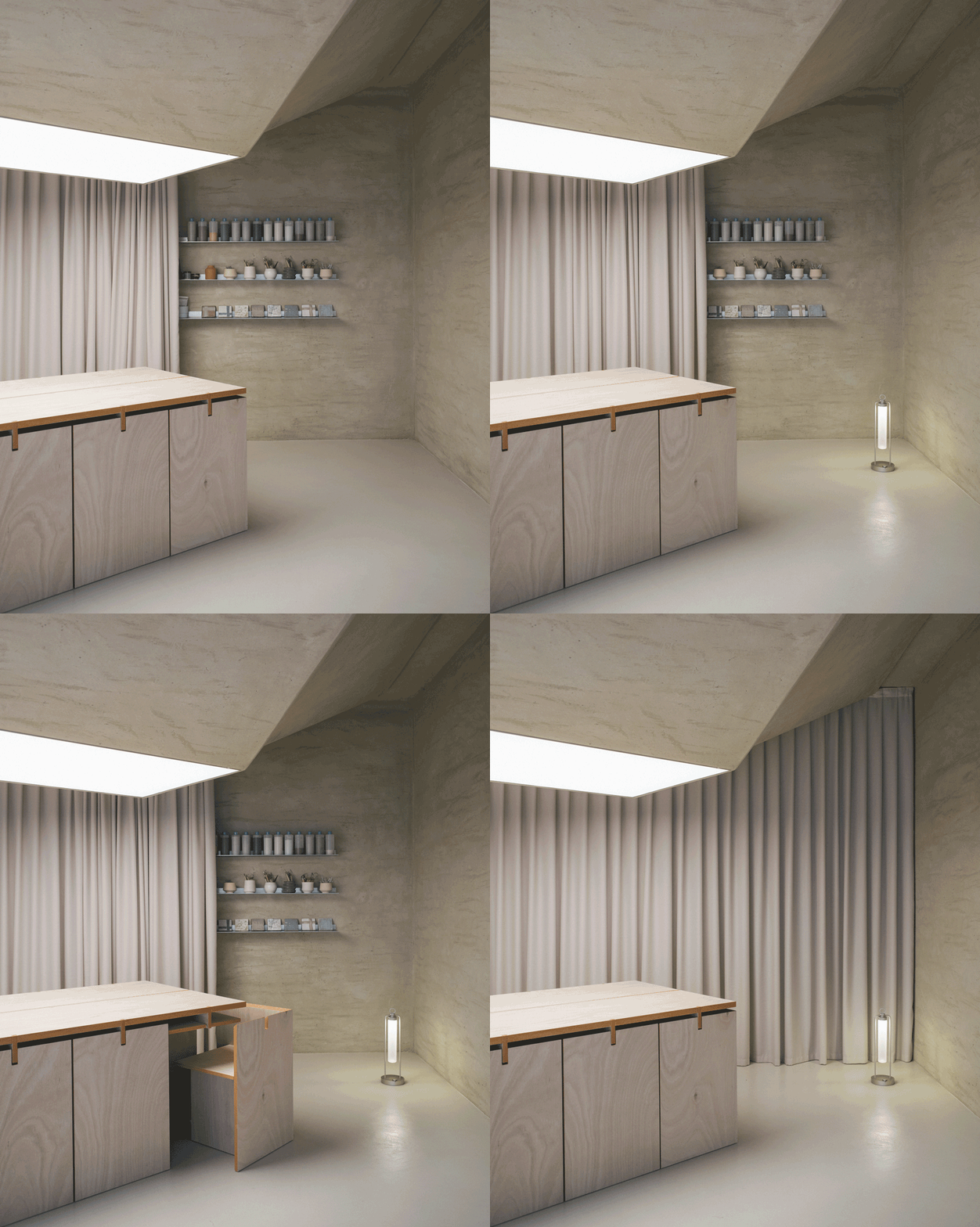
There is a theatricality to Mosca Bianca that I find deeply compelling. Typically, a pottery studio is filled with shelves of messy tools, half-dried sponges, and metal ribs. At Mosca Bianca, these functional elements are treated with the reverence of a "mise en place" at a high-end restaurant.
Modeling tools and equipment are concealed behind sleek metal blades and curtains. This allows the space to maintain its "exhibition-ready" state at all times. The inaugural exhibition, aptly titled The Last Supper, highlighted this ritualistic approach by laying out tools as if for a grand banquet, turning the instruments of labor into objects of art.
Global Perspective: 2026 International Pottery Workshops
While the architecture of Mosca Bianca is enough to draw design enthusiasts, its real purpose is to host a new generation of ceramicists. Looking ahead to 2026, the workshop has curated a lineup of international masterclasses that reflect its commitment to both ancient tradition and contemporary sculpture.
For those planning to travel for their craft, these upcoming sessions offer a rare opportunity to study under world-renowned masters in a space designed specifically for deep focus.
2026 Workshop Highlights
| Artist | Workshop Title | Technique Focus |
|---|---|---|
| Andri Maimaridou | The Art of Kintsugi | Traditional Japanese repair using gold and lacquer. |
| Kwak Kyungtae | Korean Onggi Masterclass | Mastering large-scale jar construction using the paddle and anvil. |
| Thaddeus Erdahl | Head Games | Sculptural portraiture and storytelling through ceramic "heads." |
| Alberto Bustos | Planting Soul | Creating hyper-realistic organic and botanical forms. |
Whether you are interested in the meditative precision of Kintsugi or the physical demand of large-scale Korean Onggi, the 2026 schedule at Mosca Bianca is designed to push the boundaries of what clay can do.
Frequently Asked Questions
What does "Mosca Bianca" mean? In Italian, "Mosca Bianca" (White Fly) is an idiom used to describe something rare, exceptional, or out of the ordinary—a fitting name for a space that challenges the traditional aesthetic of a pottery workshop.
Can I visit Mosca Bianca if I'm not taking a workshop? Yes. The space functions as a contemporary ceramic exhibition space. Visitors can view ongoing exhibitions and see the architectural design during scheduled gallery hours.
How does the modular table transition work? The table consists of several sections that can be configured into a long, singular "altar" for exhibitions or separated into distinct workstations. The cantilevered design ensures that even when people are sitting around it, the space feels open and uncluttered.
Final Thoughts
Mosca Bianca is a testament to the idea that the environment in which we create directly influences the quality of our work. By elevating the humble pottery studio into a masterpiece of circular architecture and thoughtful design, AACM has created a sanctuary for artists that is as inspiring as the pieces they produce. If you find yourself in Padova in 2026, make it a point to step inside this "White Fly"—it is a rare sight indeed.