The kitchen has long been heralded as the heart of the home, but in recent years, its pulse has quickened. We are no longer just searing scallops or steeping tea; we are attending board meetings, managing spreadsheets, and navigating the complexities of a remote career—all within earshot of the espresso machine. As we look toward 2026, the design landscape is shifting away from the sprawling, undifferentiated open-plan layouts of the past decade. Instead, we are entering the era of "activity-based zoning."
According to 2026 design forecasts, 85% of homeowners now prioritize this type of intentional zoning over traditional open-plan layouts to better accommodate the permanence of remote work. The goal is no longer just to have a desk in the kitchen; it is to create a workspace that feels architecturally integrated, mentally separate, and visually serene.
1. Implement Defined Zoning to Separate Prep from Productivity
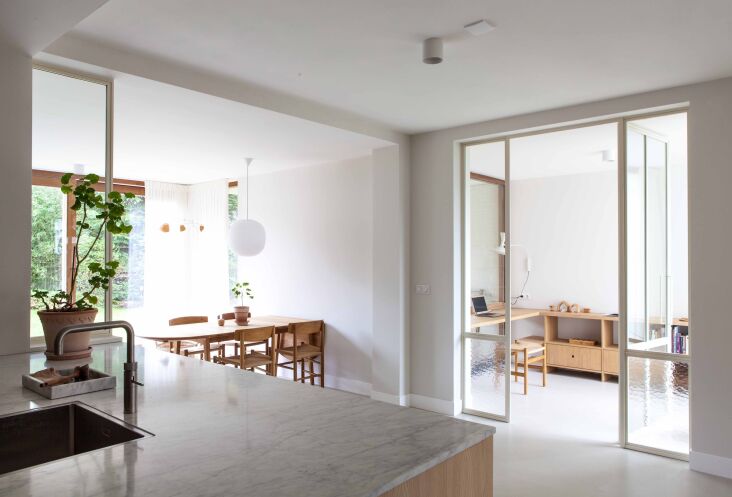
To create a functional home office in a kitchen, the most successful designs use defined 'zones' that separate prep areas from workstations. This isn't just about physical distance; it’s about psychological transition. Designers are increasingly utilizing glazed partitions—steel-framed or timber-clad glass walls—to maintain the light flow and visual connection of an open space while providing the acoustic separation necessary to reduce kitchen noise.
When planning your kitchen home office layout, think of the classic "work triangle" (sink, stove, fridge) and add a fourth vertex: the office. This fourth point should be situated outside the high-traffic flow to ensure you aren't dodging a hot tray of roasted vegetables while on a video call.
Ivy’s Style Tip: If a permanent glass wall isn't in the budget, consider "soft zoning." A change in floor material—transitioning from kitchen tile to a warm wood inlay—can act as a visual boundary that tells your brain, "You are now at work."
2. Achieve Cohesion Through Matching Custom Cabinetry
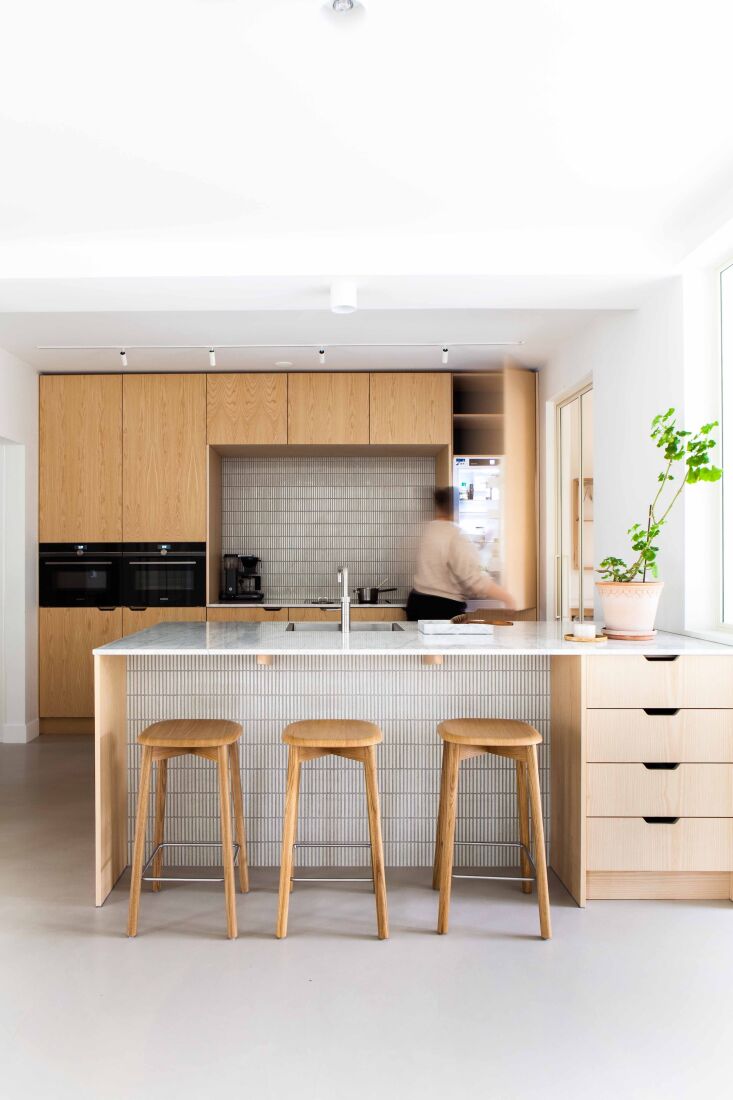
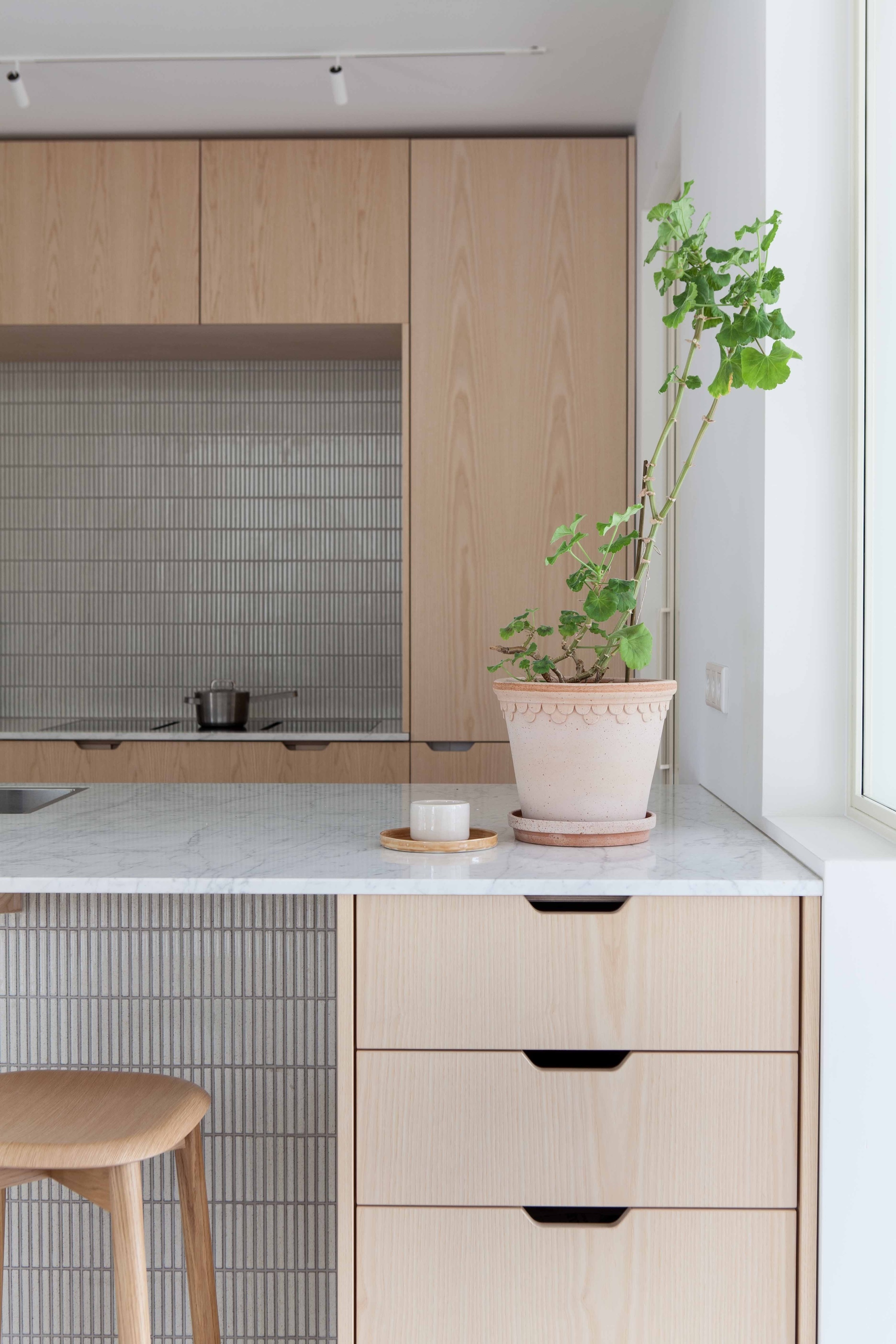
Nothing kills the "designer" feel of a kitchen faster than a generic white desk shoved into a corner. Integrated kitchen offices are best achieved through matching custom cabinetry—such as ash or oak—which ensures the workspace feels like a cohesive part of the furniture rather than an afterthought. By using the same wood species and hardware as your kitchen islands or pantry doors, the office disappears into the room’s architecture when not in use.
Current trends show that homeowners are moving away from clinical office aesthetics. We are seeing a 40% increase in requests for custom 'clutter-free' zones. These include:
- Hidden Desk Nooks: Desks tucked behind pocket doors that can be closed at 5:00 PM to "hide" the workday.
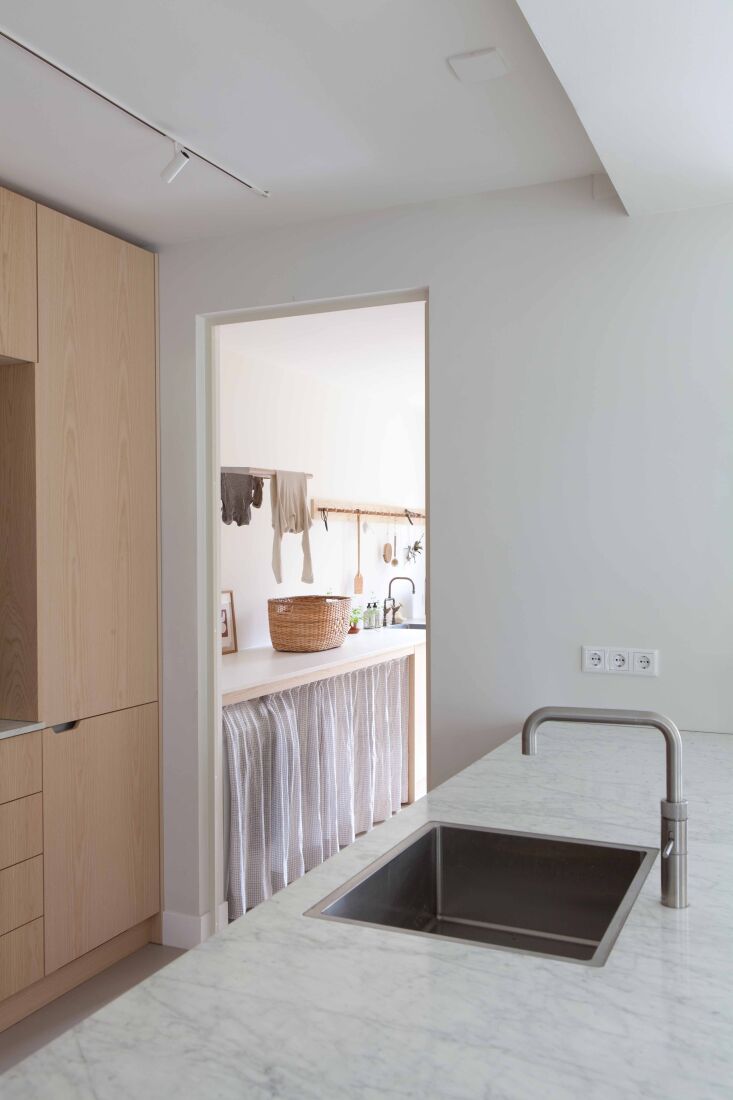
- Curtained Utility Stations: Using high-quality linen or velvet drapes to soften the look of a tech-heavy corner.
- Furniture-Grade Finishes: Using tactile materials like fluted wood or honed stone to make the desk feel like a bespoke console.
3. The 'Back-of-House' Shift: Butler's Pantries and Alcoves
One of the most exciting multi-functional kitchen design trends for 2026 focuses on 'back-of-house' efficiency. In this model, administrative and office tasks are moved to adjacent alcoves or expanded butler’s pantries. This allows the main kitchen area to remain calm, architectural, and dedicated to hosting, while the "messy" work of life—bills, laptops, printers, and charging cables—is tucked away.
If you have a walk-in pantry or a scullery, consider extending the countertop to create a standing desk or a small sitting nook. This creates a "sanctuary of focus." It is the ultimate luxury: a dedicated quiet zone that is still only steps away from a fresh pot of coffee.
Trend Spotlight: The 2026 Administrative Alcove Designers report that the "command center" is moving out of the mudroom and into the "back kitchen." These spaces often feature built-in pinboards wrapped in neutral linen, integrated task lighting, and dedicated "tech drawers" for charging multiple devices out of sight.
4. Lighting and Ergonomics: Supporting the Long Haul
A kitchen home office layout often fails because of poor lighting. Kitchens are typically filled with bright, cool-toned "task" lighting designed for safety while chopping. This is often too harsh for long hours staring at a screen. To solve this, you need a layered lighting strategy:
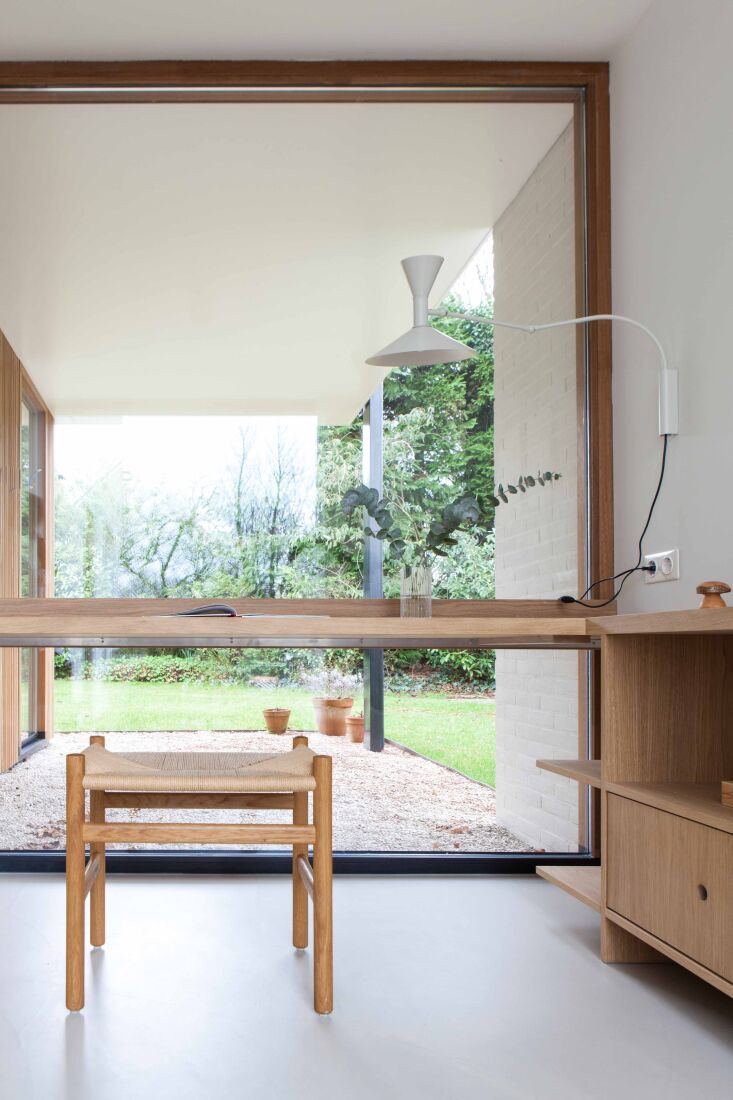
- Dedicated Task Lighting: A slim, architectural desk lamp or an under-cabinet LED strip (warm-toned) specifically for the workspace.
- Ambient Dimming: Ensure your overhead kitchen lights are on dimmers so you can soften the atmosphere of the room while you focus.
- Natural Light Alignment: Whenever possible, position the desk perpendicular to a window to reduce glare on your monitor while providing a view to rest your eyes.
Ergonomics shouldn't be sacrificed for style. While a vintage Thonet chair looks beautiful, it might not support an eight-hour shift. Look for "home-office" crossovers—chairs with ergonomic support upholstered in kitchen-friendly fabrics like performance bouclé or leather that match the dining chairs.
5. Smart Tech Integration and Cable Management
The enemy of a multi-functional kitchen design is "cable creep." Nothing destroys the clean lines of a custom kitchen like a tangle of black wires across a marble countertop.
Modern integrated workspace kitchen solutions include:
- Hidden Hubs: Pop-up power outlets integrated directly into the stone countertop or hidden inside drawers.
- Appliance Garages for Tech: Large, deep cabinets with pull-out shelves designed to house printers and scanners, keeping them out of sight when not in use.
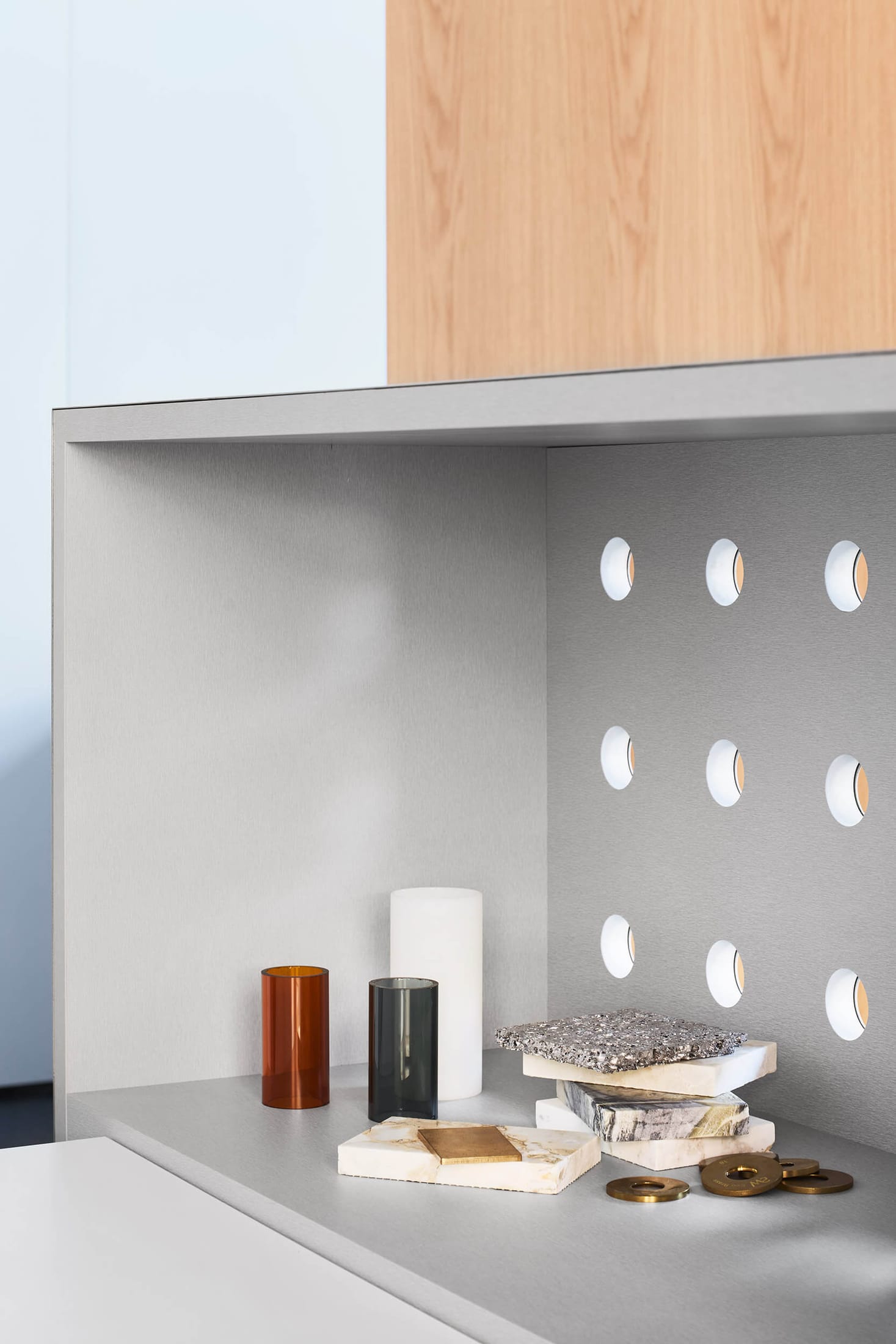
- Video-Ready Backgrounds: When designing the wall behind your desk, consider it your "professional stage." Use open shelving with curated ceramics, a textured wallpaper, or a piece of statement art to ensure you look polished on every call.
Small vs. Large Space Solutions
Depending on your square footage, the way you integrate an office will vary significantly. The table below compares two of the most popular strategies for modern homes.
| Feature | Small Kitchen (Galley Layout) | Large Kitchen (Double-Island) |
|---|---|---|
| Strategy | The Galley Extension | The Dedicated Island Hub |
| Execution | Extend a single wall of cabinetry into a desk; use a stool that tucks completely under. | Dedicate one entire island to "clean" tasks: admin, homework, and light dining. |
| Pros | Maximizes vertical space; keeps the floor plan clear. | Clear separation of "dirty" (prep/cook) and "dry" (work) zones. |
| Best For | Urban apartments and narrow homes. | Open-plan suburban homes and large families. |
| Key Material | Matching wood or laminate to match walls. | Contrasting stone or butcher block to define the zone. |
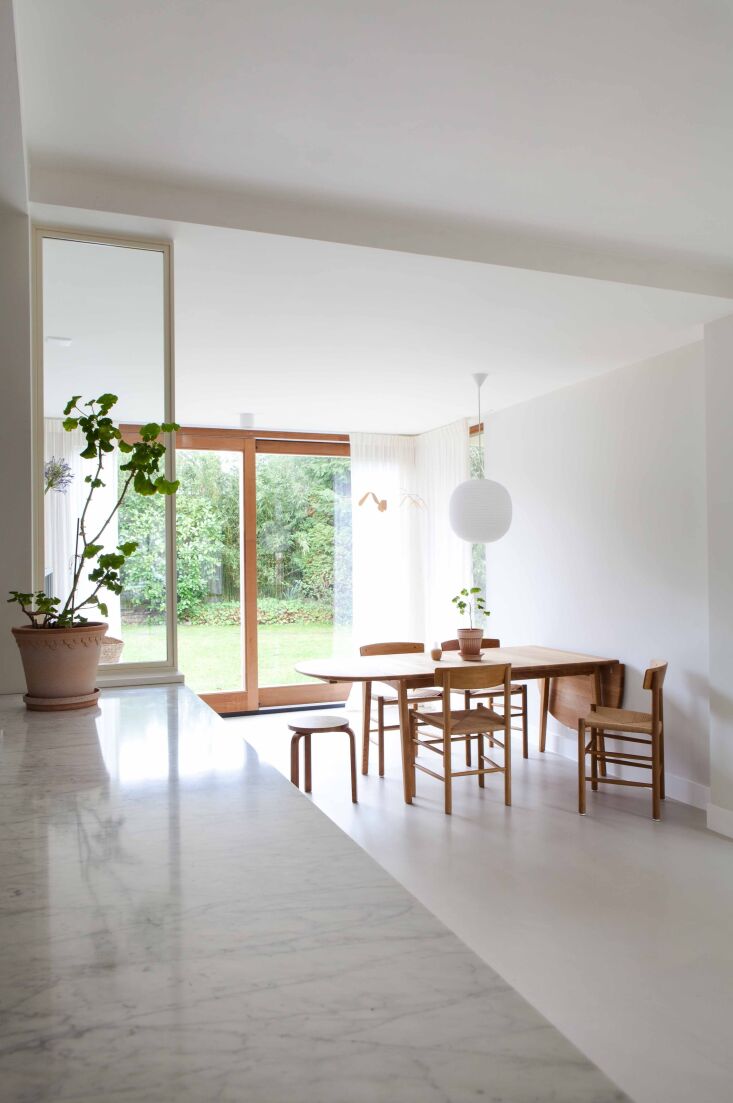
In smaller layouts, high-quality multi-purpose tables are the hero. A sturdy, beautifully crafted oak table can serve as a prep station in the morning, a professional meeting zone in the afternoon, and a dining spot in the evening.
FAQ
Q: How do I prevent my kitchen office from looking like a mess? A: The secret is "closed storage." Use deep drawers for filing and cabinetry doors to hide your computer at night. If the work is invisible, the stress is invisible.
Q: Is it a bad idea to put a desk near a stove? A: Yes. Grease and heat are the enemies of electronics. Always aim for at least four feet of distance from cooking surfaces, or use a partition to protect your tech.
Q: What is the best height for a kitchen office desk? A: A standard desk is 30 inches high. However, if you are integrating it into a kitchen island, you may prefer a "counter-height" desk (36 inches) with a specialized ergonomic stool.
Creating Your Workspace Harmony
Integrating a home office into your kitchen is no longer about compromise; it’s about evolution. By focusing on built-in desk kitchen cabinetry that matches your home's aesthetic and respecting the new rules of kitchen zoning trends 2026, you can create a space that supports both your career and your lifestyle.
The key is to treat the office not as an intruder in the kitchen, but as a guest of honor. When you invest in the right materials—ash, oak, or honed stone—and prioritize ergonomics and lighting, you transform a utilitarian room into a sophisticated, multi-purpose sanctuary.
Ready to redefine the heart of your home? Start by looking at your current layout and identifying that one "dead corner" that could become your next center of productivity.