If there’s anything recent years have taught us about the modern workplace, it’s that adaptability is no longer just a luxury—it’s a survival mechanism. As we step further into 2024, the "static" office is becoming a relic of the past. Today’s high-performing teams demand environments that are as fluid as their hybrid schedules and as restorative as their homes. This is where the intersection of wellness and modularity becomes the new standard for corporate design.
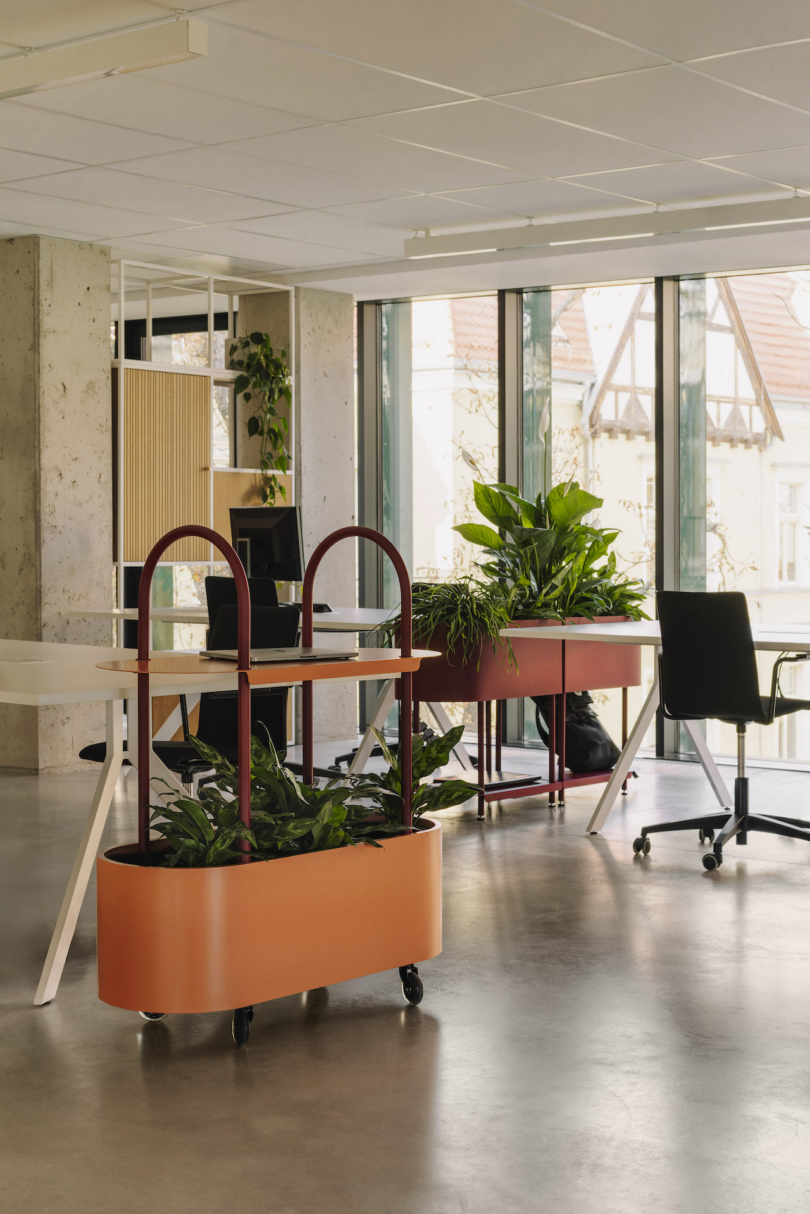
The LOOPO green system is a modular furniture solution designed by Bujnie that integrates plants into the office environment through customizable planters, shelving, and room dividers. It represents a fundamental shift in how we perceive workspace greenery: no longer a decorative afterthought, but a core functional strategy that anchors the modern office.
The Biophilic Edge: Improving Employee ROI
We often talk about "Return on Investment" in terms of technology or square footage, but in 2024, the most critical ROI is found in employee well-being. Biophilic design—the practice of connecting people with nature in the built environment—is the secret weapon of the world’s most successful offices. It’s not just about aesthetics; it’s about biology.
Biophilic design in modern offices improves employee well-being by filtering air toxins, increasing oxygen levels, and reducing stress through direct contact with natural elements. Research consistently shows that environments rich in greenery can boost cognitive function and creativity while lowering heart rates. By moving away from sterile, "gray" office tropes and toward a "smart calm" aesthetic, companies can create sensory-friendly zones that mitigate the mental fatigue often associated with high-pressure digital work.
Integrating greenery via a structured system like LOOPO allows designers to:
- Create Psychological 'Refuge' Spaces: Large-scale planters act as soft barriers, providing a sense of privacy and safety in open-plan layouts.
- Improve Air Quality Naturally: Plants act as living filters, absorbing CO2 and releasing fresh oxygen, which is vital for maintaining afternoon focus.
- Soften the Industrial Edge: The organic shapes of the LOOPO system provide a visual contrast to the hard lines of laptops and monitors.
Modular Versatility: Adapting to the Hybrid Era
The challenge of the hybrid era is the "pulsing" office—one day it’s a bustling hub of forty people, the next it’s a quiet sanctuary for five. Traditional, heavy furniture simply cannot keep up with this pace. This is why flexible office space solutions are topping the priority list for facility managers this year.
Modular office furniture promotes sustainability by allowing pieces to be reconfigured and repurposed as a team grows, significantly reducing waste and product turnover. The LOOPO system by Bujnie is designed specifically as a "toolkit" for these evolving spaces. Instead of purchasing fixed partitions that end up in landfills during a renovation, teams can invest in a system that evolves with them.
The LOOPO collection consists of several key components that can be mixed and matched:
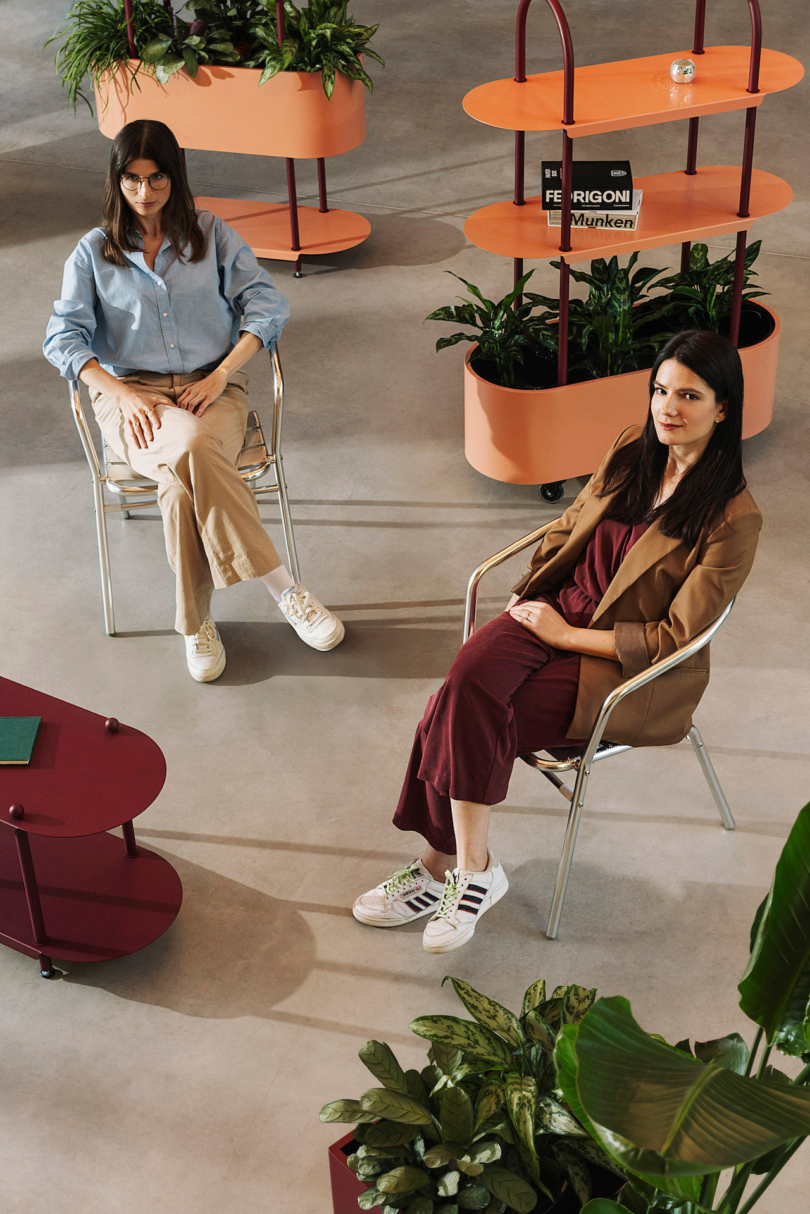
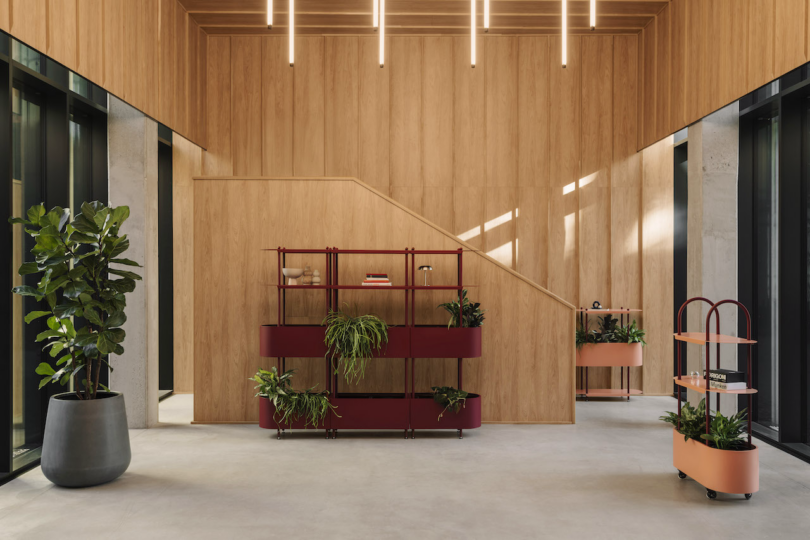
- Standing Modules: Available in bean, half-bean, and rectangular shapes, these modules can be used as solo planters or grouped to form winding "green rivers" through the office.
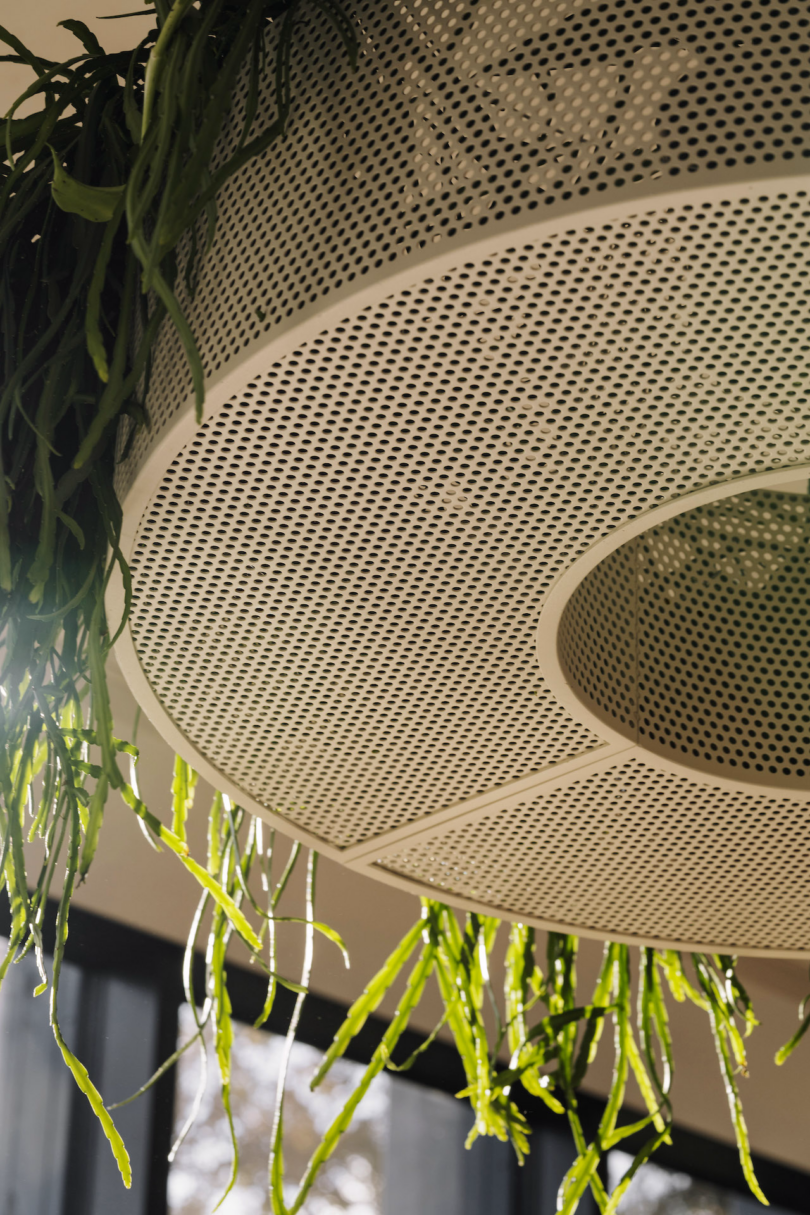
- Hanging Systems: For offices where floor space is at a premium, circular hanging fixtures and rod systems allow for a lush, overhead canopy.
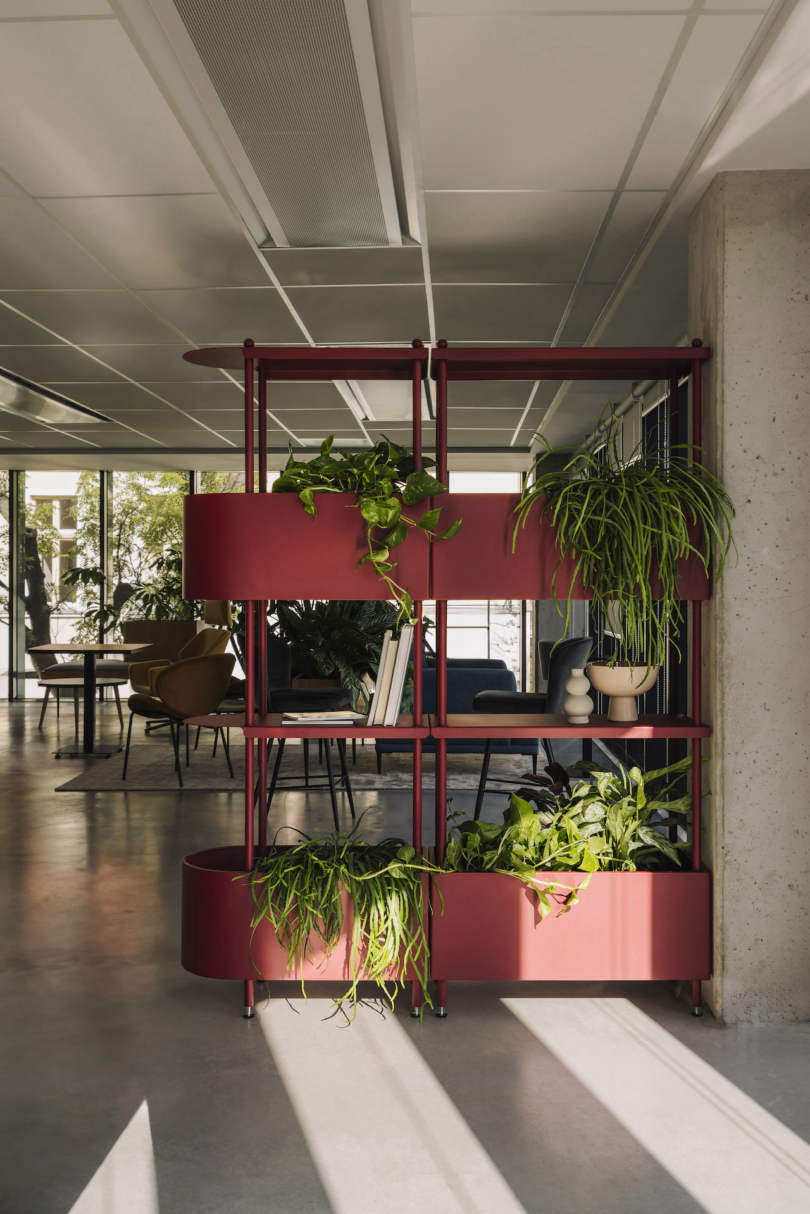
- Multi-functional Shelving: These units combine storage with greenery, allowing books, awards, and plants to coexist in a single, beautiful vertical structure.
Sustainability and Technical Precision
In an era of "greenwashing," it’s essential to look beneath the leaves at the actual manufacturing process. True sustainability isn't just about having a plant on your desk; it’s about the carbon footprint of the furniture holding that plant.
Bujnie has addressed this through high-level engineering. One of the most impressive technical aspects of the LOOPO system is its finishing process. LOOPO’s precision powder-coating technology reduces VOC (Volatile Organic Compound) emissions by up to 90% compared to traditional liquid painting methods used in office furniture production. This ensures that the air quality benefits provided by the plants aren't undermined by off-gassing from the furniture itself.
Furthermore, implementing modular biophilic systems like LOOPO can extend furniture lifespan by 60% through adaptive reconfiguration. When a company moves to a new location, the LOOPO units don't need to be replaced. A rectangular planter that once sat in a hallway can become part of a larger reception island in a new space, effectively minimizing the carbon footprint of office relocations.
Editor’s Tip: Look for materials like laser-cut steel with high paint recovery systems. It signals a brand that values precision and waste reduction as much as it values design.
Designing Your Space: From Room Dividers to TV Stands
When implementing the LOOPO system, I recommend starting with "Signature Moments." These are high-traffic areas where the visual and psychological impact of greenery is maximized.
- Arrival Points: Use a cluster of "bean" modules in the reception area to create an immediate sense of warmth and brand personality.
- Collaboration Hubs: Use the taller LOOPO shelving units as acoustic buffers. The density of the plants combined with the metal structure helps dampen the travel of sound in open spaces, creating a quieter environment for creative brainstorming.
- Media Zones: Modular greenery can even integrate with technology. By using LOOPO as a base for TV stands or monitor mounts, you can "hide" the tech behind a veil of nature, making digital presentations feel less clinical.
Customization is the final piece of the puzzle. With access to the full RAL color system, the LOOPO modules can be finished to match a company's specific brand identity. Whether it’s a bold "Electric Blue" to spark energy or a "Muted Sage" to promote focus, the color becomes a functional part of the interior design strategy.
FAQ
Q: Is the LOOPO system difficult to maintain in a busy office? A: Not at all. The system is designed for commercial use, meaning the steel is moisture-resistant and the planters are compatible with standard professional plant maintenance services. The modular nature actually makes it easier to access plants for watering or rotation.
Q: Can we add more modules later as our team grows? A: Yes, that is the core benefit of the LOOPO green system. You can start with a few standing planters and eventually add hanging rods or shelving units that connect to your existing pieces, ensuring a cohesive look even as your square footage increases.
Q: How does the powder coating affect indoor air quality? A: Unlike liquid paints that release VOCs over time, Bujnie’s powder-coating process is significantly cleaner. It creates a durable, non-toxic finish that is safe for enclosed office environments, supporting the overall goal of a healthier workspace.
Final Verdict
The future of office design isn't about more desks; it’s about more life. By choosing modular, sustainable, and biophilic solutions like the LOOPO system, companies are making a long-term investment in their greatest asset: their people. 2024 is the year we stop treating plants as decor and start treating them as infrastructure.