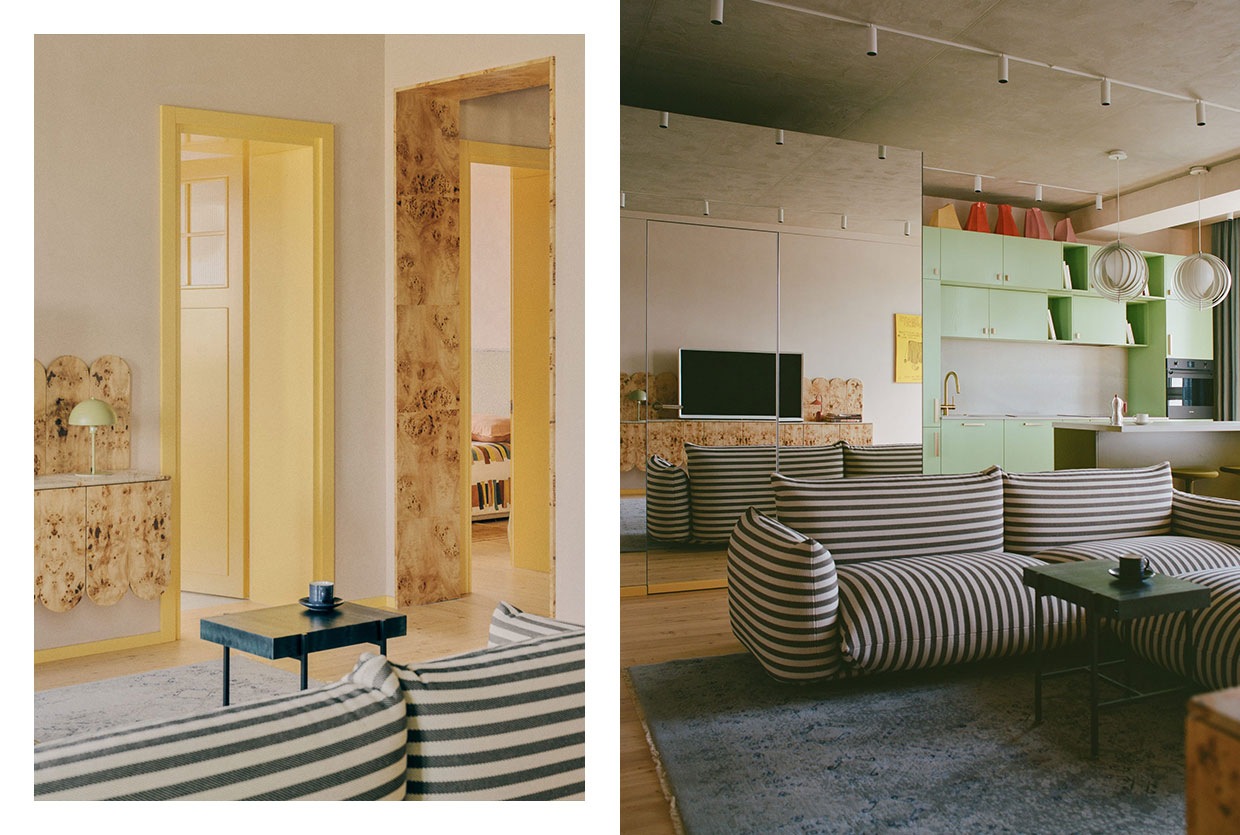
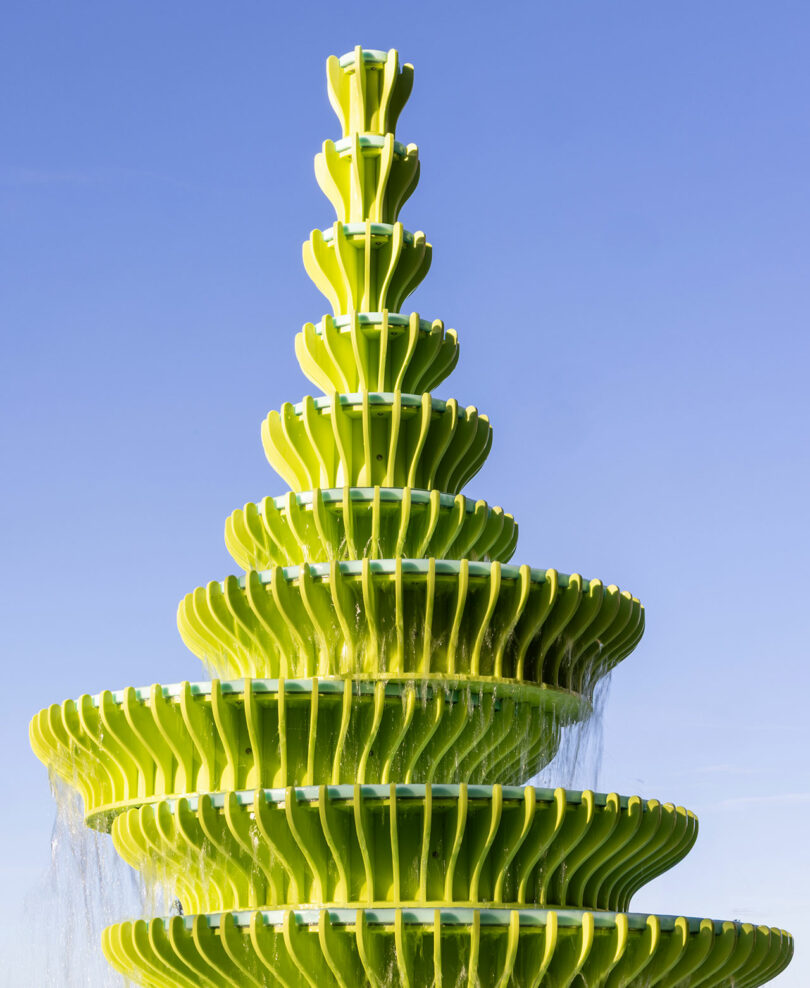
Imagine stepping into a space where the warmth of aged timber meets the quiet, intentional pulse of modern minimalism. There is a specific scent—the faint, mineral aroma of lime-wash walls—and a tactile softness underfoot that feels like velvet-sanded silk. This is the "Lush Country" aesthetic: a sophisticated evolution of the farmhouse style that prioritizes sensory depth over cluttered kitsch.
As we look toward 2026, the data tells a compelling story of our collective desire for sanctuary. Market research indicates that home designs blending rustic textures with Scandinavian-Japanese minimalism have seen a 45% surge in popularity within the luxury rural renovation sector. We are moving away from the "shabby chic" of the past decade and toward a philosophy of Modern Simplicity. Today, a lush country living room is defined by a curated mix of mid-century silhouettes, breathable organic materials like lime fresco, and a palette that whispers rather than shouts.
To achieve this look, your foundation must be rooted in authenticity. Focus on a neutral base—think 'Milk White' lime fresco walls and lye-finished natural wood floors—layered with cotton velvet upholstery and sculptural, reclaimed stone accents. It is a design language that speaks of longevity, wellness, and a deep connection to the landscape.
The Foundations: Palette and Surface Textures
The secret to a space that feels "lush" despite its simplicity lies in the walls. We are seeing a decisive move away from flat, plastic-based emulsion paints toward the ancient artistry of lime-based fresco. Unlike standard paint, lime fresco is breathable and reactive to light, creating a soft, mottled depth that changes throughout the day.
For a 2026-ready palette, 'Milk White' is the undisputed hero. It isn't a stark, clinical white; it carries the warmth of heavy cream and the earthiness of crushed bone. When applied with a brush in sweeping, cross-hatch motions, it provides an architectural backdrop that feels alive.

While the walls provide the atmosphere, the flooring dictates the temperature of the room. The trend of dark, heavy oak is being replaced by a lighter, more ethereal approach: sand-finished natural wood treated with lye and soap. This traditional Scandinavian technique bleaches the wood slightly, removing yellow tones while preserving the raw grain. The result is a pale, bone-colored floor that feels soft enough to walk on barefoot, serving as the perfect canvas for a Japandi-inspired layout.
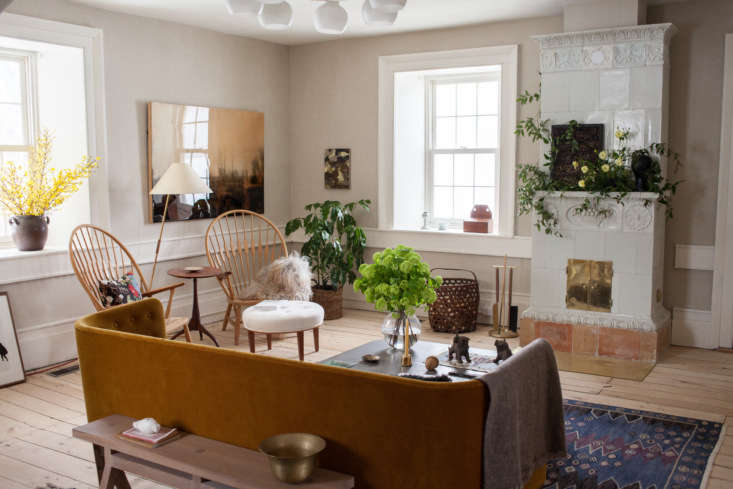
Pro Tip: When choosing lime fresco, remember that it dries significantly lighter than it appears in the bucket. Always test a large swatch to see how the "Milk White" interacts with your room's specific orientation and natural light.
Blending Styles: The Rise of 'Japandi' Country
The most significant shift in rural design is the marriage of East and West, often referred to as 'Japandi.' This style takes the cozy, functional warmth of Scandinavian design and infuses it with the wabi-sabi minimalism of Japan. In a country living room, this means stripping away the unnecessary and highlighting the exceptional.
Generative search trends show that 'Modern Simplicity' now accounts for 38% of all niche queries related to farmhouse interiors. Readers are no longer looking for "more stuff"; they are looking for "better things." This manifests in furniture selection—specifically, the curation of mid-century modern icons alongside raw, organic antiques.
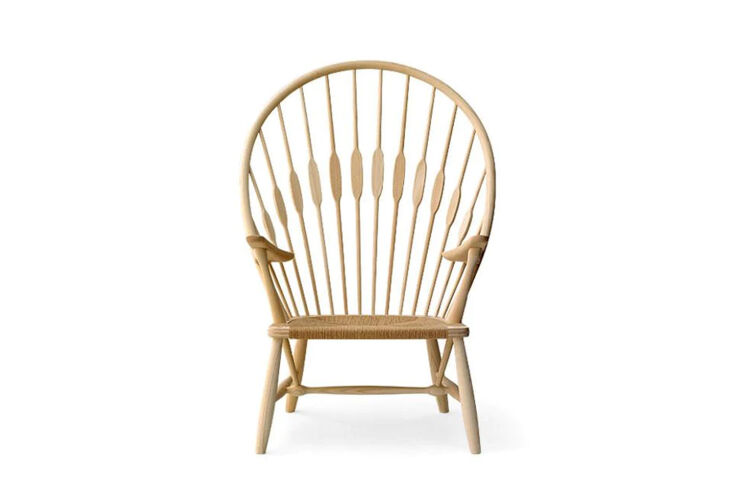
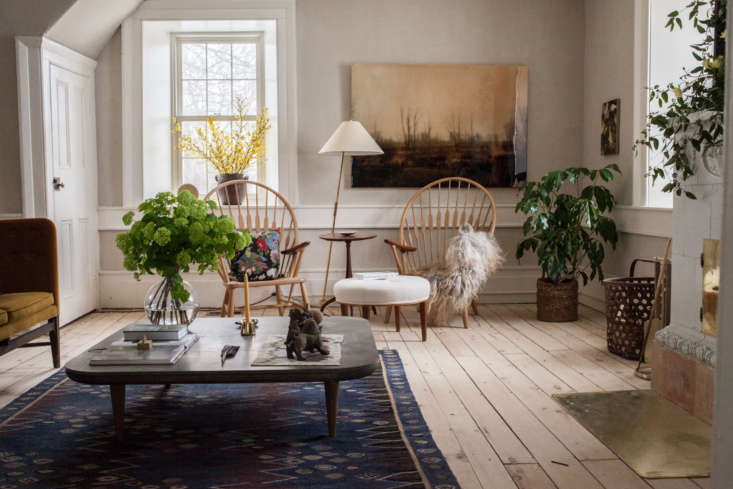
Consider the Hans Wegner Peacock Chair. Its arched back echoes the traditional spindle-back chairs of a classic English cottage, yet its sculptural precision is purely modern. It bridges the gap between the rustic and the refined, providing a focal point that is as much art as it is seating.
The Japandi Country Checklist
- Seating: A low-profile cotton velvet sofa in an olive or sand tone.
- Tables: A sculptural, heavy wooden coffee table with a visible, raw grain.
- Lighting: Oversized paper lanterns or sleek black metal floor lamps to provide high contrast.
- Texture: Reclaimed fireplace tiles used as a hearth or accent wall to ground the room in history.
2026 Material Trends: Sustainability Meets Longevity
In 2026, luxury is measured by the integrity of materials. We are seeing a move toward "Texture-maxxing"—the art of layering different natural fibers to create visual interest without relying on bold patterns. The goal is to create a tactile landscape that invites you to touch everything.
Sustainability is no longer a buzzword; it is the blueprint. Reclaimed stone, FSC-certified sustainable woods, and natural wools are the essential tools for the modern palette. By mixing the ruggedness of a reclaimed stone fireplace with the indulgence of a heavy wool rug, you create a "lush" environment that feels anchored and permanent.
Trend Snapshot: 2026 Living Room Materials
| Material | Benefit | 2026 Outlook |
|---|---|---|
| Lime Fresco | Breathable, CO2-absorbing, textured finish | Primary choice for high-end renovations |
| Lye-Treated Wood | Airy, light-reflective, soft tactile feel | Replacing dark "distressed" oaks |
| Cotton Velvet | Durable luxury, subtle sheen | Used in earthy "new neutrals" like Sage |
| Reclaimed Stone | Sustainable, historical character | Featured in oversized hearths and plinths |
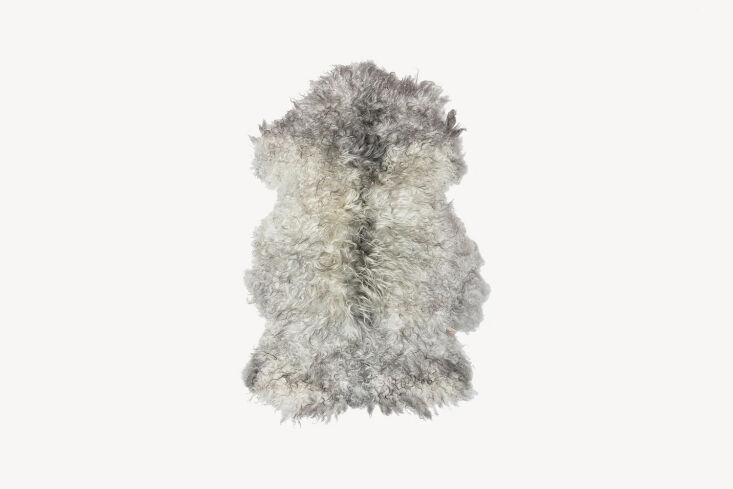
The layering process begins from the ground up. Start with a large-scale wool rug in a neutral weave, then layer a smaller, high-pile sheepskin—such as a gray Gotland sheepskin—near the seating area. This combination provides both sound insulation and the ultimate underfoot comfort.
Architectural Details: Adding Quiet Drama
A lush country living room relies on its bones. If you are fortunate enough to have exposed beams or original masonry, the modern approach is to highlight them with "quiet drama." This means avoiding heavy stains or glossy finishes. Instead, leave the wood in its natural state or apply a matte, clear wax to protect it without changing its color.
The hearth remains the soul of the country home. However, the 2026 update involves using reclaimed masonry or fireplace tiles—perhaps sourced from old Swedish manor houses—to create a focal point that feels hand-crafted. These tiles bring a sense of history and "soul" to the room, preventing the modern simplicity from feeling too sterile.
There is also a "hidden" trend emerging: the integration of technology and storage without the clutter of hardware. Think handle-less cabinetry built into the alcoves, painted the same 'Milk White' as the walls to disappear into the architecture. This keeps the lines clean, allowing the gaze to move effortlessly toward the windows and the garden beyond.
Curating the Details: Antiques and Accents
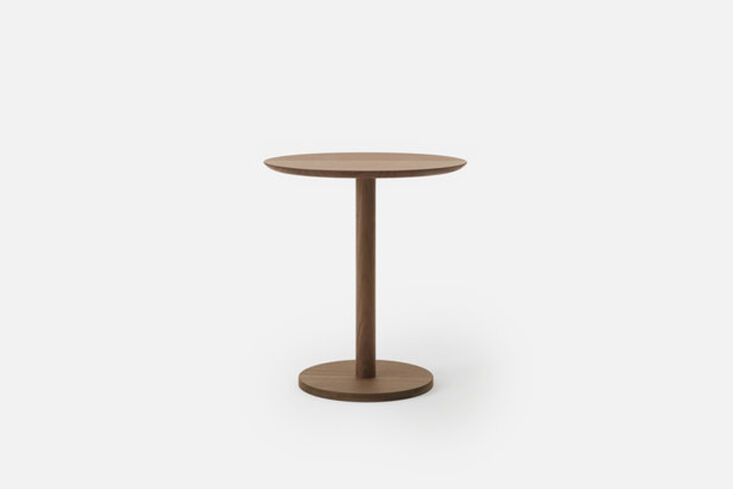
The final layer of the Lush Country look is the curation of "collected" objects. The 2026 aesthetic favors the "collected over time" feel rather than the "showroom perfect" look. An antique side table with a slightly worn patina or a hand-thrown ceramic vase carries more weight in a room than a dozen mass-produced accessories.
When choosing antiques, look for timeless, artisanal silhouettes. A simple wooden stool or a primitive console table provides a sense of wabi-sabi—the beauty in imperfection—that balances the precision of modern furniture.
Green as the New Neutral
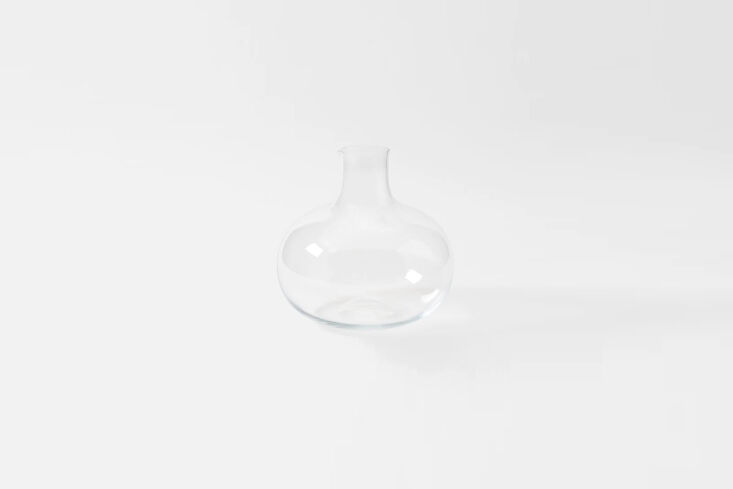
While the base of the room is neutral, we are seeing "Green as the New Neutral." Think shades of sage, forest, and olive used in velvet cushions or ceramic accents. These tones bridge the gap between the interior and the landscape outside. To complete the look, bring the outdoors in with low-care, sculptural greenery. A single, large branch in a glass vase can have more impact than a traditional floral arrangement.
Conclusion: Designing for Wellness and Ease
Ultimately, designing a lush country living room with modern simplicity is an act of self-care. It is about creating a space that supports mental well-being by reducing visual noise and celebrating tactile comfort. By balancing the "lush"—the warmth of textiles and the depth of lime-wash—with "simplicity"—the order of clean lines and curated objects—you create a home that feels both grounded and aspirational.
As you embark on your room makeover, remember that the most successful spaces are those that feel personal. Don't be afraid to leave a corner empty or to let a single, beautiful chair stand alone against a lime-washed wall. In the world of modern simplicity, less isn't just more—it's everything.
FAQ
Q: Is lime fresco paint difficult to maintain in a busy household? A: Not at all. While it has a matte, textured appearance, modern lime fresco formulations are surprisingly durable and naturally antimicrobial. Because the color is integrated into the material rather than just sitting on top, small scuffs often blend into the natural patina of the wall.
Q: How do I make a minimalist room feel "cozy" rather than cold? A: The key is "Texture-maxxing." Use a variety of natural materials—linen, wool, wood, stone, and velvet—in a similar color palette. The variation in how these materials catch the light and feel to the touch creates a sense of "visual warmth" that doesn't require clutter.
Q: Can I achieve the Japandi look if I already have traditional farmhouse furniture? A: Yes. The trick is to edit. Remove smaller, fussy decorative items and replace them with one or two larger, sculptural pieces. Painting your walls in a warm 'Milk White' and updating your textiles to heavy linens and velvets will immediately modernize your existing rustic pieces.