We have all been there: waking up in a bedroom so narrow that your shins have a standing appointment with the corner of a bulky nightstand. In the world of urban living and "cozy" guest rooms, floor space is the ultimate luxury. As a DIY editor, I’ve seen countless people sacrifice their morning coffee perch or a spot for their phone simply because a standard bedside table won’t fit. But what if your furniture could simply disappear when you didn't need it?
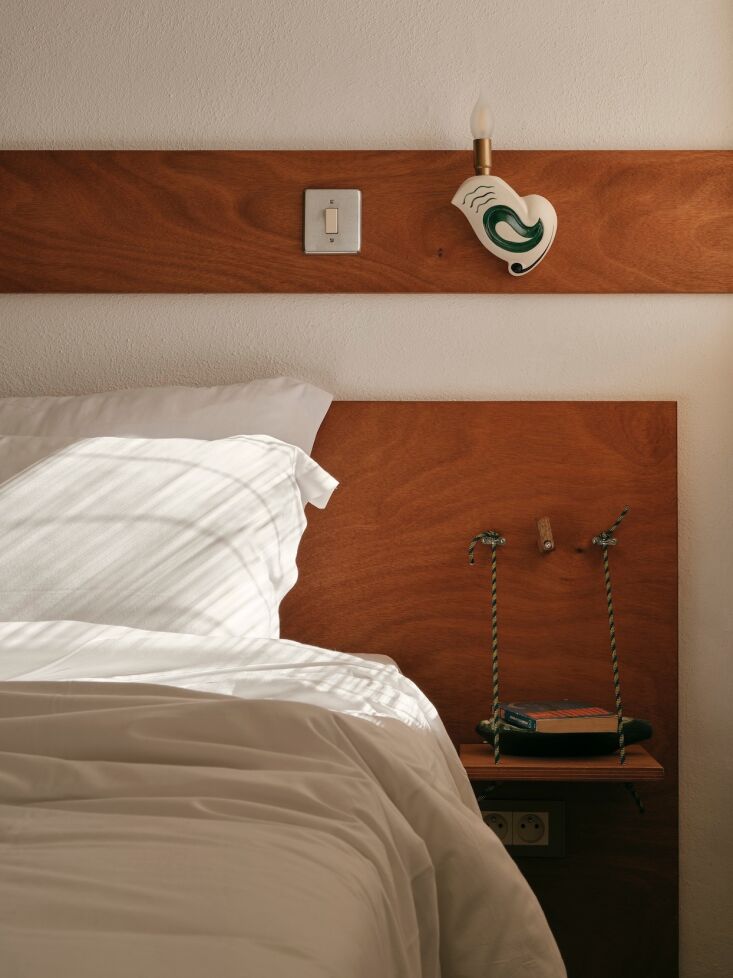
Enter the fold-down nightstand. By definition, a fold-down nightstand is a wall-mounted surface that utilizes hinges or rope supports to stow flat against the wall, effectively reclaiming floor space in narrow bedrooms. It operates on the same principle as an airplane tray table—functional when you need it, invisible when you don't.
The Logic of Space-Saving: Why Fold-Down Matters
Choosing a wall-mounted, stow-away solution isn't just a design trend; it’s a practical upgrade for your daily well-being. According to industry data, fold-down nightstands can increase usable walking space in compact bedrooms by up to 18% compared to traditional floor-standing units. In a room where you only have two feet of clearance between the bed and the wall, that 18% represents the difference between a cramped cell and a breathable sanctuary.
Beyond the aesthetics, there is a significant safety component. Wall-mounted stow-away furniture reduces reported accidental collisions in narrow bedroom pathways by approximately 40%. If you’ve ever tripped over a furniture leg in the dark, you know exactly how valuable that statistic is. By clearing the floor, you create a "Mini Command Center" that handles your charging and storage needs without becoming a physical obstacle.
Clara’s Pro-Tip: When planning your layout, don't just think about the "down" position. Map out where your legs will be when you get out of bed while the table is deployed. The goal is to maximize convenience, not create a new hurdle.
Style Profile 1: The Nautical Edition (DIY Tutorial)
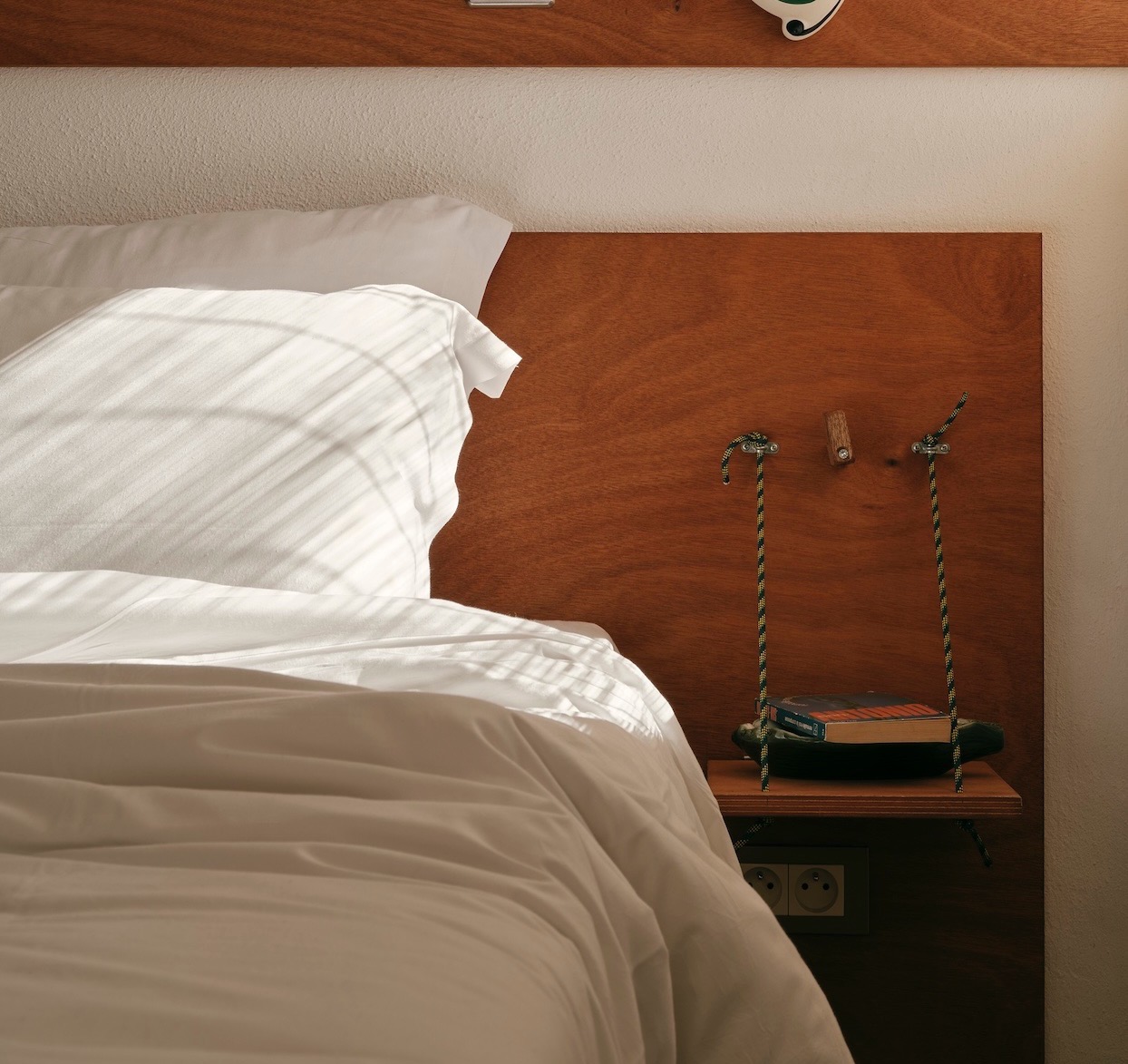
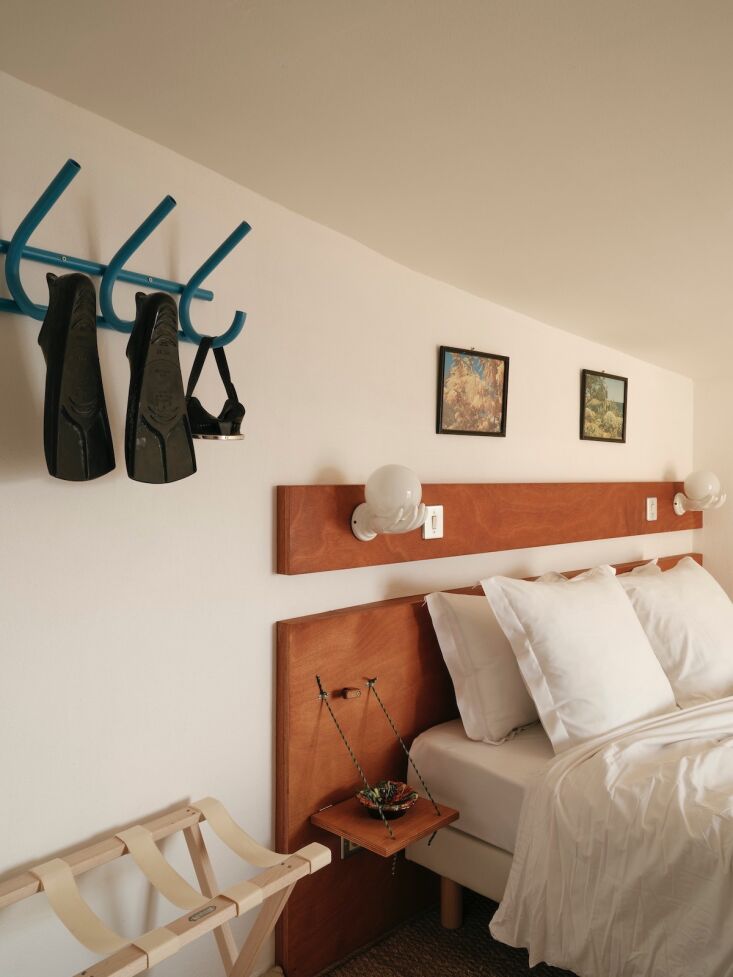
If you’re a fan of the "Tuba Club" aesthetic or the efficient charm of a vintage ship cabin, the nautical-style fold-down nightstand is your perfect weekend project. This design uses tension and gravity rather than complex metal hinges, giving it a soft, organic look that works beautifully in coastal or rustic interiors.
Tools & Materials Checklist
- Wood: One solid wood plank (approx. 30cm x 45cm) and two small support blocks.
- Rope: Two lengths of heavy-duty cotton or jute rope (approx. 1 meter each).
- Hardware: Two sturdy wall hooks, a wooden "turn button" latch, and mounting screws.
- Tools: Power drill, 10mm drill bit (depending on rope thickness), level, and sandpaper.
Step-by-Step Assembly
To build a nautical-style fold-down nightstand, you need a wood plank, support blocks, two lengths of rope, and a wooden 'turn button' latch to keep the table upright when not in use.
- Prepare the Surface: Sand your wood plank thoroughly. I recommend finishing it with a clear matte sealant to protect it from water rings if you plan on keeping a glass of water bedside.
- Drill for Tension: Drill two holes in the front corners of the plank. These should be just wide enough for your rope to pass through.
- Install the Support Blocks: Screw your support blocks into the wall at your desired height. The back edge of your plank will rest on these.
- Mount the Wall Hooks: Position your hooks about 40-50cm above the support blocks. Ensure they are anchored into studs or used with high-quality wall anchors.
- Thread and Knot: Thread the rope through the holes in the plank, tying a secure figure-eight knot underneath. Loop the other end over the wall hooks.
- The Safety Catch: Install the "turn button" latch on the wall just above where the plank sits when folded up. This simple wooden lever is what keeps the unit stowed flat against the wall.
Style Profile 2: The Modern Plywood & Jute Nightstand
For those who prefer a cleaner, more Scandinavian look, a plywood-based design offers incredible strength with a very slim profile. This version swaps the hanging rope for a more structured "box" feel that can actually hold a surprising amount of weight.
Material Specifications:
- Structure: 12mm or 24mm Birch plywood for the main frame.
- Backing: 4mm plywood (to protect the wall from scuffs).
- Detailing: Jute fabric for a tactile, "hidden" front panel.
- Finish: Paraffin oil to bring out the natural grain of the birch.
The key to this look is the mitered corners. By cutting the edges of your plywood at 45-degree angles, you hide the "sandwich" layers of the wood, creating a seamless, high-end furniture appearance. If you choose to add a jute fabric inlay to the underside (which becomes the front when folded up), use a heavy-duty staple gun and pull the fabric taut. It adds a layer of sound dampening and visual warmth to the room.
Measuring for Success: Ergonomics and Placement
The biggest mistake DIYers make with fold-down furniture isn't the build—it’s the placement. Because this table will move through an arc, its position relative to your mattress is critical for both comfort and safety.
The Golden Ratio of Bedside Placement
The height of your tabletop should ideally match the top of your mattress surface, which is typically around 60cm (24 inches) from the floor. This allows you to reach for a phone or a book without straining your shoulder or reaching "up" from a lying position.
However, the horizontal distance is where people get stuck. Experts recommend a 5–10 cm (2–4 inch) gap between the wall-mounted nightstand and the bed to ensure accessibility while preventing accidental bumps in tight spaces. This gap provides enough "wiggle room" for your bedding (duvets can be surprisingly thick) while keeping the surface close enough to be useful.
| Feature | Nautical Style | Modern Plywood Style |
|---|---|---|
| Support Method | Rope Tension | Folding Metal Hinges |
| Weight Capacity | Medium (approx. 5kg) | High (up to 12kg) |
| Difficulty Level | Beginner Friendly | Intermediate (requires precision cuts) |
| Visual Profile | Rustic / Airy | Sleek / Minimalist |
Wall Types and Hardware
Don't neglect your wall construction. If you are mounting into drywall, you must use toggle bolts or find a stud. A fold-down table exerts "cantilever" force, meaning it pulls away from the wall much harder than a standard shelf. If you have masonry or brick walls, use plastic wall plugs and high-torque screws to ensure the support blocks never budge.
Advanced Features: Bringing Your Nightstand into 2026
As we look toward the future of small-space living, the "simple shelf" is evolving. If you want to take your project to the next level, consider these tech-forward integrations:
- Integrated Tech: You can now buy ultra-slim wireless charging pads that can be recessed into the wood of your nightstand. Use a router to create a shallow divot on the underside of the plank, so your phone charges just by sitting on the wood.
- Security: For renters or those in shared spaces, small fingerprint-activated locks can be installed on the fold-down mechanism, keeping personal items secure when the table is closed.
- Lighting: LED strip lighting with a motion sensor can be mounted to the underside of the table. When you fold the table down at night, the "kick light" automatically illuminates the floor, further reducing the risk of those accidental collisions we discussed earlier.
For the materials, think about longevity. While solid mango wood offers a beautiful, rustic grain, sintered stone inserts are becoming popular for their incredible stain and heat resistance—perfect if you're the type to leave a hot tea mug on the table overnight.
FAQ
How much weight can a DIY fold-down nightstand actually hold?
When properly mounted into wall studs, a plywood or solid wood nightstand can easily support 10-15kg. However, for rope-supported nautical styles, I recommend keeping the load under 5kg—plenty for a lamp, a book, and a glass of water.
Is there a renter-friendly way to install these?
While "no-drill" options are limited for weight-bearing furniture, you can use a French Cleat system. This requires only a few small screw holes that are easily patched later, providing much more stability than adhesive strips.
What is the best wood for a bedside table?
I always recommend Birch plywood for modern looks because of its stability and clean edges. If you want a more traditional look, White Oak or Walnut are fantastic because they are hardwoods that resist dings and scratches.
Conclusion
Mastering a small bedroom is all about reclaiming the "dead space" that traditional furniture leaves behind. By moving your bedside storage to the wall and giving it the ability to disappear, you aren't just decorating—you're engineering a better flow for your life. Whether you opt for the breezy, rope-bound Nautical Edition or the sharp, architectural Plywood design, the result is the same: more room to breathe, less clutter to manage, and a bedroom that feels twice its actual size.
Are you ready to clear the floor? I’d love to see your space-saving transformations—tag me in your DIY project photos and let’s keep making our homes better, one square inch at a time!