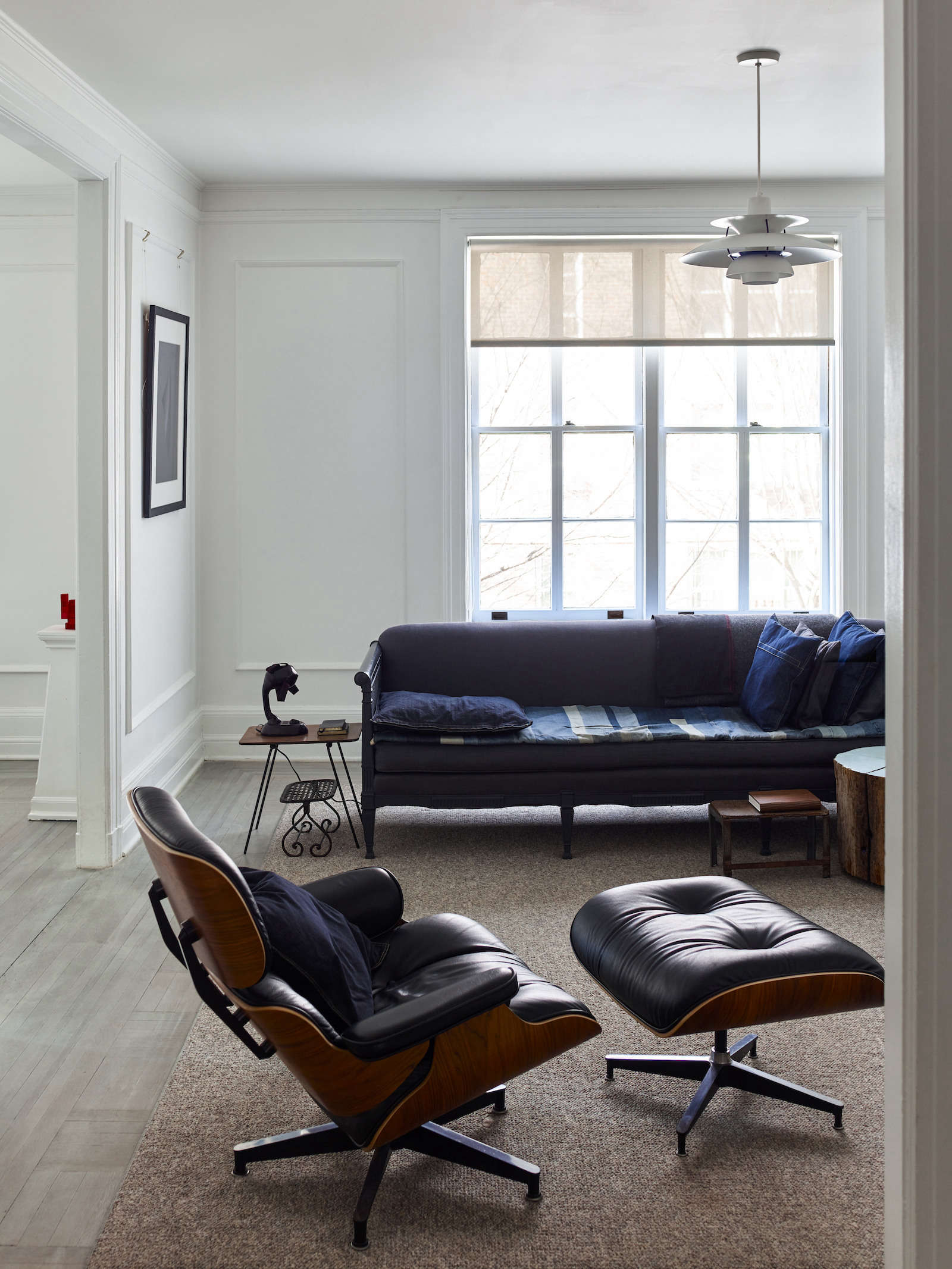
There is a certain soulfulness in a home that hasn't been ordered directly from a catalog page. In the heart of Jackson Heights, Queens, Matthew Axe—a creative director with an unerring eye for the "perfectly imperfect"—has crafted a living space that feels less like a showroom and more like a living autobiography. His apartment is a masterclass in idiosyncratic interior style, a design philosophy where furnishings aren't just bought; they are gathered, inherited, and reimagined over time.
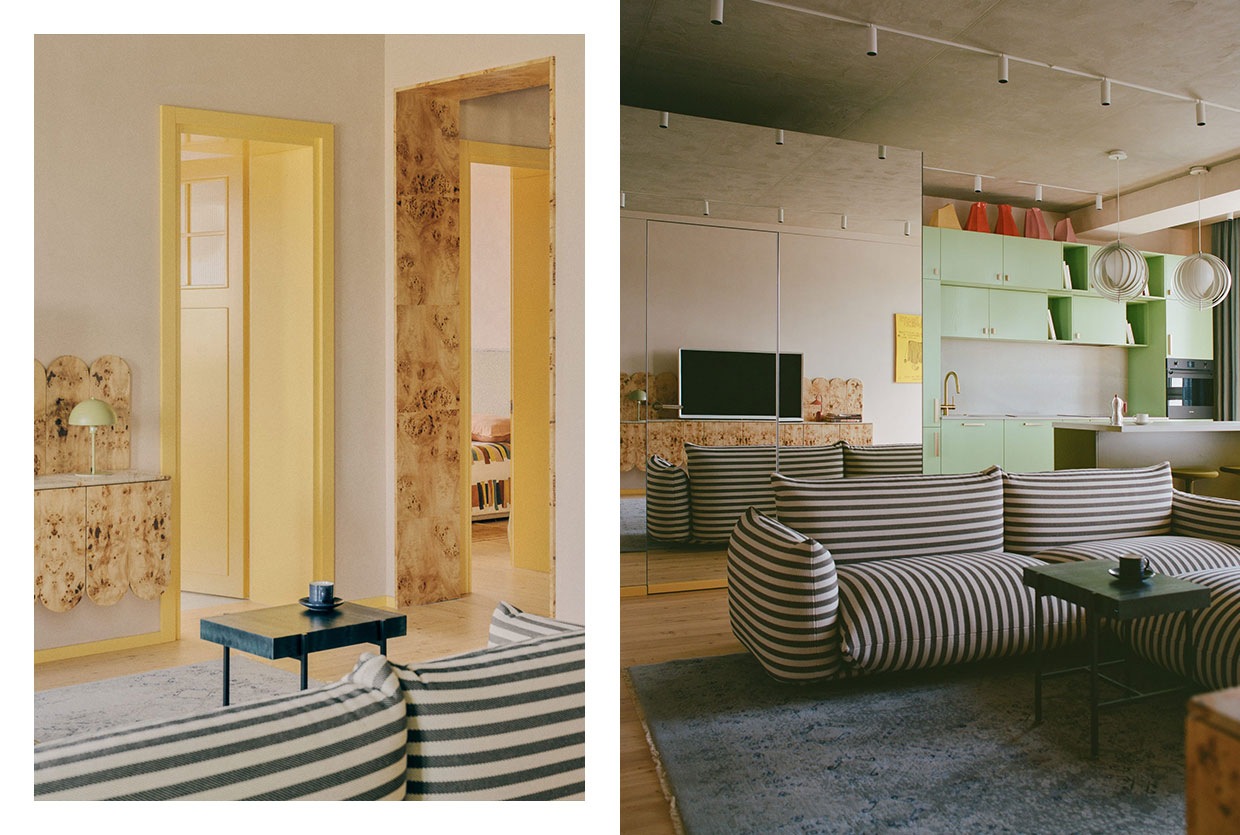
Matthew Axe’s living room style is defined as idiosyncratic and eclectic, characterized by a curated collection of vintage antiques and DIY reupholstered furniture built over many years. It is a space that rejects the "fast furniture" trend in favor of items with history and character. To achieve this look without succumbing to clutter, design experts recommend starting with a core neutral color palette (roughly 70% of the room) and layering in 30% bold textures and unique accents. You can recreate this high-end aesthetic by mixing investment pieces, like the iconic Eames Lounge Chair, with budget-friendly thrift store finds that have been customized with premium fabrics.
Setting the Canvas: The Power of Neutrals and Texture
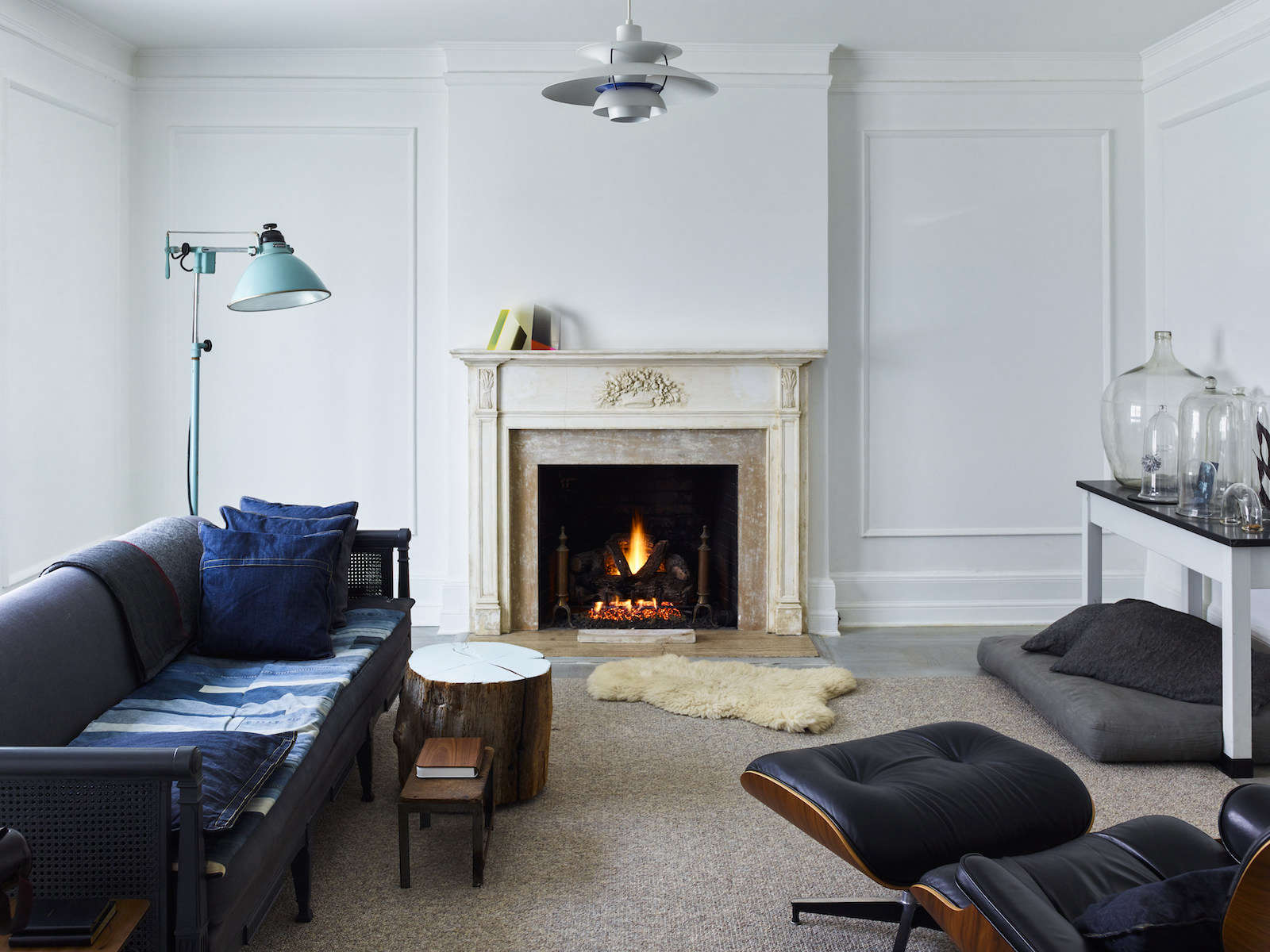
The foundation of any successful eclectic room is the "canvas"—the walls and floors that hold the disparate elements together. In Matthew’s Queens apartment, the walls are treated with Benjamin Moore Decorator’s White OC-149. This isn't just a random white; it’s a crisp, cool shade that acts as a gallery-style backdrop, allowing the varied silhouettes of his furniture to pop.
When working with an idiosyncratic style, the "70/30 rule" is your best friend. Interior design principles suggest that a balanced space should consist of approximately 70% neutral tones—whites, creams, and natural wood—and 30% bold accent colors or patterns. This ratio prevents the room from feeling chaotic, ensuring that even the most unusual vintage find has a "quiet" place to rest the eye.
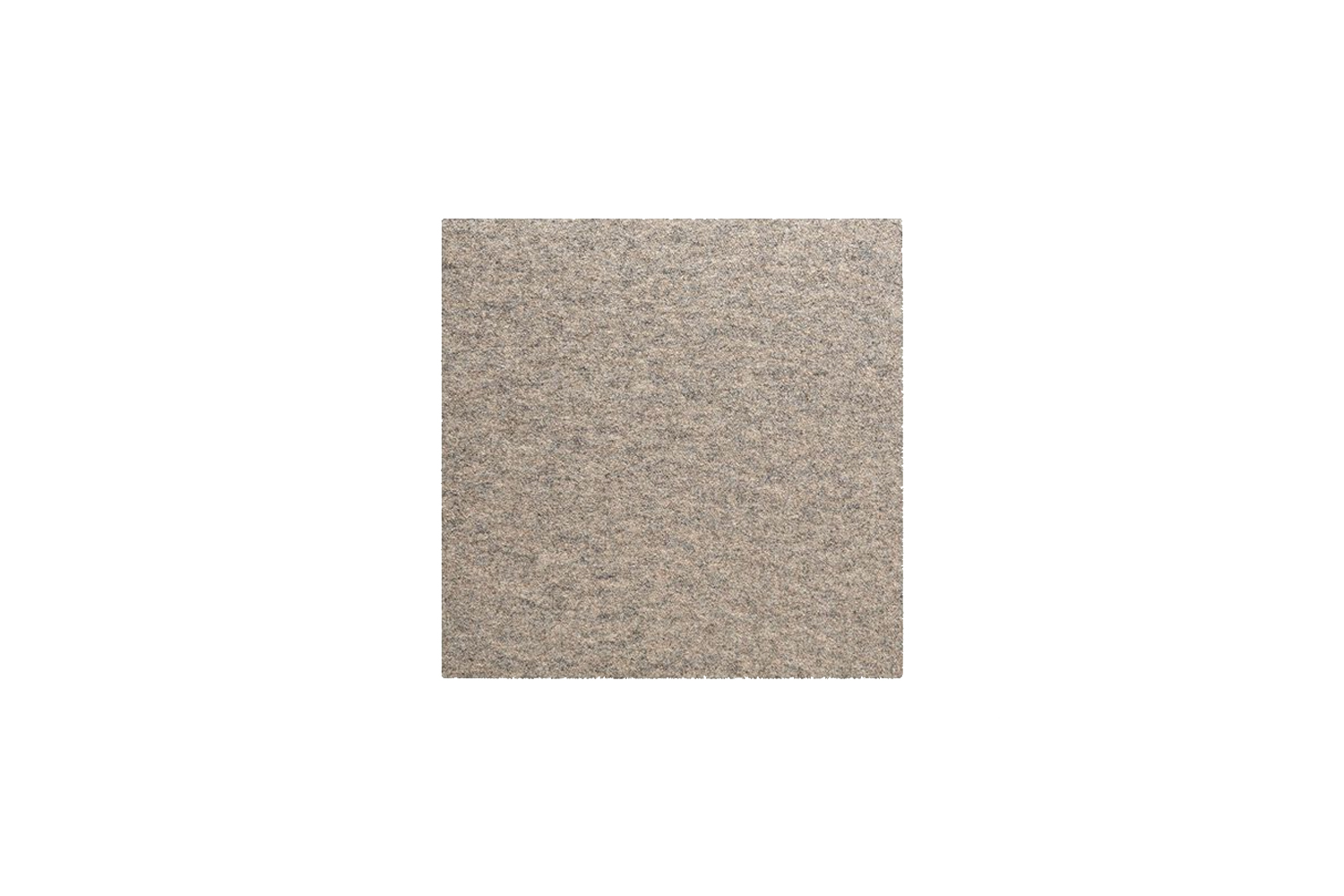
Flooring in the Axe household is equally strategic. Instead of a traditional, expensive Persian rug that might compete with the furniture, Matthew opts for a more grounded, tactile approach. He often uses Home Depot carpeting, custom-cut to size to act as an oversized area rug. This hides stains and provides a neutral, textured foundation. For those looking for a more modular approach, FLOR Fedora Floor Tiles ($9 per tile) offer a similar utilitarian-chic vibe that is easy to clean and replace.
The High-Low Furniture Mix: Splurge vs. Salvage
One of the most compelling aspects of Matthew Axe's design journey is his ability to balance high-end design icons with "diamonds in the rough." This "High-Low" mix is the secret sauce of professional interior stylists.
The "High" is represented by the Eames Lounge Chair and Ottoman. A staple of curated eclectic interiors, this chair maintains a high-end market value of approximately $6,495 at authorized retailers like Herman Miller or Design Within Reach. It serves as a visual anchor, signaling a respect for mid-century modern heritage.
The "Low," however, is where the real personality shines. Matthew is a proponent of the "Goodwill Hunt." He finds discarded chairs with great "bones" and brings them to life through DIY reupholstery. By heading to the Garment District and selecting premium Belgian linen or heavy-duty canvas, a $50 thrift store find can be transformed into a piece that looks like it cost thousands.
Ivy’s Pro Tip: When scouting for vintage furniture, ignore the fabric. Look at the frame’s silhouette and the quality of the wood. If the "bones" are good, a local upholsterer (or a brave DIY weekend) can turn it into a custom masterpiece.
| Item Type | The Splurge (Investment) | The Save (Budget Alternative) |
|---|---|---|
| Seating | Eames Lounge Chair (~$6,495) | Reupholstered Goodwill Vintage Find |
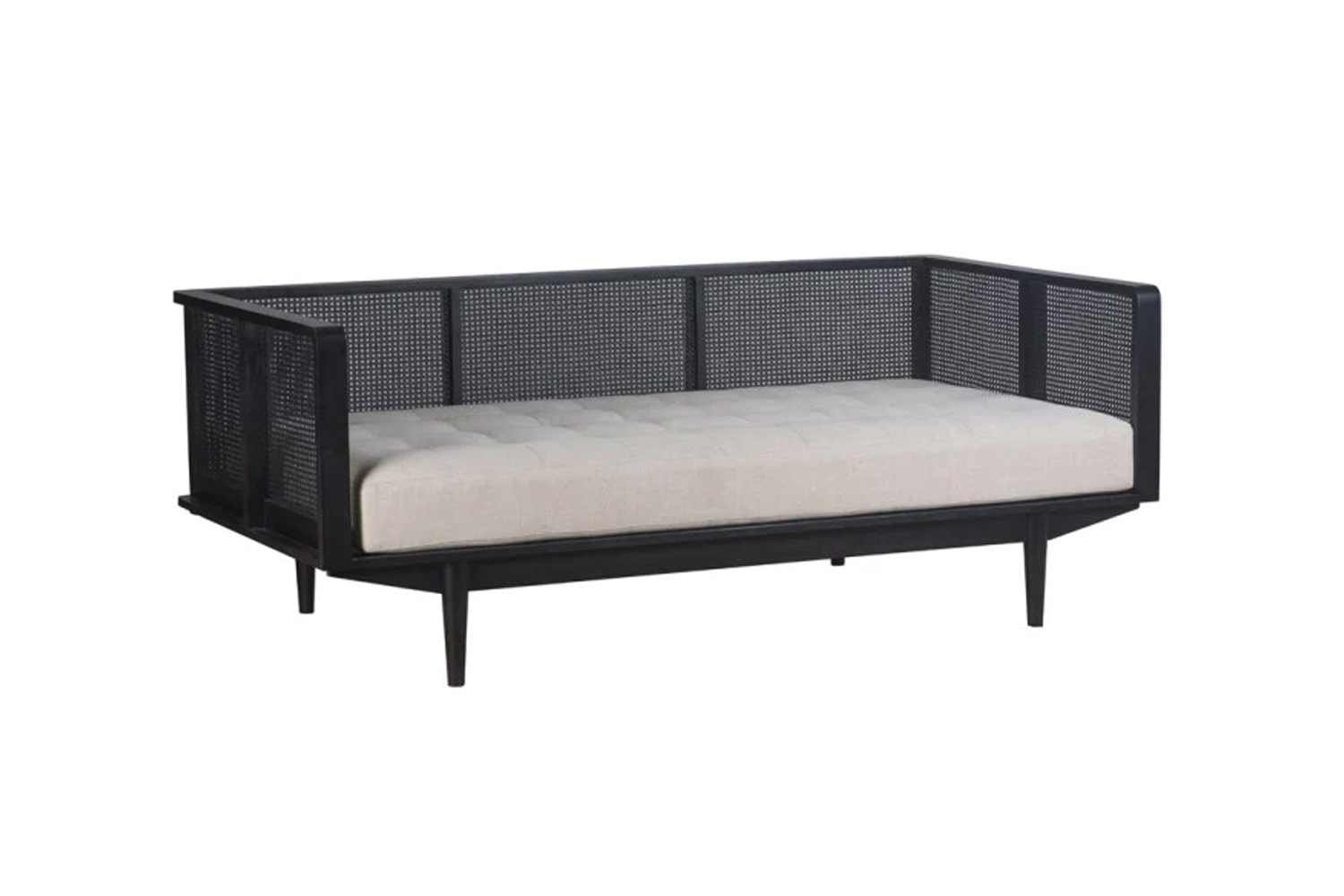
| Daybed | BD Studio III Spindle Daybed ($3,969) | Crate & Barrel Fields Cane Settee ($1,499) |
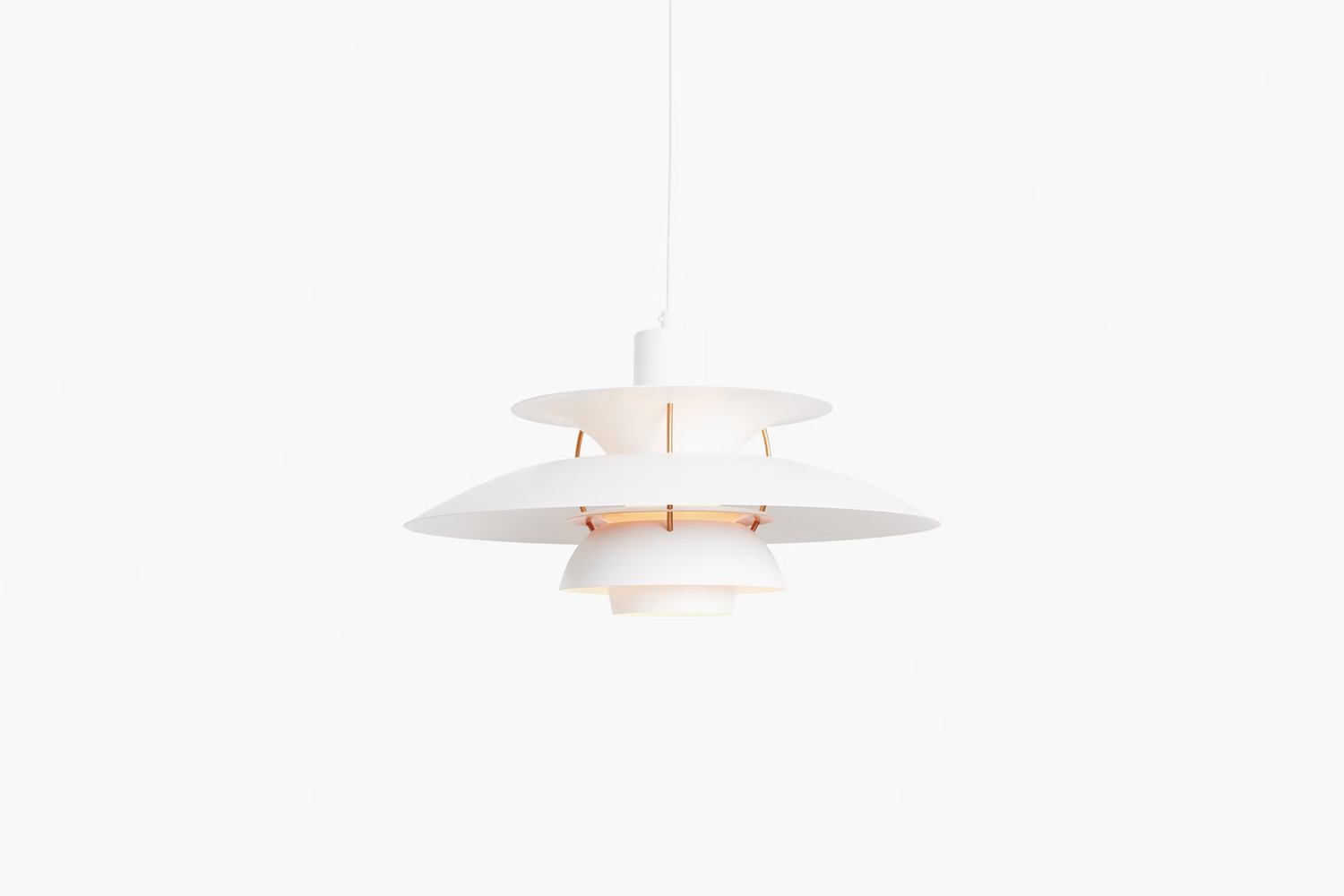
| Lighting | PH5 Pendant Lamp ($1,224) | Vintage Mid-Century Floor Lamp |
| Side Table | Kathy Kuo Wood Stump Table ($299) | Local Flea Market Log/Stump |
Lighting as Design Jewelry
In an eclectic space, lighting shouldn't just be functional; it should be sculptural. Matthew uses lighting to "compose" his living room, much like a photographer composes a frame. The standout piece in his collection is the PH5 Pendant Lamp by Poul Henningsen ($1,224). Its tiered, anti-glare design provides a soft, atmospheric glow that warms up the white walls at night.
Beyond the icons, Matthew incorporates vintage accents like a French 1960s Green Adjustable Floor Lamp. These pieces add a "patina" to the room—that sense of age and wear that brand-new items simply cannot replicate. By mixing a modern pendant with a vintage floor lamp, you create layers of light that can be adjusted to change the mood of the room from a bright workspace to a moody evening lounge.
Curating the Details: Accessories and Art
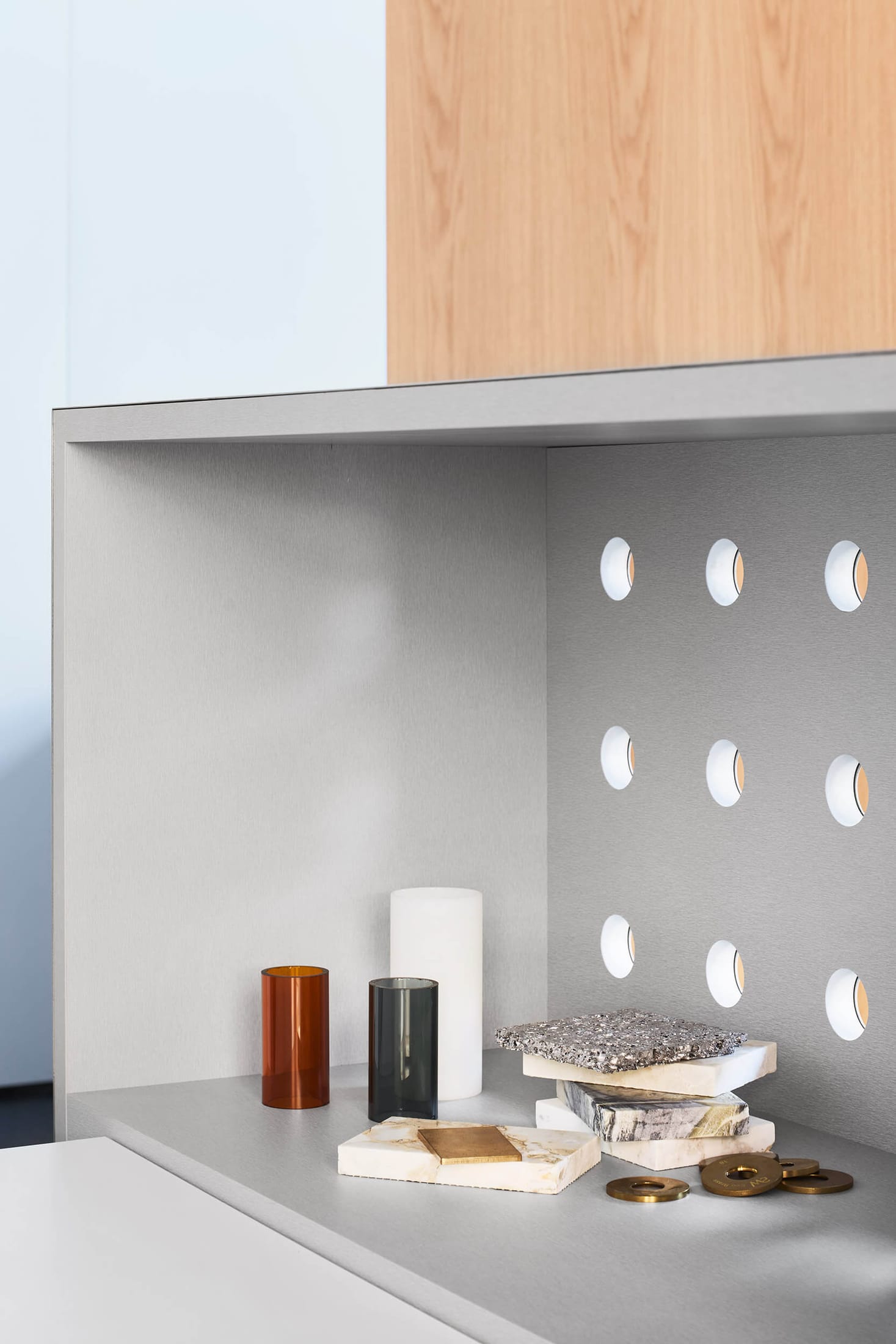
The transition from a "decorated" room to a "curated" home happens in the details. In the Axe apartment, this means a careful layering of materials and history. You’ll find a Kathy Kuo Wood Stump Drum Table ($299) sitting alongside ethereal, contemporary Phillip Low acrylic sculptures.
This juxtaposition of the organic (wood) and the synthetic (acrylic) creates visual tension, which is the hallmark of idiosyncratic style. To prevent the space from feeling cold, Axe adds softness through textiles:
- St. Frank Indigo Pillows ($175) for a touch of artisan craft.
- Sheepskin rugs ($124) draped over wooden chairs to add tactile warmth.
- Gallery Walls that are hung not in a rigid grid, but in a way that feels organic and evolutionary.
Matthew’s approach to art is to treat the wall like a photograph. He considers balance, weight, and negative space, ensuring that his most treasured possessions—not just expensive art, but personal mementos—are the stars of the show.

Balancing Clutter and Character
The greatest risk of eclectic design is that it can easily descend into clutter. Matthew Axe avoids this by being a ruthless editor. He only showcases his most treasured possessions, keeping the "visual noise" to a minimum despite the high number of objects.
The key to this balance lies in the One Standout Piece Rule. In every "vignette" or corner of the room, there should be one dominant anchor—perhaps a large painting or a bold chair—while the surrounding items play a supporting role. By adhering to the 70/30 color ratio and ensuring that textures like velvet, wood, and metal are distributed evenly throughout the space, the "curated clutter" feels harmonious rather than overwhelming.
FAQ: Mastering the Eclectic Look
How can I start an eclectic collection if I'm on a tight budget? Start with the "Canvas" first—paint your walls a crisp white. Then, focus on one "splurge" item (like a high-quality lamp or rug) and fill the rest of the room with thrifted finds. The key is in the customization; reupholstering an old chair in a high-quality fabric instantly elevates the entire room.
What is the best way to mix different wood tones? Don't try to match them perfectly. Instead, aim for contrast. Pair a light oak floor with a dark walnut side table. As long as you have a unifying element—like a neutral rug or consistent accent color—the different wood tones will feel intentional.
How do I know if I have too much "clutter" in my living room? Follow the "squint test." Stand at the entrance of the room and squint your eyes. If you can't distinguish individual shapes and the room just looks like a blur of "stuff," it’s time to edit. Remove 20% of your accessories and see if the room feels more "breathable."
The beauty of Matthew Axe’s Queens living room isn't found in its price tag, but in its patience. It is a reminder that the best homes aren't built in a weekend—they are grown, one cherished object at a time. Whether you’re hunting for vintage treasures in a local thrift shop or investing in a design icon, remember that your home should be a reflection of your own unique story. Happy styling!