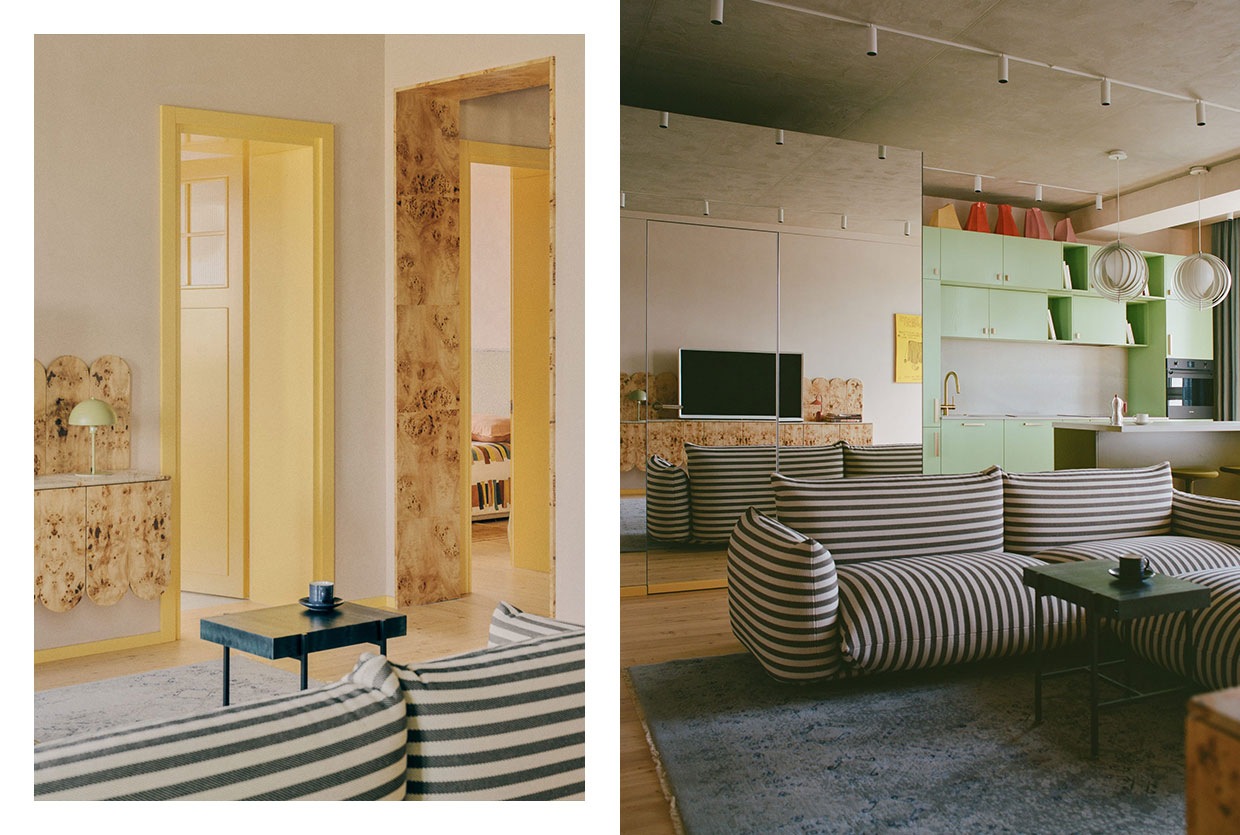
There is a certain alchemy that occurs when industrial history meets the refined sensibilities of 2026 design. It is what we in the industry are calling the 'Modern Volume'—a design philosophy that treats the bedroom not just as a place to sleep, but as a curated architectural statement within a historic shell.
In 2026, the industrial aesthetic has shed its cold, unapproachable reputation. We are seeing a 35% surge in 'foundry-style' residential conversions, where homeowners are swapping sterile minimalism for the raw, high-contrast drama of blackened steel and stark white walls. A modern foundry bedroom is defined by this tension: the grit of a factory’s past balanced by the serenity of a high-contrast palette and the warmth of mid-century mastery.
Quick Facts: The 2026 Foundry Aesthetic
- The Palette: Dominated by the interplay of Benjamin Moore Chantilly Lace (OC-65) and True Black (GNE-144).
- Market Trend: Industrial pieces now account for 42% of all bedroom furniture sales, driven by a desire for longevity and "form follows function" heritage.
- Key Materials: Blackened steel, microcement, solid elm, and Belgian flax linen.
- Defining Lighting: The organic glow of Isamu Noguchi’s Akari lamps contrasted against rigid structural beams.
I. The High-Contrast Canvas: Walls and Foundations
Achieving the modern foundry look begins with the "canvas"—your walls and flooring. In 2026, we are moving away from the "all-gray" industrial era. Instead, we embrace extreme chromatic tension to create depth.
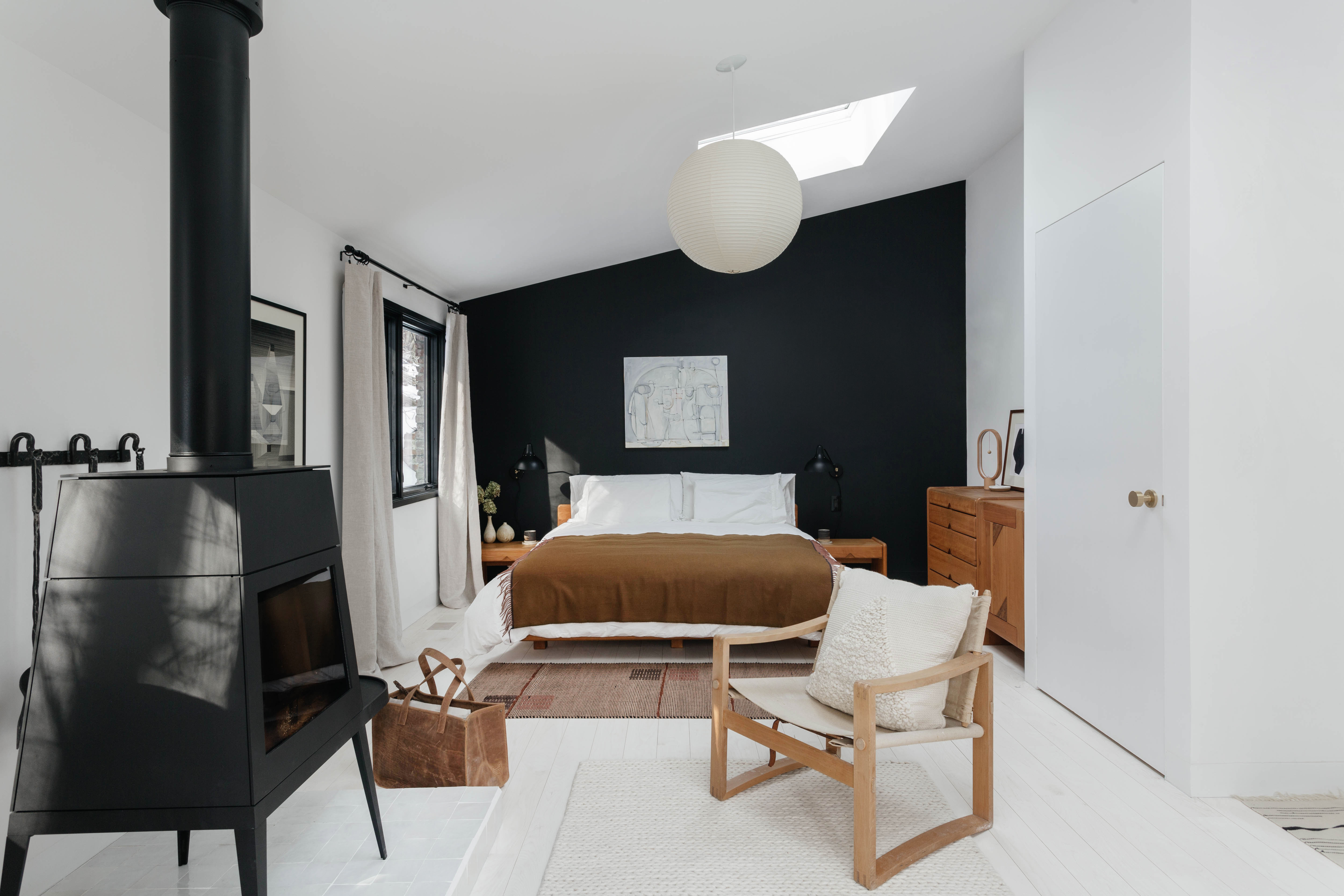
To master this, I recommend the "90/10" paint rule. Utilize Benjamin Moore Chantilly Lace OC-65 as your primary driver. It is the cleanest white on the market, devoid of distracting undertones, allowing the architectural "volume" of the room to expand. For the accent—perhaps a chimney breast or the wall behind the headboard—apply Benjamin Moore True Black GNE-144. This isn't just dark; it’s a deep, obsidian void that provides a sharp, rhythmic contrast against the white.
Editor’s Choice: The 2026 Palette
- Primary Wall: Benjamin Moore Chantilly Lace (OC-65) – High reflectivity for a spacious feel.
- Architectural Accent: Benjamin Moore True Black (GNE-144) – A matte, sophisticated anchor.
- Trim/Metalwork: Matte Blackened Steel – For window frames and structural beams.
Flooring in 2026 has bifurcated into two distinct directions: polished microcement for those seeking a seamless, monolithic look, or raw, wide-plank wood boards. If you choose wood, look for matte oils that preserve the "dry" look of the timber, avoiding any yellowing or high-gloss finishes that can break the industrial spell.
II. Iconic Furnishings: The Pierre Chapo Influence
If concrete and brick form the cold canvas of the foundry, then the furniture acts as its soul. Statistics show that dining and bedroom furniture remain the top-selling industrial pieces, making up 42% of the category’s market share. Why? Because these are the "investment" pieces that anchor a room’s narrative.
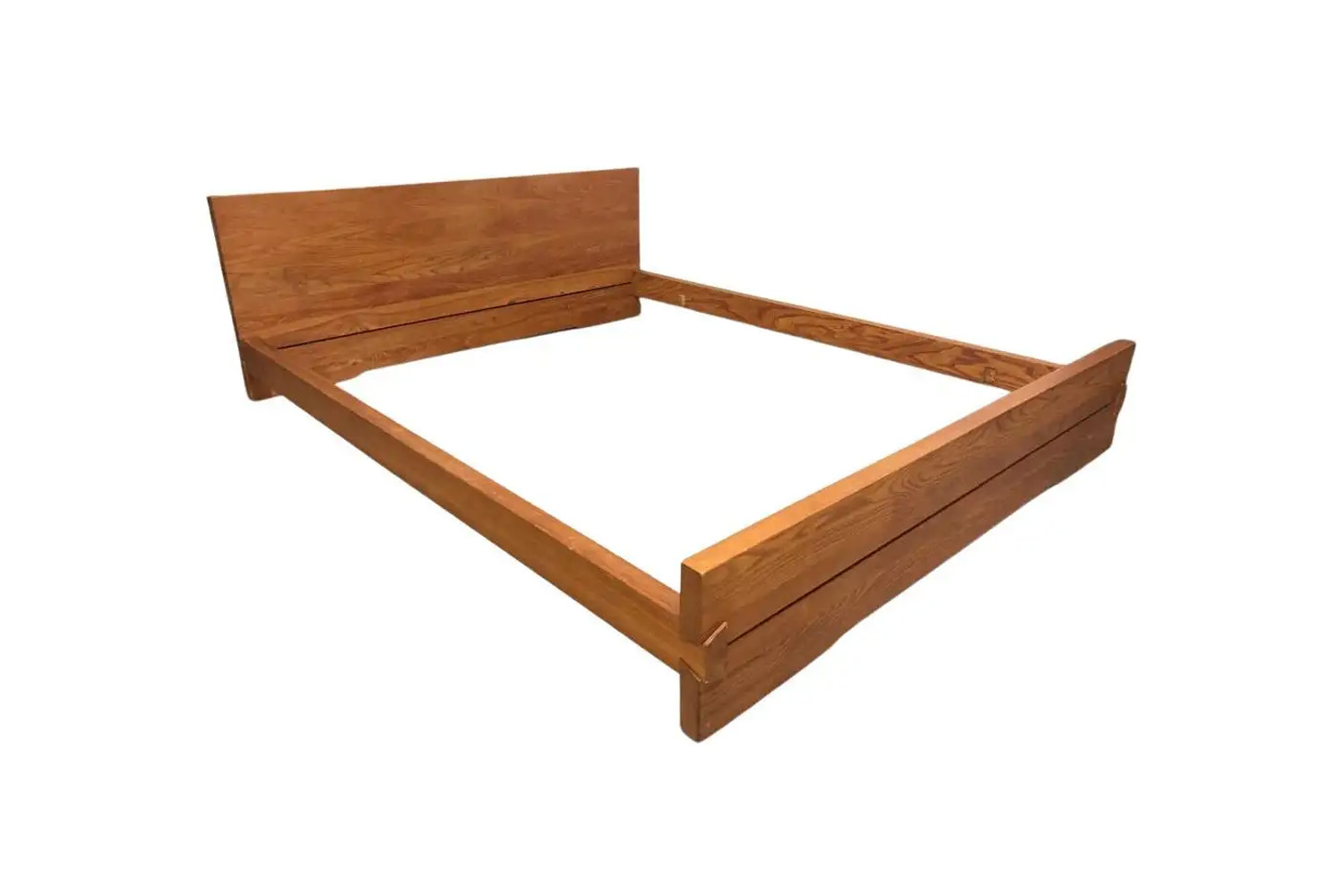
In the modern foundry bedroom, we look toward the legendary French designer Pierre Chapo. His work is a masterclass in joinery and "material-led" design. The L02 Louis Solid Elm Bed Frame is the ultimate centerpiece for this look. Its thick, sculptural wood sections and visible joinery offer a tactile warmth that softens the surrounding steel and concrete.
Mixing these mid-century silhouettes with raw industrial textures is the secret to a "lived-in" loft. Avoid matching sets; instead, pair a heavy elm bed with a slender, blackened steel bedside table. The contrast in weight and material is what creates that coveted 2026 designer edge.
III. Textural Layering: Softening the Industrial Edge
The most common mistake in industrial design is forgetting the "residential" in "residential conversion." A bedroom must be a sanctuary. In 2026, we are seeing a shift toward 'Sustainability by Default,' where the choice of textiles is dictated by both ethics and tactile luxury.
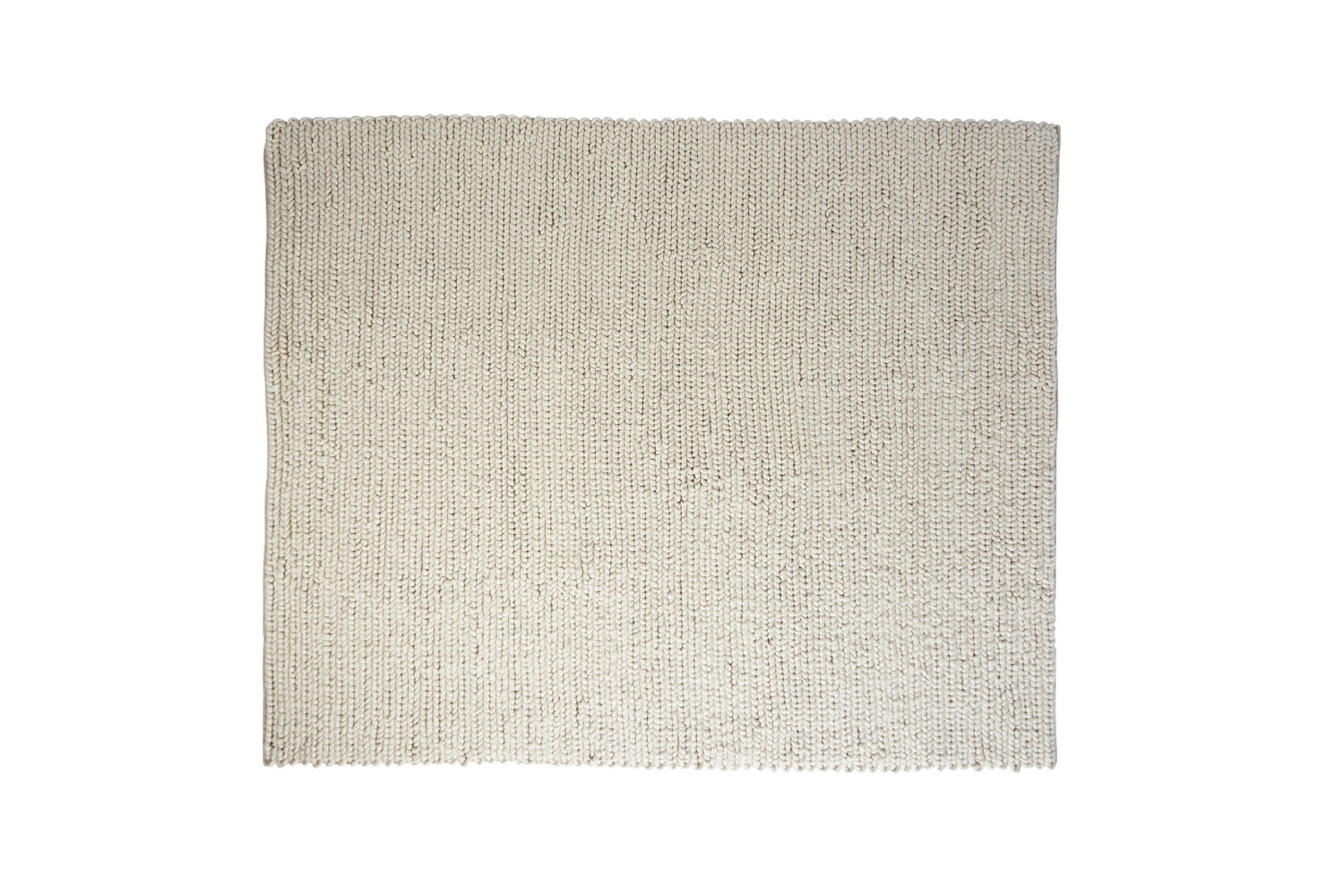
To balance the hard surfaces of a foundry—the steel windows and concrete floors—you must layer with intent. Start with Tekla pure wool blankets. Their heavy, architectural drape and natural colorways (think charcoal, cream, and oatmeal) sit perfectly within a high-contrast room. Pair these with Belgian flax linens in a crisp white to mirror the Chantilly Lace walls.
Lighting plays a pivotal role in this textural play. The harsh lines of a factory setting require the "softening" effect of organic shapes. The Isamu Noguchi Akari lamps, made of washi paper and bamboo, act as glowing sculptures. Placing an Akari floor lamp in a corner with a True Black accent wall creates a dramatic, moody focal point that feels both modern and timeless.
IV. 2026 Trends: Smart Tech and Tactile Finishes
The 2026 iteration of the foundry style is smarter than its predecessors. We are no longer hiding technology; we are integrating it into the industrial materiality.
One of the biggest trends this year is the rise of 'Tactile Tech'. Think smart home interfaces embedded in reclaimed wood panels or blackened steel light switches that provide a satisfying mechanical "click" while controlling a wireless mesh network.
The Material Shift:
- Microcement: Used not just for floors, but for custom-built bed platforms and integrated shelving.
- Live-edge Wood: Bringing the "outside in" to counteract the urban grit.
- Factory Windows: Steel-framed windows are now being used internally to create "rooms within rooms," such as a glass-walled ensuite or a home office nook within the master suite.
V. Expert Styling Tips: Mastering the Balance
As a designer, I always lean on the 80/20 Rule when styling a high-contrast foundry space: 80% of the room should be "the canvas" (hard surfaces, industrial architectural features, and the primary black/white palette), while 20% should be "the soul" (warm woods, soft textiles, and organic shapes).
For accessories, choose metals that offer a dramatic pop without being shiny. Antique bronze and dark brass are the metals of choice for 2026. They provide a subtle "glow" that complements the matte finish of True Black paint. When it comes to art, think big. High-ceilinged lofts demand large-scale works. A single, oversized monochrome photograph or a textured abstract canvas will do more for the room than a cluttered gallery wall.
Comparison: Vintage Industrial vs. 2026 Foundry Chic
| Feature | Vintage Industrial (2010s) | 2026 Foundry Chic |
|---|---|---|
| Primary Palette | Rusty oranges, browns, and grays | High-contrast Black and White |
| Key Material | Reclaimed pallet wood and pipes | Solid Elm (Chapo-style) and Microcement |
| Lighting | Edison bulbs and cage pendants | Noguchi Akari and integrated LED strips |
| Hardware | Distressed silver and chrome | Matte Blackened Steel and Dark Brass |
| Overall Vibe | "Warehouse" Grit | "Curated" Architectural Volume |
FAQ
Q: Is a high-contrast black-and-white palette too "cold" for a bedroom? Ivy Chen: Not if you focus on texture. The "coldness" comes from flat surfaces. By introducing Tekla wool, Belgian linens, and the warm grain of Pierre Chapo-inspired elm furniture, the black and white palette becomes a sophisticated backdrop for comfort rather than a sterile environment.
Q: How do I handle lighting in a room with very high foundry ceilings? Ivy Chen: Layering is key. Use architectural track lighting to highlight the structure of the ceiling, but keep your living-level lighting low and warm. Large-scale paper lanterns or low-slung pendants help bring the "visual ceiling" down to a human scale, making the sleeping area feel more intimate.
Q: Can I achieve this look in a standard modern apartment without "factory" bones? Ivy Chen: Absolutely. You can create "architectural depth" using paint and molding. Use Benjamin Moore True Black on one wall to create a sense of recession (making the room feel deeper) and replace standard trim with matte black hardware to mimic the industrial look.
The Final Word
Mastering the modern foundry bedroom is about embracing the beauty of the "unfinished" and the "refined" simultaneously. It is a space where the history of industry meets the future of comfort. By investing in high-quality materials—from the architectural precision of Benjamin Moore paints to the timeless joinery of Pierre Chapo—you aren't just decorating a room; you are curating a narrative that will endure well beyond 2026.