Imagine walking through the bustling, rain-slicked streets of Milan during Design Week 2025. The air is thick with the energy of the future, yet amidst the neon and the noise, there sits a sanctuary that feels like a long, deep breath. This is the MUJI Manifesto House. Created in collaboration with the visionary French design collective Studio 5.5, this project isn’t just a house; it’s a radical statement on how we might live in 2026 and beyond.
As an editor who has spent years dissecting the "more is more" mentality of modern decor, seeing MUJI’s vision for micro-living felt like a homecoming. We are witnessing a collective shift—a "downshifting," if you will—where we are moving away from the accumulation of things and toward the cultivation of intention. The Manifesto House is the architectural embodiment of this shift, proving that "small" doesn't have to mean "sacrificed."
What is the MUJI Manifesto House?
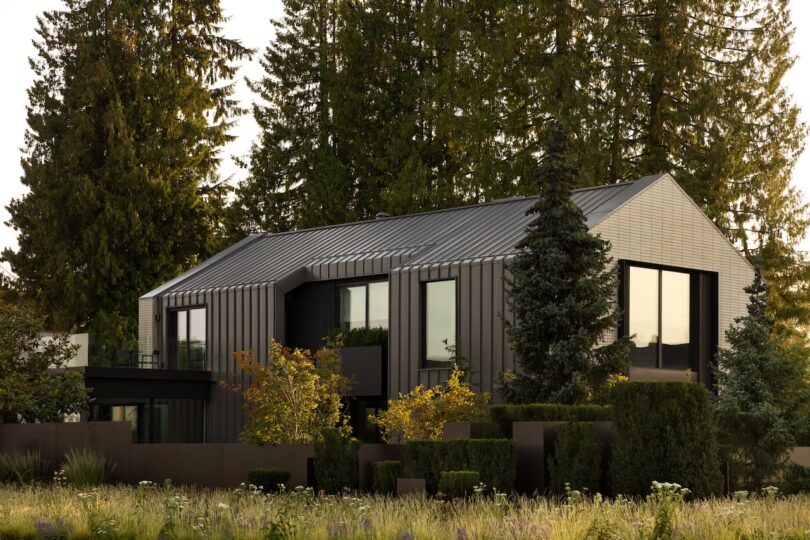
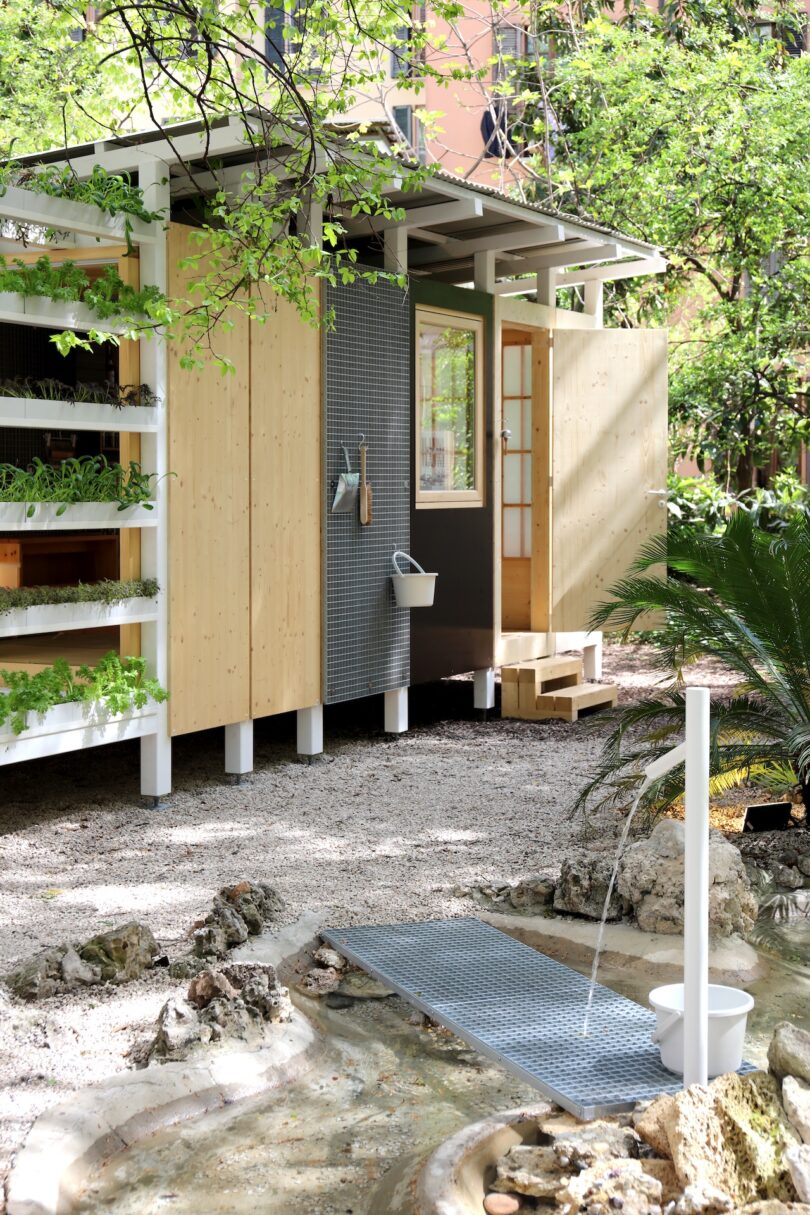
At its core, the MUJI Manifesto House is a modular micro-architecture project that debuted at Milan Design Week 2025. It represents a new vision for flexible, sustainable, and minimalist living, specifically designed to adapt to both cramped urban landscapes and serene rural retreats. Rather than building a static box, MUJI and Studio 5.5 have created a "living system" composed of six prefabricated modules that can be configured to fit the specific needs of the inhabitant.
The project addresses the growing global housing crisis and the environmental toll of traditional construction. By utilizing prefabricated modules, MUJI’s modular construction allows for a 40% reduction in material waste compared to traditional single-family home building methods. It is an architecture of "just enough," where every square inch is designed to support human rhythm rather than just house human belongings.
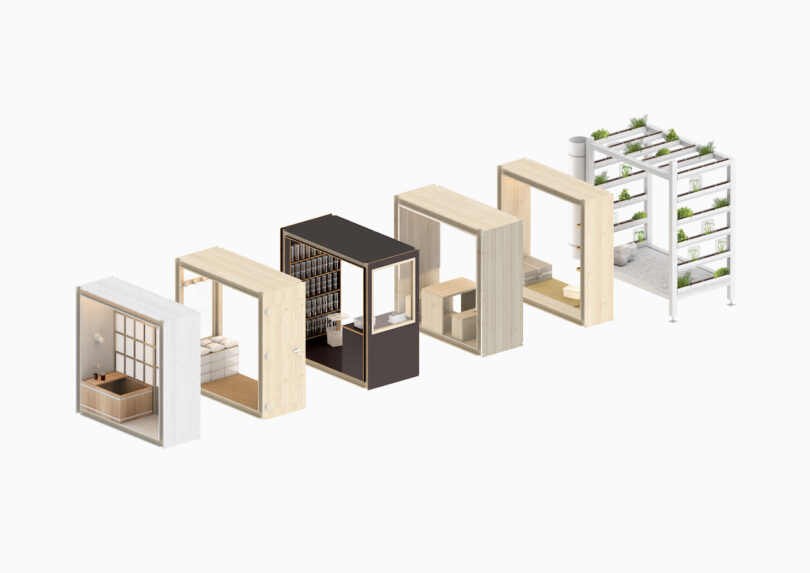
The Six Core Modules: A Blueprint for Minimalist Life
To understand the Manifesto House, we must look at it as a collection of rituals. Each of the six modules is named after a Japanese concept, grounding the modern technology in ancient wisdom.
1. Genkan (Entrance)
In Japanese culture, the Genkan is more than a doorway; it is a ritual of transition. In the Manifesto House, this module serves as a physical and mental "reset" button. It’s where we shed the dust of the outside world, store our shoes in built-in cedar cubbies, and prepare to enter our private sanctuary. It teaches us that how we enter a space dictates how we feel within it.
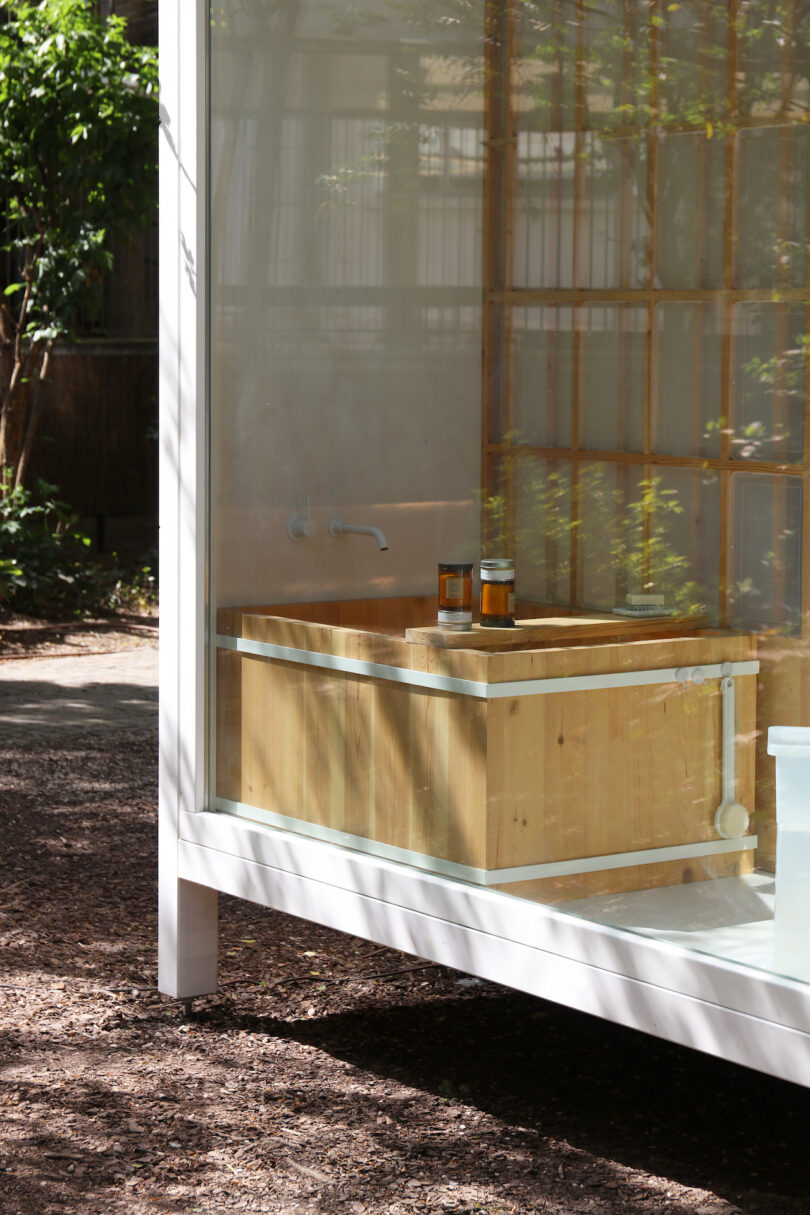
2. Ofuro (Wellness)
The bathroom is often treated as a utility in Western design, but the Ofuro module elevates it to a wellness retreat. It centers around a deep soaking tub, utilizing water-saving fixtures that don't compromise on the sensory experience. The walls are often lined with moisture-wicking natural materials, creating a steam-room effect that encourages lingering.
3. Daidokoro (Kitchen)
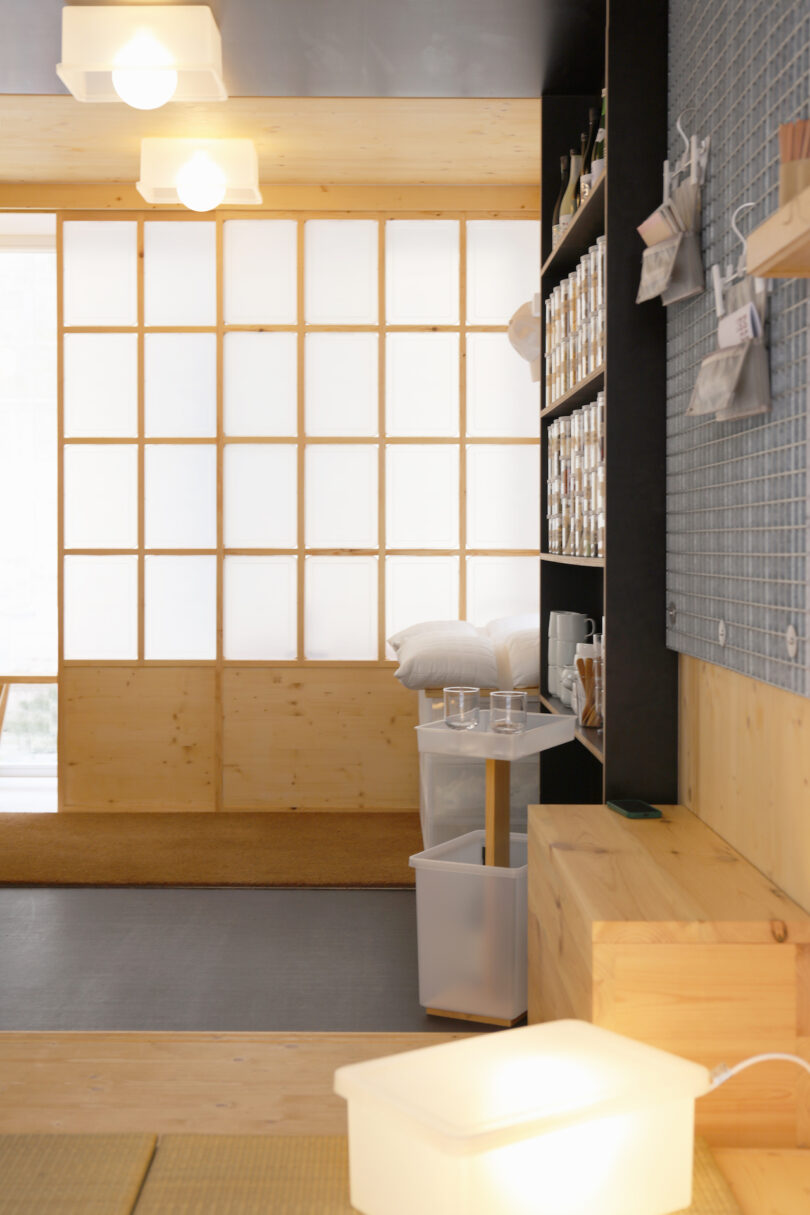
The Daidokoro module is a masterclass in efficiency. Moving away from the oversized "chef's kitchens" of the past decade, this space focuses on high-quality basics: fermentation, food preservation, and simple preparation. There is a dedicated space for jars of pickled vegetables and kombucha—a nod to the 2026 trend of self-sufficiency.

4. Kintsugi (Workshop)
Named after the art of repairing broken pottery with gold, the Kintsugi module is a dedicated workspace for "making" and repair. In a world of planned obsolescence, MUJI invites us to fix what we own. It’s a bright, tactile space with pegboards and modular shelving, perfect for everything from sewing a button to 3D printing a replacement part for a kitchen appliance.
5. Tatami (Sleeping)
The sleeping module maximizes its footprint through multi-functional design. During the day, the foldable bedding (futons) can be tucked away into hidden cabinets, transforming the room into a meditation space or a tea room. It proves that a bedroom doesn't need to be occupied by a permanent, bulky mattress to be comfortable.
6. Niwa (Garden)
The Niwa module is a productive outdoor space. It’s not just for aesthetics; it’s designed to foster urban biodiversity. With integrated planters for herbs and a vertical trellis for climbing vegetables, it blurs the line between the built environment and the natural world.
Sustainable Architecture: Passive Cooling and Bio-Based Materials
Sustainability is not an afterthought in the Manifesto House; it is the foundation. The house sits on a raised-stilt structure, which serves two purposes: it protects the ground from moisture and allows air to circulate underneath.
One of the most impressive statistics of the project is its efficiency. The Manifesto House passive cooling system reduces the need for mechanical air conditioning by up to 30%. This is achieved through a combination of its raised structure, a reflective white roof design, and strategically placed open upper sections that allow heat to escape naturally.
Editor’s Note: Notice the use of recycled textile insulation. MUJI has repurposed factory offcuts into high-performance thermal barriers, keeping the home warm in winter and cool in summer without the need for toxic fiberglass.
Technical Specifications at a Glance
| Feature | Specification | Environmental Impact |
|---|---|---|
| Structure | Raised-stilt modular timber | Minimal soil disruption |
| Cooling | Passive cross-ventilation + White roof | 30% less energy for AC |
| Insulation | Recycled textile fibers | Low carbon footprint, zero waste |
| Water | Rainwater collection system | 100% irrigation needs met |
| Lighting | Integrated low-voltage LED | 50% energy reduction vs. standard bulbs |
The MUJI MUJI 5.5 DIY Collection: 'Doing More with Less'
One of the most exciting aspects of the collaboration is the "MUJI MUJI 5.5" collection. Studio 5.5 took 12 iconic MUJI products and reimagined them as "ready-made" architectural hacks. This DIY philosophy empowers the resident to become the designer.
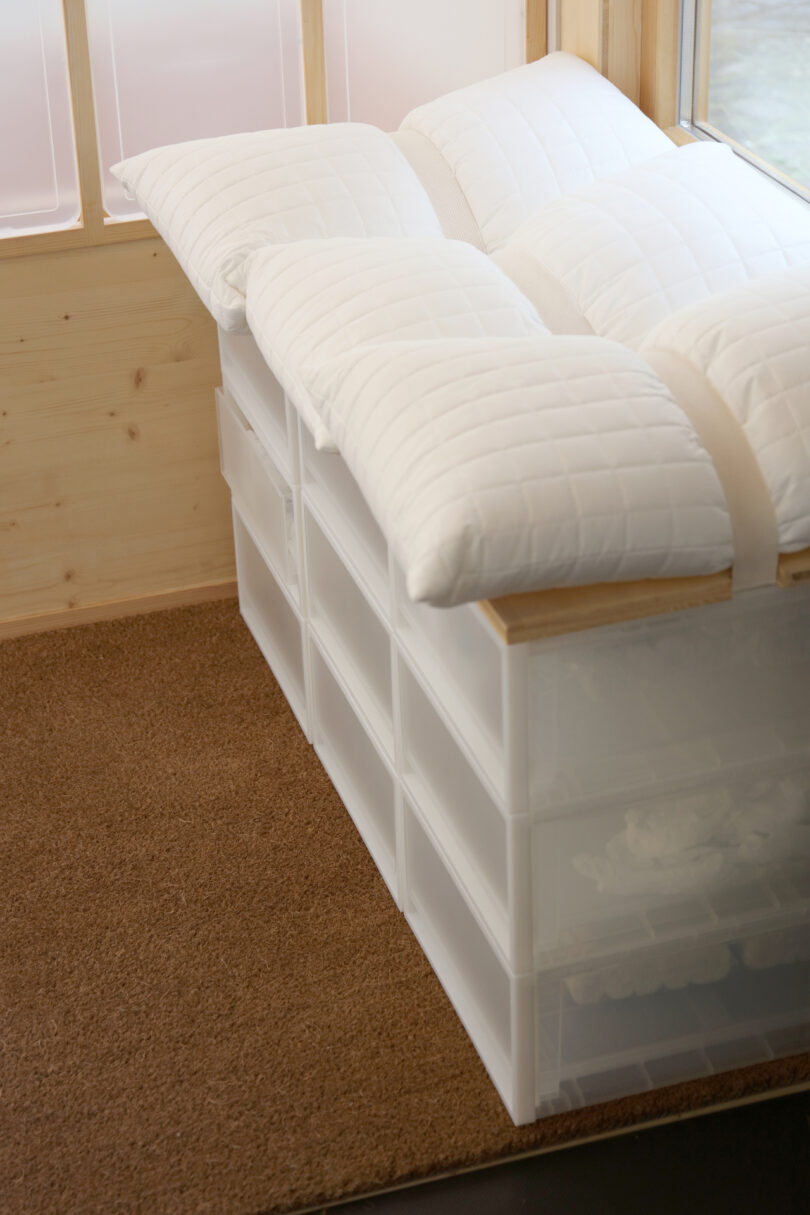
For example, the Bookend Birdhouse uses standard MUJI steel bookends as a frame for a modular bird sanctuary on the Niwa porch. Another favorite is the Bamboo Box Hollow Shelf, where simple storage boxes are stacked and secured with industrial bands to create a room divider that doesn't block light.
DIY Sidebar: Creating the "Reading Bench"
- The Base: Use four MUJI Polypropylene storage drawers.
- The Surface: Lay a custom-cut piece of sustainable oak or bamboo across the top.
- The Comfort: Add a MUJI linen floor cushion.
- The Result: A functional storage unit that doubles as a serene window seat.
Small Space Trends for 2026: Lessons from the Manifesto House
What can we take from the Manifesto House and apply to our own apartments today? Several key design trends for 2026 emerge from this project:
- Color Drenching in Warm Neutrals: Forget clinical white. The Manifesto House uses "Clay Beige" and "Muted Taupe." By painting the walls, ceiling, and even the shelving in the same warm neutral tone, the boundaries of the room disappear, making the space feel infinitely larger.
- Reflective Surfaces as Windows: In smaller modules, MUJI uses mirrored paneling not just for vanity, but to "double" the visual space and bounce natural light into darker corners.
- Architectural Quirks as Storage: Instead of hiding pipes or slanted ceilings, the Manifesto House embraces them. A recessed wall becomes a library; a structural beam becomes a perch for a plant.
Conclusion: Choosing Well Rather Than Choosing More
The MUJI Manifesto House is a reminder that the quality of our lives is not measured by the square footage we occupy, but by the quality of the rituals we perform within them. As we look toward 2026, the trend isn't toward bigger homes, but toward smarter, more soulful ones.
By choosing modularity, we choose a home that grows and shrinks with us. By choosing sustainability, we choose a home that respects the world outside its walls. Ultimately, the Manifesto House is about making room for what truly matters: connection, tranquility, and the simple joy of a well-lived day.
FAQ
Can I actually buy a MUJI Manifesto House? While the project debuted as a conceptual "manifesto" at Milan Design Week 2025, MUJI is currently testing the modular components for a wider market release. Individual modules are expected to be available for purchase as "add-on" units for existing properties by late 2026.
How difficult is the assembly of the DIY collection? The DIY projects designed by Studio 5.5 are intended to be "ready-made" hacks. They require very few tools—mostly just standard fasteners or simple assembly—and are designed for someone with zero professional construction experience.
Does the passive cooling system work in humid climates? Yes. In fact, the raised-stilt structure is specifically designed to combat humidity by preventing ground moisture from seeping into the flooring, while the cross-ventilation system ensures a constant flow of fresh air, reducing that "stuffy" feeling common in small spaces.