There is a specific kind of magic that happens when you step inside a home that has breathed for nearly three centuries. The 1754 Spruce Head Cape in Maine is one of those rare places where history doesn’t just sit on the shelves; it lives in the very grain of the wood. As we look toward the interior design landscape of 2026, we are seeing a massive shift away from the "fast furniture" era. Market data indicates a 40% rise in consumer interest for ‘Colonial Farmhouse’ aesthetics, specifically targeting 18th-century architectural restoration styles that prioritize soul over symmetry.
To achieve this look, you don't need a deed from the 1700s, but you do need to understand the "soulful sustainability" that defines the new decade. This trend is less about the pristine white shiplap of the 2010s and more about the rugged, storied textures of the 1750s, updated for modern comfort.
Quick Facts: The 1754 Maine Look
- Core Architectural Elements: Hand-hewn timber frames, wide-plank pumpkin pine flooring.
- The 2026 Palette: Earthy, moody tones like Benjamin Moore Apparition and Iron Mountain.
- Key Furniture Mix: Windsor chairs paired with deep, Belgian linen-upholstered sofas.
- Sustainability Focus: 85% of 2026 renovations now prioritize handcrafted, local artisan pieces.
- The Hardware: Unlacquered silver and classic cast iron.
Secret 1: Honoring the Architectural Bones
The foundation of any authentic rustic living room starts with what designers call "the bones." In the 1754 Maine home, these bones are literal: massive, hand-hewn timber frames that bear the marks of the axes used to shape them. If you are looking to replicate this, the most critical element is the flooring. Forget narrow strips; you want wide plank flooring—ideally reclaimed—that tells a story of age and resilience.
In a historic restoration, these elements are treated like sculpture. By leaving original sheathing exposed or using historic chimney bricks as a focal point, you anchor the room in a specific era. For those of us in newer builds, this means introducing reclaimed beams or "faking" the age with high-quality, distressed wide-plank wood that feels solid underfoot.
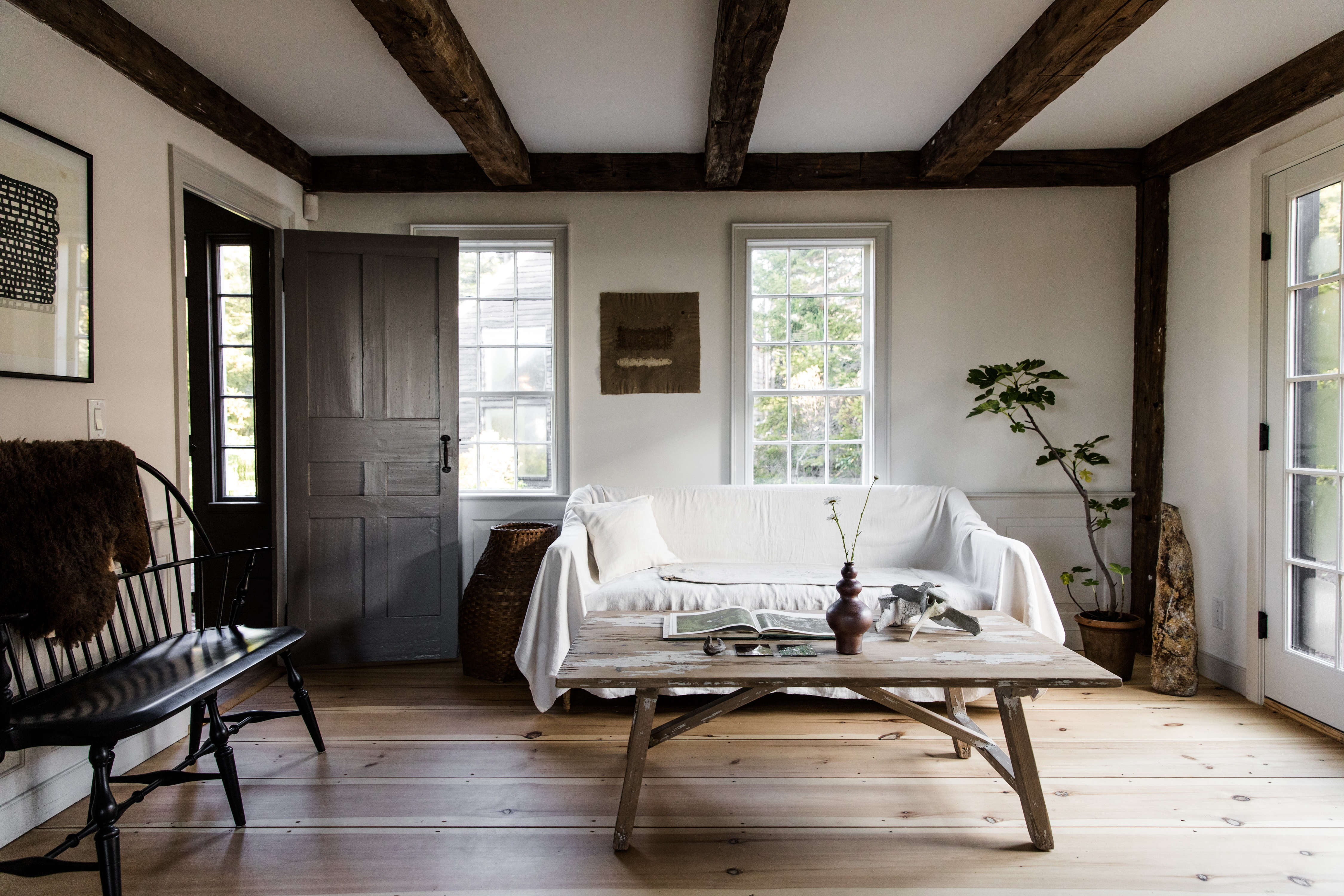
Pro Tip: To achieve the authentic 1754 Maine look, focus on wide plank flooring and original (or reclaimed) hand-hewn frames. These elements provide the structural "weight" necessary to balance modern furniture.
Secret 2: The Historic Color Palette
The "all-white" farmhouse is officially evolving. As we move into 2026, the trend is shifting toward "moody neutrals"—colors that feel like they’ve been pulled directly from the Maine coastline. The secret to the 1754 Maine home’s atmosphere is the strategic use of paint to highlight architectural details rather than hide them.
Instead of standard white, look toward colors with historical depth. We recommend Benjamin Moore Apparition (860) for trim work. It’s a sophisticated, stony grey that changes with the light. For a bolder statement on doors or cabinetry, Iron Mountain (2134-30) provides a grounded, nearly-black finish that feels ancient and permanent.

To add even more character, consider the wall finish itself. Mixing plaster walls with milk paint creates a matte, variegated texture that mimics centuries of wear. This "living" finish absorbs light differently than standard latex paint, giving your living room a soft, ethereal glow that is quintessentially Colonial.
Secret 3: The 'New Rustic' Furniture Mix
The challenge of 18th-century design is making it livable for the 21st century. No one wants to sit on a hard wooden bench all evening. The "New Rustic" secret is the art of the mix: pairing the sculptural rigidity of Colonial furniture with the cloud-like comfort of modern upholstery.
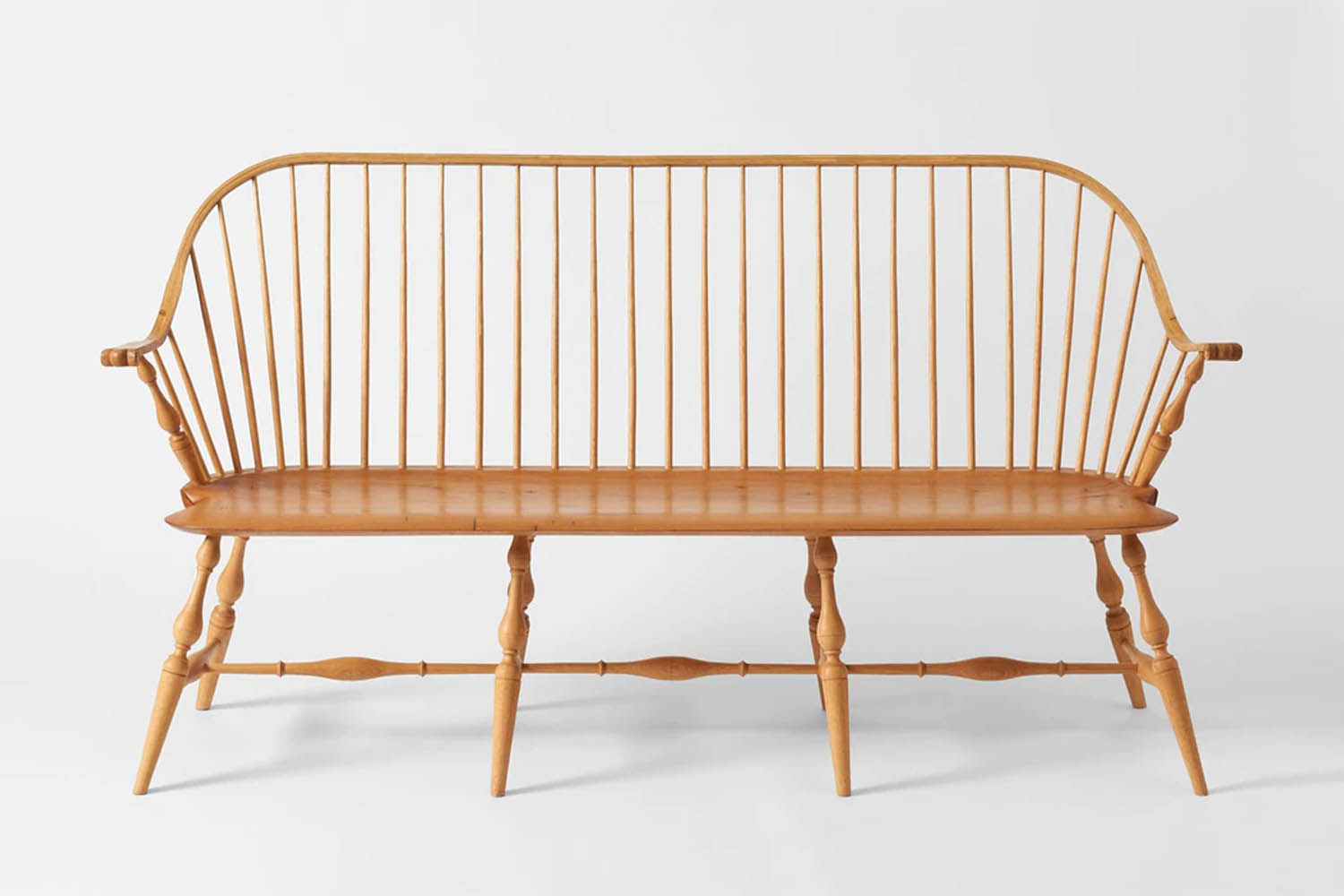
In the Maine Cape, this is achieved by placing a handcrafted Sawyer Made White Oak Butternut Windsor Settee across from a deep, plush sofa. The Windsor settee acts as a piece of functional art—its spindles creating a rhythmic, airy feel—while the sofa provides the necessary "sink-in" comfort for a family home.
The Essentials for a Historic Colonial Mix:
| Piece Type | Featured Recommendation | Style Impact |
|---|---|---|
| The Sofa | John Derian Cove Sofa ($6,465) | Brings refined, Belgian linen luxury to balance rugged wood. |
| The Settee | Sawyer Made Windsor Settee | Offers a sculptural, handcrafted nod to 18th-century Maine. |
| The Table | Live-edge White Oak Coffee Table | Merges raw nature with clean, modern lines. |
| The Accent | Vintage Dough Bowl | Adds a sense of utility and history to a coffee table display. |
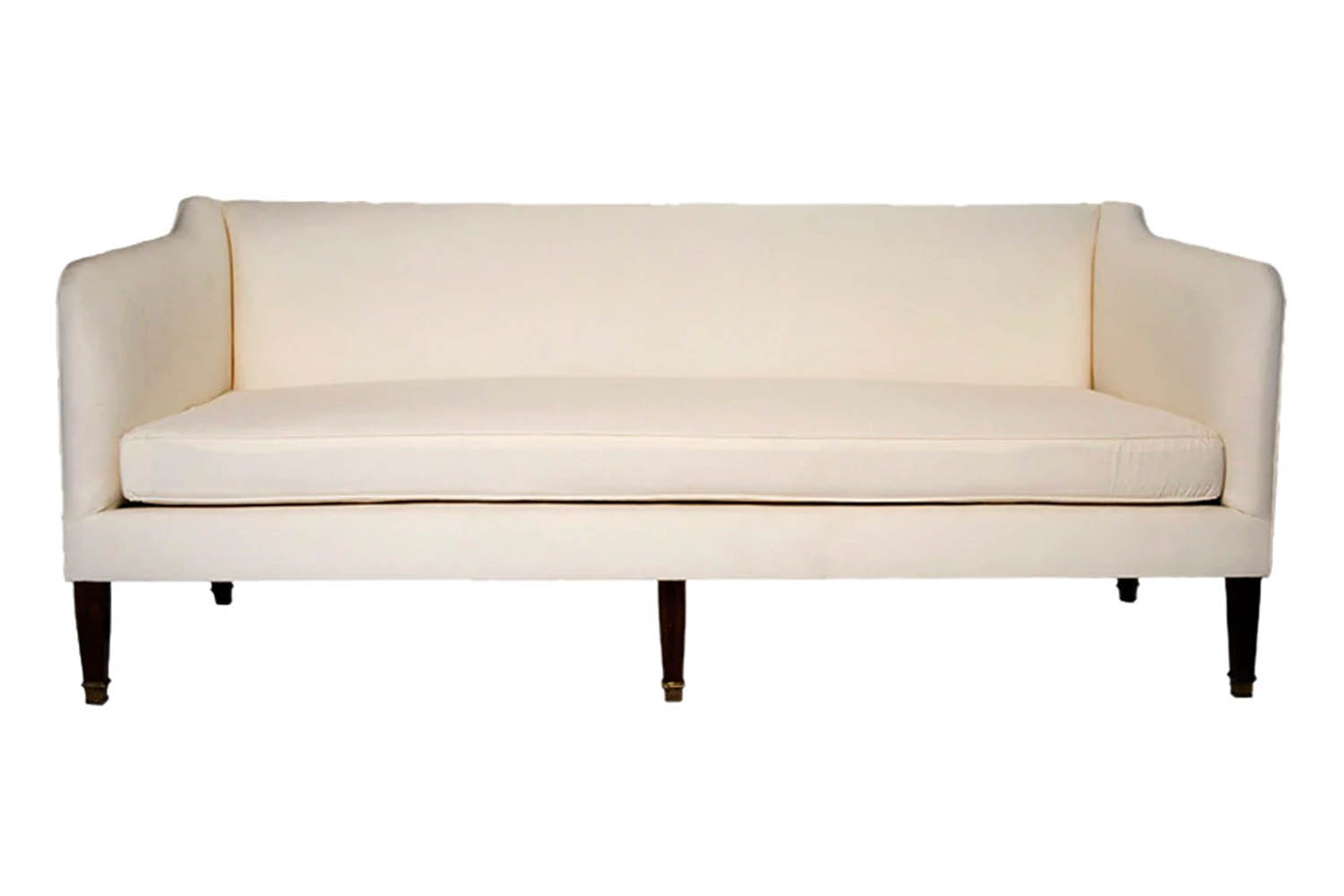
The John Derian Cove Sofa is a particular favorite for this look. Upholstered in Belgian linen, it has a relaxed, slightly rumpled elegance that fits perfectly against a backdrop of rough-sawn timber.
Secret 4: Curating with a 2026 Sustainable Lens
One of the most significant design shifts we are seeing is the move toward 'Soulful Sustainability.' According to recent industry shifts, 85% of modern farmhouse renovations in 2026 now prioritize sustainable, handcrafted items over mass-produced decor. This isn't just about being eco-friendly; it's about the "energy" of the objects in your home.
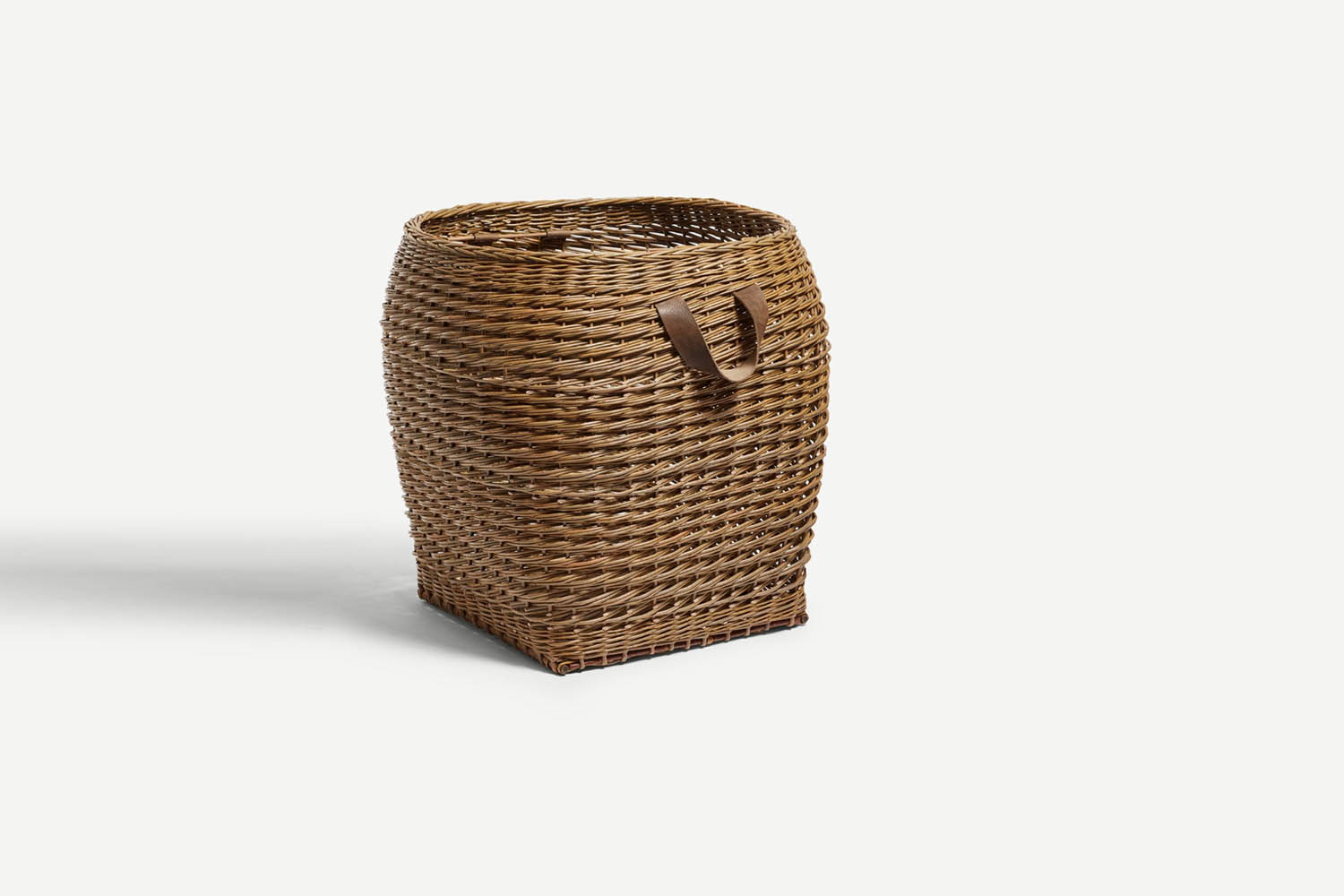
When decorating a historic-inspired space, the "secret" is to shop local and shop old. Incorporate antique finds like vintage dough bowls, which once held the daily bread of a colonial family, or willow log baskets. These items aren't just decorative; they are functional pieces of history.
The 2026 aesthetic also embraces the "clash" of materials. Don't be afraid to pair a centuries-old reclaimed wood beam with a polished marble side table or a sleek concrete fireplace hearth. This juxtaposition prevents the room from feeling like a museum and instead makes it feel like a home that has evolved over time.
Secret 5: Textural Layers and Finishing Touches
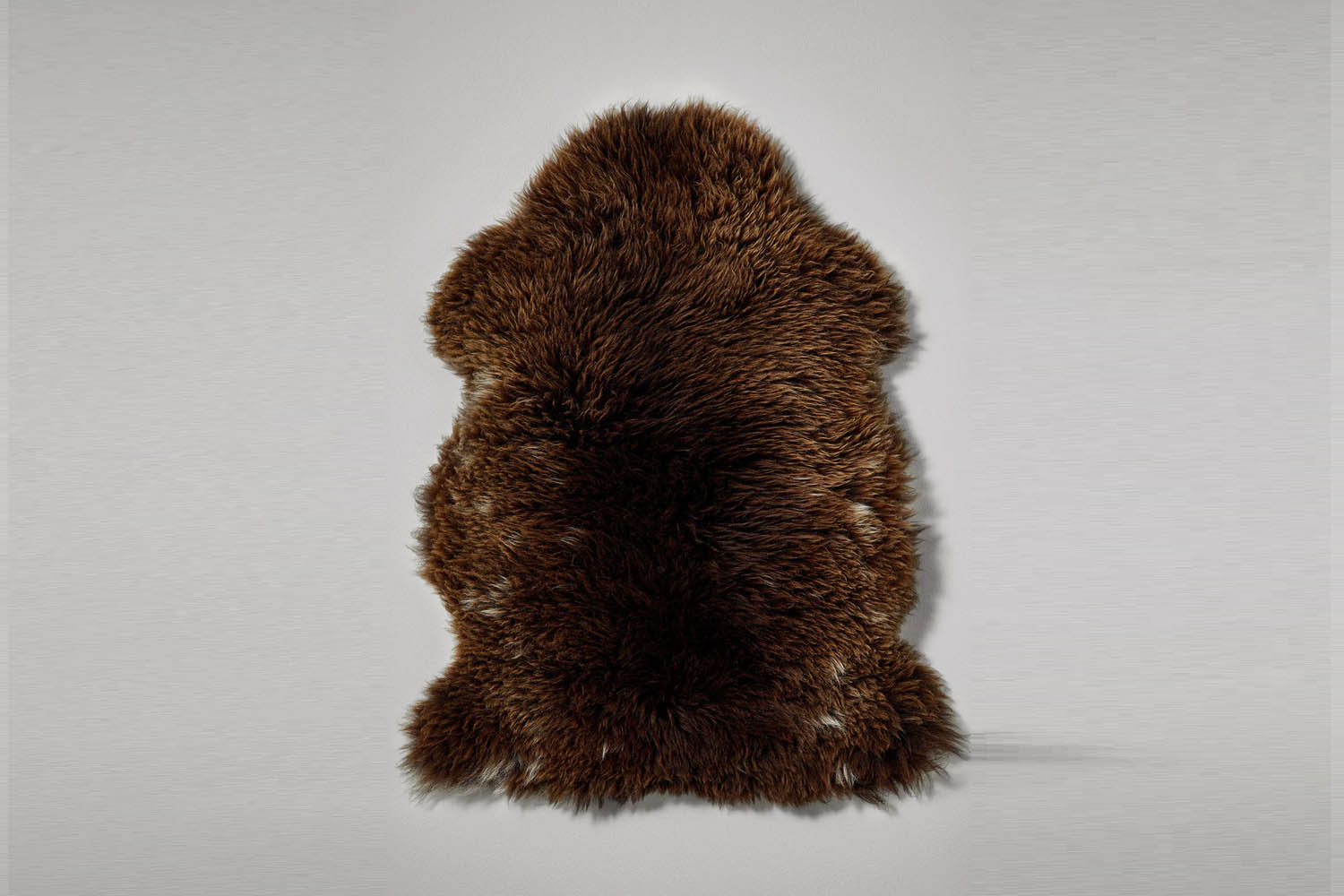
The final secret to the 1754 Maine look lies in the tactile details. A room filled with wood and stone can feel cold if you don't layer in soft, organic textures. I always recommend starting from the floor up with a Welsh Mountain brown sheepskin rug. Its natural chocolate and cream tones provide an immediate sense of warmth and ground the lighter furniture pieces.
Beyond the rugs, look at your "jewelry"—the hardware. In 2026, we are seeing a transition away from the mandatory brass of the last few years toward unlacquered silver and classic cast iron. Simple cast iron door pulls or a hand-forged fire tool set can make a dramatic difference in the "authenticity" of the space.

Finally, consider your lighting. The historic Maine home would have relied on candlelight, so your modern lighting should mimic that soft, directional glow. Transition from small, recessed lights to oversized metal pendants and plenty of table lamps with simple ivory linen shades.
Bringing the Soul of Maine Home
The 1754 Spruce Head Cape teaches us that great design isn't about following a set of rigid rules; it's about listening to the story a house wants to tell. Whether you live in a coastal cottage or a city apartment, you can evoke this sense of "soulful sustainability" by choosing quality over quantity and honoring the materials that stand the test of time.
By focusing on the "bones," choosing a historic color palette, and mixing rugged antiques with luxurious comfort, you create a living room that feels both timeless and perfectly suited for the year 2026.
FAQs
How do I make a new home look like a 1754 Maine farmhouse? The key is introducing "weight" through materials. Use wide-plank reclaimed wood for flooring and integrate architectural elements like faux hand-hewn beams. Focus on a moody, earthy paint palette and mix antique wooden furniture with modern, linen-upholstered pieces.
What is the 'Modern Farmhouse' trend for 2026? The 2026 trend is moving away from the "all-white and black" look toward 'Soulful Sustainability.' This involves using more natural, handcrafted materials, historic paint colors (like muted greys and deep greens), and a stronger focus on 18th-century Colonial authenticity rather than industrial elements.
What are the best paint colors for a rustic, historic living room? For an authentic feel, we recommend Benjamin Moore Apparition (860) for a soft grey trim and Iron Mountain (2134-30) for a grounded, historic look on doors and cabinetry. These colors pair beautifully with white plaster walls.