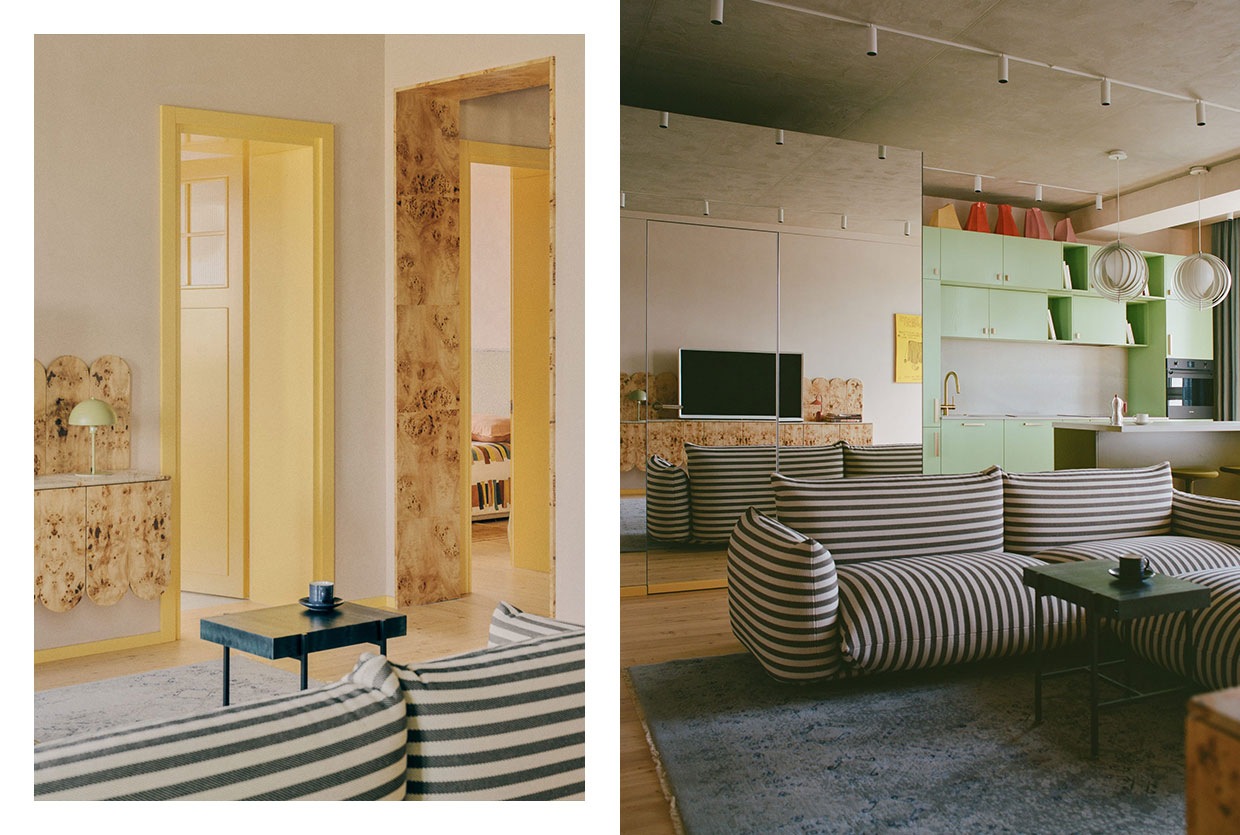
When we speak of the ultimate sanctuary, one name invariably rises to the top of the design world’s wishlist: Casa No Tempo. Nestled in the sun-drenched plains of Montemor-o-Novo, Portugal, this renovated farmhouse—whose name literally translates to "Home Without Time"—has become the definitive blueprint for serene, minimalist living. For those of us looking ahead to 2026, the Casa No Tempo aesthetic represents more than just a trend; it is a masterclass in how architecture, light, and material can coalesce to create a space that feels deeply restorative.
To achieve the Casa No Tempo aesthetic in your own bedroom, you must prioritize a monochromatic color palette, symmetrical layouts, and integrated oak storage boxes that blend seamlessly into the architecture. The secret lies in the "less but better" philosophy. By grounding the room with antique French terracotta tiles and Danish oiled walnut furniture, and softening the edges with textured jute rugs, you create an environment that feels organic yet sophisticated. This look isn't about filling a room; it’s about curate-ing a "deep exhale" through design.
The Core Principles of Minimalist Farmhouse Design
The modern farmhouse style has undergone a significant evolution. While the 2010s were defined by shiplap and sliding barn doors, the 2026 iteration is leaner, more architectural, and focused heavily on psychological wellness. A 2025 Houzz survey indicates that 68% of professional designers now recommend earthy, calming color palettes for modern farmhouse interiors specifically to enhance wellness and reduce cortisol levels.
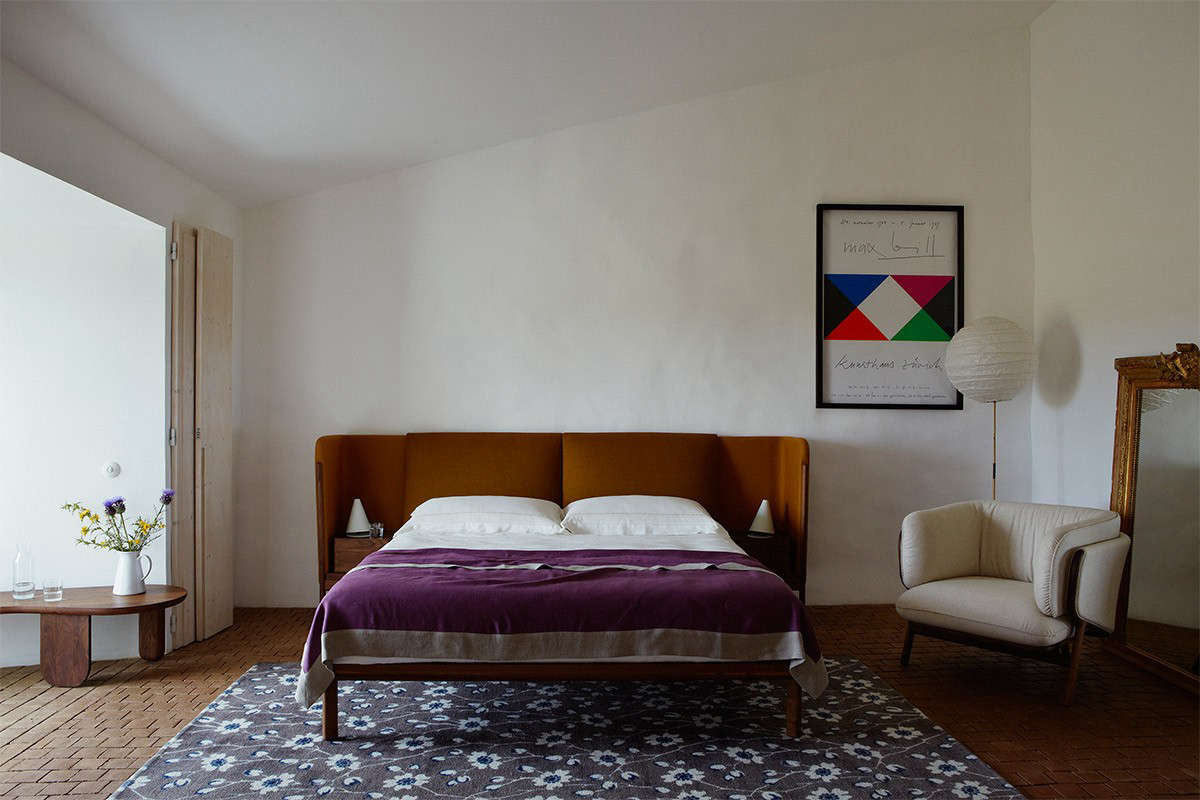
Symmetry is the cornerstone of this serenity. In a Casa No Tempo-inspired bedroom, the bed is almost always centered, flanked by identical bedside tables or integrated ledges. This visual balance tells the brain that the space is safe and orderly, allowing for deeper relaxation.
Architecture as Furniture
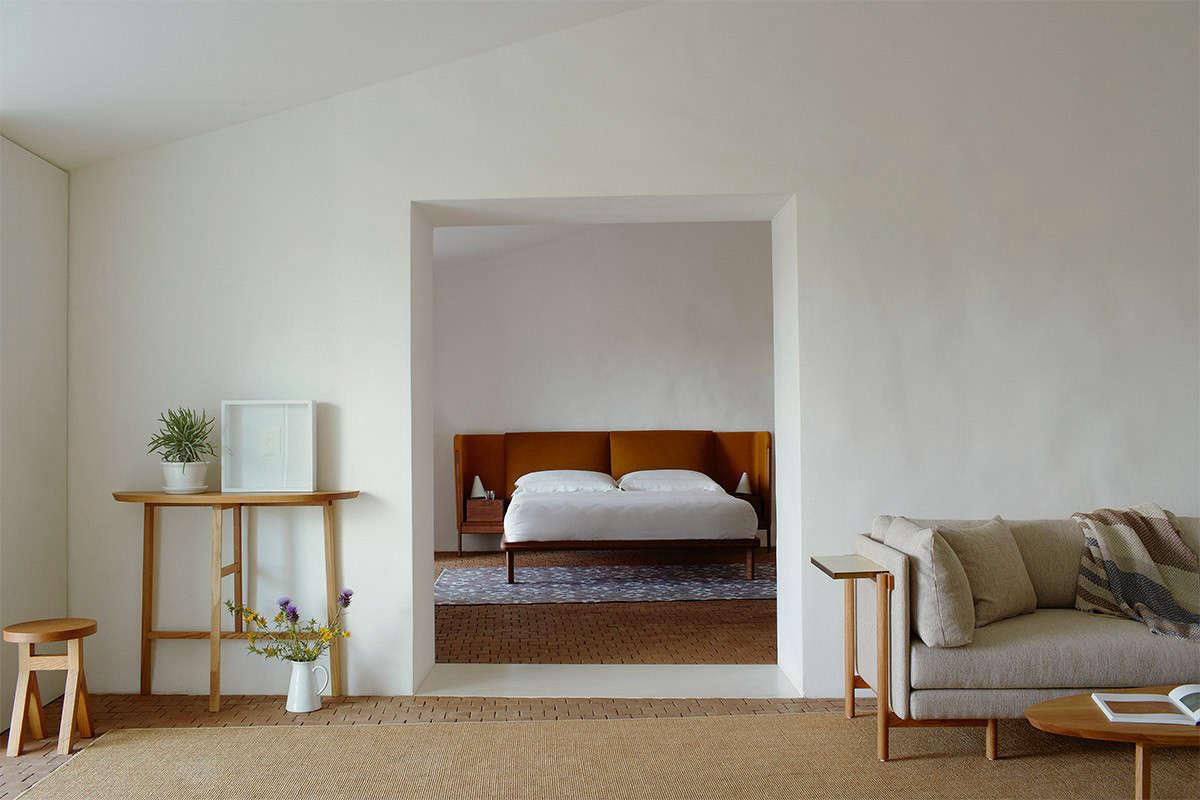
One of the most striking features of the Portuguese retreat is how the furniture often seems to emerge from the walls themselves. Instead of bulky, freestanding wardrobes, consider integrated oak storage boxes. These built-ins provide a clean, monolithic look that eliminates visual "noise." When storage is treated as an architectural element, the room remains uncluttered, maintaining that elusive "time-free" atmosphere.
The Material Palette: Grounded and Organic
Modern farmhouse remains a top-three interior style globally in 2026, driven largely by a 40% increase in the integration of sustainable, wabi-sabi inspired organic materials. To replicate the tactile warmth of a high-end retreat, you must look to the floor first.
The foundation of the Casa No Tempo look is the floor—specifically, antique French terracotta tiles in "Provincial Red." Unlike modern ceramic replicas, these tiles have a porous, hand-finished quality that feels cool in the summer and holds warmth in the winter. They provide the "earth" to the room’s "air."
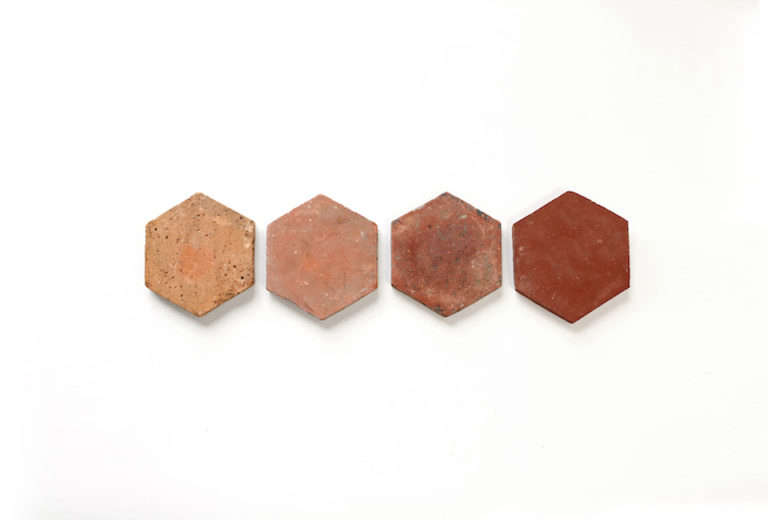
To balance the rusticity of terracotta, introduce smooth, luxurious textures. Danish oiled walnut is the preferred wood for 2026; its deep grain and matte finish offer a sophisticated counterpoint to white plaster walls.
| Element | Traditional Farmhouse (2015-2020) | Serene Modern Farmhouse (2026) |
|---|---|---|
| Flooring | Distressed Gray Oak / Luxury Vinyl | Antique Terracotta / Reclaimed Stone |
| Wall Finish | White Paint / Shiplap | Lime Wash / Raw Plaster |
| Wood Tones | Honey Oak / Painted White | Oiled Walnut / Natural White Oak |
| Textiles | Gingham / Chunky Knits | Raw Linen / Silk-Wool Blends |
| Lighting | Black Iron Lanterns | Paper Akari Lamps / Plaster Sconces |
Ivy’s Pro Tip: When sourcing jute rugs, look for a "tight bouclé" weave. It provides the organic texture required for the farmhouse look but feels much softer underfoot than traditional braided jute.
Steal the Look: Furniture and Lighting Selection
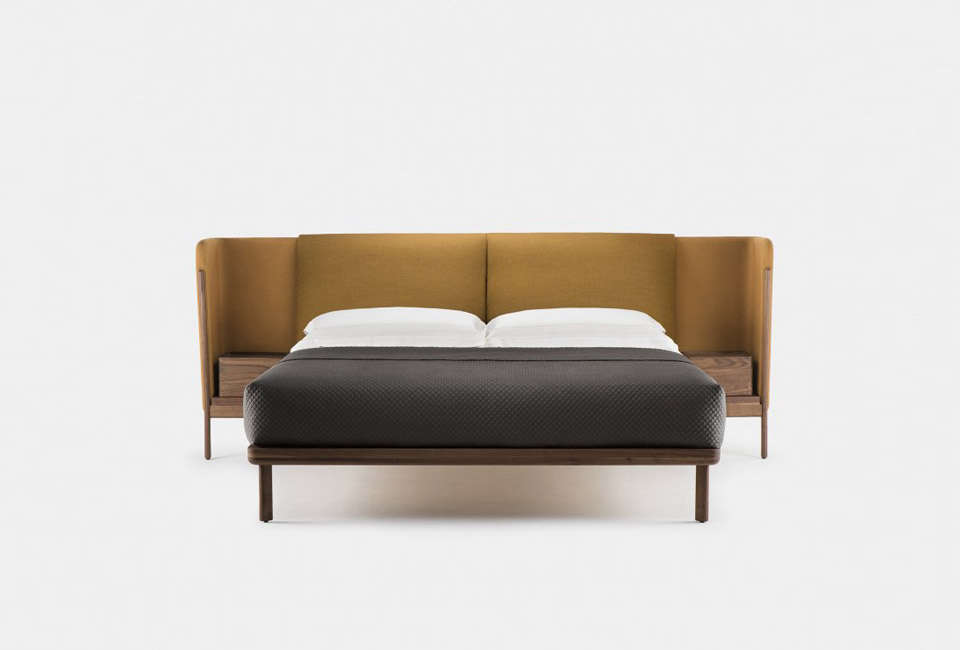
The furniture in a serene farmhouse bedroom should have a low-profile silhouette to keep the sightlines open. The Nichetto 112 Low Dubois Bed is the quintessential choice here. Its oiled walnut frame and wrap-around headboard create a sense of enclosure without overwhelming the room. By keeping the bed low to the ground, you emphasize the height of the ceilings and the flow of natural light.
Lighting as Sculpture
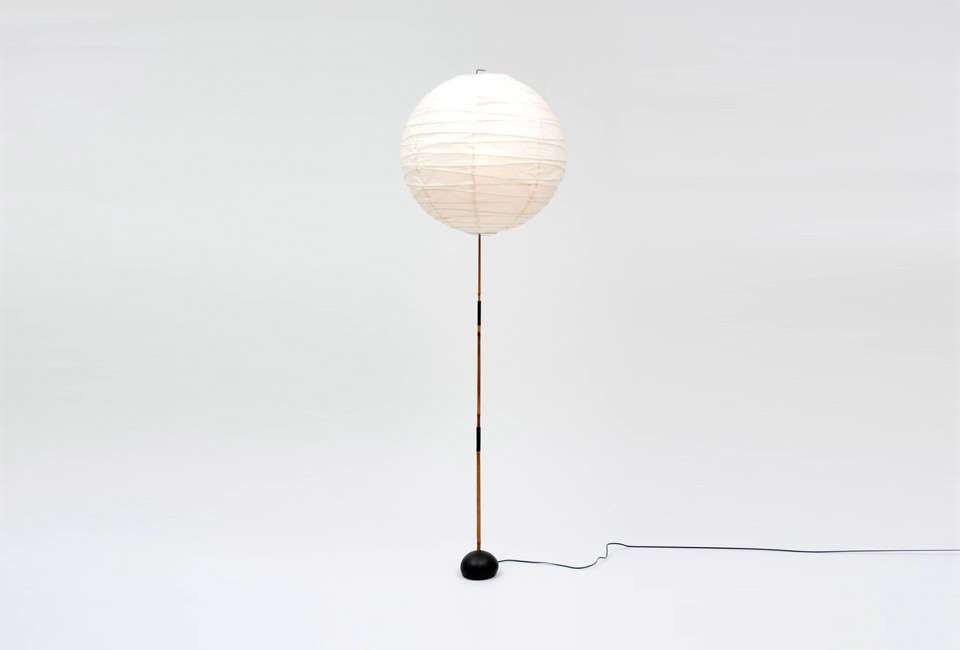
In a minimalist space, every object must justify its existence. Lighting should be treated as functional sculpture. To achieve the soft, ethereal glow found in Casa No Tempo, move away from recessed "can" lights and toward diffused sources. Noguchi Akari paper lamps are essential. Their washi paper construction softens the light, mimicking the way sunlight filters through morning mist over the Alentejo plains.
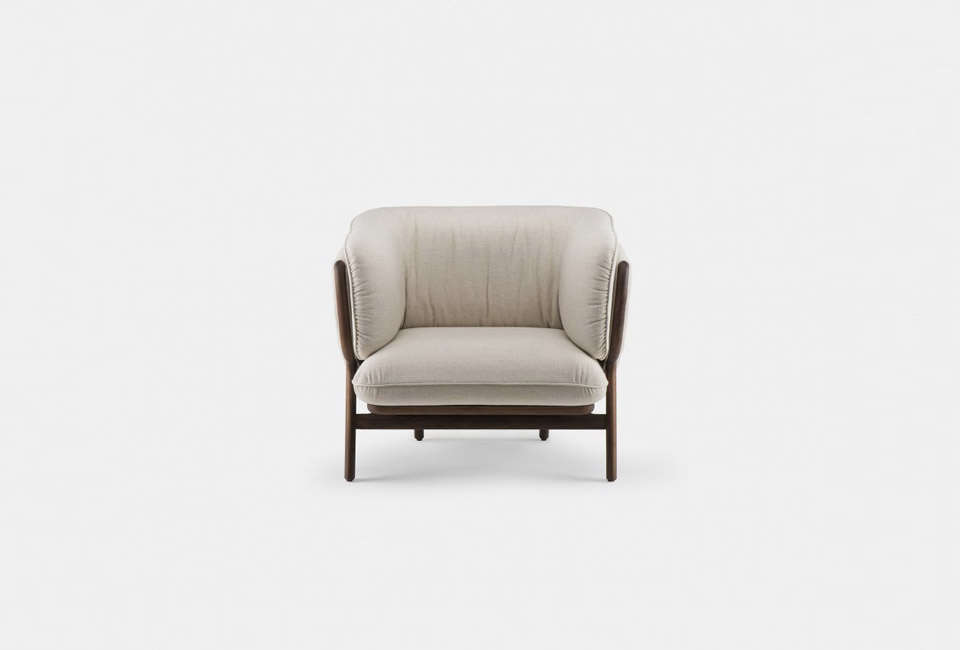
For a complete layout, introduce one or two statement pieces that break the symmetry just enough to feel "lived in." The Stanley Armchair in a neutral mohair or the Kim Bench in oiled walnut placed at the foot of the bed adds a layer of luxury and functionality. These pieces should share the same wood DNA as your bed to maintain a cohesive visual language.
Layering the Serenity: Soft Goods and Accessories
While the architecture of the room is minimalist, the textiles should feel abundant. This is where the "luxury" in luxury farmhouse comes to life. Start with a base of heavy-weight raw linen bedding in off-white or sand. Linen is breathable, sustainable, and only gets better with age—perfectly aligning with the 40% trend increase in wabi-sabi materials.
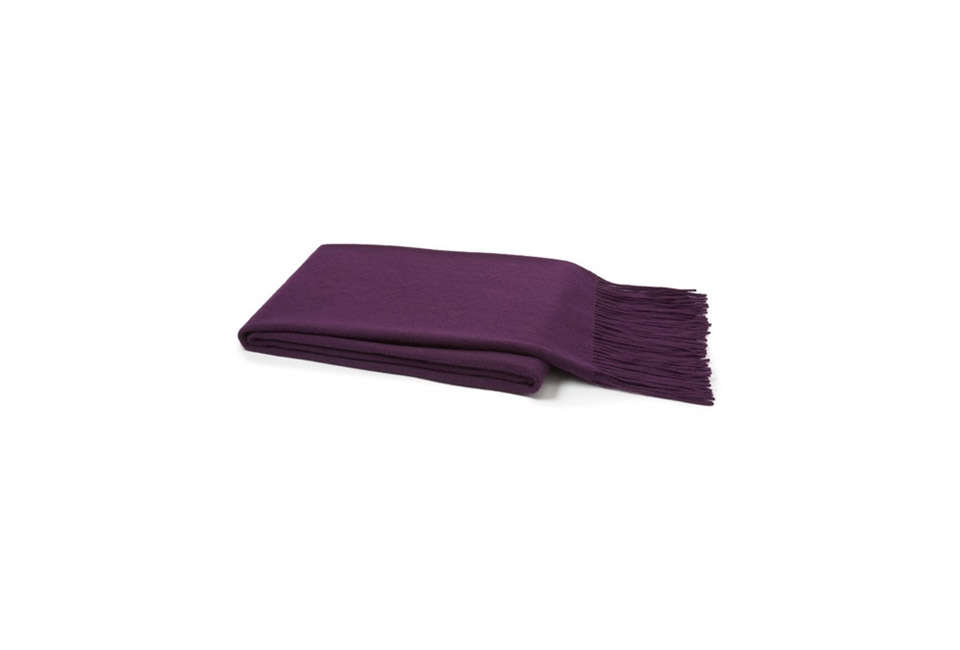
To prevent the room from feeling too sterile, add a single "collected" accent. A purple cashmere throw or a deep plum silk pillow adds a surprising layer of depth. Purple, in its muted, earthy iterations, is becoming the "new neutral" for 2026, providing a regal yet grounded contrast to walnut and terracotta.
High-Low Accessory Styling
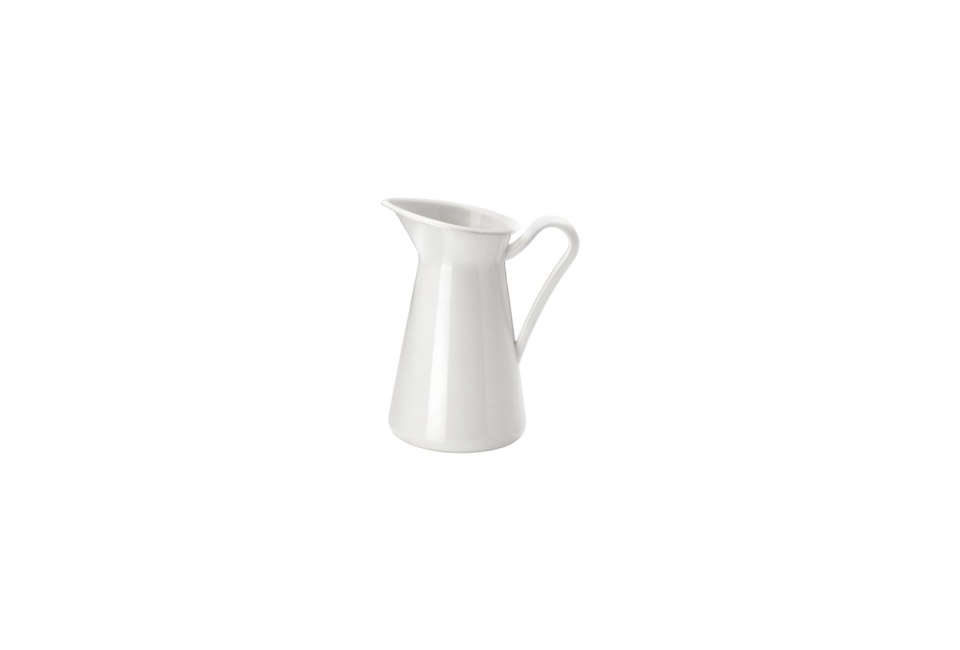
You don't need a designer budget for every element. The "Casa" look thrives on the juxtaposition of high-end furniture and simple, organic accessories. You might pair a $5,000 De La Espada bed with a $20 IKEA Sockerärt vase. The key is the shape: look for vessels with clean, historical silhouettes and matte finishes. A simple glass carafe, like the CB2 Cora, placed on a walnut bedside table, provides a moment of functional clarity.
Step-by-Step: Planning Your 2026 Makeover
Designing a bedroom of this caliber requires a disciplined approach. Follow these steps to ensure your makeover stays on track:
- Audit the Scale: Measure your room carefully. The modern farmhouse look fails when furniture is too large for the footprint. Ensure there is at least 36 inches of "white space" around the bed to allow for movement and visual breathing room.
- Commit to the Palette: Choose one white (warm-toned, like "Swiss Coffee") and one wood tone (walnut or oak). Stick to these throughout the room. Consistency is what creates the "hotel-like" serenity.
- Treat the Walls: Skip the shiplap. Instead, use a subtle lime wash or a smooth gypsum plaster. These finishes catch the light in a way that flat paint cannot, giving the walls a "living" quality.
- Source Sustainably: In 2026, luxury is synonymous with responsibility. Look for FSC-certified woods and Oeko-Tex certified linens. A room can only feel truly serene if it’s healthy for you and the planet.
- The Final Edit: Once the room is finished, remove one item. Whether it’s an extra pillow or a small decorative object, the "final edit" ensures the space remains minimalist and intentional.
FAQ
Q: Can I achieve the Casa No Tempo look if I have carpeted floors? While terracotta or wood is ideal, you can mimic the grounded feel by layering a large, oversized jute or sisal rug directly over your carpet. Ensure the rug is large enough to tuck well under the bed and bedside tables to create a "zone" of organic texture.
Q: Is the monochromatic palette too boring for a master bedroom? Not if you focus on texture. Monochromatic design relies on "tactile contrast"—the difference between a rough plaster wall, a smooth walnut table, and a soft linen duvet. This creates visual interest without the chaotic energy of multiple colors.
Q: How do I handle technology (TVs, charging cables) in a minimalist room? Integrated storage is your best friend. Use the "oak box" concept to create a hidden charging station inside your bedside drawer. If you must have a TV, consider a "Frame" style television that displays art when not in use, or hide it within a built-in cabinet.