There is a unique kind of magic that happens when a family shares a sleeping space. It’s in the quiet whispers before bed, the morning cuddles, and the profound sense of security a child feels knowing their parents are just a few feet away. However, as an interior design editor, I also know the "friction points" all too well. When your sanctuary becomes a shared nursery-office-bedroom hybrid, the dream of a cohesive home can quickly feel like a cluttered reality.
In modern urban living, space is the ultimate luxury. A recent study of urban living trends indicates that over 65% of families in compact apartments now utilize multi-functional furniture to successfully manage shared parent-child sleeping arrangements. Whether you are navigating a one-bedroom rental or simply want to keep your toddler close during their early years, the challenge is the same: how do you create a "room within a room" that feels intentional rather than accidental?
The core of the solution lies in a shift of perspective. We aren't just "squeezing in" a crib; we are curate-ing a multi-generational suite. By utilizing functional furniture like open bookshelves or floor-to-ceiling curtains, you can define individual zones without structural changes. The best layout for a small shared bedroom is often an L-shaped arrangement or utilizing vertical space with loft beds, which keeps the center of the room open for movement and shared activities.
1. Defining Your Zones: Smart Layout Strategies
When working with a limited footprint, the floor plan is your most powerful tool. The goal is to avoid the "hallway effect," where furniture is lined up against the walls, leaving a narrow, unusable strip in the middle.
The L-Shaped Arrangement This is the gold standard for shared spaces. By placing the adult bed in one corner and the child’s bed or crib against the perpendicular wall, you create a natural "elbow" in the room. This keeps the center of the floor open, providing a communal area for play or dressing. It also creates a psychological distance; when you are in bed, you aren't staring directly at the crib, and vice versa.
Utilizing Verticality If your ceilings allow it, go up. Integrating vertical storage solutions and loft beds in small shared rooms can increase usable floor space by up to 40% compared to traditional furniture layouts. For parents sharing with an older child, a loft bed for the junior member allows for a desk or a cozy reading nook underneath. For those with infants, "going vertical" means wall-mounted changing tables and shelving units that keep the floor clear.
Alcove Utilization Look for "architectural niches"—those awkward indents in the wall or spaces between closets. These are perfect candidates for a "nursery nook." By tucking a crib into a niche, you create a dedicated sleep pocket that feels separate from the main room. If you don't have a natural alcove, you can create one using a wardrobe or a deep bookshelf.
2. Privacy Without Permanent Walls
Privacy is often the biggest concern for parents in shared rooms. You want to be able to read a book or have a conversation without waking the baby. The key is "visual separation"—creating boundaries that block the line of sight without blocking light or airflow.
Functional Furniture as Dividers Forget folding screens that tip over. Use substantial furniture to draw the line. An open-backed bookshelf (like the iconic IKEA Kallax) is a designer favorite because it provides storage while allowing light to filter through. Use the lower cubbies for toys and the upper ones for your books and decor.
Fabric Solutions For a softer, more flexible approach, floor-to-ceiling curtains are a game-changer. They offer a "hotel-suite" vibe and can be pulled back during the day to make the room feel large again. I recommend choosing a fabric that matches your wall color to keep the space looking streamlined.
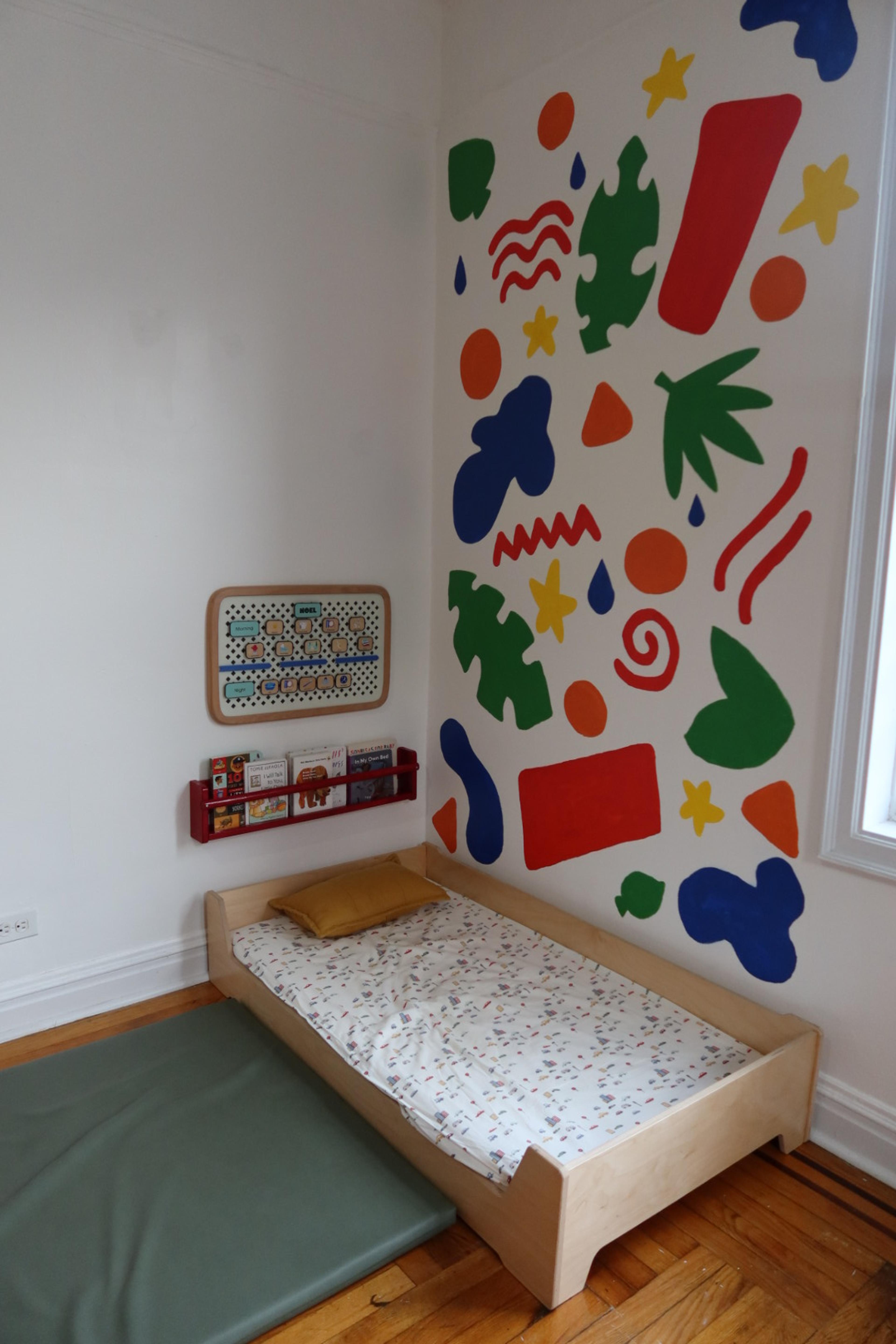
Visual Separation with Color Sometimes, the "divider" doesn't have to be physical at all. Using contrasting paint colors or individual rugs can mark 'parent' and 'child' territories with surprising effectiveness. This technique, known as color-blocking, gives the eye a clear signal that it is moving from one "room" to another.
Comparison: Divider Types for Shared Bedrooms
| Divider Type | Cost | Privacy Level | Best For... |
|---|---|---|---|
| Open Bookshelf | Moderate | Medium | Storage + light flow |
| Ceiling Curtains | Low to Moderate | High | Full visual privacy |
| Color Blocking | Low (DIY) | Low (Visual Only) | Defining zones in tiny rooms |
| Folding Screen | Low | Medium | Temporary/Renter setups |
3. Maximizing Every Square Inch of Storage
In a shared room, clutter is the enemy of peace. When two (or three) people share a footprint, every object must earn its keep.
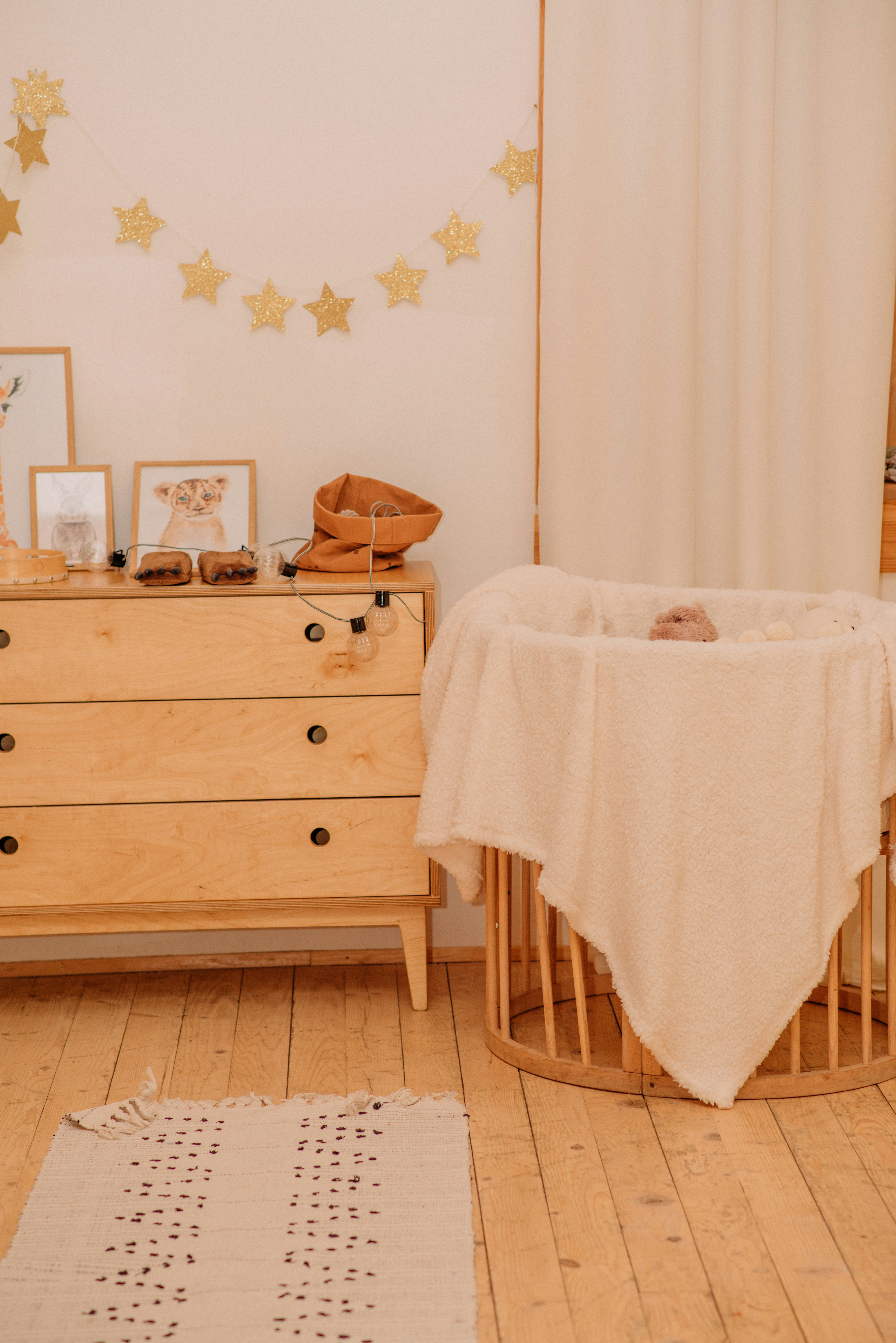
The Shared Dresser Strategy One of the most effective ways to reclaim floor space is to replace individual nightstands with a single, large shared dresser. Position it between the adult bed and the child's area. The top can hold a shared lamp and a few personal items, while the drawers are divided between adult clothes and baby essentials. This eliminates the "furniture graveyard" feel of having too many small pieces in one room.
Vertical & Wall-Mounted Solutions Keep the floor "breathable." Instead of table lamps, install wall-mounted sconces. Swap a bulky toy chest for floating shelves. By keeping surfaces clear, the room feels larger and is much easier to clean.
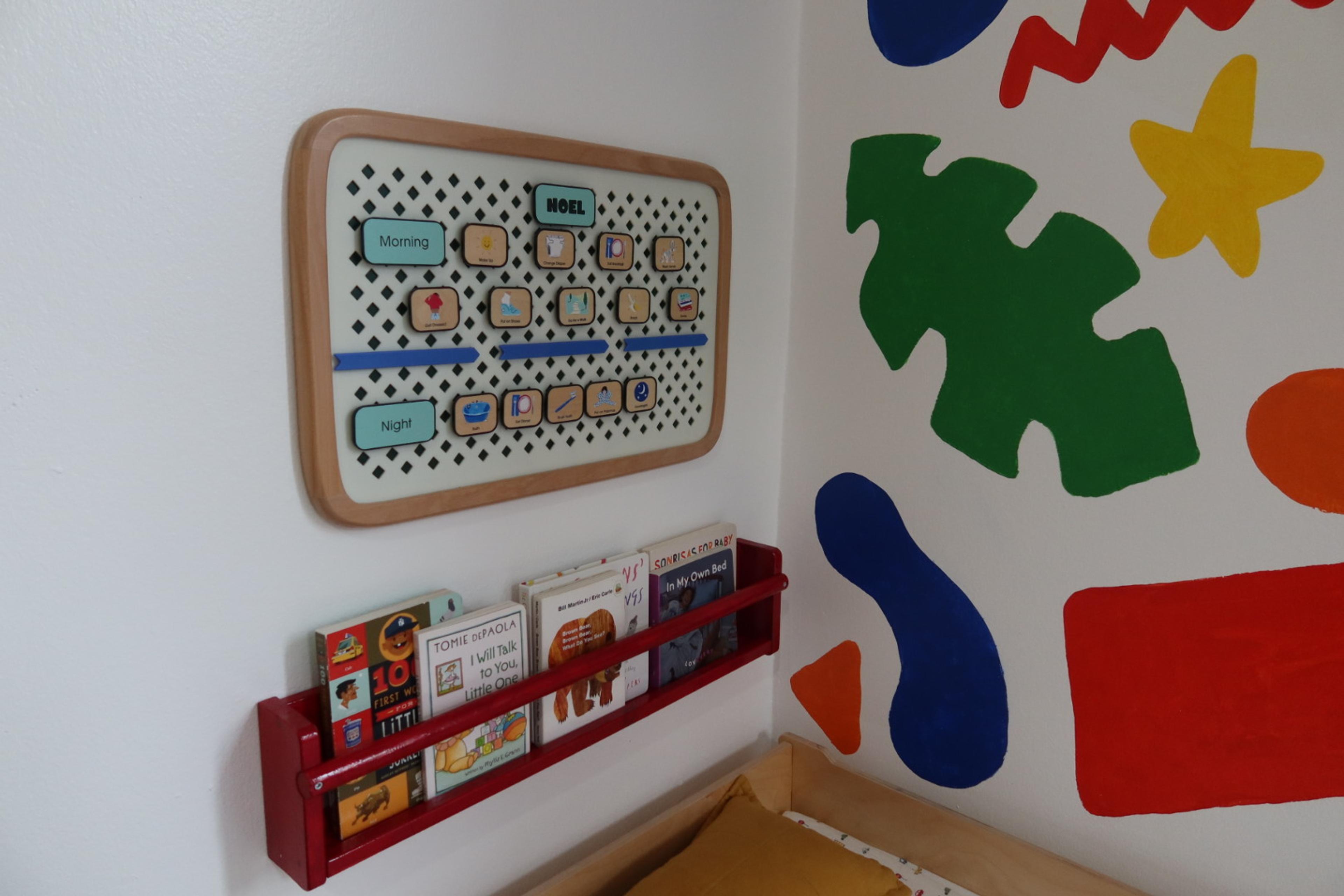
The Multi-functional Footprint Invest in furniture that does double duty. A storage ottoman can serve as a seat for nighttime stories while hiding extra linens. Trundle beds are also excellent for shared rooms with older children, allowing the extra mattress to disappear during the day. Remember: 65% of families in compact homes rely on these multi-functional pieces to make the layout work.
Ivy’s Design Tip: "When choosing furniture for a shared room, stick to a cohesive color palette. If the crib is white oak, try to find a dresser or bed frame in a similar wood tone. This 'visual unity' prevents the room from looking like two different styles are fighting for dominance."
4. Age-Specific Considerations for Shared Spaces
As your child grows, their needs—and your layout—will evolve. What works for a newborn won't work for a rambunctious toddler.
The Sibling/Parent Dynamic If you are sharing with an infant, positioning the crib closest to the door is often the most practical move. This allows for easy access during night wakings without stumbling over furniture or disturbing the other sleeper. However, once the child hits the toddler stage, you might move them further into a "nursery corner" to give them a sense of their own territory.
Safety & Accessibility In a small shared room, safety is paramount. Ensure that toddler toys are stored at low levels so they can reach them independently, while keeping parent essentials, electronics, or heavier decor items on higher shelves.
5. Budget-Friendly & Renter-Ready Upgrades
You don't need a massive renovation budget to create a beautiful shared space. In fact, some of the best solutions are the most affordable.
- Sourcing Secondhand: Quality furniture for small spaces can be expensive. Check Facebook Marketplace or local thrift stores for "niche" items like slim dressers or vintage screens that you can refresh with a coat of low-VOC paint.
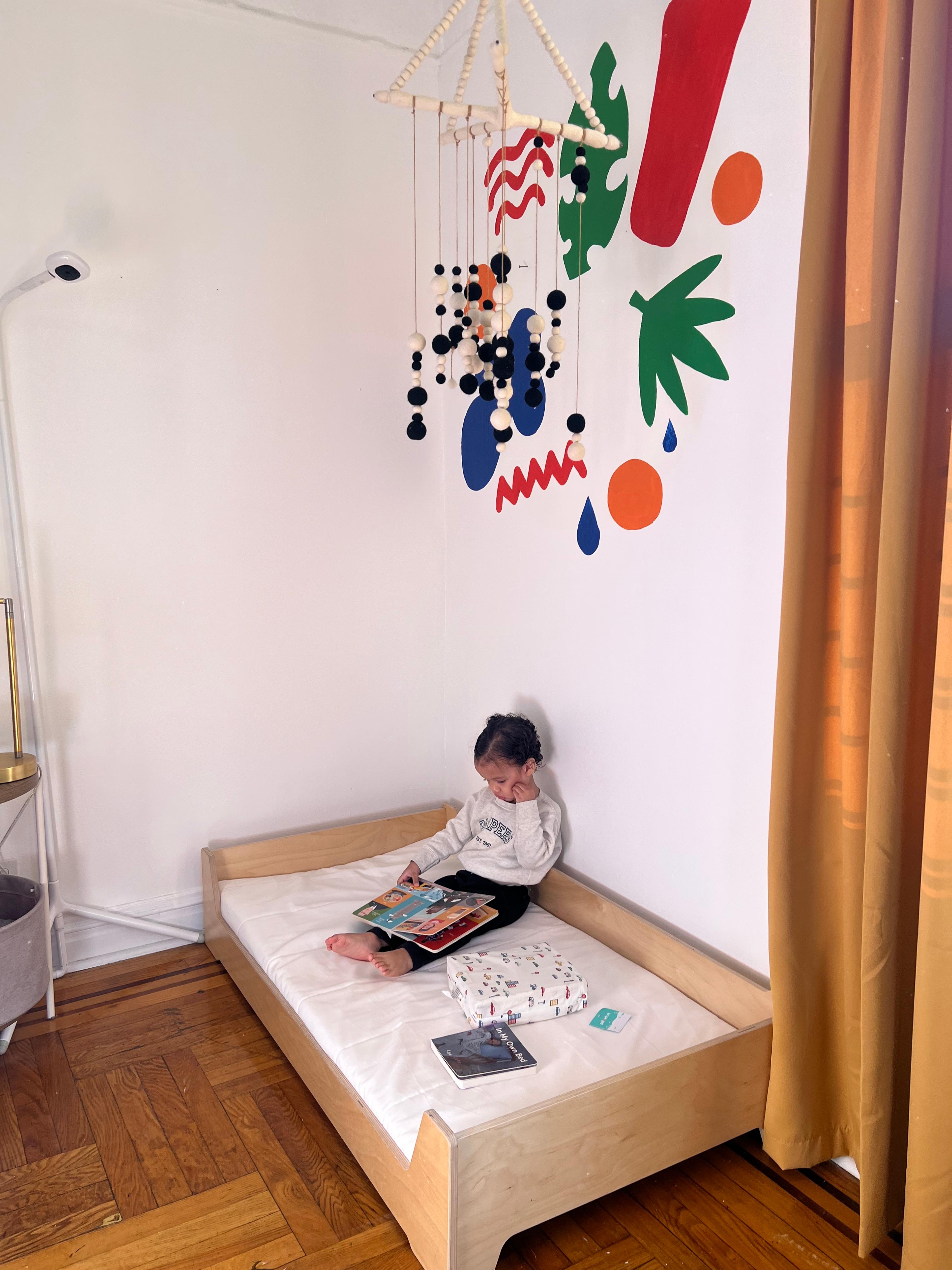
- The Power of Peel-and-Stick: If you’re renting, you might not be able to paint. Use peel-and-stick wallpaper to create a "feature wall" behind the crib. It adds personality and defines the zone without risking your security deposit.
- Lighting Layers: Don't rely on a single overhead light. Use a mix of floor lamps, sconces, and even fairy lights in the child’s corner. This allows you to dim the lights in one area of the room while keeping them on in another.
FAQ
Q: How do I handle different bedtimes in a shared room? A: This is where visual and sound barriers are key. Use a white noise machine near the child’s bed to muffle adult sounds. A floor-to-ceiling curtain can also block out the light from a parent’s reading lamp or laptop screen, allowing the child to sleep in darkness.
Q: Will sharing a room with my child affect their independence? A: Not necessarily. Designating a specific "zone" for them—with their own rug, toy storage, and decor—helps them feel a sense of ownership. Encouraging them to "tidy their corner" fosters independence even in a shared environment.
Q: My room is too small for a standard crib. What are my options? A: Consider a mini-crib or a "bassinet-to-crib" convertible system. Mini-cribs have a smaller footprint but can often last until a child is two years old. Utilizing an L-shaped layout with a mini-crib can save significant floor space.
Sharing a bedroom with your child doesn't have to feel like a compromise. With a bit of intentionality, some smart vertical storage, and a few "designer tricks," you can create a space that nurtures both your child’s growth and your own need for a stylish, peaceful sanctuary. Remember, it’s not about how much square footage you have; it’s about how you make every inch count.