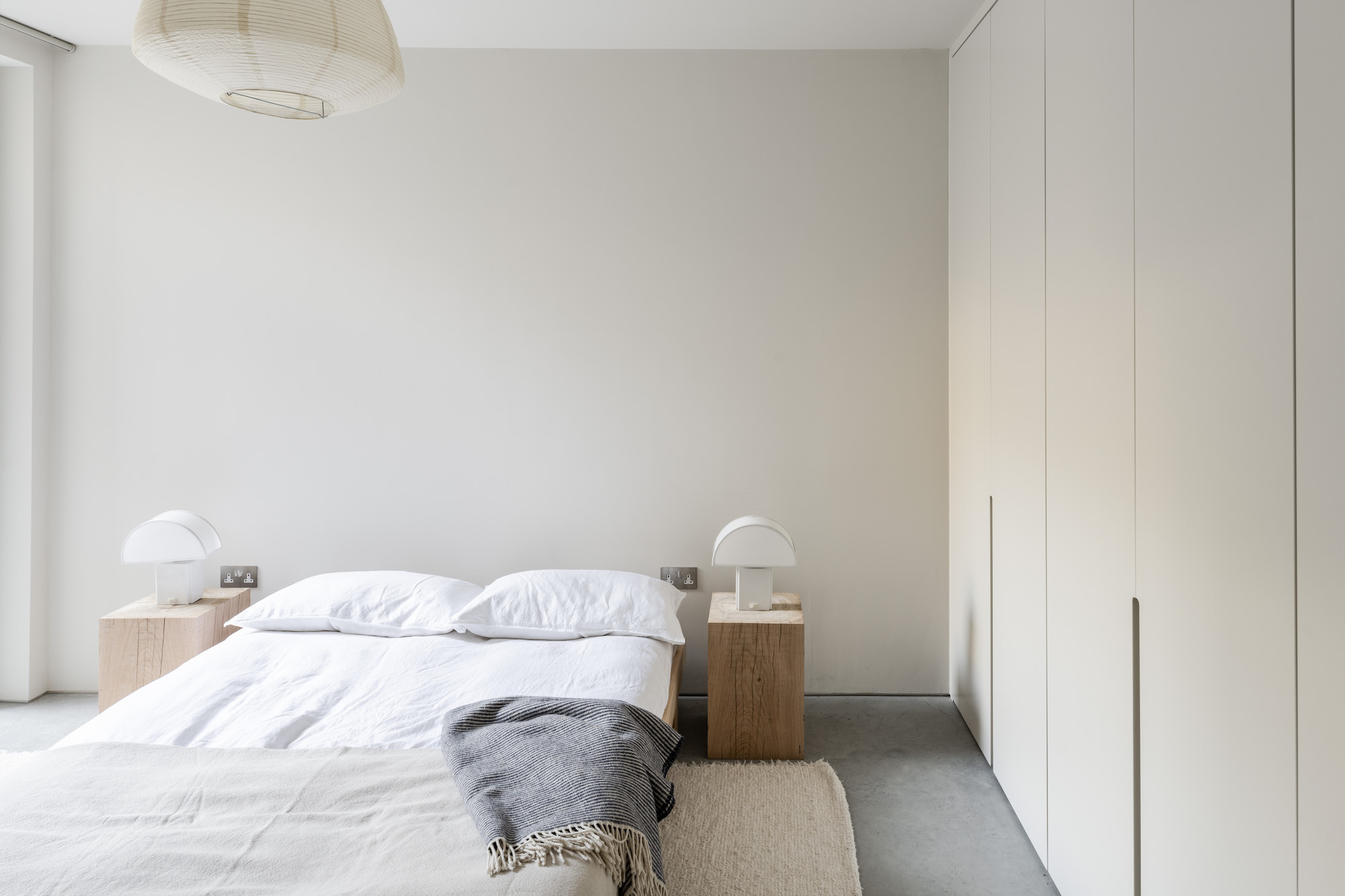
There is a specific kind of quiet that only a seasoned London developer seems to master—a "hushed" luxury that doesn’t scream for attention but rather invites you to exhale the moment you cross the threshold. When we look at the work of developers like Pete Monaghan, we see a masterclass in what I call "Intentional Simplicity." It’s a design philosophy that moves away from the cold, sterile minimalism of the early 2000s and leans into a warmer, more tactile contemporary sanctuary.
What defines an intentionally simple bedroom? At its heart, it is a "less is more" approach that prioritizes quality over quantity. It focuses on a warm neutral palette—think Farrow & Ball’s Slipper Satin rather than a stark Brilliant White—paired with low-slung furniture and raw, natural materials like timber and linen. It is about refreshing unloved spaces with bold character that feels both curated and effortless.
As we look toward 2026, the data reflects this shift. Internal industry metrics suggest that 72% of modern bedroom renovations in 2024 are moving toward "warm minimalism," prioritizing natural textures over the clinical palettes of the past. Homeowners are no longer looking for a "showroom" look; they are looking for a retreat.
The Foundation: Color Palette and ‘Earthy Cocooning’
The first step in recreating this London retreat is addressing the "shell" of the room. We are moving away from the "Millennial Grey" era and into what designers are calling "Earthy Cocooning." The goal is to create a space that feels like a hug.
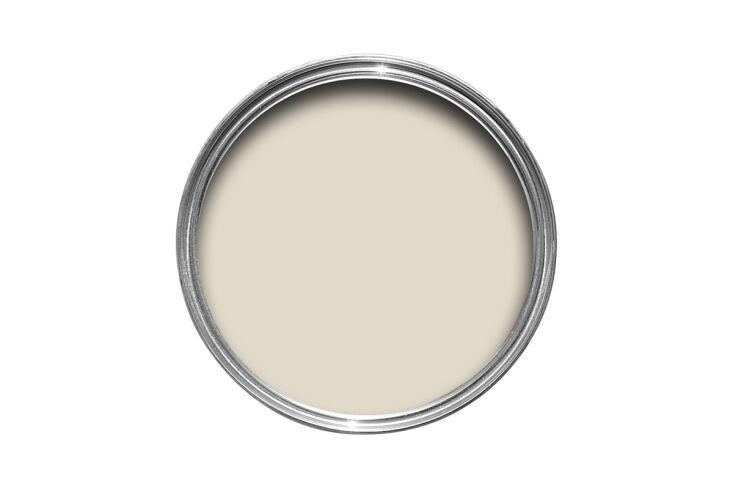
For years, the default was to paint everything white to "brighten" a room. However, in London’s often-grey light, stark white can feel blue and chilly. The developer’s secret? Slipper Satin by Farrow & Ball. It’s a chalky, off-white that contains just enough stone pigment to feel sophisticated and warm in any light.
While the base remains neutral, the 2026 trend forecast points toward more "Moody Schemes" for those who want a bit more drama. We are seeing a rise in rich, muted tones like Little Greene’s Adventurer (a deep, dusty plum) and earthy terracottas. The trick is "Color Drenching"—painting the walls, woodwork, and even the radiator in the same shade to minimize visual clutter and make the room feel infinitely more spacious.
Furniture Essentials: Low-Slung Profiles and Brown Wood
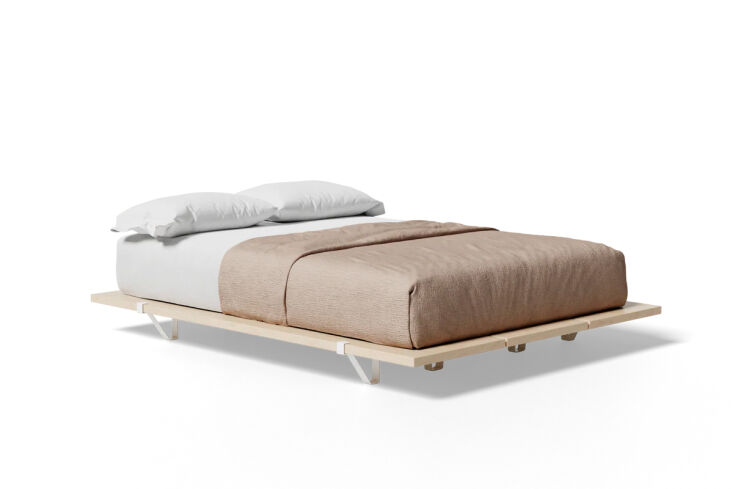
In an intentionally simple bedroom, the furniture does the heavy lifting. The centerpiece is almost always a low-slung platform bed. By keeping the bed closer to the floor, you increase the vertical volume of the room, making even small London terrace bedrooms feel airy and expansive.
The Floyd Bed or similar silhouettes from brands like Quince offer that clean, architectural line that defines the modern London look. These frames are often modular and highlight the raw beauty of the wood grain, which is a key element of the aesthetic.
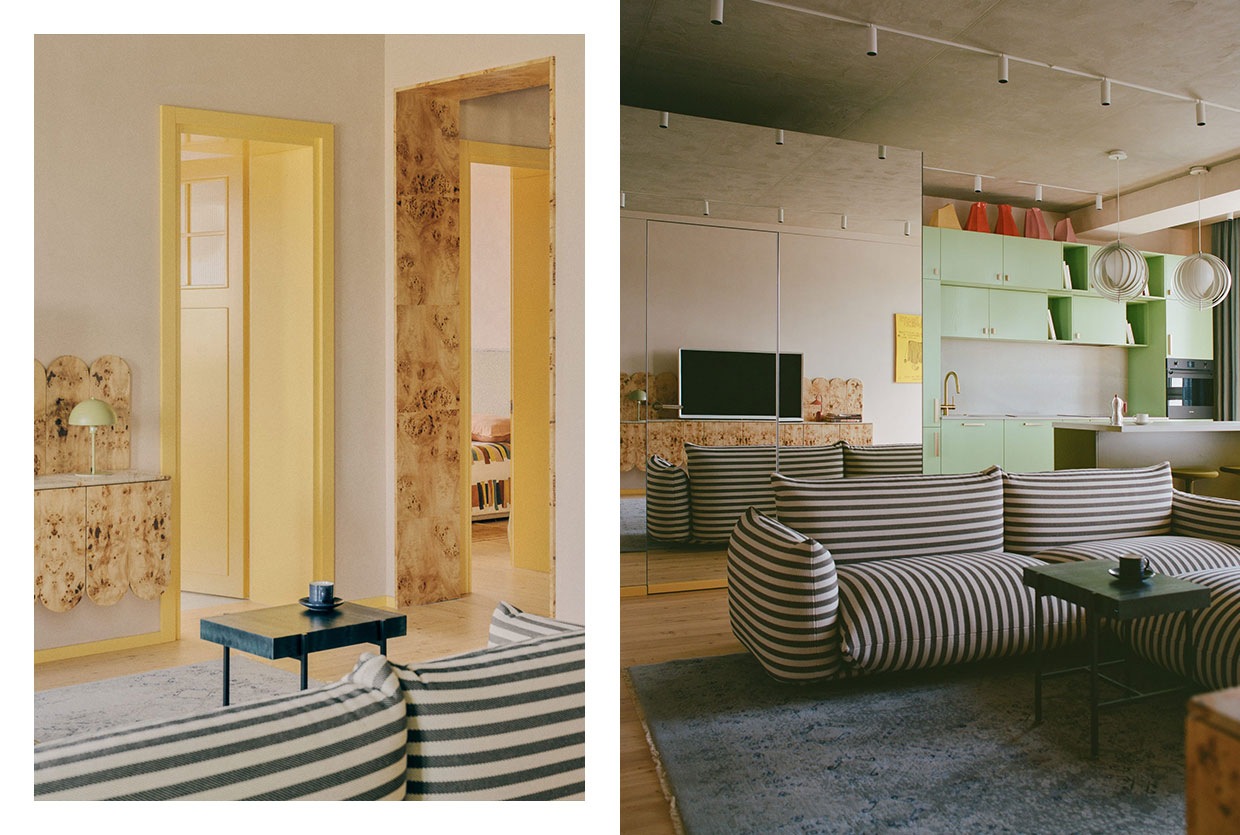
Speaking of wood, 2026 is officially the year of the "Brown Furniture" comeback. After a decade of light oaks and ash, we are seeing a resurgence of dark, soulful woods like walnut, mahogany, and burl wood. This isn’t about heavy, Victorian wardrobes; it’s about sleek, mid-century-inspired pieces that add a sense of history to a new renovation.
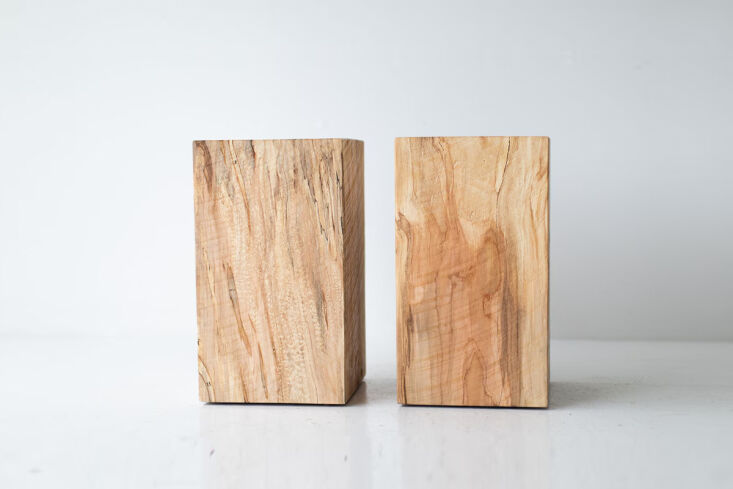
Ivy’s Tip: To get the Rose Uniacke-inspired look without the four-figure price tag, look to Etsy for solid timber side tables or "stump" stools. Sourcing directly from sawmills or independent woodworkers adds a "collected" feel that fast furniture simply cannot replicate.
Lighting the Retreat: Sculptural and Soft
If there is one area where you should be highly intentional, it is lighting. The London developer look often features a single, iconic sculptural piece. Search interest for "vintage designer lighting alternatives" has increased by 54% recently, as homeowners seek high-end silhouettes on a budget.
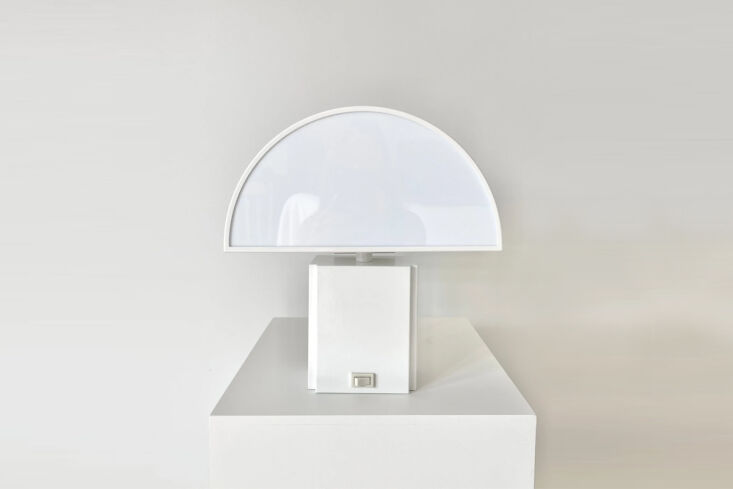
The 1970s Olympe lamp, with its translucent glass and organic shape, is a favorite for bedside tables. It provides a soft, diffused glow that is much more conducive to sleep than a harsh, directional bulb.
For a more budget-friendly approach, paper shades are having a massive resurgence. Brands like Nordic Nest or House Doctor offer oversized paper lanterns that add architectural interest for less than $50. Looking ahead to 2026, we also expect to see more integration of circadian lighting systems—bulbs that automatically shift from cool blue light in the morning to warm amber in the evening to support your natural sleep cycle.
The ‘Fifth Wall’ and Textured Details
One of the most exciting trends for 2026 is the focus on the "Fifth Wall"—the ceiling. For a long time, the ceiling was an afterthought, usually painted flat white. Designers are now using the ceiling to add character through subtle textures, such as lime-wash paints or even tonal wallpaper.
Underfoot, the philosophy is "Underfoot Drama." This doesn’t mean bright colors; it means extreme textures. Mixing a flatweave jute rug with a deep, plush wool pile creates a tactile landscape that feels luxurious to walk on.
2026 Bedroom Trend Summary
| Trend | Description | Why It Works |
|---|---|---|
| The Fifth Wall | Adding texture/color to the ceiling. | Adds character without cluttering eye level. |
| Dark Wood Revival | Walnut and Burl wood furniture. | Brings warmth and a "vintage" soul to new rooms. |
| Collected Design | Prioritizing vintage over fast decor. | Creates a unique, personal sanctuary. |
| Sense-scaping | Layering scent and automated lighting. | Focuses on wellbeing and sleep hygiene. |
Soft Goods: Achieving the Look on a Budget
You don’t need a developer’s budget to achieve a high-end finish. The "London Look" relies heavily on the quality of textiles. How can you achieve this on a budget? It comes down to two materials: European linen and cotton herringbone.
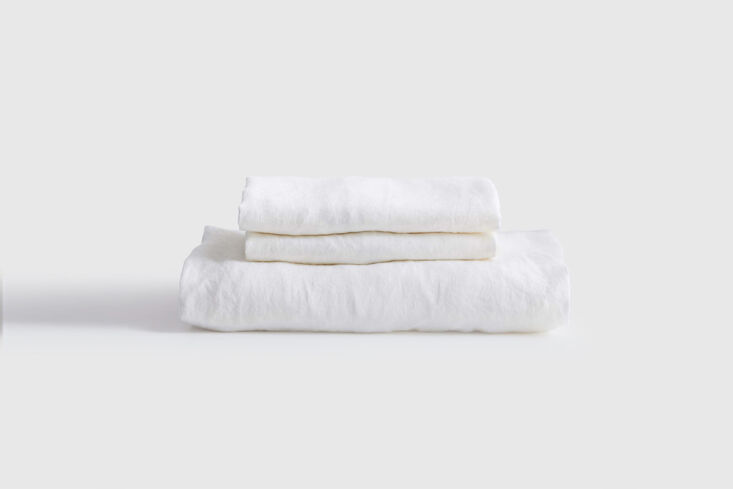
Invest in a set of European linen sheets (Quince is a fantastic budget-friendly source). Linen has a natural "crumpled" elegance that looks better the more you use it. It’s breathable, tactile, and immediately elevates the room’s aesthetic from "basic" to "boutique hotel."
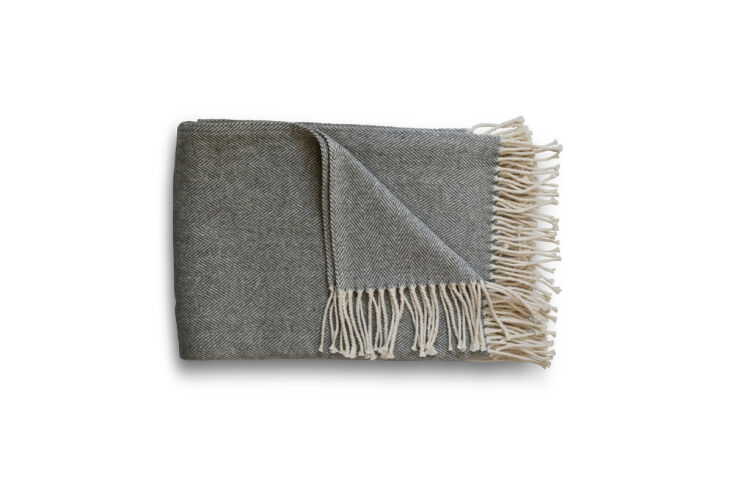
Layering is the final step in what I call "Sense-scaping"—the art of designing for all the senses. A cotton herringbone throw at the foot of the bed adds a subtle pattern that breaks up the solid neutrals without being distracting.
Practical Luxury: Stealth Storage and Tailored Details
Minimalism only works if you have a place to put your things. The modern London retreat utilizes "Stealth Storage." This means beds with hidden drawers (like the Sunday’s Cloud silhouette) or bespoke floor-to-ceiling wardrobes that blend into the walls.
Finally, pay attention to the "tailored" details. Full-height drapes, installed as close to the ceiling as possible, create a "cocooned hush" that blocks out the city noise and light. Even something as simple as a bespoke leather or fabric tissue box cover can elevate the everyday items that usually clutter a bedside table.
By focusing on these intentional choices—warm palettes, low profiles, and tactile materials—you can transform any bedroom into a London-inspired sanctuary that feels timeless, personal, and profoundly peaceful.
FAQ
How do I make a minimalist bedroom feel "warm" instead of cold? The key is to avoid "pure" whites and greys. Use "warm neutrals" like cream, sand, or taupe. Additionally, always incorporate natural wood elements and varied textures like linen, wool, and jute to add visual and physical warmth.
What is the "Fifth Wall" trend? The "Fifth Wall" refers to the ceiling. In 2026, we expect to see more designers using the ceiling to add texture or color, such as using lime-wash paint, architectural molding, or subtle patterns to make the room feel more "finished" and cocoon-like.
Can I achieve a luxury look with budget-friendly furniture? Absolutely. The trick is to "high-low" your room. Spend a bit more on a high-quality mattress and linen sheets, but source your side tables from vintage shops or Etsy, and use affordable paper lamp shades to create a designer look for a fraction of the cost.
Ready to start your own room makeover? Whether you're repainting with a warm neutral or swapping out your bedding for tactile linens, remember that the most successful spaces are those that reflect your personal journey.