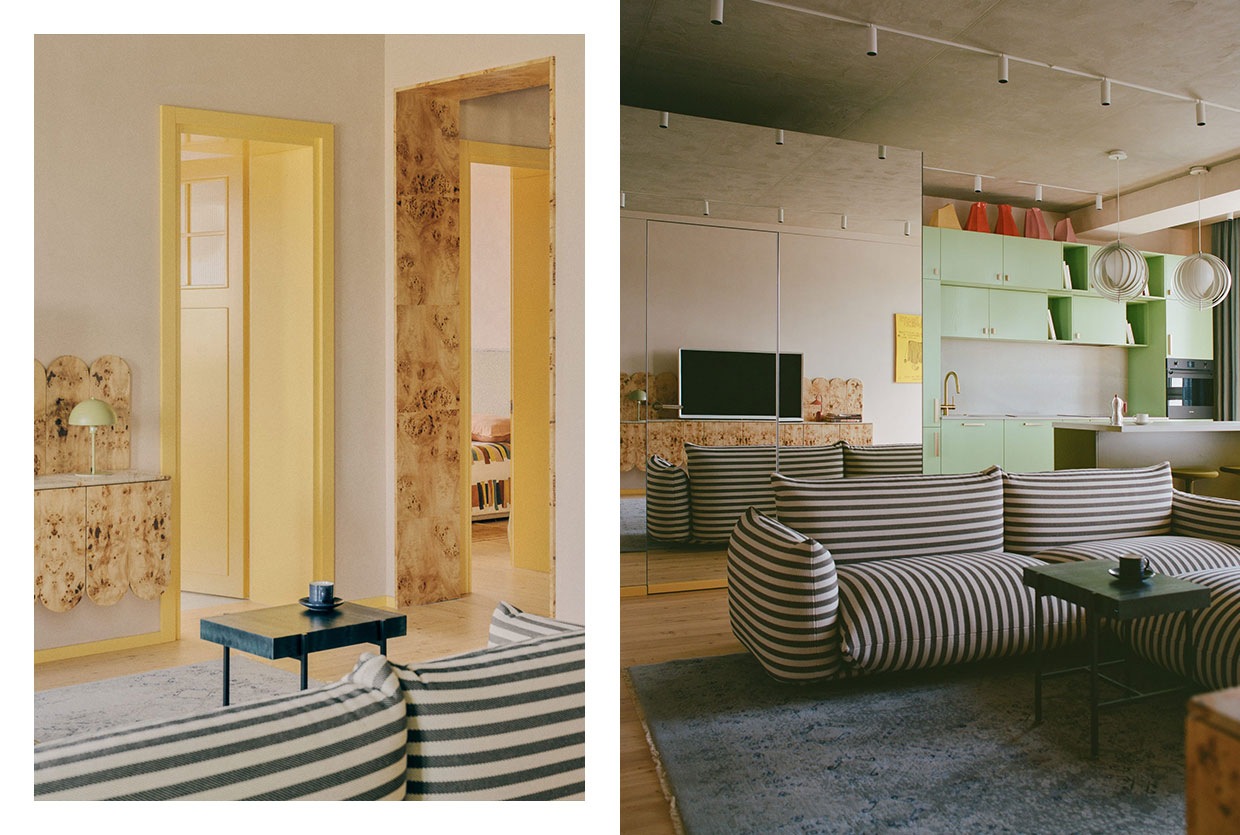
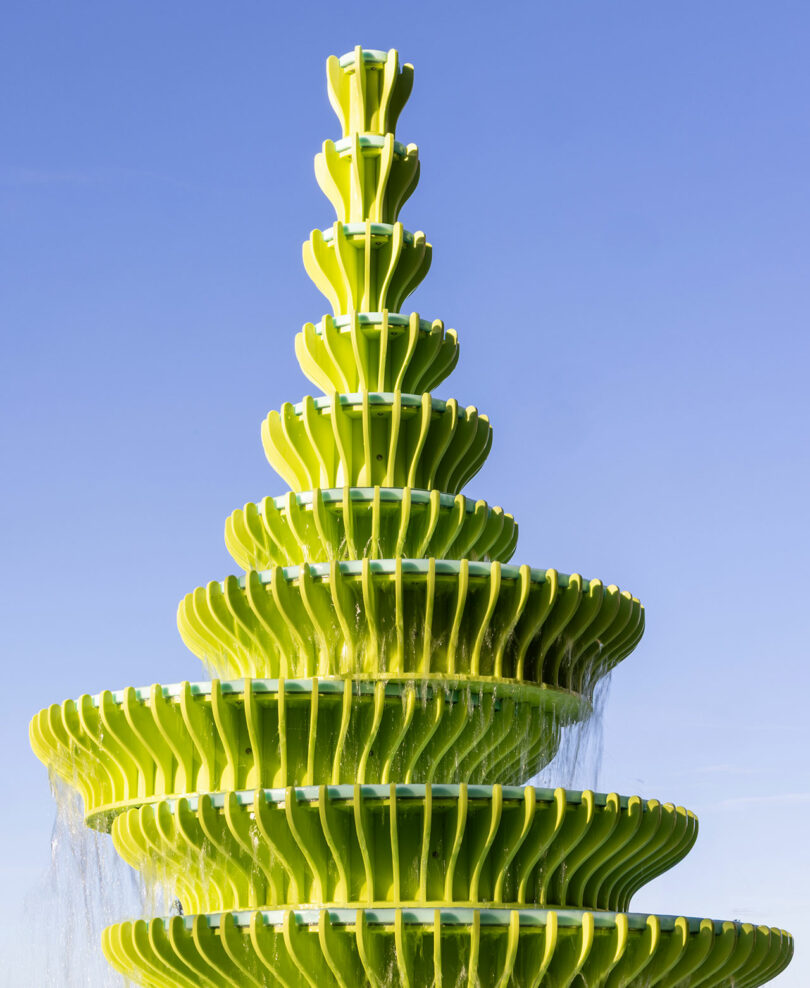
The moment you step into a 586-square-foot apartment, your brain usually does one of two things: it either starts calculating how much furniture you need to sell on Marketplace, or it begins to feel the walls closing in. But in the world of modern interior design, we’re seeing a radical shift. The "tiny home" movement has evolved into something more sophisticated—what I like to call "Micro-Luxury." It’s the realization that living in a smaller footprint doesn't mean living a smaller life; it just requires a smarter strategy.
To make a 586 sq ft apartment feel like a sprawling suite, the secret lies in a cohesive, light color palette—specifically shades like Slipper Satin by Farrow & Ball—to bounce natural light from every corner. By replacing bulky, freestanding furniture with custom built-ins, you can actually increase your usable floor area by up to 22%. Furthermore, 2026 design forecasts show that 74% of urban residents are moving away from physical partitions, choosing instead to "zone" their homes using rugs, lighting, and textures. This keeps the sightlines clear and the atmosphere airy.
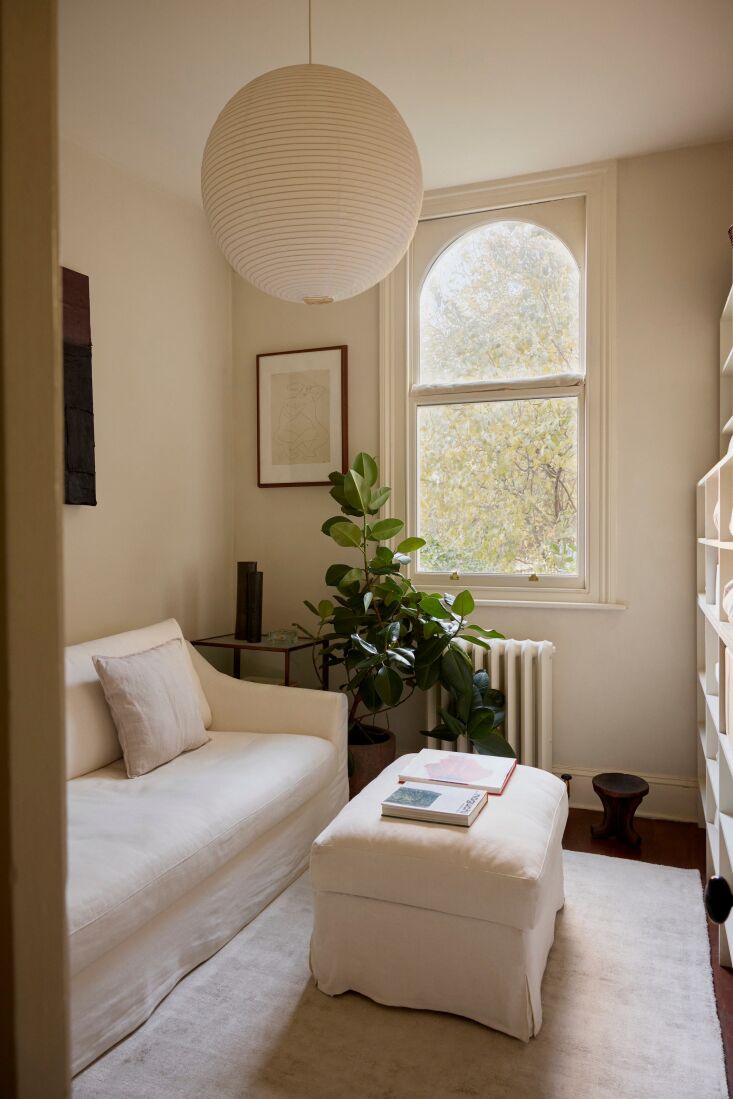
Master the Flow: The 'Path Test' and 2026 Layout Strategies
When planning a small apartment design, most people focus on where the sofa goes. As a designer, I focus on where you go. The biggest mistake in micro-living isn't having too much furniture; it's having furniture that interrupts your "circulation space."
This is where the Path Test comes in. Before you buy a single rug, map out your most common daily routes: Bed to Bathroom, Entry to Kitchen, Sofa to Balcony. In a 586-square-foot layout, these paths should be at least 30 inches wide and completely unobstructed. If you have to shimmy past a coffee table to get to your fridge, your layout is failing you.
In 2026, we are seeing two dominant layout strategies for studio and one-bedroom flats:
- The Space-Maximizing Wall: This involves pushing all heavy functional elements—storage, desk, and media center—against one single long wall. This leaves the rest of the floor open for flexible movement and makes a narrow room feel twice as wide.
- The Open-Concept Divider: Instead of a wall, use a low-profile bookshelf or a change in floor texture (moving from wood to a plush rug) to define the "bedroom" from the "living room." This allows natural light from bay windows to reach the back of the apartment, which is vital for mental well-being in small spaces.
Visual Expansion: Color Psychology and 'New Neutrals'
Color is the most cost-effective renovation tool you have. For a 586-square-foot space, the goal is to blur the boundaries between where the walls end and the ceiling begins.
While clinical white was the go-to for years, the 2026 interior color psychology for tiny homes is shifting toward "earthy vibrancy." We are moving into an era of warm, breathable tones. Slipper Satin by Farrow & Ball remains the gold standard because it has a slight gray-green undertone that prevents it from looking "stark" while still reflecting maximum light.
To achieve visual expansion, follow these rules:
- The 60-30-10 Rule (Tonal Edition): Use 60% of your main neutral (the walls), 30% of a secondary warm tone (like light oak furniture), and 10% for a "pop" of character.
- The Floating Furniture Trick: Always choose sofas and armchairs with exposed legs. Being able to see the floor underneath a piece of furniture tricks the eye into thinking the room is larger.
- Monochromatic Continuity: Paint your baseboards and window frames the same color as your walls. This removes the visual "breaks" that make a room feel segmented.
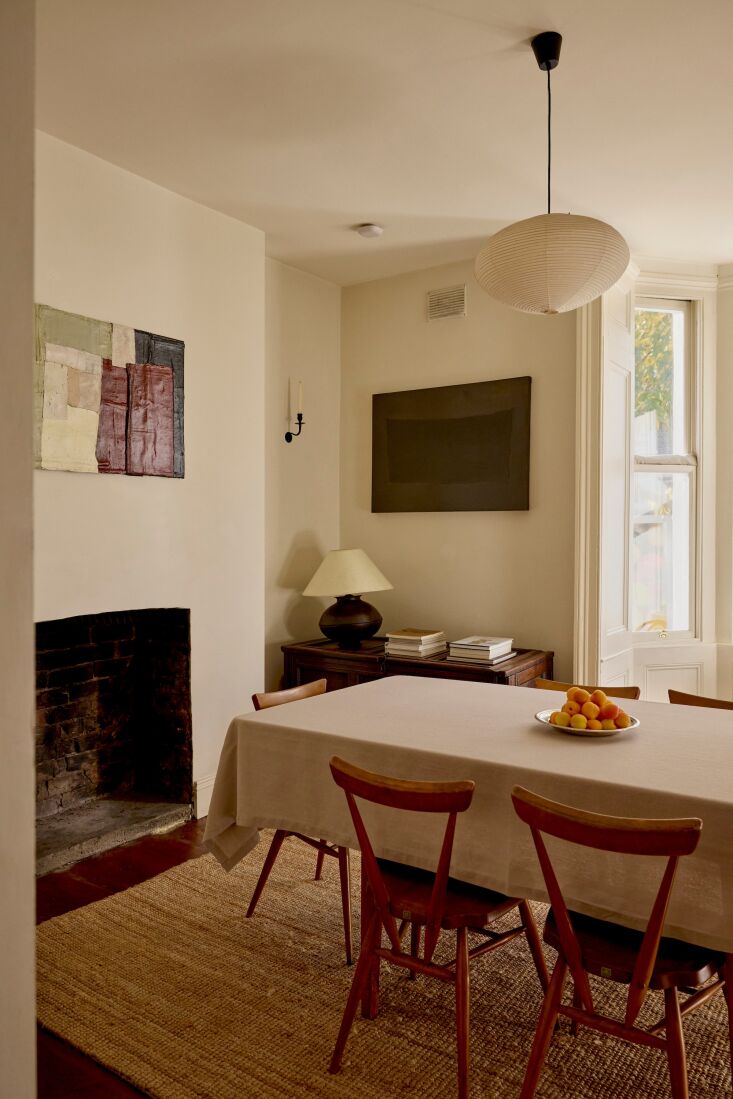
Custom Built-ins: The +22% Usable Space Advantage
If there is one thing I tell every client moving into a sub-600-square-foot home, it’s this: Stop buying wardrobes; start building them. Standard freestanding furniture is the enemy of small spaces because it creates "dead zones"—those 3-inch gaps between a cabinet and the wall that serve no purpose other than to collect dust.
Statistics show that incorporating custom storage for small spaces can increase usable floor area by up to 22% compared to using standard furniture. By taking a wardrobe all the way to the ceiling, you utilize the vertical space that usually goes to waste.
| Feature | Standard Furniture | Custom Built-ins |
|---|---|---|
| Floor Area Usage | High (bulky legs, gaps) | Low (wall-to-wall integration) |
| Vertical Space | Often wasted | Fully utilized (floor-to-ceiling) |
| Visual Clutter | High (mismatched pieces) | Low (seamless, hidden) |
| Space Gain | 0% | Up to 22% increase |
Consider "Invisible Storage." This could be a floor-to-ceiling cabinetry wall in the hallway painted the same color as the walls, or a "Dead Zone" utilization like drawers built into the base of a window seat. When the clutter is out of sight, the mind relaxes.
Multifunctional Furniture: Quality Over Quantity in 2026
In 2026, the trend is "Fewer, Better." Modern urban residents are rejecting the "fast furniture" culture in favor of pieces that serve three purposes. According to recent forecasts, 74% of residents now prefer multifunctional zoning—using a large statement rug and a sculptural pendant light to define a space—over physical room dividers.
Key multifunctional pieces to consider:
- The Cloffice (Closet Office): A workspace that can be tucked away behind bi-fold doors at 5:00 PM.
- Sculptural Curves: In a 586 sq ft flat, sharp corners are "shin-bruisers." Curved coffee tables and rounded sofa edges allow for a smoother "flow" and feel more organic in tight quarters.
- The Unexpected Red Theory: To prevent a neutral small space from feeling boring, add one small, high-intensity red item (a lamp, a vase, or a book). This creates a focal point that draws the eye, making the rest of the neutral space feel like an intentional gallery.
The Finishing Touches: Styling Without the Mess
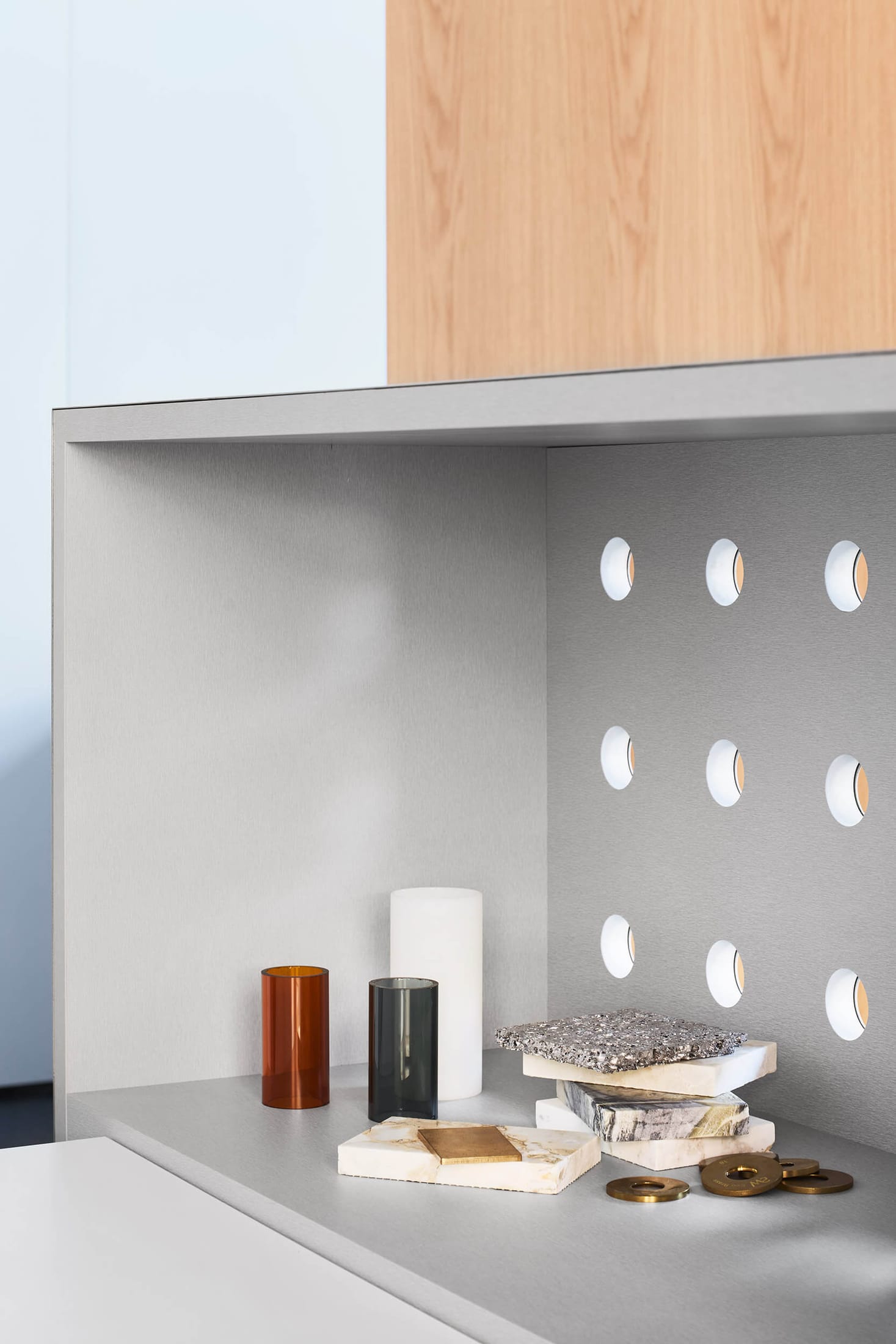
Decorating a small space is an exercise in restraint. I always recommend the 2-2-2 Rule: on any visible surface (like a coffee table or shelf), limit yourself to 2 textures (wood/metal), 2 heights (tall vase/short book), and 2 organic elements (a plant/a stone).
Instead of a "gallery wall" of ten small frames—which can look like visual noise—choose one large, statement artwork. It anchors the room and gives the eye a place to rest. Finally, don't forget the greenery. Biophilic design is essential in micro-living. Opt for slim-profile plants like a Mediterranean Olive tree or a Snake plant that provide height without taking up horizontal real estate.
Living large in 586 square feet isn't about how much you can fit; it's about how much you can feel. By prioritizing light, flow, and custom solutions, you can turn a modest flat into a sanctuary that feels anything but small.
FAQ
Q: Is 586 square feet enough for two people? A: Absolutely, provided you utilize custom storage and zoning. By using "The Path Test" to ensure both residents can move freely without bumping into furniture, and creating a "Cloffice" for remote work, two people can live comfortably without feeling on top of each other.
Q: Should I avoid dark colors entirely in a small apartment? A: Not necessarily. While light colors like Slipper Satin expand a space, using a dark "accent" color in a bathroom or a small nook can create a sense of depth and "mood," making the lighter areas of the home feel even brighter by comparison.
Q: What is the most important piece of furniture to invest in for a studio? A: The bed with integrated storage. In a 586 sq ft layout, your bed is likely the largest object. Choosing a hydraulic lift bed allows you to store suitcases, seasonal clothing, and linens underneath, freeing up valuable closet space.