Quick Facts
- Location: Milan, Italy
- Square Footage: 700 sq. ft. (65 sqm)
- Design Philosophy: "Ode to the Moon" – a narrative-driven approach by Studio Paradisiartificiali.
- Key Trend for 2026: "Zoning" over "Walling," using psychological boundaries to increase perceived space by 35%.
- Core Result: Integrating symbolic elements into micro-homes has been shown to improve resident emotional well-being scores by 40%.
We often treat square footage like a finite resource, a container that dictates the limits of our lives. But what if we viewed a small apartment not as a "box" to be packed, but as a "garden" to be cultivated? In the heart of Italy, a 700-square-foot renovation titled Ode to the Moon is challenging the modern obsession with "more." By blending high-concept poetic interior design with the practicalities of 2026 micro-living, this home proves that when we design for the soul, the walls seem to move outward.
The 700-Square-Foot Paradox
There is a strange paradox in modern urban living: we pay a premium for space, yet we fill it with things that make it feel smaller. For many, a 700-square-foot footprint feels like a compromise. However, research into narrative-driven design suggests that when a home tells a story—integrating symbolic elements that resonate with the inhabitant—emotional well-being scores can improve by as much as 40%.
The Ode to the Moon project by Studio Paradisiartificiali reframes the compact apartment from a limitation into an invitation. It suggests that a home shouldn't just be a place to store your body; it should be a sanctuary for your psyche. To achieve this, the designers moved away from traditional "small apartment design ideas" and toward a concept they call the "metaphorical garden."
The Metaphorical Garden: Redefining Layout Through Symbolism
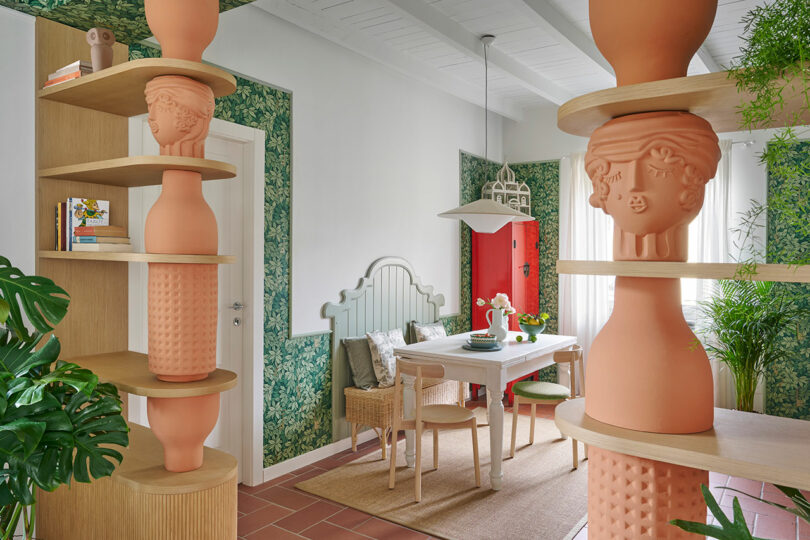
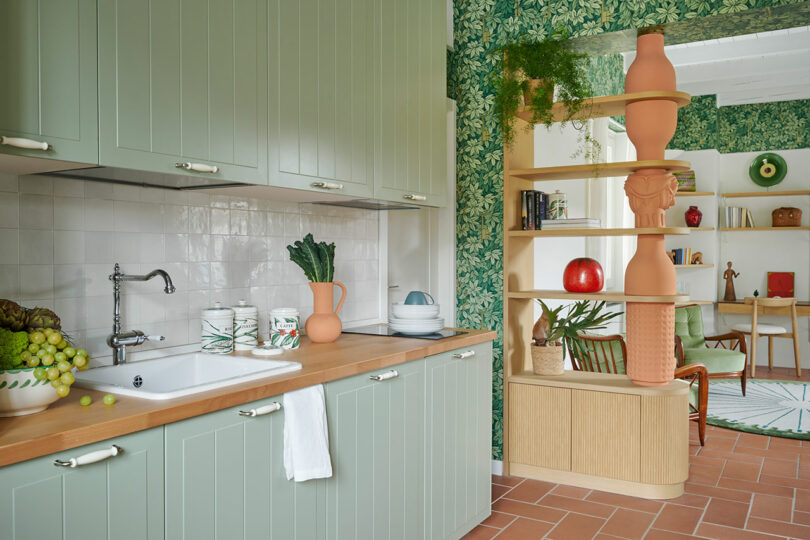
In a traditional 700-square-foot Italian home renovation, a contractor might suggest knocking down every wall to create a "studio." While this adds light, it often robs the home of its mystery and functionality. The "metaphorical garden" concept replaces solid, claustrophobic walls with topiary-like dividers and open shelving.
To make a 700-square-foot apartment feel more spacious, we recommend replacing solid walls with these "psychological dividers." This creates visual flow and psychological depth, allowing the eye to travel through the space without revealing everything at once.
Ivy’s Design Tip: Use the "Path Test." Map your circulation routes (Entry → Kitchen → Sleep zone). If you have to move around a sharp corner or a heavy piece of furniture to reach your bed, you’re creating "friction." Smooth paths make a small home feel infinite.
2026 Studio Zoning: Structure Without Barriers
The standout studio apartment zoning tip for 2026 is the departure from physical barriers in favor of "environmental anchors." According to current interior trends, strategic zoning in micro-apartments can increase perceived square footage by up to 35%. This isn't magic; it’s about how our brains process boundaries.
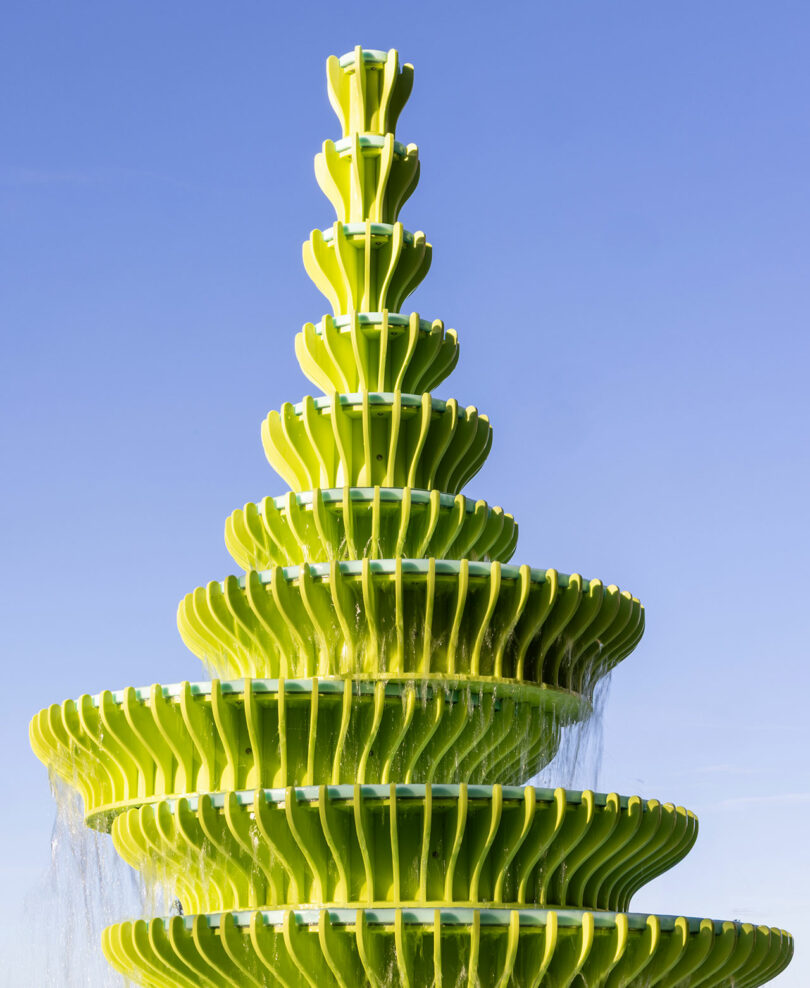
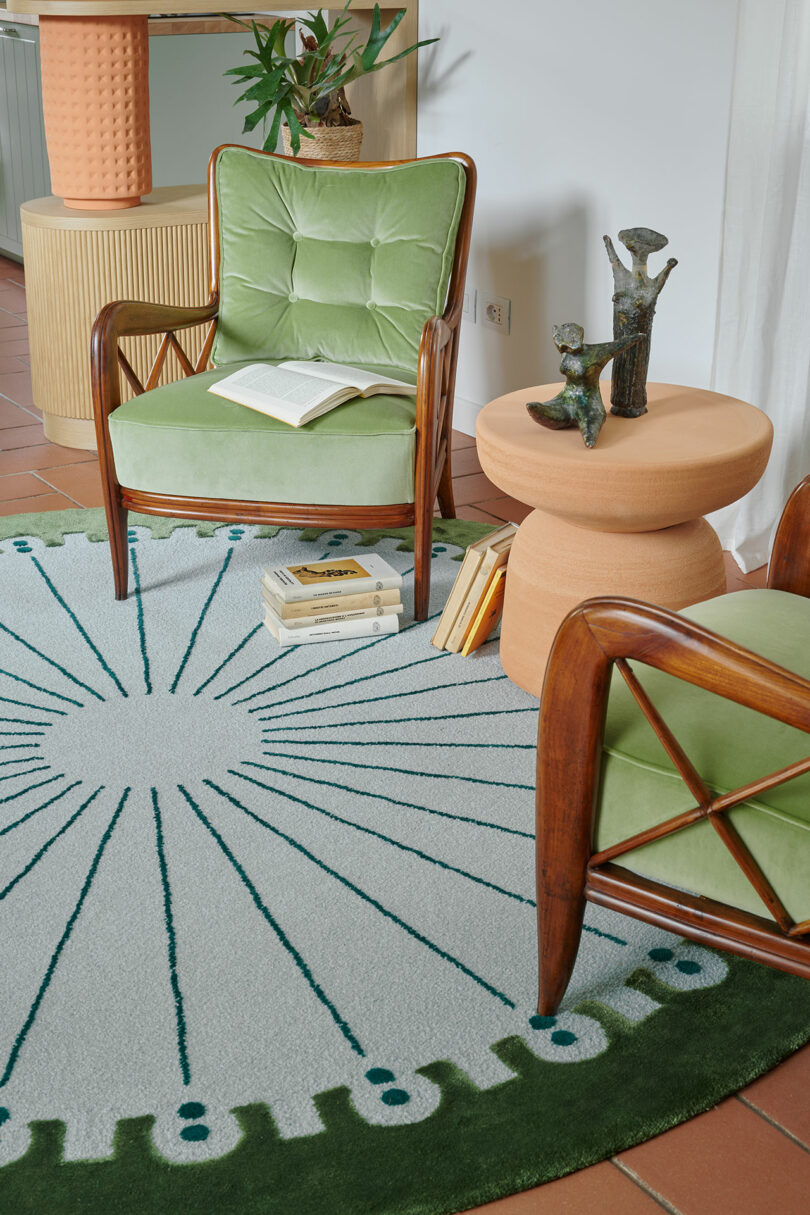
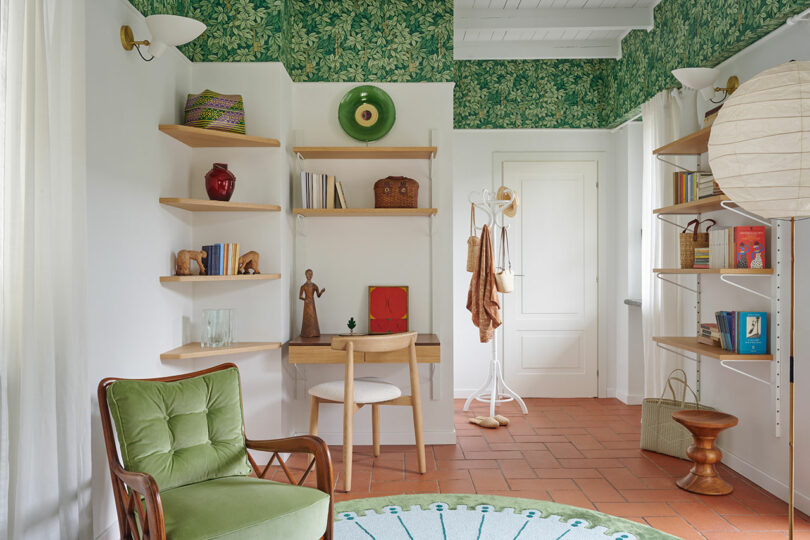
In Ode to the Moon, the living area is anchored by what the designers call the "Celestial Fountain"—a central circular rug that represents the moon. This rug does more than just warm the floor; it acts as a magnetic center for the room.
How to Execute 2026 Zoning:
- Rugs as Foundations: Use a large, plush rug to define the "living room" area. Let the furniture sit entirely on the rug to create a "room within a room."
- Lighting Tiers: Instead of one overhead light, use floor lamps in the "office" zone and soft sconces in the "sleeping" zone.
- Material Shifts: Change the texture of the wall (perhaps from smooth plaster to a ribbed wood panel) to signal a transition from the kitchen to the dining area.
The New Neutral: Color Drenching & Earthy Vibrancy
For years, the "small apartment design ideas" handbook said: Paint everything white. We are officially moving past that sterile era. In 2026, we are seeing a shift toward "Earthy Vibrancy"—colors like espresso bean, deep olive, and warm mahogany.
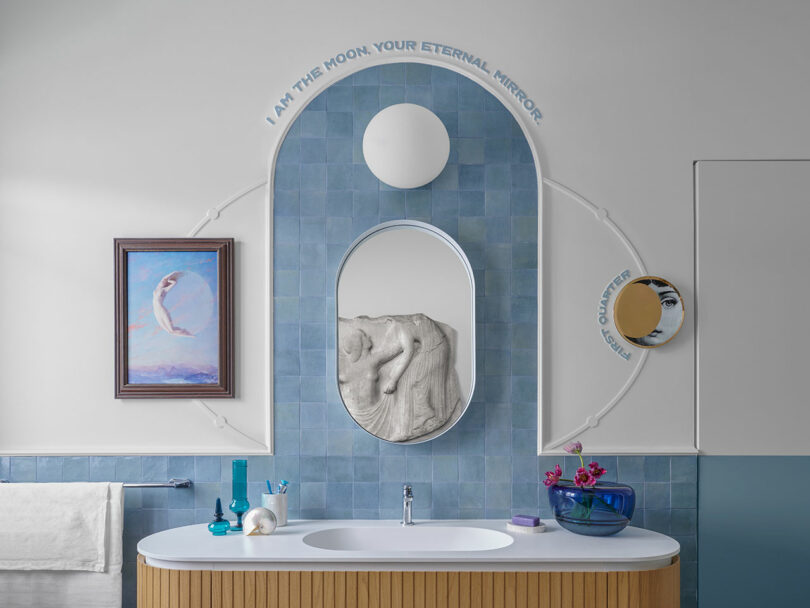
The technique used here is "color drenching." By painting the walls, trim, and even the ceiling in the same saturated hue, you blur the hard architectural lines of the room. This "jeweled box" effect makes the corners of the room disappear, creating a sense of vastness. In the bathroom, this home utilizes sea-blue tiles to transform a standard utility space into a "bathing room," emphasizing ritual over routine.
| Element | Traditional Minimalist (2020-2024) | Poetic Minimalist (2026 Trend) |
|---|---|---|
| Color Palette | Stark White & Cool Grey | Sage Green, Terracotta, Ochre |
| Materials | Chrome & High-Gloss | Reclaimed Wood & Matte Ceramics |
| Boundaries | Drywall & Pocket Doors | Open Shelving & Fabric Drape |
| Goal | Function & Efficiency | Emotion & Narrative |
The Architecture of Utility: Furniture with a Secret Identity
In a 700-square-foot space, every piece of furniture must "earn its keep." However, this doesn't mean you should buy boring, utilitarian blocks. We are seeing a 69% preference for curved, sculptural furniture over sharp edges. Why? Because curves encourage movement and "soften" the impact of a small room.
The "Architecture of Utility" involves choosing pieces that have a secret identity:
- The Vanishing Workspace: Use a "cloffice" (closet office) or a wall-mounted fold-down desk to keep work stress out of sight after 6 PM.
- Sculptural Verticality: Instead of wide cabinets, use floor-to-ceiling open shelving. This draws the eye upward, celebrating the height of the room rather than the narrowness of the floor.
- The Murphy Evolution: Modern Murphy beds now feature soft-close mechanisms and integrated sofas, making the transition from "living room" to "bedroom" seamless and elegant.
Craft & Biophilic Layers: Adding the Soul
The final layer of a poetic interior design is the integration of symbolic and natural elements. In Ode to the Moon, the designers use a birdcage as a decorative element—not to hold a bird, but to symbolize "mental liberation." In the bathroom, a moon-shaped mirror serves as a literal reflection of the apartment's theme.
These micro-living space saving solutions aren't just about storage; they are about emotional resonance. Integrating "non-negotiable green" like snake plants or trailing pothos softens the hard edges of technology (like your laptop or TV) and provides a vital connection to the outside world.
Expert Insight: "A small home needs a focal point that isn't a screen. Whether it's a piece of art, a symbolic birdcage, or a 'celestial' mirror, give your eyes a place to rest that feels meaningful." — Ivy Chen
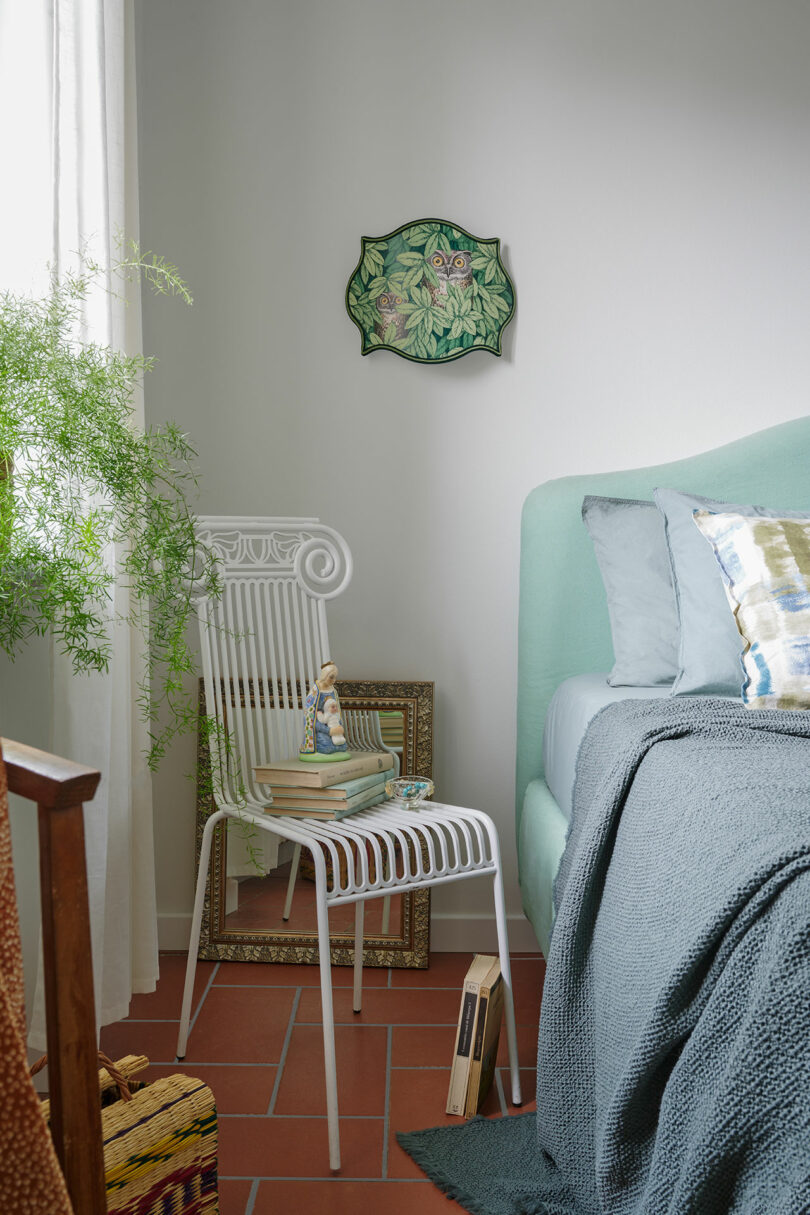
Mixing raw materials like linen, terracotta, and matte ceramics adds "sensory comfort." When space is limited, the touch of your home becomes more important. You may not have a backyard, but the cool touch of a stone countertop or the warmth of a reclaimed wood shelf provides a grounding experience that no amount of square footage can replace.
FAQ: Navigating Small Space Living in 2026
Q: Is "Zoning" really better than walls in a 700-sq-ft apartment? A: Yes, particularly for single dwellers or couples. Walls create "dead zones" where light and air cannot circulate. Zoning uses rugs, lighting, and furniture to create the feeling of separate rooms while keeping the visual sightlines open, which can increase the perceived size of the home by 35%.
Q: How do I choose a color for a small room if I'm tired of white? A: Look for "muted mid-tones." A dusty sage green or a soft terracotta provides color without feeling heavy. If you use the "color drenching" technique (painting the ceiling the same color), it actually makes the room feel taller because the boundary between the wall and ceiling disappears.
Q: What is the most important "space saving" investment for 2026? A: Multipurpose sculptural furniture. Look for pieces that serve two distinct functions (like a dining table that doubles as a desk) but look like a piece of art when not in use.
Design Your Own Ode
Living small doesn't mean living "less." As we’ve seen in this 700-square-foot Italian home renovation, the key to successful micro-living is a shift in mindset. Move away from the "Architecture of Limitation" and embrace the "Architecture of Utility" and poetry. By treating your home as a metaphorical garden, using strategic zoning, and leaning into soulful, narrative-driven design, you can transform any compact apartment into a spacious, emotional sanctuary.