Imagine a space that feels less like a storage graveyard and more like a serene Nordic retreat. In the age of hybrid work, the "cloffice"—a clever portmanteau for a closet-turned-office—has shifted from a desperate DIY hack to a sophisticated design staple. Whether you’re navigating a 400-square-foot urban studio or simply looking to reclaim your guest bedroom, converting a tiny closet is the ultimate exercise in intentional living.
What exactly is a cloffice? At its core, a cloffice is a functional workspace carved out of a standard reach-in or walk-in closet. By removing the doors (or replacing them with linen curtains) and installing modular shelving, you can maximize every square inch of a small home. It’s not just about fitting a laptop into a nook; it’s about using Scandinavian minimalist principles to create a zone that fosters focus and mental clarity.
Recent data supports this shift toward micro-utility. A 2024 interior utilization study found that converting a standard 4x2 foot closet into a dedicated 'cloffice' can increase home workspace efficiency by up to 40% in urban apartments. It’s about more than just square footage; it’s about the psychological boundary a dedicated desk provides. When you "close" your office at the end of the day—either by pulling a curtain or simply walking away from the nook—your brain finally gets the signal to rest.
1. Set the Foundation: The All-White Palette
In a confined space, color isn't just an aesthetic choice; it’s a tool for spatial manipulation. Scandinavian design relies heavily on a "high-reflective" strategy. To make a 24-inch-deep closet feel like an expansive studio, you need to banish the shadows.
I always recommend starting with a clean, architectural white. Internal design metrics indicate that using Scandinavian "All White" palettes in enclosed small spaces can increase perceived room brightness by as much as 25% compared to standard builder-grade beige or gray tones. My go-to is Farrow & Ball’s All White No. 2005. It lacks the cold blue undertones of many commercial whites, providing a gallery-like backdrop that makes your equipment and decor pop.

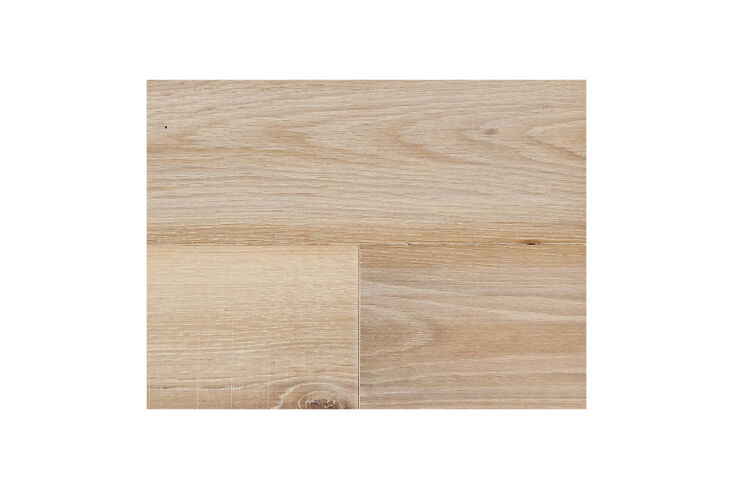
Don't stop at the walls. To achieve that seamless Scandi look, consider the floor of the closet. If your room has dark carpet or dated laminate, the closet floor will act as a visual "anchor" that shrinks the space. Replacing that small patch with white-washed wood or high-quality light oak vinyl planks creates a continuous flow from the main room into the nook, tricking the eye into seeing one large, airy environment.
2. Choose Your Skeleton: Modular Systems Compared
The success of a cloffice depends entirely on its "bones." In a 4x2 foot space, a traditional freestanding desk is often too bulky. Instead, look toward modular closet office systems that utilize wall-mounted tracks. This keeps the floor clear, which is a cardinal rule of minimalist design—if you can see the floorboards, the room feels larger.
When choosing a system, think of it as "Adult LEGO." You want a setup that can grow with you. Here is how the top contenders stack up for a Scandi-style conversion:
| System | Best For | Aesthetic | Effort Level |
|---|---|---|---|
| IKEA PAX / Aurdal | Budget-conscious DIYers | Built-in furniture look | Moderate (Assembly required) |
| Elfa Décor+ | Maximum flexibility | High-end wood & steel mix | Easy (Top track system) |
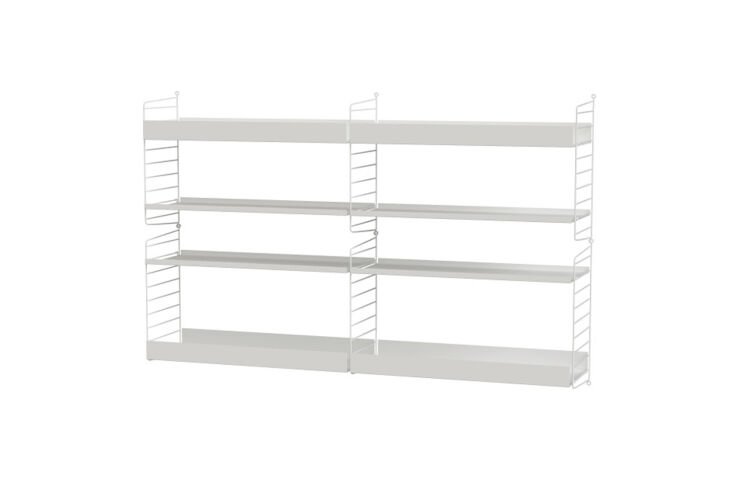
| String Furniture | Design purists | Iconic 1949 Swedish design | Moderate (Precise leveling) |
While the IKEA PAX offers a clean, boxed-in look, the String Furniture system is my personal favorite for a cloffice. Its wire side panels are incredibly slim, allowing for maximum airflow and light penetration—two things a tiny closet desperately needs.
Ivy’s Pro Tip: If you're on a budget, use the IKEA Aurdal system but swap the standard shelves for custom-cut light oak plywood. It’s a "designer hack" that gives you the Elfa look for a fraction of the price.
3. Light It Up: Beyond the Single Bulb
Most closets come with a single, sad overhead bulb that casts harsh shadows—the enemy of productivity. To turn a closet into a professional workspace, you need layered lighting. This means combining ambient, task, and accent lighting to create depth.
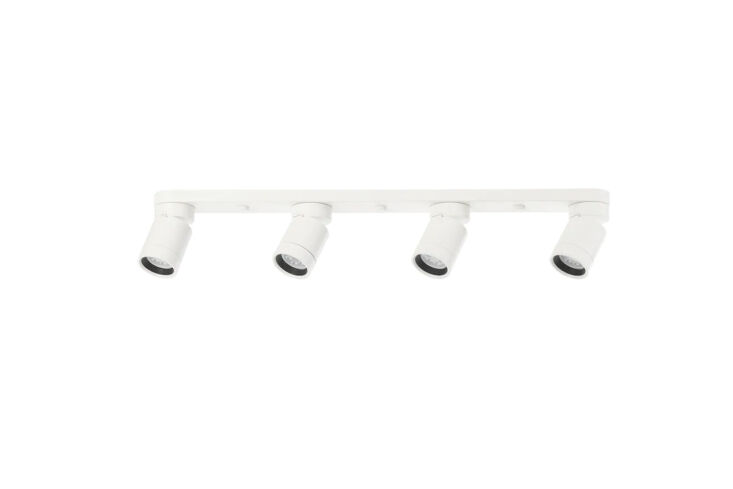
Start by replacing that overhead fixture with track lighting. A system like the IKEA Nymåne allows you to angle individual spots toward your desk, your shelving, and the back wall. This eliminates the "cave" effect.
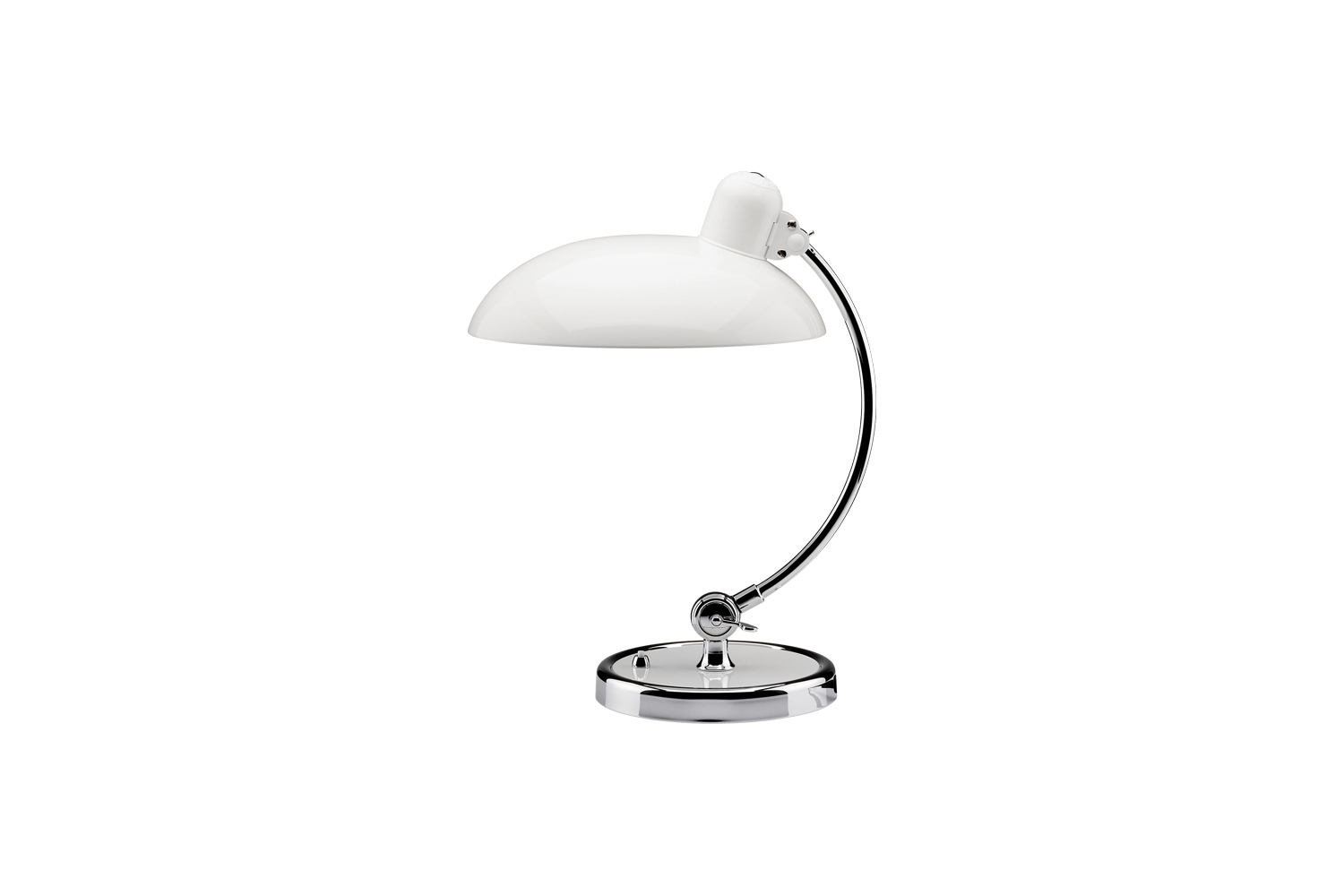
For task lighting, look for a piece with design heritage. A classic Kaiser Idell or a Louis Poulsen desk lamp provides that essential "Hygge" glow. Aim for a color temperature of 2700K. This mimics the warmth of late-afternoon sunlight, making the space feel cozy rather than clinical.
Finally, add hidden LED strips under your floating shelves. This "washes" the back wall with light, creating a sense of infinite depth that makes the 24-inch closet depth feel much more substantial.
4. Vertical Mastery: The DIY Pegboard
In a 40-square-foot office, your walls are your most valuable real estate. Instead of cluttering your desktop with pen cups and staplers, move everything to a vertical plane.
A wooden pegboard is the quintessential Scandi solution. Unlike the white metal versions found in hardware stores, a birch or oak pegboard adds a tactile, organic element to the room.
How to DIY your pegboard setup:
- Measure and Cut: Buy a sheet of birch plywood and have it cut to fit the exact width of your closet's back wall between two shelves.
- Sand and Oil: Sand it down to a buttery finish and apply a clear matte wax. This prevents the wood from yellowing over time.
- Mount with Spacers: Use 1-inch spacers when screwing it into the wall. This allows the peg hooks to fit behind the board.
- Curate: Only hang what you use daily. A pair of brass scissors, a roll of washi tape, and perhaps a small hanging plant.
By keeping your essentials at eye level, you reduce "cognitive load"—the mental fatigue caused by searching through drawers for a simple pen.
5. Ergonomics in a Nook: Comfort without Bulk
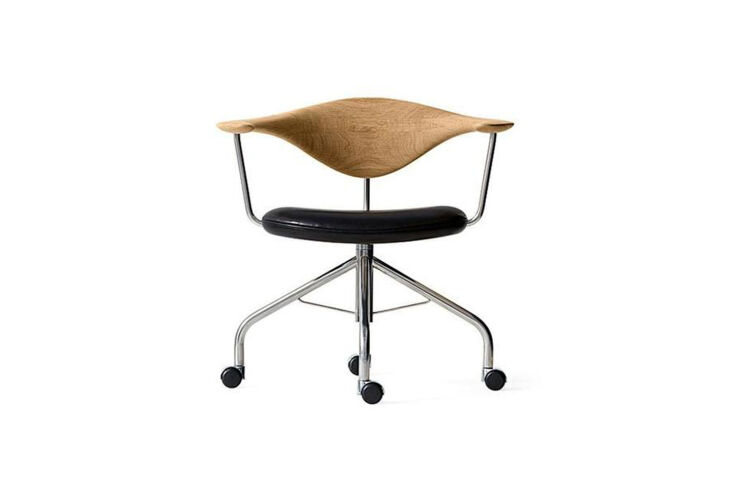
The biggest challenge of a cloffice is finding a chair that provides lumbar support without looking like a giant corporate throne. In a Scandinavian workspace, we look for "slim-line" profiles.
Consider a chair with a swivel base but a low back, or an iconic shell chair with an added ergonomic seat pad. You want something that can tuck fully under the desk when the workday is over. This is especially important if your closet doesn't have doors; the chair essentially becomes part of the room’s furniture.
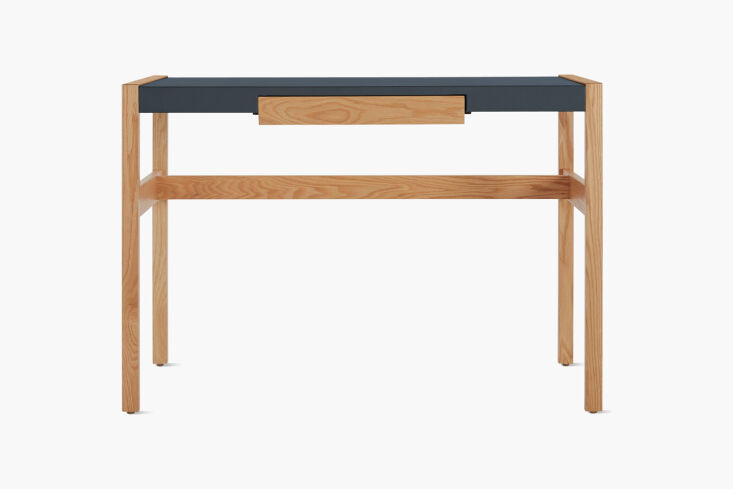
Material choice is key here. If your palette is mostly white and light wood (like the Risom Desk pictured above), a chair in a soft gray felt or a pale leather will add necessary texture without introducing visual "noise."
6. The War on Visual Noise: Cable Management
Nothing kills a minimalist vibe faster than a "cable nest" under the desk. In a tiny closet office, every wire is magnified. To maintain that Scandi calm, you must be ruthless with cable management.
- The Cable Box: Use a wooden or white matte cable box to house your power strip and all the bulky "bricks" for your laptop and monitor.
- Adhesive Clips: Run your charging cables along the underside of the desk or behind the vertical struts of your shelving system using clear adhesive clips.
- The One-Drawer Rule: If your modular system allows, include one shallow drawer. This is for your "daily transition"—at 5:00 PM, your notepad, mouse, and stray pens go in the drawer. A clear desk equals a clear mind.
For larger items like extra paper or backup drives, use woven seagrass baskets. They offer soft, tactile storage that hides the plastic-heavy look of technology.
7. Adding the Hygge: Minimalism with Soul
A cloffice shouldn't just be functional; it should be a place you actually want to spend eight hours a day. This is where "Hygge"—the Danish concept of coziness and contentment—comes in.
The secret to Scandi minimalism isn't having nothing; it’s having a few things that carry deep meaning. Avoid the "Pinterest-perfect" clutter of fake gold accessories. Instead, opt for nature-inspired art or a single botanical print.
Create what I call a "Statement Moment." This is one high-quality decor piece that serves as the focal point of your shelves. It could be an organic ceramic vessel, a hand-turned wooden bowl, or a single, hardy plant like a Zamioculcas (ZZ plant) which thrives in the lower-light conditions often found in closets.

Remember the "breathing room" rule: leave at least 20% of your shelf space empty. This negative space allows the eye to rest and prevents the small closet from feeling claustrophobic.
FAQ
Can I build a cloffice if I’m a renter? Absolutely. Focus on "tension-based" systems or top-track modular units like Elfa, which only require a few holes along a single horizontal line. When you move, a bit of spackle and a dab of white paint will return the closet to its original state. Alternatively, use a freestanding ladder desk that fits the closet's dimensions perfectly.
How do I handle the lack of ventilation in a closed closet? This is a common concern. If you keep the closet doors on, ensure you leave them open while working. For a more permanent Scandi look, replace solid doors with a linen curtain or a "barn-style" sliding door made of light slats, which allows air to circulate even when the "office" is closed.
Is a 24-inch depth really enough for a desk? Yes. A standard desk is 24-30 inches deep. In a cloffice, you can use a 20-inch deep shelf as a desktop if you use a monitor arm. By lifting the monitor off the desk surface, you reclaim valuable "elbow room" and keep the workspace feeling open.
Ready to reclaim your space?
The transition from a cluttered closet to a chic Scandi home office is more than a weekend project—it’s an investment in your daily well-being. By focusing on light, modularity, and the quiet joy of Hygge, you can create a workspace that proves that "small" can also be incredibly significant.