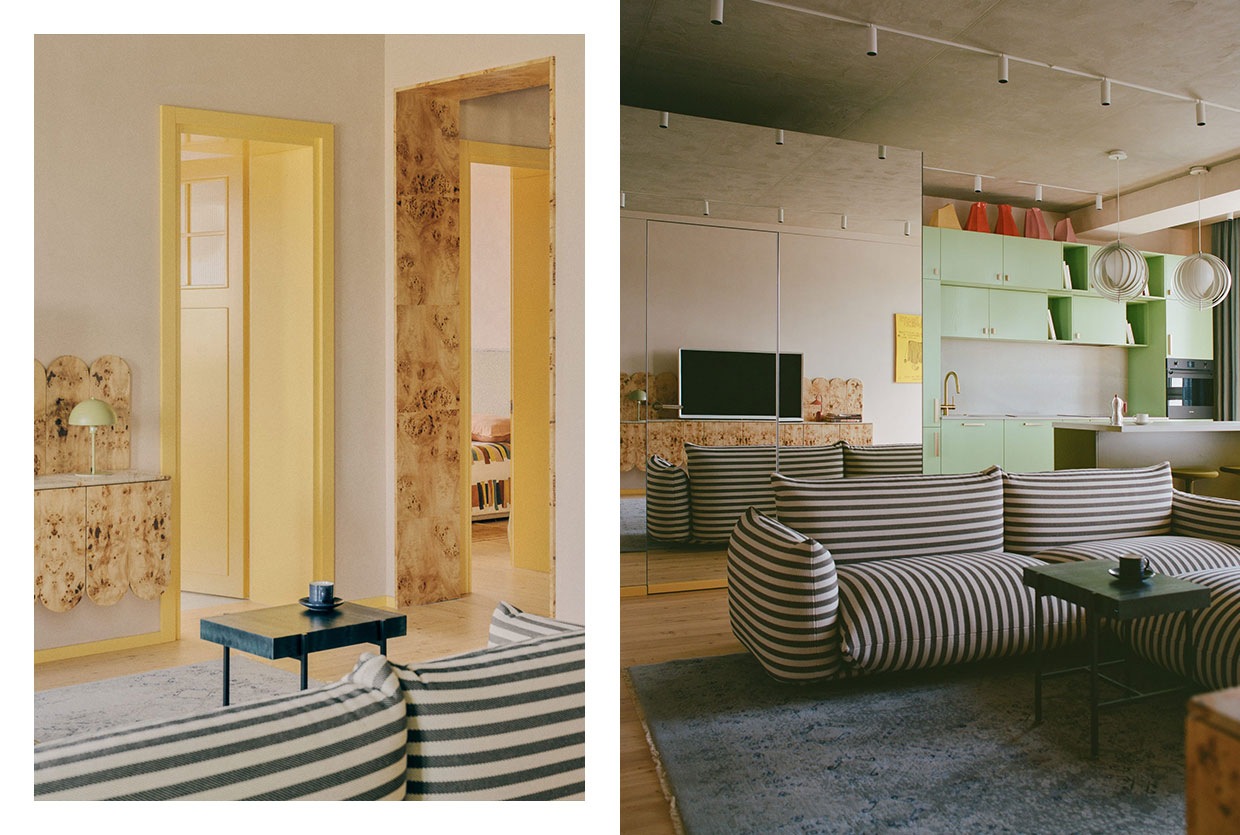
Quick Summary: The Essentials of a Serene Bedroom
If you are looking for a quick guide to recreating this look, here are the foundational elements we recommend for a restful, organic modern sanctuary:
| Element | Recommended Material/Style | Purpose |
|---|---|---|
| Walls | Limewash Paint (Bone, Sand, or Sage) | Adds depth and movement without visual noise. |
| Bedding | 100% Belgian Linen or Hemp | Regulates temperature and offers tactile luxury. |
| Furniture | Curved silhouettes & Reclaimed Wood | Softens the room's energy and adds "soul." |
| Lighting | 2700K Warm Bulbs & Porcelain Fixtures | Mimics candlelight to support circadian rhythms. |
| Flooring | Jute or Chunky Wool Rugs | Provides a grounding, earthy foundation. |
There is a specific kind of silence that only exists in a room designed with intention—not the hollow silence of an empty space, but the muffled, comforting quiet of a sanctuary. As we move into 2026, the concept of "Interior Wellness" has evolved from a luxury buzzword into a design standard. We no longer just want a bedroom that looks good on camera; we crave a space that lowers our cortisol levels the moment we cross the threshold. This is the heart of the Organic Modern aesthetic: a sophisticated blend of clean, contemporary silhouettes and raw, sustainable materials that feel as if they were plucked directly from the landscape.
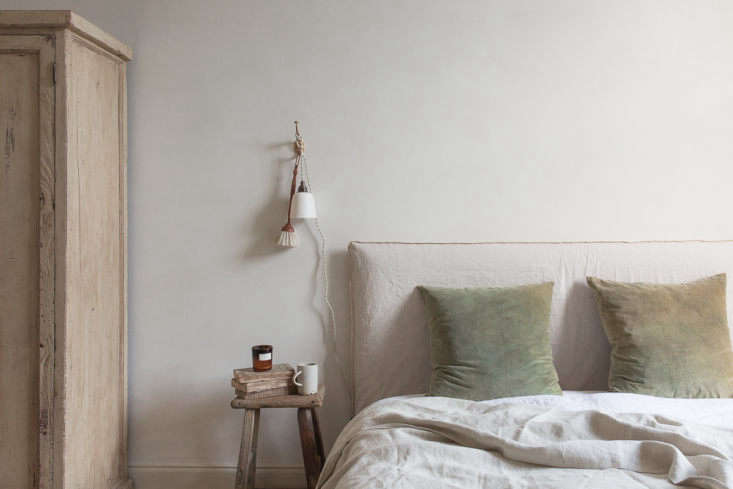
To create a serene bedroom with natural textures, we focus on layering materials that invite touch. Imagine the interplay of slubby Belgian linen against the velvety matte finish of a limewash wall, anchored by the ruggedness of a reclaimed wood nightstand. It is about adding depth through "organic friction"—using varied textures rather than bold patterns to create visual interest. By prioritizing soft neutrals like taupe, ivory, and pale moss, we evoke a sense of clarity and a profound connection to nature that synthetic materials simply cannot replicate.
Section 1: Setting the Tone with Earthy Color Psychology
The journey to a serene space begins with the palette. For years, the industry leaned into "Cool Grays," but we are seeing a definitive shift toward what we call "Heritage Neutrals." These are colors with warmth and soul—beige, taupe, and creamy ivory that feel sun-drenched even on a cloudy day. These hues don't just sit on the wall; they wrap around you.
We are also seeing a rise in "Nature’s Neutrals," specifically pale greens and soft, dusty olives. Unlike the clinical feel of a stark white room, these colors have been shown to reduce eye strain and promote a sense of security. While some designers are experimenting with "Regal Plum" or deep burgundy as the new neutral, for the bedroom, we recommend staying within the earth-tone spectrum. Our data indicates a significant move away from blue-toned grays, as homeowners seek the "grounding" effect of colors that mimic stone, clay, and dried grass.
Section 2: The Art of Limewash Walls
If there is one transformative element that defines the 2026 bedroom, it is the return to ancient wall finishes. Search interest for 'limewash paint finishes' has seen a remarkable 45% year-over-year increase, and for good reason. Unlike traditional synthetic latex paint, which creates a flat, plastic-like film, limewash is made from crushed lime and water. It breathes, it filters the air, and most importantly, it possesses a luminous, mottled quality that changes with the light.
Achieving the "plaster look" is an exercise in artistry. It requires a specific "criss-cross" brushstroke technique that allows the pigment to settle unevenly, creating a soft, cloudy texture. This movement provides a backdrop that feels architectural yet incredibly soft.
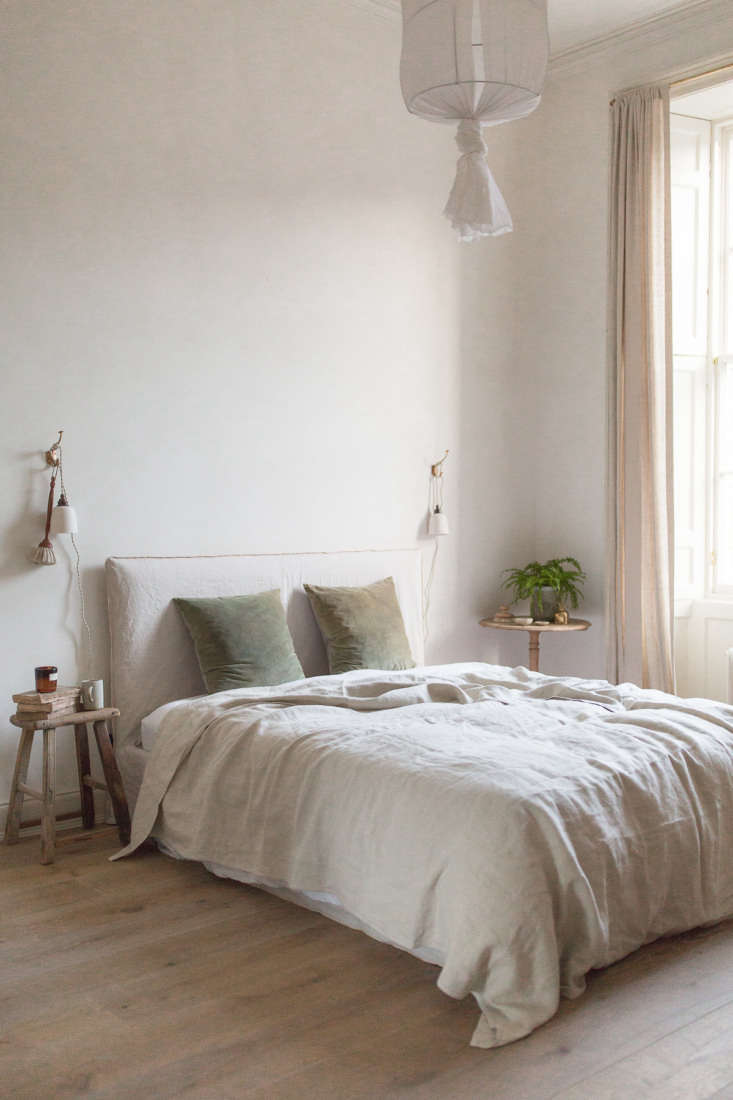
When choosing a brand, we often look for those that offer mineral-based, VOC-free pigments to ensure the air quality remains as pure as the aesthetic. A practical tip from our editors: always sample your limewash swatches on different walls. Because of its reflective properties, a "Sand" hue might look like a warm peach in the morning light but transform into a cool concrete gray by twilight.
Section 3: Layering the 'Soft Stuff' for Tactile Depth
Once the bones of the room are set, we turn our attention to the "soft stuff." In a serene bedroom, the bed is not just a piece of furniture; it is a sensory experience. The secret to that "cloud-like" bed you see in high-end boutiques isn't a single heavy duvet, but the artful layering of natural fibers.
We start with a base of 100% Belgian linen. Linen is the quintessential organic material—it is hypoallergenic, thermoregulating, and only gets softer with every wash. Beyond the aesthetics, the health benefits are measurable. Our 2024 Interior Wellness Report shows that 82% of homeowners experienced better sleep quality after switching to organic natural fiber bedding. There is a psychological comfort in the "heft" of linen that synthetic blends can't match.
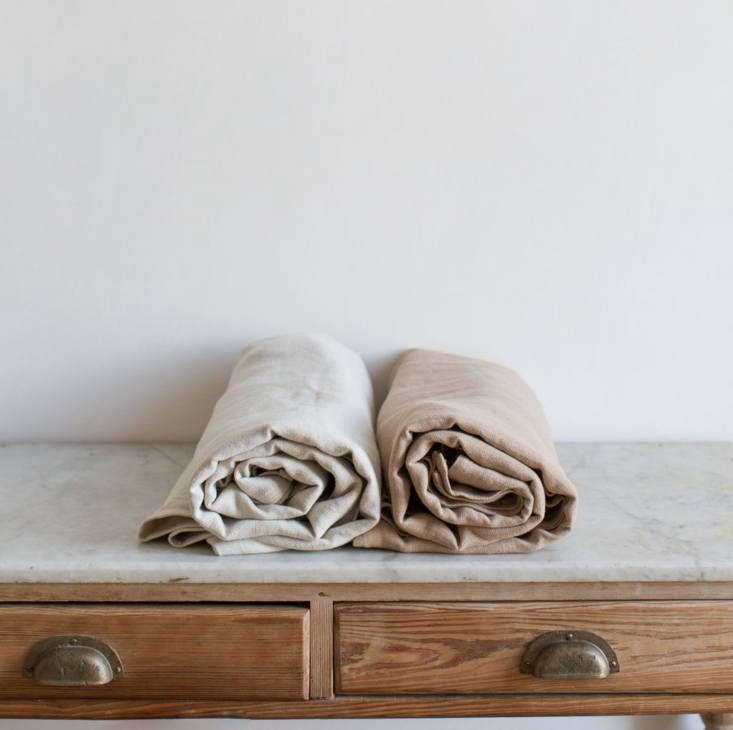
To build tactile depth, we recommend a "Triple-Layer Formula":
- The Base: A crisp linen fitted sheet and flat sheet in a soft ivory.
- The Mid-Layer: A lightweight kapok or silk-filled quilt for transitional seasons.
- The Topper: A chunky, hand-knitted wool throw or a heavy linen duvet cover draped loosely at the foot of the bed.
Section 4: 2026 Furniture Trends: Organic Shapes & Stealthy Storage
In 2026, the "Architecture of Sleep" is leaning toward softer, more protective silhouettes. We are moving away from sharp, angular bed frames in favor of curved headboards and rounded edges. These "cloud-like" forms signal to the brain that the environment is safe and gentle.
We are also seeing a rise in "Stealthy Storage." In metropolitan homes where square footage is at a premium, visual clutter is the enemy of serenity. The solution is the upholstered storage bed—pieces that look like high-end designer frames but hide "extra closet" space beneath the mattress.

When selecting wood pieces like nightstands or dressers, look for "living finishes." Reclaimed wood with visible knots and grain patterns adds a sense of history and "soul" to the room. It breaks the monotony of a modern space, providing a rustic counterpoint to the clean lines of the bed.
Section 5: Biophilic Accents and Soft Lighting
A room truly breathes when you introduce elements of the living world. Biophilic design—the practice of connecting indoor spaces to the outdoors—is essential for a serene bedroom. This doesn't mean turning your room into a jungle; rather, it’s about the strategic placement of greenery. A single, structural Fiddle Leaf Fig in a corner or a delicate trailing Pothos on a high shelf can soften the transition between walls and ceiling.
Lighting, however, is the invisible thread that ties the entire room together. We follow a strict "Lighting Formula" to ensure the space feels like a retreat after dark. We avoid overhead recessed lighting, which can feel clinical and harsh. Instead, we layer:
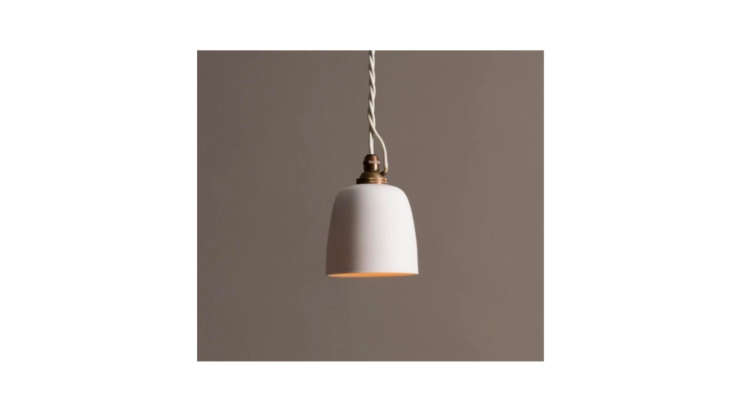
- Artisanal Pendants: Porcelain or matte ceramic fixtures that provide a soft, translucent glow.
- Task Lighting: Brass or blackened steel floor lamps for reading.
- The Golden Rule: Always use 2700K bulbs. This specific color temperature mimics the warm, amber hue of a setting sun or a candle, which helps trigger the body's natural melatonin production.
To further ground the space, we look for handmade pottery and reclaimed materials. A hand-carved wooden stool used as a side table or a matte ceramic vase holding a few dried branches can provide the "organic friction" we mentioned earlier. These objects tell a story of craftsmanship and time.

Section 6: Curating Local & Sustainable Accessories
The final layer of a serene bedroom is the curation of "slow decor." This means choosing quality over quantity and supporting local makers who prioritize sustainability. When sourcing accessories, look for the patina—the natural wear and tear that shows an object has been loved. A vintage brass tray, a hand-woven jute rug, or a piece of local pottery adds a layer of authenticity that mass-produced items lack.
Sustainability is no longer optional in 2026. We encourage readers to look for GOTS (Global Organic Textile Standard) certified fabrics and FSC-certified wood. Investing in a piece that is built to last not only benefits the planet but also creates a more stable, harmonious energy in your home.
FAQ: Styling Your Serene Sanctuary
Q: Can I achieve the organic modern look on a budget? A: Absolutely. Start with the "soft stuff." You don't need a custom bed frame to change the feel of the room. Investing in high-quality linen pillowcases and a textured wool throw can immediately elevate your existing setup. For the walls, many DIY-friendly limewash kits are available that allow you to achieve the plaster look for the cost of a few gallons of paint.
Q: Is limewash paint permanent? A: Limewash is very durable, but it is porous. If you decide to change your mind later, you can't simply paint over it with standard latex paint. You would first need to apply a mineral-based primer to "bridge" the two materials. However, many find that the way limewash ages is so beautiful they never want to go back.
Q: How do I keep a neutral room from feeling "boring"? A: The key is variety in texture and shape. If your walls are smooth, make sure your rug is chunky and woven. If your furniture has straight lines, choose a rounded, organic-shaped lamp. The "visual interest" comes from the way light hits these different surfaces, not from bright colors.
Creating a serene bedroom is an act of self-care. It is about stripping away the digital noise and the synthetic finishes of modern life to reveal a space that feels honest, tactile, and deeply personal. Whether you start with a single linen sheet or a full limewash transformation, remember that the goal is progress, not perfection.