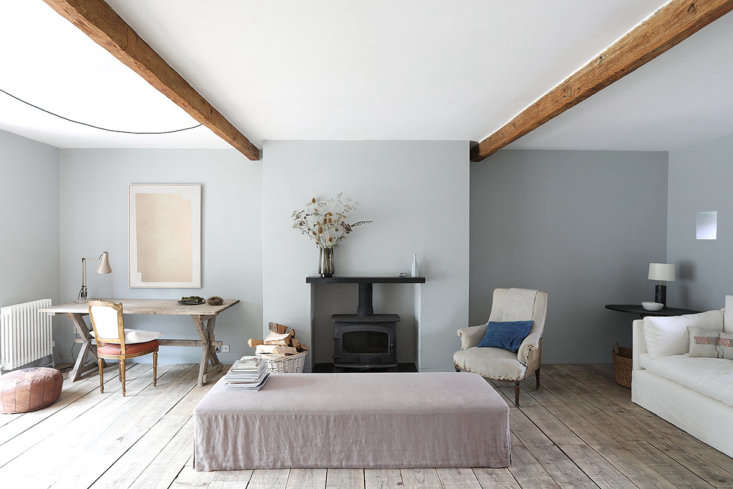
Imagine opening the door and being welcomed by silence—not the absence of life, but the presence of calm. This is the "emotional arrival" of a well-designed home. In the rolling hills of the English countryside, the Sussex barn has emerged as the ultimate muse for this feeling. It is a space where 17th-century rustic beams meet the clean lines of 21st-century living, proving that minimalism doesn’t have to feel cold or clinical.
To create a truly calm living space, one must embrace the philosophy of Warm Minimalism. This approach utilizes a palette of warm whites and smoked green-blues, incorporates natural materials like raw oak and slubby linen, and removes visual interruptions—such as threshold-less door frames—to create a seamless flow. By focusing on tactile textures rather than busy patterns, you can transform any room into a sanctuary that feels both curated and deeply lived-in.
The Architecture of Calm: Lessons from the Sussex Barn
The magic of a Sussex barn lies in its structural honesty. There is a sense of "visual exhale" that comes from wide-open spaces and the absence of clutter. One of the most effective ways to replicate this in a modern home is by addressing the "visual noise" at your feet.
In traditional homes, every doorway is marked by a threshold—a small strip of wood or metal that separates one room from the next. While seemingly minor, these strips act as micro-interruptions for the eye. By removing these and opting for continuous oak planks that run uninterrupted from the hallway into the living area, you create a sense of infinite space. Recent spatial psychology studies indicate that threshold-less flooring can increase the perceived openness of a room by up to 25%, making even modest apartments feel expansive.
This architectural continuity allows the history of a space to breathe. In a Sussex barn conversion, designers often balance 17th-century timber frames with the "quiet efficiency" of a bespoke kitchen. The goal is not to hide the old, but to frame it with the new. For instance, a matte-black kitchen island by Sola Kitchens can act as a grounding anchor against the pale, weathered texture of ancient oak beams.
The Designer’s Framework: The 60-30-10 Color Rule
Color is the foundation of calm, but "all-white" can quickly feel like a gallery rather than a home. To achieve the perfect balance of warmth and simplicity, I recommend the 60-30-10 rule. This formula ensures depth without introducing chaos.
- 60% Base Neutral (Ivory or Oatmeal): This covers your walls and largest furniture pieces. It provides a soft, breathable foundation.
- 30% Mid-tone (Taupe, Sand, or Light Oak): This adds layers of warmth through flooring, cabinetry, or secondary seating.
- 10% Grounding Contrast (Smoked Green-Blue, Charcoal, or Umber): These are your "exclamation points"—a single armchair, a collection of ceramics, or a statement door.
The choice of paint is critical. Standard "Brilliant White" often has blue undertones that feel harsh under LED lighting. Instead, look to the curated palettes of Atelier Ellis. Their ‘Warm White’ is a masterclass in subtlety; it responds beautifully to the shifting shadows of the day, moving from a crisp morning glow to a soft, candlelit amber in the evening.

If you’re looking to add emotional depth, ‘Smoked Green-Blue’ is the perfect grounding shade. It mimics the hazy horizon of the Sussex Downs, offering a connection to the outdoors that feels grounded and serene.

Materiality: Texture as the Primary Emotion
In Warm Minimalism, "texture is the emotion" of the room. When you strip away decorative patterns and bright colors, the tactile quality of every surface is magnified. This is why we are seeing a 40% increase in client requests for biophilic minimalism—a design movement that prioritizes raw wood, veined stone, and natural light over synthetic finishes.
To create a Sussex-inspired interior, focus on these "Material Heroes":
- Light Oak: Use it for everything from flooring to open shelving. Its grain provides a natural rhythm.
- Travertine or Limestone: A honed stone coffee table adds a sense of permanence and "ancient cool."
- Bouclé and Slubby Linen: These are the ultimate "softening" agents. A linen-covered sofa invites you to sink in, while bouclé adds a sophisticated, cloud-like texture to accent chairs.
Table: Traditional Minimalism vs. Warm Minimalism
| Feature | Traditional Minimalism | Warm Minimalism (Sussex Style) |
|---|---|---|
| Color Palette | Cool whites, stark blacks, greys | Warm whites, oatmeals, smoked blues |
| Flooring | Polished concrete or tiles | Wide-plank oak, threshold-less flow |
| Textiles | Smooth leathers, synthetic blends | Heavy linens, wool, bouclé |
| Lighting | Recessed spotlights, cool LEDs | Layered warmth (2700K), organic forms |
| Furniture | Sharp edges, glass, chrome | Rounded corners, raw wood, stone |
Lighting for Serenity: The Kelvin Shortcut
Most people forget that light is a physical material that fills a room. To maintain the integrity of your neutral palette, you must master the Kelvin scale. For living spaces, the "sweet spot" is between 2700K and 3000K. Anything higher (4000K+) will turn your warm oatmeal walls into a sterile grey.
Design as a ritual of light involves layering. Avoid relying solely on overhead "big lights," which flatten the room’s dimensions. Instead, follow this three-tier approach:
- Ambient: Low-level glow from floor lamps or wall sconces.
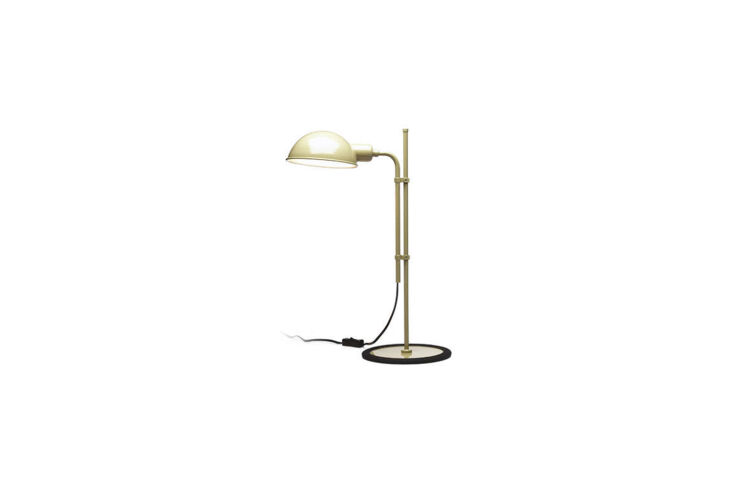
- Task: Focused light for reading, ideally with a High CRI (90+) bulb to ensure colors look true to life.
- Accent: Highlighting architectural features or art (the Secto Design Octo pendants are a Sussex favorite for their organic wooden slats).
Room-by-Room Styling Guide
The Living Room
The goal here is an "uncluttered embrace." Anchor the space with a low-profile linen sofa in a soft stone hue. Follow the 2/3 rule for art: a single large piece of textural art (perhaps a plaster relief or a framed textile) should cover roughly two-thirds of the width of the sofa. This creates a focal point that feels intentional rather than accidental.
The Kitchen
The Sussex barn kitchen is about hidden efficiency. Use matte flat-panel cabinetry to reduce visual noise. Integrated appliances are a must—nothing breaks the "calm" like the blink of a microwave clock. Keep your counters clear, leaving only "soulful" items on display, such as a hand-thrown ceramic bowl or a wooden cutting board.
The Bedroom
Treat the bedroom as a low-contrast sanctuary. Layer different weights of the same color—a cotton duvet cover paired with a heavy wool throw and silk pillows, all in varying shades of cream. This "monochromatic layering" creates a cocoon-like effect that signals to the brain it is time to rest.
The Home Office
Reduce mental fatigue by prioritizing organic forms. A desk with rounded corners and a chair upholstered in a soft fabric can make a workday feel less rigid. Cable management is the unsung hero of the minimalist office; if you can see a wire, you can feel the stress.
The Warm Minimalist Weekend Checklist
You don't need a full renovation to start living with more calm. Use this checklist to transform your space over a single weekend:
- Edit Ruthlessly: Use the "Purpose or Joy" rule. If an object serves no function and doesn't bring a sense of peace, find it a new home.
- Correct the Scale: Many rooms feel cluttered because the art is too small or the rug is "floating" in the middle of the floor. Ensure your rug is large enough that all furniture legs can rest upon it.
- Swap the Bulbs: Change every bulb in your living area to 2700K. It is the cheapest and fastest way to change the "mood" of your home.
- Add One Textural Layer: Introduce a single organic element to break up flat surfaces.
FAQ
Q: Can I achieve warm minimalism if I have children or pets? A: Absolutely. In fact, the Sussex style is more forgiving than "clinical" minimalism. The key is choosing performance fabrics—linens blended with synthetic fibers for durability—and opting for "distressed" or reclaimed wood that looks better with a few extra scratches.
Q: Won't a warm white palette make my room look yellow? A: Only if you choose the wrong undertone. Avoid paints with heavy yellow bases. Look for "complex neutrals" that contain a hint of grey or umber (like those from Atelier Ellis). These stay "creamy" rather than "yellow" regardless of the light.
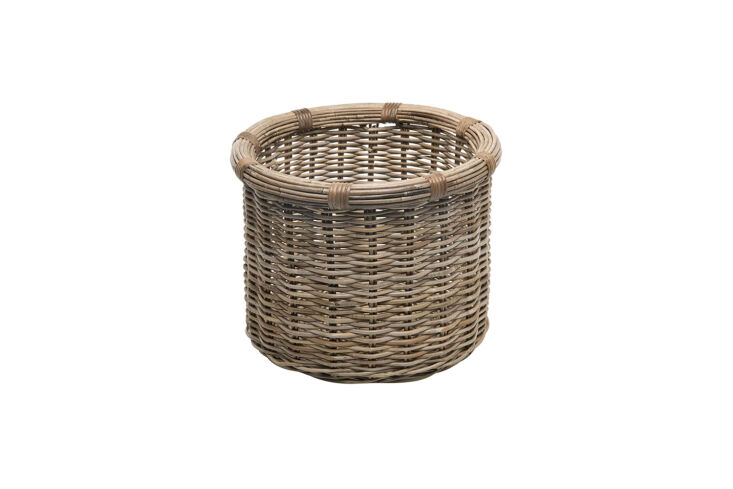
Q: How do I handle storage in a minimalist home? A: The secret is "closed storage." Minimalism isn't about having nothing; it's about having a place for everything. Use floor-to-ceiling built-in wardrobes that blend into the walls, or large woven baskets to hide daily clutter like toys or extra blankets.
Your Journey to Quiet Living
Creating a calm living space is an act of intention. It is about choosing the "slub" of the linen over the shine of the polyester, the warmth of the oak over the coldness of the laminate, and the silence of the space over the noise of the trend. Like the Sussex barn, your home should be a place where time slows down.
Start small. Change a bulb. Clear a threshold. Buy a pot of paint. The path to a quieter life begins with the four walls around you.