Quick Facts
- Designer Profile: Yumiko Sekine, founder of Fog Linen Work.
- Location: A three-story, custom-built home in a quiet Tokyo neighborhood.
- Design Philosophy: A blend of industrial utility and organic warmth, centered on the Japanese concept of Ma.
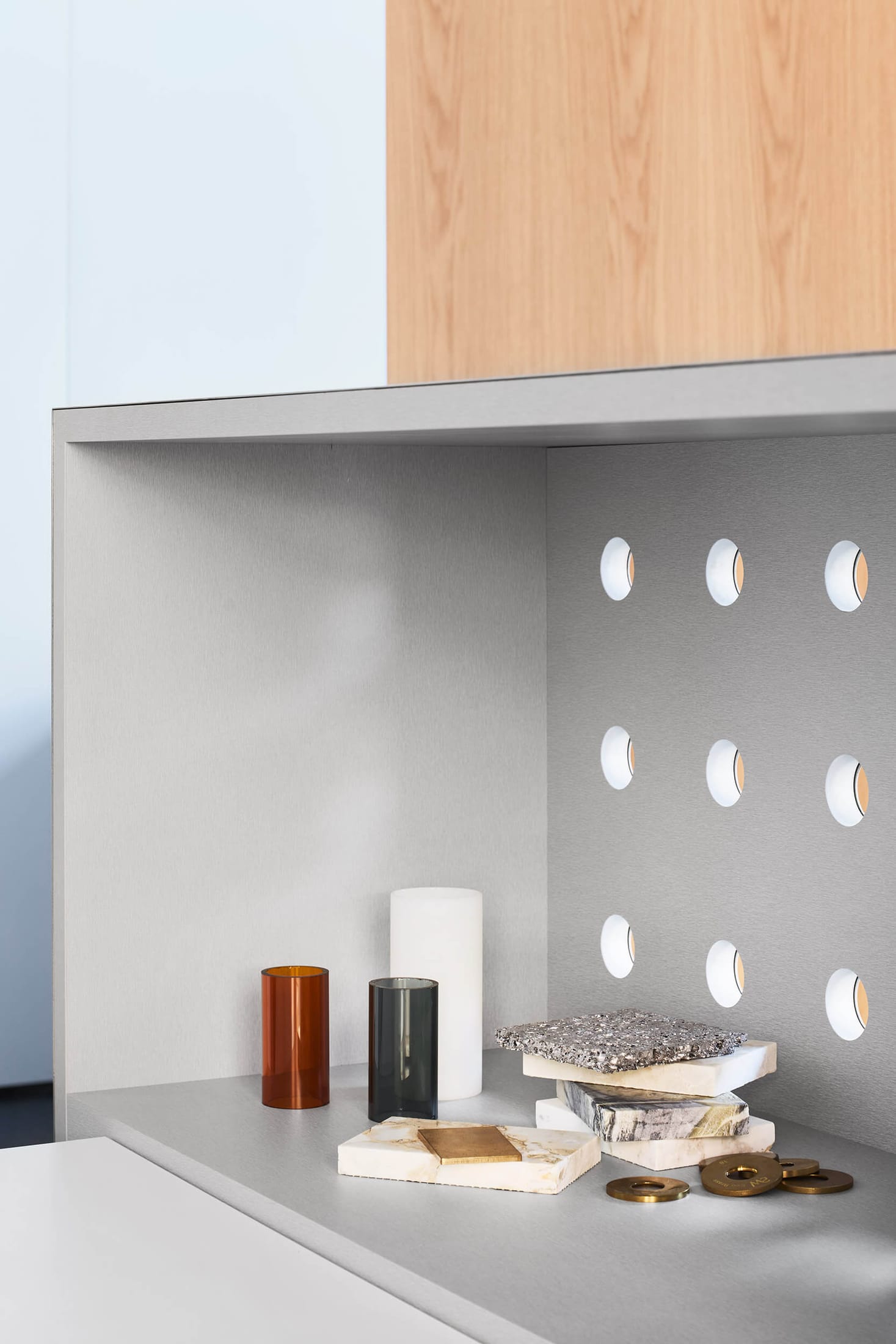
- Key Materials: Unfinished concrete, light oak, and brushed stainless steel.
- Essential Element: 100% natural linen used for bedding, curtains, and daily clothing.
- Primary Color Palette: Nuanced whites, soft greys, and natural wood tones.
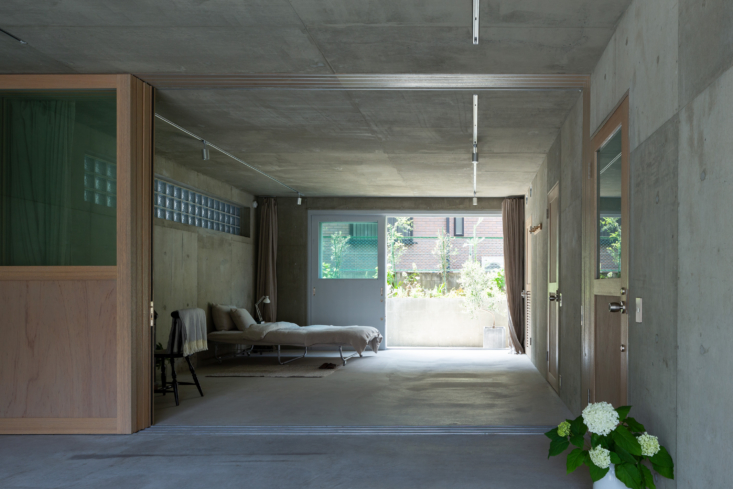
In the heart of Tokyo’s dense urban landscape, Yumiko Sekine has created a sanctuary that defies the typical clutter of modern life. As the founder of the globally beloved brand Fog Linen Work, Sekine is a master of the "thoughtful edit." Her home is not just a residence; it is a masterclass in how to live with less while feeling like you have everything you need. To achieve Sekine's minimalist bedroom look, you must focus on a neutral color palette, natural linen bedding, and functional, multi-purpose furniture—specifically, pieces that feature clean, industrial lines like a stainless steel bed frame.
The Three Pillars of Japanese Interior Design
When we look at Sekine’s bedroom, we aren't just seeing a "clean room." We are seeing the physical manifestation of centuries-old design principles adapted for modern living. To recreate this atmosphere, you must understand the three pillars that guide her choices.
The first is Ma (Negative Space). In the West, we often view an empty corner as a problem to be solved with a plant or a chair. In Japanese design, Ma is an active element. It is the "pause" between objects that allows the beauty of the furniture to breathe. In studies of urban Japanese architecture, implementing the 'Ma' philosophy of negative space has been shown to increase perceived room size by approximately 30% compared to traditional, furniture-heavy layouts. By leaving a wall bare or a floor space clear, you aren't missing something; you are adding "quiet."
The second pillar is Wabi-Sabi, the appreciation of imperfection and the natural cycle of growth and decay. In Sekine’s home, this is seen in the unfinished concrete walls and the way her linen bedding wrinkles and softens over time. There is no pursuit of "plastic" perfection here.
Finally, there is Shakkei (Borrowed Scenery). Even in a small Tokyo bedroom, Sekine uses large, strategically placed windows to bring the outside in. Whether it’s the top of a neighboring tree or the changing light of the afternoon sky, the environment becomes part of the room’s décor.
Steal the Look: Essential Bedroom Pieces
Achieving a high-end minimalist look requires a discerning eye for quality. You want pieces that feel substantial but look light. The "Tokyo Aesthetic" is highly specific: designers report that 85% of modern minimalist aesthetics in Tokyo homes rely on a triad of materials: unfinished concrete, light oak, and brushed stainless steel.
The Foundation
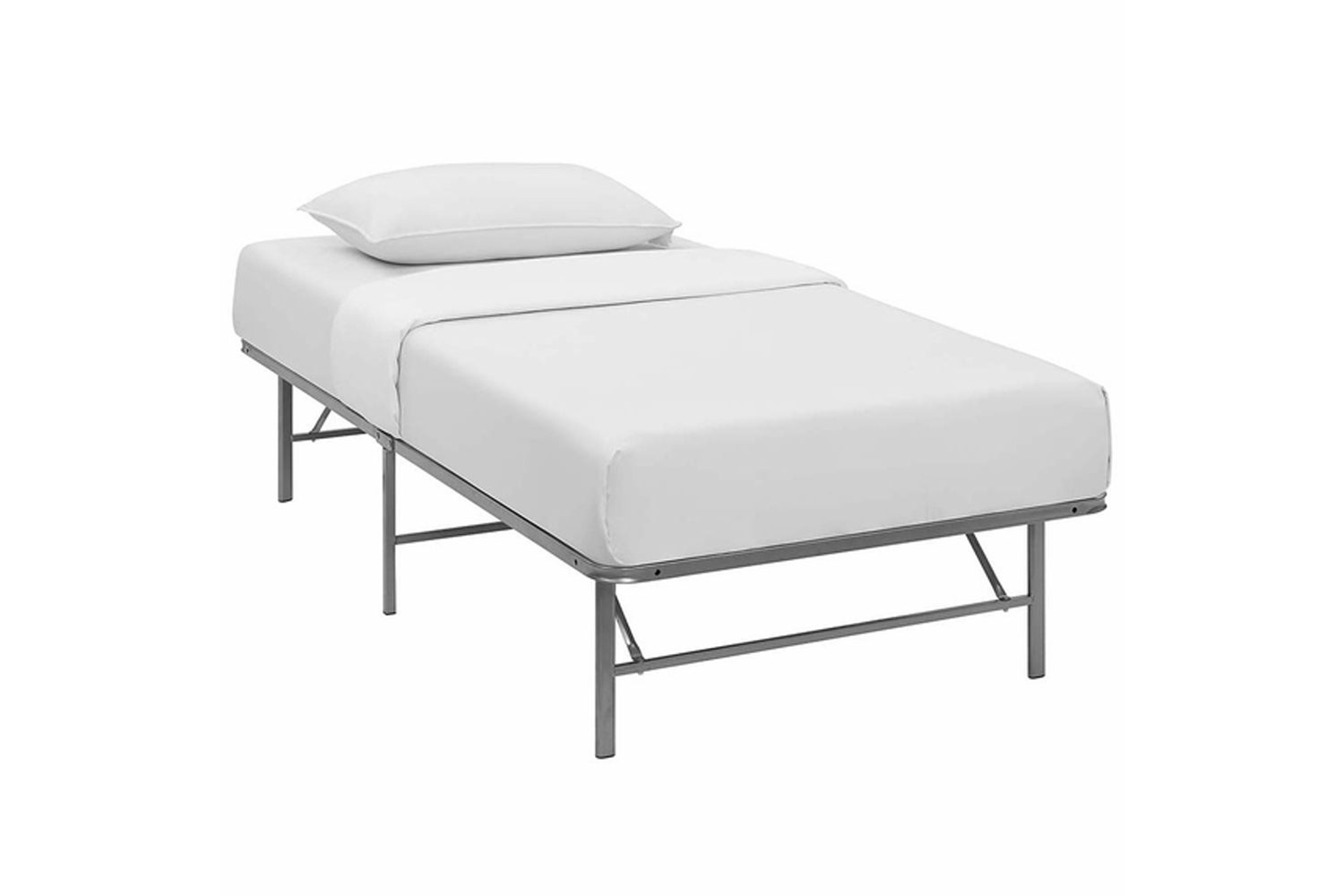
The bed is the heart of the room, but it shouldn't dominate it visually. Sekine often utilizes frames with industrial leanings to contrast with the softness of her textiles.
- The Item: Horizon Twin Stainless Steel Bed Frame
- Price: ~$165
- Why it works: The slim profile and reflective surface of the steel make the bed seem to take up less space. It provides an "airy" feeling that a bulky wooden frame cannot match.
The Textiles
You cannot talk about Yumiko Sekine without talking about linen. It is the fabric of her life. Linen is breathable, durable, and possesses a tactile quality that improves with age.
- The Item: Fog Linen Natural Linen Duvet Covers
- Price: ~$336
- Why it works: Choose "Natural" (a light oatmeal color) or "Grey-White Stripes" to keep the palette grounded. The weight of the linen provides comfort without the visual "heaviness" of a thick wool comforter.

The Lighting
In a minimalist room, every object must justify its existence. Your lighting should be a piece of sculpture during the day and a source of warm atmosphere at night.
- The Item: Jielde Signal Desk Lamp in Mouse Grey
- Price: ~$524
- Why it works: The industrial silhouette provides a sharp contrast to the soft linens. The "Mouse Grey" finish bridges the gap between the concrete walls and the white bedding.

The Accent
Minimalism doesn't mean "no furniture," but it does mean "multipurpose furniture."
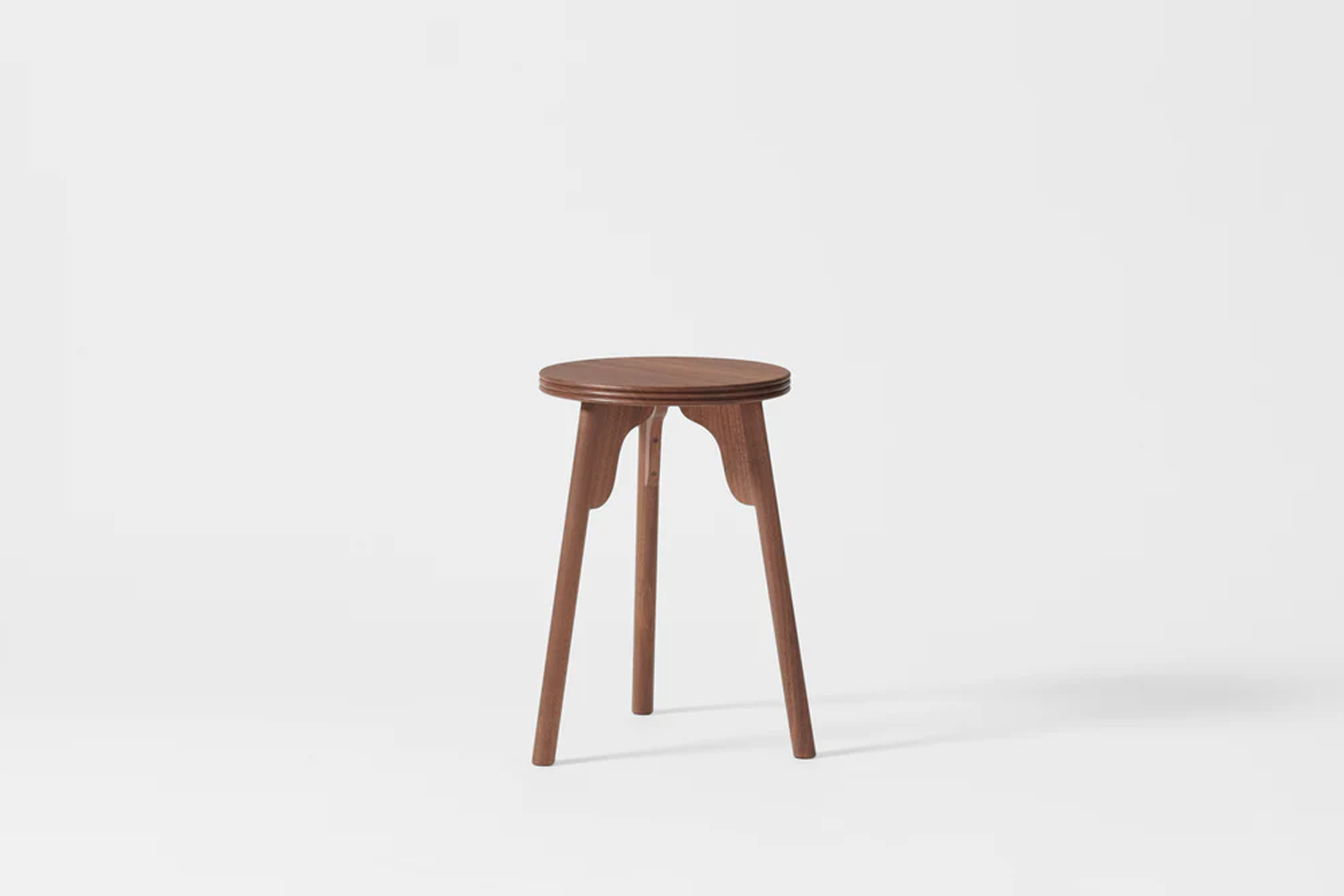
- The Item: Vintage Three-Leg Walnut Stool
- Why it works: A small stool can serve as a nightstand, a seat, or a pedestal for a single vase. The three-leg design is inherently more "open" than a four-legged box, preserving that crucial floor space.
Reducing 'Visual Noise' in Small Spaces
The biggest challenge in creating a Zen sanctuary is "visual noise"—the tiny distractions that prevent the mind from resting. To eliminate this, you must be ruthless with your color palette and your storage.
Start with your walls. Sekine’s home uses nuanced whites and greys that shift with the sunlight. If you are painting your own space, look for a "gallery white" like Benjamin Moore’s Chantilly Lace. It is a crisp, clean white that doesn't have the yellow undertones that can make a room feel "cluttered."
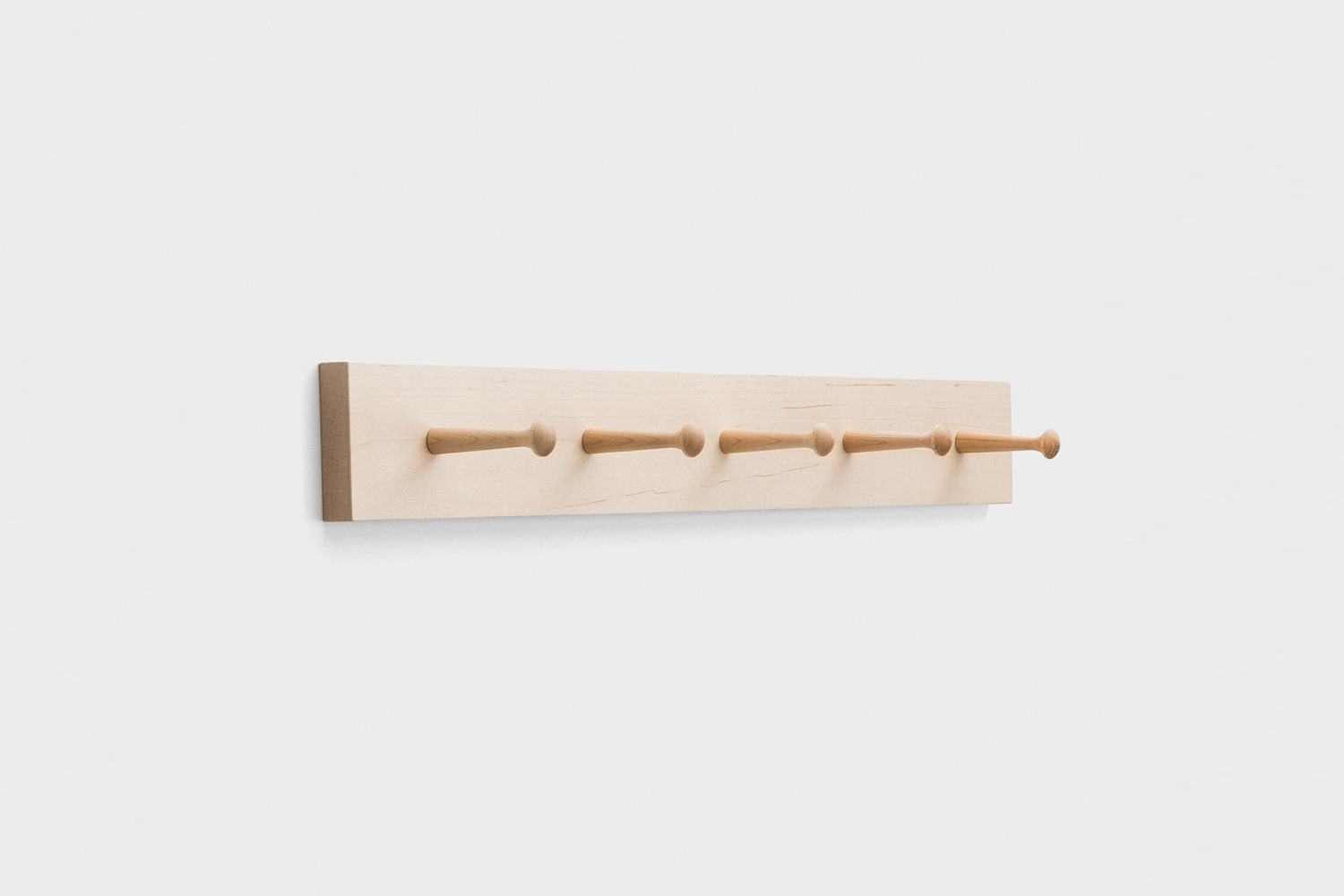
When it comes to organization, use what I call "Intentional Concealment." Instead of open shelving, which displays the chaotic colors of book spines and toiletries, use natural materials to hide the mess. Maple peg rails are a staple in Japanese homes. They allow you to hang your daily-use items—a linen robe, a tote bag—turning them into part of the room’s texture rather than a pile on the floor.
Ivy's Pro-Tip: To maintain the 85% "Tokyo triad" (concrete, oak, steel), try to ensure that any new purchase fits into one of these three material categories. This creates an automatic visual harmony, even if the pieces are from different eras or brands.
Living the Lifestyle: Daily Rituals for a Zen Sanctuary
Minimalism is more than a decorating style; it is a way of interacting with your surroundings. Yumiko Sekine’s home feels peaceful because of the rituals she performs within it.
- Morning Clarity: Start your day with a 5-minute ritual of tidying. In a minimalist room, one misplaced book can disrupt the entire vibe. The act of smoothing your linen sheets becomes a meditative start to the day.
- Sensory Grounding: Focus on how things feel. The scratchy-soft texture of a waffle-weave linen blanket or the cool touch of a stainless steel frame helps ground you in the present moment.
- Incorporating the Outdoors: Even if you live in a high-rise, use the principle of Shakkei. Place a single green branch in a glass vase near your window. This small touch of nature creates a bridge to the outside world, preventing the minimalist aesthetic from feeling too cold or sterile.
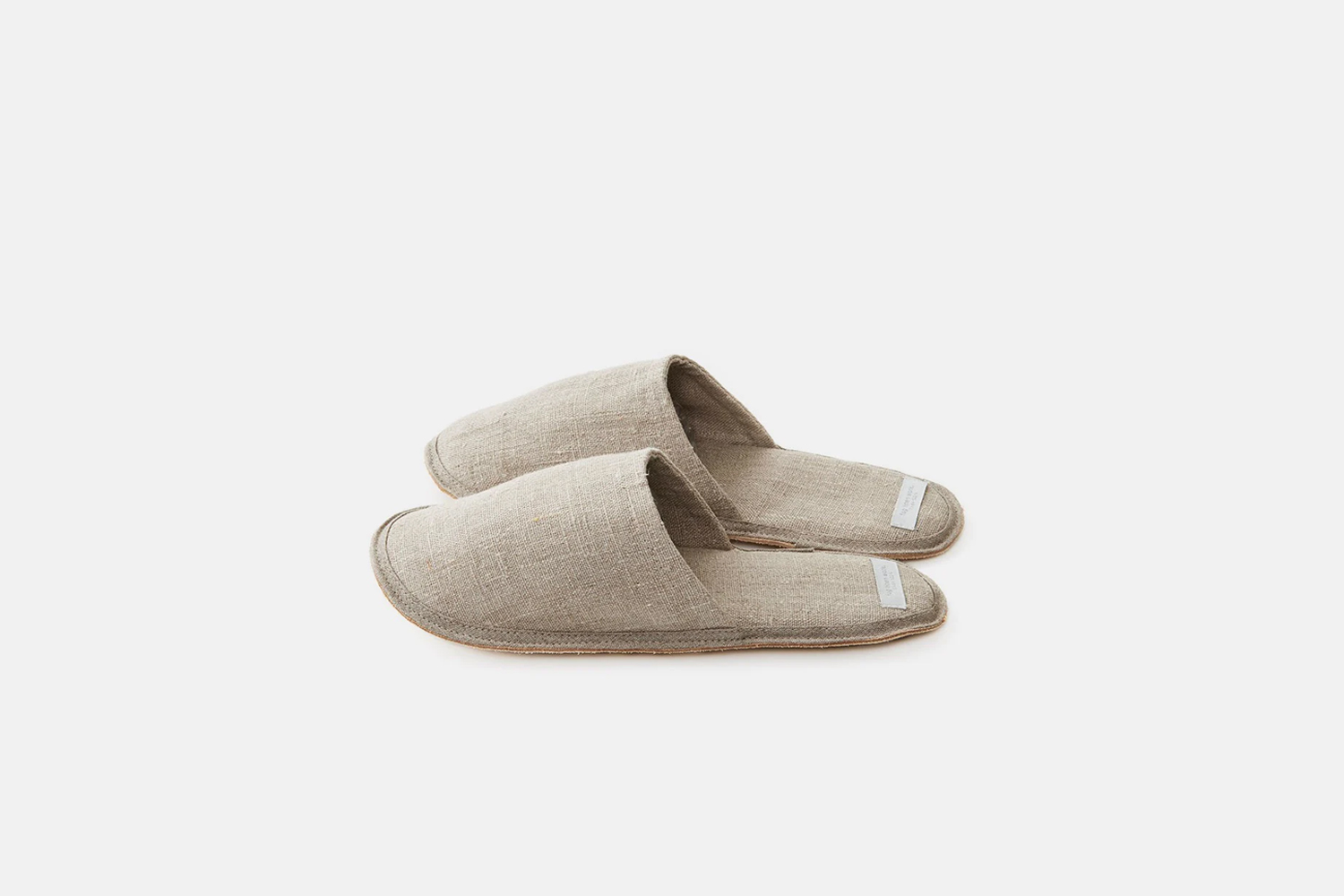
Linen slippers are perhaps the simplest way to enter this lifestyle. They signify the transition from the "outside" world to the "inside" sanctuary, reminding you that your home is a place of rest.
FAQ
How do I make a minimalist room feel "warm" instead of "cold"? The secret lies in texture. While the color palette remains neutral, you should mix different materials—rough-hewn wood, soft crinkled linen, and cool metal. This tactile variety creates a "visual warmth" that doesn't require extra colors or clutter.
Is linen bedding difficult to maintain? Not at all. In fact, linen is much more durable than cotton. It is naturally stain-resistant and becomes softer with every wash. The key is to embrace the natural wrinkles; don't try to iron them out. The texture is part of the beauty.
What if I can't afford a full room makeover? Start with the "Visual Noise" rule. Clear every surface in your bedroom. Then, only put back three items that you truly love or use every day. Replacing your mismatched bedding with a single, high-quality linen duvet cover is the most impactful change you can make on a budget.
Are you ready to transform your bedroom into a Tokyo-inspired sanctuary? Whether you are starting with a single linen pillowcase or a full-scale renovation, remember that the goal is not to create a "perfect" room, but a room that allows you to feel perfect within it. Focus on the Ma, embrace the Wabi-Sabi, and let your space breathe.