There was a time, not so long ago, when sourcing an authentic piece of Japanese pottery required a physical pilgrimage to the kiln-filled valleys of Gifu or the hidden boutiques of Kyoto. Today, the landscape has shifted beautifully. As the global shift toward "intentional dining" takes root in 2025, our homes are becoming sanctuaries of slow living. This movement is perfectly embodied by the "Japandi" aesthetic— a soulful marriage of Japanese wabi-sabi (the beauty of imperfection) and Scandinavian functionalism.
With the global Japanese tableware market projected to reach $714.8M by 2030, the accessibility of these crafts has reached a symphony of artistry. We are no longer just buying "plates"; we are inviting centuries of heritage, tactile earthiness, and a mindful rhythm into our daily breakfast rituals.
Our Top Picks for 2025
Before we dive into the deep histories of each kiln, here are our go-to destinations for immediate sourcing:
- Best for US Shoppers: Nalata Nalata (NYC) and Tortoise General Store (LA) offer the most curated, gallery-like experiences with reliable domestic shipping.
- Best for UK/Europe: Native & Co (London) is the gold standard for minimalist Japanese craft, while Oen provides a highly sculptural, artisan-focused selection.
- Best Direct from Japan: Analogue Life and MIWA’s Tableware provide unparalleled access to local artisans with expert international logistics.
- The "Must-Know" Variety: Look for Mino-yaki; it accounts for over 50% of Japan’s traditional tableware and offers the best balance of modern design and affordability.
The Curated 20: Online Destinations for Every Aesthetic
The North American Curators
1. Nalata Nalata (New York) Walking into their online space feels like entering a serene Manhattan gallery. They specialize in "lifestyle essentials," but their kitchen and bath ceramics are the standout. Their collection often features soft, matte glazes and works by masters like Oji Masanori. It’s where you go when you want your countertop to look like a curated still life.
2. Tortoise General Store (Los Angeles) Founded by Keiko and Taku Shinomoto, this shop is a bridge between the Tokyo design scene and Venice Beach. They are the premier source for Peter Ivy’s hauntingly beautiful glassware and specialized ceramics that lean toward the avant-garde.
3. Toiro (Los Angeles) If you are serious about the "slow food" movement, Toiro is your destination. They are the ultimate authorities on Donabe (Japanese clay pots). These aren't just cooking vessels; they are heritage pieces that age and develop character with every stew and rice dish.
4. Jinen Jinen focuses on timelessness. Their catalog is a masterclass in "unpretentious simplicity." Beyond plates, look here for their Toyo Steel toolboxes and cast-iron kitchenware that brings a rugged, industrial edge to the Japanese aesthetic.
5. Anzu New York A boutique that feels incredibly personal. Anzu curates specialized dining goods that often feature delicate patterns and textures you won't find in larger commercial stores.
6. Ippin Project Perfect for those who love the "small plate" culture. They specialize in Mamezara (mini dish) sets, which are ideal for the 2025 trend of mindful portioning and artistic table layering.
7. Tenzo Tenzo is for the purists. They offer handcrafted Hagama rice cookers and traditional kitchen tools that emphasize the ritualistic nature of Japanese cooking.
8. Umami Mart Based in Oakland but with a soul in Tokyo, Umami Mart is the best destination for high-end Japanese barware. Their gold-plated strainers and faceted mixing glasses are essential for any sophisticated home bar.
International & Direct-from-Japan Specialists
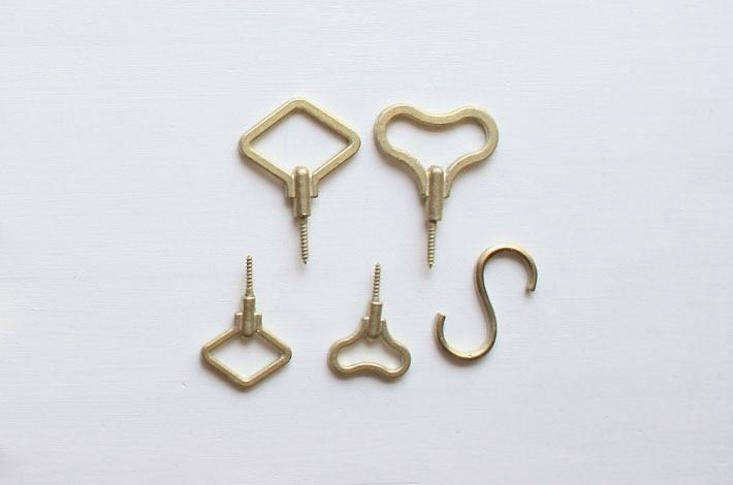
9. Native & Co (UK) Based in Notting Hill, this shop is a favorite among London’s design elite. They excel in sourcing Edo Kiriko glass and heavy, hand-forged brass hardware by Oji Masanori. Their aesthetic is "clean, sharp, and deeply traditional."
10. Analogue Life (Japan) Operating out of a renovated early Showa-era house in Nagoya, Analogue Life offers direct shipping from Japan. This is where you find Azmaya porcelain and items that are usually reserved for the domestic Japanese market.
11. MIWA’s Tableware (Japan) If you are looking to adopt the Ichiju-Sansai (one soup, three sides) healthy dining method, Miwa’s offers portion-control sets and beautiful Furoshiki wrapping for gifting.
12. Oen (UK) A minimalist’s dream. Oen focuses on sculptural teapots and ceramics that look as much like art pieces as they do functional vessels.
13. Mjölk (Canada) While based in Toronto, Mjölk is perhaps the finest example of the Japanese-Scandinavian fusion. Their collaborations between Japanese artisans and Nordic designers are legendary in the interior design world.
14. Kurasu (Japan) A Kyoto-based specialist focusing entirely on the craft of coffee. From ceramic drippers to copper kettles, they elevate the morning brew into a meditative ceremony.
15. IFJ Trading (Japan) The go-to for traditional home accents. Their Daiyo rice bran wax candles and handcrafted holders are perfect for setting the mood for a quiet, wabi-sabi dinner.
16. Mr. Kitly (Australia) A Melbourne gem that stocks Futagami brass and daily-use ceramics. They have a keen eye for items that are durable enough for families but beautiful enough for a museum.
17. Envelope (Japan) This shop offers a multi-level experience of woodcraft and daily-use wares. Their focus is on the "tools for living," emphasizing items that feel good in the hand.
18. Moth (Chicago) A boutique that bridges the gap between emerging artists from Scandinavia and Japan. Their ceramics often feature bold, contemporary forms.
19. March (San Francisco) For those with a higher budget looking for master-grade glass and high-end pitchers, March curates an exquisite selection of Japanese imports.
20. Ukiyo Home (Chicago) Specializing in heavy kitchen gear and readymade Dutch ovens, Ukiyo Home is where Japanese precision meets western cooking styles.
Understanding the Craft: Mino, Arita, and Beyond
Choosing the right pieces requires a basic understanding of Japan's ceramic geography. Each region uses different clays and firing techniques, resulting in distinct tactile experiences.
| Style | Region | Key Characteristics | Best Use Case |
|---|---|---|---|
| Mino-yaki | Gifu | Extremely diverse glazes; represents 50%+ of production. | Daily dinnerware; modern fusion tables. |
| Arita-yaki | Saga | High-fired porcelain (1300°C); white, thin, and durable. | Formal occasions; delicate tea sets. |
| Bizen-yaki | Okayama | Unglazed, wood-fired; rustic, earthy, and "heavy." | Vases; hearty rustic meals; sake cups. |
| Kutani-yaki | Ishikawa | Bold, five-color patterns (Gosai-de); very ornate. | Statement pieces; decorative platters. |
Ivy’s Pro-Tip: If you are just starting your collection, begin with Mino-yaki. Because it is so dominant in the industry, it offers the most variety in terms of "Japandi" colors—think beiges, muted grays, and clay reds—at a price point that doesn't feel precious.
2025 Tableware Trends & Pricing
The trend for 2025 is moving away from perfectly matched sets. Instead, we are seeing a shift toward asymmetrical balance. This means mixing a matte gray Mino-yaki plate with a hand-carved wooden bowl and perhaps a brass spoon.
Price Analysis for Authentic Imports:
- Everyday Essentials ($15 - $60): In this range, you’ll find high-quality, artisan-designed but mass-produced items (like Azmaya or Hasami Porcelain). These are dishwasher-safe and meant for heavy use.
- Collector-Grade Masterworks ($150 - $400): These are often signed by the artist, featuring "hauntingly beautiful" imperfections or complex glazes that cannot be replicated. These are your "forever" pieces.
Caring for Your Collection
A common misconception is that Japanese ceramics are too fragile for modern life. In reality, many (especially Arita porcelain) are incredibly durable due to their high firing temperatures.
- Thermal Shock: The greatest enemy of ceramics isn't the dishwasher; it’s sudden temperature changes. Never take a plate from the fridge and put it in a hot oven or microwave.
- Handwashing vs. Dishwasher: While many modern Japanese ceramics are dishwasher-safe, "unglazed" or "crackle-glaze" pieces should be hand-washed to prevent oils and detergents from seeping into the clay.
- Kintsugi: If a piece does break, don't throw it away. The Japanese art of Kintsugi—repairing cracks with gold lacquer—embraces the history of the object, making it even more beautiful after the break.
FAQ
Which Japanese pottery is the most durable? Arita-yaki is generally the most durable because it is a true porcelain fired at very high temperatures. It is non-porous and resistant to staining, making it ideal for daily use.
Why are Arita and Mino ware so famous? Mino ware is famous for its versatility and sheer volume (representing over half of Japan's output), making it the "face" of Japanese dining. Arita ware is famous for being the first porcelain made in Japan, historically prized by European royalty.
How can I identify authentic artisan-made ceramics? Look for "makers' marks" (stamps or signatures) on the bottom of the vessel. Authentic pieces will also have slight variations in glaze or shape—perfect uniformity often suggests low-quality mass production.
Whether you are looking for a single Chawan to elevate your morning matcha or a full set of Mamezara for your next dinner party, these shops offer a gateway to a more intentional, beautiful lifestyle. Start small, choose pieces that feel good in your hands, and remember that in the world of Japanese decor, the "quiet beauty of imperfection" is the highest form of luxury.