Our Top Picks: Why Boreal is 2026’s Design Landmark
If you are looking for the pinnacle of eco-conscious luxury in Helsinki, Boreal is the definitive answer. Combining a staggering 85% reclaimed Finnish timber interior with the culinary mastery of Chef Pavel Demin, it offers a "nomadic openness" that bridges the gap between high-end gastronomy and radical sustainability. It is a masterclass in how 2026 design can reduce carbon footprints without sacrificing an ounce of aesthetic soul.
Stepping off the cobblestone streets of Helsinki’s Design District in early 2026 feels like a transition between eras. The biting Baltic wind vanishes the moment you cross the threshold of Boreal. You aren't just entering a restaurant; you are stepping into a curated interpretation of the Finnish wilderness—minus the mosquitoes and the frostbite. The air carries a faint, grounding scent of aged pine and fermented botanicals, immediately signaling that this is a space where nature hasn't just been invited in—it has been allowed to lead the conversation.
As an editor focused on sustainable living, I’ve seen countless projects claim the "eco-friendly" mantle, but few execute it with such architectural rigor. Boreal is a 117-square-metre sanctuary that proves sustainability isn't about doing less; it’s about doing better with what we already have.
Architectural Concept: 'Nomadic Openness' by Treivas Bureau
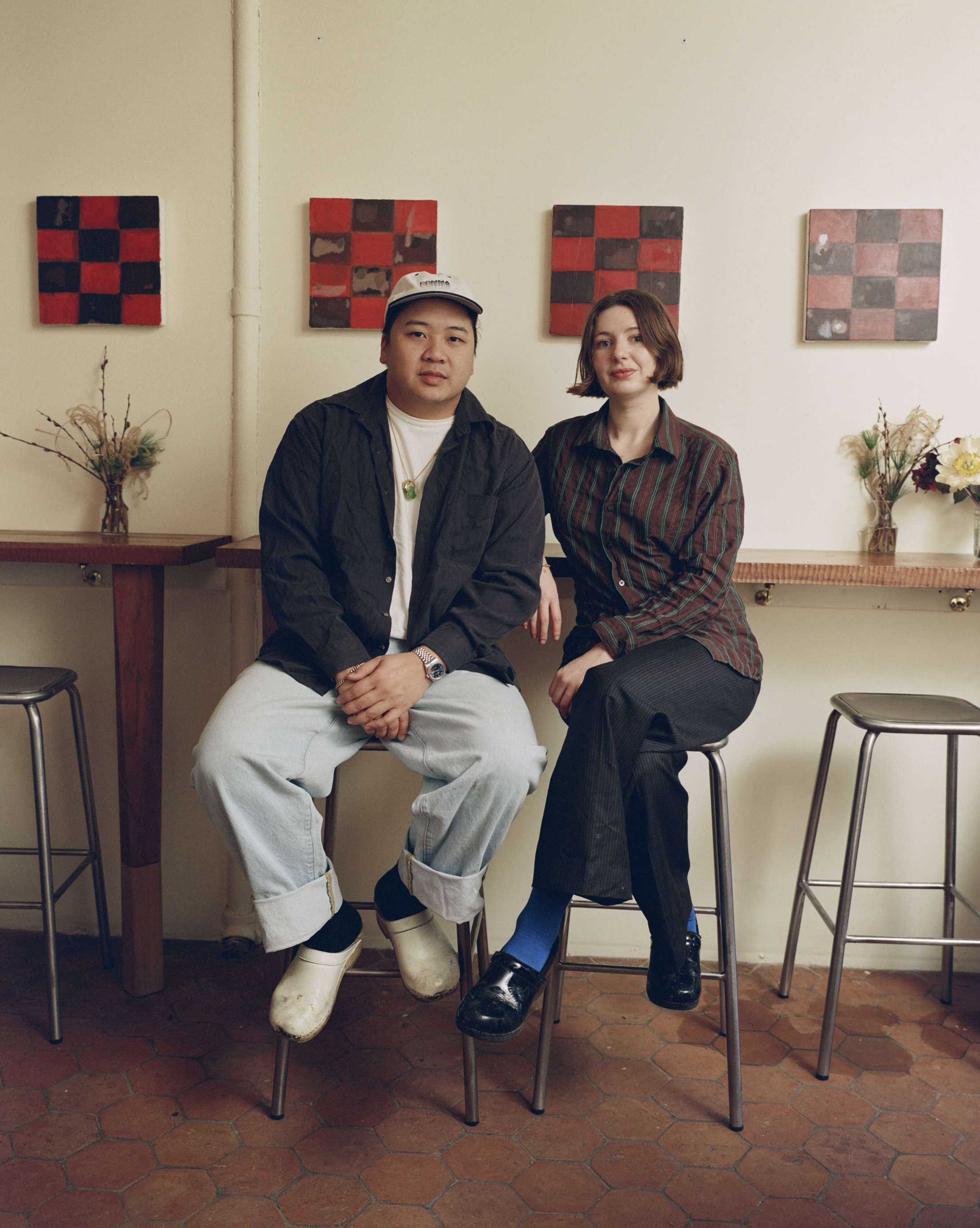
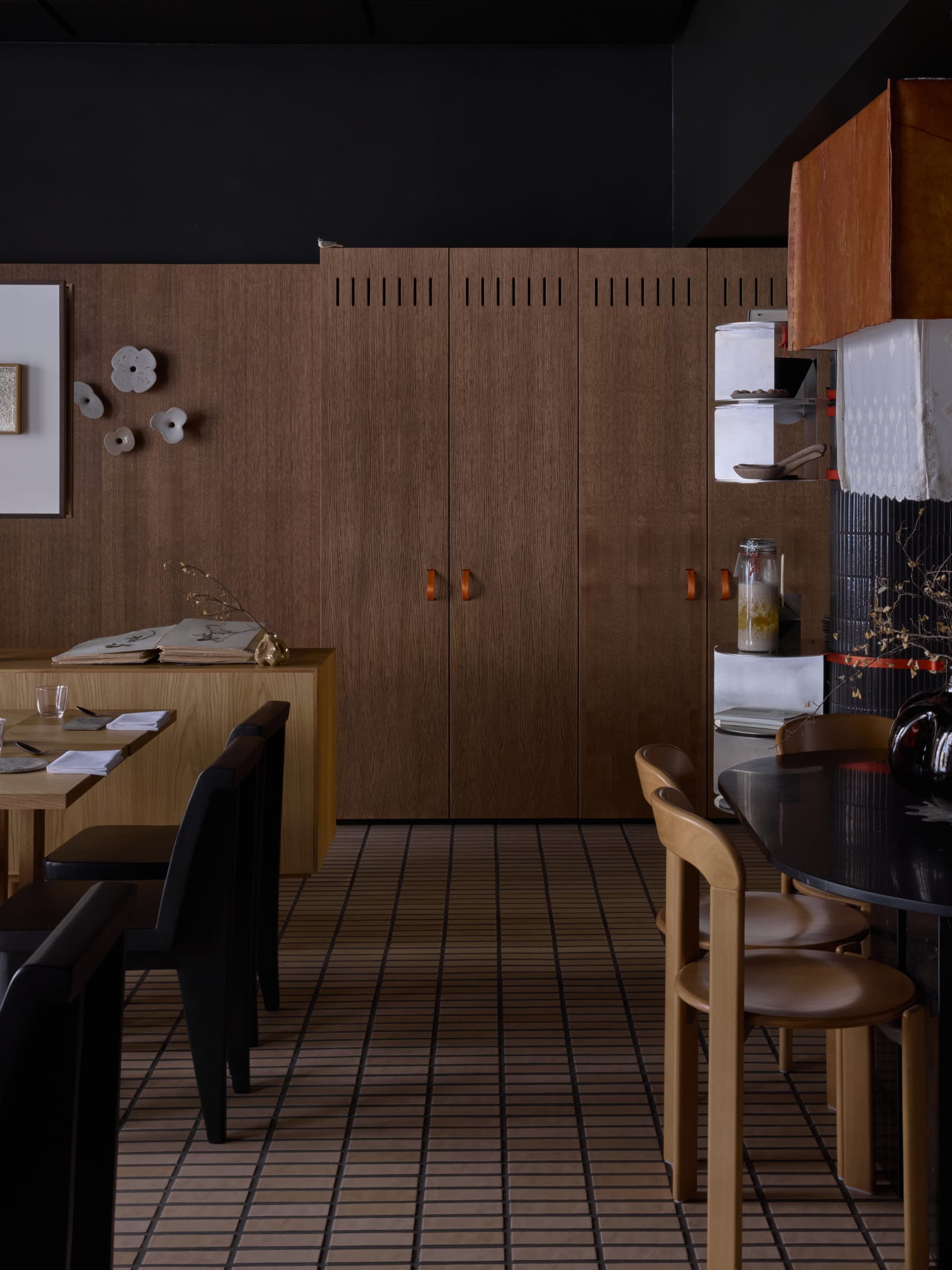
The interior of Boreal is the result of a deep-tissue collaboration between owners Artur and Zara Bersirov and the visionary Treivas Architecture Bureau. Their guiding philosophy for the project was "Nomadic Openness"—a concept that seeks to eliminate the rigid, static boundaries typical of traditional fine dining.
In a traditional space, you are often anchored to a spot. At Boreal, the layout feels fluid. The design utilizes a "nomadic" logic where furniture and spatial dividers feel temporary yet intentional, as if a group of travelers had set up a sophisticated camp in a clearing of ancient pines. This openness isn't just a stylistic choice; it serves a functional energy purpose. By avoiding heavy, floor-to-ceiling partitions, the restaurant maximizes natural light penetration and allows for more efficient airflow, significantly reducing the energy load required for HVAC systems.
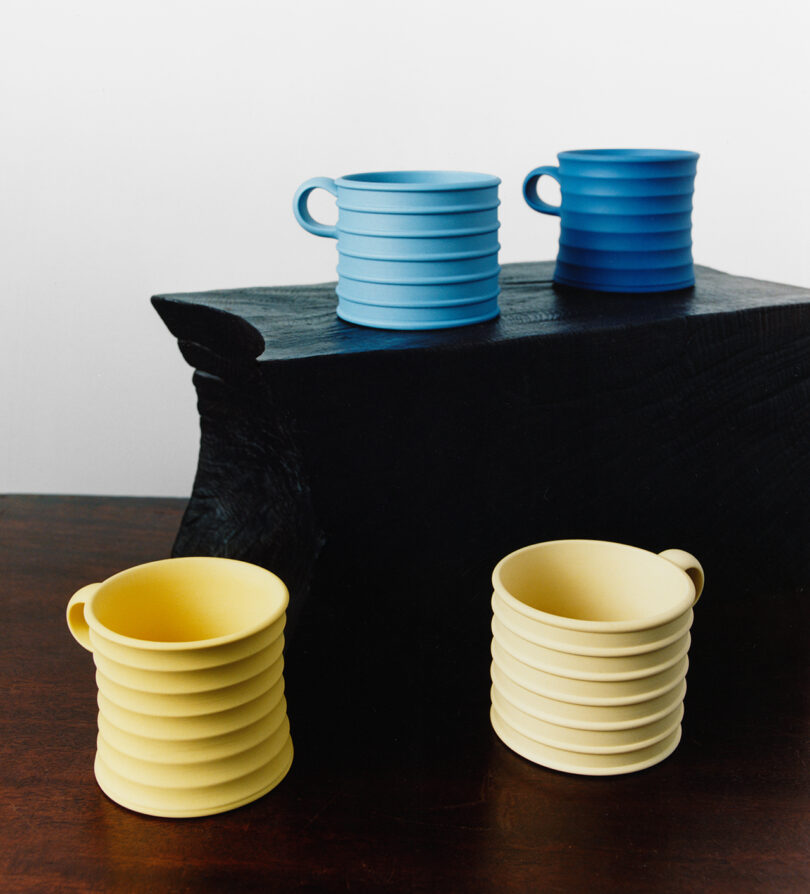
Treivas Bureau has masterfully used handcrafted ceramics and raw textures to evoke a sense of "familiarity through craft." Every surface begs to be touched, from the rough-hewn timber walls to the smooth, glossy floor tiles that catch the light like a frozen lake at twilight.
Materiality and Sustainability: The 85% Timber Rule
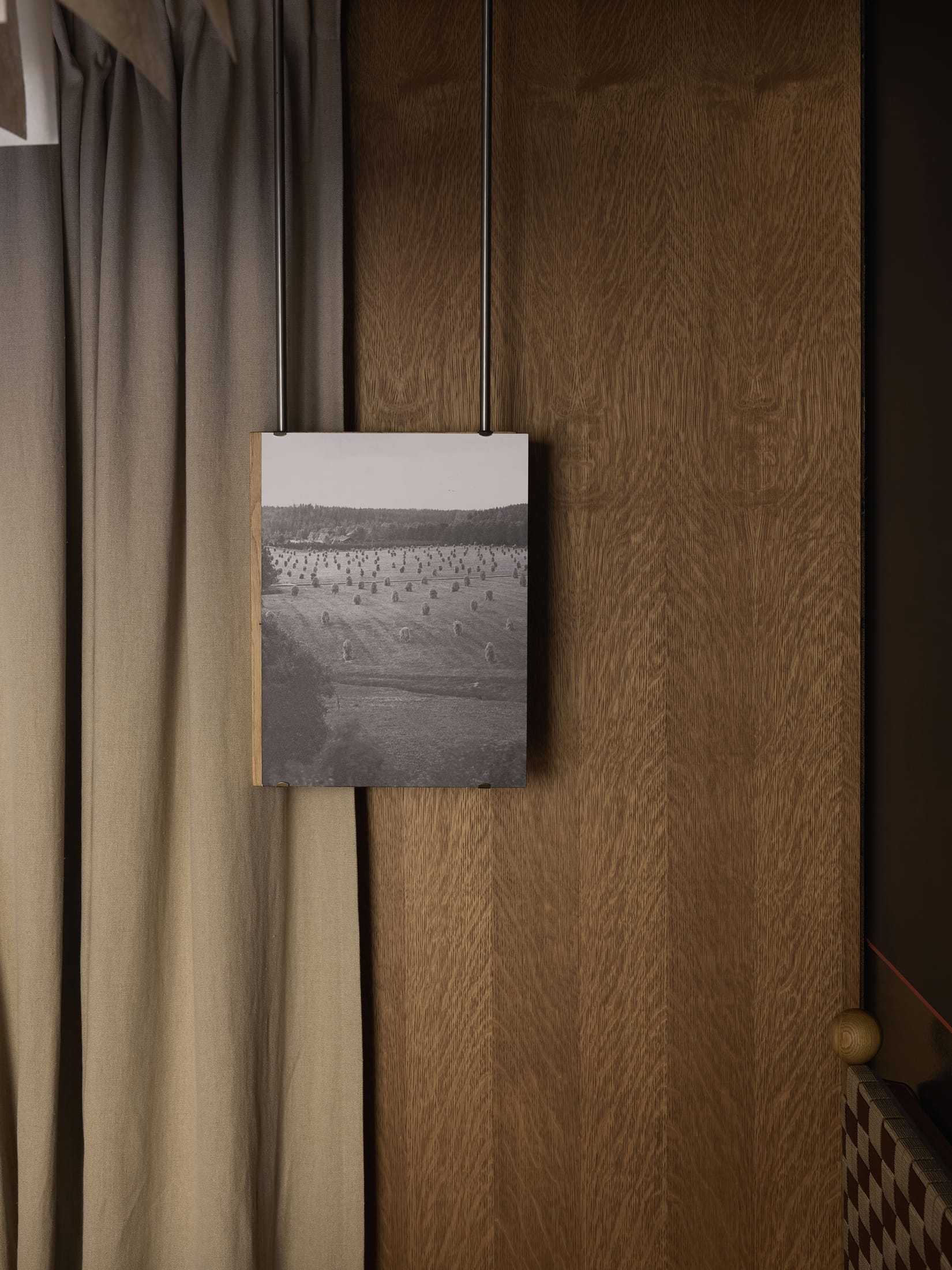
From my perspective as an energy and materials editor, the most impressive feat of Boreal is its commitment to the circular economy. The restaurant's 117-square-metre interior utilizes approximately 85% reclaimed or regionally sourced Finnish timber.
By prioritizing salvaged wood, the Treivas Bureau has drastically minimized the embodied carbon of the build. This isn't "new" wood harvested to look "old"; these are materials with a history, repurposed to serve a new generation of diners. The use of regional timber—sourced within a few hundred kilometers of Helsinki—further slashes the carbon footprint associated with material transport, a factor often overlooked in high-end renovations.
| Feature | Specification | Sustainability Impact |
|---|---|---|
| Location | Helsinki Design District | Urban density & accessibility |
| Main Material | Reclaimed Finnish Timber | 85% of interior; low embodied carbon |
| Interior Area | 117 Square Metres | Optimized for energy efficiency |
| Design Concept | Nomadic Openness | Enhances natural light and airflow |
| Local Sourcing | 90% of Ingredients | Minimizes food miles & supports biodiversity |
The choice of timber also acts as a natural carbon sink, locking away CO2 within the walls of the restaurant. When you sit at a table in Boreal, you are literally surrounded by the sequestered carbon of the Finnish forest.
The Culinary Vision: Hyper-Seasonal Nordic Gastronomy
The "New Nordic" movement has evolved. In 2026, it is no longer enough to simply serve local food; the entire ecosystem of the restaurant must align. At Boreal, this alignment is personified by Chef Pavel Demin, an alumnus of the legendary Noma.
Demin’s culinary focus centers on hyper-seasonal Nordic gastronomy. The menu rotates strictly four times annually, moving in lockstep with the Finnish seasons. This isn't just a gimmick; it's a logistical commitment to organic farming, wild foraging, and responsibly sourced game.
Approximately 90% of the ingredients used in Boreal's kitchen are sourced from local organic producers or harvested directly from the wild. During my visit, the transition from late winter to early spring was evident in a dish of fermented root vegetables paired with birch sap—a testament to the "forest-to-table" ethos that mirrors the timber-clad walls.
Editor’s Tip: When visiting Boreal, pay close attention to the ceramics. They are not mass-produced; each piece is handcrafted to echo the textures of the Finnish landscape, creating a tactile bridge between the food and the environment.

Interior Highlights: Art, Light, and the 'Red Thread'
One of the most striking visual elements in Boreal is the central column, which serves as both a structural necessity and a functional waiter station. It is encircled by an ergonomic ring that allows staff to move with a grace that doesn't disrupt the diner’s immersion.
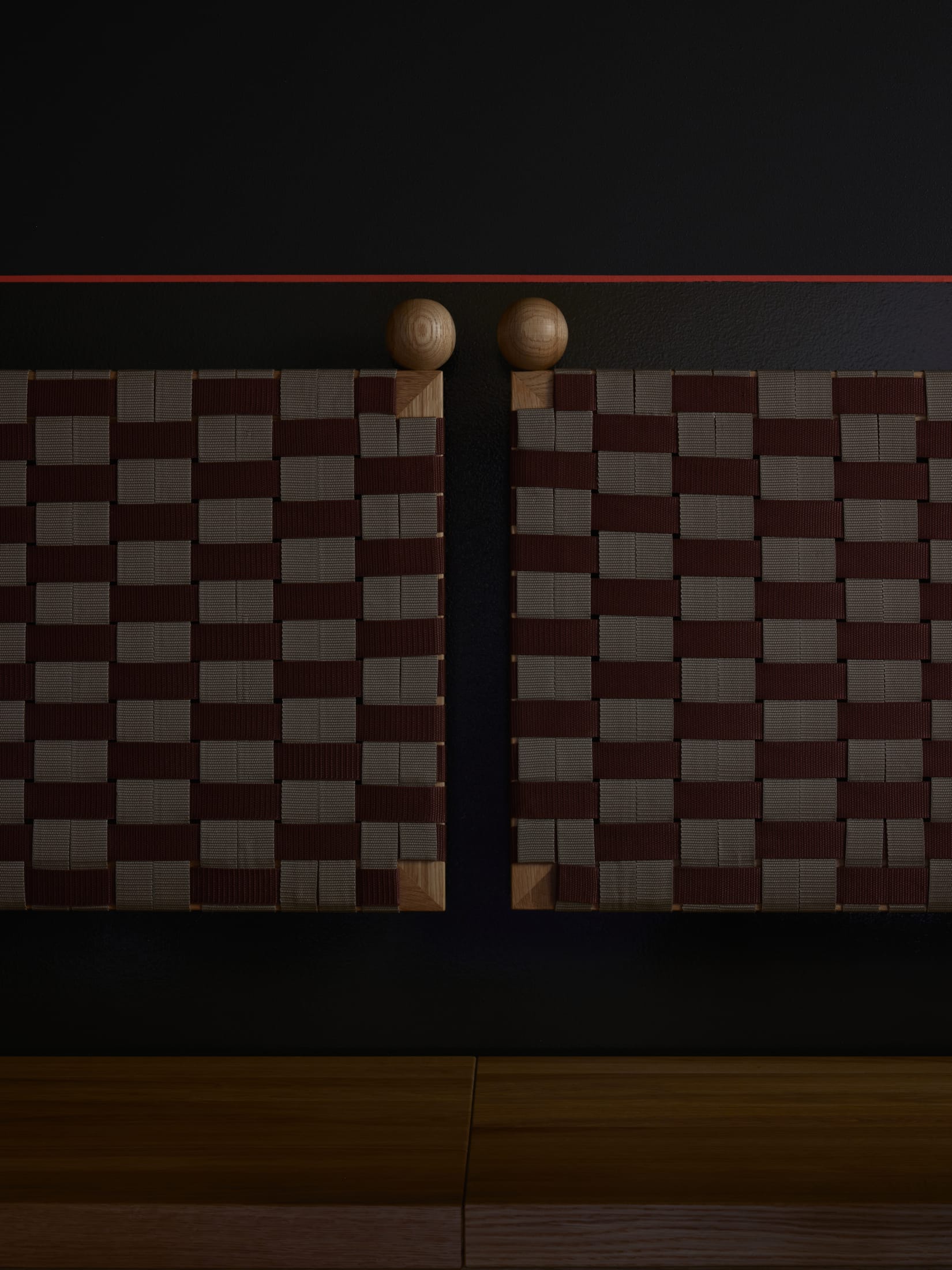
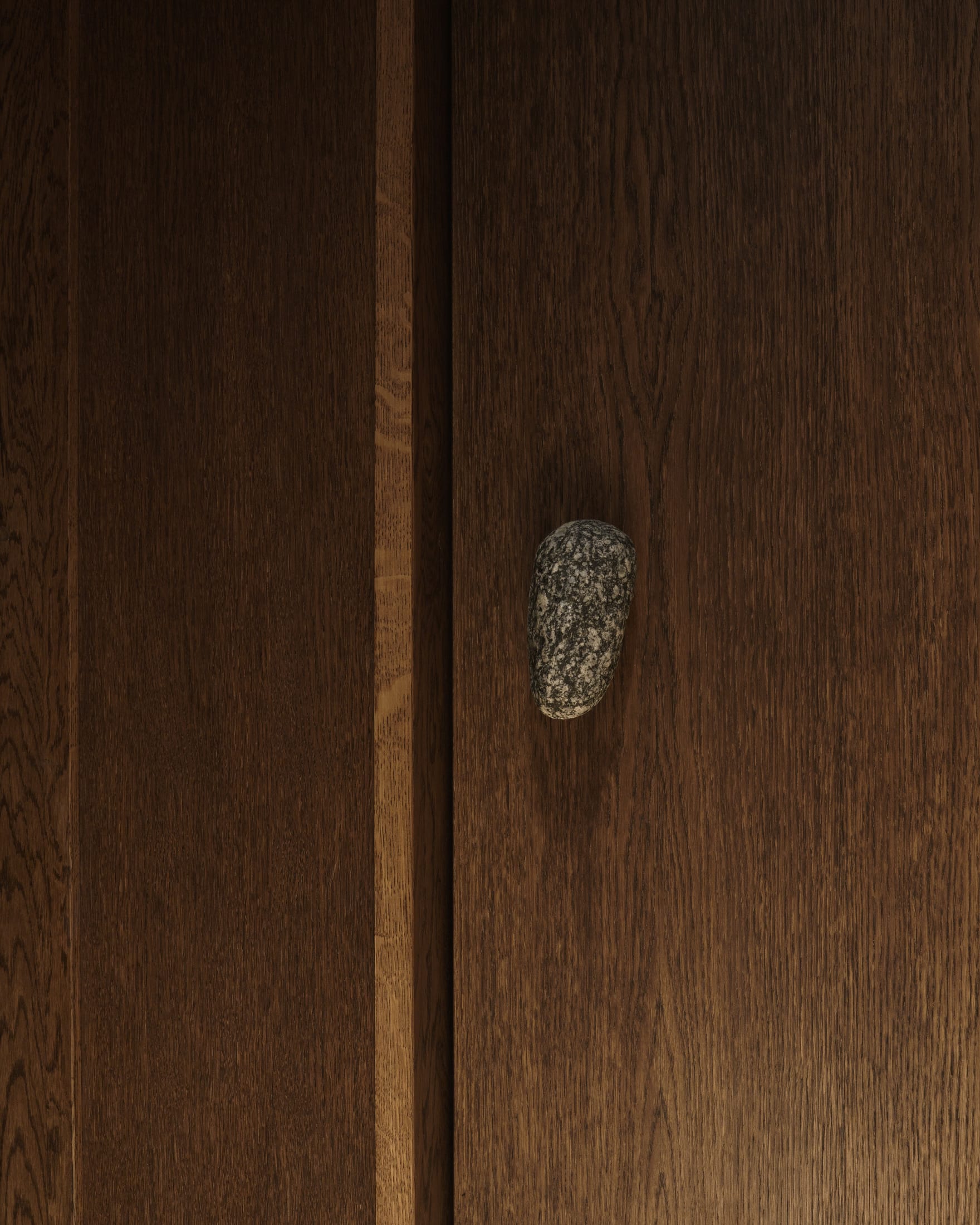
But what truly ties the space together is the "Red Thread"—a visual guide that weaves through the restaurant. You’ll see it in the leather straps on the columns, the custom handles, and the delicate screens. This "red line" acts as a navigational tool through the "forest" of timber, providing a pop of warmth and human-centric design amidst the raw, natural materials.
Innovative Lighting: The Kombucha Revolution
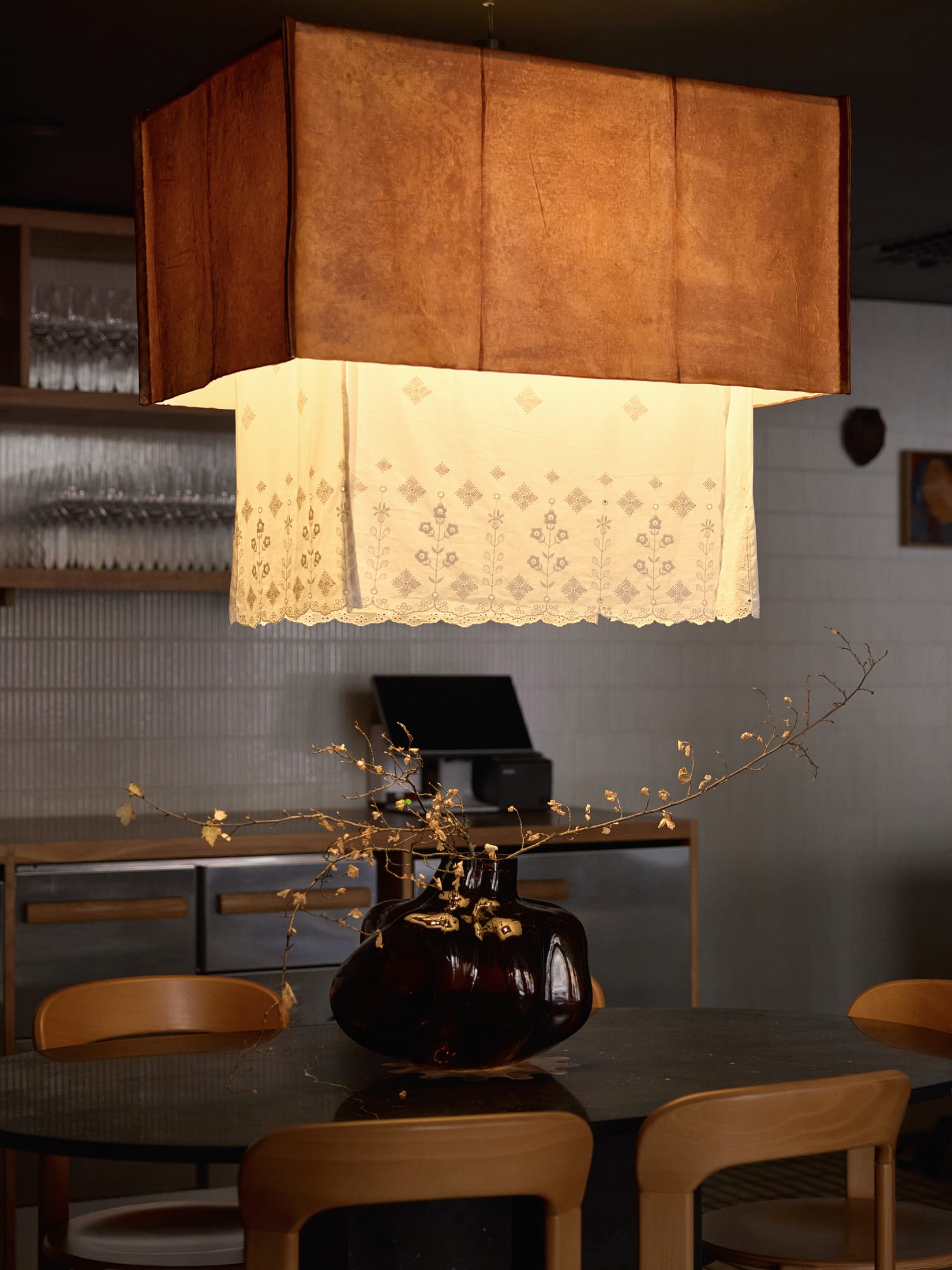
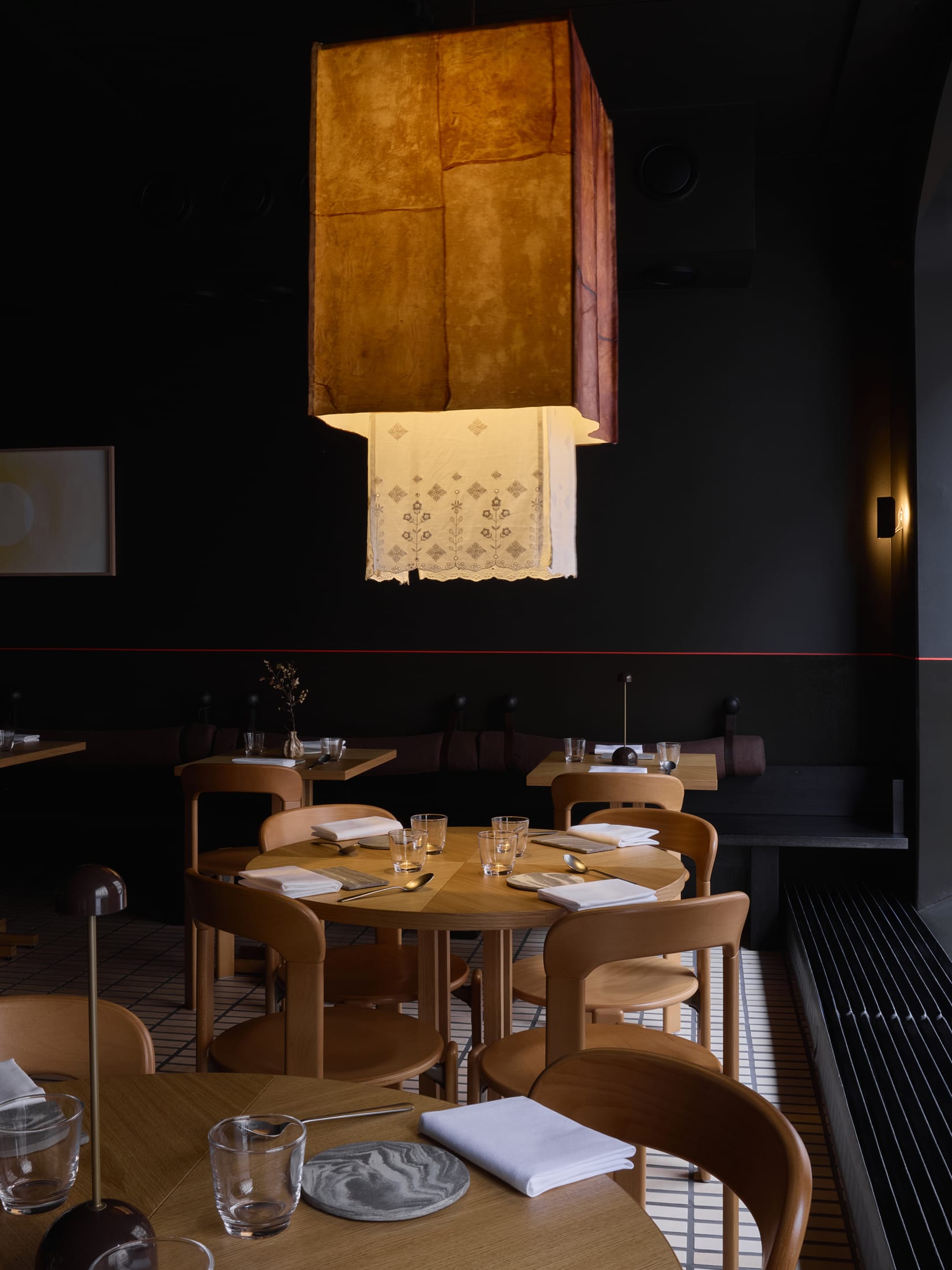
In line with the commitment to sustainable materials, Boreal features some of the most innovative lighting solutions I’ve encountered in years. The pendant lights are not made of plastic or glass; they are grown from kombucha cultures.
These bio-fabricated shades provide a soft, organic diffusion of light that mimics the way sunlight filters through a canopy of leaves. They are fully biodegradable and represent the cutting edge of 2026 eco-friendly design. Combined with the amber reflections on the dark glossy floor tiles, the lighting creates an atmosphere that subtly echoes the Northern Lights, casting an ethereal glow over the diners.
Contextualizing the Experience: 2026 Trends and Tours
Boreal is more than just a place to eat; it is a flagship for the "Best of Scandinavia" movement. As we look toward the 2026 Michelin Guide announcements, Boreal is already being whispered about as a top contender for a Green Star. Its dedication to zero-waste principles and energy-efficient operations puts it in the same conversation as legendary establishments like Jordnær in Copenhagen or Frantzén in Stockholm.
For those planning a visit, Boreal is a core stop on the "Best of Scandinavia Tour" (scheduled for April 2026) and is frequently cited in the "New Nordic: Cuisine, Aesthetics and Place" exhibition. It represents the maturation of sustainable luxury—where the "luxury" is found in the purity of the materials and the honesty of the craft.
As night falls in Helsinki, the restaurant undergoes a transformation. The amber floor reflections deepen, and the reclaimed timber walls seem to glow from within. It is a reminder that even in our modern, high-tech world, there is nothing more sophisticated than a well-placed piece of wood and a well-cooked meal from the forest.
FAQ
What makes Boreal's design "sustainable" compared to other restaurants? Boreal goes beyond surface-level aesthetics. 85% of its interior is made from reclaimed or regional Finnish timber, which significantly lowers the project's carbon footprint. Additionally, the use of bio-fabricated kombucha lighting and an energy-efficient "nomadic" layout reduces long-term environmental impact.
Is the menu at Boreal suitable for vegetarians? Yes. Because Chef Pavel Demin focuses on hyper-seasonal and foraged ingredients, the menu is heavily plant-forward by nature. While they do serve responsibly sourced game, the seasonal vegetables and wild fungi are the true stars of the experience.
Do I need to book in advance for the 2026 season? Absolutely. Given its status as a Michelin contender and its small 117-square-metre footprint, Boreal is one of the most sought-after reservations in Helsinki. It is recommended to book at least 2-3 months in advance.