Quick Facts
- Host Philosophy: Nina views cooking as a grounding ritual to disconnect from a high-velocity acting career and digital distractions.
- Signature Dish: Bulgarian Banitsa—a savory pastry featuring phyllo dough, feta, and spinach, served every Christmas Eve.
- Signature Drink: The classic 3-2-1 Aperol Spritz (3 parts Prosecco, 2 parts Aperol, 1 part soda water).
- Design Aesthetic: "California-Cool" meets 1929 Spanish architecture, characterized by high-contrast black accents and soulful, storied decor.
- 2026 Trend Forecast: A major shift toward interactive bar stations (favored by 85% of millennial hosts) and "nostalgic comfort foods."
The Healing Power of the Kitchen
For Nina Dobrev, the kitchen isn't just a place to prep a meal; it’s a sanctuary for mental recalibration. In an industry defined by rigid call sheets and constant travel, the act of following a recipe offers a rare sense of control and creative surrender. Nina describes her process as "destroying the kitchen"—a chaotic yet therapeutic ritual where the mess is a byproduct of pure presence.
"When I'm in the kitchen, I'm not Nina the actress or Nina the traveler," she often notes. "I'm just someone focused on the sizzle of a pan or the specific fold of a pastry." This philosophy centers on the idea of the "Zen vibe"—shutting off the phone, igniting a few candles, and letting the tactile experience of cooking act as a bridge between a frantic workday and a relaxed evening.
To set the mood, the playlist is non-negotiable. Whether it’s the disco-infused grooves of Parcels or the high-energy anthems of Chappell Roan, the music serves as the signal that the "host" version of herself has arrived. It’s about the transition—moving from the external noise of the world to the internal rhythm of the home.

Designing the Space: California-Cool Meets European Soul
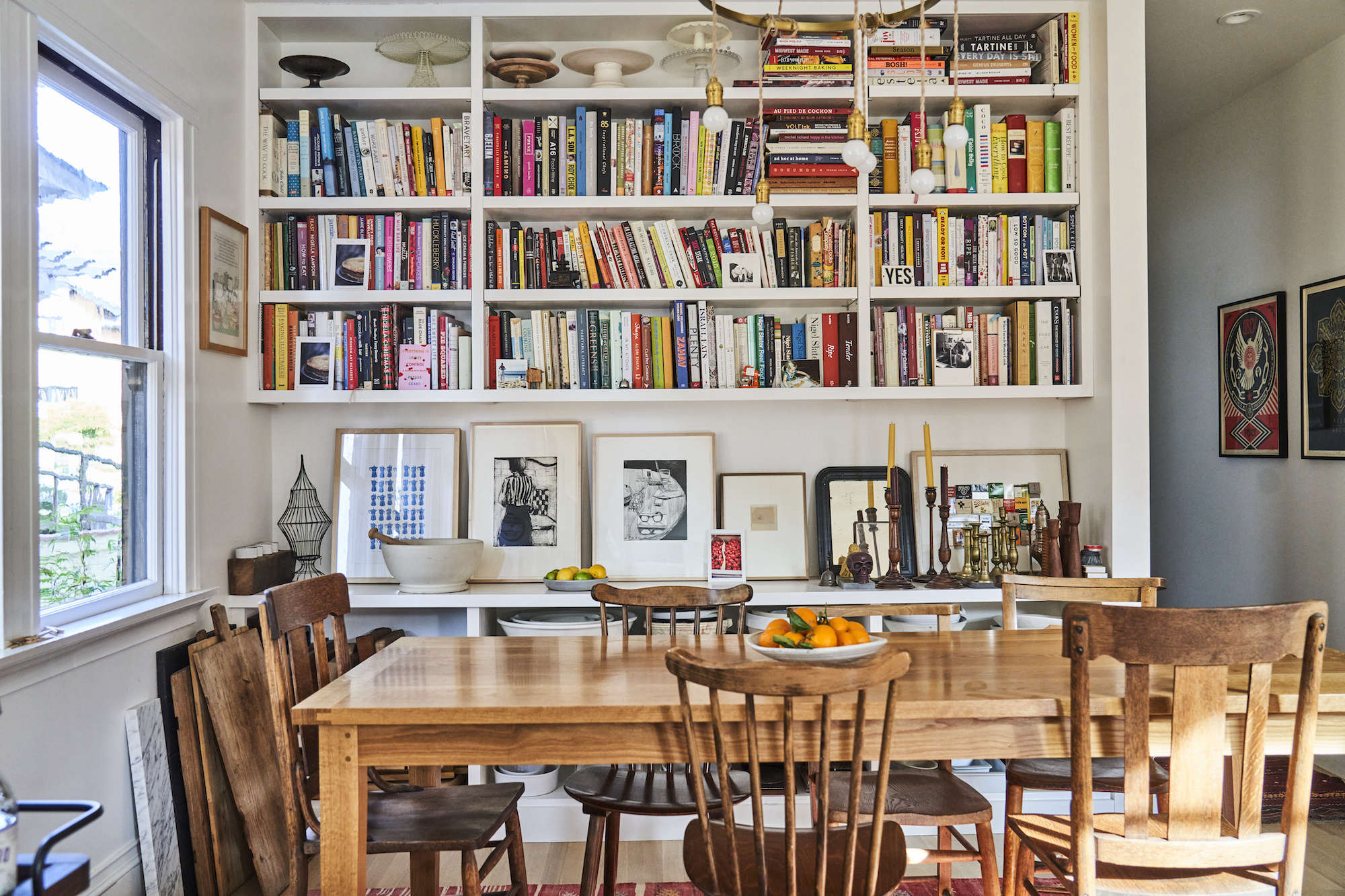
As an editor, I’m always fascinated by how a host’s environment dictates the flow of a party. Nina’s home—a stunning 1929 Spanish-style residence—is a masterclass in balancing heritage with modern "California-cool." The bones of the house are historic, but the energy is decidedly fresh.
One of the most striking elements of her interior style is the use of high-contrast decor. In many rooms, Nina employs bold black accents—think matte black window frames or sculptural furniture—to add a sophisticated edge to otherwise feminine, airy spaces. This creates a "Zen vibe" that doesn't feel washed out; it feels grounded.
The secret to her effortless elegance lies in the details. Nina populates her home with storied items collected from her global travels, ensuring that every corner tells a story. For those looking to replicate this at home, it’s about curation over accumulation. Choose pieces that have emotional resonance, and don't be afraid to mix a vintage wooden table with sleek, modern lighting.
2026 Entertaining Trends: From Perfection to Personality
The landscape of hosting is shifting. While the previous decade was defined by "Pinterest-perfect" tablescapes that guests were almost afraid to touch, the forecast for 2026 indicates a move toward "lived-in" luxury and radical hospitality.
According to recent market data, 85% of millennial hosts now prefer 'interactive bar stations' over traditional beverage service. This trend is driven by a desire to foster deeper social connections; when guests are building their own drinks, they are moving, talking, and engaging with the space rather than sitting stagnantly.
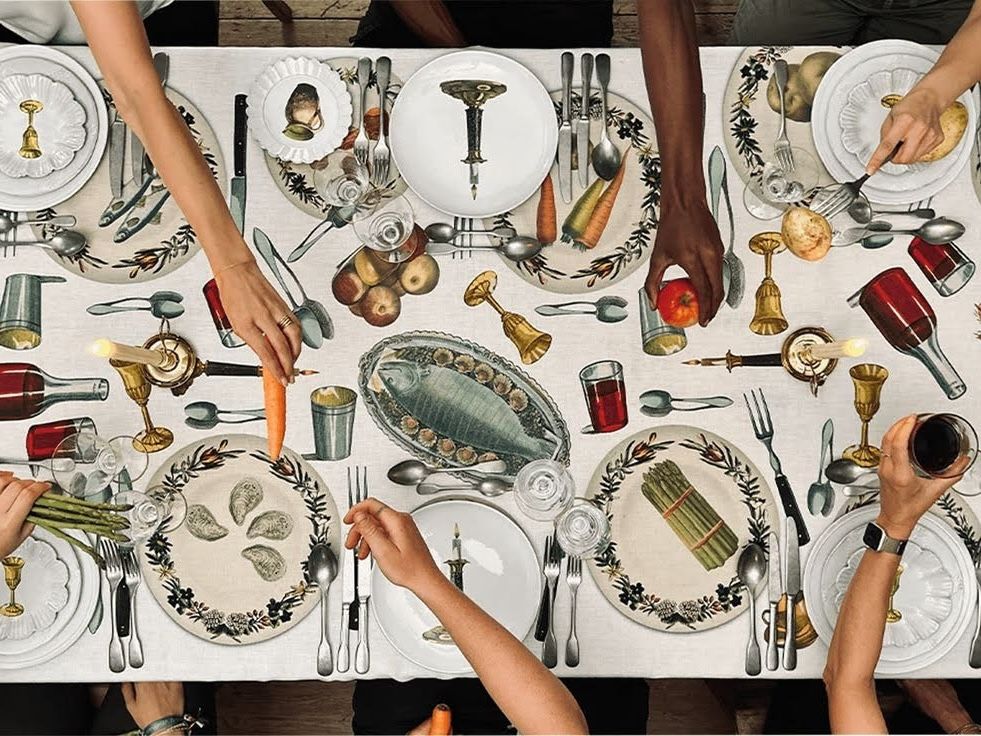
We are also seeing the rise of "Tables That Glow." Hosts are moving away from harsh overhead lighting in favor of cordless, rechargeable lamps and "Garden-Inspired Tablescapes" that bring the outdoors in, regardless of the season. The goal for 2026 is a "Hyper-local" and "Globally Curated" menu—dishes that tell a story of where you are and where you’ve been.
Nostalgia on the Menu: The Bulgarian Banitsa
In a world of fusion cuisine and molecular gastronomy, Nina Dobrev returns to her roots for her most celebrated dish. Recent hosting trends show a 60% increase in interest for "nostalgic comfort foods," as hosts prioritize emotional resonance over culinary complexity. For Nina, this means the Banitsa.
A traditional Bulgarian savory pastry, the Banitsa is a staple of her Christmas Eve celebrations. It’s a labor-intensive but rewarding dish made with layers of paper-thin phyllo dough, whisked eggs, and a generous amount of crumbled feta cheese and spinach.
Nina’s Hosting Tip: "The Banitsa is more than a recipe; it’s a memory. When you serve something that has a story attached to it—especially a childhood favorite—it immediately breaks the ice and gives your guests a glimpse into your history."
Pairing these heavy, nostalgic dishes with light, modern sides is the key to a balanced menu. It’s about honoring the past while keeping the meal fresh and approachable for a contemporary palate.
The Signature Pour: The 3-2-1 Aperol Spritz
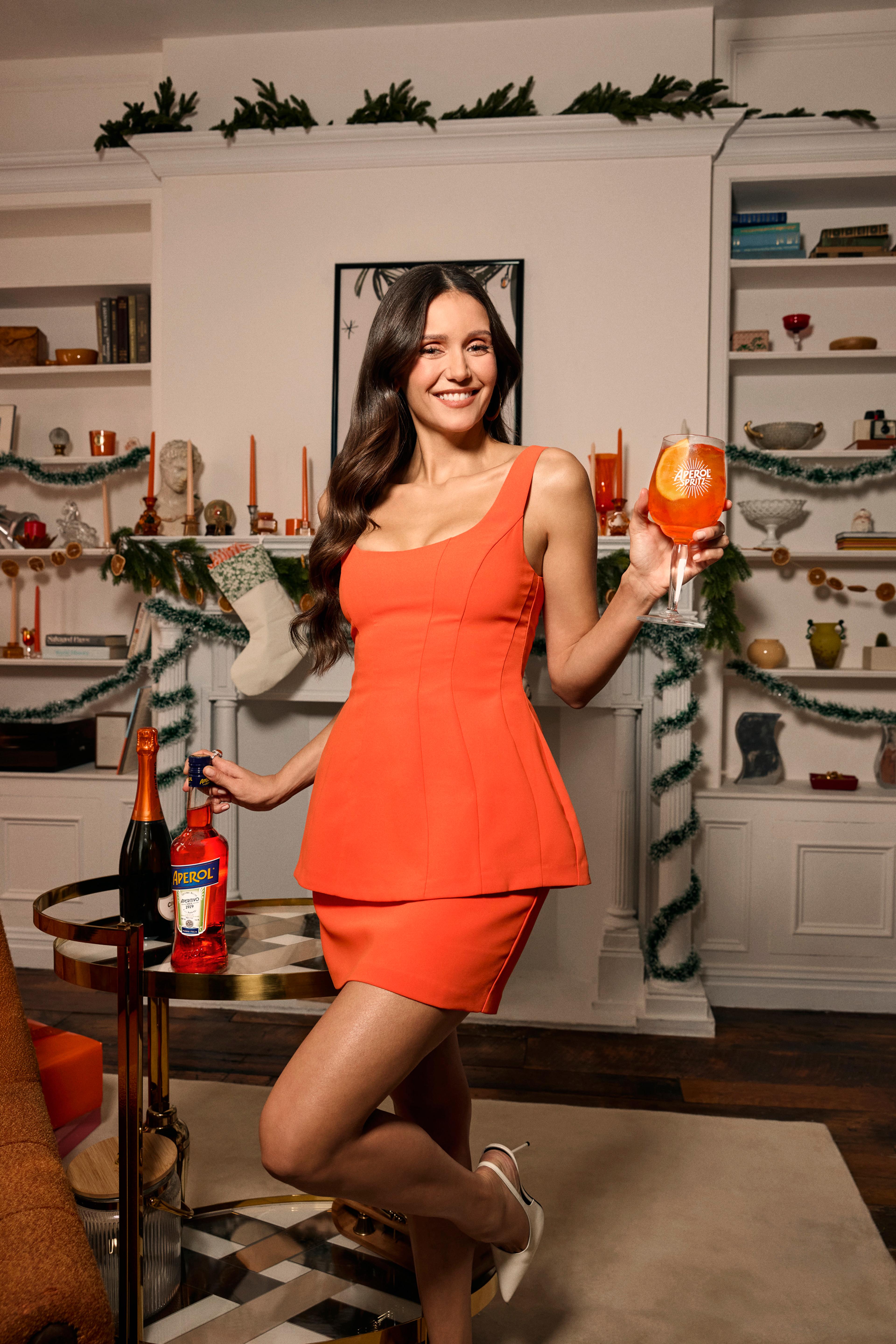
No Nina Dobrev gathering is complete without her go-to "social, connecting beverage." The Aperol Spritz has become synonymous with her hosting style because of its vibrancy and its simplicity. It’s the ultimate "low-lift, high-impact" cocktail that works as well at a summer poolside hang as it does during a festive holiday dinner.
The beauty of the Spritz is its accessibility. Following the "Rule of Three," the 3-2-1 recipe ensures a perfect balance of bitter, sweet, and effervescent every single time.
The 3-2-1 Aperol Spritz Recipe
- 3 Parts Prosecco D.O.C.: Choose a dry (brut) Prosecco to keep the drink crisp.
- 2 Parts Aperol: The heart of the drink, providing that iconic orange hue and herbal complexity.
- 1 Part Soda Water: A splash of club soda to add extra lift and bubbles.
- The Method: Fill a large wine glass to the brim with ice. Pour in the Prosecco, followed by the Aperol, and finish with the soda.
- The Garnish: Stir gently to combine and garnish with a fresh orange slice to enhance the citrus notes.

Creating the 'Instant Bar': The Interactive Station
To lean into that 2026 trend of interactive hosting, Nina often sets up a DIY Spritz station. This removes the pressure from the host to play bartender all night and allows guests to customize their drinks to their preferred strength.
One of my favorite styling tips from Nina's playbook is the use of "brown paper chic." Cover a sideboard or kitchen island with brown butcher paper and use a marker to hand-draw the 3-2-1 ratios directly onto the paper next to the ingredients. It’s whimsical, informative, and makes cleanup a breeze.
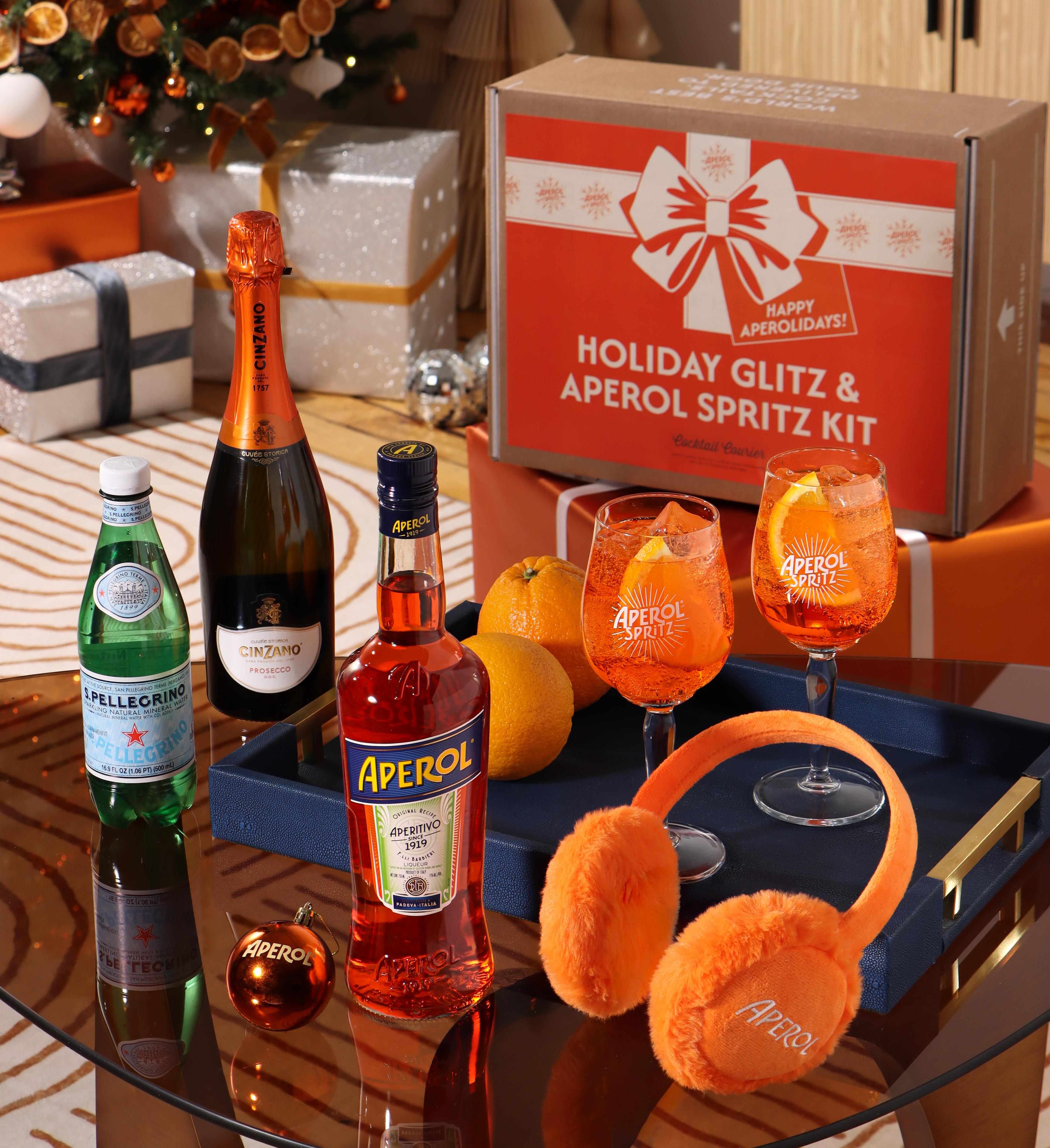
For those attending a party rather than hosting, the "Aperol Holiday Spritz Kit" has emerged as the perfect hosting gift. It provides everything needed to recreate the professional bar experience at home, making it a thoughtful, functional contribution to the night’s festivities.
By focusing on these interactive elements, you move the party away from the "service" model and toward a "shared experience" model. This is where the magic happens—where guests feel at home, and the host can actually enjoy the party they worked so hard to create.
FAQ
Q: How does Nina Dobrev keep her hosting style stress-free? A: Nina prioritizes "low-lift" elements like the 3-2-1 Spritz and interactive stations. By delegating the drink-making to the guests and focusing on one or two "hero" dishes like the Banitsa, she reduces the time spent stuck in the kitchen and increases the time spent connecting with friends.
Q: What is the key to the 'California-Cool' interior look? A: It's all about the mix. Blend historic architectural details with modern, high-contrast elements (like black steel or dark wood). Add warmth through storied, curated items from your travels to ensure the space feels like a home, not a showroom.
Q: Why is cooking considered 'therapy' for busy professionals? A: Cooking requires a unique blend of focus and creativity. Following a recipe demands that you stay in the present moment, which effectively "shuts off" the background noise of work and social media. The tactile nature of chopping, stirring, and tasting provides a sensory grounding that few other hobbies offer.
Bring the Style Home
Hosting like Nina Dobrev isn't about having a Hollywood budget; it's about having a Hollywood mindset—one that values the guest experience and the host’s mental well-being equally. Whether you're layering phyllo dough for a Banitsa or pouring the perfect 3-2-1 Spritz, remember that the goal is connection.
Ready to elevate your next gathering? Start by simplifying your menu and making your bar interactive. Your guests (and your stress levels) will thank you.