Our Top Picks
- The Vibe: An intimate, "built-by-hand" sanctuary that feels like a chic Parisian bistro met a bustling Hanoi street corner.
- Design Highlight: The signature cobalt blue accents—look for them on the schoolhouse chairs and the exterior awning.
- Must-Order: The French-onion soup with pho spices and any of the rotating vol-au-vents, paired with a glass of funky natural wine.
- Best For: Design lovers who appreciate sustainable, thrifted aesthetics and anyone who followed the "Ha’s Dac Biet" pop-up cult.
From Pop-Up Cult Hero to Lower East Side Landmark
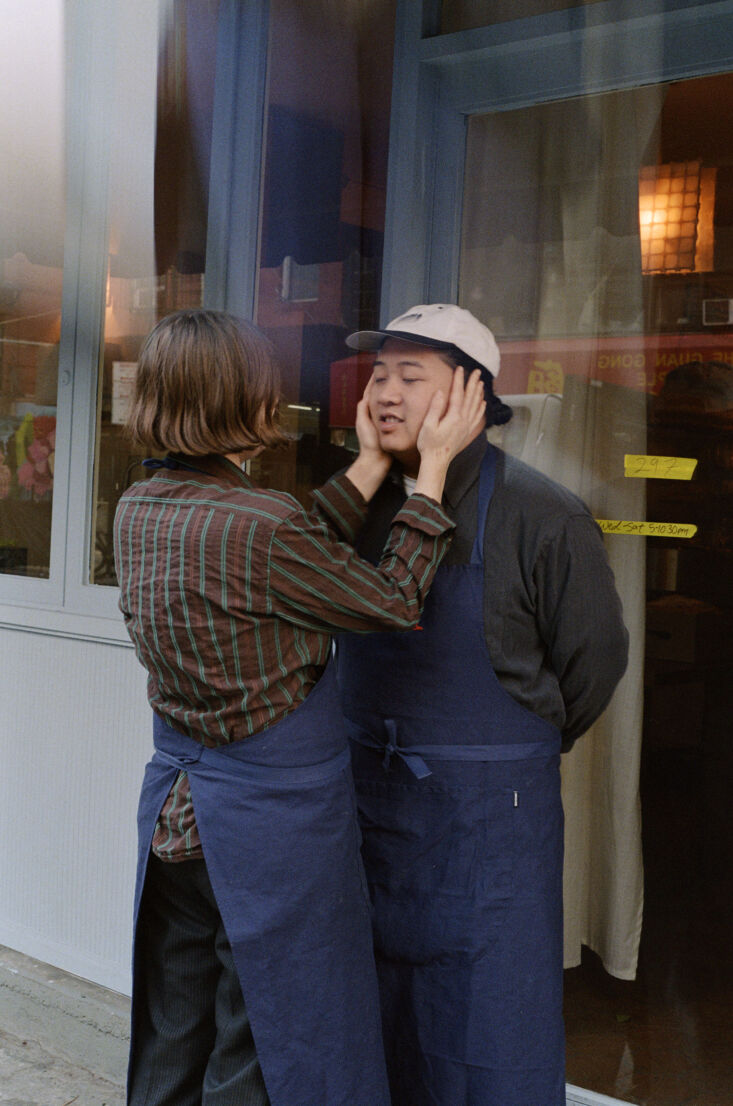
There is a specific kind of electricity that hums through the Lower East Side when a nomadic legend finally puts down roots. If you’ve spent any time tracking the New York food scene over the last few years, the name "Ha’s Dac Biet" likely conjures images of long lines, sidewalk plastic stools, and some of the most vibrant Vietnamese flavors to ever hit a paper plate. Founded by Anthony Ha and Sadie Mae Burns, the pop-up series became a "monstrous hit" across the United States, known for its uncompromising quality and ephemeral nature.
But as any interior stylist will tell you, the transition from a nomadic kitchen to a permanent brick-and-mortar home is the ultimate test of brand soul. When Ha’s Snack Bar finally debuted on Broome Street, it wasn't just a culinary opening; it was the arrival of a new era of Vietnamese dining in Manhattan—one that bridges the gap between a sophisticated bistro and a cozy, itsy-bitsy snack bar.
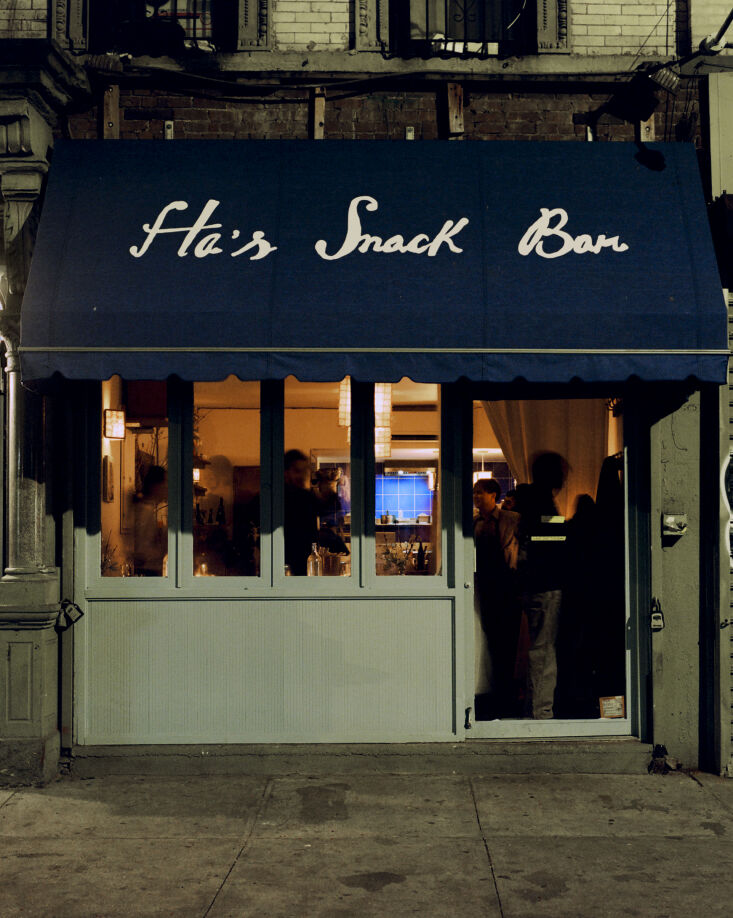
Where did Ha’s Snack Bar originate? It is the permanent evolution of that very pop-up, a space where the frenetic energy of the street meets the intentionality of a fixed address. From the moment you spot the cobalt blue awning, you realize this isn't just a place to eat; it’s a physical manifestation of Anthony and Sadie’s journey.
The DIY Aesthetic: A Masterclass in Repurposed Design
As an editor, I often see spaces designed by high-end firms that look beautiful but feel hollow. Ha’s Snack Bar is the antithesis of that. This space was built with what Anthony and Sadie call a "two hands" philosophy. Without the intervention of a formal design firm, the duo meticulously curated every inch of the compact restaurant themselves, resulting in a DIY aesthetic that feels incredibly elevated.
The foundation of the room is warmth. They utilized repurposed cherry wood for the furniture and bar, lending a rich, organic texture that contrasts beautifully with the hexagonal terracotta floors. There’s a tactile quality to the wood that makes you want to run your hand along the counter while waiting for your pâté.
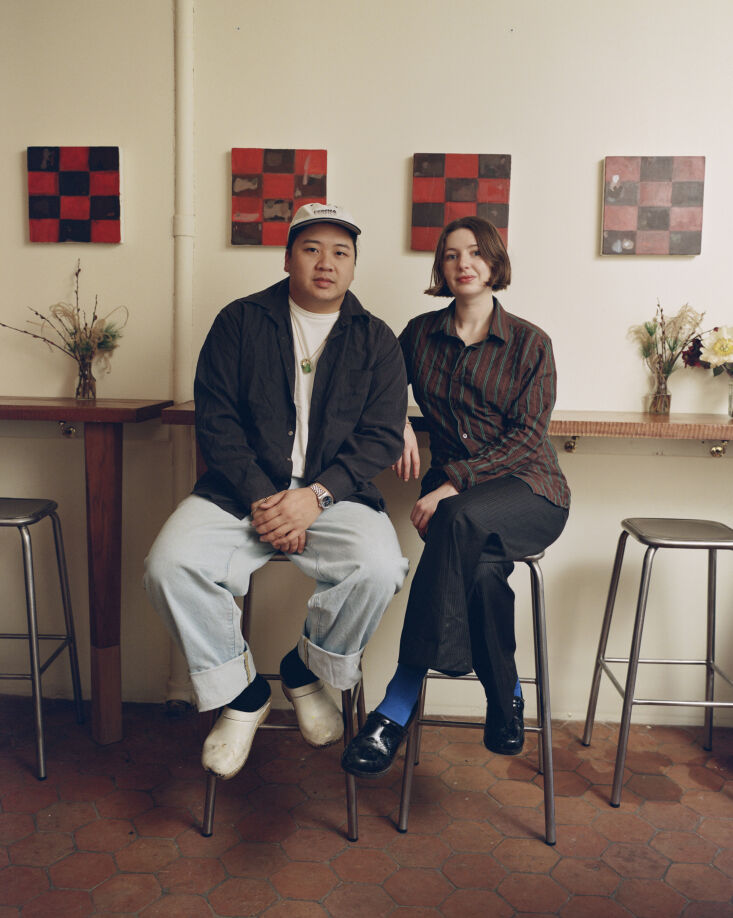
What truly anchors the space, however, is the "Cobalt Blue" signature. In a world of neutral-toned "Millennial Pink" or "Sage Green" restaurants, the choice of such a bold, primary hue is refreshing. The blue isn't just a random splash; it’s integrated into four distinct architectural elements that define the brand:
- The Bar Tile Border: A sharp, clean line of cobalt that frames the service area.
- The Kitchen Walls: Peeking through the pass, the blue provides a high-contrast backdrop for the culinary action.
- The Chair Frames: Reimagined English schoolhouse chairs painted in that same striking shade.
- The Exterior Awning: Serving as a beacon for hungry passersby on Broome Street.

Sustainable Curation: The 100% Thrifted Tabletop
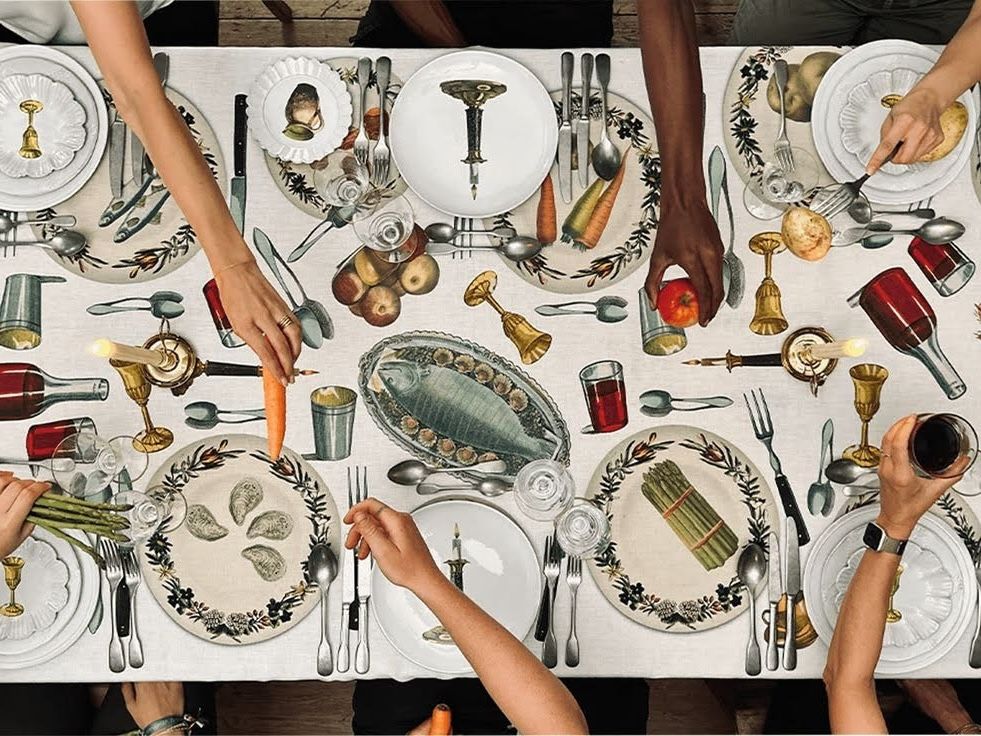
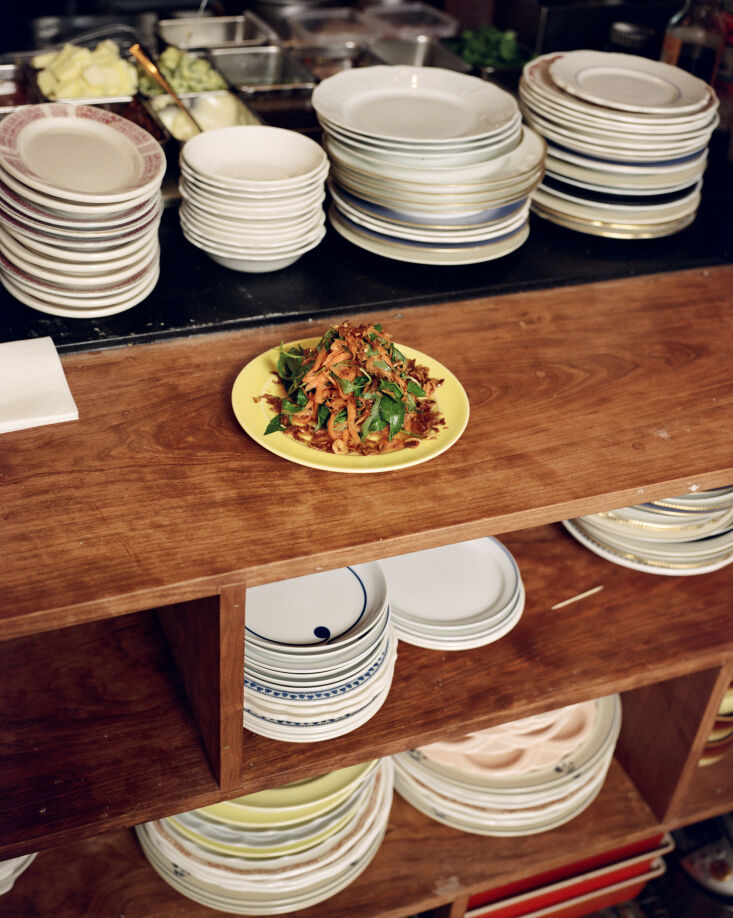
One of the most impressive statistics about Ha’s Snack Bar—and one that should serve as an inspiration for any home decorator—is that the restaurant utilizes 100% repurposed or thrifted plateware. In a high-volume Manhattan restaurant, the standard move is to order hundreds of identical white plates from a commercial supplier. Instead, Anthony and Sadie spent months scouring vintage shops and estate sales.
The result is a tabletop experience that feels like a curated dinner party at a friend's house. You might find your spring rolls served on high-end vintage porcelain from German houses like Rosenthal, while your natural wine glows in a delicate, mismatched glass. This commitment to sustainability doesn't just reduce waste; it adds a layer of "intentional soul" that modern diners crave.
Design Tip: Mixing high-end vintage porcelain with casual linens creates an "effortless" luxury. Don't be afraid to hunt for Rosenthal or other German porcelain houses at thrift stores; their durability and timeless patterns are perfect for daily use.
Beyond the plates, the space is layered with emotional history. Interspersed among the professional kitchen gear are family heirlooms that ground the restaurant in personal narrative. Sadie’s grandfather’s Buddha sits watchfully in the room, and the floral arrangements—often featuring seasonal, wild-feeling stems—are designed by Sadie’s mother. These touches transform a commercial space into a "homey and cozy" sanctuary.

The Menu: French-Inflected Small Plates & Natural Wine
So, what exactly is Ha’s Snack Bar in terms of flavor? At its core, it is a compact Vietnamese restaurant that leans heavily into French culinary influences—a nod to the complex colonial history of Vietnamese cuisine, reimagined through a modern New York lens.
The menu is a tight list of "bites" and small plates designed to be shared. The culinary style is both rustic and refined. You’ll find:
- French-Onion Soup with Pho Spices: A brilliant bridge between two cultures, offering the comfort of melted Gruyère with the aromatic depth of star anise and cinnamon.
- Rustic Pâté: Served with crusty bread from local favorite Balthazar Bakery, it’s a nod to the classic banh mi components elevated to a standalone dish.
- The Vol-au-Vent: A puff pastry shell filled with seasonal ingredients that changes regularly, showcasing the kitchen's French technical prowess.
The drink program is equally curated, focusing on natural wines that possess the "languorous funk" necessary to stand up to the bold, herbaceous notes of the food. It’s the kind of place where you come for a quick nosh and find yourself three hours deep into a bottle of orange wine, mesmerized by the blue-tiled walls.
Beyond the Snack Bar: The Evolution into Bistrot Ha
The success of the Snack Bar has allowed the couple to expand their vision. Just around the corner, they’ve opened Bistrot Ha, a larger, marble-topped sibling that offers a more traditional bistro experience. While the Snack Bar is about intimacy and quick, punchy bites, Bistrot Ha allows for a full-meal experience.
The relationship between the two spaces is symbiotic. The Snack Bar remains the "soul" of the operation—the experimental, DIY heart where the cobalt blue aesthetic reigns supreme. As night falls, the Snack Bar transforms into a bustling Lower East Side destination, crowded with locals and visitors who appreciate the intersection of high-design and low-key vibes.
Why Intentional Design Defines the Future of NYC Dining
In a competitive Manhattan market, Ha’s Snack Bar stands out because it refuses to look like a "concept." Every piece of cherry wood, every Rosenthal plate, and every brushstroke of cobalt blue was chosen by the people who cook the food and greet you at the door.
This intentionality is what the "New Era" of dining looks like. It’s not about the biggest budget or the most famous architect; it’s about personal history, sustainable choices, and a design language that feels as authentic as the recipe for the pho-spiced soup. Ha’s Snack Bar isn't just a place to eat—it's a masterclass in how to build a space that tells a story.
FAQ
Where exactly is Ha's Snack Bar located? You can find it in Lower Manhattan on Broome Street. It’s nestled in the heart of the Lower East Side, a neighborhood known for its rich history and vibrant dining scene.
Do I need a reservation for Ha's Snack Bar? The Snack Bar is designed to be intimate and casual. While they do accept some bookings, it maintains a "walk-in friendly" vibe for those looking for natural wine and small plates. For a more formal sit-down meal, you might consider their sibling location, Bistrot Ha.
What is the "Dac Biet" in their original name? In Vietnamese, "Dac Biet" typically refers to the "house special" or "extra special" version of a dish (like a pho dac biet). It perfectly encapsulated the "special" nature of their limited-run pop-ups before they opened their permanent home.
CTA
Ready to bring the "Ha’s Snack Bar" aesthetic into your own home? Start by mixing thrifted vintage finds with bold, intentional color accents.