After five decades behind a professional range, you learn that a kitchen isn’t a showroom—it’s a high-performance engine. I recently sat down with Phyllis Grant, whose half-century of culinary mastery has culminated in a kitchen remodel that challenges almost every "modern" design trope. Her perspective is a masterclass in what I call "Practical Magic": the intersection of professional-grade durability and the warmth of a family home.
A professional-style home kitchen isn't defined by expensive gadgets, but by its ability to prioritize durability and workflow. In its truest form, it utilizes stainless steel counters for heat resistance, integrated sinks for hygiene, and open shelving for instant access to tools. It is a space designed for someone who actually cooks, rather than someone who merely wants a beautiful backdrop for a dinner party.
The 'Workhorse' Philosophy: Prioritizing Workflow
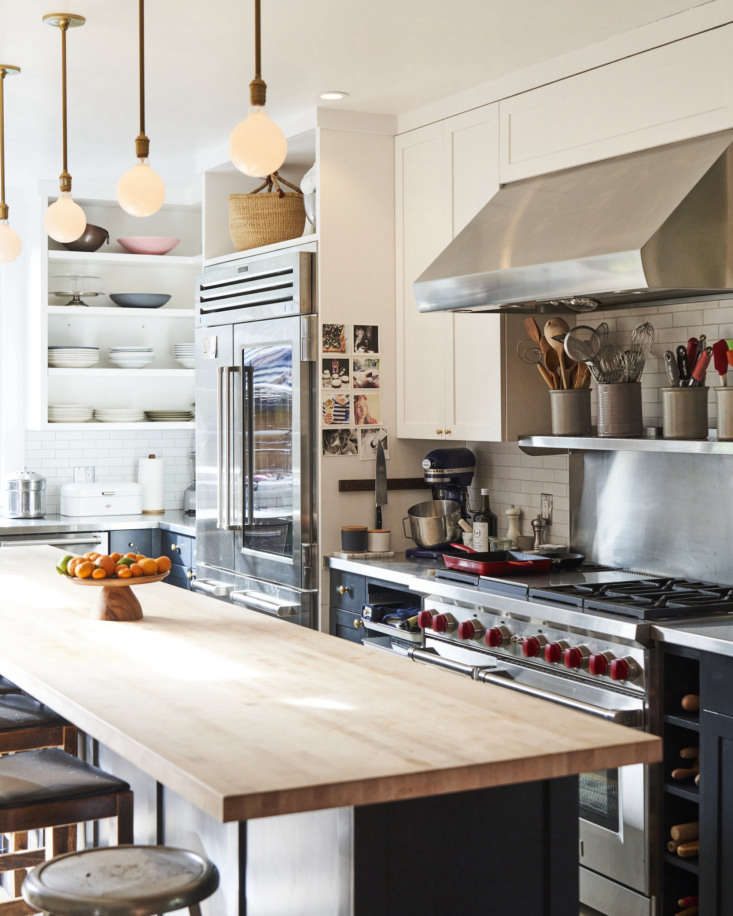
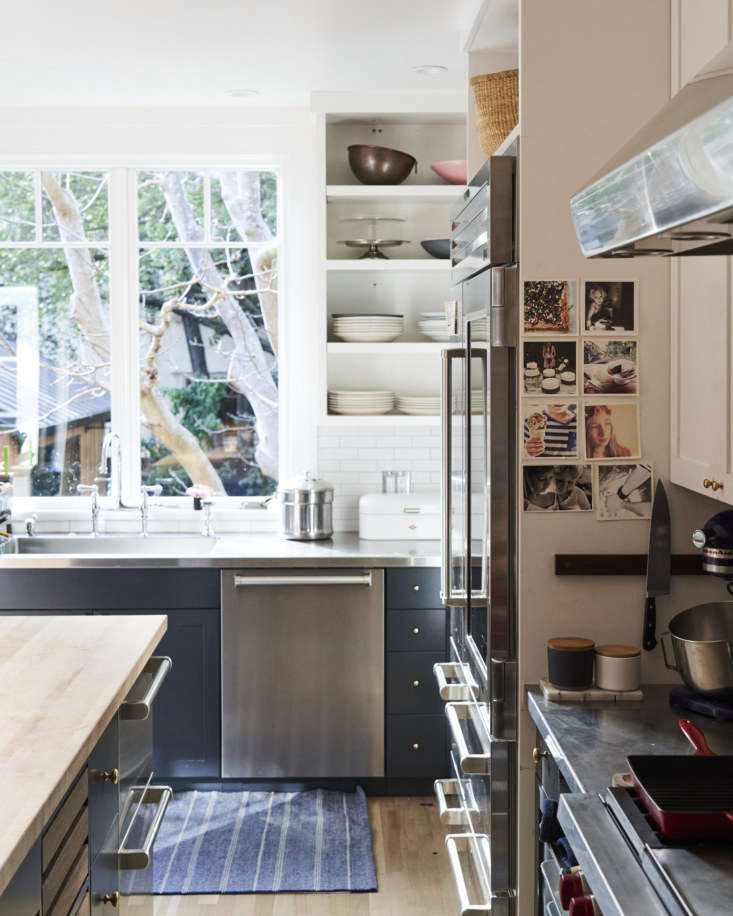
In a restaurant line, every second counts. In a home kitchen, every unnecessary step adds up to fatigue. The "Workhorse" philosophy treats the kitchen as a series of zones—Prep, Cook, and Clean—that must interact without friction. Grant’s approach emphasizes the "Integrated Sink" advantage. By welding a stainless steel sink directly into a stainless countertop, you eliminate the "gunk" that inevitably collects in the seams of undermount or drop-in sinks.
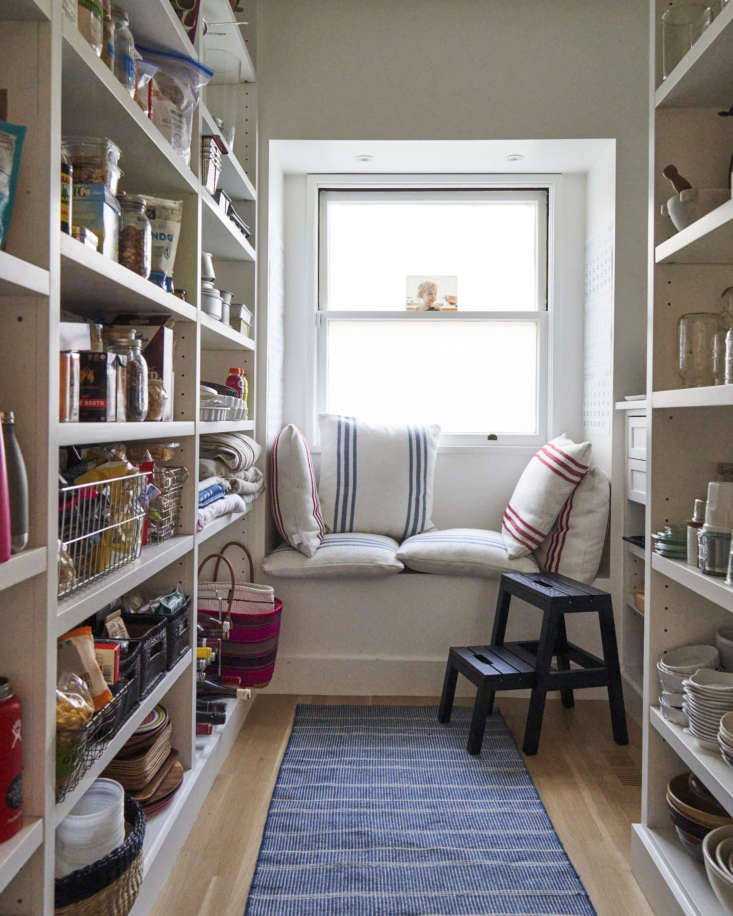
Efficiency also means rethinking storage. While the "minimalist" trend pushes everything behind closed cabinet doors, professional chefs prefer open shelving or speed racks. When you’re mid-sear, you don’t want to be hunting through a junk drawer for a pair of tongs.
Lessons from the Pro Line:
- The 360-Degree Reach: Keep your most-used oils, salts, and utensils within an arm’s length of the primary burner.
- Integrated Drainage: Consider a slightly pitched countertop toward the sink to make "squeegee" cleaning a 10-second task.
- Durable Surfaces: If you can't put a hot Dutch oven directly on the counter, the material is failing the professional test.
Ergonomics and the 'One-Inch' Rule
Most residential kitchens are built to a standard 36-inch counter height. However, after 50 years of leaning over a prep station, your lower back will tell a different story. One of the most significant expert lessons from professional design is the value of custom counter heights.
Raising kitchen counter heights by just 1 inch—to 37 inches—is estimated to significantly reduce lumbar fatigue for residential cooks during extended meal preparation. This subtle shift prevents the cook from leaning over too far, keeping the spine in a more neutral position. For taller individuals, even a 38-inch counter can be a life-changer.
Beyond height, the concept of "Landing Zones" is crucial. A professional kitchen requires at least 15 inches of clear space on either side of an appliance, such as a refrigerator or oven. This ensures you have a safe place to set hot trays or heavy groceries immediately, reducing the risk of accidents and physical strain.
2026 Layout Trends: The Shift to the 'Workhorse Island'
As we look toward 2026, the era of the "Open Plan" kitchen is cooling off. Homeowners are beginning to realize that while seeing the living room is nice, hearing the dishwasher while watching a movie is not. We are seeing a shift toward "closed concepts" or semi-private cooking zones that offer a quiet escape from the rest of the house.
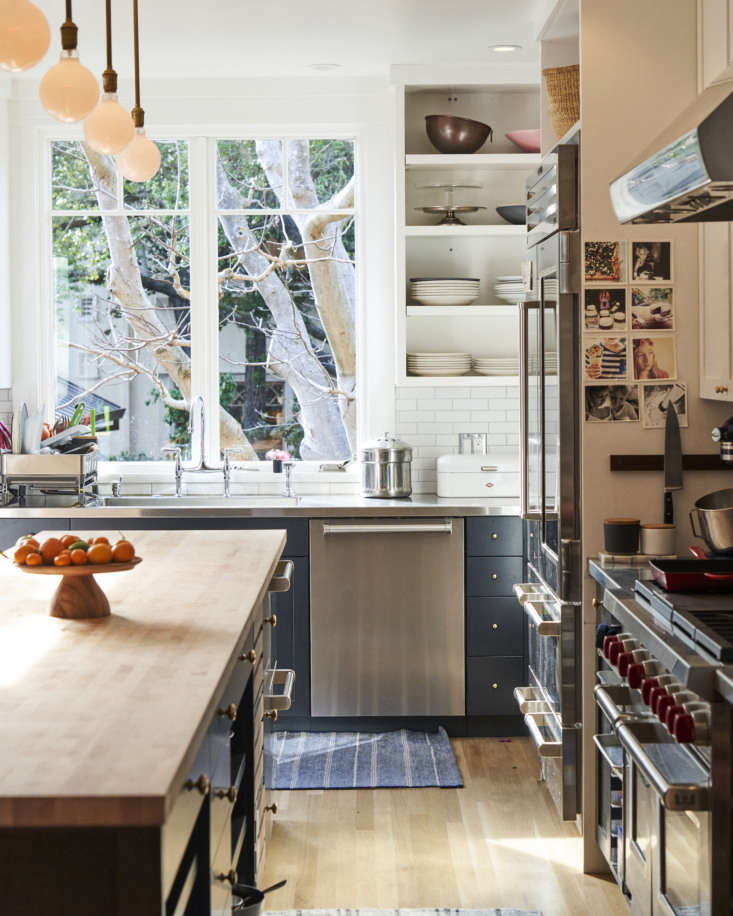
The centerpiece of this movement is the "Workhorse Island." Industry forecasts for 2026 suggest that over 60% of modern kitchen renovations will prioritize these functional hubs to eliminate the need for heavy wall-to-wall cabinetry. Instead of being a mere seating area, the island now integrates the primary sink, a built-in butcher block, and specialized storage for heavy mixers or food processors.
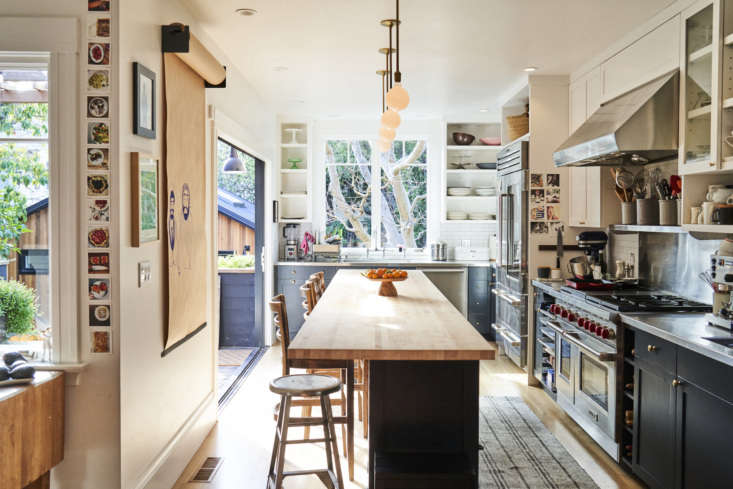
This trend allows the perimeter walls to remain open or feature windows, letting in natural light and making the kitchen feel like a workshop rather than a storage locker.
Material Selection for Longevity
If you want a kitchen that lasts 50 years, you have to choose materials that age with grace. Stainless steel is the gold standard for a reason: it’s non-porous, heat-resistant, and virtually indestructible. However, to avoid the "commercial coldness" of a hospital kitchen, pros recommend blending textures.
Pairing architectural stainless steel with tonal wood pulls or a 12-foot maple butcher block creates a balanced aesthetic. Butcher block, in particular, serves as the ultimate prep station. While quartz is popular for its low maintenance, a true "chef's kitchen" often favors thin-profile quartz (1.2cm to 2cm) for a sleek, modern look that doesn't feel bulky.
Editor’s Tip: When using stainless steel, embrace the scratches. A professional kitchen wears its history like a badge of honor. After a year of use, individual scratches blend into a beautiful, soft patina that is much easier to maintain than a high-polish finish.
Technical Foundations for a Future-Ready Kitchen
Before you pick out your backsplash, you must nail the layout. Every home has a unique footprint, but these six core layouts remain the foundation of efficient design.
Comparison of the 6 Core Kitchen Layouts
| Layout Type | Best For | Pros | Cons |
|---|---|---|---|
| Galley | Small spaces / Pro Chefs | Extremely efficient; everything is a pivot away. | Can feel cramped; no room for guests. |
| Island | Large, social homes | Great for entertaining; distinct work zones. | Requires significant floor space. |
| L-Shape | Open-concept homes | Flexible; fits in corners; good flow. | Long distances between appliances if too large. |
| U-Shape | Maximum storage | Loads of counter space; very private. | Corners can become "dead zones" for storage. |
| Straight | Studios / Apartments | Saves space; low cost. | No work triangle; limited prep area. |
| Open | Modern families | Socially connected; great for multi-tasking. | Noisy; smells linger; requires constant tidiness. |
Technical Specs for the Future
- Smart Hub Pre-wiring: Ensure your island has power outlets with USB-C integration for tablets and smart scales.
- Motion-Activated Lighting: Under-cabinet LED strips should be motion-sensitive to avoid touching switches with messy hands.
- Sustainability: Opt for FSC-certified wood for cabinetry and low-flow, high-pressure faucets to reduce water waste without sacrificing cleaning power.
FAQ
Q: Will raising my counter height hurt the resale value of my home? A: Generally, no. While 36 inches is standard, the shift toward ergonomic design is becoming a selling point. If you are concerned, stick to a 1-inch increase (37 inches), which is subtle enough that most buyers won't notice it visually, but they will feel the comfort during the walkthrough.
Q: Isn't stainless steel hard to keep clean? A: It’s actually easier to sanitize than stone. While it shows fingerprints and water spots more readily, a quick wipe with a microfiber cloth and a drop of olive oil or specialized cleaner keeps it looking professional. It’s about "cleanliness" over "spotlessness."
Q: Can I achieve a professional kitchen on a budget? A: Absolutely. Focus on the "workhorse" elements first. Swap your faucet for a high-arc pre-rinse model, replace a section of your counter with a large butcher block, and install open wire shelving. These functional changes provide more value than expensive marble backsplashes.
Final Thoughts
Designing a kitchen after 50 years of experience isn't about following the latest Instagram trend; it’s about acknowledging how your body moves and how food is actually prepared. By prioritizing the "One-Inch Rule," embracing the "Workhorse Island," and choosing materials that can handle the heat, you aren't just building a room—you're building a legacy.