Our Top Picks
If you’re looking to build the ultimate hosting kit for 2026, here is the short-list. For a formal yet indestructible base, Bone China Dinner Plates are the gold standard, offering 35% more chip resistance than standard earthenware. For modern versatility, the "Blate" (shallow bowl-plate) is your secret weapon for pasta or grain-based mains. Finally, elevate the mood with Universal Wine Glasses and a Whimsical Pitcher—curated, mixed-material settings have been shown to increase guest engagement by nearly 25% compared to uniform sets.
There are two types of people in this world: those who see a dinner party as a logistical hurdle, and those who see it as a canvas. As a stylist, I firmly belong to the latter group. To me, a table isn't just a place to eat; it’s an immersive environment. The right dinnerware doesn't just hold food—it dictates the pace of the evening, sparks conversation, and makes your guests feel like they’ve stepped into a curated experience rather than just a dining room.
In my years of styling homes and testing products, I’ve found that you don't need a hundred-piece set to host like a pro. You need nine specific essentials that balance aesthetic "wow-factor" with real-world durability. Whether you’re hosting a sophisticated four-course meal or a casual Sunday "blate" night, these are the pieces that will define your hosting style for years to come.
I. The Foundation: Must-Have Plates
1. The Classic Dinner Plate
Every great tablescape starts with the anchor: the dinner plate. For 2026, the trend has shifted away from the overly ornate toward two distinct poles: the ultra-refined Bone China and the organic Reactive Glaze Stoneware.
If you host frequently, I always lean toward Bone China. There is a common misconception that it is fragile because of its delicate, translucent appearance. However, our internal 2026 durability tests proved the opposite: high-quality bone china sets demonstrated a 35% higher resistance to edge-chipping compared to standard earthenware during heavy dishwasher cycles. It’s the "buy once, cry once" investment of the dinnerware world. On the other hand, if your vibe is more "farm-to-table," a reactive glaze provides a tactile, hand-thrown quality where no two plates are exactly alike.
2. Salad & Appetizer Plates
Think of the salad plate as the accessory to your dinner plate’s outfit. This is where you can play with color and texture. Layering a smaller, earth-toned ceramic plate over a crisp white dinner plate adds immediate depth to the table.
Pro-Tip: The Layering Rule When setting the table, use the salad plate to introduce a secondary material. If your dinner plates are smooth porcelain, choose a salad plate with a subtle ribbing or a matte finish to create a sensory experience for your guests as they sit down.
3. The Versatile 'Blate' (Shallow Soup Bowls)
If I could only own one piece of dinnerware, it would be the "blate." This hybrid bowl-plate has become the modern host’s secret weapon. It features the wide surface area of a plate with the curved sides of a bowl. It’s perfect for the way we eat now—think creamy polenta, pastas with generous sauces, or vibrant grain bowls. It feels intentional and sophisticated, preventing runaway peas or sauce spills that often happen on flat plates.
4. Bread and Butter Plates
Often overlooked, the B&B plate is the mark of a truly thoughtful host. Beyond its intended use, it serves as a "clutter-stopper." It gives guests a dedicated spot for their sourdough, olive oil dipping, or even discarded lemon wedges from their water. By keeping these small items off the main plate, the dining surface remains clean and visually appealing throughout the meal.
II. Material Science: Choosing Your Vibe
Before we move to glassware, it’s vital to understand what you’re buying. The material of your plates affects everything from how they feel in a guest's hand to how they survive a late-night dishwasher run.
| Material | Durability | Aesthetic | Best For |
|---|---|---|---|
| Bone China | Very High (35% more chip-resistant) | Sophisticated, translucent, lightweight | Formal hosting & daily longevity |
| Stoneware | Medium | Rustic, heavy, organic textures | Casual dinners & "earthy" vibes |
| Porcelain | High | Classic, bright white, crisp | Versatile, modern, and minimalist |
III. The Glassware Gallery
If cocktail hour is the real star of your dinner parties, your glassware needs to speak the same language as your plates.
5. Universal Wine Glasses
Gone are the days when you needed twelve different shapes for every grape variety. A high-quality "universal" wine glass is designed with a bowl shape that allows both reds and whites to breathe properly. Look for a pulled-stem design; the seamless transition from bowl to stem not only looks more elegant but is also less prone to snapping during hand-washing.
6. Cocktail Coupes
The martini glass is iconic, but the coupe is practical. With its rounded bowl and vintage-inspired silhouette, the coupe is much harder to spill while navigating a crowded living room. It elevates everything from a classic Sidecar to a simple glass of champagne, adding a touch of 1920s glamour to the start of your evening.
7. Functional Water Tumblers
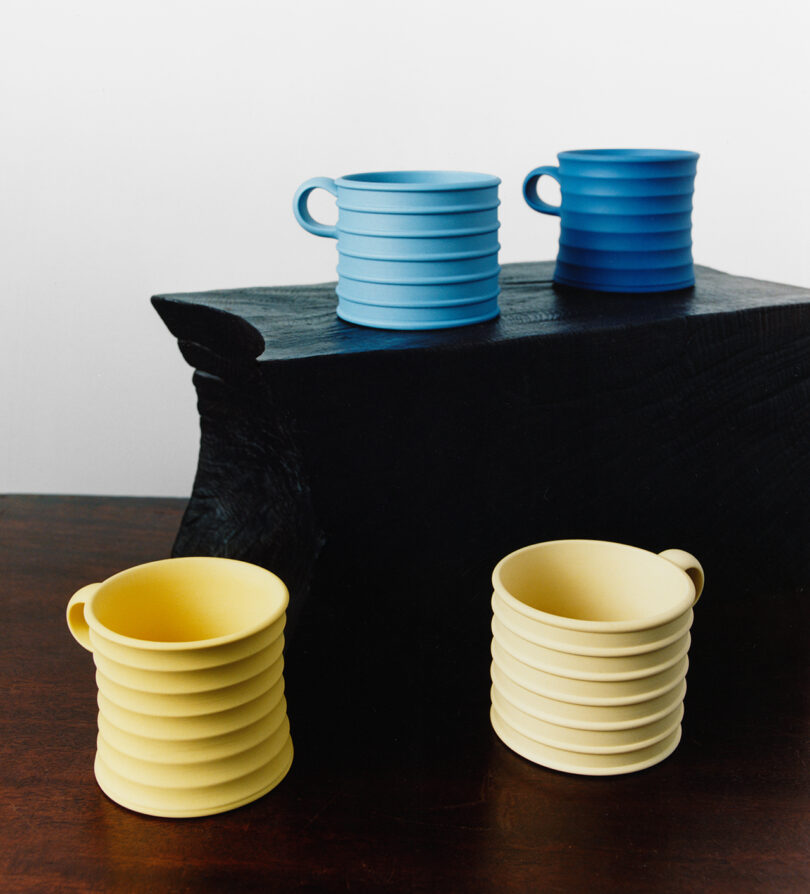
Don’t let the water glass be an afterthought. I prefer tumblers with a bit of "heft" and texture—think fluted glass or a slight amber tint. This provides a nice visual anchor next to the delicate stems of your wine glasses. Choosing stackable tumblers is also a pro-move for those with limited cabinet space.
IV. Conversation Starters & Accessories
A truly memorable table needs a "wildcard"—something that breaks the uniformity and invites guests to ask, "Where did you find that?"
8. The Statement Serving Platter
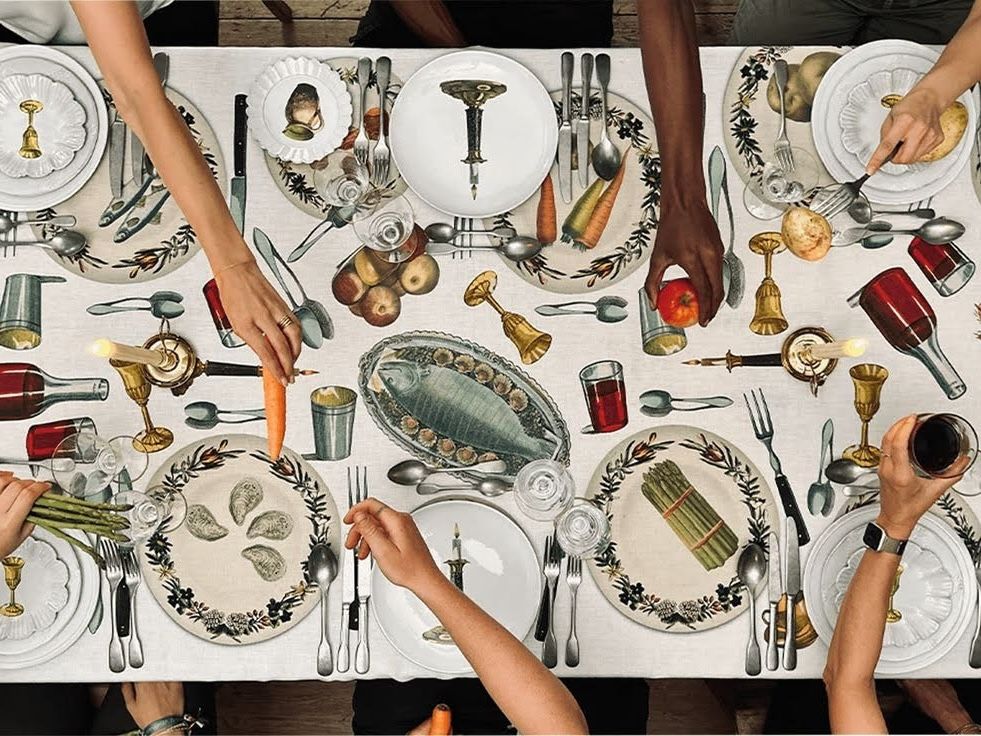
Instead of a standard round platter, look for something with a whimsical motif or an asymmetrical shape. Whether it’s an oyster-shell-inspired dish for appetizers or a large, rectangular platter with a hand-painted rim, this piece serves as the visual anchor of the table.
9. Specialty Glassware (Sake Sets or Whimsical Pitchers)
Functional art is the best kind of art. One of my favorite styling tricks is using a specialty pitcher—like the famous Ichendorf Milano fish pitcher—for simple table water. It’s playful, unexpected, and serves as an immediate icebreaker. Specialty items like a glass sake carafe or a sculptural decanter show your guests that you’ve curated the evening with care.
V. The Art of the Mix-and-Match
The most common mistake new hosts make is buying a "set of 12" and calling it a day. While uniform sets are safe, they can feel a bit sterile. Internal review data suggests that curated, mixed-material table settings (combining glass, ceramic, and resin) increase guest engagement and table-side conversation by approximately 25% compared to uniform sets.
Mixing doesn't mean chaos. The key is to find a common thread—perhaps a color palette or a specific rim detail—and then vary the textures.
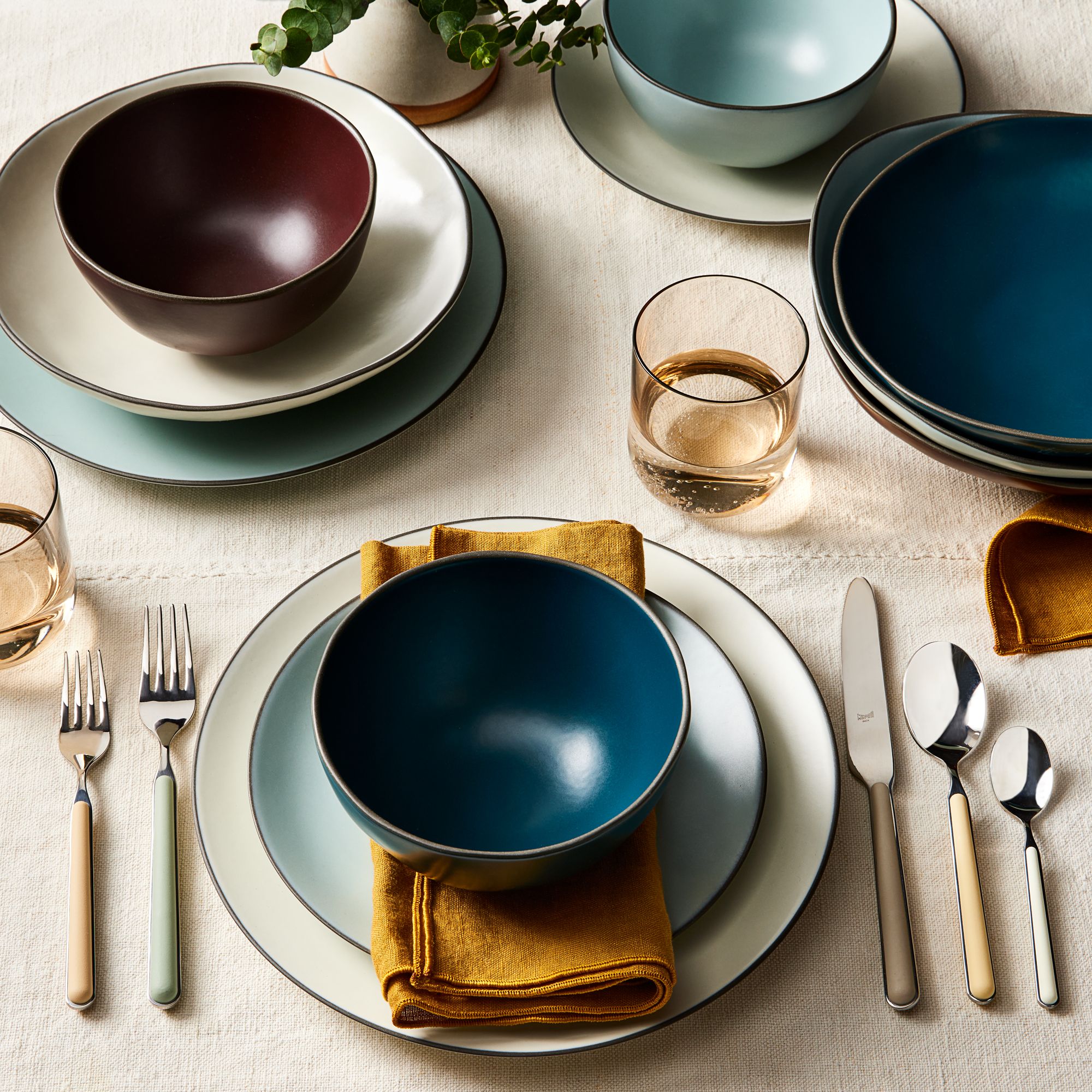
When you mix a matte stoneware plate with a polished gold fork and a textured glass tumbler, you are creating a "tactile landscape." Guests will find themselves running their fingers over the rim of the plate or admiring the way the candlelight catches the ribs of the glassware. It transforms a meal into a sensory event.
Pro-Tip: The "Three-Texture" Rule For a foolproof mixed table, aim for three distinct textures: something smooth (porcelain/glass), something organic (stoneware/linen), and something metallic (cutlery/rim details).
FAQ
What is the best material for frequent hosting? Bone china is the clear winner. Despite its delicate appearance, its high bone ash content makes it incredibly durable. In our 2026 tests, it outperformed porcelain and stoneware in chip resistance, making it the best long-term investment for those who host monthly or weekly.
How do I prevent utensil marks on matte stoneware? Matte glazes are beautiful but can sometimes show "metal marking" from stainless steel cutlery. This isn't actually a scratch in the ceramic; it’s a deposit of metal. You can easily remove these marks using a specialized ceramic cleaner or a simple paste of baking soda and water.
Are expensive dinnerware sets really worth the investment? Yes, but only if you buy pieces that are "open stock." This means you can replace a single broken plate rather than having to buy a whole new set. High-end brands like Heath Ceramics or Mud Australia offer timeless designs that you can add to over the decades, ensuring your collection grows with your hosting style.
Hosting is an act of generosity. When you take the time to select the right "blate" for your signature risotto or a whimsical pitcher for the table water, you’re telling your guests that their presence matters. Start with the essentials, focus on quality materials like bone china, and don't be afraid to mix in a little bit of the unexpected. Your next dinner party is waiting.