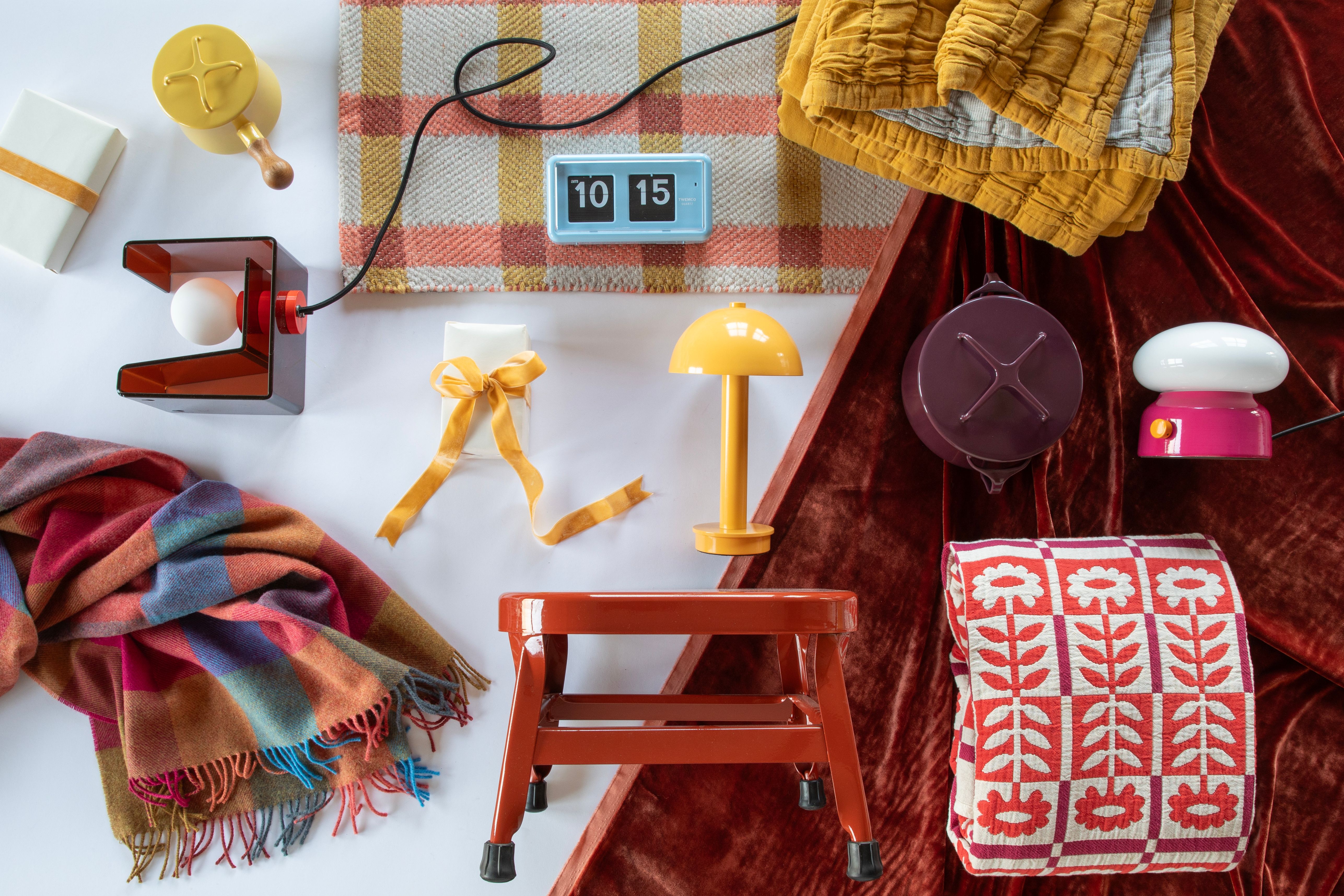
We have all felt it—that sudden, itching urge to overhaul a room because a specific aesthetic went viral on social media. In the fast-paced design cycle of 2026, "micro-trends" arrive and vanish within months, leaving us with homes filled with high-gloss plastics and "dupes" that lose their luster by next season. But there is a quiet rebellion brewing. Many of us are choosing to step away from the "haul" culture of fast-decor and toward something deeper: the soulful, mindful home.
A mindful home is not a museum of expensive objects; it is a space created by focusing on authentic, 'fad-free' design choices rooted in real-life needs, quality materials, and color palettes that promote emotional well-being. It is a "forever home" that prioritizes comfort over "clout." To achieve this, we must transition from the "Perfect Gallery" mindset to a "Mindful Sanctuary" approach, where every chair, lamp, and textile is chosen with intention.
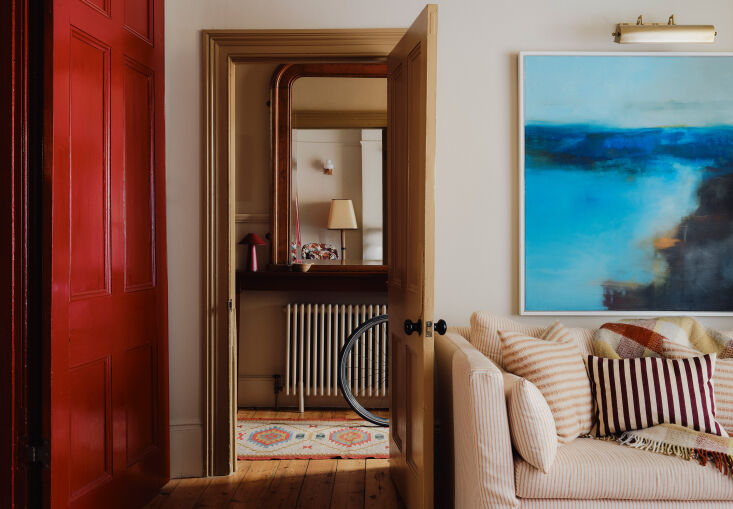
Secret 1: Prioritize Functional Authenticity and Longevity
The most sustainable thing you can do for your home is to design it once and design it right. We call this "functional authenticity." Instead of chasing seasonal aesthetics—like the "Mob Wife" or "Coastal Grandma" trends—focus on how your family actually moves through a room. When we prioritize real-life needs over fleeting looks, the results are measurable. Design analysis suggests that homes prioritizing functional authenticity over seasonal trends see a 40% increase in resident satisfaction regarding long-term living comfort.
To build a comfortable forever home, start with "unfussy" layouts. This means choosing versatile furniture that can adapt as your family grows. A dining table shouldn't just be for show; it should be the place where homework happens, craft projects are spread out, and Sunday dinners are shared. Look for pieces with "good bones"—solid wood joinery, heavy-duty linens, and modular designs that can be rearranged as your needs shift.

When choosing your palette, lean into colors that reflect the natural world. Soft ochres, muted sages, and warm terracottas aren't just trendy; they are grounded in color psychology to reduce cortisol levels and promote a sense of security.
Secret 2: Source from Ethical and Sustainable Brands
In the age of greenwashing, knowing where your furniture comes from is just as important as how it looks. Sustainable home decor is best achieved by sourcing from Fair Trade certified brands like The Citizenry and West Elm, which prioritize ethical labor and low-emission production.
The data back this up: leading sustainable retailers like The Citizenry now provide 100% Fair Trade certified products, paying their global artisans an average of twice the standard Fair Trade requirement. When you buy from these brands, you aren't just buying a rug; you are investing in a supply chain that respects both the planet and the person who wove it.
Editor’s Brand Picks: The Conscious List
- The Citizenry: Best for handcrafted, small-batch textiles and furniture.
- West Elm: A leader in bringing FSC-certified wood and Fair Trade to the mainstream.
- Quince: Excellent for high-quality GOTS-certified organic cotton bedding at accessible price points.
Before you make a purchase, run through this "Conscious Shopping Checklist":
- FSC-Certified Wood: Ensures the timber was harvested responsibly from managed forests.
- GOTS-Certified Cotton: Guarantees organic status from harvesting through environmentally and socially responsible manufacturing.
- OEKO-TEX Textiles: Tests for harmful substances, ensuring your curtains and cushions aren't off-gassing chemicals into your air.
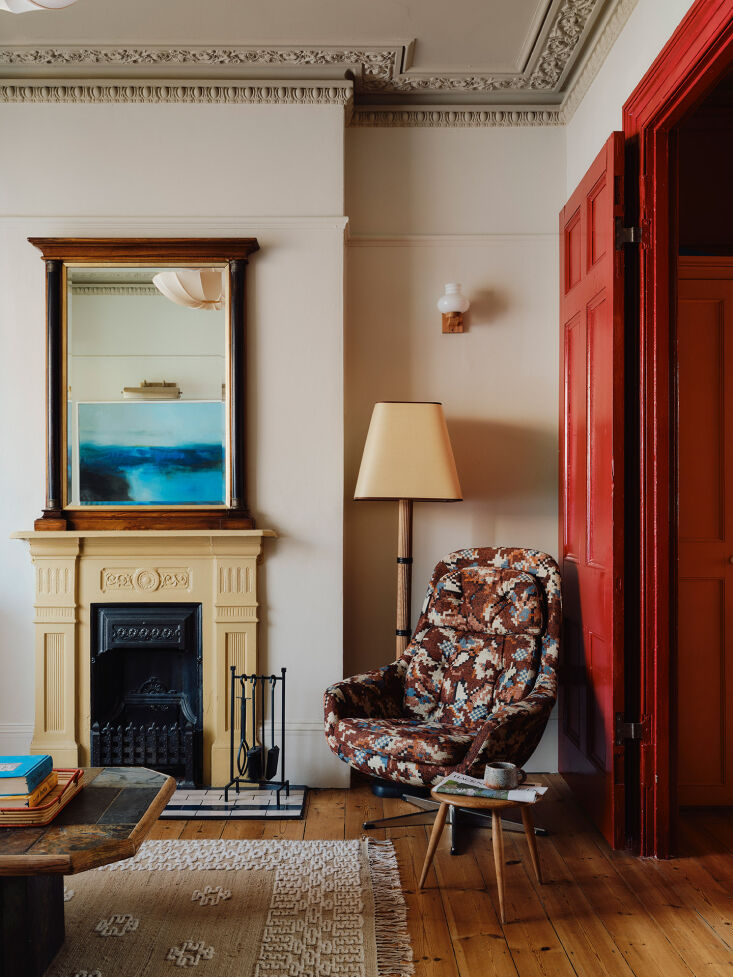
Secret 3: Integrate Biophilic and Wellness-Enhancing Elements
A mindful home does more than just sit there—it actively supports your health. This goes beyond just adding a few potted plants. True biophilic design involves integrating natural minerals and textures that resonate with our biological needs.
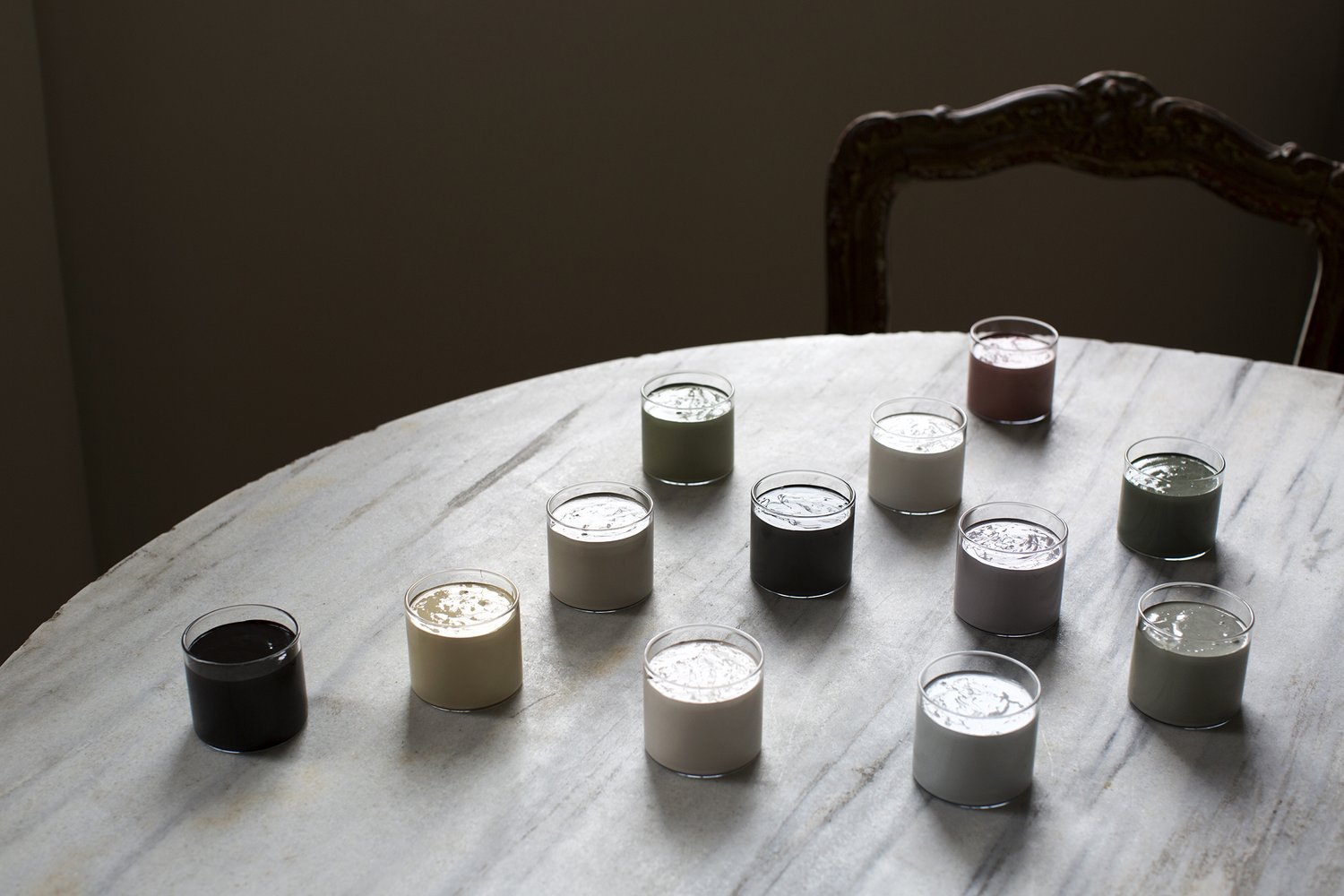
Consider "wellness paint" for your next renovation. Brands like Alkemis Paint use Earthstar minerals and zero-VOC (Volatile Organic Compound) formulas to ensure that the very air you breathe is free from toxic fumes. These paints don't just provide color; they offer a tactile, crystalline finish that interacts with light in a way that synthetic paints simply cannot.
For those looking to integrate high-tech wellness, we are seeing a shift toward "invisible health" products. Think red light shower filters that neutralize chlorine while supporting skin health, or PEMF (Pulsed Electromagnetic Field) pet beds from brands like HigherDOSE to help your furry companions recover from their daily adventures.
Lighting is perhaps your most powerful tool for wellness. To support your circadian rhythm, swap out harsh overhead LEDs for alabaster lamps and soft-glow stone textures. These materials diffuse light in a way that mimics the setting sun, signaling to your brain that it’s time to wind down.
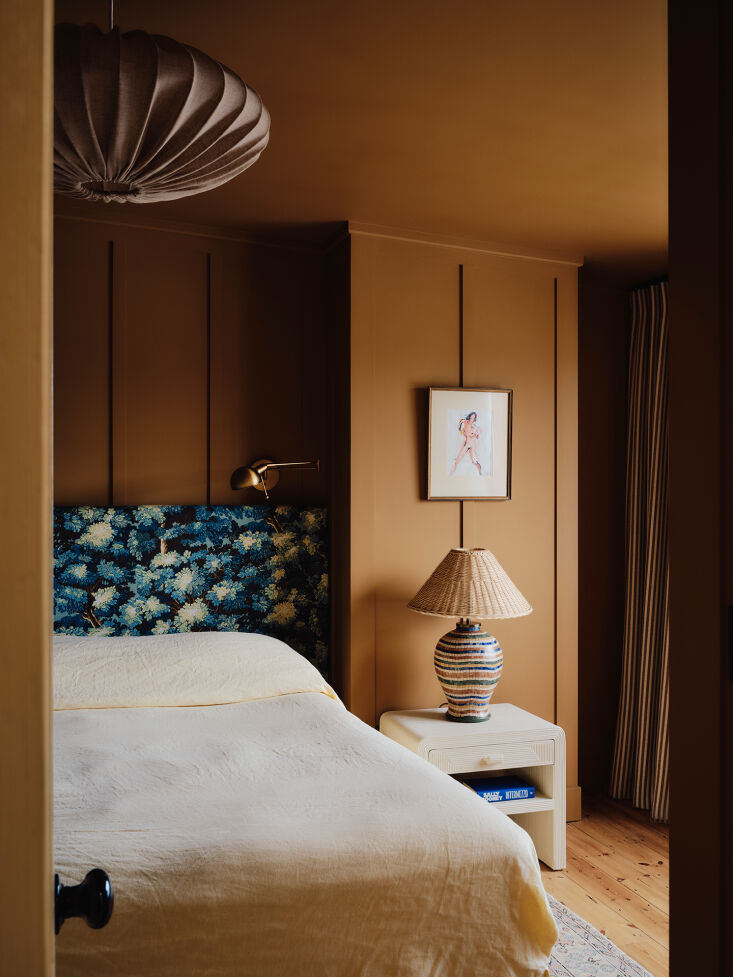
Secret 4: Choose 'Curiosity Over Consumption'
The greatest enemy of a mindful home is the "Add to Cart" reflex. We’ve all been there—boredom strikes, we scroll, and suddenly a new set of throw pillows is on its way. To break this cycle, I recommend the 24-Hour Curiosity Challenge.
When you feel the urge to buy something new, wait 24 hours. During that time, ask yourself: Why do I want this? Is it filling a functional gap, or am I just bored? More often than not, the urge passes. This is the moment to "shop your home." Try moving a piece of art from the hallway to the bedroom, or rearranging your bookshelves. You’d be surprised how much a simple shift in perspective can refresh a stale corner without spending a dime.
There is also immense value in the thrifted and the fixed. A wobbly chair found at a garage sale, when sanded and oiled, becomes a point of pride. It carries a story that a flat-pack box from a big-box retailer never will. By choosing curiosity over consumption, we cultivate a home that reflects our journey rather than a store catalog.
Secret 5: Embrace the 'Beautifully Imperfect' and Living
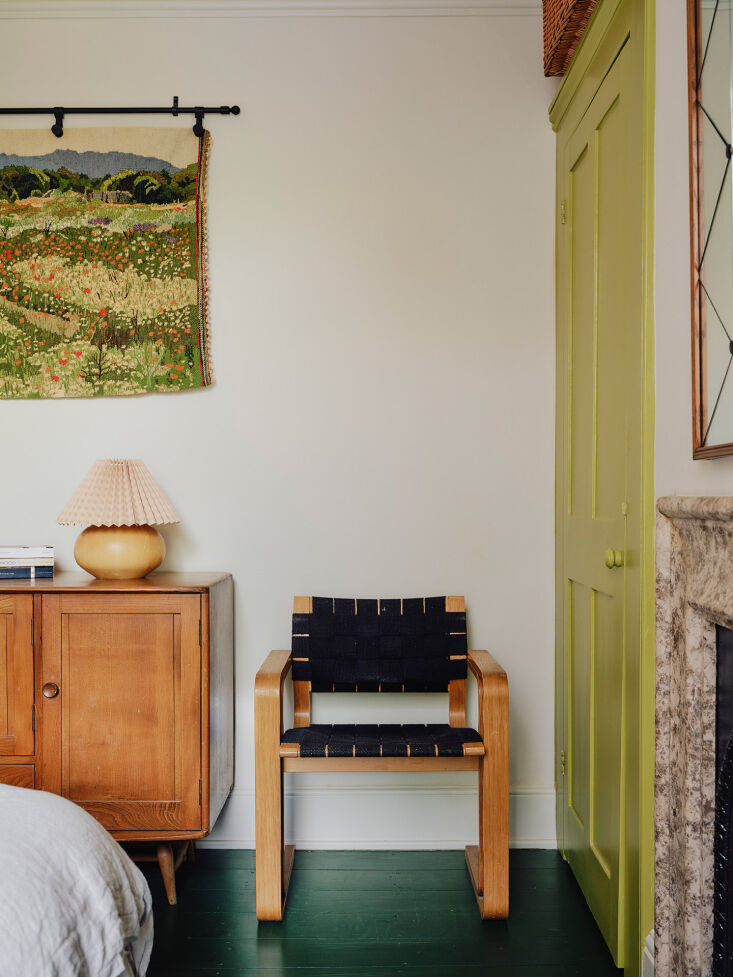
A "showroom" house often feels lonely because it lacks the signs of life. A mindful home, by contrast, feels alive because it embraces patina. Scuffs on a wooden floor, the fading of a sun-drenched rug, and the slight wobble in a handmade ceramic mug are not flaws—they are the marks of a life well-lived.
To lean into this, incorporate heirlooms and seasonal foraged decor. A bunch of garden-dried hydrangeas or a bowl of smooth river stones collected on a hike adds a layer of personal history that mass-produced decor cannot replicate.
Finally, design for connection rather than content. Reclaim your creative projects for your own joy rather than for social media. Build a reading nook because you love to read, not because it will look good in a photo. When we stop designing for the "likes" of strangers, we start designing for the love of our families.
FAQ
How can I make my home more mindful on a tight budget? Mindfulness isn't about how much you spend; it's about intentionality. Start by decluttering items that no longer serve a purpose. Focus on "shopping your home" by rearranging furniture and using natural elements like foraged branches or stones to add texture. Investing in one high-quality, Fair Trade textile (like a throw or pillow) can also elevate a space more than five cheap "dupes."
What are the most important certifications to look for in sustainable furniture? Look for FSC (Forest Stewardship Council) for wood, GOTS (Global Organic Textile Standard) for fabrics, and OEKO-TEX Standard 100 to ensure products are free from harmful chemicals. These certifications provide third-party verification that the products meet high environmental and social standards.
Does a mindful home have to be minimalist? Not at all. A mindful home can be "maximalist" if the items you own bring you genuine joy and serve a purpose. The key is avoiding mindless accumulation. Whether you have three items on a shelf or thirty, ensure they are there because you love them, not because a trend told you to buy them.
Creating a mindful home is a journey, not a destination. It’s about making one better choice at a time—choosing the mineral paint over the synthetic, the vintage chair over the plastic one, and the quiet afternoon of reading over the digital scroll. By focusing on longevity, ethics, and wellness, you aren’t just decorating a house; you are cultivating a sanctuary that will hold you comfortably for years to come.